Краткий ответ
Sheep placenta supplements are animal-derived powders or extracts made from ovine placental tissue. They are marketed for skin, healthy aging, energy, and hormonal wellness, but robust human trials on orally consumed sheep placenta are lacking. Animal studies and research on porcine or human placenta cannot confirm the same effects. Safety, identity, processing, contamination controls, and regulatory status should be verified product by product.
For consumers, плацента овцы should not replace proven nutrition, medical care, sunscreen, or evidence-based treatment. For supplement brands, the first questions are not “How many milligrams can we put on the label?” but “What exactly is the ingredient, how was it processed, what does the batch contain, and is it lawful in the target market?”
What Is Sheep Placenta?
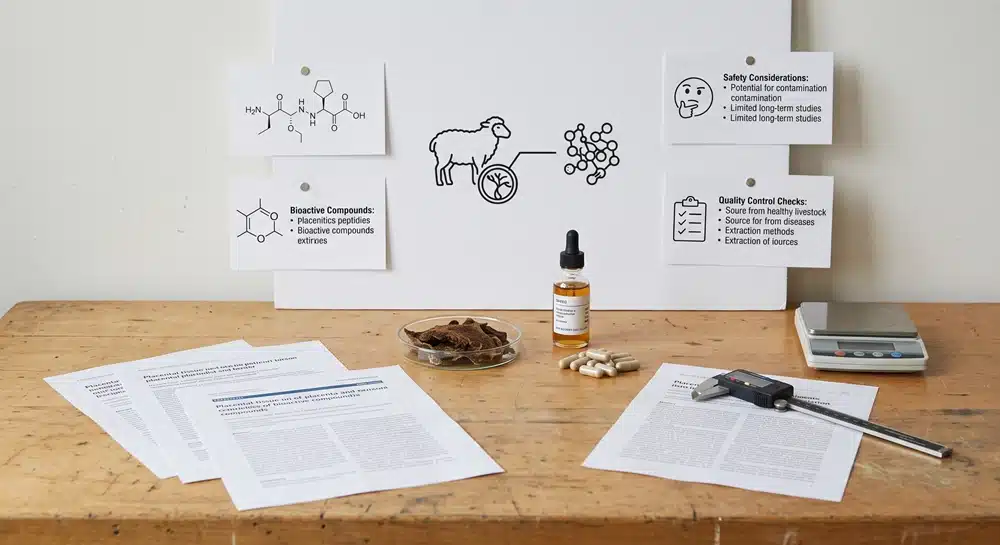
Sheep placenta is the temporary organ that supports a developing lamb during pregnancy. In supplements, the phrase usually refers to a dried powder, hydrolyzed material, or concentrated extract produced from placental tissue collected from sheep.
Sheep, Lamb, and Ovine Placenta
Ovine placenta is the technical term for sheep placenta. “Lamb placenta” is sometimes used in product marketing, but the label should accurately identify the animal species and source material. A product name alone does not establish species identity, purity, or concentration.
Raw Tissue, Powder, Extract, and Hydrolysate Are Not the Same
| Ingredient Description | What It May Mean | Что следует проверить покупателям |
|---|---|---|
| Whole or dried placenta powder | Dehydrated and milled placental tissue | Species identity, microbial controls, moisture, protein, contaminants, and processing temperature |
| Sheep placenta extract | A selected soluble fraction produced with water, enzymes, or another extraction process | Extraction solvent, carrier, extraction ratio, yield, marker specification, and residual solvents |
| Hydrolyzed sheep placenta | Proteins may have been broken into smaller peptides and amino acids | Enzyme process, molecular-weight profile, degree of hydrolysis, and finished-product identity method |
| “5000 mg equivalent” extract | A mathematical raw-material equivalent based on an extract ratio | Actual extract weight, ratio calculation, carrier content, and whether any active marker is standardized |
Sheep Placenta vs Collagen: Key Differences
Sheep placenta and collagen peptides are not interchangeable ingredients. Collagen peptides are hydrolyzed structural proteins characterized mainly by their amino-acid and peptide profile. Sheep placenta extract is a less standardized animal-tissue ingredient whose composition depends heavily on the tissue source and manufacturing process.
| Фактор | Экстракт овечьей плаценты | Пептиды коллагена |
|---|---|---|
| Идентификация ингредиентов | Processed ovine placental tissue or a fraction of it | Hydrolyzed collagen protein from a declared animal source |
| Typical characterization | Varies by supplier; may include protein, peptides, amino acids, lipids, ash, moisture, and process-specific markers | Protein content, amino-acid profile, molecular-weight distribution, source, and microbiological specifications |
| Human oral evidence | Direct high-quality evidence for sheep placenta is limited | Broader human research exists for selected skin and joint outcomes, although results remain product- and population-specific |
| Main formulation issue | Identity, safety, regulatory status, sourcing, and claim substantiation | Dose, sensory profile, protein quality, source, and claim substantiation |
| Can one replace the other? | No. They have different identities, specifications, evidence bases, and intended uses. | |
Brands developing collagen products can review our wholesale collagen peptide options. Brands evaluating less common animal-derived materials should begin with a separate regulatory and quality assessment.
What Does Sheep Placenta Contain?
Fresh placental tissue contains a complex mixture of proteins, peptides, lipids, carbohydrates, minerals, enzymes, hormones, cytokines, and other biological molecules. However, that description applies to the original tissue—not automatically to a commercial capsule.
Why Raw-Tissue Composition Does Not Prove Finished-Product Activity
- Heat, drying, enzymes, pH, solvents, filtration, and storage can alter or remove biological molecules.
- Proteins and peptide hormones may be degraded during processing or digestion.
- A compound detected in raw tissue may not be present at a meaningful concentration in the finished extract.
- Detecting a molecule does not prove that an oral serving produces a clinical effect.
- Different suppliers may sell materials with substantially different composition under the same ingredient name.
Any claim about collagen, growth factors, hormones, peptides, or other constituents should be supported by a validated test on the specific ingredient or finished product—not by a general description of mammalian placenta.
What Does the Evidence Actually Show?
| Тип доказательства | What Is Available | What It Can Establish |
|---|---|---|
| Laboratory and cell research | Studies of placental components and extracts from different species | Possible mechanisms only; not human benefits or safety |
| Sheep placenta animal studies | Mouse or rat studies evaluating aging-related markers, exercise, liver injury, or other experimental conditions | Preclinical signals that require human confirmation |
| Human studies using porcine or equine placenta | Small trials of specific extracts, doses, and populations | Information about those exact products; not proof for sheep placenta |
| Human placental medicines or injections | Country-specific medical products with different processing and routes | Cannot be applied to an over-the-counter oral sheep placenta capsule |
| Direct oral sheep placenta human trials | No robust body of replicated, high-quality evidence was identified for broad wellness claims | Benefits remain uncertain |
Animal Studies Are Not Human Clinical Proof
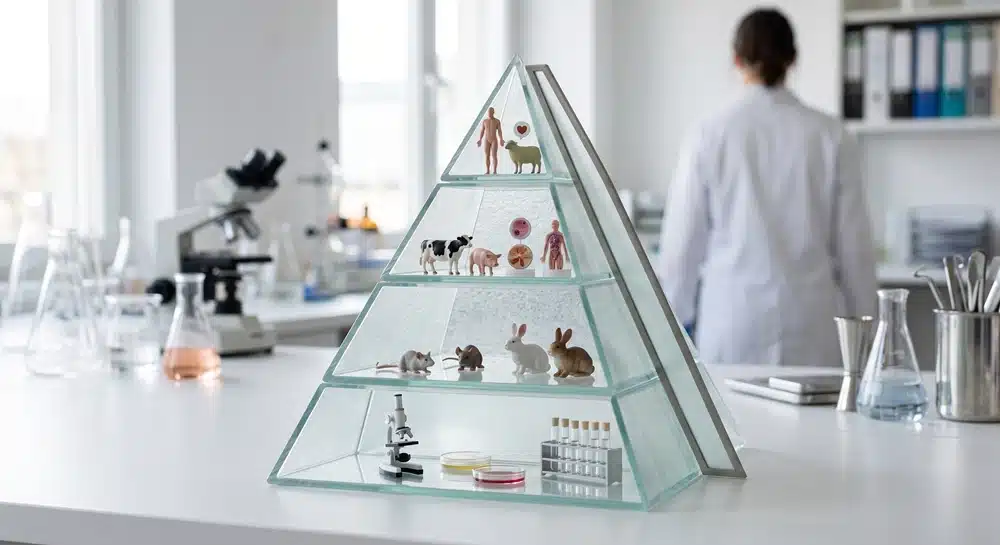
Recent studies have examined sheep placenta extract in aging mouse models and other experimental animal models. These studies may help researchers generate hypotheses, but they do not establish that a commercial sheep placenta supplement improves skin, energy, immunity, hormones, fertility, or longevity in humans.
Why Porcine and Human Placenta Studies Are Indirect
Some small human trials have evaluated porcine placenta extracts. Other publications discuss human placental preparations used in medical settings. Species, tissue handling, extraction method, dose, route of administration, product specification, and study population can all change the result. These studies should not be presented as direct proof for an oral ovine placenta product.
Potential Sheep Placenta Benefits: Claims vs Evidence
| Распространенное утверждение | Оценка доказательств | Responsible Conclusion |
|---|---|---|
| Improves skin hydration or elasticity | Some small human studies involve porcine placenta; direct sheep-specific oral evidence is limited | Do not promise visible skin improvement from sheep placenta without product-specific human data |
| Reduces wrinkles or reverses aging | Mostly preclinical or indirect evidence | “Anti-aging” and reversal claims are not substantiated by current direct evidence |
| Boosts energy and exercise performance | Animal findings do not establish human benefit | Human trials using the exact product would be required |
| Supports immunity or reduces inflammation | Mechanistic and animal research may exist, but broad clinical effects are unconfirmed | Avoid immune-treatment or disease claims |
| Balances hormones or relieves menopause | Finished-product hormone composition and endocrine effects are not adequately standardized | Do not market as hormone replacement or treatment |
| Improves fertility or libido | No reliable direct evidence identified for oral sheep placenta supplements | Remove fertility, sexual-function, or reproductive treatment claims |
| Repairs organs, wounds, or joints | Experimental studies cannot establish oral clinical repair | Do not use organ-repair, wound-treatment, or arthritis claims |
Sheep Placenta Benefits for Skin
Skin is one of the most common search themes, but the evidence must be described accurately. A small randomized study of porcine—not sheep—placenta extract reported changes in selected skin measurements in healthy women over four weeks. That study cannot demonstrate the same outcome for a differently processed sheep placenta product.
Consumers seeking evidence-based skin support should prioritize sun protection, adequate nutrition, sleep, and appropriately formulated products. Supplement brands should not use research on another species as if it were a direct clinical trial of their own ingredient.
Aging, Vitality, and Exercise
Sheep placenta extract has been investigated in animal aging models. Improvements in animal biomarkers or performance tests do not prove that a capsule slows human aging, extends life, or improves exercise recovery. These claims require well-controlled human studies on the exact finished product.
Hormonal and Reproductive Claims
Placental tissue is biologically active during pregnancy, which is precisely why hormone-related marketing requires caution. It should not be assumed that a processed supplement contains a predictable hormone profile, nor should the ingredient be marketed to treat menopause, infertility, menstrual disorders, or low libido.
Sheep Placenta Side Effects and Safety
There is no single safety profile that applies to every sheep placenta supplement. Products differ in source tissue, processing, extract ratio, carriers, contaminants, testing, dose, and other formula ingredients. Direct long-term human safety data are limited.
Possible Allergy and Digestive Intolerance
As an animal-derived protein or peptide material, sheep placenta may cause intolerance or allergic reactions in susceptible people. Nausea, stomach discomfort, diarrhea, rash, itching, swelling, or breathing difficulty require appropriate medical attention. The actual frequency of these effects is not established.
Hormone-Sensitive Conditions and Long-Term Uncertainty
Marketing often refers to hormones or growth factors, but many products do not publish validated finished-product measurements. People with hormone-sensitive conditions, a history of hormone-dependent tumors, unexplained bleeding, or endocrine disorders should not self-treat with placenta supplements and should discuss the product with a qualified healthcare professional.
There is not enough evidence to conclude that sheep placenta supplements cause cancer or prevent cancer. The appropriate conclusion is that long-term safety and endocrine effects have not been adequately characterized for standardized oral sheep placenta products.
Pregnancy, Breastfeeding, Children, and Medication Users
Pregnant or breastfeeding people, children, and people taking prescription medicines should avoid using sheep placenta unless a qualified healthcare professional has reviewed the exact product. The absence of reported interactions is not proof that interactions do not exist.
Animal-Source and Contamination Risks
Animal-derived tissue ingredients require controls beyond a generic heavy-metals panel. Buyers should verify species, country of origin, veterinary oversight, collection conditions, disease-risk assessment, microbial controls, processing validation, lot traceability, and storage.
A certificate that only says “sheep placenta extract—passes” is not sufficient. The test method, specification limits, and actual batch results should be available.
Is There an Evidence-Based Sheep Placenta Dosage?
No universally accepted, evidence-based oral dosage has been established for sheep placenta supplements. Products may list a few hundred milligrams of extract or a much larger “raw material equivalent,” but these numbers are not clinically interchangeable.
What Does “5000 mg Equivalent” Mean?
An extract ratio describes how much starting material was used to produce a smaller amount of extract. For example, a 10:1 extract may be presented as 500 mg of extract equivalent to 5,000 mg of starting material. This does not mean the capsule contains 5,000 mg of finished powder, and it does not identify the amount of any active constituent.
Brands should disclose:
- the actual extract weight per serving;
- the extraction ratio and calculation basis;
- the amount and identity of carriers;
- the marker or specification used to demonstrate batch consistency;
- whether the claimed equivalent is based on wet tissue, dry tissue, or another starting material.
How Consumers Should Evaluate a Sheep Placenta Supplement
- Check the exact ingredient name. The label should identify sheep or ovine placenta and distinguish powder from extract.
- Find the actual serving amount. Do not rely only on a large “equivalent” number.
- Review other ingredients. Effects or reactions may come from vitamins, botanicals, collagen, capsule materials, or additives.
- Look for batch testing. Ask for identity, microbial, heavy-metal, and contaminant results.
- Verify sourcing. Country, species, collection, traceability, and animal-health controls should be documented.
- Avoid disease claims. A product marketed to treat arthritis, infertility, autoimmune disease, cancer, or hormonal disorders should raise concern.
- Discuss high-risk use with a clinician. This is especially important for pregnancy, breastfeeding, children, endocrine conditions, allergies, cancer history, and medication use.
Formulation and Quality Requirements for Supplement Brands
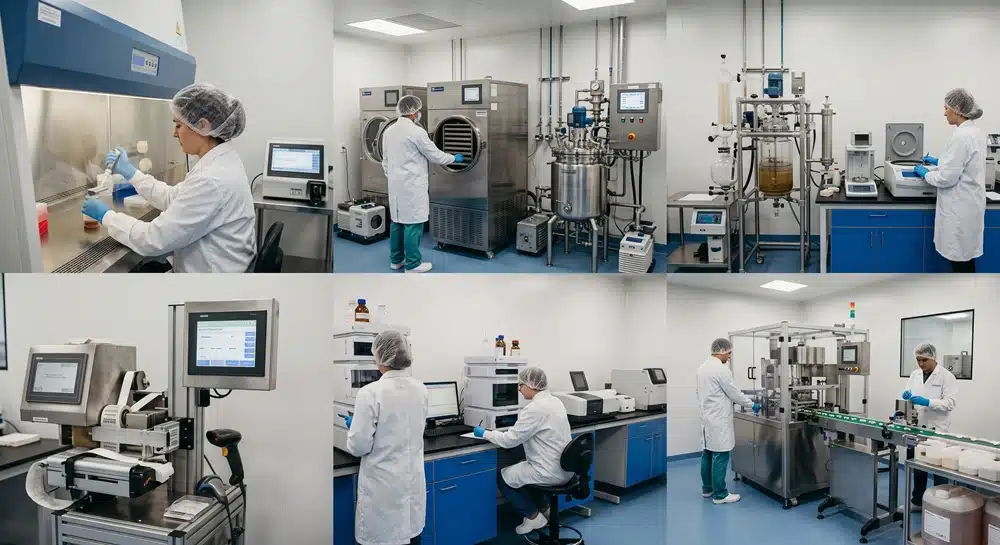
Animal-derived specialty ingredients require an ingredient-specific quality plan. Generic GMP certificates do not replace identity, safety, and regulatory review.
Identity and Species Verification
- scientific species name and tissue definition;
- validated species-identity method appropriate for the processed material;
- distinction between placenta tissue, hydrolysate, peptide fraction, and carrier blend;
- raw-to-extract ratio and manufacturing yield;
- validated method for any standardized marker claim.
Source, Traceability, and Animal-Health Documentation
- country and region of origin;
- approved collection facility or slaughterhouse documentation;
- veterinary health records and animal-disease risk assessment;
- batch-level traceability from tissue collection to finished extract;
- collection time, temperature controls, transport, quarantine, and release procedure;
- religious or ethical certifications when commercially relevant.
COA and Contaminant Testing
| Область спецификации | Recommended Documentation |
|---|---|
| Идентичность | Validated species/tissue identity test, plus process-specific fingerprint where feasible |
| Состав | Protein, amino-acid or peptide profile, moisture, ash, carrier percentage, and any claimed marker |
| Микробиология | Total aerobic count, yeast and mold, specified pathogens, and risk-based testing |
| Animal-pathogen controls | Supplier risk assessment, process validation, and applicable veterinary documentation |
| Тяжелые металлы | Lead, arsenic, cadmium, and mercury with actual results and methods |
| Process residues | Residual solvents, enzyme residues, cleaning-agent risk, or other process-specific tests |
| Физические свойства | Appearance, odor, particle size, bulk density, solubility, and flowability |
| Стабильность | Real-time or accelerated data supporting shelf life in the intended dosage form |
Dosage Form Considerations
Capsules may be the most practical format because animal-tissue extracts can have a strong odor or taste. However, capsule fill weight, extract ratio, carrier level, flowability, hygroscopicity, and stability must be tested. Brands planning a capsule product can review our capsule supplement manufacturing capabilities.
Powders, beverages, gummies, and liquids require additional sensory, microbiological, solubility, and stability work. For format selection, see our производство порошковых добавок и услуги по разработке рецептур на заказ.
Finished-Product Verification
Testing only the incoming ingredient may not be enough. Brands should define finished-product specifications, confirm label quantities when technically possible, verify microbial and contaminant limits, conduct stability work, and retain batch records and reserve samples. Learn more about our усовершенствовать процесс контроля качества.
U.S. Regulatory and Claim Considerations
U.S. dietary supplements are not approved by FDA before marketing. Whether an exact sheep placenta ingredient is an “old dietary ingredient” or a new dietary ingredient depends on its identity, manufacturing process, and history of marketing before October 15, 1994. FDA states that there is no authoritative list of ingredients marketed before that date.
A previous NDI submission or listing is not FDA approval. A brand should evaluate the exact supplier material, manufacturing process, serving conditions, safety information, and notification history with qualified regulatory counsel before launch.
Manufacturers, packers, labelers, and holders of dietary supplements for the U.S. market must comply with applicable 21 CFR Part 111 requirements. Specifications should cover component identity, purity, strength, composition, in-process controls, packaging, labels, and finished batches.
Claims must be truthful, not misleading, and supported by competent evidence. Do not claim that sheep placenta treats, cures, mitigates, or prevents arthritis, cancer, infertility, menopause, autoimmune disease, dermatitis, liver disease, or other conditions. FDA has previously challenged disease claims made for a product marketed as Sheep Placenta Advance Capsules.
Вопросы по запросу предложений от поставщиков
- What is the scientific species and exact tissue definition?
- Is the ingredient a whole powder, hydrolysate, soluble extract, or carrier blend?
- What is the country and facility of origin?
- How is the placenta collected, transported, quarantined, and released?
- What veterinary and animal-disease documentation is available?
- How is species identity verified after processing?
- What extraction solvent, enzyme, temperature, and filtration steps are used?
- What is the actual extract ratio and starting-material basis?
- What carriers or processing aids are present, and at what percentage?
- Which marker demonstrates batch consistency?
- What are the protein, peptide, moisture, ash, and physical specifications?
- Which pathogens and microorganisms are tested?
- What process validation supports pathogen reduction or inactivation?
- What heavy-metal and residual-solvent limits apply?
- Are hormones or growth factors claimed, measured, or intentionally removed?
- What methods, limits, and actual results appear on each COA?
- What stability data support the proposed shelf life?
- What is the U.S. regulatory assessment for the exact ingredient?
- What claims are supported by studies on this specific material?
- What are the MOQ, lead time, change-control process, and recall responsibilities?
Brands with a documented ingredient specification and target market can contact Gensei to discuss feasibility, dosage form, testing, MOQ, and regulatory review.
Часто задаваемые вопросы
What is sheep placenta?
Sheep placenta is placental tissue from sheep. Supplement ingredients may be sold as dried powder, hydrolyzed material, or concentrated extract. The product specification—not the marketing name—determines what the finished ingredient actually contains.
What are the benefits of sheep placenta supplements?
Sheep placenta is marketed for skin, aging, vitality, immunity, and hormonal wellness. However, direct high-quality human evidence for orally consumed sheep placenta is limited. Animal studies and research on other species should not be treated as proof of the same human benefit.
What are the side effects of sheep placenta?
Possible concerns include allergy, digestive intolerance, reactions to other formula ingredients, contamination, and uncertain endocrine or long-term effects. Reliable rates are not established because products are not standardized and direct human safety data are limited.
Does sheep placenta really work?
Current evidence does not confirm broad benefits for commercial oral sheep placenta supplements. A product-specific conclusion would require well-designed human studies using the same ingredient, dose, processing method, and finished formula.
Is sheep placenta good for skin?
Some small human studies involve porcine placenta extracts, while sheep-specific evidence is mainly preclinical. These findings cannot guarantee that an oral sheep placenta capsule improves hydration, elasticity, wrinkles, or pigmentation.
Is sheep placenta the same as collagen?
No. Collagen peptides are hydrolyzed structural proteins with defined protein and peptide characteristics. Sheep placenta extract is a complex animal-tissue ingredient with different composition, evidence, safety questions, and regulatory considerations.
Can sheep placenta cause cancer?
There is not enough evidence to conclude that sheep placenta supplements cause cancer or prevent cancer. Because long-term and endocrine safety data are limited, people with hormone-sensitive conditions or a cancer history should consult an appropriate healthcare professional before considering the product.
Can pregnant or breastfeeding people take sheep placenta?
Pregnant or breastfeeding people should avoid sheep placenta supplements unless a qualified healthcare professional has reviewed the exact product. Safety has not been adequately established for these groups.
What does “5000 mg sheep placenta” mean?
It may refer to a raw-material equivalent rather than the actual amount of extract in the capsule. Check the true extract weight, extract ratio, starting-material basis, carrier level, and standardized marker.
How can supplement brands verify sheep placenta quality?
Verify species and tissue identity, country and facility of origin, veterinary records, batch traceability, processing, extraction ratio, carriers, pathogen controls, microbiology, heavy metals, residual solvents, composition, stability, and U.S. regulatory status.
<section>
    <h2>Ссылки</h2>
    <ol>
      <li><a href="https://www.ftc.gov/business-guidance/resources/health-products-compliance-guidance" target="_blank" rel="noopener">Федеральная торговая комиссия. Руководство по соблюдению требований к товарам для здоровья.</a></li>
      <li><a href="https://www.fda.gov/food/new-dietary-ingredient-ndi-notification-process/new-dietary-ingredients-dietary-supplements-background-industry" target="_blank" rel="noopener">U.S. Food and Drug Administration. New Dietary Ingredients in Dietary Supplements: Background for Industry.</a></li>
      <li><a href="https://www.fda.gov/regulatory-information/search-fda-guidance-documents/small-entity-compliance-guide-current-good-manufacturing-practice-manufacturing-packaging-labeling" target="_blank" rel="noopener">U.S. Food and Drug Administration. Dietary Supplement Current Good Manufacturing Practice Guidance.</a></li>
      <li><a href="https://www.fda.gov/inspections-compliance-enforcement-and-criminal-investigations/advisory-letters/advisory-letter-life-decoders-llc" target="_blank" rel="noopener">U.S. Food and Drug Administration. Advisory Letter to Life Decoders, LLC regarding Sheep Placenta Advance Capsules.</a></li>
      <li><a href="https://pubmed.ncbi.nlm.nih.gov/30577642/" target="_blank" rel="noopener">Liu J, et al. The Protective Effect of Sheep Placental Extract on Concanavalin A-Induced Liver Injury in Mice.</a></li>
      <li><a href="https://pmc.ncbi.nlm.nih.gov/articles/PMC11979192/" target="_blank" rel="noopener">He S, et al. Effect of Sheep Placenta Extract on D-Galactose-Induced Aging in a Mouse Model.</a></li>
      <li><a href="https://www.mdpi.com/2227-9717/10/11/2242" target="_blank" rel="noopener">Chou MY, et al. Evaluation of Antiaging Effect of Sheep Placenta Extract Using an Aging Mouse Model.</a></li>
      <li><a href="https://pubmed.ncbi.nlm.nih.gov/32512710/" target="_blank" rel="noopener">Nagae M, et al. Effect of Porcine Placenta Extract Supplement on Skin Condition in Healthy Adult Women: A Randomized, Double-Blind, Placebo-Controlled Study.</a></li>
      <li><a href="https://www.frontiersin.org/journals/pharmacology/articles/10.3389/fphar.2025.1707890/full" target="_blank" rel="noopener">Biological Effects of Human Placental Extracts: Variations in Manufacturing Methods and Compositions.</a></li>
      <li><a href="https://pubmed.ncbi.nlm.nih.gov/30681787/" target="_blank" rel="noopener">Choi FD, et al. Oral Collagen Supplementation: A Systematic Review of Dermatological Applications.</a></li>
    </ol>
  </section>

  <footer>
    <p><strong>Медицинское и нормативная оговорка:</strong> This article is for general educational and formulation-planning purposes. It does not diagnose, treat, cure, or prevent disease and does not replace medical or legal advice. Regulatory status, safety, specifications, and permitted claims must be reviewed for the exact ingredient, process, formula, dose, label, and target market.</p>
  </footer>
</article>
Уоррен Ван — опытный специалист с обширным стажем работы в сфере цепочки поставок пищевых добавок, обладающий богатым практическим опытом в области исследований, разработки, контроля производственных процессов и глобального поиска поставщиков ключевых ингредиентов, таких как коллагеновые пептиды, белок костного бульона и кератин. Как автор этой рубрики, он стремится развенчать маркетинговую мистификацию, преобразуя малоизвестные научные факты об ингредиентах и стандарты контроля качества производства в доступные и достоверные научно-популярные материалы, помогая читателям понять правду, скрытую за этикетками, и делать более рациональный выбор в вопросах здоровья.