
بالنسبة لعلامات المكملات الغذائية ومطوري التركيبات الغذائية ومشتري المكونات، فإن الاختيار بين زيت السمك وزيت بذور الكتان لا يقتصر على مجرد السؤال عن “أيهما أكثر صحة”. بل إنه يحدد ما إذا كان المنتج النهائي سيوفر أحماض EPA وDHA الجاهزة، أو حمض ALA النباتي، أو استراتيجية تسويقية مختلطة لأحماض أوميغا-3 مع متطلبات مختلفة فيما يتعلق بالاستقرار، والمواد المسببة للحساسية، والادعاءات المذكورة على الملصق، وأشكال الجرعات.
فهم أحماض أوميغا 3 الدهنية
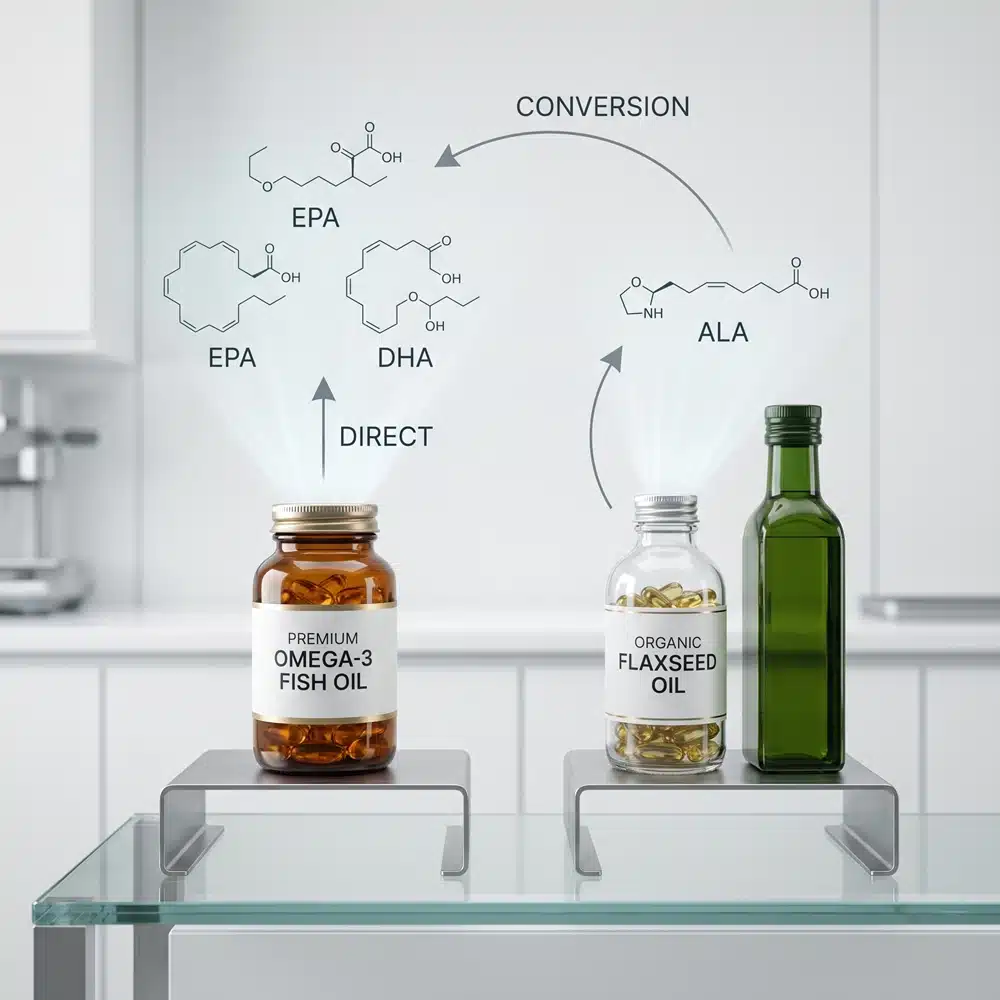
تصنف أحماض أوميغا-3 الدهنية إلى حمض الألفا-لينولينيك (ALA) قصير السلسلة وحمض الإيكوسابنتاينويك (EPA) وحمض الدوكوساهيكسانويك (DHA) طويل السلسلة. زيت بذور الكتان غني بـ ALA، بينما يوفر زيت السمك EPA و DHA مباشرةً. ونظرًا لأن جسم الإنسان يحول ALA إلى EPA و DHA بكميات محدودة فقط، فإن زيت بذور الكتان لا يُعد مكافئًا غذائيًا مباشرًا لزيت السمك في التركيبات التي تتطلب وجود كميات قابلة للقياس من EPA/DHA في لوحة «حقائق المكملات الغذائية».
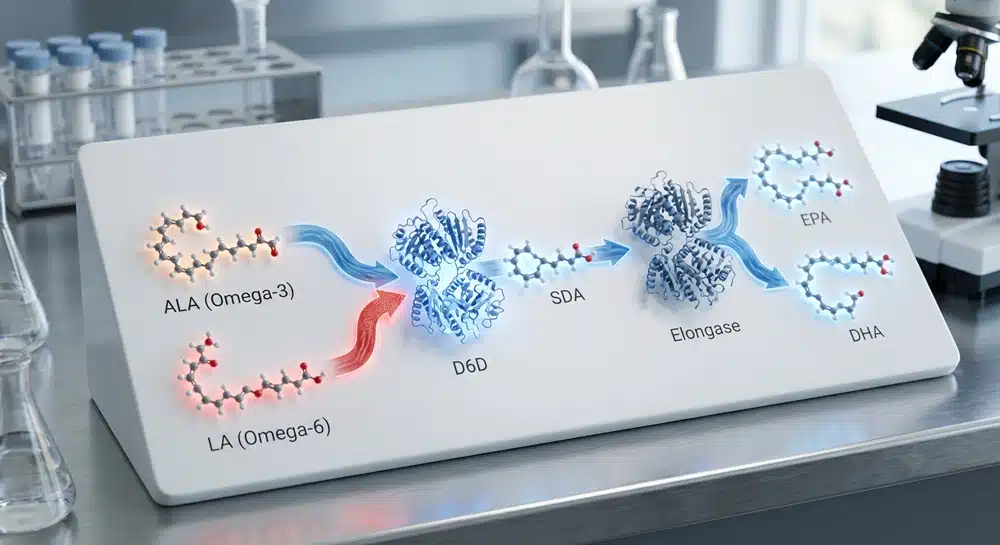
أوميغا-3 نباتي المنشأ موجود في زيت بذور الكتان، والشيا، والجوز، وزيت فول الصويا، وزيت الكانولا.
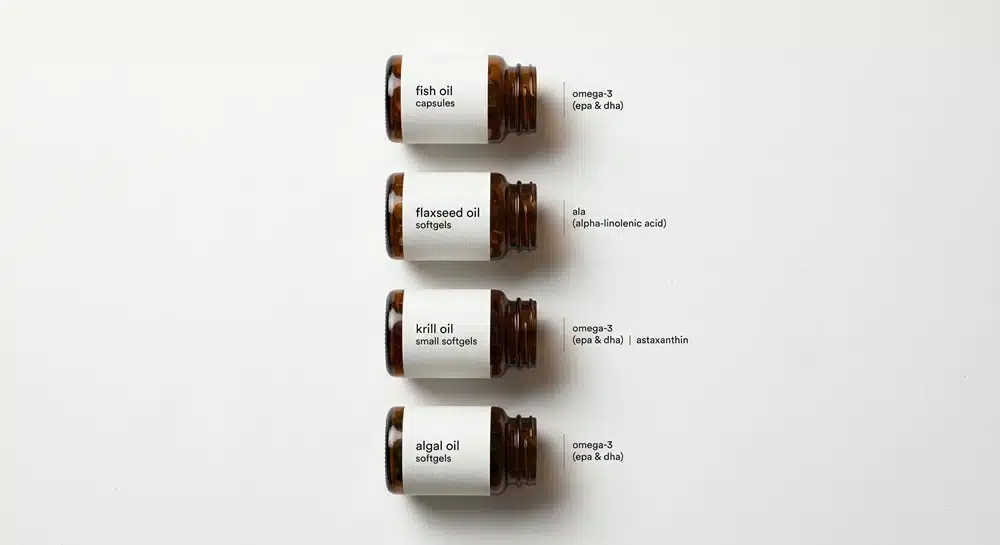
أوميغا-3 طويل السلسلة موجود في زيت السمك وزيت الكريل وبعض مصادر الطحالب.
أوميغا-3 طويل السلسلة يتركز في المصادر البحرية، وله أهمية بالغة في صحة العين والدماغ وبنية الأغشية الخلوية.
لماذا يُعد تحويل ALA أحد مخاطر التركيب
تصف العديد من المقالات الموجهة للمستهلكين تحويل حمض الألفا-لينولينيك (ALA) برقم بسيط يتراوح بين 5 و10%، لكن ينبغي التعامل مع هذا الرقم باعتباره تقديرًا تخطيطيًّا وليس نتيجة بيولوجية مضمونة. يعتمد تحويل حمض الألفا-لينولينيك (ALA) على التنافس الإنزيمي مع حمض اللينوليك أوميغا-6، والخلفية الغذائية، والجنس، والعوامل الوراثية، والحالة الأيضية، والمدخول الحالي من حمض إيكوسابنتاينويك (EPA) وحمض الدوكوساهيكسانويك (DHA). وبالنسبة لأصحاب العلامات التجارية، يعني هذا أنه يمكن لمنتج زيت بذور الكتان أن يبرز بصدق أنه يحتوي على “أوميغا-3 ALA نباتي المنشأ”، ولكن لا ينبغي تسويقه على أنه بديل مباشر لزيت السمك ما لم تتضمن التركيبة أيضًا مصدرًا مباشرًا لـ EPA و DHA مثل زيت الطحالب.
ما هو زيت السمك؟
زيت السمك هو مكون دهني مشتق من مصادر بحرية، يتم توحيد معاييره وفقًا لمحتوى حمض الإيكوسابنتاينويك (EPA) وحمض الدوكوساهيكساينويك (DHA). في صناعة المكملات الغذائية، لا تقتصر المواصفات الرئيسية على مجرد “1,000 ملغ من زيت السمك”، بل تشمل الكمية المؤكدة من حمض الإيكوسابنتاينويك وحمض الدوكوساهيكساينويك (EPA + DHA) لكل جرعة، وشكلهما (الدهون الثلاثية أو إستر الإيثيل)، وحالة الأكسدة، واختبارات الكشف عن الملوثات، وخصائص الرائحة، والتوافق مع الشكل الصيدلاني المختار.
يُعد زيت السمك عادةً الأنسب لـ تصنيع الكبسولات اللينة نظرًا لأن مركبي EPA وDHA هما مادة فعالة ذات أساس زيتي تحتاج إلى الحماية من الأكسجين والضوء والحرارة أثناء عمليات التعبئة والمعالجة والتغليف. وينبغي لمشاريع زيت السمك عالية الجودة أن تطلب وثائق شهادة تحليل (COA) خاصة بكل دفعة تتضمن تحليل EPA/DHA، وقيمة البيروكسيد، وقيمة p-anisidine، ومؤشر TOTOX، والمعادن الثقيلة، ومركبات ثنائي الفينيل متعدد الكلور (PCBs)/الديوكسينات، والتحليل الميكروبيولوجي، والرائحة الحسية.
ما هو زيت بذور الكتان؟
زيت بذور الكتان، المعروف أيضًا باسم زيت بذور اللين، هو مكون دهني نباتي المنشأ يُستخرج بالضغط من بذور نبات Linum usitatissimum، وهو غني بشكل طبيعي بحمض ألفا-لينولينيك (ALA). ويُعد هذا الزيت خيارًا جذابًا للتركيبات النباتية والخالية من الأسماك وذات الملصقات النظيفة، لكنه لا يوفر بشكل طبيعي كميات ذات أهمية من حمض إيكوسابنتاينويك (EPA) أو حمض الدوكوساهيكسانويك (DHA).
من منظور التصنيع، يتطلب زيت بذور الكتان مراقبة صارمة لدرجة نضارته وقيمة البيروكسيد والتعرض للضوء ومستوى الأكسجين في العبوة؛ ذلك لأن الزيوت النباتية عالية عدم التشبع يمكن أن تتأكسد بسرعة في حال سوء إدارة سلسلة التوريد. واعتمادًا على السوق، يمكن تطويره كزيت سائل أو ككبسولات هلامية أو كمكون زيتي في شكل مسحوق من خلال الشركة المصنعة للمكملات الغذائية السائلة أو الأشكال القائمة على الكبسولات.
زيت السمك مقابل زيت بذور الكتان: ما الفرق بينهما؟
يكمن الاختلاف الأساسي في الشكل الكيميائي الحيوي. فزيت السمك يوفر أحماض أوميغا-3 الدهنية النشطة طويلة السلسلة، وهي EPA وDHA، بشكل مباشر. أما زيت بذور الكتان فيوفر حمض ALA، وهو مادة قيّمة ولكن يجب تحويلها قبل أن تسهم في مستويات EPA وDHA في الجسم.
كيف تقارن فوائدها الصحية؟
يمكن لكل من زيت السمك وزيت بذور الكتان أن يساهما في توفير كمية صحية من أحماض أوميغا-3، لكن لا ينبغي اعتبارهما متطابقين. يُعد زيت السمك خيارًا أكثر ملاءمةً لمفاهيم المنتجات التي تتطلب توفير أحماض إيبا (EPA) وديها (DHA) بشكل مباشر، في حين يُعد زيت بذور الكتان خيارًا أكثر ملاءمةً للمنتجات النباتية، والنباتية الصرفة، والخالية من الأسماك، والمناسبة للجهاز الهضمي.
الفوائد الخاصة بزيت السمك
يُعد زيت السمك الخيار الأكثر مباشرةً للمنتجات التي تركز على تناول حمض إيكوسابنتاينويك (EPA) وحمض الدوكوساهيكسانويك (DHA). ويأتي كل من EPA وDHA بالفعل في شكل سلاسل طويلة، لذا لا يحتاج الجسم إلى تحويلهما أولاً من حمض الألفا-لينولينيك (ALA). وهذا يجعل زيت السمك خيارًا عمليًّا للتركيبات التي تستهدف دعم صحة القلب، أو التوعية المتعلقة بالدهون الثلاثية، أو دعم الدماغ والعينين، أو الراحة للمفاصل، شريطة أن تظل الادعاءات متوافقة مع اللوائح ولا تشير ضمناً إلى علاج أي مرض.
في مجال التصنيع، تُصنَّع تركيبات زيت السمك عادةً على شكل كبسولات هلامية أو زيوت سائلة أو مستحلبات. وينبغي أن تتضمن تركيبة زيت السمك الخاضعة لرقابة دقيقة التحقق من تركيز مركبي EPA وDHA، والحد من الأكسدة من خلال أنظمة مضادة للأكسدة مناسبة، والحماية من الضوء، وإدارة الأكسجين، واختبار المنتج النهائي من خلال مراقبة جودة المكملات الغذائية.
الفوائد الخاصة بزيت بذور الكتان
يُعد زيت بذور الكتان مفيدًا عندما تحتاج التركيبة إلى مصدر نباتي لأحماض أوميغا-3 خالٍ من مسببات الحساسية الموجودة في الأسماك أو المحار. فهو يوفر حمض ALA، وهو حمض دهني أساسي ضروري، كما يتناسب مع التوجهات الغذائية النباتية والفيغانية، وصحة الجهاز الهضمي، والزيوت النباتية ذات الملصقات النظيفة. كما يمكن استخدامه في التركيبات التي ترغب العلامة التجارية فيها في ربط أوميغا-3 برسالة تركز على المكونات النباتية بدلاً من المصادر البحرية.
ويكمن القيد في أنه ينبغي وصف زيت بذور الكتان بأنه مصدر لحمض الألفا-لينولينيك (ALA)، وليس مصدراً مباشراً لحمض الإيكوسابنتاينويك (EPA) وحمض الدوكوساهيكسانويك (DHA). أما بالنسبة لمنتجات أوميغا-3 النباتية عالية الجودة، فيمكن الجمع بين زيت بذور الكتان وزيت الطحالب بحيث يوفر المنتج النهائي كلاً من حمض الألفا-لينولينيك (ALA) النباتي وحمضي الإيكوسابنتاينويك (EPA) والدوكوساهيكسانويك (DHA) المباشرين.
زيت السمك مقابل زيت بذور الكتان: أيهما أفضل لصحتك؟
اختر زيت السمك عندما يحتاج المنتج إلى كميات مباشرة من حمض إيكوسابنتاينويك (EPA) وحمض الدوكوساهيكسانويك (DHA)، أو تركيزًا أعلى من أوميغا-3 في كل كبسولة، أو عندما يتم تسويقه بشكل تقليدي على أنه داعم لصحة القلب والدماغ والعينين والمفاصل. اختر زيت بذور الكتان عندما تحتاج التركيبة إلى تسويقها على أنها نباتية، أو لتجنب حساسية السمك، أو لتوفير مصدر نباتي لحمض الألفا-لينولينيك (ALA)، أو للحصول على تركيبة زيت نباتي سهلة الهضم.
بالنسبة للمستهلكين العاديين، تعتمد الإجابة المثلى على النظام الغذائي والأهداف الصحية. أما بالنسبة لمالكي العلامات التجارية، فتعتمد الإجابة على الأهداف المحددة في ملصق “حقائق المكمل الغذائي”، والادعاءات المتعلقة بمسببات الحساسية، وتحديد مصدر المادة، وشكل الجرعة، وتكلفة التعبئة والتغليف، ومتطلبات الاستقرار. في العديد من المشاريع التجارية، لا تتمثل أقوى استراتيجية للمنتج في «زيت السمك أو زيت بذور الكتان»، بل في الاختيار الواضح بين زيت السمك، أو زيت بذور الكتان، أو زيت الطحالب، أو زيت الكريل، أو تركيبة أوميغا-3 المخلوطة.
اعتبارات الاختيار بين زيت السمك وزيت بذور الكتان
قبل اختيار أي من المكونين، قم بتقييم ما يلي:
نظرة متعمقة على التصنيع: الأكسدة وإزالة الروائح ومراقبة الجودة
بالنسبة لعلامات المكملات الغذائية، فإن الفرق الأهم في الجودة بين زيت السمك وزيت بذور الكتان لا يقتصر على نوع أوميغا-3 فحسب؛ بل يكمن في كيفية حماية الزيت من الأكسدة قبل التعبئة في كبسولات وبعدها. يجب فحص زيت السمك من خلال تحليل EPA/DHA، وقيمة البيروكسيد (PV)، وقيمة p-anisidine (pAV)، وTOTOX، وخصائص الرائحة، والمعادن الثقيلة، ومركبات ثنائي الفينيل متعدد الكلور/الديوكسينات، واختبار الإفراز الميكروبي. وينبغي فحص زيت بذور الكتان من خلال تحليل ALA، وقيمة البيروكسيد، والأحماض الدهنية الحرة، وتقييم النتانة/الرائحة، ووثائق العصر البارد أو التكرير، ومراقبة التعرض للضوء/الأكسجين.
في مشاريع الكبسولات الهلامية، يتم التعامل مع مادة تعبئة زيت السمك عادةً مع تعريضها لكميات قليلة من الأكسجين، وتوفير دعم مناسب من مضادات الأكسدة مثل مزيج التوكوفيرول، وضبط درجة حرارة التعبئة، وفحص التسرب بعد التجفيف والمعالجة. قد يؤدي سوء التحكم في الأكسدة إلى ظهور رائحة سمكية، وانخفاض القيمة الفعالة، وظهور نكهات غير مرغوب فيها، وتراجع ثقة العملاء. بالنسبة لمشاريع أوميغا-3، يجب على العلامات التجارية طلب شهادة تحليل (COA) خاصة بكل دفعة بدلاً من الاعتماد على العبارات التسويقية العامة مثل “مقطر جزيئيًا”.
غالبًا ما يُنظر إلى زيت بذور الكتان على أنه أكثر بساطة لكونه نباتي المنشأ، لكنه في الوقت نفسه غني بالأحماض الدهنية غير المشبعة وقد يتلف عند تعرضه للأكسجين أو الحرارة أو الضوء. وبالنسبة لمنتجات زيت بذور الكتان السائلة، قد تكون الزجاجات الكهرمانية، والختم بالحث الكهرومغناطيسي، وتدفق النيتروجين، وقنوات التوزيع القصيرة أكثر أهمية من انخفاض تكلفة التعبئة والتغليف. أما بالنسبة لمشاريع الكبسولات،, تصنيع المكملات الغذائية الكبسولات و تغليف المكملات الغذائية ينبغي اتخاذ القرارات بالتزامن مع خطة الاستقرار، وليس بعد الموافقة على الصيغة.
اختيار شكل الجرعة لمكملات زيت السمك وزيت بذور الكتان
بالنسبة لمالكي العلامات التجارية، ينبغي أن يستند اختيار شكل الجرعة إلى الحمض الدهني الفعال المستهدف، وتفضيلات الغلاف الخارجي، والحساسية للأكسجين، وحجم الجرعة، وظروف المناخ في قنوات التوزيع. فالزجاجة منخفضة التكلفة لا تُعد دائمًا الشكل الأقل مخاطرًا إذا كانت التركيبة تُباع عبر قنوات التوزيع السريعة في التجارة الإلكترونية أو في الأسواق الاستوائية.

بالنسبة لمشروع مخصص لإنتاج أوميغا-3، يمكن لشركة Gensei مراجعة المادة الفعالة المستهدفة، ونوع الغلاف، والتعبئة، وإخفاء النكهة، واختبار المنتج النهائي من خلال الدعم في مجال التركيبات المخصصة من أوميغا-3.
كيف يمكنك إدراجها في نظامك الغذائي؟
لإرشاد المستهلكين، يُتناول زيت السمك عادةً مع الوجبات لتحسين تحمله وتقليل التجشؤ برائحة السمك. أما زيت بذور الكتان فيُستخدم عادةً كزيت بارد في العصائر أو الزبادي أو السلطات أو الكبسولات؛ ولا ينبغي استخدامه في الطهي على حرارة عالية لأن الحرارة تسرع من تدهور جودته.
فيما يتعلق بالنصوص التسويقية للعلامة التجارية، تجنب استخدام ادعاءات تتعلق بعلاج الأمراض مثل “يقي من أمراض القلب” أو “يعالج التهاب المفاصل”. استخدم لغة تصف التركيب أو الوظيفة مثل “يدعم صحة القلب”، “يدعم التوازن الصحي للالتهابات”، “يدعم صحة الدماغ والعين”، أو “يوفر أوميغا-3 ALA من مصادر نباتية”.”
الأسئلة الشائعة
الخاتمة
يُعد كل من زيت السمك وزيت بذور الكتان مكونين قيّمين من مكونات أوميغا-3، لكنهما ليسا متبادلين. يُعد زيت السمك الخيار الأفضل لتوفير EPA وDHA بشكل مباشر، في حين يُعد زيت بذور الكتان الخيار الأفضل لتوفير ALA من مصادر نباتية ولتصميم مكملات غذائية خالية من الأسماك. بالنسبة لتطوير منتجات أوميغا-3 في قطاع الأعمال بين الشركات (B2B)، تعتمد أفضل تركيبة على الادعاءات النشطة المذكورة على الملصق، والتحكم في الأكسدة، ونوع الغلاف، وتحديد مسببات الحساسية، والتعبئة والتغليف، واختبارات ضمان الجودة.
ينبغي على العلامات التجارية أن تقرر ما إذا كانت ترغب في بيع منتج من أوميغا 3 البحري (EPA/DHA)، أو منتج نباتي من ALA، أو منتج نباتي خالص يحتوي على DHA مباشرةً باستخدام زيت الطحالب، أو تركيبة مختلطة من أوميغا 3. وبمجرد أن يتضح التوجيه التسويقي، يجب أن تراعي خطة التصنيع توافق مصدر المكونات مع تقنية تعبئة الكبسولات اللينة، أو تعبئة السوائل، أو تقنية الكبسولات.
المراجع
- مكتب المكملات الغذائية التابع للمعاهد الوطنية للصحة (NIH). نشرة معلومات عن أحماض أوميغا-3 الدهنية موجهة للمهنيين الصحيين. https://ods.od.nih.gov/factsheets/Omega3FattyAcids-HealthProfessional/
- بلورد م، كونان س.c. التوليف المحدود للغاية للأحماض الدهنية المتعددة غير المشبعة طويلة السلسلة لدى البالغين. https://pubmed.ncbi.nlm.nih.gov/17622276/
- إرشادات GOED بشأن أفضل الممارسات في مجال التحكم في الأكسدة. https://goedomega3.com/storage/app/media/pdf/GOED%20Best-Practice%20Guidelines%20on%20Oxidation%20Control.pdf
- إدارة الغذاء والدواء الأمريكية (FDA). 21 CFR الجزء 111: الممارسات التصنيعية الجيدة الحالية في عمليات التصنيع أو التعبئة أو وضع الملصقات أو التخزين الخاصة بالمكملات الغذائية. https://www.ecfr.gov/current/title-21/chapter-I/subchapter-B/part-111
- إدارة الغذاء والدواء الأمريكية (FDA). دليل الامتثال للكيانات الصغيرة: الممارسات التصنيعية الجيدة الحالية في عمليات التصنيع أو التعبئة أو وضع الملصقات أو التخزين الخاصة بالمكملات الغذائية. https://www.fda.gov/regulatory-information/search-fda-guidance-documents/small-entity-compliance-guide-current-good-manufacturing-practice-manufacturing-packaging-labeling
- استعراض ALA ومخاطر أمراض القلب والأوعية الدموية: https://pubmed.ncbi.nlm.nih.gov/23076616/
- دراسة حول زيت بذور الكتان وحاجز البشرة: https://pubmed.ncbi.nlm.nih.gov/21088453/
- مراجعة منهجية حول الزيوت البحرية وآلام التهاب المفاصل: https://pubmed.ncbi.nlm.nih.gov/28067815/

وارن وان خبير متمرس يتمتع بخبرة واسعة في سلسلة توريد المكملات الغذائية، ولديه خبرة عملية غنية في مجالات البحث والتطوير ومراقبة العمليات والتوريد العالمي للمكونات الأساسية مثل ببتيدات الكولاجين وبروتين مرق العظام والكيراتين. وبصفته كاتب هذه الزاوية، يكرس جهوده لتجريد الموضوعات من غلافها التسويقي، وتحويل العلوم الغامضة المتعلقة بالمكونات ومعايير مراقبة جودة الإنتاج إلى معلومات علمية متعمقة وسهلة الفهم، مما يساعد القراء على فهم الحقيقة الكامنة وراء الملصقات واتخاذ خيارات صحية أكثر عقلانية.


