I. مقدمة
For years, the “post-workout” conversation was dominated by a single goal: building muscle mass. However, elite athletes and sports scientists are shifting their focus toward something equally vital—the structural integrity of the tissues that hold our bodies together.

If you’ve wondered whether collagen peptides for muscle recovery are a scientifically backed breakthrough or just the latest wellness trend, you aren’t alone. While traditional protein focuses on the muscle fiber itself, bioactive collagen peptides target the “biological glue” of the body—the extracellular matrix, tendons, and ligaments. This article cuts through the noise to explore the hard science behind collagen, explaining how these specific peptides work at a cellular level to accelerate tissue repair, mitigate soreness, and ensure your body is resilient enough for the next session.
II. How Collagen Works at a Cellular Level
To understand why collagen is gaining traction in sports nutrition, we have to look past the macro-level of “protein intake” and focus on the microscopic world of cellular signaling and structural scaffolding. Unlike standard proteins that are broken down into individual amino acids, collagen peptides function through a unique dual mechanism.
1. The Power of Hydrolysis and Absorption
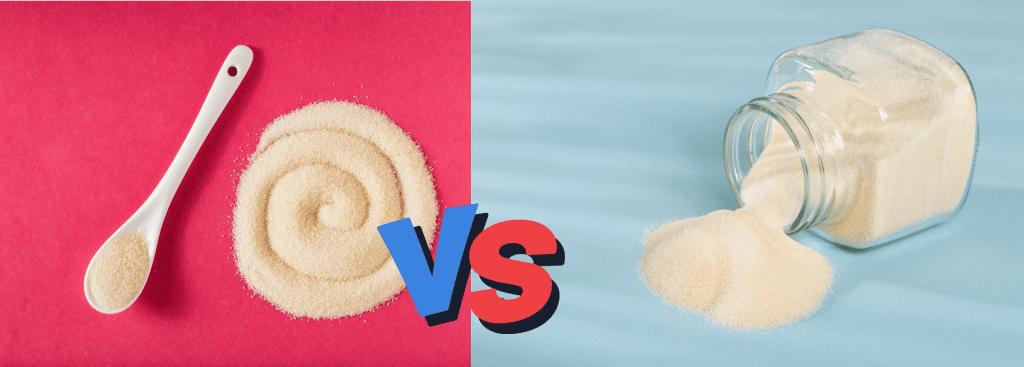
Standard collagen molecules are too large for the body to absorb efficiently. Through a process called enzymatic hydrolysis, these long chains are broken down into “bioactive peptides”—short chains of amino acids that are incredibly small and highly stable.
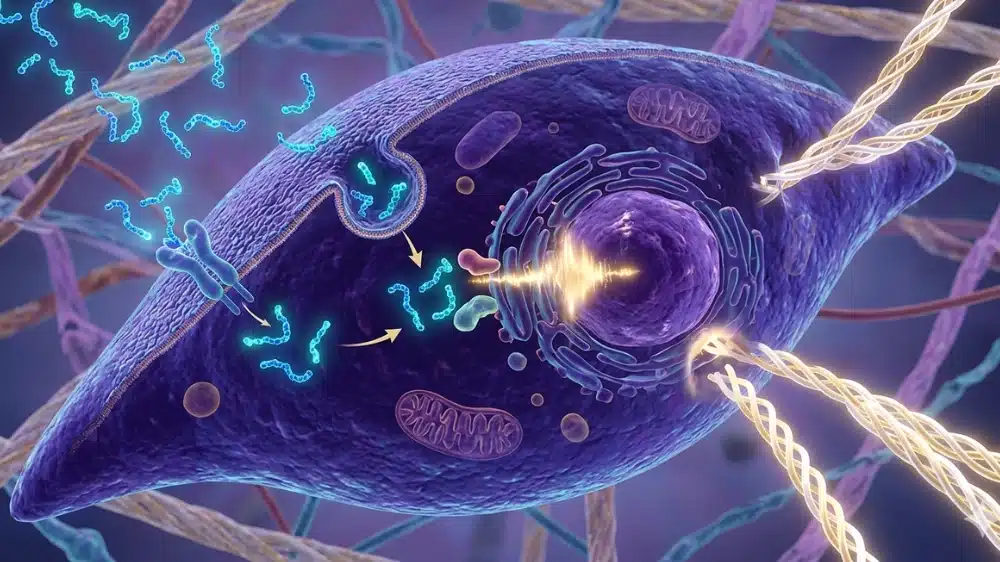
Because of their low molecular weight, these peptides can be absorbed directly into the bloodstream. Once in the system, they don’t just act as fuel; they act as biological messengers. They signal the body’s fibroblasts (the cells responsible for creating connective tissue) to increase the production of new collagen, effectively “turning on” the body’s repair machinery.
2. Reinforcing the Extracellular Matrix (ECM)
While whey and plant proteins focus on the contractile muscle fibers, collagen targets the Extracellular Matrix (ECM). Think of the ECM as the high-tech scaffolding that holds muscle fibers together.
During intense exercise, this scaffolding suffers micro-tears. Bioactive collagen peptides provide the specific building blocks—primarily Proline and Hydroxyproline—required to repair this mesh. By strengthening the ECM, collagen ensures that the force generated by your muscles is transferred efficiently through your tendons and joints, reducing the risk of “mechanical failure” or strain.
3. The Unique Amino Acid Blueprint
| الأحماض الأمينية | دور في تعافي العضلات | Concentration in Collagen |
|---|---|---|
| جلايسين | Triggers creatine synthesis; reduces localized inflammation. | ~33% |
| برولين | Essential for joint stability and tendon tensile strength. | ~12% |
| هيدروكسي برولين | Unique to collagen; stimulates fibroblasts for ECM repair. | ~10% |
| الأرجينين | Improves vasodilation and nutrient delivery to tissues. | ~8% |
Note: Percentages may vary slightly based on the raw material source (Bovine vs. Marine).
Collagen is the body’s primary source of Glycine, an amino acid that plays a critical role in two areas of recovery:
- Creatine Synthesis: Glycine is one of the three amino acids required for the body to produce its own creatine, which powers short-burst, high-intensity movements.
- Anti-Inflammatory Support: Glycine has been shown to help modulate the body’s inflammatory response, potentially reducing the “heat” and swelling associated with delayed-onset muscle soreness (DOMS).
By providing these specific structural components, collagen peptides fill a “nutritional gap” that traditional high-protein diets often miss, ensuring that the muscle’s support system recovers as fast as the muscle itself.
III. Collagen for Connective Tissue & Inflammation
While “muscle recovery” often conjures images of repairing bicep or quad fibers, true athletic longevity depends on the health of the “silent partners” in movement: tendons, ligaments, and cartilage. This is where collagen peptides for muscle recovery offer a distinct advantage over traditional protein sources.
1. Tendon and Ligament Resilience
Unlike muscle tissue, which is highly vascularized (rich in blood vessels), connective tissues like tendons and ligaments have a much lower blood supply. This means they naturally heal slower and are more prone to overuse injuries.
- Structural Reinforcement: Tendons are composed of nearly 85% Type I collagen. Supplementing with bioactive peptides provides the specific amino acids needed to increase the diameter and density of collagen fibrils.
- Injury Prevention: By improving the “stiffness” and elasticity of these tissues, collagen helps the body absorb the mechanical stress of high-impact movements—such as running, jumping, or heavy lifting—before that stress reaches the muscle or bone.

2. Managing Exercise-Induced Inflammation
Post-workout soreness, or Delayed Onset Muscle Soreness (DOMS), is often the result of localized inflammation and microscopic damage to the connective tissue surrounding the muscle.
Research suggests that specific peptides can help modulate the inflammatory response. The high concentration of Glycine found in collagen acts as an inhibitory neurotransmitter and an antioxidant. By dampening the inflammatory cytokine response, collagen peptides may help athletes return to their peak “Rate of Force Development” faster than with rest alone.
3. The Vitamin C Synergy
The science of collagen synthesis isn’t just about the peptides themselves; it’s about the environment in which they are processed. To turn ingested peptides into functional tissue, the body requires Vitamin C.
- The Hydroxylation Step: Vitamin C is essential for the enzymes (prolyl and lysyl hydroxylase) that stabilize the collagen molecule.
- The “Protocol” for Athletes: For maximum efficacy in muscle and connective tissue recovery, many sports nutritionists recommend consuming collagen peptides alongside a source of Vitamin C (such as citrus or a supplement) approximately 30–60 minutes before training to “prime” the tissues for repair during the recovery phase.
By addressing the structural health of the entire musculoskeletal system, collagen ensures that your recovery isn’t just about looking stronger—it’s about being more durable.
IV. What the Research Says: Clinical Evidence for Recovery
While the theory of collagen’s structural support is sound, the real-world application is backed by a growing body of clinical research. Scientists have moved beyond the lab and into the field, testing how collagen peptides for muscle recovery perform in high-intensity training environments.
1. Reducing Delayed Onset Muscle Soreness (DOMS)
A landmark study published in the Journal of the International Society of Sports Nutrition examined the impact of collagen on muscle soreness following strenuous exercise.
- الاستنتاج: Participants who consumed 20g of collagen peptides daily reported significantly lower levels of muscle soreness 48 hours post-exercise compared to a placebo group.
- الخلاصة: This suggests that collagen doesn’t just provide raw materials; it actively speeds up the timeline for returning to a pain-free state, allowing for higher training frequency.
2. Enhancing “Rate of Force Development” (RFD)
For athletes, “recovery” isn’t just about the absence of pain—it’s about the restoration of power. Muscle damage often leads to a temporary drop in the Rate of Force Development (how quickly a muscle can generate power).
- Clinical evidence shows that athletes supplementing with specific bioactive peptides recovered their explosive power faster than those who did not. This is likely due to the rapid repair of the connective tissue “transmissions” (tendons) that carry power from the muscle to the bone.
3. Collagen vs. Whey: A Complementary Relationship
One of the most frequent questions in sports science is: Should I take collagen or whey? The research suggests that the answer is “both,” but for different reasons.
| الميزة | بروتين مصل اللبن | ببتيدات الكولاجين |
| الهدف الأساسي | Muscle Protein Synthesis (MPS) | Connective Tissue & ECM Repair |
| الأحماض الأمينية الرئيسية | Leucine, BCAA | جلايسين، برولين، هيدروكسي برولين |
| الهضم | Fast-acting (High Leucine) | High bioavailability (Bioactive Peptides) |
| Recovery Role | Builds the “Engine” (Muscle Fiber) | Strengthens the “Chassis” (Scaffolding) |
Research indicates that while whey protein is superior for stimulating muscle growth through the mTOR pathway, it lacks the specific amino acid profile required to maintain the extracellular matrix. Integrating collagen alongside traditional protein sources provides a “360-degree” recovery profile that supports both size and structural resilience.
4. Return-to-Play Timelines
In clinical settings involving ligament and tendon rehabilitation, collagen supplementation has been shown to shorten the recovery window. By increasing the rate of collagen deposition at the site of injury, these peptides help bridge the gap between “rest” and “readiness,” making them a staple for athletes coming back from strains or overextension.
V. Timing and Dosage
To translate the science into results, how and when you take your collagen matters as much as the quality of the peptides themselves. Optimization involves three key pillars: the “Loading Window,” the “Sweet Spot” dosage, and the delivery format.
1. Pre-Workout vs. Post-Workout
While many athletes default to a post-workout shake, current research—including studies on the mechanotransduction of tendons—suggests a different approach for collagen.
- The Pre-Workout Advantage (30–60 Minutes): Consuming collagen approximately one hour before exercise allows the amino acid levels in your blood to peak exactly when you begin your training session. As you lift or run, the mechanical loading of your joints increases blood flow to typically “cold” tissues like tendons and ligaments, essentially “pumping” the bioactive peptides directly into the areas that need them most.
- The Nighttime Repair Phase: Your body’s growth hormone production peaks during deep sleep. Taking collagen before bed provides a steady supply of glycine and proline to support the systemic tissue regeneration that occurs while you rest.
2. Finding the “Sweet Spot” (Effective Dosage)
| Training Intensity | الجرعة اليومية | Primary Timing |
|---|---|---|
| Light/Recreational Yoga, walking, 2-3 gyms sessions/week |
5 جم – 10 جم | Morning or Night |
| Moderate/Active Running, CrossFit, HIIT (4-5x week) |
15 غرام | 60 mins Pre-Workout |
| High/Performance Heavy Lifting, Marathons, Pro-Athletes |
20g – 25g | Split (Pre & Night) |
| Injury Rehab Tendonitis, ligament strains, post-op |
Up to 30g | Split Doses + Vit C |
Clinical studies vary, but most successful trials for muscle performance and connective tissue health follow these guidelines:
- Daily Maintenance: 5g to 10g per day is sufficient for general joint health and skin elasticity.
- Athletic Recovery & Performance: 15g to 20g is the recommended range for those engaging in high-intensity resistance training or endurance sports. This higher dose ensures there are enough specific peptides to saturate the extracellular matrix (ECM) after significant stress.
- Injury Rehabilitation: Under professional guidance, some protocols use up to 30g split into two daily doses to accelerate the repair of strained ligaments or tendons.
3. Bioavailability and Formats: Which is Best?
The “best” format is ultimately the one you can stick to consistently, but each has technical pros and cons:
- Powder (Hydrolyzed Peptides): The gold standard for versatility. It has the highest concentration per serving and can be easily mixed into pre-workout drinks, morning coffee, or recovery smoothies.
- Liquid (Collagen Shots): Offers the fastest absorption rate and maximum convenience, making it ideal for athletes who need a “grab-and-go” solution immediately before a session.
- Capsules/Gummies: While convenient, these often provide lower dosages per serving. You might need to take 10+ capsules to reach the clinical 15g dose, which can be impractical for serious recovery goals.
4. The Consistency Rule
Unlike caffeine, which provides an immediate effect, collagen works through accumulation. Clinical benefits for tendon stiffness and muscle soreness typically manifest after 8 to 12 weeks of daily, uninterrupted use.
VI. Curated Recommendations: Choosing the Right Brand for Your Goals
Navigating the supplement aisle can be overwhelming, especially when every bottle claims “rapid recovery.” To help you choose, we’ve categorized the top-performing brands of 2026 based on their unique formulations and the specific needs of different types of athletes.
| The “Clean Label” Purist البروتينات الحيوية Single Ingredient |
Benchmark Simplicity
The industry standard for those seeking zero distractions. Sourced from grass-fed, pasture-raised bovine hides, this unflavored and odorless peptide dissolves instantly, providing maximum versatility for daily maintenance. |
| The “Elite Athlete” Klean Athlete معتمد من NSF للرياضة معتمد من NSF |
Synergistic Recovery
Engineered with Vitamin C to trigger natural synthesis pathways immediately upon ingestion. This “plug-and-play” solution is essential for competitive environments where third-party testing for banned substances is non-negotiable. |
| “Total-Body” Support التغذية القديمة Multi-Source Blend |
Comprehensive 10-Type Matrix
A holistic approach combining bovine, chicken, fish, and eggshell membranes. Delivers 10 distinct types of collagen to support muscle recovery, gut health, skin elasticity, and cartilage repair simultaneously. |
| “On-the-Go” Professional Primabiotic Collagen 10,000mg Liquid Shot |
Convenience King
Concentrated liquid shots designed for maximum bioavailability and portability. Perfect for the high-intensity professional fitting a clinical dose between commutes or training sessions without the need for shakers. |
| Targeted Tendon Repair Momentous FORTIGEL® Technology |
Mechanical Resilience
Utilizes clinically researched peptides shown to promote new cartilage growth and joint mobility. Engineered specifically for those recovering from injury or training under extreme mechanical loads. |
VII. FAQs
VIII. Conclusion
The science is clear: while traditional protein builds the “engine” of your muscles, collagen peptides provide the “chassis” that supports it. By reinforcing the extracellular matrix, protecting connective tissues, and modulating inflammation, collagen allows you to train harder and more frequently with less downtime.
However, as we’ve seen, the efficacy of any supplement is only as good as the raw material used to create it. Behind many of the world’s most successful nutrition and beauty brands is جينسي, a global leader in مادة الكولاجين الخام التصنيع.
Renowned for advanced processing techniques and rigorous quality standards, جينسي produces premium, bioactive collagen from sustainable sources such as bovine hides, fish scales, and poultry cartilage. Their innovative production methods ensure high-purity peptides that meet the technical demands of high-performance athletes worldwide. When you prioritize quality at the source, you ensure that every gram of collagen you consume translates into measurable, scientific results.
IX. references
- المعاهد الوطنية للصحة (NIH): Role of Collagen in Connective Tissue
- PubMed (المكتبة الوطنية للطب): Collagen Peptides and Muscle Recovery Study
- Journal of the International Society of Sports Nutrition (JISSN): موقف الموقف على البروتين وممارسة الرياضة
- American College of Sports Medicine (ACSM): Nutrition and Athletic Performance
- Journal of Applied Physiology: Mechanotransduction and Tissue Repair