
スポーツ栄養ブランド、機能性飲料の開発者、およびプライベートブランドのサプリメント開発チームにとって、タウリンとL-カルニチンは単なる「エネルギー成分」ではありません。 タウリンは細胞容積の調節、カルシウムシグナル伝達、胆汁酸の抱合、および酸化ストレスの制御をサポートする一方、L-カルニチンはミトコンドリアへの長鎖脂肪酸の輸送を助け、エネルギー産生に寄与する「ミトコンドリアシャトル」としての役割を果たします。.
商業的な課題は、固結や異味、カプセル充填の制約、あるいは過度な体重管理効果の謳い文句を伴わずに、これら2つの成分を、安定性が高く、規制に準拠し、かつ消費者に受け入れられやすい剤形で提供できるかどうかという点にある。 本ガイドでは、栄養科学および製造の観点から、タウリンとL-カルニチンを比較検討する。これには、剤形の選定、水分管理、品質管理(QC)の放出試験、および以下の点に関する剤形の実現可能性が含まれる。 スポーツサプリメントのOEM.
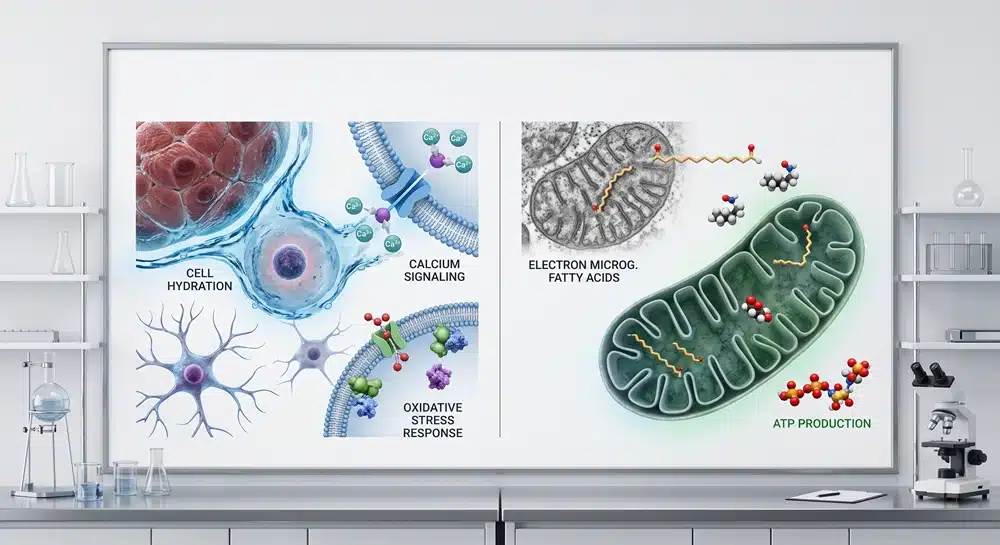
タウリンとは何か?
タウリンは、タンパク質を構成するアミノ酸ではなく、アミノスルホン酸の一種です。その分子式は C2H7NO3S で、分子量は約 125.15 g/mol です。 体内では、タウリンは心臓、網膜、脳、骨格筋などの組織に高濃度に存在し、浸透圧調節、胆汁酸の抱合、カルシウムシグナル伝達、および細胞のストレス応答に関与しています。.
サプリメントブランドにとって、タウリンは、多くの苦味のあるアミノ酸に比べて一般的に味が中性であり、水性系に溶けやすく、水分補給、持久力、アクティブなライフスタイル、エネルギーサポートを目的とした製品に位置づけられることから、魅力的な成分です。タウリンは一般的に、 粉末サプリメント製造, 、カプセル、錠剤、および機能性飲料用プレミックス。.
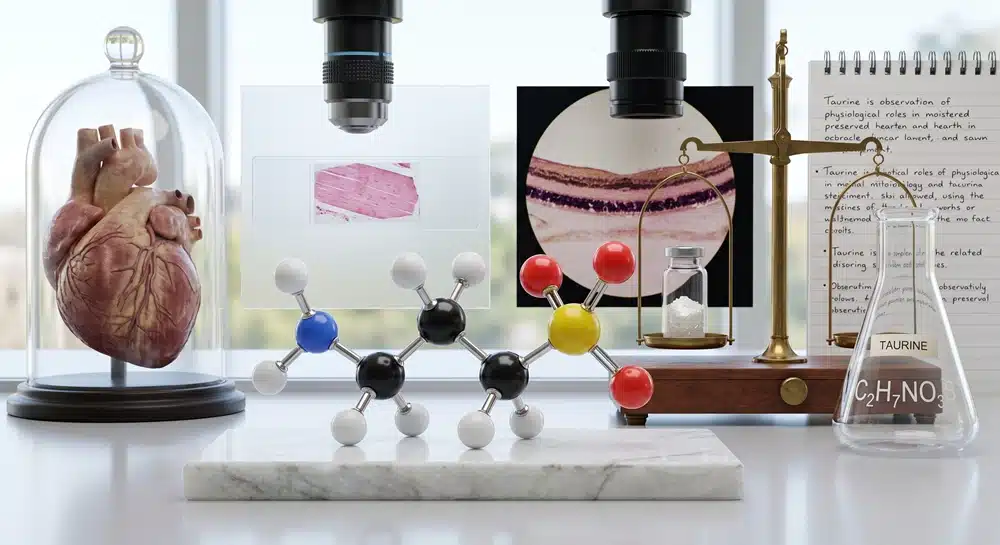
タウリンの実証された効果
タウリンについては、科学的根拠に基づいて説明すべきです。これはカフェインのような刺激剤ではなく、運動、水分補給、心血管系のサポート、および回復を目的とした配合に関連する細胞機能をサポートするものです。.
- 運動のサポート: ヒトを対象とした研究では、タイムトライアル運動前のタウリンの急性摂取について調査が行われており、その中には、1 gのタウリン摂取後に3 kmタイムトライアルのパフォーマンスが向上したことを報告した、トレーニングを積んだランナーを対象とした研究も含まれている。.
- 細胞の水分保持と筋機能: タウリンは有機オスモライトとして機能し、カルシウムの代謝に関与しており、これらはいずれも筋収縮や疲労管理の観点から重要な役割を果たしています。.
- 心臓および代謝機能のサポート: タウリンは心筋組織に多く含まれており、心血管系や代謝の健康指標として頻繁に研究対象となっていますが、製品の効能表示は、科学的根拠に基づく構造・機能に関する表現の範囲内に留める必要があります。.
- 健やかな高齢化に関する研究: 2023年の『Science』誌に掲載された論文では、動物モデルにおける寿命および健康寿命への影響が報告されたが、人間を対象としたより確固たる結果を示す臨床試験がない限り、人間に対するアンチエイジング効果を主張するのは時期尚早である。.
L-カルニチンとは何か?
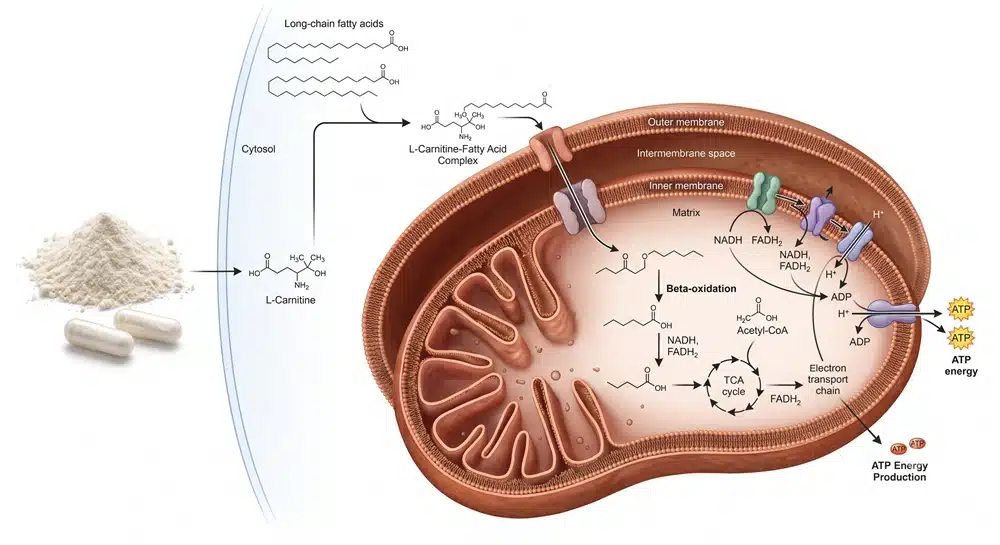
L-カルニチンは、エネルギー産生において重要な役割を果たすアミノ酸誘導体です。米国国立衛生研究所(NIH)の栄養局(ODS)によると、カルニチンは長鎖脂肪酸をミトコンドリア内に輸送し、そこで酸化されてATPが生成されるのを助ける働きがあるとしています。.
L-カルニチンは、市販の製剤において単一の原料として扱うべきではありません。 一般的な形態には、L-カルニチン塩基、L-カルニチンL-酒石酸塩(LCLT)、アセチル-L-カルニチン(ALCAR)、プロピオニル-L-カルニチン、およびL-カルニチンフマル酸塩などがあります。 各形態によって、完成品の仕様は異なります。LCLTはドライタイプのスポーツ栄養製剤に広く採用されている一方、ALCARは認知機能や精神的なエネルギーのサポートを主眼とした製剤によく使用されます。.
ラベル表示において、ブランドは、成分の総重量が有効成分であるL-カルニチンの量に等しいと仮定するのではなく、各塩形態から実際に供給されるL-カルニチン相当量を算出する必要があります。これは、カプセルの充填量、1回分の摂取量、原価、および表示の根拠の立証において重要であり、 カプセル・サプリメント製造 そして 錠剤サプリメント製造.
L-カルニチンの強力な効能
- エネルギー代謝: L-カルニチンは、長鎖脂肪酸がミトコンドリア内に取り込まれ、そこで酸化されてATPが生成されるのを助けます。.
- 運動と回復時の体位: L-カルニチンは、スポーツ栄養やアクティブなライフスタイル向けの製品に広く使用されていますが、その効果の程度は、対象集団、摂取量、剤形、およびトレーニングの状況によって異なります。.
- 体重管理のサポート: L-カルニチンは、食事や運動と組み合わせることで脂肪代謝を促進する可能性がありますが、お腹の脂肪を確実に減らすものとして説明すべきではありません。.
- 精神エネルギーの位置づけ: アセチル-L-カルニチンは、単にトレーニングのサポートだけでなく、認知機能や精神的な活力を高めることが目的とされる場合によく選ばれます。.
タウリンとL-カルニチンは併用した方がいいのですか?
タウリンとL-カルニチンは、相補的な経路を通じて細胞のエネルギー、水分バランス、運動後の回復をサポートすることを目的とした配合において、併用することができます。L-カルニチンはミトコンドリアにおける脂肪酸の輸送に関与しているのに対し、タウリンは浸透圧調節、カルシウム代謝、および酸化ストレスの調節に関与しています。 このため、この2つの成分の組み合わせは、スポーツ栄養やアクティブなライフスタイル向けの製品において理にかなったものですが、表示文言は、病気や減量の治療を謳うものではなく、構造・機能に焦点を当てたものに留めるべきです。.
各成分に関するヒト臨床データは、完成品としての「2成分の組み合わせ」そのものに関するエビデンスよりも説得力が高い。 したがって、各ブランドは、相乗効果を保証する主張を行うのではなく、この組み合わせを「相補的なサポート」として説明すべきである。もしブランドが配合レベルでの効果を主張したい場合は、完成品試験、あるいは成分レベルの文献、用量の整合性、および使用目的の文脈に基づいて作成された実証資料によって、その主張を裏付ける必要がある。.
なぜこの組み合わせが製剤設計上理にかなっているのか
- L-カルニチンには、脂肪代謝とミトコンドリアエネルギーという側面があります。.
- タウリンには、細胞の水分補給、筋肉機能、および酸化ストレスの抑制という側面があります。.
- この2つを組み合わせることで、それぞれの成分を単独で用いる場合よりも、より幅広いスポーツ栄養のストーリーを構築することができます。.
- 水分と風味を適切に管理すれば、この配合は粉末、カプセル、錠剤、およびRTDプレミックスに適応させることができます。.
製剤の現実検証:水分、流動性、および固結の抑制
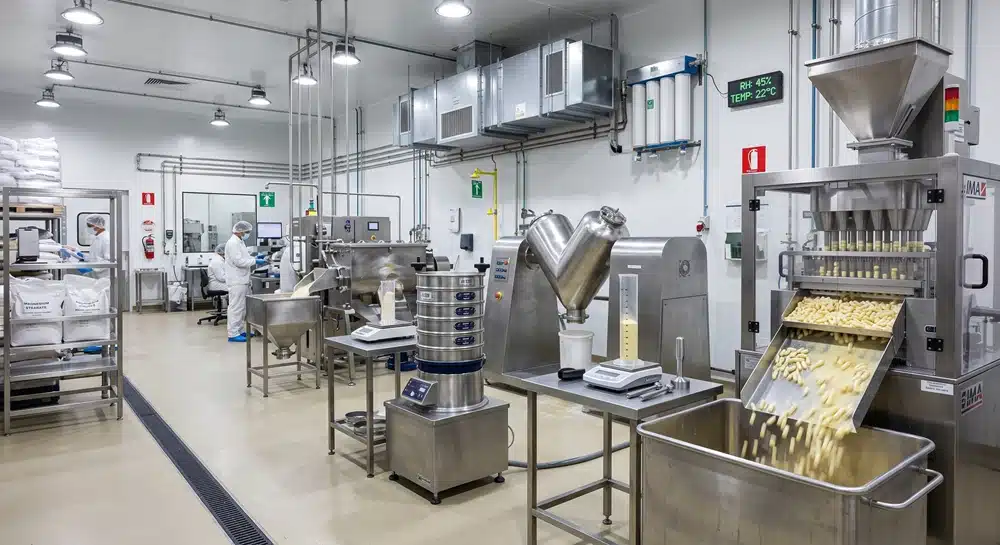
生産環境において、主な課題はタウリンやL-カルニチンの作用を説明することではなく、混合、充填、保管の各工程を経て、ブレンドの均一性と安定性を維持することにあります。 L-カルニチンの原料は吸湿性が高いことが多く、空気中の水分を吸収して固結、流動性の低下、カプセルの重量ばらつき、錠剤の付着、あるいは風味の劣化を引き起こす可能性があります。.
ドライブレンドの場合、Genseiでは通常、入荷時の乾燥減量またはカール・フィッシャー法による水分含有量、粒子径分布、嵩密度、叩き密度、安息角、および甘味料、電解質、クレアチン、カフェイン、クエン酸、香料システムとの相性を確認します。 高湿度地域や熱帯地域向けの製品の場合、配合には固結防止剤、乾燥剤入り包装、アルミ箔ラミネート製小袋、あるいは混合および充填工程における相対湿度の管理が必要となる場合があります。.
この製造工程において、一般的な「タウリン+L-カルニチンサプリメント」が、量産可能な商用製品へと生まれ変わります。プレワークアウトパウダー、脂肪代謝サポートカプセル、あるいは機能性飲料のプレミックスを開発しているブランドは、ブレンド密度、1回分の摂取量、味のマスキング、およびパッケージングについて検討した上で、MOQ(最小注文数量)と発売スケジュールを確定する必要があります。 カスタム配合のサポート.
タウリンとL-カルニチンの比較:比較考察
以下の表は、タウリンとL-カルニチンを、単に消費者にとってのメリットという観点だけでなく、製品開発の観点からも比較したものです。.
| 属性 | タウリン | L-カルニチン |
|---|---|---|
| 化学物質の分類 | アミノスルホン酸。タンパク質を構成するアミノ酸ではない。. | 脂肪酸の輸送に関与するアミノ酸誘導体/第四級アンモニウム化合物。. |
| 一次生理学的観点 | 細胞容積の調節、胆汁酸の抱合、カルシウムシグナル伝達、抗酸化応答、心臓・網膜・筋肉のサポート。. | β-酸化およびATP産生のために、長鎖脂肪酸がミトコンドリア内に取り込まれる。. |
| 一般的な数式の配置 | 水分補給、持久力、アクティブなライフスタイル、エナジードリンク、心臓と筋肉のサポート。. | ALCARの使用による、脂質代謝のサポート、アクティブなライフスタイルの維持、トレーニング前・回復期のサポート、体重管理のサポート、精神的な活力の向上。. |
| 証拠に関する留意点 | ヒトを対象とした運動に関する研究は存在するが、ヒトを対象としたアウトカム試験が行われない限り、アンチエイジング効果を主張するのは時期尚早である。. | ヒトを対象としたエビデンスは、結果や対象集団によって異なります。減量効果に関する主張は、条件付きのものとし、保証されるものではありません。. |
| 資材運搬 | 一般的に、粉末や飲料への配合が容易ですが、それでも含有量分析や粒子径の管理が必要です。. | 形状によっては吸湿性が高くなる場合が多いため、水分管理と固結防止対策が極めて重要である。. |
| 一般的な投与形式 | 粉末、カプセル、錠剤、RTD/エナジードリンク用プレミックス。. | 粉末、カプセル、錠剤、液剤、, ソフトジェル 形状や配合の目的によって異なります。. |
| 品質管理(QC)のリリースチェック | 成分、定量、微生物基準、重金属、粒子径、かさ密度、官能特性。. | 成分、定量、L-カルニチン換算値、異性体・形態の確認、微生物限度、重金属、水分、流動性。. |
| 最適な内部リンク | 粉末サプリメント OEM | カプセル・サプリメント製造 または スポーツ栄養受託製造 |
剤形実現可能性マトリックス
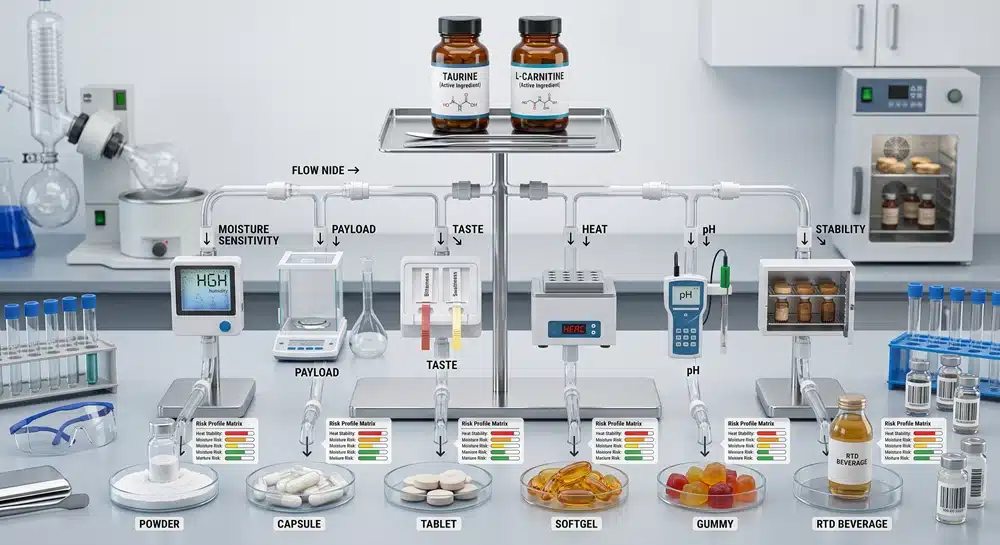
最適なタウリンおよびL-カルニチンの配合は、目標投与量、風味体系、保存期間の要件、およびラベル上の位置付けによって異なります。完成品の形態を決定する前に、以下のマトリックスを参考にしてください。.
| 投与形態 | 「フィット・フォー・タウリン+L-カルニチン」 | 製造上の主なリスク | 製造サービス |
|---|---|---|---|
| 粉末/スティックパック | ワークアウト前の準備、水分補給、エネルギー補給、体重管理の分野において、非常に強力な位置づけにある。. | L-カルニチンの吸湿性、固結、酸味・苦味との相互作用、スクープサイズの変動。. | OEM粉末サプリメントの製造 |
| ハードカプセル | 味を隠すことが重要な場合、低用量や複数カプセル配合の製剤に適しています。. | カプセルの積載量制限、粉末密度、充填重量のばらつき、吸湿性ブレンドの流動性。. | カプセル・サプリメント製造 |
| タブレット | コンパクトな日常用数式であれば可能ですが、圧縮の実現可能性に関する検討が必要です。. | 付着、被覆、硬度・破砕性の不具合、崩壊時間。. | 錠剤サプリメント製造 |
| ソフトジェル | L-カルニチンの形態および共効成分が充填システムと互換性がある場合に有用です。. | 水分活性、懸濁安定性、殻との相互作用、有効充填限界。. | ソフトカプセル OEM |
| グミ | 低用量の一般向け製品では可能ですが、高用量のスポーツ向け製品では技術的にあまり適していません。. | 熱への曝露、pH、吸湿性有効成分、テクスチャーの崩壊、有効成分の均一性。. | グミサプリ OEM |
| RTD/エナジードリンク | エネルギー分野やアクティブなライフスタイルを打ち出す上で、商業的に魅力的である。. | 風味のマスキング、pH、保存料システム、カフェインとの相互作用の知覚、表示の遵守。. | 液体サプリメントメーカー |
タウリン+L-カルニチン製品の品質管理およびクレームへの準拠
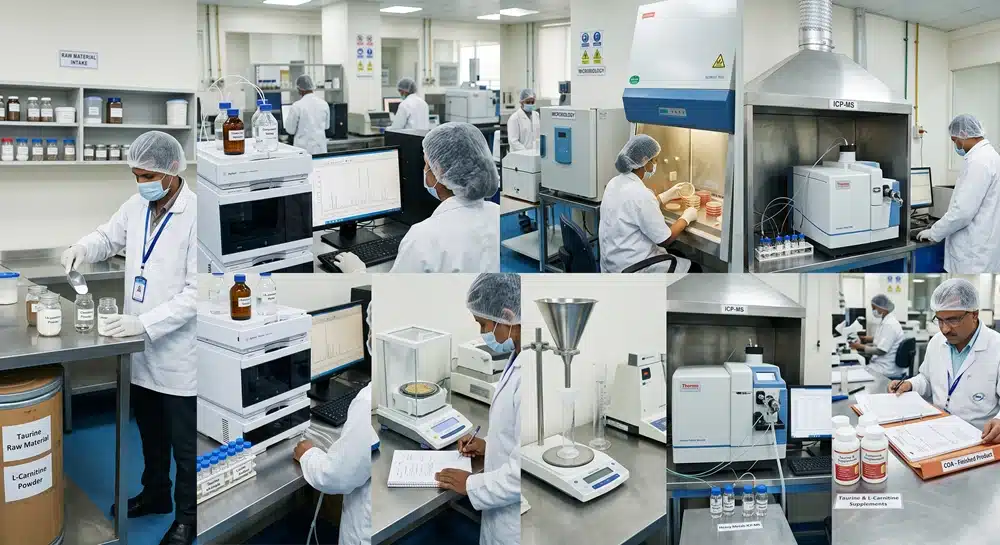
スケーラブルなタウリンおよびL-カルニチン製品は、マーケティング概要だけでなく、測定可能な仕様に基づいて発売されるべきです。各製造ロットについて、ブランドはマスター製造記録(MMR)において、同一性試験、定量試験法、微生物学的基準値、重金属の基準値、水分管理、および包装安定性の要件を定義する必要があります。 米国市場向けに販売を行う栄養補助食品メーカーは、製造、包装、表示、および保管の慣行を、21 CFR Part 111のcGMP要件に準拠させる必要があります。.
代表的な出荷規格には、タウリンおよびL-カルニチンのHPLC分析、カルニチンの塩形態およびL-カルニチン換算量の確認、乾燥減量またはカール・フィッシャー法による水分含有量、嵩密度および叩き密度、粒子径、総菌数、酵母およびカビ、大腸菌、サルモネラ菌、 黄色ブドウ球菌、および市場で要求される場合のICP-MSによる重金属分析などが含まれる。.
マーケティングの表現においては、減量の保証、病気の治療、あるいは興奮剤のような効果を謳う表現は避けるべきです。 安全な表現としては、「細胞のエネルギー産生をサポートする」、「食事や運動と組み合わせることで脂肪代謝をサポートする」、「水分補給と筋肉機能をサポートする」、「運動後の回復をサポートする」などが挙げられます。栄養補助食品の構造・機能に関する表示には、裏付けとなる根拠が必要であり、製品ラベルにはFDAが定める適切な免責事項を記載しなければなりません。.
結論
タウリンとL-カルニチンは、互いに置き換え可能な成分というよりは、互いに補完し合う成分として理解するのが適切です。タウリンは細胞のバランス、筋肉機能、ストレス応答経路をサポートするのに対し、L-カルニチンは脂肪酸の輸送とエネルギー代謝をサポートします。 消費者にとって、これがスポーツ栄養やエネルギーサポート製品において、この2つの成分がしばしば組み合わせて配合される理由を説明しています。ブランドにとっての真の差別化要因は、製造工程の遂行にあります。すなわち、適切なL-カルニチンの形態の選定、水分管理、定量分析および成分同定の検証、そして有効成分の含有量に見合った剤形の選択です。.
タウリンおよびL-カルニチンの粉末、カプセル、錠剤、あるいは飲料用プレミックスをカスタマイズする場合は、以下の手順で配合を確認してください。 スポーツサプリメントのOEM, 粉末サプリメント製造あるいは カプセルサプリメント製造 スケーリングを行う前に。.
よくあるご質問
参照
- 米国国立衛生研究所(NIH)栄養補助食品局。. “「カルニチン ― 医療従事者向けファクトシート」。参照先: https://ods.od.nih.gov/factsheets/Carnitine-HealthProfessional/
- 米国食品医薬品局(FDA)。. “「栄養補助食品の製造、包装、表示、または保管業務における適正製造基準(cGMP)」。参照先: https://www.fda.gov/regulatory-information/search-fda-guidance-documents/small-entity-compliance-guide-current-good-manufacturing-practice-manufacturing-packaging-labeling
- 米国食品医薬品局(FDA)。. “「構造・機能に関する主張」。参照先: https://www.fda.gov/food/nutrition-food-labeling-and-critical-foods/structurefunction-claims
- 米国農務省(USDA)農業マーケティング局。. “「L-カルニチン技術評価報告書」。参照先: https://www.ams.usda.gov/sites/default/files/media/Carnitine%20TR.pdf
- 国立生物工学情報センター(NCBI)。. “「タウリンに関するPubChem化合物レコード」。参照先: https://pubchem.ncbi.nlm.nih.gov/compound/Taurine
- 国立生物工学情報センター(NCBI)。. “「L-カルニチンのPubChem化合物レコード」。参照先: https://pubchem.ncbi.nlm.nih.gov/compound/l-carnitine
- Balshaw, T. G. ほか (2013). “「トレーニングを積んだ中距離ランナーにおける、タウリンの急性摂取が3km走のパフォーマンスに及ぼす影響」” PubMed. 入手先: https://pubmed.ncbi.nlm.nih.gov/22855206/
- Singh, P. ほか (2023)。. “「老化の要因としてのタウリン欠乏」” サイエンス. 入手先: https://www.science.org/doi/10.1126/science.abn9257
- Xie, J. ほか (2014)。. “「血管平滑筋細胞におけるL-カルニチンとタウリンの相乗効果」” PubMed Central (PMC). 入手先: https://pmc.ncbi.nlm.nih.gov/articles/PMC4002410/
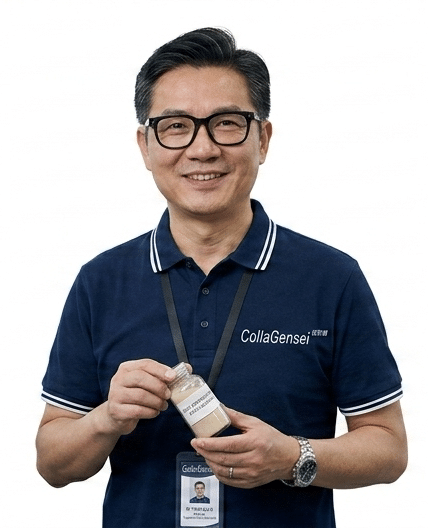
ウォーレン・ワン氏は、栄養補助食品のサプライチェーンにおいて豊富な経験を持つベテランの専門家であり、コラーゲンペプチド、骨スープ由来タンパク質、ケラチンといった主要成分の研究、開発、工程管理、およびグローバルな調達において、豊富な実務経験を有しています。 本コラムの執筆者として、彼はマーケティング的な装いを剥ぎ取り、難解な成分科学や製造品質管理基準を、分かりやすい本格的な科学普及記事へと変換することに尽力しています。これにより、読者がラベルの裏にある真実を理解し、より合理的な健康に関する選択を行えるよう支援しています。.


