
Для владельцев брендов пищевых добавок, дистрибьюторов ингредиентов и специалистов по разработке рецептур выбор между хелатным кальцием и цитратом кальция — это не только вопрос усвояемости для потребителя. Он влияет на поступление элементарного кальция, наполнение капсул, прессование таблеток, сыпучесть порошка, совместимость с жевательными конфетами, контроль влажности, формулировку заявлений на этикетке и общую стоимость одной готовой порции. Цитрат кальция — это хорошо зарекомендовавшая себя соль органической кислоты, содержащая около 21% элементарного кальция, тогда как под хелатным кальцием обычно понимается кальций, связанный с аминокислотными лигандами, такими как глицин, или с более широкой системой аминокислотных хелатов. Оптимальный выбор зависит от лекарственной формы, целевой аудитории, позиционирования в разделе «Информация о пищевой добавке» и требований к качеству на уровне партии.
Краткий ответ: Цитрат кальция часто служит практическим стандартом для рецептур, рассчитанных на потребителей с низкой кислотностью желудка и ограниченным бюджетом, тогда как хелатный кальций обычно выбирают в тех случаях, когда бренду требуется более сбалансированный минеральный профиль, использование аминокислотных лигандов или заявления о премиальном минеральном питании. В данном руководстве обе формы сравниваются с точки зрения разработки рецептур для B2B-рынка и контроля качества, с ссылками на материалы компании Gensei Поставщик ингредиентов для минерального питания, Производитель добавок Custom Formula и Производитель порошковых пищевых добавок возможности.
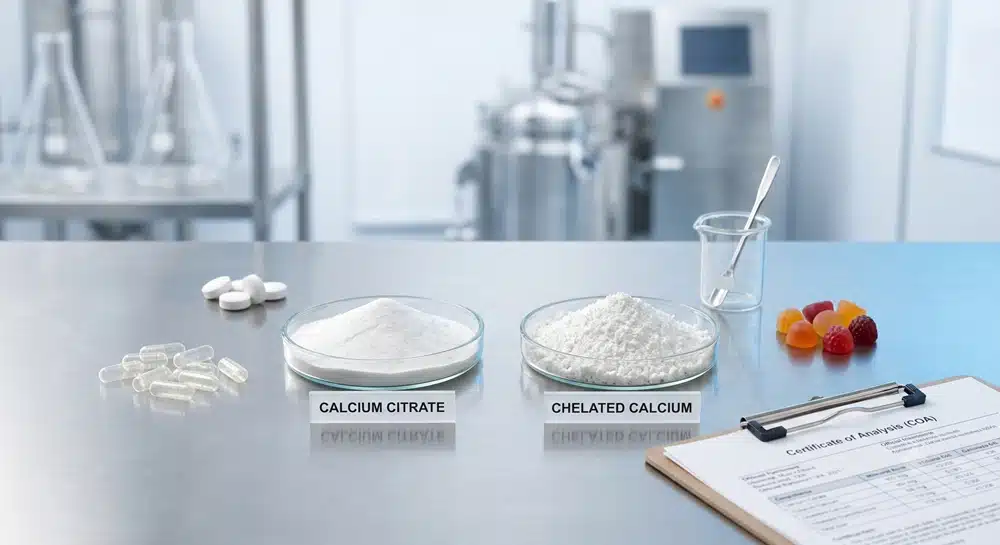
Понимание того, что такое хелат кальция
Хелатный кальций представляет собой минеральный источник кальция, в котором ионы Ca²⁺ координируются с органическими лигандами, как правило, аминокислотами, такими как глицин, с образованием более стабильного минерального комплекса. При разработке рецептуры пищевых добавок “хелатный кальций” следует указывать с указанием типа лиганда, процентного содержания элементарного кальция, подтверждения хелатирования, размера частиц и совместимости с лекарственной формой, а не рассматривать как единый общий ингредиент.
С технической точки зрения хелатирование кальция означает, что ион кальция связывается с органическими лигандами посредством координационных взаимодействий. Среди пищевых добавок наиболее значимыми с коммерческой точки зрения являются аминокислотный хелат кальция и бисглицинат кальция. Эти формы отличаются от простой минеральной соли или физической сухой смеси кальция и аминокислот. Спецификация для закупок должна определять лиганд, процентное содержание элементарного кальция, метод анализа, потери при сушке, pH, размер частиц, а также предельные значения содержания тяжелых металлов и микробиологических показателей.
Для покупателей в сегменте B2B это различие имеет значение, поскольку обычный “хелатный кальций в порошке” может вести себя по-разному в капсулах, таблетках, жевательных конфетках и порошках для напитков в зависимости от системы лигандов. Вариант с бисглицинатом кальция может способствовать позиционированию продукта как аминокислотного хелата премиум-класса, тогда как более широкий спектр аминокислотных хелатов кальция может оказаться более экономически эффективным для мультивитаминных формул. Перед началом закупок запросите сертификат анализа (COA), техническое описание продукта (TDS) и образец у Поставщик ингредиентов для минерального питания странице и уточните, указано ли в процентах содержание кальция в виде элементарного кальция или в составе всего соединения.
Хелатный кальций — это не просто один ингредиент: важную роль играет спецификация лиганда
Термин “хелатный кальций” является названием категории, а не конкретным химическим обозначением. На этикетке пищевой добавки или в коммерческом предложении для бизнеса (B2B) могут упоминаться аминокислотный хелат кальция, бисглицинат кальция, глицинат кальция, L-треонат кальция или смешанные минеральные хелаты. Каждый лиганд влияет на конечные характеристики формулы: процентное содержание элементарного кальция, вкус, растворимость, гигроскопичность, плотность, формулировку на этикетке и стоимость одного миллиграмма продукта.
Для высокоскоростных Производство капсульных добавок, решающими факторами являются вес наполнения капсул, сыпучесть порошка и однородность смеси. Для Производство таблетированных добавок, основное внимание уделяется сжимаемости, чувствительности к смазочным веществам, ломкости и размеру таблеток. Для Производство жевательных добавок, маскировка вкуса, pH, ионное взаимодействие с гелевой системой и водная активность приобретают решающее значение. Именно поэтому хелатный кальций следует всегда приобретать в соответствии с техническими характеристиками, а не руководствуясь одним лишь названием.
Цитрат кальция: хорошо известная соль кальция органической кислоты
Цитрат кальция представляет собой кальциевую соль лимонной кислоты и широко используется в пищевых добавках, поскольку предлагает потребителям, у которых может наблюдаться непереносимость карбоната кальция, привычный вариант кальция, не зависящий от кислотности. Управление пищевых добавок Национального института здоровья (NIH) указывает, что цитрат кальция содержит примерно 21% кальция в пересчете на массу, что означает, что разработчики рецептур должны учитывать более высокую массу соединения при расчете конкретного количества элементарного кальция.
С точки зрения рецептуры цитрат кальция, как правило, проще объяснить потребителям и он хорошо зарекомендовал себя в таблетках, капсулах и жевательных формах. Его недостатком является эффективность: для обеспечения 500 мг элементарного кальция требуется значительно больше цитрата кальция, чем карбоната кальция, что может привести к увеличению размера таблетки, количества капсул или объема порции порошка. Поэтому для брендов, разрабатывающих формулы для ежедневного укрепления костей, решение заключается не просто в том, “что усваивается лучше”, а в том, останутся ли конечный размер порции, вкус, вес таблетки и себестоимость продукции коммерчески приемлемыми.
Вступает ли кальций в хелатную связь с цитратом?
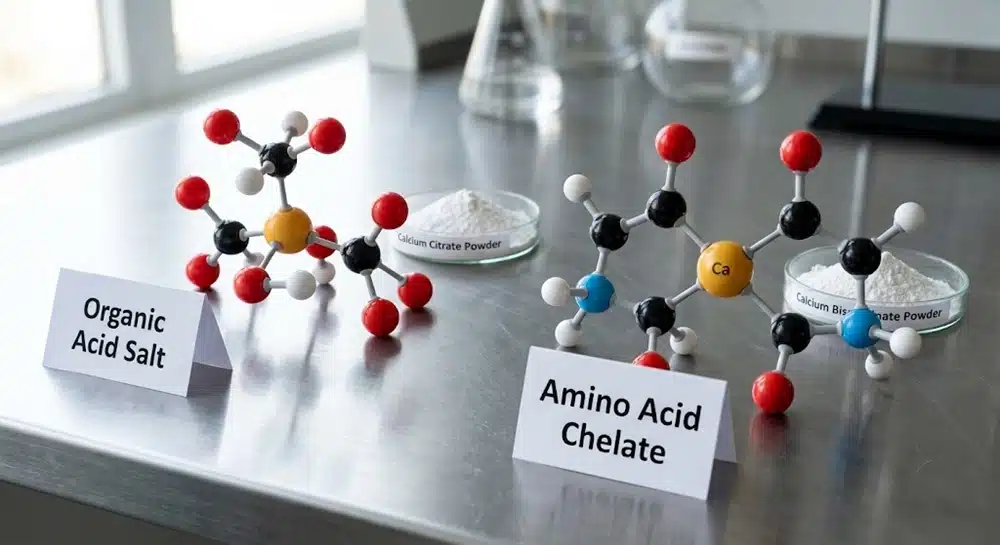
Да, цитрат может координировать ионы кальция, и цитрат кальция можно охарактеризовать как комплекс кальция с цитратом. Однако это не то же самое с точки зрения коммерческого позиционирования, что и аминокислотные хелаты кальция, такие как бисглицинат кальция. В цитрате кальция в качестве лигандной системы используется лимонная кислота, тогда как в аминокислотных хелатах — аминокислоты или пептидоподобные лиганды.
При разработке пищевых добавок цитрат кальция следует оценивать как соль кальция органической кислоты с известным содержанием элементарного кальция и возможностью применения независимо от кислотности, тогда как кальций в форме аминокислотных хелатов следует оценивать с учетом типа лиганда, проверки хелатирования и технологических характеристик производства.
Хелатные комбинации кальций-магний
Комбинации кальция и магния в форме хелатов используются в тех случаях, когда производитель стремится позиционировать мультиминеральную формулу как средство для поддержания нормальной функции костей, мышц и нервной системы. Ключевой проблемой при разработке рецептуры является не только соотношение кальция и магния, но и возможность включения обоих минералов в капсулу, таблетку, жевательную конфетку или порошок с реалистичным размером порции.
В случае капсул высокое содержание минералов зачастую вынуждает принимать от двух до четырёх капсул за один приём. Что касается таблеток, плотность минералов и их спрессовываемость влияют на размер таблетки и удобство её проглатывания потребителем. В случае жевательных конфет кальций и магний могут влиять на pH, твёрдость геля и маскировку вкуса. При разработке формулы кальция и магния необходимо подтвердить количество каждого минерала в элементарном виде, форму лиганда или соли, а также предполагаемую информацию на этикетке до начала пилотного производства посредством Производитель добавок Custom Formula.
Выбор правильной формы: Как принять решение
Для производителей пищевых добавок выбор подходящей формы кальция зависит от конечной лекарственной формы, целевого содержания элементарного кальция, допустимых отклонений в размере порции, позиционирования на этикетке и стоимости. Хелатный кальций не всегда является “лучшим” выбором для каждого проекта, а цитрат кальция — не всегда является вариантом, подходящим исключительно для бюджетных решений. Наиболее эффективным решением является подбор формы минерала с учетом коммерческого формата продукта.
Матрица принятия решений по кальцию премиум-класса
Сравнительный анализ для разработки пищевых добавок
| Фактор принятия решения | Цитрат кальция Fit | «Chelated Calcium Fit» |
|---|---|---|
| Целевой показатель содержания элементарного кальция |
Это удобно в тех случаях, когда можно использовать привычный источник элементарного кальция 21% и можно контролировать количество таблеток или капсул.
|
Это полезно в тех случаях, когда приоритет отдается получению минерала высшего качества, а не минимальной стоимости на единицу массы соединения.
|
| Капсулы |
Для достижения высоких целевых показателей содержания кальция может потребоваться увеличить количество порций.
|
Может давать хорошие результаты при надлежащем контроле сыпучести и насыпной плотности; необходимо проверить вес наполнения капсул.
|
| Планшеты |
Этот параметр уже установлен, но полезные данные могут привести к созданию больших таблеток.
|
Требуется проверка сжимаемости; для некоторых хелатов может потребоваться оптимизация связующего вещества/смазочного материала.
|
| Жевательные конфеты / Таблетки для жевания |
Кислотный профиль может подходить для некоторых жевательных таблеток, но вкус и уровень pH требуют пересмотра.
|
Возможное позиционирование в сегменте премиум-класса, однако необходимо подтвердить совместимость с гелем и ионные взаимодействия.
|
| Порошковые смеси для приготовления напитков |
Может увеличить размер порции и интенсивность вкусовых ощущений.
|
Требуется проверка диспергируемости, противослеживающих свойств и маскировки вкуса.
|
| Утверждения и позиционирование |
Узнаваемость знакомой этикетки с надписью “цитрат кальция”.
|
Позиционирование продукта как “аминокислотный хелат” или “бисглицинат” премиум-класса, если это подтверждается документацией.
|
| Стоимость |
Часто являются экономически эффективными и широко признанными.
|
Зачастую стоимость сырья выше; следует оценивать стоимость одной готовой порции, а не только цену ингредиентов.
|
Производство и качество
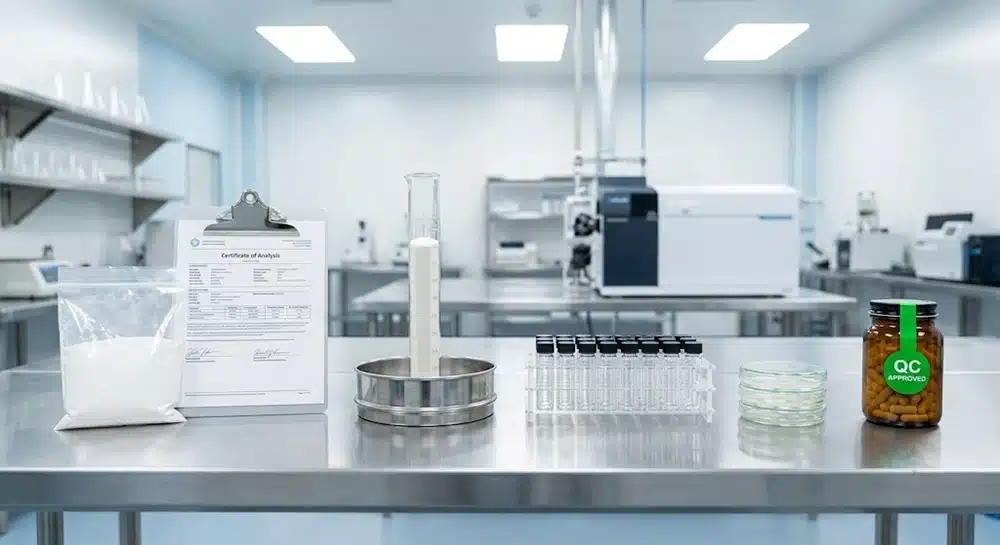
Ингредиенты, содержащие кальций, должны соответствовать требованиям действующих норм надлежащей производственной практики для пищевых добавок, включая контроль идентичности, чистоты, концентрации, состава и отсутствия загрязнений. В отношении пищевых добавок, предназначенных для рынка США, процессы производства, упаковки, маркировки и хранения должны соответствовать требованиям 21 CFR, часть 111.
Технические условия на кальций, готовые к закупке, должны включать: содержание элементарного кальция, форму лиганда или соли, метод идентификации, размер частиц, насыпную плотность, уплотнённую плотность, потери при сушке, pH, содержание тяжёлых металлов, микробиологические показатели, остаточные растворители (если применимо), информацию об аллергенах, информацию о ГМО, страну происхождения, срок годности, условия упаковки и хранения. В случае проектов B2B эти показатели должны быть подтверждены до определения цены и запуска пробного производства, а не после того, как рецептура уже была продана розничным продавцам.
Технические характеристики рецептуры, которые должны запрашивать покупатели
В большинстве статей, посвященных потребительским товарам, речь идет только о всасывании. Команда разработчиков рецептур нуждается в информации о физических и качественных характеристиках, которые определяют, сможет ли кальциевый ингредиент беспрепятственно проходить через производственное оборудование и сохранять стабильность в готовом продукте.
Технические характеристики и требования к контролю качества
Ключевые характеристики для проверки сырья и интеграции производственных процессов
| Атрибут «Spec» | Почему это важно | Рекомендуемые действия в сфере B2B |
|---|---|---|
| Элементарный кальций % | Определяет фактическое содержание кальция в одной порции и расчеты в разделе «Информация о пищевой ценности». |
Не сравнивайте общий вес продукта; сравнивайте содержание элементарного кальция и размер порции.
|
| Идентификация лиганда / соли | Отличается от аминокислотного хелата кальция, бисглицината кальция и других форм. |
Укажите систему лигандов в документе COA/TDS и приведите её в соответствие с формулировками на этикетке.
|
| Проверка хелатирования | Позволяет отличить настоящую хелатизацию/комплексообразование от простого сухого смешивания. |
Request FT-IR/XRD or validated supplier documentation. Add [Cite: internal SOP or supplier TDS].
|
| Насыпная и уплотнённая плотность | Влияет на наполнение капсул, объем саше, процесс таблетирования и однородность смеси. |
Перед подтверждением количества упаковок и размера порции проведите пилотное тестирование наполнения и расхода.
|
| Размер ячейки / размер частиц | Влияет на вкусовые ощущения, диспергируемость, поверхность таблетки, риск сегрегации и однородность содержания. |
Укажите размер частиц 60–100 меш или размер, предусмотренный для конкретного проекта; подтвердите его с помощью сертификата анализа партии (COA).
|
| Потери при сушке / активность воды | Влажность влияет на способность к комкованию, стабильность клейкой массы, твердость таблеток и срок хранения. |
При необходимости используйте упаковку с влагобарьером и осушители.
|
| pH / кислотность | Важно для жевательных конфет, таблеток для жевания, шипучих таблеток и порошков для приготовления напитков. |
Проверить поведение геля, его вкусовые качества и кислотно-щелочную совместимость в прототипных образцах.
|
| Тяжёлые металлы и микробиология | Необходимо для обеспечения безопасности готовой продукции и соблюдения требований розничных продавцов. |
Запросите предельно допустимые значения содержания Pb, As, Cd, Hg и микроорганизмов для каждой партии; обеспечьте их соответствие требованиям рынка сбыта.
|
Проверка хелатирования и контроль качества: настоящий хелат против сухой смеси
В случае минеральных формул премиум-класса заявления на этикетке, такие как “аминокислотный хелат кальция”, должны подкрепляться соответствующей документацией. Как минимум, покупатели должны запрашивать спецификацию и сертификат анализа (COA), в которых указаны содержание элементарного кальция, идентичность лиганда и результаты идентификационных испытаний. В случае проектов с более высокой стоимостью следует уточнить, может ли поставщик предоставить данные FT-IR, XRD или другие подтвержденные доказательства, свидетельствующие о образовании комплекса, а не о простой физической смеси.
Это особенно важно, когда готовый продукт позиционируется как продукт премиум-класса, например, “минералы в хелатной форме с аминокислотами”, “минеральный комплекс с высокой степенью усвоения” или “щадящая формула с кальцием”. В таких случаях компания Gensei может скоординировать экспертизу ингредиентов с Контроль качества пищевых добавок и Специальные добавки под частной торговой маркой разработку таким образом, чтобы окончательная формула, сертификат анализа (COA) и текст на этикетке не противоречили друг другу.
Примечания по нормативным требованиям и маркировке в отношении заявлений о содержании кальция
В тексте рекламного сообщения о пищевой добавке, содержащей кальций, следует избегать формулировок, намекающих на лечение или профилактику заболеваний. В США заявления о структуре и функции могут описывать, как тот или иной питательный элемент способствует поддержанию нормальной структуры или функции организма, например: “Кальций помогает укрепить кости”, однако заявления, касающиеся заболеваний, регулируются иначе.
Если бренд хочет поговорить о кальции, витамин D а также снижение риска развития остеопороза, текст заявления должен соответствовать требованиям, предъявляемым к утвержденным заявлениям о пользе для здоровья, и должен быть проверен юристом по вопросам регулирования. Руководство FDA по заявлениям о пользе кальция и витамина D для здоровья в контексте остеопороза требует тщательной формулировки и не допускает, чтобы заявление подразумевало, что кальций или кальций в сочетании с витамином D являются единственным признанным фактором риска развития остеопороза.
Рекомендуемые более безопасные формулировки для данной статьи: используйте “способствует нормальному здоровью костей”, “помогает поддерживать структуру костей”, “способствует нормальной работе мышц и нервов” или “для формул пищевых добавок, направленных на поддержание здоровья костей”. Избегайте использования фразы “профилактика остеопороза” в качестве общего заголовка в таблице, если не указан точный контекст разрешенного заявления о пользе для здоровья.
Сравнение хелатного кальция и цитрата кальция: таблица
Сравнение ингредиентов, содержащих кальций
Технический и коммерческий анализ: цитрат кальция и хелатный кальций
| Атрибут сравнения | Цитрат кальция | Хелатный кальций |
|---|---|---|
| Категория ингредиентов |
Соль кальция органической кислоты / комплекс цитрата кальция.
|
Общий термин, обозначающий кальций, связанный или образовавший комплекс с органическими лигандами, чаще всего с аминокислотами, такими как глицин.
|
| Типичное содержание элементарного кальция |
Около 21% кальция по массе, в зависимости от степени гидратации и технических условий.
|
Часто составляет около 18–20% для вариантов аминокислотных хелатов/бисглицинатов кальция, в зависимости от сертификата анализа (COA) и конкретной системы лигандов.
|
| Признание потребителей |
Высокий; широко используется в биологически активных добавках для здоровья костей.
|
От умеренной до высокой в премиальных минеральных формулах; максимальная эффективность достигается, когда лиганд четко указан.
|
| Абсорбционная рама |
Не зависит от уровня желудочной кислотности в такой степени, как карбонат кальция; подходит для применения в условиях пониженной кислотности.
|
Может способствовать позиционированию продукта как средства с повышенной биодоступностью, однако заявления должны быть привязаны к конкретному хелату и подкреплены доказательствами. Следует избегать общих заявлений типа «85–95%».
|
| Содержимое капсулы/таблетки |
Для достижения заданного количества элементарного кальция требуется смесь с более высокой массой.
|
Полезная нагрузка зависит от элементарного кальция % и плотности; необходимо проверить сыпучесть и вес насыпа.
|
| Поведение порошка / пакетика |
При высоких целевых показателях содержания элементарного кальция размер порции и текстура продукта могут увеличиваться.
|
В зависимости от лиганда может потребоваться применение антислеживающих веществ, контроль влажности и маскировка вкуса.
|
| Привычка жевать / грызть |
Может повлиять на кислотность и вкус; требуется тестирование прототипа.
|
Может способствовать позиционированию в сегменте премиум-класса, однако необходимо подтвердить совместимость с гелем и ионные взаимодействия.
|
| Документы по качеству |
COA, анализ, тяжелые металлы, микробиология, размер частиц, pH, потеря при сушке.
|
То же, что и для цитрата, плюс определение лиганда и проверка хелатирования/комплекса, если это возможно.
|
| Оптимальный вариант |
Доступные по цене, привычные для потребителей препараты кальция; позиционирование как продукты с низким содержанием кислоты; таблетки/капсулы, в которых размер порции является приемлемым.
|
Высококачественные минеральные комплексы, аминокислотные хелаты, мультиминеральные формулы, проекты, требующие подробного описания ингредиентов и соответствующей документации.
|
Итоги
Как цитрат кальция, так и хелатный кальций играют важную роль в минеральном питании. Цитрат кальция — это хорошо известный, не зависящий от кислотности источник кальция, который пользуется широкой популярностью у потребителей и широко применяется в таблетках, капсулах и жевательных таблетках. Хелатный кальций лучше рассматривать как категорию ингредиентов, определяемую техническими требованиями, где характер лиганда, содержание элементарного кальция, документация по хелатированию и поведение в конкретной лекарственной форме определяют, подходит ли он для данного применения.
При реализации проектов по производству пищевых добавок в сегменте B2B оптимальное решение принимается на основе сравнения стоимости одной готовой порции, целевого содержания элементарного кальция, конечной лекарственной формы, документации по качеству, формулировок заявлений о полезных свойствах, соответствующих нормативным требованиям, а также требований к стабильности. Если проект предполагает поиск поставщиков минеральных компонентов, анализ сертификата анализа (COA), разработку прототипа рецептуры или производство под частной торговой маркой, компания Gensei может оказать поддержку в проведении оценки посредством Поставщик ингредиентов для минерального питания, Производитель добавок Custom Formula и Контроль качества пищевых добавок.
Вопросы и ответы
Ссылки
- Управление по пищевым добавкам Национального института здоровья (NIH). Кальций — информационный бюллетень для медицинских работников. https://ods.od.nih.gov/factsheets/Calcium-HealthProfessional/
- FDA. Руководство по соблюдению нормативных требований для малых предприятий: Современная надлежащая производственная практика при производстве, упаковке, маркировке или хранении пищевых добавок. https://www.fda.gov/regulatory-information/search-fda-guidance-documents/small-entity-compliance-guide-current-good-manufacturing-practice-manufacturing-packaging-labeling
- FDA. Заявления о структуре/функциях. https://www.fda.gov/food/nutrition-food-labeling-and-critical-foods/structurefunction-claims
- FDA. Руководство по соблюдению нормативных требований для малых предприятий: заявления о пользе для здоровья, касающиеся кальция и остеопороза, а также кальция, витамина D и остеопороза. https://www.fda.gov/regulatory-information/search-fda-guidance-documents/small-entity-compliance-guide-health-claims-calcium-and-osteoporosis-and-calcium-vitamin-d-and
- Harvard Health Publishing. Как выбрать добавку с кальцием. https://www.health.harvard.edu/diet-and-nutrition/choosing-a-calcium-supplement
- Гарг М.К. и др. Прием добавок кальция: зачем, какие и как? https://pmc.ncbi.nlm.nih.gov/articles/PMC6844170/
- Сахаи К. и др. Метаанализ биодоступности кальция. https://pubmed.ncbi.nlm.nih.gov/11329115/

Уоррен Ван — опытный специалист с обширным стажем работы в сфере цепочки поставок пищевых добавок, обладающий богатым практическим опытом в области исследований, разработки, контроля производственных процессов и глобального поиска поставщиков ключевых ингредиентов, таких как коллагеновые пептиды, белок костного бульона и кератин. Как автор этой рубрики, он стремится развенчать маркетинговую мистификацию, преобразуя малоизвестные научные факты об ингредиентах и стандарты контроля качества производства в доступные и достоверные научно-популярные материалы, помогая читателям понять правду, скрытую за этикетками, и делать более рациональный выбор в вопросах здоровья.


