
คู่มือปี 2026 นี้ได้รับการออกแบบมาสำหรับบริษัทสตาร์ทอัพในวงการอาหารเสริม แบรนด์ผลิตภัณฑ์สุขภาพที่มีชื่อเสียง ผู้ค้าปลีก ผู้จัดจำหน่าย ผู้เชี่ยวชาญด้านสุขภาพ และทีมพัฒนาสูตร เพื่อเปรียบเทียบระหว่างแบรนด์ส่วนตัว (private label) แบรนด์ขาว (white label) และบริการตามสั่ง (custom) การผลิตอาหารเสริม พันธมิตร บริษัทเหล่านี้ไม่ได้ถูกจัดอันดับตามคุณภาพแบบทั่วไป ข้อมูลสาธารณะอาจเปลี่ยนแปลงได้ และผู้ผลิตที่เหมาะสำหรับการผลิตแคปซูลแบบมาตรฐาน อาจไม่เหมาะสมสำหรับโครงการผลิตกัมมี่ที่ซับซ้อน โปรไบโอติก แคปซูลนิ่ม หรือโครงการผลิตผงในปริมาณมาก.
หากต้องการหารือเกี่ยวกับการผลิตโดยตรง โปรดดูข้อมูลจาก Gensei’s บริการผลิตอาหารเสริมตามแบรนด์ส่วนตัว หรือส่งบทสรุปโครงการผ่านทาง หน้าสอบถามข้อมูล B2B.
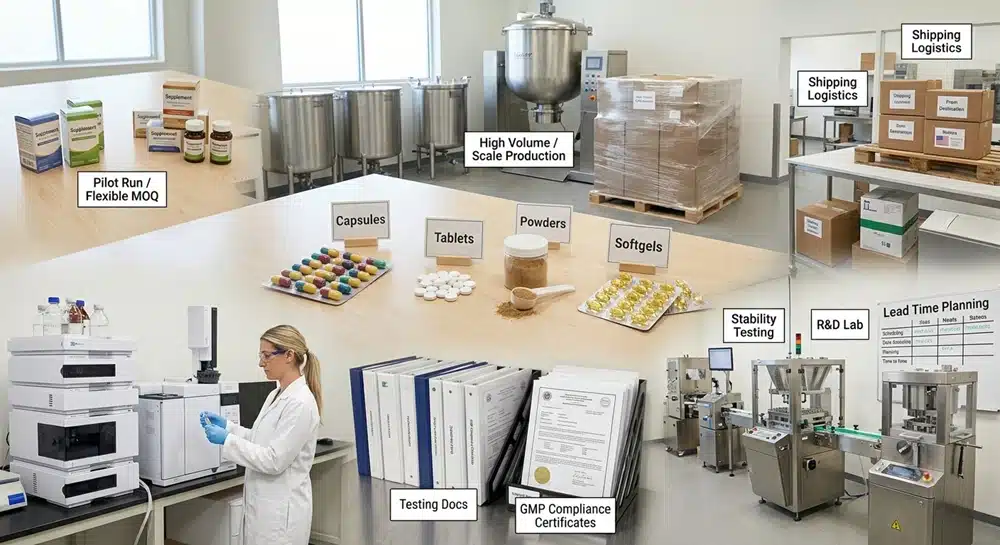
แบรนด์ส่วนตัว vs แบรนด์ขาว vs การผลิตตามสั่ง
| แบบ | การควบคุมสูตร | ความเร็วเริ่มต้นทั่วไป | รูปแบบ MOQ ที่ทั่วไป | เหมาะที่สุดสำหรับ | การแลกเปลี่ยนหลัก |
|---|---|---|---|---|---|
| แบรนด์ขาว | ต่ำ; สูตรผลิตภัณฑ์เดียวกันหรือคล้ายกันอาจถูกเสนอให้กับหลายแบรนด์ | โดยทั่วไปแล้วจะเร็วที่สุด | มักมีราคาต่ำกว่าโครงการที่ออกแบบตามความต้องการอย่างเต็มตัว | การทดสอบหมวดหมู่สินค้า การเปิดตัวผลิตภัณฑ์อย่างรวดเร็ว และสายผลิตภัณฑ์ขนาดเล็ก | การปรับเปลี่ยนสูตรที่จำกัด และความสามารถในการควบคุมการเปลี่ยนแปลงสูตรที่น้อยลง |
| แบรนด์ส่วนตัว | ระดับต่ำถึงกลาง; อาจใช้สูตรสำเร็จรูป สูตรกึ่งปรับแต่ง หรือสูตรเฉพาะ | เร็วถึงปานกลาง | ขึ้นอยู่กับสูตร รูปแบบการให้ยา การบรรจุภัณฑ์ และนโยบายของผู้จัดจำหน่าย | แบรนด์ที่ต้องการบรรจุภัณฑ์เฉพาะของตัวเองพร้อมการปรับแต่งบางส่วน | คำนี้ถูกใช้อย่างไม่สม่ำเสมอ ดังนั้นจึงต้องระบุเรื่องสิทธิ์แต่เพียงผู้เดียวและทรัพย์สินทางปัญญาไว้ในสัญญา |
| บริการผลิตตามสัญญาที่ปรับแต่งได้เต็มที่ | จะดีที่สุดเมื่อเงื่อนไขเกี่ยวกับสิทธิ์การเป็นเจ้าของและการควบคุมการเปลี่ยนแปลงชัดเจน | โดยทั่วไปแล้วจะยาวที่สุด | มักมีราคาสูงกว่า เนื่องจากค่าใช้จ่ายในการพัฒนา วัตถุดิบ การทดสอบ และการตั้งค่า | สูตรผลิตภัณฑ์ที่แตกต่าง การกำหนดตำแหน่งทางการแพทย์ การขยายขนาดธุรกิจในระยะยาว | ค่าใช้จ่ายในการพัฒนาที่สูงขึ้น ระยะเวลาดำเนินการที่ยาวนานขึ้น และความรับผิดชอบด้านกฎระเบียบที่มากขึ้น |
อย่าพึ่งพาเพียงคำว่า “แบรนด์ส่วนตัว” เท่านั้น ควรถามว่าสูตรผลิตภัณฑ์นั้นเป็นสูตรที่มี sẵn สูตรกึ่งปรับแต่ง สูตรเฉพาะ สูตรที่ได้รับอนุญาต หรือเป็นสูตรที่แบรนด์ของคุณเป็นเจ้าของ นอกจากนี้ ควรถามด้วยว่าผู้ผลิตสามารถเปลี่ยนส่วนผสม ผู้จัดหา สารช่วย กลิ่น สี หรือส่วนประกอบของบรรจุภัณฑ์ได้หรือไม่ โดยไม่ต้องได้รับอนุมัติเป็นลายลักษณ์อักษร.

ตารางเปรียบเทียบ: ผู้ผลิตผลิตภัณฑ์เสริมอาหารแบรนด์ส่วนตัวที่ควรประเมินในปี 2026
ตารางนี้เป็นรายชื่อผู้ขายที่คัดสรรมาเพื่อผู้ซื้อ โดยอ้างอิงจากความสามารถที่ประกาศต่อสาธารณะ ซึ่งได้รับการตรวจสอบในเดือนกรกฎาคม 2569 ตารางนี้ไม่ใช่การตรวจสอบสถานประกอบการอย่างอิสระ การตรวจสอบการรับรองที่ได้รับการชำระเงิน หรือการรับประกันคุณภาพบริการ โปรดตรวจสอบข้อมูลล่าสุดก่อนตัดสินใจซื้อ.
| # | ผู้ผลิต | ภูมิภาค | โครงการ Best-Fit | ความสามารถที่ประกาศอย่างเป็นทางการ | สิ่งที่ต้องตรวจสอบ |
|---|---|---|---|---|---|
| 1 | เมกเกอร์ส นิวทริชั่น | สหรัฐอเมริกา | บริการเปิดตัวแบรนด์ส่วนตัวและผลิตภัณฑ์หลายรูปแบบแบบครบวงจร | แคปซูล, แคปซูลนิ่ม, ผง, กัมมี่, การพัฒนาสูตร, การบรรจุภัณฑ์, การจัดส่ง | ปริมาณสั่งซื้อขั้นต่ำ (MOQ) ปัจจุบันตามรูปแบบ ขอบเขตการทดสอบ สมมติฐานเกี่ยวกับระยะเวลาการผลิต และสิทธิ์ในสูตร |
| 2 | Vitaquest | สหรัฐอเมริกา | โครงการพัฒนาตามความต้องการและขยายขนาดที่มีขนาดใหญ่ขึ้น | การพัฒนาผลิตภัณฑ์ การพัฒนาสูตรตามความต้องการ รูปแบบการให้ยาที่หลากหลาย การสนับสนุนด้านคุณภาพและบรรจุภัณฑ์ | ขนาดล็อตการผลิตเชิงพาณิชย์ขั้นต่ำ, โครงการที่เหมาะกับบริษัทสตาร์ทอัพ, ข้อกำหนดในการถ่ายโอนเทคโนโลยี |
| 3 | SMP นิวทรา | สหรัฐอเมริกา | การผลิตหลายรูปแบบและการจ้างผลิตภายนอก | ผลิตภัณฑ์เสริมอาหารแบบสำเร็จรูปและตามสั่ง, ผง, แคปซูล, วิตามิน, บริการบรรจุภัณฑ์และจัดการคำสั่งซื้อ | เงื่อนไขสัญญา, สิทธิในสูตร/ทรัพย์สินทางปัญญา, การควบคุมการเปลี่ยนแปลง, ตัวอย่างอ้างอิงจากแบรนด์ที่คล้ายกัน |
| 4 | นูทราไซเอนซ์ แล็บส์ | สหรัฐอเมริกา | แบรนด์ระดับกลางที่ต้องการพัฒนาผลิตภัณฑ์และประสานงานด้านการบรรจุภัณฑ์ | แคปซูล, ผง, เม็ด, แคปซูลนิ่ม, การพัฒนาสูตร, การออกแบบฉลาก และการสนับสนุนด้านการบรรจุภัณฑ์ | เครือข่ายการผลิตปัจจุบัน, โรงงานที่รับผิดชอบ, เอกสารการตรวจสอบ และขอบเขตงานที่แม่นยำ |
| 5 | Vitalabs | สหรัฐอเมริกา | ผลิตภัณฑ์ภายใต้แบรนด์ส่วนตัวและแบรนด์ทั่วไปที่ใช้สูตรมาตรฐาน ซึ่งกำลังทดสอบหลาย SKU | สูตรสำเร็จและสูตรตามสั่ง, บริการติดแบรนด์ส่วนตัว, การบรรจุภัณฑ์ และแคตตาล็อกผลิตภัณฑ์เสริมอาหาร | ปริมาณสั่งซื้อขั้นต่ำ (MOQ) ตาม SKU, ข้อจำกัดในการปรับแต่ง, ขอบเขตการจดทะเบียน NSF/GMP ปัจจุบัน และแพ็กเกจการทดสอบ |
| 6 | Vox Nutrition | สหรัฐอเมริกา | แคตตาล็อกแบรนด์ส่วนตัว พร้อมทั้งโปรแกรมตามสั่ง/สัญญา | แคตตาล็อกแบรนด์ส่วนตัว, การพัฒนาสูตร, การผสม, การบรรจุแคปซูล, การบรรจุขวด, การติดฉลาก และการออกแบบ | ผลิตภัณฑ์ใดเป็นสินค้าในสต็อกและผลิตภัณฑ์ใดเป็นสินค้าตามสั่ง, ขอบเขตการรับรองปัจจุบัน, และเงื่อนไขการจัดส่ง |
| 7 | เรลิแอนซ์ วิตามิน | สหรัฐอเมริกา | ผลิตภัณฑ์ยาแบบเม็ดและโปรแกรมการขายปลีกที่ได้รับการยอมรับแล้ว | ยาเม็ด, แคปซูล, ผง, ยาเม็ดเคี้ยว, ยาอม, การพัฒนาสูตรยาและการสนับสนุนการผลิต | ปริมาณสั่งซื้อขั้นต่ำ (MOQ) ตามรูปแบบผลิตภัณฑ์ เอกสารสำหรับขายปลีก การควบคุมสารก่อภูมิแพ้ และความรับผิดชอบด้านความคงตัว |
| 8 | เจมินี ฟาร์มาซูติคอลส์ | สหรัฐอเมริกา | แบรนด์ที่ให้ความสำคัญกับระบบแบบอุตสาหกรรมยาและข้อตกลงด้านคุณภาพ | บริการผลิตตามสัญญาสำหรับผลิตภัณฑ์เสริมอาหารและผลิตภัณฑ์ OTC บางประเภท | ความสามารถในการผลิตในรูปแบบยาที่แม่นยำ ขนาดล็อต สถานะการตรวจสอบ ข้อตกลงด้านคุณภาพและการจัดหา |
| 9 | PURE แบรนด์ส่วนตัว | สหรัฐอเมริกา | แบรนด์ส่วนตัวที่มีต้นทุนเริ่มต้นต่ำและการตรวจสอบความเหมาะสมของตลาดในระยะเริ่มต้น | สูตรสำเร็จและสูตรตามสั่ง พร้อมโปรแกรมที่กำหนดปริมาณสั่งขั้นต่ำ (MOQ) ต่ำอย่างชัดเจน | ว่าปริมาณสั่งซื้อขั้นต่ำ (MOQ) ที่ระบุไว้ดังกล่าวนั้นใช้กับสูตร บรรจุภัณฑ์ และรสชาติหรือไม่; ค่าใช้จ่ายรวมเมื่อสินค้าถึงปลายทาง |
| 10 | การผลิตอาหารเสริมคุณภาพเหนือระดับ | สหรัฐอเมริกา | ผลิตภัณฑ์ตามสั่งที่จำเป็นต้องปรับสูตร ปรุงรส หรือประสานงานด้านการรับรองมาตรฐาน | บริการผลิตสินค้าภายใต้แบรนด์ส่วนตัวและผลิตตามสัญญา พร้อมด้วยบริการสนับสนุนด้านการวิจัยและพัฒนา (R&D) การพัฒนาสูตร และการบรรจุภัณฑ์ | กระบวนการทดลอง, การตรวจสอบความถูกต้องของวิธีการ, ข้อกำหนดการทดสอบ, ความรับผิดชอบในการบริหารจัดการโครงการ |
| 11 | TCI Bio | ทั่วโลก / ไต้หวัน | ODM/CDMO ระดับโลกที่ขับเคลื่อนด้วยวิทยาศาสตร์ และนวัตกรรมข้ามหมวดหมู่ | การพัฒนา สูตรการผลิต การผลิต และการขยายการผลิตในระดับโลกของผลิตภัณฑ์นุทราซูติคอลและผลิตภัณฑ์ความงาม | ความรับผิดชอบด้านกฎระเบียบของตลาดเป้าหมาย, เงื่อนไขเกี่ยวกับสิทธิทรัพย์สินทางปัญญา, ผลลัพธ์การตรวจสอบความถูกต้อง และเอกสารส่งออก |
| 12 | SIRIO Pharma | ระดับโลก | กัมมี่และซอฟต์เจลที่ปรับขนาดได้ และการจัดส่งไปยังหลายภูมิภาค | กัมมี่ แคปซูลนิ่ม และรูปแบบยาแข็ง พร้อมบริการ CDMO ระดับโลก | สถานที่ที่เลือกไว้สำหรับโครงการ, ใบรับรองที่เกี่ยวข้อง, ขนาดการผลิตขั้นต่ำ และแผนการถ่ายทอดเทคโนโลยี |
| 13 | CAPTEK Softgel International | สหรัฐอเมริกา | โครงการผลิตซอฟต์เจลและการขยายกำลังการผลิตกัมมี่ | แคปซูลนิ่มเสริมอาหารตามสั่งและ การผลิตลูกอมเหนียว | ความเข้ากันได้กับน้ำมัน, ตัวเลือกเปลือก, โปรแกรมความเสถียร, อุปกรณ์การผลิต และข้อกำหนดสำหรับล็อตการผลิตเชิงพาณิชย์ |
| 14 | โลกของกัมมี่ | สหรัฐอเมริกา | โครงการสำหรับแบรนด์ส่วนตัวและแบรนด์ไวท์เลเบล โดยผู้เชี่ยวชาญด้านกัมมี่ | บริการพัฒนาสูตรกัมมี่ตามสั่ง, แบรนด์ส่วนตัว/ไวท์เลเบล, บรรจุภัณฑ์, การติดฉลาก และบริการสนับสนุนการส่งสินค้า | ความเป็นไปได้ในการใช้โหลดแบบแอคทีฟ, ปริมาณสั่งซื้อขั้นต่ำ (MOQ) สำหรับรสชาติ/สี, ตัวเลือกแบบไม่มีน้ำตาล, ความเสถียร และคุณสมบัติการป้องกันของบรรจุภัณฑ์ |
| 15 | เทคโนโลยีเจลนุ่ม | สหรัฐอเมริกา | ส่วนผสมของแคปซูลนุ่มที่มีเอกลักษณ์และสูตรเฉพาะทาง | การพัฒนาและผลิตแคปซูลซอฟต์เจลด้วยเทคโนโลยีการส่งมอบที่มีแบรนด์หรือมีความแตกต่าง | แบบการเข้าถึงสูตร, สิทธิ์แต่เพียงผู้เดียว, ปริมาณขั้นต่ำ, การให้สิทธิ์ใช้ส่วนผสม และการทดสอบผลิตภัณฑ์สำเร็จรูป |
| 16 | เจนเซย์ โกลบอล อินดัสทรีส์ | จีนที่มีการสนับสนุนจากห่วงโซ่อุปทานระดับโลก | การจัดหาวัตถุดิบและการผลิตภายใต้แบรนด์ส่วนตัวตามสั่งสำหรับหลายรูปแบบการให้ยา | การตรวจสอบสูตร, แคปซูล, เม็ด, กัมมี่, ผง, ของเหลว, ซอฟต์เจล, การสนับสนุนด้านการบรรจุภัณฑ์และเอกสาร | สิ่งอำนวยความสะดวกเฉพาะโครงการ, ข้อกำหนดของตลาดเป้าหมาย, เอกสารการตรวจสอบ, ปริมาณสั่งซื้อขั้นต่ำ (MOQ) และแผนการทดสอบขั้นสุดท้าย |
วิธีที่เราประเมินผู้ผลิต
การเปรียบเทียบผู้ผลิตที่น่าเชื่อถือควรใช้ข้อมูลที่เกี่ยวข้องกับโครงการเป็นหลัก แทนที่จะใช้รายได้ที่คาดการณ์ จำนวนพนักงาน รางวัลด้านการตลาด หรือคำกล่าวอ้างที่ยังไม่ได้รับการยืนยัน คู่มือนี้พิจารณาหกด้านที่ปฏิบัติได้จริง ได้แก่:
- รูปแบบยาที่เหมาะสม: แคปซูล, แท็บเล็ต, ผง, กัมมี่, แคปซูลนิ่ม, ของเหลว, ยาเคี้ยว, ยาอม, ซองแบบแท่ง หรือระบบส่งยาแบบเฉพาะทาง.
- รุ่นเปิดตัว: สูตรสำเร็จรูปที่พร้อมปรับแบรนด์, ผลิตภัณฑ์แบบกึ่งปรับแต่ง, สูตรที่ปรับแต่งอย่างเต็มรูปแบบ หรือการพัฒนาแบบ CDMO.
- ความโปร่งใสด้านคุณภาพ: ความพร้อมที่จะจัดหาหลักฐานการตรวจสอบล่าสุด ข้อกำหนดทางเทคนิค แผนการทดสอบ บันทึกการผลิตตามล็อต ใบรับรองคุณภาพ (COA) มาตรการควบคุมสารก่อภูมิแพ้ และข้อมูลติดต่อด้านคุณภาพ.
- ความเหมาะสมสำหรับการใช้งานเชิงพาณิชย์: ปริมาณสั่งซื้อขั้นต่ำ (MOQ), ค่าพัฒนา, ปริมาณบรรจุภัณฑ์ขั้นต่ำ, เงื่อนไขการชำระเงิน, เวลาผลิต, ความสามารถในการผลิต, การคาดการณ์ความต้องการ, และความสามารถในการขยายปริมาณการสั่งซื้อใหม่.
- การสนับสนุนด้านกฎระเบียบ: การตรวจสอบฉลาก, การตรวจสอบคำกล่าวอ้าง, เอกสารสำหรับตลาดปลายทาง, การจัดการข้อร้องเรียน, ความรับผิดชอบต่อเหตุการณ์ไม่พึงประสงค์ และขั้นตอนการเรียกคืนผลิตภัณฑ์.
- การตรวจสอบผู้ซื้อ: ตัวอย่าง, การตรวจสอบสถานที่หรือการตรวจสอบแบบเสมือน, ข้อมูลอ้างอิงจากโครงการที่คล้ายกัน, สัญญาที่ชัดเจน, และระบบการควบคุมการเปลี่ยนแปลงที่กำหนดไว้อย่างชัดเจน.
คำกล่าวอ้างเช่น “ผู้ผลิตที่ได้รับการอนุมัติจาก FDA”, “โรงงานที่ได้รับการรับรองจาก FDA” หรือ “ผลิตภัณฑ์เสริมอาหารที่ได้รับการอนุมัติจาก FDA” ควรถือเป็นสัญญาณเตือน การจดทะเบียนหรือการตรวจสอบของ FDA ไม่เท่ากับการอนุมัติจาก FDA ผู้ผลิตผลิตภัณฑ์เสริมอาหารที่จำหน่ายในตลาดสหรัฐฯ มีหน้าที่ต้องปฏิบัติตามข้อกำหนดที่เกี่ยวข้อง รวมถึงหลักการผลิตที่ดี (GMP).
ข้อมูลผู้ผลิต
1. Makers Nutrition
เหมาะสมที่สุด: บริการเปิดตัวแบรนด์ส่วนตัวและผลิตภัณฑ์หลายรูปแบบแบบครบวงจร.
Makers Nutrition ได้ประกาศอย่างเป็นทางการถึงความสามารถในการผลิตผลิตภัณฑ์ต่าง ๆ ซึ่งรวมถึงแคปซูล ซอฟต์เจล ผง กัมมี่ การพัฒนาสูตร การบรรจุภัณฑ์ และการจัดส่งสินค้า ซึ่งทำให้บริษัทนี้กลายเป็นตัวเลือกที่เหมาะสมเมื่อความสามารถดังกล่าวสอดคล้องกับรายละเอียดผลิตภัณฑ์ รูปแบบการให้ยา ตลาดเป้าหมาย และขนาดการผลิตเชิงพาณิชย์.
ตรวจสอบให้แน่ใจก่อนที่จะคัดเลือกผู้เข้ารอบสุดท้าย: ปริมาณสั่งซื้อขั้นต่ำ (MOQ) ปัจจุบันตามรูปแบบ ขอบเขตการทดสอบ สมมติฐานเกี่ยวกับระยะเวลาการผลิต และสิทธิ์การเป็นเจ้าของสูตร.
2. Vitaquest
เหมาะสมที่สุด: โครงการพัฒนาตามความต้องการและขยายขนาดที่มีขนาดใหญ่ขึ้น.
Vitaquest ได้เปิดเผยถึงศักยภาพของบริษัท ซึ่งรวมถึงการพัฒนาผลิตภัณฑ์ การพัฒนาสูตรตามความต้องการเฉพาะ รูปแบบการให้ยาที่หลากหลาย รวมถึงการสนับสนุนด้านคุณภาพและบรรจุภัณฑ์ ซึ่งทำให้บริษัทนี้กลายเป็นตัวเลือกที่เหมาะสม เมื่อศักยภาพดังกล่าวสอดคล้องกับข้อกำหนดของผลิตภัณฑ์ รูปแบบการให้ยา ตลาดเป้าหมาย และขนาดการดำเนินงานเชิงพาณิชย์.
ตรวจสอบให้แน่ใจก่อนที่จะคัดเลือกผู้เข้ารอบสุดท้าย: ขนาดล็อตการผลิตเชิงพาณิชย์ขั้นต่ำ, โครงการที่เหมาะสำหรับบริษัทสตาร์ทอัพ, ข้อกำหนดในการถ่ายโอนเทคโนโลยี.
3. SMP Nutra
เหมาะสมที่สุด: การผลิตหลายรูปแบบและการจ้างผลิตภายนอก.
SMP Nutra ได้เปิดเผยถึงศักยภาพของบริษัท ซึ่งรวมถึงผลิตภัณฑ์เสริมอาหารที่มีในสต็อกและตามสั่ง, ผง, แคปซูล, วิตามิน, การบรรจุภัณฑ์ และบริการสนับสนุนการจัดส่งสินค้า ซึ่งทำให้บริษัทนี้กลายเป็นตัวเลือกที่เหมาะสมเมื่อศักยภาพดังกล่าวสอดคล้องกับรายละเอียดผลิตภัณฑ์ รูปแบบการให้ยา ตลาดเป้าหมาย และขนาดการดำเนินธุรกิจ.
ตรวจสอบให้แน่ใจก่อนที่จะคัดเลือกผู้เข้ารอบสุดท้าย: เงื่อนไขสัญญา, สิทธิในสูตร/ทรัพย์สินทางปัญญา, การควบคุมการเปลี่ยนแปลง, ตัวอย่างอ้างอิงจากแบรนด์ที่คล้ายกัน.
4. NutraScience Labs
เหมาะสมที่สุด: แบรนด์ระดับกลางที่ต้องการพัฒนาผลิตภัณฑ์และจัดเตรียมบรรจุภัณฑ์.
NutraScience Labs ได้ประกาศอย่างเป็นทางการว่ามีความสามารถในการผลิตผลิตภัณฑ์ในรูปแบบแคปซูล ผง เม็ด ซอฟต์เจล การพัฒนาสูตร การออกแบบฉลาก และการสนับสนุนด้านการบรรจุภัณฑ์ ซึ่งทำให้บริษัทนี้กลายเป็นตัวเลือกที่เหมาะสมเมื่อความสามารถดังกล่าวสอดคล้องกับรายละเอียดผลิตภัณฑ์ รูปแบบการให้ยา ตลาดเป้าหมาย และระดับการผลิตเชิงพาณิชย์.
ตรวจสอบให้แน่ใจก่อนที่จะคัดเลือกผู้เข้ารอบสุดท้าย: เครือข่ายการผลิตปัจจุบัน, โรงงานที่รับผิดชอบ, เอกสารการตรวจสอบ และขอบเขตงานที่ชัดเจน.
5. Vitalabs
เหมาะสมที่สุด: ผลิตภัณฑ์ภายใต้แบรนด์ส่วนตัวและแบรนด์ต่าง ๆ ที่ใช้สูตรมาตรฐาน และกำลังทดสอบ SKU หลายรายการ.
Vitalabs ได้เปิดเผยความสามารถของบริษัท ซึ่งรวมถึงสูตรผลิตภัณฑ์ที่มี sẵnและสูตรที่ปรับแต่งตามความต้องการ บริการติดฉลากส่วนตัว การบรรจุภัณฑ์ และแคตตาล็อกผลิตภัณฑ์เสริมอาหาร ซึ่งทำให้บริษัทนี้กลายเป็นตัวเลือกที่เหมาะสม เมื่อความสามารถดังกล่าวสอดคล้องกับรายละเอียดผลิตภัณฑ์ รูปแบบการให้ยา ตลาดเป้าหมาย และขนาดการดำเนินงานเชิงพาณิชย์.
ตรวจสอบให้แน่ใจก่อนที่จะคัดเลือกผู้เข้ารอบสุดท้าย: ปริมาณสั่งซื้อขั้นต่ำ (MOQ) ตาม SKU, ข้อจำกัดในการปรับแต่ง, ขอบเขตการจดทะเบียน NSF/GMP ปัจจุบัน และแพ็กเกจการทดสอบ.
6. Vox Nutrition
เหมาะสมที่สุด: แคตตาล็อกแบรนด์ส่วนตัว พร้อมทั้งโครงการตามสั่ง/โครงการรับจ้างผลิต.
Vox Nutrition ได้ประกาศอย่างเป็นทางการว่าบริษัทมีความสามารถในการให้บริการต่าง ๆ ซึ่งรวมถึงการจัดทำแคตตาล็อกแบรนด์ส่วนตัว การพัฒนาสูตร การผสม การบรรจุแคปซูล การบรรจุขวด การติดฉลาก และการออกแบบ ซึ่งทำให้บริษัทนี้กลายเป็นตัวเลือกที่เหมาะสมเมื่อความสามารถดังกล่าวสอดคล้องกับรายละเอียดผลิตภัณฑ์ รูปแบบการให้ยา ตลาดเป้าหมาย และขนาดการผลิตเชิงพาณิชย์.
ตรวจสอบให้แน่ใจก่อนที่จะคัดเลือกผู้เข้ารอบสุดท้าย: ผลิตภัณฑ์ใดเป็นสินค้าในสต็อกและผลิตภัณฑ์ใดเป็นสินค้าตามสั่ง, ขอบเขตการรับรองมาตรฐานปัจจุบัน, และเงื่อนไขการจัดส่ง.
7. Reliance Vitamin
เหมาะสมที่สุด: ผลิตภัณฑ์รูปแบบเม็ดและโปรแกรมการขายปลีกที่ได้รับการยอมรับแล้ว.
Reliance Vitamin ได้ประกาศอย่างเป็นทางการถึงความสามารถของบริษัท ซึ่งรวมถึงการผลิตยาเม็ด แคปซูล ผง ยาเม็ดเคี้ยว ยาอม การพัฒนาสูตรยา และการสนับสนุนด้านการผลิต ซึ่งทำให้บริษัทนี้กลายเป็นตัวเลือกที่เหมาะสม เมื่อความสามารถดังกล่าวสอดคล้องกับรายละเอียดผลิตภัณฑ์ รูปแบบการให้ยา ตลาดเป้าหมาย และขนาดการผลิตเชิงพาณิชย์.
ตรวจสอบให้แน่ใจก่อนที่จะคัดเลือกผู้เข้ารอบสุดท้าย: ปริมาณสั่งซื้อขั้นต่ำ (MOQ) ตามรูปแบบผลิตภัณฑ์ เอกสารสำหรับขายปลีก การควบคุมสารก่อภูมิแพ้ และความรับผิดชอบด้านความคงตัว.
8. Gemini Pharmaceuticals
เหมาะสมที่สุด: แบรนด์ที่ให้ความสำคัญกับระบบและข้อตกลงด้านคุณภาพตามมาตรฐานอุตสาหกรรมยา.
Gemini Pharmaceuticals ได้ประกาศอย่างเป็นทางการว่าบริษัทมีความสามารถในการผลิตตามสัญญาสำหรับผลิตภัณฑ์เสริมอาหารและผลิตภัณฑ์ OTC บางประเภท ซึ่งทำให้บริษัทนี้กลายเป็นตัวเลือกที่เหมาะสมเมื่อความสามารถดังกล่าวสอดคล้องกับรายละเอียดผลิตภัณฑ์ รูปแบบการให้ยา ตลาดเป้าหมาย และขนาดการดำเนินงานเชิงพาณิชย์.
ตรวจสอบให้แน่ใจก่อนที่จะคัดเลือกผู้เข้ารอบสุดท้าย: ความสามารถในการผลิตในรูปแบบยาที่แม่นยำ ขนาดล็อต สถานะการตรวจสอบ ข้อตกลงด้านคุณภาพและการจัดหา.
9. PURE Private Label
เหมาะสมที่สุด: แบรนด์ส่วนตัวที่มีต้นทุนเริ่มต้นต่ำ และการตรวจสอบความเหมาะสมของตลาดในระยะเริ่มต้น.
PURE Private Label ได้เปิดเผยความสามารถของบริษัทอย่างเป็นทางการ ซึ่งรวมถึงสูตรสำเร็จรูปและสูตรที่ปรับแต่งตามความต้องการ พร้อมทั้งโปรแกรมที่มีปริมาณสั่งซื้อขั้นต่ำ (MOQ) ต่ำตามที่ประกาศไว้อย่างชัดเจน สิ่งนี้ทำให้บริษัทเป็นตัวเลือกที่เหมาะสมเมื่อความสามารถดังกล่าวสอดคล้องกับข้อกำหนดของผลิตภัณฑ์ รูปแบบการให้ยา ตลาดเป้าหมาย และระดับการผลิตเชิงพาณิชย์.
ตรวจสอบให้แน่ใจก่อนที่จะคัดเลือกผู้เข้ารอบสุดท้าย: ปริมาณสั่งซื้อขั้นต่ำ (MOQ) ที่ระบุไว้ดังกล่าวใช้กับสูตร บรรจุภัณฑ์ และรสชาติหรือไม่; ค่าใช้จ่ายรวมเมื่อสินค้าถึงปลายทาง.
10. การผลิตผลิตภัณฑ์เสริมอาหารคุณภาพสูง
เหมาะสมที่สุด: ผลิตภัณฑ์ตามสั่งที่ต้องการการปรับสูตร การเพิ่มกลิ่นรส หรือการประสานงานด้านการรับรองมาตรฐาน.
บริษัท Superior Supplement Manufacturing ได้เปิดเผยความสามารถของบริษัทอย่างเป็นทางการ ซึ่งรวมถึงการผลิตภายใต้แบรนด์ส่วนตัวและการผลิตตามสัญญา พร้อมทั้งการสนับสนุนด้านการวิจัยและพัฒนา การพัฒนาสูตร และการบรรจุภัณฑ์ ซึ่งทำให้บริษัทนี้กลายเป็นตัวเลือกที่เหมาะสมเมื่อความสามารถดังกล่าวสอดคล้องกับรายละเอียดผลิตภัณฑ์ รูปแบบการให้ยา ตลาดเป้าหมาย และขนาดการผลิตเชิงพาณิชย์.
ตรวจสอบให้แน่ใจก่อนที่จะคัดเลือกผู้เข้ารอบสุดท้าย: กระบวนการทดลอง, การตรวจสอบความถูกต้องของวิธีการ, ข้อกำหนดการทดสอบ, ความรับผิดชอบในการบริหารโครงการ.
11. TCI Bio
เหมาะสมที่สุด: ODM/CDMO ระดับโลกที่ขับเคลื่อนด้วยวิทยาศาสตร์ และนวัตกรรมข้ามหมวดหมู่.
TCI Bio ได้เปิดเผยถึงศักยภาพของบริษัท ซึ่งรวมถึงการพัฒนาผลิตภัณฑ์อาหารเสริมและผลิตภัณฑ์ความงาม การพัฒนาสูตร การผลิต และการขยายการผลิตในระดับโลก ซึ่งทำให้บริษัทนี้กลายเป็นตัวเลือกที่เหมาะสมเมื่อศักยภาพดังกล่าวสอดคล้องกับข้อกำหนดของผลิตภัณฑ์ รูปแบบการให้ยา ตลาดเป้าหมาย และระดับการผลิตเชิงพาณิชย์.
ตรวจสอบให้แน่ใจก่อนที่จะคัดเลือกผู้เข้ารอบสุดท้าย: ความรับผิดชอบด้านกฎระเบียบของตลาดเป้าหมาย, เงื่อนไขเกี่ยวกับทรัพย์สินทางปัญญา, ผลลัพธ์การตรวจสอบความถูกต้อง และเอกสารส่งออก.
12. SIRIO Pharma
เหมาะสมที่สุด: ผลิตกัมมี่และซอฟต์เจลในปริมาณใหญ่ พร้อมจัดส่งไปยังหลายภูมิภาค.
SIRIO Pharma ได้เปิดเผยถึงศักยภาพของบริษัท ซึ่งรวมถึงผลิตภัณฑ์ในรูปแบบกัมมี่ แคปซูลนิ่ม และรูปแบบยาแข็ง พร้อมให้บริการ CDMO ระดับโลก ซึ่งทำให้บริษัทนี้กลายเป็นตัวเลือกที่เหมาะสม เมื่อศักยภาพดังกล่าวสอดคล้องกับรายละเอียดผลิตภัณฑ์ รูปแบบยา ตลาดเป้าหมาย และขนาดการผลิตเชิงพาณิชย์.
ตรวจสอบให้แน่ใจก่อนที่จะคัดเลือกผู้เข้ารอบสุดท้าย: สถานที่ที่เลือกไว้สำหรับโครงการ, ใบรับรองที่เกี่ยวข้อง, ขนาดการผลิตขั้นต่ำ และแผนการถ่ายทอดเทคโนโลยี.
13. CAPTEK Softgel International
เหมาะสมที่สุด: โครงการผลิตซอฟต์เจลและการขยายกำลังการผลิตกัมมี่.
CAPTEK Softgel International ได้เปิดเผยถึงศักยภาพของบริษัท ซึ่งรวมถึงการผลิตแคปซูลนิ่มและกัมมี่สำหรับผลิตภัณฑ์เสริมอาหารตามสั่ง ซึ่งทำให้บริษัทนี้กลายเป็นตัวเลือกที่เหมาะสมเมื่อศักยภาพดังกล่าวสอดคล้องกับข้อกำหนดของผลิตภัณฑ์ รูปแบบการให้ยา ตลาดเป้าหมาย และระดับการผลิตเชิงพาณิชย์.
ตรวจสอบให้แน่ใจก่อนที่จะคัดเลือกผู้เข้ารอบสุดท้าย: ความเข้ากันได้กับน้ำมัน, ตัวเลือกเปลือก, โปรแกรมความเสถียร, อุปกรณ์การผลิต และข้อกำหนดสำหรับล็อตการผลิตเชิงพาณิชย์.
14. Gummi World
เหมาะสมที่สุด: โครงการส่วนตัวและโครงการแบรนด์ขาวสำหรับผลิตภัณฑ์กัมมี่.
Gummi World ได้ประกาศอย่างเป็นทางการว่าบริษัทมีความสามารถในการพัฒนาสูตรกัมมี่ตามสั่ง การผลิตภายใต้แบรนด์ส่วนตัวหรือแบรนด์ไวท์เลเบล การบรรจุภัณฑ์ การติดฉลาก และการสนับสนุนด้านการจัดส่ง ซึ่งทำให้บริษัทนี้อาจเป็นตัวเลือกที่เหมาะสม หากความสามารถดังกล่าวสอดคล้องกับข้อกำหนดของผลิตภัณฑ์ รูปแบบการให้ยา ตลาดเป้าหมาย และขนาดการผลิตเชิงพาณิชย์.
ตรวจสอบให้แน่ใจก่อนที่จะคัดเลือกผู้เข้ารอบสุดท้าย: ความเป็นไปได้ในการใช้สารเติมแต่งแบบแอคทีฟ, ปริมาณสั่งซื้อขั้นต่ำ (MOQ) สำหรับรสชาติ/สี, ตัวเลือกแบบไม่มีน้ำตาล, ความเสถียร และคุณสมบัติการป้องกันของบรรจุภัณฑ์.
15. เทคโนโลยีซอฟต์เจล
เหมาะสมที่สุด: ส่วนผสมของแคปซูลนุ่มที่มีเอกลักษณ์และสูตรเฉพาะทาง.
บริษัท Soft Gel Technologies ได้เปิดเผยถึงศักยภาพของบริษัท ซึ่งรวมถึงการพัฒนาสูตรและผลิตแคปซูลนิ่ม (softgel) ด้วยเทคโนโลยีการส่งมอบที่มีแบรนด์หรือมีความแตกต่างเฉพาะตัว ซึ่งทำให้บริษัทนี้กลายเป็นตัวเลือกที่เหมาะสมเมื่อศักยภาพดังกล่าวสอดคล้องกับข้อกำหนดของผลิตภัณฑ์ รูปแบบการให้ยา ตลาดเป้าหมาย และระดับการผลิตเชิงพาณิชย์.
ตรวจสอบให้แน่ใจก่อนที่จะคัดเลือกผู้เข้ารอบสุดท้าย: แบบการเข้าถึงสูตร, สิทธิ์แต่เพียงผู้เดียว, ปริมาณขั้นต่ำ, การให้สิทธิ์ใช้ส่วนผสม และการทดสอบผลิตภัณฑ์สำเร็จรูป.
16. บริษัท เจนเซย์ โกลบอล อินดัสทรีส์
เหมาะสมที่สุด: การจัดหาวัตถุดิบและการผลิตภายใต้แบรนด์ส่วนตัวตามสั่ง สำหรับผลิตภัณฑ์ในหลายรูปแบบการให้ยา.
เจนเซย์ โกลบอล อินดัสทรีส์ อธิบายอย่างเปิดเผยถึงความสามารถต่าง ๆ ซึ่งรวมถึงการตรวจสอบสูตรการผลิต แคปซูล เม็ด กัมมี่ ผง ของเหลว ซอฟต์เจล การบรรจุภัณฑ์ และการสนับสนุนด้านเอกสาร ซึ่งทำให้บริษัทนี้อาจเป็นตัวเลือกที่เหมาะสม เมื่อความสามารถดังกล่าวสอดคล้องกับรายละเอียดผลิตภัณฑ์ รูปแบบการให้ยา ตลาดเป้าหมาย และขนาดการดำเนินงานเชิงพาณิชย์.
ตรวจสอบให้แน่ใจก่อนที่จะคัดเลือกผู้เข้ารอบสุดท้าย: สิ่งอำนวยความสะดวกเฉพาะโครงการ, ข้อกำหนดของตลาดเป้าหมาย, เอกสารการตรวจสอบ, ปริมาณสั่งซื้อขั้นต่ำ (MOQ) และแผนการทดสอบขั้นสุดท้าย.
การเปิดเผยข้อมูล: Gensei เป็นผู้ออกคู่มือนี้ คู่มือนี้ถูกรวมไว้เป็นตัวเลือกการผลิตของผู้ออกเอง และควรได้รับการประเมินโดยใช้เอกสาร ตัวอย่าง การตรวจสอบ การตกลงเรื่องคุณภาพ และการตรวจสอบข้อมูลอ้างอิงเดียวกันกับที่ใช้กับบริษัทอื่น ๆ ทุกแห่ง.
สิ่งที่ควรตรวจสอบก่อนเลือกผู้ผลิต
1. cGMP, การจดทะเบียนกับ FDA และการตรวจสอบโดยฝ่ายที่สาม
สำหรับผลิตภัณฑ์ที่จำหน่ายในสหรัฐอเมริกา ให้สอบถามว่ากระบวนการผลิต การบรรจุภัณฑ์ การติดฉลาก และการเก็บรักษาที่รับผิดชอบนั้นปฏิบัติตามข้อกำหนดของ 21 CFR Part 111 และกฎระเบียบอื่น ๆ ที่เกี่ยวข้องอย่างไร ขอข้อมูลชื่อและที่อยู่ของสถานที่ผลิตที่ถูกต้องตามกฎหมาย ขอบเขตและวันที่ของการตรวจสอบโดยฝ่ายที่สามครั้งล่าสุด หมายเลขใบรับรอง และสถานะการดำเนินการแก้ไขที่เกี่ยวข้องกับโครงการของคุณ.
การจดทะเบียนสถานประกอบการอาหารกับ FDA ไม่เป็นหลักฐานว่า FDA ได้อนุมัติสถานประกอบการ สูตร หรือผลิตภัณฑ์ดังกล่าว นอกจากนี้ โลโก้การรับรองที่ปรากฏบนเว็บไซต์ก็ไม่เพียงพอ เว้นแต่ใบรับรองนั้นยังมีผลบังคับใช้ ชื่อสถานประกอบการตรงกับสถานที่ผลิต และขอบเขตการรับรองครอบคลุมกิจกรรมที่เกี่ยวข้อง.
2. การทดสอบ, ข้อกำหนดทางเทคนิค และใบรับรองผลการวิเคราะห์
กำหนดแผนการทดสอบก่อนอนุมัติใบเสนอราคา โดยขึ้นอยู่กับผลิตภัณฑ์ แผนการทดสอบนี้อาจรวมถึงการตรวจสอบความถูกต้องของวัตถุดิบ ความเข้มข้นหรือการวิเคราะห์ปริมาณ การตรวจสอบทางจุลชีววิทยา โลหะหนัก สารกำจัดศัตรูพืช สารละลายตกค้าง สารก่อภูมิแพ้ ความชื้น การสลายตัว การละลาย ความเหม็นหืน การออกซิเดชัน การนับจำนวนโปรไบโอติก หรือคุณสมบัติอื่น ๆ ที่เฉพาะเจาะจงตามสูตรผลิตภัณฑ์.
ขอตัวอย่างใบรับรองคุณภาพ (COA) ของผลิตภัณฑ์สำเร็จรูปจากล็อตที่คล้ายกันและผลิตเมื่อเร็วๆ นี้ ตรวจสอบว่าใบรับรองดังกล่าวระบุข้อมูลเกี่ยวกับล็อต กำหนดการ ผลการทดสอบ วิธีการทดสอบ ห้องปฏิบัติการ วันที่ และสถานะการอนุมัติหรือไม่ ใบรับรองคุณภาพทั่วไปจากผู้จัดหา หรือเอกสารที่ระบุเพียงว่า “ผ่าน” อาจไม่เพียงพอสำหรับโปรแกรมคุณภาพของคุณ.
3. การสนับสนุนด้านความเสถียรและอายุการเก็บรักษา
วันที่หมดอายุที่พิมพ์ไว้ควรมีพื้นฐานที่สามารถอธิบายได้ชัดเจน ให้ตรวจสอบว่าใครเป็นผู้ออกแบบและรับผิดชอบค่าใช้จ่ายในการศึกษาความเสถียรภาพ การทดสอบเป็นแบบเร่งรัดหรือแบบเรียลไทม์ ใช้วัสดุบรรจุภัณฑ์ชนิดใด คุณสมบัติใดที่ได้รับการติดตาม และจะเกิดอะไรขึ้นหากสูตรผลิตภัณฑ์ไม่ผ่านเกณฑ์ก่อนถึงอายุการเก็บรักษาที่เสนอไว้.
4. ปริมาณสั่งซื้อขั้นต่ำ (MOQ), ราคา และค่าใช้จ่ายรวมหลังนำเข้า
MOQ ไม่ใช่ตัวเลขเดียวเท่านั้น ควรสอบถามแยกกันเกี่ยวกับล็อตการผลิต จำนวนขวดหรือถุงต่อ SKU ฉลาก กล่องบรรจุ รสชาติ สี ส่วนผสมพิเศษ ฟิล์มพิมพ์ อุปกรณ์แม่พิมพ์ และการทดสอบ แม้ MOQ สำหรับการผลิตจะต่ำ ก็อาจก่อให้เกิดสินค้าคงคลังบรรจุภัณฑ์เกินความจำเป็น หรือค่าใช้จ่ายในการตั้งค่าที่สูงได้.
เปรียบเทียบต้นทุนรวมหลังนำเข้า ไม่ใช่เพียงราคาต่อหน่วยเท่านั้น ให้รวมค่าใช้จ่ายในการพัฒนา ตัวอย่าง วัตถุดิบ ส่วนเกิน การทดสอบ การบรรจุภัณฑ์ ค่าขนส่ง ภาษีนำเข้า ค่าเก็บรักษาในคลังสินค้า การตรวจสอบ ค่าธรรมเนียมการชำระเงิน และต้นทุนทุนที่ถูกผูกมัดไว้ในช่วงเวลาดำเนินการ.
5. สิทธิการเป็นเจ้าของสูตร, สิทธิการใช้แบบเอกสิทธิ์ และการควบคุมการเปลี่ยนแปลง
ระบุเป็นลายลักษณ์อักษรว่าใครเป็นเจ้าของสูตรการผลิต ข้อมูลจำเพาะ ระบบรสชาติ งานออกแบบ ข้อมูลความคงตัว วิธีการทดสอบ อุปกรณ์การผลิต และเอกสารตามข้อกำหนดทางกฎหมาย ยืนยันว่าผู้ผลิตสามารถขายสูตรการผลิตที่คล้ายกันให้กับแบรนด์อื่นได้หรือไม่ และสูตรการผลิตของคุณสามารถโอนย้ายไปยังโรงงานอื่นได้หรือไม่.
ต้องได้รับอนุมัติเป็นลายลักษณ์อักษรก่อนที่จะมีการเปลี่ยนแปลงเกี่ยวกับส่วนผสม ผู้จัดหา ประเทศต้นกำเนิด สถานที่ผลิต สารช่วยเสริม สารช่วยกระบวนการ ขนาดการบริโภค บรรจุภัณฑ์ ข้อกำหนด วิธีการ หรือเนื้อหาบนฉลาก.
6. การตรวจสอบฉลากและคำกล่าวอ้าง
เจ้าของแบรนด์ไม่ควรสันนิษฐานว่าผู้ผลิตจะรับผิดชอบทุกด้านเกี่ยวกับฉลาก ควรกำหนดให้ชัดเจนว่าใครเป็นผู้จัดทำส่วนข้อมูลโภชนาการ (Supplement Facts panel) ตรวจสอบชื่อเรียกของส่วนผสม ทบทวนการประกาศสารก่อภูมิแพ้ ตรวจสอบปริมาณสุทธิ ประเมินคำกล่าวอ้างเกี่ยวกับโครงสร้าง/หน้าที่ และเก็บรักษาหลักฐานสนับสนุน.
7. ข้อตกลงเกี่ยวกับคุณภาพ ข้อตกลงการจัดหา และความรับผิดชอบในการเรียกคืนสินค้า
สัญญาคุณภาพควรกำหนดความรับผิดชอบเกี่ยวกับข้อกำหนดทางเทคนิค การทดสอบ การปล่อยล็อต การเบี่ยงเบน การสอบสวนกรณีที่อยู่นอกข้อกำหนด การร้องเรียน เหตุการณ์ไม่พึงประสงค์ การควบคุมการเปลี่ยนแปลง การบันทึกข้อมูล การตรวจสอบ การเรียกคืนสินค้า และการทำลายสินค้า ส่วนสัญญาการจัดหาควรครอบคลุมเรื่องราคา การคาดการณ์ การสั่งซื้อ การส่งมอบ การรับสินค้า ความรับผิดชอบ ความลับ สิทธิในทรัพย์สินทางปัญญา การยกเลิกสัญญา และการแก้ไขข้อพิพาท.
8. ความเหมาะสมของรูปแบบยา
เลือกผู้ผลิตที่มีประสบการณ์ที่พิสูจน์ได้ในการผลิตในรูปแบบที่เฉพาะเจาะจงนั้น ไม่ใช่เพียงแค่ “ผลิตภัณฑ์เสริมอาหาร” เท่านั้น โครงการผลิตแคปซูลต้องการอุปกรณ์และระบบควบคุมที่แตกต่างจากผลิตภัณฑ์ประเภทกัมมี่ โปรไบโอติก เม็ดฟู่ ซอฟต์เจล น้ำช็อต ซองแบบแท่ง หรือผงโปรตีนสูง.
- สำหรับแคปซูล ให้ตรวจสอบน้ำหนักการบรรจุ ความหนาแน่นแบบหลวม ความไหลลื่น เปลือกแคปซูล การแยกตัว และขนาดการบริโภค.
- สำหรับผลิตภัณฑ์กัมมี่ ให้ตรวจสอบการบรรจุสารออกฤทธิ์ การปิดบังรสชาติ ระบบเพกตินหรือเจลาติน ค่าความชื้นสัมพัทธ์ ความเสถียร และคุณสมบัติการป้องกันของบรรจุภัณฑ์.
- สำหรับแคปซูลนุ่ม ให้ตรวจสอบความเข้ากันได้ของน้ำมัน ความหนืดของสารเติมเต็ม ระบบเปลือกแคปซูล การรั่วไหล การออกซิเดชัน และความเสถียร.
- สำหรับผง ให้ตรวจสอบความสม่ำเสมอในการผสม ความสามารถในการผสม รสชาติ ความดูดความชื้น ขนาดอนุภาค และความแม่นยำในการตัก.
สำรวจหน้าเฉพาะรูปแบบของ Gensei สำหรับ การผลิตแคปซูล, การผลิตอาหารเสริมชนิดเจลลี่, การผลิตอาหารเสริมแบบผง, และ การผลิตตามสัญญาวิตามิน.
บัตรคะแนนการตรวจสอบผู้ผลิต
| หมวดหมู่ | หลักฐานที่ขอ | น้ำหนักที่แนะนำ |
|---|---|---|
| ระบบคุณภาพ | ใบรับรองการตรวจสอบล่าสุด, ขอบเขตการตรวจสอบ, ชื่อสถานประกอบการ, สถานะการดำเนินการแก้ไข, ผู้ติดต่อด้านคุณภาพ | 20% |
| การทดสอบและข้อมูลทางเทคนิค | ตัวอย่างใบรับรองคุณภาพ (COA), วิธีการทดสอบ, โปรแกรมการตรวจสอบความถูกต้องของวัตถุดิบ, แผนการปล่อยผลิตภัณฑ์สำเร็จรูป | 20% |
| ความสามารถในการผลิตรูปแบบยา | ผลิตภัณฑ์ที่เทียบเคียงได้, ช่วงหมายเลขล็อต, ความเหมาะสมของอุปกรณ์, การประเมินความเป็นไปได้ทางเทคนิค | 15% |
| การติดตั้งเชิงพาณิชย์ | รายละเอียดเกี่ยวกับปริมาณสั่งซื้อขั้นต่ำ (MOQ), ใบเสนอราคาครบถ้วน, เงื่อนไขการชำระเงิน, ความสามารถในการผลิต และแผนการสั่งซื้อใหม่ | 15% |
| ระยะเวลาการจัดหาและห่วงโซ่อุปทาน | แผนการพัฒนา, แผนการจัดหาวัตถุดิบ, เวลาเตรียมการบรรจุภัณฑ์, การรายงานปัญหาความล่าช้า | 10% |
| การสนับสนุนด้านกฎระเบียบและข้อมูลบนฉลาก | แมทริกซ์ความรับผิดชอบ, ขอบเขตการตรวจสอบฉลาก, เอกสารสำหรับตลาดเป้าหมาย | 10% |
| สัญญาและทรัพย์สินทางปัญญา | ข้อตกลงด้านคุณภาพ, ข้อตกลงการจัดหา, สิทธิการเป็นเจ้าของ, สิทธิการเป็นเอกสิทธิ์ และการควบคุมการเปลี่ยนแปลง | 10% |
ให้คะแนนผู้สมัครแต่ละรายเฉพาะหลังจากตรวจสอบหลักฐานแล้วเท่านั้น ภาษาการตลาดไม่ควรได้รับคะแนนเท่ากันกับเอกสารปัจจุบัน ตัวอย่างผลิตภัณฑ์ที่ผลิตเสร็จแล้ว การตรวจสอบสถานที่ หรือคำแนะนำจากลูกค้าที่มีลักษณะคล้ายกัน.
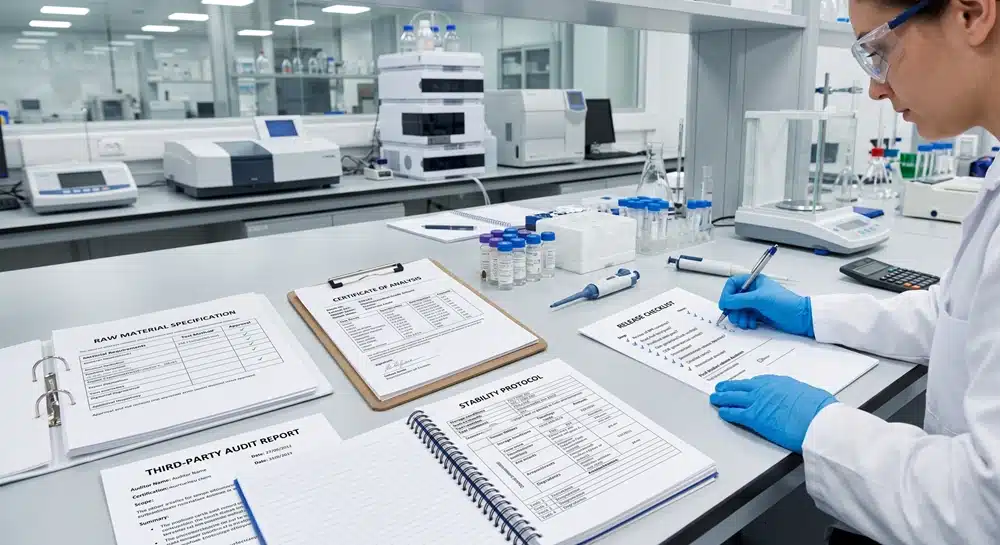
คำถามเกี่ยวกับ RFP ที่ควรถามก่อนขอใบเสนอราคา
- ชื่อและที่อยู่ตามกฎหมายของโรงงานที่จะผลิตและบรรจุผลิตภัณฑ์นี้คืออะไร?
- ที่โรงงานนั้นผลิตรูปแบบยาและขนาดล็อตใดบ้าง?
- การตรวจสอบ cGMP หรือการรับรองจากฝ่ายที่สามใดในปัจจุบันที่นำไปใช้กับสถานที่และกระบวนการดำเนินงาน?
- คุณสามารถให้ใบรับรองล่าสุด ขอบเขตการตรวจสอบ และวันที่หมดอายุได้ไหมครับ?
- สูตรที่เสนอมาเป็นสูตรสำเร็จรูป สูตรกึ่งปรับแต่ง สูตรพิเศษ สูตรที่ได้รับอนุญาต หรือเป็นสูตรที่แบรนด์ของเราเป็นเจ้าของ?
- ใครเป็นเจ้าของสูตร, สเปค, รสชาติ, งานออกแบบ, วิธีทดสอบ, ข้อมูลความเสถียร และอุปกรณ์ผลิต?
- ปริมาณสั่งซื้อขั้นต่ำ (MOQ) สำหรับการผลิต การบรรจุชิ้นส่วน ฉลาก กล่องกระดาษ กลิ่น สี และวัตถุดิบพิเศษคือเท่าใด?
- ค่าใช้จ่ายด้านพัฒนา ตัวอย่าง การติดตั้ง การทดสอบ และคำสั่งเปลี่ยนแปลงใดที่ไม่รวมอยู่ในราคาต่อหน่วย?
- การทดสอบวัตถุดิบและผลิตภัณฑ์สำเร็จรูปใดบ้างที่รวมอยู่?
- การตรวจใดดำเนินการภายในโรงพยาบาล และการตรวจใดดำเนินการโดยห้องปฏิบัติการภายนอก?
- คุณสามารถส่งตัวอย่างใบรับรองคุณภาพ (COA) ของผลิตภัณฑ์สำเร็จรูปที่ออกเมื่อเร็วๆ นี้ พร้อมทั้งวิธีการวิเคราะห์และผลการวิเคราะห์เป็นตัวเลขได้หรือไม่?
- การจัดการการระบุตัวตนของวัตถุดิบและการประเมินคุณสมบัติของผู้จัดหาทำอย่างไร?
- แผนความมั่นคงและอายุการเก็บรักษาที่เสนอมาคืออะไร?
- ระยะเวลาที่คาดการณ์ไว้สำหรับขั้นตอนการวิเคราะห์ความเป็นไปได้ การผลิตตัวอย่าง การจัดหาวัตถุดิบ การผลิต การทดสอบ และการส่งมอบคืออย่างไร?
- จะเกิดอะไรขึ้นเมื่อวัตถุดิบ ผู้จัดหา สถานที่ วิธีการ หรือข้อกำหนดมีการเปลี่ยนแปลง?
- ใครเป็นฝ่ายจัดทำและอนุมัติข้อมูลโภชนาการเสริม (Supplement Facts) และข้อความบนฉลาก?
- ข้อมูลใดจะพร้อมให้เราตรวจสอบหรือทบทวนการปล่อยข้อมูลแบบกลุ่ม?
- การจัดการกับความคลาดเคลื่อน ผลลัพธ์ที่อยู่นอกข้อกำหนด ข้อร้องเรียน และการเรียกคืนสินค้าเป็นอย่างไร?
- คุณสามารถให้ตัวอย่างอ้างอิงจากแบรนด์ที่มีสูตร รูปแบบ ขนาดการผลิต และตลาดเป้าหมายที่คล้ายกันได้ไหม?
- คุณสามารถลงนามในข้อตกลงด้านคุณภาพ ข้อตกลงการจัดหา ข้อตกลงการรักษาความลับ และเงื่อนไขเกี่ยวกับสิทธิ์ในสูตรก่อนเริ่มการผลิตเชิงพาณิชย์ได้หรือไม่?
สัญญาณเตือนที่ควรระวังเมื่อเปรียบเทียบผู้ผลิตอาหารเสริมแบรนด์ส่วนตัว
- การเรียกสถานที่หรือผลิตภัณฑ์เสริมอาหารว่า “ได้รับการอนุมัติจาก FDA”
- ปฏิเสธที่จะเปิดเผยสถานที่ผลิตที่แท้จริงหรือนิติบุคคลที่รับผิดชอบ.
- การใช้โลโก้การรับรองโดยไม่มีใบรับรองที่ยังมีผลบังคับใช้ ขอบเขตการรับรอง ที่อยู่ และชื่อบริษัทที่ตรงกัน.
- การเสนอปริมาณสั่งซื้อขั้นต่ำ (MOQ) ที่ต่ำมาก โดยไม่อธิบายเกี่ยวกับปริมาณบรรจุภัณฑ์ขั้นต่ำ การทดสอบ ค่าตั้งค่า หรือข้อจำกัดเกี่ยวกับสูตรสินค้าที่มีในสต็อก.
- การส่งมอบเพียงใบรับรองคุณภาพ (COA) จากผู้จัดหาวัตถุดิบทั่วไป แทนที่จะเป็นแผนการปล่อยสินค้าสำเร็จรูป.
- สัญญาว่าผลิตภัณฑ์จะมีอายุการเก็บรักษาได้นาน โดยไม่อธิบายถึงปัจจัยที่ช่วยรักษาความเสถียร.
- อ้างว่าทุกสูตรเป็น “สูตรเฉพาะ” แต่ยังคงรักษาสิทธิ์ในทรัพย์สินทางปัญญาของสูตรทั้งหมด และอนุญาตให้เปลี่ยนส่วนผสมได้โดยไม่จำกัด.
- การใช้รายได้ที่คาดการณ์ จำนวนพนักงาน รางวัล หรือคำคุณศัพท์ด้านการตลาดเป็นสิ่งแทนที่หลักฐานคุณภาพ.
- การรับประกันการได้รับอนุมัติจากหน่วยงานกำกับดูแล การยอมรับจาก Amazon ผลลัพธ์ทางการแพทย์ หรือผลการขาย.
- การปฏิเสธข้อตกลงด้านคุณภาพ กระบวนการควบคุมการเปลี่ยนแปลง การอนุมัติตัวอย่าง หรือการตรวจสอบข้อมูลอ้างอิง.
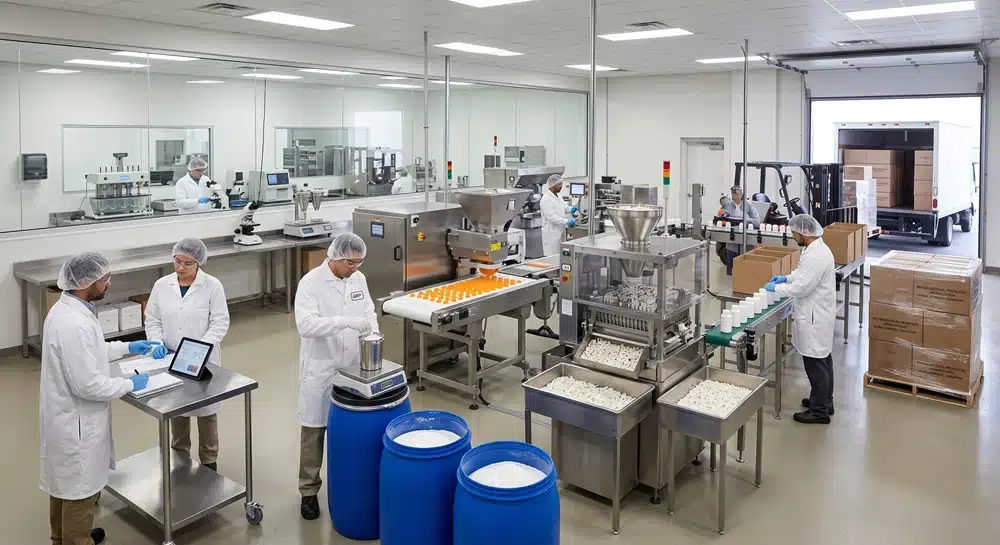
บทบาทของ Gensei
Gensei ให้การสนับสนุนด้านการจัดหาวัตถุดิบ การพัฒนาสูตรตามความต้องการ และโครงการผลิตผลิตภัณฑ์เสริมอาหารภายใต้แบรนด์ส่วนตัว ในรูปแบบต่าง ๆ เช่น แคปซูล แท็บเล็ต กัมมี่ ผง ของเหลว ซอฟต์เจล และรูปแบบอื่น ๆ บริษัทนี้อาจเหมาะสมกับแบรนด์ที่ต้องการจัดการเรื่องข้อกำหนดของวัตถุดิบ ตัวอย่างสินค้า บรรจุภัณฑ์ เอกสาร และห่วงโซ่อุปทานระดับโลก ผ่านทีมโครงการเดียว.
เนื่องจาก Gensei ได้เผยแพร่การเปรียบเทียบนี้ จึงไม่ควรถือว่าเป็นการจัดอันดับที่หนึ่งอย่างอิสระ ผู้ซื้อควรใช้เกณฑ์การประเมินเดียวกันกับ Gensei เช่นเดียวกับผู้สมัครรายอื่น ๆ โปรดตรวจสอบ กระบวนการผลิตสูตรเฉพาะ, วิธีการควบคุมคุณภาพของผลิตภัณฑ์เสริมอาหาร, และ ความสามารถด้านการวิจัยและพัฒนา, แล้วขอเอกสารที่เกี่ยวข้องกับโครงการนั้น.
เพื่อได้รับใบเสนอราคาที่มีประโยชน์ โปรดส่งสูตรหรือประเภทผลิตภัณฑ์ รูปแบบการให้ยา ขนาดการบริโภคเป้าหมาย ตลาดเป้าหมาย แนวคิดการบรรจุภัณฑ์ ปริมาณที่คาดการณ์ ข้อกำหนดการทดสอบ และกรอบเวลาที่คาดการณ์ไว้ผ่านทาง แบบฟอร์มติดต่อ.
คำถามที่พบบ่อย
ผู้ผลิตผลิตภัณฑ์เสริมอาหารแบรนด์ส่วนตัวที่ดีที่สุดคือใคร?
ไม่มีผู้ผลิตที่ดีที่สุดที่เหมาะกับทุกกรณี การเลือกที่เหมาะสมขึ้นอยู่กับรูปแบบยา ความซับซ้อนของสูตร ปริมาณสั่งซื้อขั้นต่ำ (MOQ) ตลาดเป้าหมาย การทดสอบ เอกสารประกอบ ระยะเวลาดำเนินการ งบประมาณ และขนาดการผลิต ให้จัดทำรายชื่อผู้ผลิตที่ผ่านการคัดเลือกเบื้องต้นตามความเหมาะสมกับโครงการ จากนั้นตรวจสอบสถานที่ผลิต ขอบเขตการตรวจสอบ ตัวอย่างผลิตภัณฑ์ ใบรับรองคุณภาพ (COA) ข้อตกลงด้านคุณภาพ ข้อมูลอ้างอิง และเงื่อนไขทางการค้า.
ความแตกต่างระหว่างผลิตภัณฑ์เสริมอาหารแบบแบรนด์ส่วนตัว (private label) และแบบไวท์เลเบล (white label) คืออะไร?
คำว่า "White label" มักหมายถึงสูตรสำเร็จรูปที่หลายแบรนด์สามารถนำไปขายภายใต้ชื่อแบรนด์ต่าง ๆ ได้ ส่วน "Private label" อาจหมายถึงสินค้าที่มีในสต็อก สินค้ากึ่งสั่งทำ สินค้าพิเศษ หรือสินค้าสั่งทำตามความต้องการ ขึ้นอยู่กับผู้จัดหา เนื่องจากคำศัพท์อาจแตกต่างกัน จึงควรกำหนดสิทธิ์ความเป็นเจ้าของสูตร ความพิเศษเฉพาะ การปรับแต่งตามความต้องการ และการควบคุมการเปลี่ยนแปลงไว้เป็นลายลักษณ์อักษร.
ผู้ผลิตผลิตภัณฑ์เสริมอาหารแบรนด์ส่วนตัวได้รับการอนุมัติจาก FDA หรือไม่?
ไม่ FDA ไม่อนุมัติผลิตภัณฑ์เสริมอาหารด้านความปลอดภัยและประสิทธิภาพก่อนการวางจำหน่าย และการจดทะเบียนหรือการตรวจสอบไม่ได้หมายความว่าผู้ผลิตได้รับการอนุมัติจาก FDA ให้สอบถามเกี่ยวกับสถานที่ผลิตที่รับผิดชอบ หลักฐานการปฏิบัติตามข้อกำหนดและผลการตรวจสอบล่าสุด รวมถึงเอกสารด้านคุณภาพที่เกี่ยวข้องกับผลิตภัณฑ์ของคุณ.
ปริมาณสั่งซื้อขั้นต่ำ (MOQ) ที่ทั่วไปสำหรับผลิตภัณฑ์เสริมอาหารแบรนด์ส่วนตัวคือเท่าใด?
ปริมาณสั่งซื้อขั้นต่ำ (MOQ) อาจแตกต่างกันอย่างมากตามสูตร รูปแบบการให้ยา บรรจุภัณฑ์ ความพร้อมของวัตถุดิบ อุปกรณ์ และผู้ผลิต แคปซูลที่มีในสต็อกอาจมีปริมาณสั่งซื้อขั้นต่ำที่ต่ำกว่าเมื่อเทียบกับกัมมี่ที่ผลิตตามสั่ง แคปซูลนิ่ม โปรไบโอติกส์ ผลิตภัณฑ์เหลว หรือซองบรรจุแบบพิมพ์ลาย โปรดตรวจสอบปริมาณสั่งซื้อขั้นต่ำที่แยกกันสำหรับการผลิต การบรรจุภัณฑ์ และวัตถุดิบพิเศษ.
การผลิตอาหารเสริมแบรนด์ส่วนตัวใช้เวลานานเท่าไร?
การเปิดตัวผลิตภัณฑ์ที่ใช้สูตรสำเร็จอาจดำเนินไปเร็วกว่าผลิตภัณฑ์ที่ออกแบบตามความต้องการอย่างเต็มรูปแบบ กำหนดเวลาที่สมจริงควรรวมถึงขั้นตอนการประเมินความเป็นไปได้ การพัฒนาสูตร การผลิตตัวอย่าง การจัดหาวัตถุดิบ การบรรจุภัณฑ์ การผลิต การทดสอบผลิตภัณฑ์สำเร็จรูป และการปล่อยออกสู่ตลาด ขอให้กำหนดเวลาตามจุดสำคัญต่าง ๆ แทนที่จะรับคำสัญญาเกี่ยวกับระยะเวลาดำเนินการเพียงอย่างเดียวโดยไม่มีเงื่อนไข.
ค่าใช้จ่ายในการก่อตั้งแบรนด์อาหารเสริมภายใต้แบรนด์ส่วนตัวนั้นเท่าไร?
ค่าใช้จ่ายขึ้นอยู่กับปริมาณสั่งซื้อขั้นต่ำ (MOQ), สูตร, รูปแบบยา, งานพัฒนา, การทดสอบ, การบรรจุภัณฑ์, ค่าขนส่ง, ค่าภาษี, การเก็บรักษา และข้อกำหนดของช่องทางการขาย ให้เปรียบเทียบค่าใช้จ่ายรวมเมื่อสินค้าถึงปลายทางและระดับทุนหมุนเวียน ไม่ใช่เพียงราคาต่อขวดเท่านั้น.
บริษัทสตาร์ทอัพสามารถใช้ผู้ผลิตผลิตภัณฑ์เสริมอาหารภายใต้แบรนด์ส่วนตัวได้หรือไม่?
ใช่ครับ โดยเฉพาะอย่างยิ่งผ่านโปรแกรมสินค้าพร้อมส่งหรือโปรแกรมกึ่งสั่งทำตามความต้องการ บริษัทสตาร์ทอัพควรหลีกเลี่ยงการสั่งผลิต SKU จำนวนมากเกินไป ตรวจสอบปริมาณขั้นต่ำของบรรจุภัณฑ์ทั้งหมด ประเมินเงินสดที่ถูกผูกไว้กับสินค้าคงคลัง และเลือกพันธมิตรที่สามารถสนับสนุนทั้งการเปิดตัวทดลองและคำสั่งซื้อซ้ำในอนาคตได้.
ผู้ผลิตอาหารเสริมควรจัดเตรียมเอกสารใดบ้าง?
ขึ้นอยู่กับโครงการ ให้ขอข้อมูลเกี่ยวกับสิ่งอำนวยความสะดวกและกระบวนการตรวจสอบ ข้อมูลเกี่ยวกับข้อกำหนดของวัตถุดิบ คำชี้แจงเกี่ยวกับสารก่อภูมิแพ้ ข้อกำหนดของสูตรและผลิตภัณฑ์สำเร็จรูป ตัวอย่างใบวิเคราะห์คุณภาพ (COA) วิธีการทดสอบ เอกสารบันทึกการผลิตแต่ละล็อต แผนความคงตัว ข้อตกลงด้านคุณภาพ ข้อตกลงการจัดหา ความรับผิดชอบในการตรวจสอบฉลาก และเอกสารการส่งออก.
ผมควรเลือกผู้ผลิตผลิตภัณฑ์เสริมอาหารจากสหรัฐอเมริกาหรือจากต่างประเทศดี?
เลือกโดยพิจารณาจากตลาดเป้าหมาย ความเชี่ยวชาญด้านรูปแบบยา หลักฐานด้านคุณภาพ ต้นทุนรวมหลังนำเข้า การสื่อสาร ระยะเวลาดำเนินการ ความสามารถในการผลิต และการสนับสนุนด้านกฎระเบียบ การผลิตในต่างประเทศอาจให้ประโยชน์ด้านต้นทุนหรือด้านเทคนิค ส่วนการผลิตในประเทศอาจช่วยให้การจัดการโลจิสติกส์และการเข้าถึงสถานที่เป็นไปอย่างสะดวกขึ้น แต่ไม่มีสถานที่ใดที่สามารถรับประกันคุณภาพได้เพียงลำพัง.
ควรตรวจสอบรีวิวของผู้ผลิตอาหารเสริมอย่างไร?
ใช้คำรีวิวเป็นข้อมูลเบื้องต้น ไม่ใช่หลักฐานที่แน่ชัด ขอข้อมูลอ้างอิงจากแบรนด์ที่มีรูปแบบการให้ยาและขนาดการสั่งซื้อที่คล้ายกัน สอบถามเกี่ยวกับกรณีที่ส่งสินค้าไม่ทันกำหนด การเปลี่ยนแปลงคำสั่งซื้อ ล็อตสินค้าที่ถูกปฏิเสธ การสื่อสาร การทดสอบไม่ผ่าน และการสั่งซื้อใหม่ ตรวจสอบนิติบุคคลและสถานที่ผลิตให้แน่ชัด เนื่องจากคำรีวิวอาจอ้างถึงผู้แทนจำหน่าย บริษัทขาย หรือสถานที่ผลิตที่ต่างกัน.
สรุป
ผู้ผลิตผลิตภัณฑ์เสริมอาหารแบรนด์ส่วนตัวที่ดีที่สุดคือพันธมิตรที่มีความสามารถที่ได้รับการยืนยันอย่างชัดเจนและสอดคล้องกับผลิตภัณฑ์ของคุณ รวมถึงเงื่อนไขด้านคุณภาพ การค้า และกฎหมายที่ชัดเจนก่อนที่จะมีการโอนเงิน ใช้รายชื่อผู้เข้ารอบสุดท้ายเพื่อคัดเลือกผู้สมัคร แต่ควรใช้ระบบคะแนน ตัวอย่างผลิตภัณฑ์ การตรวจสอบ COA สัญญา และข้อมูลอ้างอิง เพื่อตัดสินใจขั้นสุดท้าย.
แบรนด์ที่ต้องการบริการผลิตตามสั่งในหลายรูปแบบสามารถดูข้อมูลของ Gensei ได้ บริการผลิตผลิตภัณฑ์เสริมอาหารภายใต้แบรนด์ส่วนตัว และส่งเอกสารสรุปโครงการอย่างละเอียด เพื่อพิจารณาสูตรการผลิต ปริมาณสั่งซื้อขั้นต่ำ (MOQ) เอกสารที่เกี่ยวข้อง และกำหนดเวลา.
เอกสารอ้างอิง
- FDA: หลักการผลิตที่ดีสำหรับผลิตภัณฑ์เสริมอาหาร (คู่มือ 21 CFR Part 111)
- FDA: มันเป็น ‘ได้รับการอนุมัติจาก FDA’ จริงหรือไม่?
- FDA: คำถามและคำตอบเกี่ยวกับผลิตภัณฑ์เสริมอาหาร
- FDA: การจดทะเบียนสถานประกอบการอาหารและเอกสารอื่น ๆ
- Makers Nutrition — เว็บไซต์อย่างเป็นทางการ
- Vitaquest — เว็บไซต์อย่างเป็นทางการ
- SMP Nutra — เว็บไซต์อย่างเป็นทางการ
- NutraScience Labs — เว็บไซต์อย่างเป็นทางการ
- Vitalabs — เว็บไซต์อย่างเป็นทางการ
- Vox Nutrition — เว็บไซต์อย่างเป็นทางการ
- Reliance Vitamin — เว็บไซต์อย่างเป็นทางการ
- Gemini Pharmaceuticals — เว็บไซต์อย่างเป็นทางการ
- PURE Private Label — เว็บไซต์อย่างเป็นทางการ
- Superior Supplement Manufacturing — เว็บไซต์อย่างเป็นทางการ
- TCI Bio — เว็บไซต์อย่างเป็นทางการ
- SIRIO Pharma — เว็บไซต์อย่างเป็นทางการ
- CAPTEK Softgel International — เว็บไซต์อย่างเป็นทางการ
- Gummi World — เว็บไซต์อย่างเป็นทางการ
- Soft Gel Technologies — เว็บไซต์อย่างเป็นทางการ
หมายเหตุของบรรณาธิการ: ความสามารถและใบรับรองของบริษัทที่จดทะเบียนในตลาดหลักทรัพย์อาจมีการเปลี่ยนแปลงได้ คู่มือนี้ได้รับการตรวจสอบเมื่อเดือนกรกฎาคม ปี 2026 ผู้ซื้อควรตรวจสอบข้อมูลทั้งหมดโดยตรงกับผู้ผลิตและหน่วยงานออกใบรับรองหรือหน่วยงานกำกับดูแลที่เกี่ยวข้องก่อนลงนามในสัญญา.
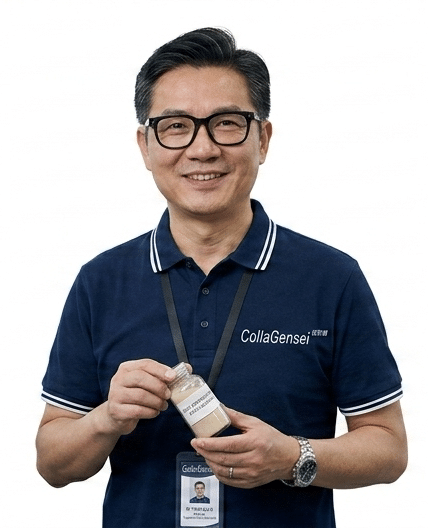
Warren Wan เป็นผู้เชี่ยวชาญที่มีประสบการณ์ยาวนานในห่วงโซ่อุปทานของผลิตภัณฑ์เสริมอาหาร โดยมีความรู้และประสบการณ์ทางปฏิบัติอย่างลึกซึ้งด้านการวิจัย พัฒนา การควบคุมกระบวนการผลิต และการจัดหาวัตถุดิบหลักจากทั่วโลก เช่น เปปไทด์คอลลาเจน โปรตีนจากน้ำซุปกระดูก และเคราติน ในฐานะผู้เขียนคอลัมน์นี้ เขามุ่งมั่นที่จะลอกเปลือกการตลาดออก และแปลงความรู้ทางวิทยาศาสตร์เกี่ยวกับส่วนผสมที่เข้าใจยาก รวมถึงมาตรฐานการควบคุมคุณภาพการผลิต ให้กลายเป็นเนื้อหาวิทยาศาสตร์ที่เข้าใจง่ายและเข้าถึงได้สำหรับทุกคน เพื่อช่วยให้ผู้อ่านเข้าใจความจริงที่ซ่อนอยู่เบื้องหลังฉลากผลิตภัณฑ์ และตัดสินใจเลือกผลิตภัณฑ์เพื่อสุขภาพได้อย่างมีเหตุผลมากขึ้น.


