
薑黃素與薑黃:想像一下,在您早晨的冰沙中加入金黃色的粉末,或是品嚐溫暖、香味四溢的咖哩。這就是薑黃,一種幾世紀以來一直是亞洲廚房和治療傳統基石的香料。但在這種不起眼的草根中,隱藏著稱為姜黃素的強效化合物,常被譽為薑黃保健功效的關鍵。如果您曾經想過:「姜黃素和薑黃素有什麼區別?這兩個名詞經常被交替使用,但它們並不完全相同。讓我們深入薑黃和姜黃素的世界,探索它們的差異、對健康的好處,以及如何讓它們為您服務。
什麼是薑黃?
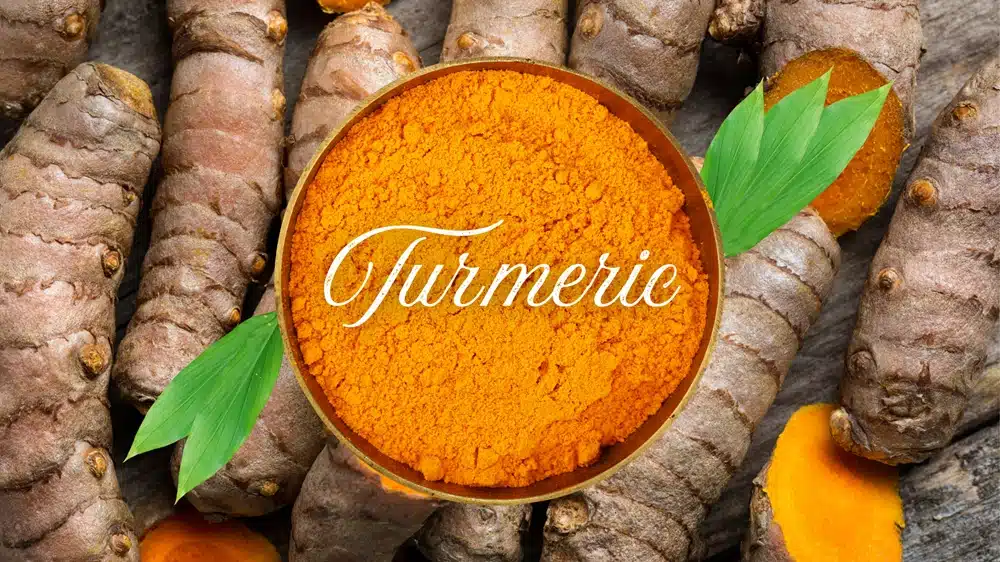
薑黃來自 薑 是生薑科植物,原產於東南亞和印度。其鮮黃的顏色和泥土的味道使其成為咖喱、湯、甚至時尚的金色拿鐵等菜餚中的明星。但薑黃不只是烹飪的美味。四千多年來,它一直是阿育吠陀和中藥的主要成分,用來舒緩從消化不良到皮膚過敏等各種症狀 [6]。.
薑黃是一種複雜的香料,含有超過 200 種化合物,包括揮發油、纖維和少量的姜黃素,其中以姜黃素最為顯著,約佔香料重量的 2-8% [1]。這些化合物共同作用,賦予薑黃獨特的風味和潛在的健康益處。無論您是將磨碎的薑黃撒在烤蔬菜上,或是將新鮮的薑黃磨碎泡茶,您都是在利用豐富的傳統風味與健康。.
什麼是姜黃素?
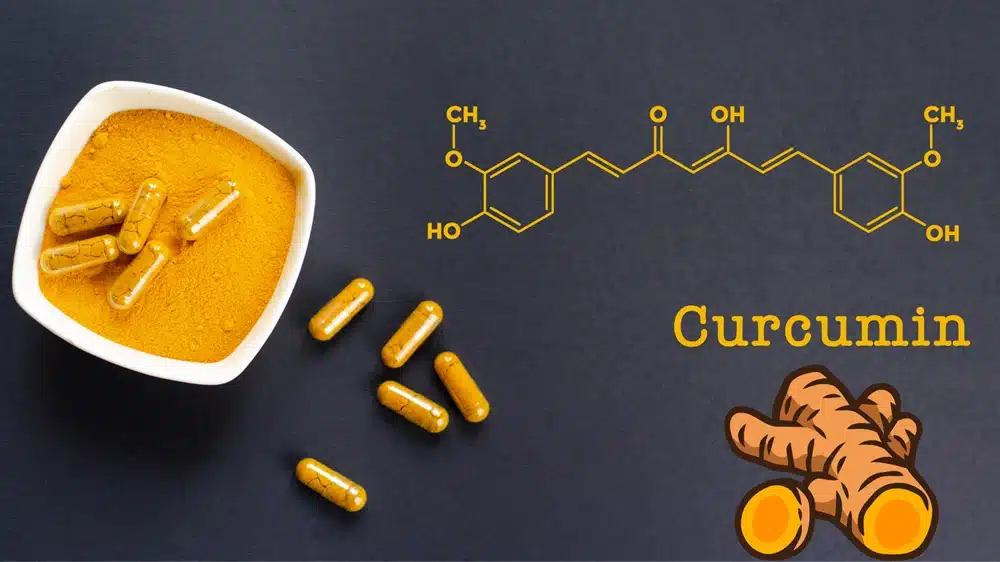
姜黃素 是薑黃的黃金寶貝,是一種多酚化合物,賦予薑黃香料鮮豔的顏色和許多健康益處。姜黃素是薑黃中多種姜黃素之一,另外還有去甲氧基姜黃素和雙去甲氧基姜黃素,但姜黃素是最受研究和推崇的一種。姜黃素是從薑黃中萃取出來的,通常會濃縮到營養補充品中,含量可高達 95%,與整個薑黃中的少量姜黃素相比,姜黃素的劑量相當高[7]。.
薑黃素是薑黃療效的濃縮精華。就像從橘子中擠出果汁來獲得大量的維生素 C,但在這種情況下,您得到的是一種強效的抗炎和抗氧化複合物。姜黃素能夠針對多種分子通路,使其成為解決慢性疾病(從關節疼痛到心臟健康)的有潛力候選物 [2]。.
姜黃素與薑黃:有何差異?
乍看之下,薑黃和姜黃素似乎可以互換,但它們在幾個方面是不同的:
- 組成:薑黃是完整的香料,由姜黃素、揮發油和其他植物化學物質混合而成。姜黃素是從薑黃中萃取出來的單一獨立化合物。
- 濃度:薑黃只含有 2-8% 薑黃素,因此您需要大量攝取才能獲得治療劑量。另一方面,姜黃素補充劑可提供高達 95% 的姜黃素,因此藥效更強 [7]。.
- 使用方式:薑黃在廚房裡大放異彩,為菜餚增添風味和色彩。薑黃素通常用於營養補充劑,目的是提供針對性的健康益處。
- 生物利用率:兩者在人體中的吸收率都很低,但姜黃素補充劑通常會加入胡椒素等增強劑,以提高吸收率。薑黃的吸收可以透過烹調技巧來改善 [4]。.
從薑黃中攝取 500 毫克的姜黃素需要消耗約 6-25 克的薑黃粉(約 1-5 茶匙),這對於每天使用並不實際。這就是為什麼姜黃素補充劑會受到追求特定健康效果的人的青睞。
它們的健康效益比較如何?
薑黃和姜黃素具有共同的核心優點,這要歸功於它們的抗炎和抗氧化特性。這些特性有助於對抗與心臟病、糖尿病和癌症等慢性疾病有關的發炎和氧化壓力。但它們在濃度和成分上的差異意味著它們可能會在不同的領域大放異彩。
共享效益
- 抗發炎:兩者都可以減少發炎,這對於控制關節炎、發炎性腸道疾病,甚至過敏症等病症非常重要。發炎是身體對壓力或傷害的反應,但當它變成慢性時,就會傷害組織。薑黃和姜黃素有助於平息這種反應 [2]。.
- 抗氧化:它們能保護細胞免受自由基的傷害 - 自由基是造成老化和疾病的不穩定分子。這使得它們成為預防癌症和心臟病等疾病的潛在盟友 [3]。.
姜黃素的特殊功效
姜黃素已經成為數千項研究的焦點,發表了近 20,000 篇關於其功效的論文 [2]。它在補充劑中的高濃度使它成為針對特定健康問題的理想選擇:
- 關節保健補充劑:研究顯示姜黃素可以減少骨性關節炎的疼痛並改善其功能。一項檢討發現,每天服用 1 克姜黃素,持續 8-12 週,效果顯著,有時可與布洛芬的療效相媲美,而且副作用較少 [1]。.
- 代謝健康:姜黃素可改善代謝症候群的胰島素敏感性並降低發炎指標,可能降低罹患 2 型糖尿病的風險 [2]。.
- 癌症預防:早期研究顯示姜黃素可抑制癌細胞生長,並支援化學治療,不過仍需進行更多人體試驗 [3]。.
- 腦部健康:加州大學洛杉磯分校的一項研究發現,每天兩次、每次 90 毫克的姜黃素,持續 18 個月,可以改善沒有癡呆症的成年人的記憶力和情緒,這可能是因為減少腦部發炎所致 [4]。.
薑黃的特殊功效
雖然薑黃素是焦點,但整個薑黃的化合物組合可能具有獨特的優點。有些研究人員認為,薑黃成分的協同作用(如揮發油和其他姜黃素)可能會增強其功效:
- 抗真菌特性:薑黃對抗真菌感染很有效果,尤其是白色念珠菌,它會造成口腔鵝口瘡和其他問題。一項研究發現薑黃萃取物能有效抑制念珠菌生長,顯示其更廣泛的化合物可能發揮作用 [5]。.
- 腦部健康:有些證據顯示,薑黃的非姜黃素成分 (如姜黃素酮) 可促進細胞修復和減少發炎,有助於大腦健康。雖然人類研究有限,但這可能對阿茲海默症等疾病有益 [8]。.
- 腸道健康:薑黃可透過影響微生物群組和減少發炎來促進腸道健康,對腸易激綜合症等症狀有潛在的幫助 [2]。.
以下是它們優點的快速比較:
| 效益 | 薑黃 | 姜黃素 |
|---|---|---|
| 抗發炎 | 有效,尤其是使用增強劑 | 藥效更強,針對關節炎進行研究 |
| 抗氧化 | 保護細胞免受傷害 | 濃縮劑量的效果更強 |
| 關節健康 | 可能有幫助,但研究較少 | 經證實為每天 1 克有效 [1] |
| 代謝健康 | 證據有限 | 改善胰島素敏感性 [2] |
| 癌症預防 | 潛在效益 | 抑制癌細胞生長 [3] |
| 腦部健康 | 可透過 turmerones 提供支援 [8] | 改善記憶力和情緒 [4] |
| 抗真菌 | 對念珠菌有效 [5] | 有效,但薑黃可能更廣泛 |
哪一種更容易被人體吸收?
考慮薑黃或姜黃素時,吸收是一個關鍵因素。姜黃素的生物利用率很低,這意味著人體很難吸收它,而且它很快就會被代謝和排出體外 [4]。薑黃也面臨類似的挑戰,但其混合的化合物可能會提供一些天然的協同作用。.
- 姜黃素:研究顯示,單獨使用姜黃素的吸收率很低,只有 2-3% 能進入血液。然而,將姜黃素與胡椒素 (來自黑胡椒) 結合使用,可增加吸收量高達 2000%[4]。先進的配方,例如使用親水性載具或奈米顆粒的配方,可進一步增加吸收率,與標準姜黃素相比可增加 45.9 倍 [9]。.
- 薑黃:整顆薑黃的姜黃素含量很低,因此吸收有限。不過,將薑黃與脂肪(如橄欖油或椰子油)或黑胡椒一起烹煮,可以促進吸收。一項研究發現,與馬鈴薯泥和奶油一起食用薑黃,血液中的薑黃素含量會比單獨食用薑黃粉更高,這表明其他薑黃化合物可能有助於吸收[7]。.
為了獲得最大的效益,您可以尋找具有生物利用率增強劑的營養補充品,或使用烹飪技巧,例如將薑黃與黑胡椒和健康脂肪搭配。
姜黃素與薑黃:哪一種有更多的潛在好處?
至於哪種有更多的潛在好處,則視情況而定。姜黄素的高效力和广泛的研究使其成为关节疼痛或代谢问题等特定病症的首选。它的濃縮形式可以精確劑量,這也是為什麼它在 關節保健品 和 腸道健康補充品製造. .然而,薑黃更廣泛的化合物,包括薑黃酮和揮發油,可能提供更廣泛的效益,特別是對一般健康和抗真菌效果 [5,8]。.
由於姜黃素的濃度較高,研究結果也較一致,因此研究人員傾向將姜黃素用於針對性治療。舉例來說,姜黃素對關節炎和腦部健康的影響是有據可查的 [1,4]。薑黃雖然研究較少,但可能提供更全面的方法,尤其是當薑黃被用作 膳食補充品成分 的整體形式。其協同作用 草本精華 這可能會使它對整體健康有價值,不過這還需要更多的研究來證實。

姜黃素或薑黃:您應該選擇哪一種?
在薑黃和姜黃素之間做出選擇,取決於您的健康目標和生活方式:
- 全姜黃:非常適合喜愛烹飪,並希望以天然、全食物方式烹調的人。在咖哩、冰沙或金牛奶中加入一茶匙,可溫和地促進健康。它是一般健康的理想選擇,可增強腸道健康和免疫力。尋找有信譽來源的高品質薑黃粉,可能是透過以下途徑生產的 粉末製造 保留其天然化合物的製程。
- 姜黃素補充劑:最適合針對特定的健康問題,例如關節疼痛或發炎。補充劑通常使用 自訂公式 以提高生物利用率,使其對骨關節炎或代謝綜合症等疾病更有效。在選擇時,請選擇值得信賴的製造商所提供的產品。 OEM 解決方案 清楚標示姜黃素含量和哌啶等生物利用度增強劑。
考慮您的需求:您是想要使用營養豐富的成分來調劑飲食,還是需要高濃度的劑量來解決特定問題?此外,也要考慮到實用性-消耗足夠的薑黃來配合營養補充劑的薑黃素劑量是很有挑戰性的。舉例來說,1 克姜黃素需要 12-50 克薑黃,每天要吃很多。
選擇營養補充品時,請檢查 包裝服務 以確保產品的穩定性和品質。請務必諮詢醫療保健提供者,尤其是正在服用血液稀釋劑等藥物的人,因為高劑量的姜黃素或薑黃可能會增加出血風險 [5]。.
常見問題
哪些人不宜服用姜黃素?
有出血性疾病、膽囊問題或服用血液稀釋劑 (如華法林) 的人應避免服用姜黃素。孕婦、哺乳期婦女和缺鐵者應諮詢醫生。
服用哪種形式的姜黃素最好?
含有胡椒素 (黑胡椒萃取物) 的姜黃素或脂質體配方,吸收效果更佳。尋找標準化的 95% 姜黃素。
姜黃素真的能減少發炎嗎?
是的,研究顯示姜黃素可透過抑制 NF-kB 等通路來減少發炎,但效果因劑量和個人而異。
哪些食物含有大量姜黃素?
薑黃根 (新鮮或粉狀) 是主要來源。咖哩料理、芥末和一些印度香料都含有薑黃素。
姜黃素會傷害肝臟嗎?
姜黃素一般而言是安全的,但高劑量 (>4g/ 天) 在極少數情況下可能會造成肝臟壓力,尤其是原本就有肝臟疾病的人。
薑黃和姜黃素哪一種對關節疼痛較好?
姜黃素是薑黃中的活性化合物,由於具有濃縮的抗發炎特性,因此對關節疼痛更有效。
每天服用姜黃素會怎麼樣?
每日服用姜黃素可減少發炎、改善關節疼痛,並幫助消化,但高劑量可能會引起胃部不適或與藥物產生交互作用。
什麼是最強的天然消炎劑?
根據研究顯示,姜黃素與歐米茄-3 脂肪酸、薑和白藜蘆醇都是最強效的。
姜黃素需要多久才能消炎?
持續使用 (500-2000 毫克/天) 可在 4-8 週內開始見效,視情況和劑量而定。
姜黃素會干擾哪些藥物?
姜黃素可能會與血液稀釋劑 (例如華法林)、抗血小板藥、非甾体抗炎藥 (NSAID) 和糖尿病藥物產生交互作用,可能會增加出血風險或影響血糖。
姜黃素對腎臟有害嗎?
一般而言,中等劑量的姜黃素對腎臟是安全的,但高劑量或長期使用可能會對易受影響的人的腎臟造成壓力。
總結
薑黃和薑黃素就像是同一枚金幣的兩面,兩者都有令人印象深刻的健康益處,但卻能滿足不同的需求。薑黃含有豐富的化合物,是日常保健的多用途香料,可為您的膳食增添風味和潛在的健康益處。姜黃素是其濃縮的對應物,具有針對特定病症的強大功效,並已獲得廣泛研究的支持。無論您是在咖哩中加入薑黃,或是服用姜黃素膠囊,瞭解它們的差異有助於您做出明智的選擇。請務必與醫生討論,量身打造您的方法,以確保您能從這些黃金奇蹟中獲得最大的效益。
參考資料
- Healthline:薑黃與姜黃素。 https://www.healthline.com/nutrition/turmeric-vs-curcumin
- PMC: 薑黃和姜黃素在預防和治療慢性疾病中的作用。 https://pmc.ncbi.nlm.nih.gov/articles/PMC10111629/
- NCI: 姜黃素與癌症。 https://www.cancer.gov/about-cancer/treatment/cam/hp/curcumin-pdq
- 加州大學洛杉磯分校:姜黃素可改善記憶力和情緒。 https://newsroom.ucla.edu/releases/curcumin-improves-memory-and-mood-new-ucla-study-says
- PMC:莪术的抗真菌功效。 https://www.ncbi.nlm.nih.gov/pmc/articles/PMC6714268/
- NCBI 書架:黃薑,黃金香料。 https://www.ncbi.nlm.nih.gov/books/NBK92752/
- Health.com:薑黃與姜黃素。 https://www.health.com/turmeric-vs-curcumin-11681108
- 哈佛健康:薑黃的好處。 https://www.health.harvard.edu/staying-healthy/turmeric-benefits-a-look-at-the-evidence
- 營養期刊:姜黃素配方的吸收比較。 https://nutritionj.biomedcentral.com/articles/10.1186/1475-2891-13-11
