Can Collagen Peptides Cause Acne? What the Evidence Says

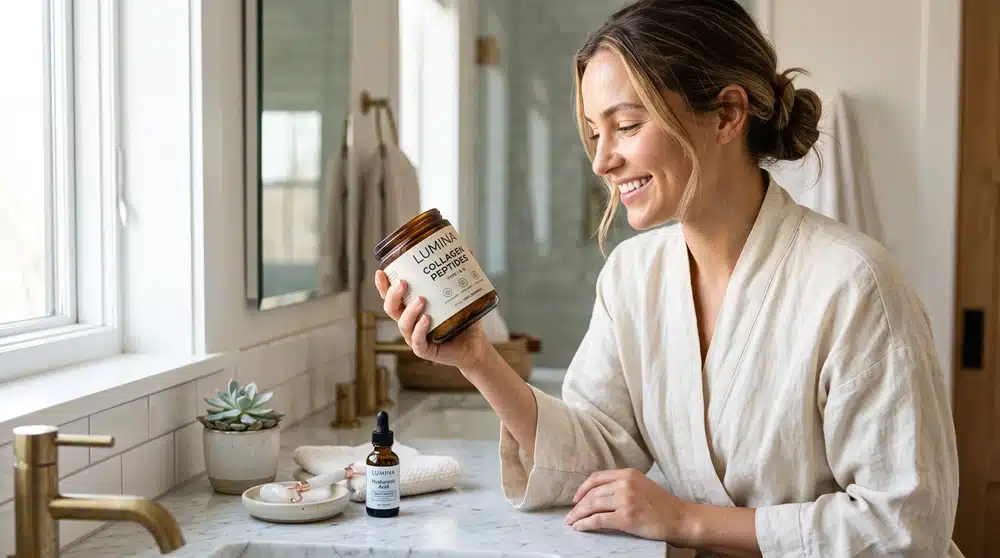
Person comparing a clean collagen peptides powder label while considering acne-prone skin concerns

Short answer: pure hydrolyzed collagen peptides are not well supported as a direct cause of acne. However, some collagen supplements can coincide with breakouts because of added sugar, high-glycemic fillers, dairy-derived ingredients, high-dose beauty vitamins, source sensitivities, or changes in a user’s overall supplement routine. For acne-prone consumers, the formula around the collagen often matters more than the collagen peptide itself.

This distinction is important for both consumers and supplement brands. A clean, single-ingredient collagen powder is a very different product from a flavored “beauty blend” containing sweeteners, gums, biotin, vitamin B12, flavors, colors, and other actives. If your brand is developing a collagen product for beauty-from-within users, acne-prone buyers will look for clean labels, clear sourcing, third-party testing, and realistic skin claims.

簡短回答: Collagen peptides are unlikely to be comedogenic by themselves because they are digested proteins, not pore-clogging oils. Breakouts reported after collagen use are more often linked to the finished product formula, such as added sugars, dairy ingredients, high-dose B vitamins, flavor systems, allergens, or individual sensitivity.

Collagen Peptides vs. “Peptides”: Why the Search Term Is Confusing

Searches such as “can peptides cause acne” can mean several different things. Some people are asking about oral collagen peptide supplements. Others are asking about topical peptide serums, cosmetic actives, or even injectable peptides discussed on social media. This article focuses on oral collagen peptides used in dietary supplements, including powders, capsules, gummies, and drink mixes.

Oral collagen peptides are produced by hydrolyzing collagen into smaller peptide chains. They are typically used in skin, hair, nail, joint, and healthy-aging formulas. If you are sourcing collagen for a finished product, compare ingredient options such as 批發膠原蛋白肽 by source, specification, molecular weight distribution, sensory profile, solubility, allergen status, and batch documentation.

Does Collagen Directly Cause Acne?

There is no strong clinical evidence showing that pure hydrolyzed collagen peptides directly cause acne in most people. Acne is usually driven by a combination of excess sebum, clogged follicles, inflammation, Cutibacterium acnes activity, hormones, genetics, medications, skincare products, and dietary patterns. Collagen peptides are dietary proteins; they do not sit on the skin surface and clog pores like a comedogenic topical oil.

That said, a new supplement can still appear to “cause” breakouts if it changes a person’s diet, digestion, total protein intake, vitamin intake, or exposure to additives. This is why the better question is not only “does collagen cause acne?” but also “which collagen formula is the person taking?”

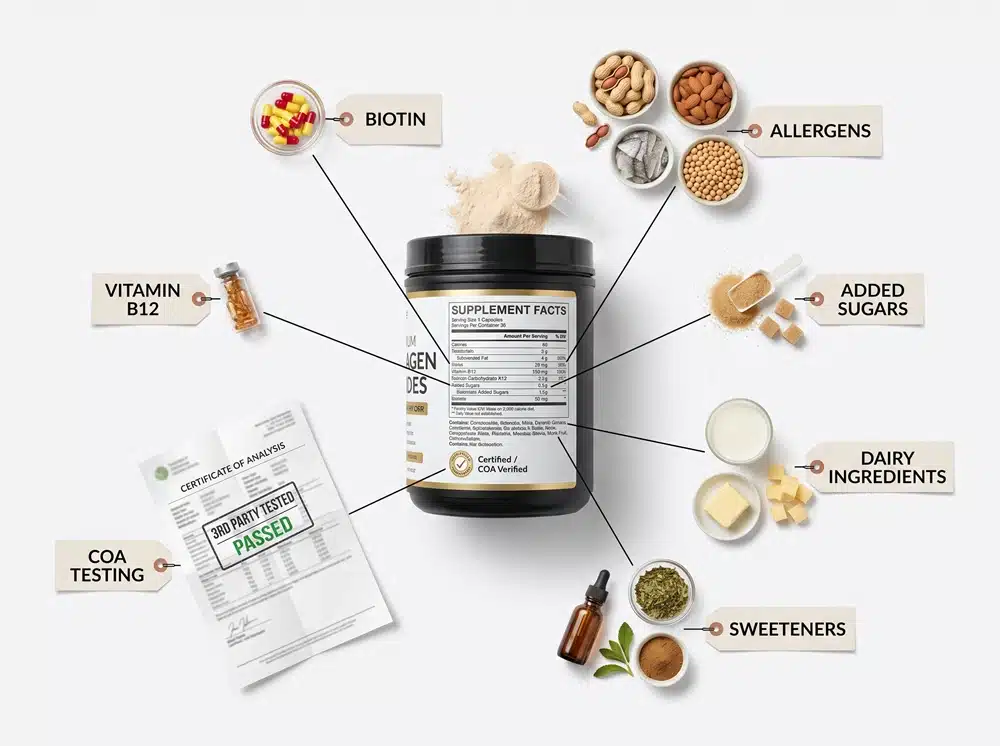
Common breakout triggers in collagen supplements including sugar, dairy, B vitamins, and allergens

Common Reasons a Collagen Supplement May Seem to Trigger Breakouts

Possible trigger Why it may matter Formulation note for brands
Added sugar or high-glycemic carbohydrates High-glycemic diets have been associated with acne in some research. Keep beauty powders low sugar; avoid turning a collagen product into a dessert-style formula.
Dairy-derived ingredients Some acne research has linked cow’s milk intake with breakouts in certain people. Make dairy-free status clear when applicable; do not imply dairy-free if cross-contact risks exist.
High-dose vitamin B12 or multi-nutrient beauty blends Vitamin B12 has been studied for its potential role in acne-related skin microbiome changes. Avoid “more is better” dosing language; justify vitamin doses with a formulation rationale.
Biotin-heavy hair, skin, and nail blends Some consumers report breakouts with high-dose biotin, although evidence is less direct than for classic acne drivers. Use transparent dosage and avoid making acne-treatment claims.
Flavors, sweeteners, gums, and fillers Some users are sensitive to specific excipients or experience digestive discomfort that they associate with skin changes. Offer unflavored or minimal-ingredient options for acne-prone buyers.
Fish, shellfish, bovine, or egg sensitivity Source-specific allergies or sensitivities can cause skin reactions that may be mistaken for acne. Declare source and allergens clearly; maintain COA and allergen documentation.
Unrelated skincare or hormonal changes Breakouts often coincide with stress, cycle changes, new skincare, medications, or diet changes. Keep educational content balanced and avoid implying a single universal cause.

Can Collagen Cause Skin Purging?

No. Collagen supplements should not cause “skin purging.” Purging usually refers to a temporary increase in breakouts after topical ingredients that accelerate cell turnover, such as retinoids or exfoliating acids. Oral collagen peptides do not work by speeding up skin cell turnover in that way. If new pimples appear after starting a collagen supplement, it is more accurate to treat them as a possible breakout, sensitivity, coincidence, or reaction to other formula ingredients—not as detox or purging.

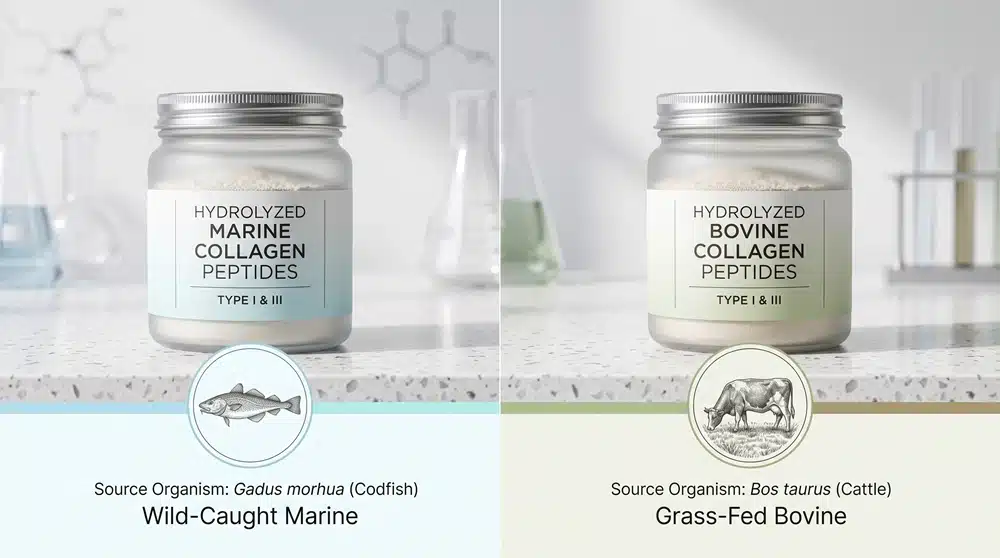
Marine and bovine collagen source comparison for acne-prone supplement consumers

Can Marine Collagen or Bovine Collagen Cause Acne?

Neither marine collagen nor bovine collagen is clearly proven to cause acne by itself. The more relevant differences are source, allergen considerations, taste, odor, solubility, positioning, and product format.

  • 海洋膠原蛋白 is commonly used for beauty-from-within products and clear beverage concepts, but brands must consider fish or shellfish allergen concerns depending on source and manufacturing controls.
  • 牛膠原蛋白 is widely used in powders, capsules, tablets, and broad beauty or joint formulas. It may be preferred when brands want a dairy-free protein positioning, but source and documentation still matter.
  • Multi-collagen blends can appeal to consumers, but more sources also mean more allergen and label complexity.

If your product team is comparing source options, review specifications, batch COA, allergen statements, and intended product format before choosing a collagen ingredient. GENSEI supports both ingredient sourcing and finished-product development for collagen powder supplement manufacturing, capsules, tablets, gummies, and other delivery formats.

Does Collagen Help Acne or Acne Scars?

Collagen peptides should not be positioned as an acne treatment. Some clinical reviews suggest oral collagen supplementation may support skin hydration, elasticity, and wrinkle-related endpoints, but that is not the same as treating acne or reversing acne scars. Acne scars involve changes in dermal structure and often require dermatology procedures such as microneedling, lasers, chemical peels, subcision, or prescription treatment plans.

A careful, compliant way to discuss this topic is: collagen peptides may help support general skin structure and hydration as part of a broader skin-health routine, but they should not be marketed as curing acne, clearing pimples, or removing acne scars.

How Consumers Can Tell Whether Their Collagen Product Is the Problem

People who suspect a collagen product is related to breakouts can use a cautious observation approach:

  1. Check the full Supplement Facts and ingredient list. Look for added sugar, dairy ingredients, high-dose B vitamins, biotin, flavors, gums, or sweeteners.
  2. Pause only the suspected product for 2–4 weeks. Keep skincare, diet, and other supplements as consistent as practical.
  3. Reintroduce carefully. If breakouts return after restarting the same product, the formula may not be a good match.
  4. Compare a simpler formula. A single-ingredient unflavored collagen peptide may be easier to assess than a multi-ingredient beauty blend.
  5. Seek professional help for severe, cystic, or persistent acne. Supplements should not replace dermatology care.

Clean-Label Formulation Tips for Acne-Prone Beauty Consumers

For supplement brands, “acne-safe” should not be used as a medical claim. A better approach is to formulate for transparency, simplicity, and quality control.

  • Use a clear collagen source. State whether the collagen is bovine, marine, chicken, 蛋殼膜, or a blend.
  • Keep sugar low. Acne-prone consumers often compare products by sugar content and glycemic concerns.
  • Avoid unnecessary megadoses. Beauty blends with aggressive vitamin levels may raise consumer concern.
  • Offer an unflavored option. This helps sensitive consumers avoid flavors, colors, and sweeteners.
  • Document quality. Provide COA, microbial testing, heavy metal results, allergen statements, and identity testing.
  • Use careful structure/function language. Prefer “supports skin hydration” or “supports healthy skin structure” instead of “treats acne” or “clears breakouts.”

For custom beauty-from-within product development, a 客製化配方補充品製造商 can help evaluate collagen source, dose, flavor system, dosage form, and documentation before launch. Brands that need turnkey production can also review 客製化自有品牌營養補充品補充品品質控制 功能。.

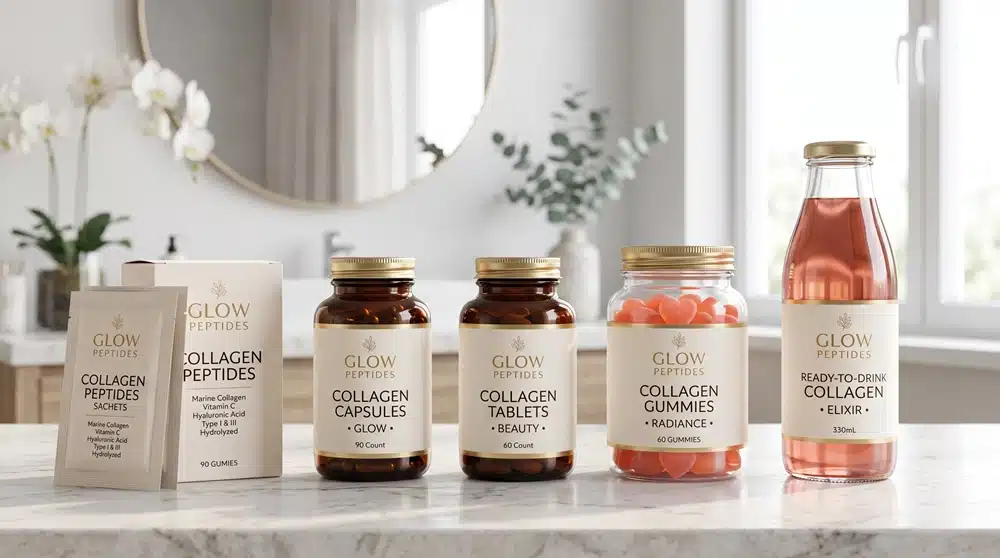
Collagen powder capsules gummies and liquid format comparison for beauty supplement brands

Best Product Formats for Acne-Prone Collagen Buyers

格式 優點 注意事項 最佳定位
Unflavored powder Simple label, flexible serving size, high collagen dose possible Taste, odor, solubility Clean-label daily collagen
Flavored powder Better sensory experience and repeat use Sweetener, flavor, gum, and sugar concerns Beauty drink mix or stick pack
Capsules/tablets Low sugar, easy to avoid flavors Serving size may require multiple capsules Minimal-ingredient collagen support
軟糖 High consumer appeal Lower collagen load, sugar, syrup, pectin/gelatin base, flavor system Low-dose beauty convenience product
RTD or liquid Convenient, premium beauty positioning Stability, taste, preservatives, sweeteners Beauty beverage concept

Brands developing gummies should be especially careful with sugar and serving-size expectations. If a gummy format is required, consider clear messaging about dose limits and sensory trade-offs. Learn more about 軟糖補充品製造 for private-label projects.

常見問題

Can collagen peptides cause acne?

Pure collagen peptides are not strongly supported as a direct acne trigger. Breakouts are more often linked to the finished supplement formula, individual sensitivity, added sugar, high-dose beauty vitamins, dairy ingredients, or unrelated acne factors.

Can collagen make you break out?

Some people may notice breakouts after starting a collagen product, but the cause is usually not proven by timing alone. Check the full formula, pause the product if needed, and consider a simpler unflavored collagen peptide if you want to test tolerance.

Can peptides cause acne?

The answer depends on the type of peptide. Oral collagen peptides, topical skincare peptides, and injectable peptides are different categories. This article covers oral collagen peptides used in dietary supplements.

Does collagen cause skin purging?

No. Collagen does not cause skin purging because it does not accelerate skin cell turnover like retinoids or exfoliating acids. New breakouts should be treated as possible irritation, sensitivity, coincidence, or a reaction to another ingredient.

Can marine collagen cause acne?

Marine collagen is not clearly proven to cause acne by itself. However, people with fish or shellfish sensitivities should review source and allergen information carefully.

Can bovine collagen cause acne?

Bovine collagen is not clearly proven to cause acne by itself. Product quality, added ingredients, user sensitivity, and overall diet are usually more relevant than the bovine source alone.

膠原蛋白對暗瘡疤痕有幫助嗎?

Collagen peptides may support general skin hydration and structure, but they should not be marketed as an acne scar treatment. Established acne scars usually need professional dermatology options.

總結

Collagen peptides do not appear to be a direct acne trigger for most users, but collagen supplements can still be associated with breakouts when the formula includes sugar, sweeteners, dairy ingredients, high-dose B vitamins, allergens, or unnecessary additives. For consumers, the best approach is to read the full label and keep the formula simple. For brands, the opportunity is to build collagen products that are transparent, well-tested, clean-label, and careful with skin-related claims.

If you are developing a collagen powder, capsule, gummy, or beauty-from-within formula, GENSEI can help compare collagen sources, review formulation trade-offs, and support documentation for B2B product development. Explore beauty supplement innovation or contact our team for source and format recommendations.

參考資料

  1. American Academy of Dermatology Association. Can the right diet get rid of acne? https://www.aad.org/public/diseases/acne-and-rosacea/can-the-right-diet-get-rid-of-acne
  2. Meixiong J, Ricco C, Vasavda C, Ho BK. Diet and acne: A systematic review. https://pubmed.ncbi.nlm.nih.gov/35373155/
  3. Pu SY, Huang YL, Pu CM, et al. Effects of Oral Collagen for Skin Anti-Aging: A Systematic Review and Meta-Analysis. https://pubmed.ncbi.nlm.nih.gov/37432180/
  4. Kang D, Shi B, Erfe MC, Craft N, Li H. Vitamin B12 modulates the transcriptome of the skin microbiota in acne pathogenesis. https://pubmed.ncbi.nlm.nih.gov/26109103/
  5. U.S. Food & Drug Administration. Questions and Answers on Dietary Supplements. https://www.fda.gov/food/information-consumers-using-dietary-supplements/questions-and-answers-dietary-supplements
  6. U.S. Food & Drug Administration. Structure/Function Claims. https://www.fda.gov/food/nutrition-food-labeling-and-critical-foods/structurefunction-claims
  7. Federal Trade Commission. Health Products Compliance Guidance. https://www.ftc.gov/business-guidance/resources/health-products-compliance-guidance
  8. NSF. Dietary Supplement and Vitamin Certification. https://www.nsf.org/consumer-resources/articles/supplement-vitamin-certification

滾動到頂端