
يُظهر الطلب على البحث حول عبارات مثل “فيتامين C لتفتيح البشرة”، و“هل يفتح فيتامين C البشرة”، و“أقراص فيتامين C لتبييض البشرة” أن المستخدمين يرغبون في الحصول على إجابة واضحة. بالنسبة لعلامات المكملات الغذائية ومصنعيها، فإن أفضل استراتيجية للمحتوى والادعاءات هي شرح ما يمكن لفيتامين C أن يدعمه بشكل معقول، وما لا يمكنه أن يعد به، وكيفية تصميم منتجات تجميل من الداخل تتوافق مع المعايير.
بالنسبة للعلامات التجارية التي تعمل على تطوير مكملات غذائية في مجالات التجميل أو صحة البشرة أو دعم الكولاجين، يمكن لشركة «جينسي» تقديم الدعم توفير مكونات الفيتامينات, تركيبة المكملات الغذائية المخصصة, تصنيع الكبسولات, تصنيع الأجهزة اللوحية, تصنيع مسحوق المكملات الغذائية, ، واختبار الجودة، وتصنيع المنتجات تحت العلامات التجارية الخاصة. وينبغي أن يكون الهدف هو دعم إشراقة البشرة وتوحيد لونها, ، وليس وعدًا شبيهًا بالدواء بتبييض البشرة أو إزالة البقع الداكنة أو علاج الكلف أو إزالة التصبغات.
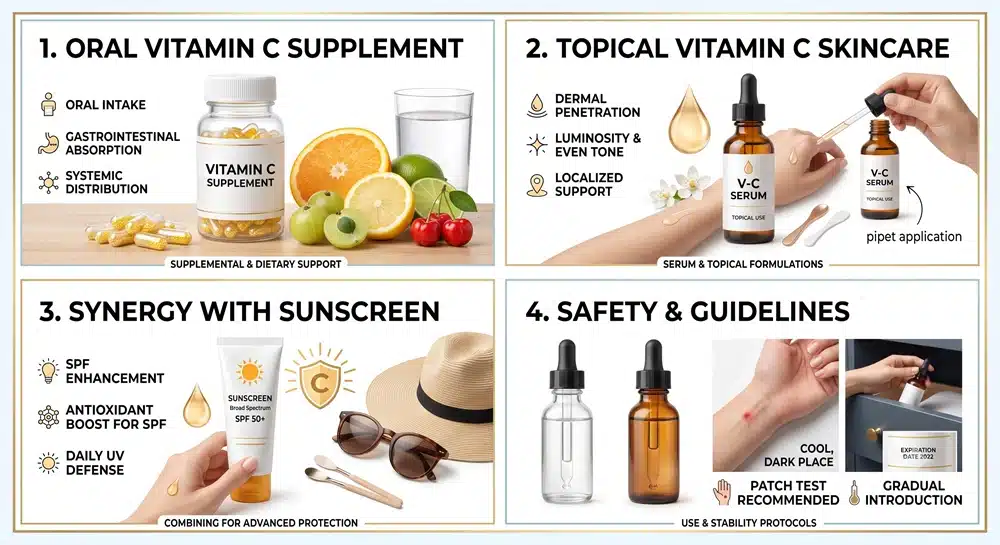
إجابة سريعة: هل فيتامين C يفتح لون البشرة؟
يلعب فيتامين C دورًا في صحة البشرة لأنه يدعم التخليق الحيوي للكولاجين ويعمل كمضاد للأكسدة. في مستحضرات العناية بالبشرة الموضعية، يُستخدم فيتامين C على نطاق واسع لمعالجة مشاكل البشرة مثل البهتان وتفاوت لون البشرة والمشاكل التجميلية المرتبطة بفرط التصبغ. أما كمكمل غذائي يؤخذ عن طريق الفم، فيساعد فيتامين C في الحفاظ على مستويات كافية من العناصر الغذائية ويدعم الحماية الطبيعية المضادة للأكسدة، لكن الأدلة ليست قوية بما يكفي للادعاء بأن الأقراص أو الكبسولات ستعمل بشكل موثوق على تفتيح البشرة أو تبييضها بشكل دائم.
| سؤال المستخدم | إجابة متوافقة | مخاطر المطالبات |
|---|---|---|
| هل فيتامين C يفتح لون البشرة؟ | قد يساعد ذلك في الحصول على لون بشرة أكثر إشراقًا وتناسقًا، لا سيما إذا تم استخدامه كجزء من روتين أوسع نطاقًا للعناية بالبشرة والتغذية. | متوسط |
| هل يمكن لأقراص فيتامين C أن تبيض البشرة؟ | لا ينبغي تسويق فيتامين C الذي يُتناول عن طريق الفم باعتباره علاجًا لتبييض الأسنان. فهو أكثر ملاءمة للاستفادة من خصائصه المضادة للأكسدة ودوره في دعم إنتاج الكولاجين. | عالية |
| هل يقلل فيتامين C من الميلانين؟ | يُناقش فيتامين C في الأبحاث المتعلقة بالتصبغ، لا سيما عند استخدامه موضعياً، لكن يجب أن تتجنب نصوص الدعاية الخاصة بالمكملات الغذائية الوعد بتقليل الميلانين. | عالية |
| هل فيتامين ج مفيد للبشرة؟ | نعم، فيتامين C مهم لتكوين الكولاجين وللحماية المضادة للأكسدة، وكلاهما لهما دور في الحفاظ على صحة البشرة الطبيعية. | منخفضة |
فوائد فيتامين C لصحة البشرة
فيتامين C، المعروف أيضًا باسم حمض الأسكوربيك، هو عنصر غذائي قابل للذوبان في الماء. وهو ضروري لتخليق الكولاجين ويساهم في الدفاع المضاد للأكسدة. وتعد هذه الوظائف مهمة للبشرة لأن الكولاجين يشكل جزءًا من بنية الجلد، في حين أن الإجهاد التأكسدي الناتج عن التعرض للأشعة فوق البنفسجية والتلوث يمكن أن يسهم في إضفاء مظهر باهت على البشرة وظهور علامات الشيخوخة.
فيما يتعلق بتثقيف المستهلكين، من المعقول القول إن فيتامين C يدعم تكوين الكولاجين بشكل طبيعي، ويوفر الحماية المضادة للأكسدة، ويساهم في صحة البشرة بشكل عام. أما القول بأن مكملًا غذائيًّا ما “يبيّض” أو “يُبيّض البشرة” أو “يزيل الكلف” أو “يمحو البقع الداكنة” أو “يمنع فرط التصبغ”، فهذا غير معقول. فمثل هذه العبارات قد تدفع المقال إلى منطقة الادعاءات عالية المخاطر المتعلقة بمستحضرات التجميل أو الأمراض أو الأدوية.
فيتامين C الفموي مقابل فيتامين C الموضعي للحصول على بشرة أكثر إشراقًا
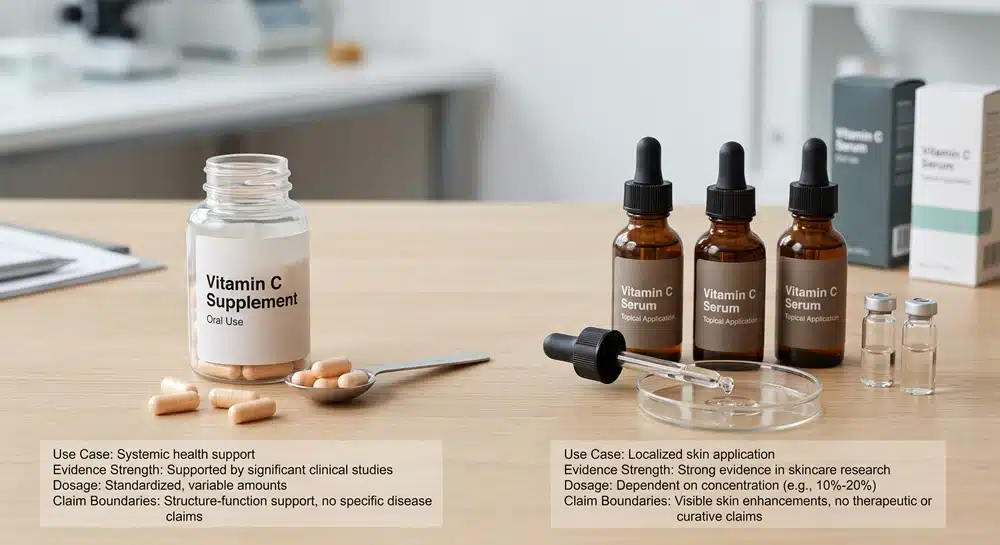
يلعب فيتامين C الذي يُتناول عن طريق الفم وذلك الذي يُستخدم موضعياً أدواراً مختلفة. يُطبق فيتامين C الموضعي مباشرةً على البشرة، ويرتبط بشكل أوثق بروتينات العناية بالبشرة التي تركز على المظهر. أما فيتامين C الذي يُتناول عن طريق الفم فهو استراتيجية لتناول العناصر الغذائية: فهو يدعم مستويات فيتامين C في الجسم بأكمله، وتكوين الكولاجين الطبيعي، والحماية المضادة للأكسدة، لكنه أقل استهدافاً من المنتج الموضعي الذي يُترك على البشرة.
| العامل | مكملات فيتامين ج الفموية | منتجات فيتامين ج الموضعية | النقاط الرئيسية المتعلقة بالتركيبة |
|---|---|---|---|
| الدور الرئيسي | الدعم الغذائي لتوفير الحماية المضادة للأكسدة وتكوين الكولاجين | عناية مخصصة بالبشرة لمعالجة البهتان وتفاوت لون البشرة | استخدمي المنتجات الفموية للترويج لمفهوم «الجمال من الداخل»، لا لترويج ادعاءات العلاج المبيض. |
| أفضل صيغة للمطالبة | يدعم صحة البشرة، وتكوين الكولاجين، والحماية المضادة للأكسدة | يساعد على تحسين مظهر البشرة الباهتة أو غير المتجانسة اللون | يجب الفصل بين الادعاءات المتعلقة بالمكملات الغذائية والادعاءات المتعلقة بمستحضرات التجميل. |
| قوة الدليل | فعالة من حيث وظيفتها الغذائية؛ لكن تأثيرها محدود فيما يتعلق بنتائج تفتيح البشرة المباشرة | تمت دراستها بشكل أكثر تركيزًا فيما يتعلق بظهور التصبغات والشيخوخة الضوئية | استخدم لغة تستند إلى الأدلة وتجنب الحديث عن نتائج مضمونة. |
| سرعة ظهور التأثير المرئي | متغير؛ يعتمد على الكمية الأساسية المتناولة، وروتين العناية بالبشرة، ومؤشر الحماية من أشعة الشمس (SPF)، والحالة الصحية العامة | متغيرة، لكنها أكثر توجهاً نحو مجال التطبيق | لا تعد بجدول زمني محدد لتبييض الأسنان أو إزالة البقع الداكنة. |
| مخاطر المستهلك | قد تتسبب الجرعات العالية في حدوث اضطرابات في الجهاز الهضمي، وقد لا تكون مناسبة لبعض المستخدمين | قد يسبب تهيجًا للبشرة الحساسة إذا لم تكن التركيز أو درجة الحموضة مناسبة | تضمين ملاحظات السلامة والمواقف التي تستدعي استشارة أخصائي. |
ما هي كمية فيتامين C التي يجب تناولها لتفتيح البشرة؟
لا توجد “جرعة مبيضة للبشرة” محددة رسميًا لفيتامين C. وبالنسبة للمكملات الغذائية، فإن النهج الأكثر أمانًا هو البدء من الاحتياجات الغذائية العادية، ثم تصميم منتجات لا تتجاوز نطاقات الاستهلاك اليومي الموصى بها. وينبغي أن تتجنب ملصقات المكملات الغذائية المخصصة للبالغين الإيحاء بأن الجرعات الأعلى تؤدي إلى نتائج تبييض أقوى أو أسرع.
تستخدم العديد من منتجات «الجمال من الداخل» ما بين 250 ملغ و1,000 ملغ يوميًا من فيتامين C، وغالبًا ما تُضاف إليها ببتيدات الكولاجين أو الزنك أو حمض الهيالورونيك أو فيتامين E أو مضادات الأكسدة النباتية. ومع ذلك، يجب ألا تروج العلامات التجارية لجرعات تبلغ 1,000 ملغ أو 2,000 ملغ على أنها ضرورية لتفتيح البشرة. ففي الولايات المتحدة، تُعد جرعة 2,000 ملغ يوميًا الحد الأقصى المسموح به للبالغين، وليست جرعة مستهدفة لتحقيق نتائج تجميلية.
| الكمية اليومية | كيفية وضعه | ملاحظات للعلامات التجارية |
|---|---|---|
| المدخول الموصى به وفقًا لمعايير RDA | يساعد على تلبية الاحتياجات اليومية من فيتامين C | مناسب لتركيبات منتجات العناية بالصحة العامة والفيتامينات المتعددة. |
| 250-500 ملغ | مجموعة منتجات «الجمال من الداخل» الشائعة | مفيد في المنتجات التي تدعم إنتاج الكولاجين وتوفر مضادات الأكسدة. |
| 500-1,000 ملغ | نطاق تكميلي أكبر | توخَّ الحذر عند استخدامه مع الأشخاص ذوي المعدة الحساسة، وتجنب الادعاءات المتعلقة بـ“تبييض أسرع”. |
| أكثر من 1,000 ملغ | تحديد موضع الجرعات العالية | تضمين نصوص واضحة تتعلق بالسلامة؛ وهذا ليس ضروريًا بالنسبة لمعظم الادعاءات المتعلقة بدعم الجلد. |
| 2,000 ملغ | الحد الأعلى للبالغين، وليس هدفًا | لا تعتبر الجرعة اليومية الموصى بها للبالغين هي الجرعة الموصى بها لتفتيح البشرة. |
أفضل أشكال فيتامين C في مكملات التجميل
يعتمد الشكل الأمثل على الصيغة، واستراتيجية الادعاءات، والهدف من حيث التكلفة، ومدى تقبل المستخدم. وبالنسبة للعديد من المكملات الغذائية، يظل حمض L-الأسكوربيك خيارًا بسيطًا ومثبت الفعالية. أما الأشكال المُعَدَّلة الحموضة مثل أسكوربات الصوديوم أو قد يُفضل استخدام أسكوربات الكالسيوم في التركيبات المخصصة للمستخدمين الذين لا يحبون الطعم الحامض. ويمكن تسويق الأشكال الليبوزومية أو المُغلفة على أنها تعتمد على تقنية توصيل فعالة، لكن يجب إثبات الادعاءات المتعلقة بامتصاص أفضل ببيانات خاصة بالمورد.
| الاستمارة | أفضل حالة استخدام | المزايا | أمور يجب الانتباه إليها |
|---|---|---|---|
| حمض الأسكوربيك | كبسولات، أقراص، مساحيق، خلطات مشروبات | معروفة، وفيرة، ومتوفرة على نطاق واسع | طعم حامض؛ قد يسبب إزعاجًا للمستخدمين ذوي الحساسية عند تناول كميات أكبر. |
| أسكوربات الصوديوم | وضع أكثر راحة للمعدة | معادلة الحموضة وأقل حموضةً | يُضاف الصوديوم؛ ويجب أن تراعي الملصقات والتركيبة محتوى المعادن. |
| أسكوربات الكالسيوم | أقراص أو كبسولات ذات مادة عازلة | أقل حموضة ويمكن أن يدعم التغذية المدعمة بالمعادن | يضيف الكالسيوم؛ وقد يؤثر على حجم الأقراص والمعلومات المذكورة بشأن المحتوى المعدني. |
| فيتامين C الليبوزومي | منتجات عالية الجودة في شكل سائل أو أكياس أو كبسولات | قصة التوصيل المتميز | يتطلب تقديم أدلة تدعم ادعاءات الامتصاص وإجراء اختبارات دقة للاستقرار. |
| فيتامين C مع البيوفلافونويدات | تحديد مكانة مضادات الأكسدة ذات المصادر الطبيعية | مناسب لمفاهيم الحمضيات أو النباتات | تحتاج الجودة النباتية وخصائص المواد المسببة للحساسية/الخصائص الحسية إلى مراجعة. |
المكونات التي تتناسب جيدًا مع فيتامين C
غالبًا ما تجمع تركيبات مكملات التجميل بين فيتامين C والمغذيات والمكونات المتخصصة التي تدعم بنية البشرة وترطيبها وحمايتها من الأكسدة. وأكثر هذه المكونات فعاليةً هي ببتيدات الكولاجين، وحمض الهيالورونيك، والزنك، وفيتامين E، وبعض أنواع البوليفينول المختارة. ويُستخدم الجلوتاثيون بشكل شائع في تركيبات تفتيح البشرة، لكن يجب على العلامات التجارية توخي الحذر بشكل خاص عند الإدلاء بادعاءات تتعلق بتبييض البشرة، لأن الأدلة العلمية والمتطلبات التنظيمية تختلف من سوق إلى آخر.
للتركيبات التي تحتوي على الكولاجين وتدعم بنية البشرة
- ببتيدات الكولاجين: يتناسب بشكل طبيعي مع فيتامين C لأن فيتامين C يساهم في تكوين الكولاجين بشكل طبيعي.
- حمض الهيالورونيك: يدعم الترويج للمنتج من منظور التركيز على الترطيب.
- الزنك: مفيد في منتجات العناية بالبشرة، ولكن تجنب الإشارة إلى أنه يعالج حب الشباب ما لم يتم تقييمه.
للتركيبات المضادة للأكسدة والمعززة للإشراقة
- فيتامين (هـ) يدعم التركيبات التي تحتوي على مضادات الأكسدة.
- البيوفلافونويدات: يمكن أن يعزز مفهومًا قائمًا على الحمضيات أو النباتات.
- البوليفينولات: مناسب لاستخدامه في الرسائل الترويجية المتعلقة بمضادات الأكسدة و“الإجهاد البيئي” عند وجود أدلة تدعم ذلك.
ملاحظات السلامة والفئات التي يجب عليها توخي الحذر
يُعتبر فيتامين C جيد التحمل بشكل عام، لكن تناول كميات كبيرة منه قد يتسبب في اضطرابات معوية مثل الإسهال والغثيان وتشنجات البطن. يجب على الأشخاص الذين لديهم تاريخ من الإصابة بحصوات الكلى أو اضطرابات الكلى أو داء ترسب الحديد الوراثي، أو أولئك الذين يخضعون لعلاجات السرطان أو العلاج الإشعاعي أو يتناولون الستاتينات أو أدوية أخرى بانتظام، استشارة أخصائي الرعاية الصحية قبل استخدام مكملات فيتامين C بجرعات عالية.
ما هي النتائج التي يمكن للمستهلكين توقعها بشكل واقعي؟
ينبغي اعتبار مكملات فيتامين C بمثابة دعم غذائي، وليس وسيلة مضمونة لتحقيق تحول تجميلي. قد يلاحظ المستخدمون الذين يعانون من نقص فيتامين C أو الذين يتناولونه بكميات قليلة في نظامهم الغذائي فوائد أوسع نطاقاً على صعيد الصحة العامة أو صحة البشرة بعد زيادة تناولهم منه. أما المستخدمون الذين يلبون احتياجاتهم اليومية بالفعل، فقد لا يلاحظون تغييرات مرئية جذرية من تناول فيتامين C عن طريق الفم وحده.
فيما يتعلق بالتفاوت الملحوظ في لون البشرة، فإن الروتين الأكثر فعالية يجمع بين الاستخدام المنتظم لواقي الشمس، والمنتجات الموضعية التي يوصي بها أطباء الجلدية، واتباع نظام غذائي متوازن، وتناول المكملات الغذائية بشكل مسؤول. وبدون الحماية من أشعة الشمس، تصبح الادعاءات المتعلقة بتفتيح البشرة أو توحيد لونها أقل مصداقية بكثير، لأن التعرض للأشعة فوق البنفسجية يظل أحد العوامل الرئيسية المسببة للتغيرات الملحوظة في التصبغ.
قائمة مراجعة الصيغ الخاصة بعلامات المكملات الغذائية
بالنسبة للعلامات التجارية التي تعمل على تطوير مكمل غذائي يحتوي على فيتامين C لدعم صحة البشرة، فإن العامل الأبرز الذي يميزها عن غيرها ليس استخدام عبارات تبييض البشرة بشكل مبالغ فيه، بل تركيبة أنظف تستند إلى الأدلة العلمية، مع وجود عملية مراجعة واضحة للادعاءات الصحية، وشريك تصنيع قادر على توفير الوثائق التي تثبت الجودة.
| بند في قائمة المراجعة | ما الذي يجب التحقق منه | ما أهمية ذلك |
|---|---|---|
| تحديد المكونات | شكل فيتامين C، طريقة التحليل، شهادة تحليل المورد (COA) | يمنع حدوث أي تباين في الملصقات أو الخلط في التركيبات. |
| الجرعة اليومية | الكمية في الحصة الواحدة والكمية اليومية الإجمالية | يدعم مراجعة إجراءات السلامة ويمنع وضع المريض في أوضاع قد تؤدي إلى جرعات زائدة. |
| صياغة المطالبة | صحة البشرة، دعم الكولاجين، الحماية المضادة للأكسدة، الإشراق | يقلل من المخاطر الناجمة عن تبييض البشرة أو الكلف أو التصبغات أو الادعاءات المتعلقة بالعلاج. |
| الاستقرار | الحرارة، الضوء، الأكسجين، الرطوبة، حاجز التغليف | قد يتحلل فيتامين C في ظل ظروف تخزين غير ملائمة. |
| الملوثات | المعادن الثقيلة، والميكروبات، ومخلفات المذيبات، حيثما ينطبق ذلك | ضروري لمراقبة الجودة وتعزيز الثقة بالعلامة التجارية. |
| اختبار المنتجات النهائية | الاختبار، اختبار التفكك، الحدود الميكروبية، عينات الاستقرار | يضمن الحفاظ على جودة ثابتة من دفعة إلى أخرى. |
| نظرة عامة على السوق | قواعد المطالبات في الولايات المتحدة، أو الاتحاد الأوروبي، أو المملكة المتحدة، أو رابطة دول جنوب شرق آسيا (آسيان)، أو دول مجلس التعاون الخليجي، أو القواعد المحلية | “قد تنطوي مصطلحات ”التبييض“ و”التفتيح» على مخاطر تنظيمية وثقافية مختلفة. |
أسئلة يجب طرحها على الشركة المصنعة لمكملات فيتامين C في طلب تقديم العروض
- ما هي أشكال فيتامين C التي يمكنكم الحصول عليها وتصنيعها بكميات كبيرة؟
- هل يمكنكم تقديم شهادة المنشأ (COA) وورقة المواصفات وبيان مسببات الحساسية ونتائج اختبار المعادن الثقيلة؟
- ما هي أشكال الجرعات التي تدعمونها: كبسولات، أقراص، حلوى جيلاتينية، مساحيق، أكياس، أم سوائل؟
- كيف يمكن حماية فيتامين C من الحرارة والضوء والأكسجين والرطوبة أثناء المعالجة والتعبئة؟
- هل يمكن لفريق الشؤون التنظيمية لديكم مراجعة الادعاءات المتعلقة بصحة البشرة والجمال من الداخل قبل طباعة الملصقات؟
- ما هو الحد الأدنى لكمية الطلب (MOQ) لديكم، ومدة التسليم، وسياسة الدُفعات التجريبية، وخيار اختبار الاستقرار؟
- هل يمكن الجمع بين فيتامين C وببتيدات الكولاجين، وحمض الهيالورونيك، والزنك، وفيتامين E، أو مضادات الأكسدة النباتية؟
أمثلة على الادعاءات المتوافقة مع المعايير الخاصة بمكملات فيتامين C للبشرة
استخدم العبارات التي تصف الدعم الطبيعي للبنية والوظيفة، وتجنب الوعد بعلاج الأمراض أو إحداث تغيير تجميلي دائم.
| تجنب | استخدم بدلاً من ذلك |
|---|---|
| يبيض البشرة بشكل دائم | يساعد على الحصول على بشرة تبدو أكثر إشراقًا وتناسقًا |
| يزيل الكلف | يساعد على توفير الحماية المضادة للأكسدة كجزء من روتين العناية بالبشرة |
| يمنع إنتاج الميلانين | يساعد في الحفاظ على نضارة البشرة وتشكيل الكولاجين بشكل طبيعي |
| الجرعة السريرية لتبييض البشرة | يوفر فيتامين C للمساعدة في تلبية الاحتياجات اليومية من مضادات الأكسدة والمواد الداعمة للكولاجين |
| يبدأ مفعوله خلال 7 أيام | تختلف النتائج باختلاف النظام الغذائي، والحماية من أشعة الشمس، وروتين العناية بالبشرة، والعوامل الفردية |
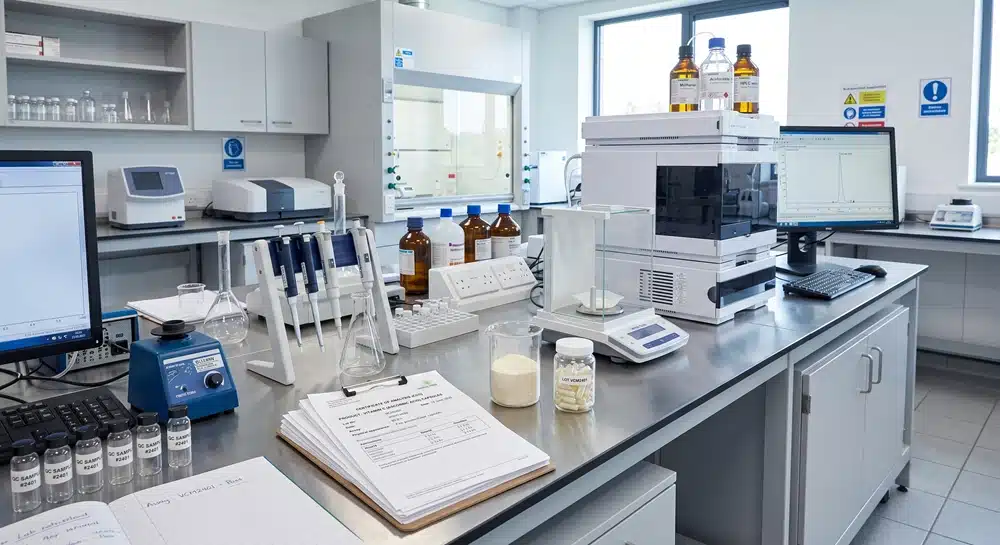
المكانة التي يحتلها جينسي
تدعم «جينسي» العلامات التجارية للمكملات الغذائية التي ترغب في تطوير منتجات فيتامين C التي تتوافق مع المعايير، وتهدف إلى تحقيق الجمال من الداخل. وقد يشمل ذلك، حسب طبيعة المشروع، ما يلي: توريد المواد الخام لفيتامين C, تطوير الصيغ, تصنيع الكبسولات, تصنيع الأجهزة اللوحية, إنتاج المسحوق أو الأكياس الصغيرة, ، ودعم التعبئة والتغليف، ومراجعة شهادات المنشأ، واختبار المنتجات النهائية.
إذا كانت علامتك التجارية تعمل على تطوير مكمل غذائي يهدف إلى إضفاء الإشراق على البشرة، أو دعم الكولاجين، أو توفير مضادات الأكسدة، أو تعزيز الجمال، فركز استراتيجية المنتج على الجودة والسلامة والادعاءات المدعومة بأدلة. فمن الممكن أن تحقق التركيبة المتوافقة مع المعايير نجاحًا تجاريًا كبيرًا دون أن تعد بتبييض البشرة أو تفتيحها أو علاجها أو شفائها أو تغيير لونها بشكل دائم. للتواصل مع جينسي لمناقشة مصادر المكونات، وشكل الجرعة، والحد الأدنى لكمية الطلب، ومتطلبات مراجعة الادعاءات.
الأسئلة الشائعة
هل يمكن لفيتامين ج أن يفتح لون البشرة؟
قد يساعد فيتامين C في الحصول على بشرة تبدو أكثر إشراقًا ولونًا أكثر تناسقًا، خاصةً عند استخدامه جنبًا إلى جنب مع واقي الشمس واتباع روتين منتظم للعناية بالبشرة. ولا ينبغي اعتبار فيتامين C الذي يتم تناوله عن طريق الفم علاجًا مضمونًا لتفتيح البشرة أو تبييضها.
هل أقراص فيتامين ج تبيض البشرة؟
لا ينبغي تسويق أقراص فيتامين C على أنها أقراص لتفتيح البشرة. فهي يمكن أن تساعد في الحفاظ على مستويات فيتامين C الطبيعية، وتشكيل الكولاجين، وتوفير الحماية المضادة للأكسدة، لكنها لا تُعد علاجًا لتبييض البشرة.
هل فيتامين C الفموي أفضل من فيتامين C الموضعي لعلاج فرط التصبغ؟
عادةً ما يكون فيتامين C الموضعي أكثر فعالية بشكل مباشر في معالجة المشاكل الموضعية المتعلقة بمظهر البشرة، مثل تفاوت لون البشرة. أما فيتامين C الذي يتم تناوله عن طريق الفم، فيُنظر إليه بشكل أفضل على أنه دعم غذائي لصحة البشرة بشكل عام.
ما هي كمية فيتامين C التي يجب أن أتناولها لتفتيح البشرة؟
لا توجد جرعة رسمية مخصصة لتفتيح البشرة. تستخدم العديد من المكملات الغذائية جرعات تتراوح بين 250 و1,000 ملغ يوميًا، لكن تناول جرعات أعلى لا يضمن الحصول على نتائج تجميلية أفضل. يجب ألا يتجاوز البالغون 2,000 ملغ يوميًا من الطعام والمكملات الغذائية، ما لم يوصي بذلك أخصائي رعاية صحية.
هل يمكن لفيتامين C إزالة البقع الداكنة بشكل دائم؟
لا ينبغي لأي مكمل غذائي أن يعد بإزالة البقع الداكنة بشكل دائم. قد يكون للبقع الداكنة وفرط التصبغ أسباب عديدة، لذا يجب أن يتم تقييم التصبغ المستمر أو المتغير من قبل أخصائي مؤهل.
هل تناول فيتامين ج يوميًا آمن؟
يُعتبر فيتامين C عمومًا جيد التحمل ضمن نطاقات الاستهلاك المناسبة. وقد تتسبب الجرعات العالية في حدوث اضطرابات في الجهاز الهضمي، وقد لا تكون مناسبة للأشخاص الذين لديهم تاريخ من الإصابة بحصوات الكلى، أو الذين يعانون من اضطرابات كلوية، أو اضطرابات فرط الحديد في الجسم، أو الذين يتناولون أنظمة علاجية معينة.
الخاتمة
يُعد فيتامين C مهمًّا لصحة البشرة الطبيعية، وتكوين الكولاجين، والحماية المضادة للأكسدة. وقد يساعد في الحصول على بشرة أكثر إشراقًا وتناسقًا، لكن لا ينبغي الترويج لمكملات فيتامين C الفموية على أنها حل مضمون لتبييض البشرة. بالنسبة لعلامات المكملات الغذائية، تكمن الفرصة الأكبر في تطوير تركيبات تركز على الجمال من الداخل تستند إلى أدلة علمية، مع منطق واضح في تحديد الجرعات، واختبارات الجودة، وصياغة ادعاءات متوافقة مع المعايير.
المراجع
- مكتب المكملات الغذائية التابع للمعاهد الوطنية للصحة (NIH): نشرة معلومات عن فيتامين C موجهة للمهنيين الصحيين
- تأثير فيتامين ج على تصبغ الميلانين
- فعالية فيتامين C الموضعي في علاج الكلف والشيخوخة الضوئية
- تقييم الجلوتاثيون الفموي مع حمض الأسكوربيك وحمض ألفا ليبويك وأسبارتات الزنك كعامل لتفتيح البشرة
- إدارة الغذاء والدواء الأمريكية (FDA): الادعاءات المتعلقة بالبنية والوظيفة
- لجنة التجارة الفيدرالية (FTC): إرشادات الامتثال الخاصة بالمنتجات الصحية

وارن وان خبير متمرس يتمتع بخبرة واسعة في سلسلة توريد المكملات الغذائية، ولديه خبرة عملية غنية في مجالات البحث والتطوير ومراقبة العمليات والتوريد العالمي للمكونات الأساسية مثل ببتيدات الكولاجين وبروتين مرق العظام والكيراتين. وبصفته كاتب هذه الزاوية، يكرس جهوده لتجريد الموضوعات من غلافها التسويقي، وتحويل العلوم الغامضة المتعلقة بالمكونات ومعايير مراقبة جودة الإنتاج إلى معلومات علمية متعمقة وسهلة الفهم، مما يساعد القراء على فهم الحقيقة الكامنة وراء الملصقات واتخاذ خيارات صحية أكثر عقلانية.


