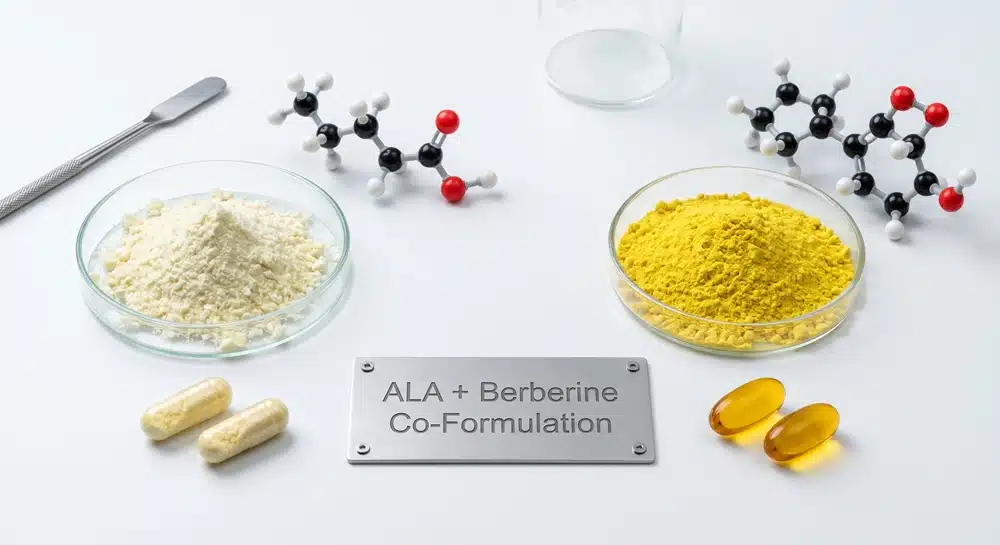
Alpha lipoic acid (ALA) and berberine both appear in supplements for blood sugar and metabolic health, but they do different jobs. Berberine is best known for its connection to blood sugar and cholesterol. ALA works inside cells, where it helps process nutrients and supports the body’s antioxidant defenses. Some supplements bring them together to cover both sides of the picture.
กรดอัลฟาไลโปอิกและเบอร์เบอรีนคืออะไร?
กรดอัลฟาไลโปอิก
Alpha lipoic acid is already part of your body. Your cells use it in the process of turning food into energy, and small amounts are found in foods such as spinach and organ meats. Supplements provide a more concentrated form than you would normally get from food.
ALA is often described as an antioxidant, but its role goes beyond that label. It works in the same busy environment where cells use nutrients, respond to insulin and manage the everyday wear and tear of normal metabolism. That is why you will see it in supplements aimed at both metabolic and nerve health.
เบอร์เบอรีน
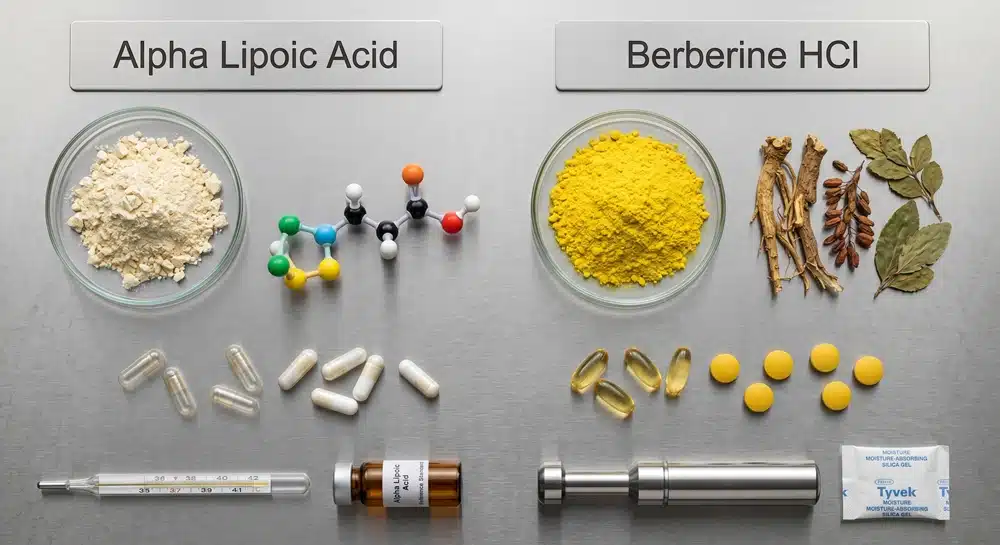
Berberine comes from plants, including barberry and Chinese goldthread. Its deep yellow color and intensely bitter taste are distinctive. In supplements, it commonly appears as berberine hydrochloride, or berberine HCl.
People usually encounter berberine while looking into blood sugar or cholesterol support. ALA tends to come up in conversations about insulin sensitivity, antioxidant protection and nerve comfort. Those different strengths are the clearest way to tell them apart.
Alpha lipoic acid vs. berberine: benefits and differences
| คุณสมบัติ | กรดอัลฟาไลโปอิก | เบอร์เบอรีน |
| แหล่งที่มา | Made in the body; also in foods | Botanical alkaloid |
| Main supplement applications | Glucose uptake, oxidative stress, nerve health | Blood glucose, lipids, insulin resistance |
| รูปแบบของอาหารเสริมที่พบได้ทั่วไป | R/S-ALA, R-ALA, sodium R-lipoate | เบอร์เบอรีน เอชซีแอล |
| Main formulation issue | Heat sensitivity, especially free R-ALA | Bitterness and oral absorption |
Blood sugar and insulin sensitivity
After a meal, carbohydrates are broken down into glucose, which enters your bloodstream. Insulin helps your muscles and other cells take in that glucose for energy. Between meals, your liver releases some glucose too, keeping your body supplied even when you have not eaten.
Blood sugar depends on both sides of that exchange: how much glucose enters your blood and how readily your cells take it in. When cells stop responding to insulin as well as they should, glucose can stay elevated for longer.
Berberine appears to work partly on the supply side. It may influence how much glucose the liver releases and how cells manage their energy. One pathway involved is called AMPK, a system that responds to the cell’s energy needs. You do not have to feel any of this happening; changes are usually noticed through blood sugar measurements over time.
Berberine has shown promising results in people with type 2 diabetes, including improvements in fasting blood sugar and HbA1c—the blood test that reflects average glucose levels over the past few months. The changes seen across clinical trials are meaningful enough to make berberine an ingredient of interest, although individual responses vary and some participants were also receiving standard treatment.
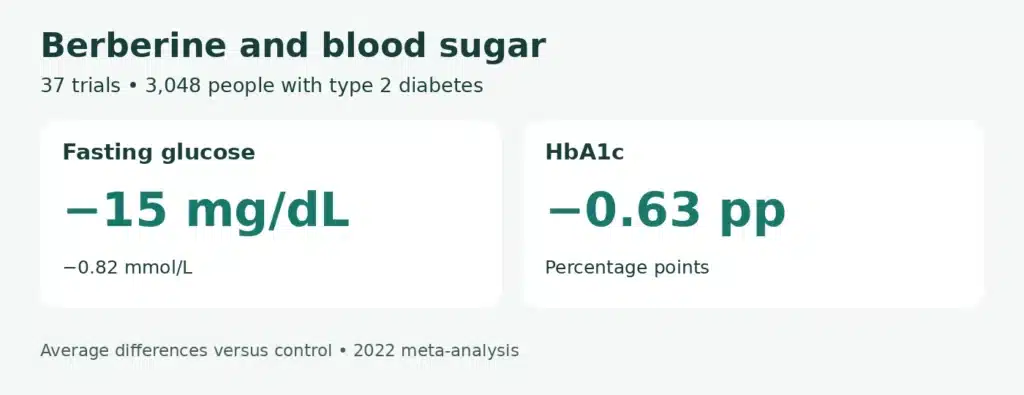
Figure 1. Average differences in fasting blood glucose and HbA1c reported in berberine studies involving people with type 2 diabetes. The two measures use different units.
ALA is more closely associated with what happens after glucose is already in the blood. Muscle cells need to bring that glucose inside before they can use it. Insulin helps move tiny glucose transporters, including GLUT4, to the cell surface; ALA may influence how well this process works.
For someone comparing the two ingredients with blood sugar in mind, berberine has the stronger track record in human studies. ALA brings a different angle: how cells respond to insulin and use the glucose available to them.
Cholesterol and triglycerides
Cholesterol is another reason people look at berberine. LDL cholesterol is often called ‘bad’ cholesterol because high levels can contribute to plaque in the arteries. Triglycerides are a different type of fat in the blood, and both numbers commonly appear on a routine lipid panel.
Berberine has been linked with improvements in both LDL cholesterol and triglycerides in human trials.
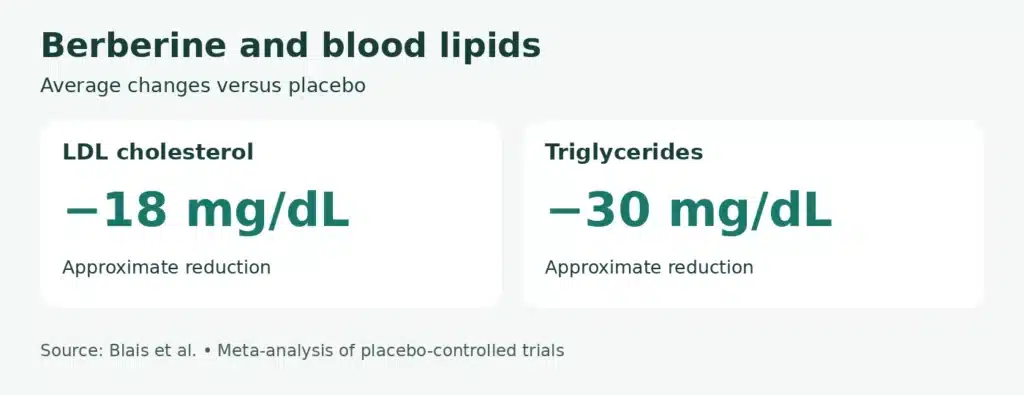
Figure 2. Average changes in LDL cholesterol and triglycerides reported in placebo-controlled berberine trials, measured in mg/dL.
Antioxidant activity and nerve health
Your cells naturally produce reactive molecules as they work. Antioxidants help keep those molecules from building up faster than the body can manage them. ALA takes part in this defense network, along with its converted form, DHLA. It is one reason ALA is often associated with everyday cellular protection.
ALA also has a history of use for the burning, tingling and discomfort that can accompany diabetic nerve problems. Some shorter studies have reported relief, but longer-term results have been less encouraging.
Alpha lipoic acid and berberine for weight loss
Neither ALA nor berberine is a shortcut to weight loss. Their main interest lies in how the body handles glucose and fats. That can matter for metabolic health, but it is different from a supplement directly melting away body fat.
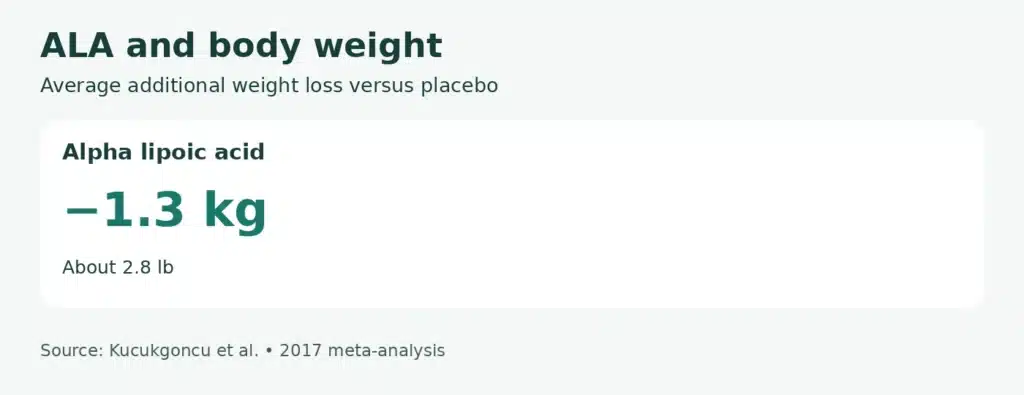
Figure 3. Putting ALA-related weight change in perspective: the average additional difference versus placebo was modest.
ALA has been associated with a small amount of additional weight loss in clinical studies. Berberine’s weight-related results are mixed: some studies suggest modest changes, while a more recent trial in adults with obesity and fatty liver disease found no meaningful reduction in liver or visceral fat. If weight management is your main goal, these ingredients make more sense as possible supporting players than as the centerpiece of a plan.
Can you take alpha lipoic acid and berberine together?
Yes, alpha lipoic acid and berberine can be found together in one supplement. Their pairing makes sense when you look at the journey glucose takes through the body. Berberine is associated with how the liver handles glucose; ALA is associated with how cells respond to insulin and take glucose in. ALA also contributes its antioxidant role, which is not the main reason people take berberine.
That gives the combination a broader focus than either ingredient alone. A single formula can be convenient, especially for people who prefer fewer separate bottles. The practical trade-off is capsule space: fitting useful amounts of both ingredients into one serving may mean taking more than one capsule.
Combination formulas sometimes include several other ingredients as well. In one small study, a blend containing a berberine-rich plant extract, ALA, chromium and other botanicals was associated with improvements in metabolic measures. It is an example of how these ingredients are used together, rather than a reason to assume that every two-ingredient formula works the same way.
When choosing a combined supplement, the amounts of ALA and berberine matter more than a promise of ‘synergy’ on the front label. Their roles are complementary, but a well-designed formula still needs sensible ingredient forms, serving sizes and clear labeling.
Why do some formulas include chromium?
Chromium is a mineral the body needs in tiny amounts. You may have noticed it on blood sugar support labels alongside berberine and ALA. It is usually listed in micrograms rather than milligrams because the amount is so small.
Chromium is involved in normal insulin function, so it fits naturally into the same kind of formula. It does not do the same job as either ALA or berberine: berberine is a plant compound, ALA participates in cellular reactions, and chromium is an essential trace mineral. Those differences give a three-ingredient product a distinct nutritional profile.
For example, some combination capsules contain berberine, ALA, chromium and biotin together. The label may look crowded, but each ingredient has its own amount and purpose. Pay attention to the serving size, especially when a product calls for two capsules instead of one.
Example commercial formula
| ส่วนผสม | Amount per capsule |
| เบอร์เบอรีน เอชซีแอล | 400 มิลลิกรัม |
| กรดอัลฟาไลโปอิก | 100 มก. |
| โครเมียม | 200 mcg |
| ไบโอติน | 200 mcg |
How alpha lipoic acid and berberine are used in supplements
เมื่อเปรียบเทียบ ALA supplements, look beyond the number of milligrams. You may see R/S-ALA, R-ALA or sodium R-lipoate. These names describe different forms of the ingredient. R-ALA is the form found naturally in the body; standard R/S-ALA contains two mirror-image forms. Some forms, especially free R-ALA, need more care around heat and storage. For a finished supplement, that can influence which form a manufacturer chooses.
ALA is also discussed alongside coenzyme Q10 because both are connected with cellular energy. Yet alpha lipoic acid and CoQ10 play different roles: lipoic acid is involved in certain enzyme reactions, while CoQ10 helps transfer electrons within the mitochondria. Neither is simply a substitute for the other.
Berberine’s intensely bitter taste makes capsules and tablets more practical than flavored drinks. Standard oral berberine also produces relatively low levels of unchanged berberine in the bloodstream. Its activity may involve the digestive tract and metabolites, so blood levels of the unchanged compound do not tell the whole story.
A front label showing ‘500 mg berberine’ does not tell you the ingredient form or whether that amount refers to one capsule or a full serving. The Supplement Facts panel gives the more useful comparison.
Multi-ingredient formulas may require two capsules per serving rather than one. Comparing the amount of each ingredient per serving avoids mistaking a two-capsule dose for a one-capsule dose.
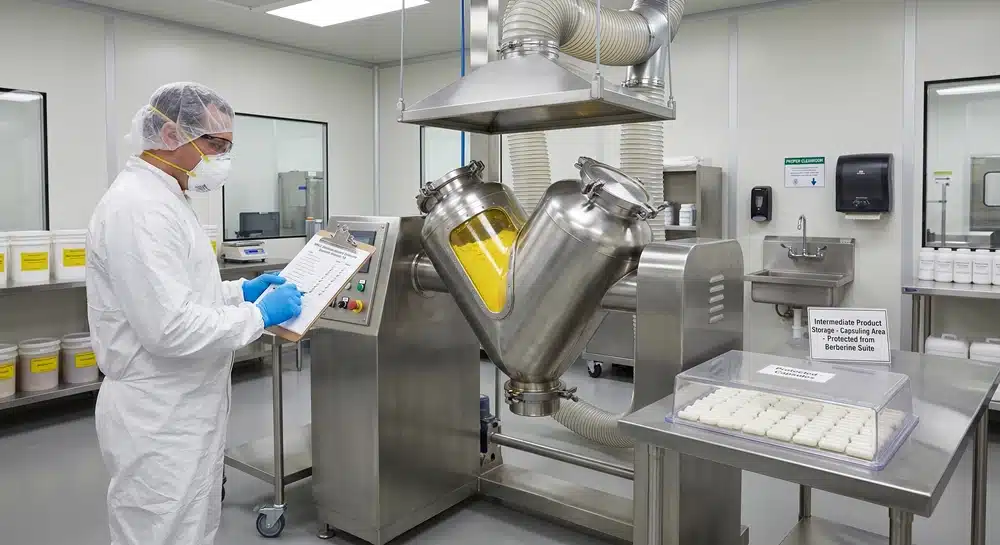
In a finished supplement, ingredient form, serving size and capsule count all affect what appears on the label. CollaGensei supplies both alpha lipoic acid and berberine for supplement applications. Brands considering a combination can explore ingredient forms, serving sizes and dosage formats through our custom supplement formulation services
Side effects and medication interactions
Berberine can be hard on the stomach, especially for people who are sensitive to supplements. Nausea, loose stools and constipation are among the complaints people report. ALA may also cause digestive discomfort. In susceptible people, ALA has additionally been linked to a rare immune-related form of low blood sugar.
If you already take medicine that lowers blood sugar, adding either ingredient can complicate glucose management. Berberine also interacts with certain medicines, including cyclosporine. It should not be used during pregnancy or breastfeeding or given to infants.
คำถามที่พบบ่อย
Should you take alpha lipoic acid and berberine before or after meals?
ALA is often taken away from meals because food can reduce its absorption. Berberine is commonly taken around mealtimes. If they come in one capsule, follow that product’s directions rather than trying to apply two separate schedules at once.
Is there an ideal ratio of berberine to alpha lipoic acid?
There is no single ratio that fits every formula. A 4:1 blend, for example, tells you only the relative amounts—not how much of either ingredient you receive. Check the milligrams of berberine and ALA in the full serving.
Is it better to take them separately or in one supplement?
Separate bottles make it easier to change the amount or timing of one ingredient without changing the other. A combination capsule is simpler to keep track of. The better option is the one whose ingredient forms, amounts and schedule match what you are looking for.
เอกสารอ้างอิง
[1] Oregon State University, Linus Pauling Institute. Lipoic Acid.
[3] Glucose-lowering effect of berberine on type 2 diabetes: systematic review and meta-analysis (2022).
[4] Blais JE et al. Berberine for dyslipidemia in adults: systematic review and meta-analysis (2023).
[5] Cochrane review. Alpha-lipoic acid for diabetic peripheral neuropathy (2024).
[6] Kucukgoncu S et al. Alpha-lipoic acid supplementation for weight loss: meta-analysis (2017).
[9] NIH Office of Dietary Supplements. Chromium: Health Professional Fact Sheet.
[11] NCCIH. Berberine and Weight Loss: What You Need To Know.
[12] EFSA. Scientific opinion on alpha-lipoic acid and insulin autoimmune syndrome (2021).

Warren Wan เป็นผู้เชี่ยวชาญที่มีประสบการณ์ยาวนานในห่วงโซ่อุปทานของผลิตภัณฑ์เสริมอาหาร โดยมีความรู้และประสบการณ์ทางปฏิบัติอย่างลึกซึ้งด้านการวิจัย พัฒนา การควบคุมกระบวนการผลิต และการจัดหาวัตถุดิบหลักจากทั่วโลก เช่น เปปไทด์คอลลาเจน โปรตีนจากน้ำซุปกระดูก และเคราติน ในฐานะผู้เขียนคอลัมน์นี้ เขามุ่งมั่นที่จะลอกเปลือกการตลาดออก และแปลงความรู้ทางวิทยาศาสตร์เกี่ยวกับส่วนผสมที่เข้าใจยาก รวมถึงมาตรฐานการควบคุมคุณภาพการผลิต ให้กลายเป็นเนื้อหาวิทยาศาสตร์ที่เข้าใจง่ายและเข้าถึงได้สำหรับทุกคน เพื่อช่วยให้ผู้อ่านเข้าใจความจริงที่ซ่อนอยู่เบื้องหลังฉลากผลิตภัณฑ์ และตัดสินใจเลือกผลิตภัณฑ์เพื่อสุขภาพได้อย่างมีเหตุผลมากขึ้น.