สำหรับแบรนด์ผลิตภัณฑ์เสริมอาหาร ผู้พัฒนาสูตร และผู้ซื้อวัตถุดิบ การเลือกระหว่างผงรากอชวากันดาหรือสารสกัดมาตรฐานไม่ใช่เพียงการตัดสินใจเพื่อสร้างภาพลักษณ์ด้านสุขภาพเท่านั้น แต่ยังส่งผลต่อขนาดการบริโภคของผลิตภัณฑ์สำเร็จรูป การส่งมอบสารออกฤทธิ์ ความเหมาะสมในการผลิตเป็นแคปซูลหรือเม็ด ลักษณะรสชาติ ต้นทุนต่อหน่วยบริโภค และข้อกำหนดในการควบคุมคุณภาพอีกด้วย.
ผงรากอชวากันดาเป็นตัวเลือกที่มีราคาถูกกว่า โดยทำจากรากทั้งต้น ซึ่งเหมาะสำหรับผง ชา และสูตรยาแบบดั้งเดิม ส่วนสารสกัดอชวากันดาเป็นตัวเลือกที่มีความเข้มข้นสูง hơn ซึ่งเหมาะสำหรับแคปซูล แท็บเล็ต กัมมี่ ของเหลว และสูตรยาที่ต้องการปริมาณการบริโภคที่น้อยลง พร้อมทั้งมีเป้าหมายปริมาณวิทานอลิดที่ชัดเจน การเลือกที่เหมาะสมขึ้นอยู่กับรูปแบบผลิตภัณฑ์ ข้อกำหนดของสารชี้วัดที่ออกฤทธิ์ วิธีการทดสอบ และเอกสารที่ตลาดของคุณต้องการ.
อะไรคือ Ashwagandha?
อชวากันดา (Withania somnifera) เป็นพืชสมุนไพรที่ใช้ในระบบการแพทย์แผนโบราณแบบอายุรเวทและอูนานี ในการผลิตผลิตภัณฑ์เสริมอาหาร มักจัดจำหน่ายในรูปแบบผงรากทั้งต้นหรือสารสกัดรากที่มาตรฐาน โดยสารสกัดเหล่านี้มักถูกปรับสูตรเพื่อให้มีระดับวิทานอลิดที่กำหนดไว้ในปริมาณที่น้อยลง ในรูปแบบแคปซูล แท็บเล็ต กัมมี่ ของเหลว หรือผง.
รากอชวากันดาได้ถูกใช้ในระบบการแพทย์แผนโบราณแบบอายุรเวทและอูนานี ในฐานะพืชสมุนไพรที่มีคุณสมบัติปรับสมดุลร่างกาย แบรนด์ผลิตภัณฑ์เสริมอาหารสมัยใหม่มักซื้อรากอชวากันดาในรูปแบบผงรากดิบหรือสารสกัดมาตรฐาน การเลือกนี้ไม่เพียงแต่ส่งผลต่อความเข้มข้นของสารออกฤทธิ์ แต่ยังส่งผลต่อน้ำหนักของสูตร รสชาติ การสนับสนุนข้ออ้างทางวิทยาศาสตร์ การตรวจสอบใบรับรองคุณภาพ (COA) และกระบวนการผลิตผลิตภัณฑ์สำเร็จรูปด้วย.
ผงรากอชวากันดา vs สารสกัด: คำตอบสั้นๆ
คำตอบสั้นๆ: สารสกัดจากอชวากันดามักเป็นตัวเลือกที่ดีกว่าเมื่อสูตรต้องการปริมาณการบริโภคที่น้อย มีปริมาณวานอลิดที่กำหนดไว้อย่างชัดเจน และมีความแรงของสารที่คงที่ระหว่างแต่ละล็อต ผงรากอชวากันดามักเป็นตัวเลือกที่ดีกว่าเมื่อแบรนด์ต้องการเน้นการนำเสนอผลิตภัณฑ์จากรากทั้งต้น ต้นทุนวัตถุดิบที่ต่ำกว่า หรือรูปแบบผง/ชาที่ขนาดการบริโภคต่อครั้งสามารถเป็นได้มากขึ้น.
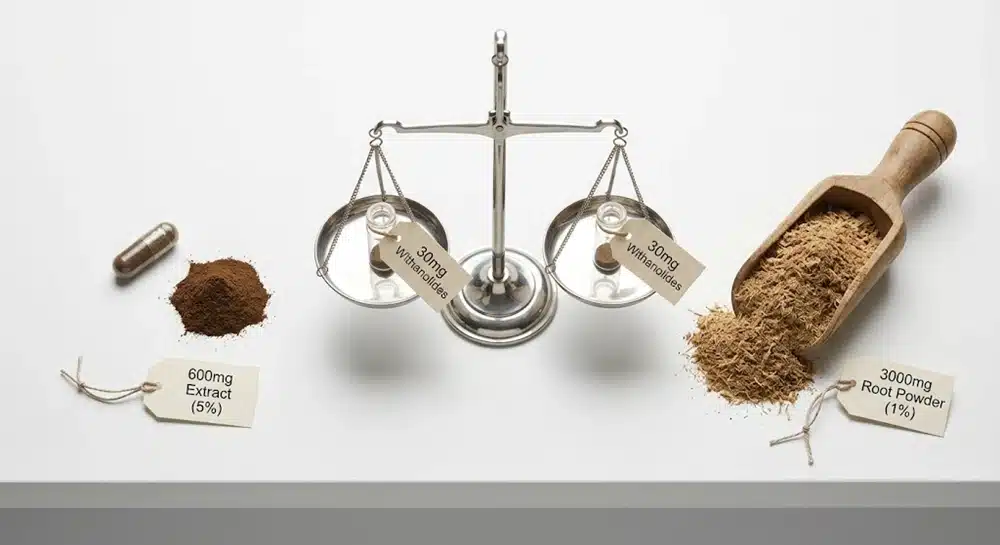
อย่าเปรียบเทียบรูปแบบเหล่านี้เพียงด้วยมิลลิกรัมเท่านั้น ส่วนผสม 600 มก. ของสารสกัดอชวากันดา 5% ให้ปริมาณวิทานอลิดที่ระบุไว้ประมาณ 30 มก. ในขณะที่ผงราก 600 มก. ของ 1% ให้ปริมาณวิทานอลิดที่ระบุไว้ประมาณ 6 มก. สูตรสำเร็จควรถูกเปรียบเทียบตามสารชี้วัดที่ออกฤทธิ์ ส่วนของพืช วิธีการทดสอบ รูปแบบการให้ยา และเอกสารรับรองคุณภาพ ไม่ใช่เพียงแต่ตามน้ำหนักเท่านั้น.
การเปรียบเทียบทางเทคนิค
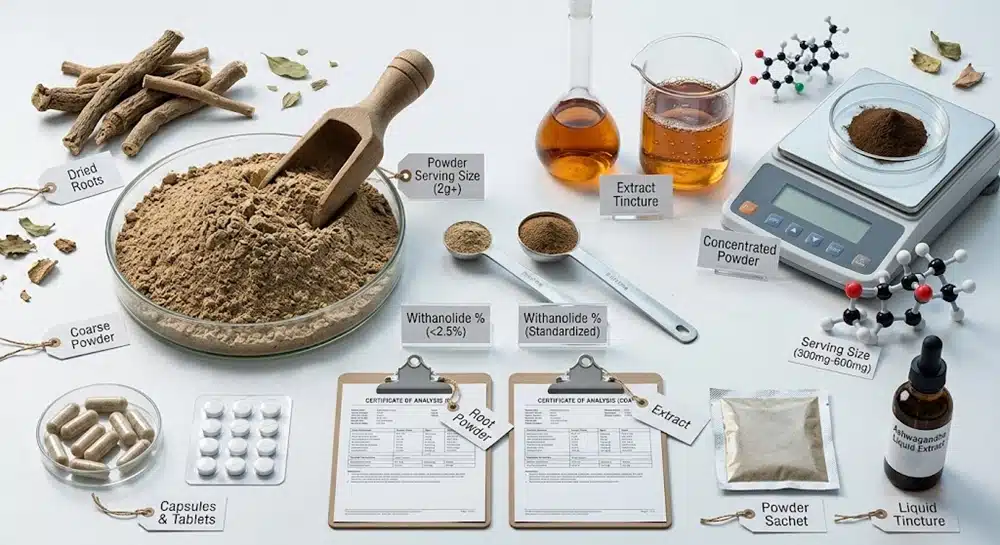
ผงรากอชวากันดาผลิตขึ้นโดยการตากแห้งและบดรากทั้งต้น ส่วนสารสกัดอชวากันดาผลิตขึ้นโดยการสกัดสารพฤกษเคมีที่คัดเลือกไว้ แล้วตากแห้งสารสกัดจนเป็นผง โดยมักมีสารชี้วัดความเข้มข้นของสารออกฤทธิ์ที่ระบุไว้ เช่น withanolides ในการจัดซื้อ การเปรียบเทียบที่สำคัญที่สุดไม่ใช่เพียงน้ำหนักของผงเท่านั้น ควรเปรียบเทียบสารบ่งชี้ความมีประสิทธิภาพต่อหนึ่งหน่วยบริโภค ส่วนของพืชที่ใช้ วิธีการสกัด สารพาหะ วิธีการทดสอบ และรูปแบบยาสำเร็จรูป.
| คุณสมบัติ | ผงรากอชวากันดา | สารสกัดจากอชวากันดา | ผลกระทบของสูตร |
|---|---|---|---|
| วัตถุดิบ | ราก Withania somnifera ที่แห้งและบดละเอียด | รากที่สกัดและอบแห้งด้วยวิธีสเปรย์ หรือราก + ใบ ตามข้อกำหนด | ให้ตรวจสอบส่วนพืชที่ระบุในใบรับรองคุณภาพ (COA) และสำเนาฉลากเสมอ. |
| เครื่องหมายที่ใช้งานอยู่ | ปริมาณวานอไลด์ธรรมชาติอาจแตกต่างกันไปตามแต่ละล็อต | สารสแตนดาร์ดไวนาโลิดส์ ที่มักถูกขอในปริมาณ 2.5%, 5% หรือ 10% | สารสกัดสามารถปรับปริมาณได้ง่ายขึ้นโดยใช้สารบ่งชี้ที่ออกฤทธิ์. |
| ปริมาณที่บริโภคต่อครั้ง | มักแสดงเป็นกรัมต่อส่วน | มักมีปริมาณหลายร้อยมิลลิกรัมต่อส่วน | สารสกัดเหมาะสำหรับการบรรจุในแคปซูล เม็ด กัมมี่ และของเหลว. |
| วิธีการทดสอบ | ข้อมูลระบุตัวตน, ข้อมูลทางพฤกษศาสตร์, สารปนเปื้อน และการทดสอบเพิ่มเติม (ตามความต้องการ) | การวิเคราะห์ด้วย HPLC/UV/การวิเคราะห์ที่ได้รับการยืนยันความถูกต้อง ตามข้อกำหนด | ใช้วิธีการทดสอบเดียวกันเมื่อเปรียบเทียบผู้จัดหา. |
| รสชาติ | มีกลิ่นดิน รสขม กลิ่นฝุ่น และรสชาติเข้มข้นขึ้นเมื่อผสมในเครื่องดื่ม | ปริมาณวัตถุดิบต่อส่วนน้อยลง แต่เมื่อทำเป็นกัมมี่หรือเครื่องดื่มอาจยังมีรสขมได้ | ผงจำเป็นต้องมีประสิทธิภาพในการกลบกลิ่นรสที่แข็งแกร่งขึ้น. |
| ความเสี่ยงในการผลิต | มวลต่อหน่วยที่มากขึ้น, ความแปรปรวนของความหนาแน่นรวม, การเกิดฝุ่น | ความสามารถในการดูดความชื้น, การจับตัวเป็นก้อน, การเลือกตัวพา, ความไหลลื่น | ทั้งสองอย่างจำเป็นต้องผ่านการผสมแบบทดลองและตรวจสอบความเสถียร. |
| รูปแบบที่เหมาะสมที่สุด | ผงเครื่องดื่ม, ซอง, ชา, ส่วนผสมแบบดั้งเดิม | แคปซูล, เม็ด, กัมมี่, ของเหลว, ส่วนผสมในปริมาณต่อครั้งน้อย | รูปแบบควรเป็นปัจจัยหลักในการเลือกวัตถุดิบ. |
ความเทียบเท่าของ Withanolide: ผงรากในปริมาณเท่าใดที่เทียบเท่ากับสารสกัด?
ใช้สูตรการจัดซื้อที่เรียบง่ายนี้ก่อนที่จะเปรียบเทียบราคาเสนอ:
| ปริมาณที่บริโภคต่อครั้ง | เปอร์เซ็นต์ผลการวิเคราะห์ | ประเภทของวัสดุ | สาร Withanolides ที่ได้รับการยืนยัน |
|---|---|---|---|
| 600 มก. | 5% | สารสกัดจากอชวากันดา | ~ 30 มก. |
| 300 มิลลิกรัม | 10% | สารสกัดจากอชวากันดา | ~ 30 มก. |
| 3,000 มก. | 1% | ผงราก | ~ 30 มก. |
| 1,500 มก. | 2% | ผงราก | ~ 30 มก. |
นี่เป็นการเปรียบเทียบสารออกฤทธิ์ ไม่ใช่การอ้างว่ามีความเทียบเท่าทางคลินิก ผงรากทั้งต้นและสารสกัดอาจมีความแตกต่างกันในด้านองค์ประกอบทางชีวเคมี ส่วนของพืช วิธีการสกัด สารพา และความสามารถในการดูดซึมเข้าสู่ร่างกาย การศึกษาทางคลินิกเกี่ยวกับอชวากันดามักใช้สารสกัดและขนาดยาที่เฉพาะเจาะจง ดังนั้นจึงไม่ควรนำหลักฐานจากสารสกัดของแบรนด์หนึ่งมาใช้กับผงรากหรือสารสกัดแบบไม่บรรจุหีบห่อทุกชนิดโดยอัตโนมัติ.
ประโยชน์ของผงรากและสารสกัดจากอชวากันดา
ทั้งผงรากและสารสกัดสามารถช่วยบรรเทาความเครียด ส่งเสริมการนอนหลับ และสนับสนุนสุขภาพโดยรวมได้ แต่หลักฐานทางวิทยาศาสตร์ไม่ได้เหมือนกันสำหรับทุกรูปแบบของส่วนผสม การศึกษาทางคลินิกหลายชิ้นใช้สารสกัดจากอชวากันดาชนิดเฉพาะ ปริมาณที่มาตรฐาน และระยะเวลาการรักษาที่กำหนดไว้ ดังนั้น แบรนด์ไม่ควรอ้างอิงผลการวิจัยเกี่ยวกับสารสกัดเป็นหลักฐานสนับสนุนสำหรับสูตรผงรากทั่วไปทุกชนิด.
สำหรับการคัดลอกโครงสร้าง/ฟังก์ชัน ให้สร้างไฟล์หลักฐานที่ระบุรายละเอียดเกี่ยวกับส่วนผสมที่แม่นยำ ปริมาณต่อส่วน การมาตรฐาน หลักฐานทางคลินิก และตลาดเป้าหมาย หากสูตรใช้สารสกัดแบบทั่วไป ให้ขอเอกสารจากผู้จัดหา และหลีกเลี่ยงการบอกเป็นนัยว่าสารสกัดดังกล่าวเทียบเท่ากับสารสกัดที่มีแบรนด์ เว้นแต่ข้อมูลจะสนับสนุนการเปรียบเทียบดังกล่าว.
หมายเหตุเกี่ยวกับหลักฐานสำหรับผู้พัฒนาสูตร: การศึกษาในมนุษย์และบทวิเคราะห์แบบระบบส่วนใหญ่ประเมินผลิตภัณฑ์สกัดจากอชวากันดาที่กำหนดไว้อย่างชัดเจน แทนที่จะเป็นผงรากดิบทั่วไป สำนักงานเสริมอาหารของ NIH (NIH Office of Dietary Supplements) ระบุว่า การศึกษาต่าง ๆ ได้ใช้ผลิตภัณฑ์ที่เตรียมขึ้นด้วยวิธีการต่าง ๆ กระบวนการมาตรฐาน และปริมาณที่ต่างกัน ซึ่งทำให้ยากที่จะกำหนดปริมาณที่แนะนำได้แบบสากล เมื่อเขียนข้อความบนฉลากหรือข้อมูลการศึกษาเกี่ยวกับผลิตภัณฑ์ ให้เชื่อมโยงคำกล่าวอ้างกับข้อมูลจำเพาะของส่วนผสมที่แม่นยำ ปริมาณการบริโภคต่อครั้ง และเอกสารหลักฐานที่ใช้สำหรับผลิตภัณฑ์สำเร็จรูป.
คุณควรเลือกอันไหน?
เลือกผงรากเมื่อสูตรต้องการใช้รากทั้งต้น ปริมาณการบริโภคในระดับกรัม ส่วนผสมผงแบบดั้งเดิม ผลิตภัณฑ์แบบชา หรือต้นทุนวัตถุดิบที่ต่ำลง เลือกสารสกัดเมื่อสูตรต้องการปริมาณการบริโภคที่น้อยลง การส่งมอบสารออกฤทธิ์มาตรฐาน ความเหมาะสมในการผลิตแคปซูล/เม็ดยาที่ดีขึ้น การกลบกลิ่นรสได้ง่ายขึ้น หรือการควบคุมความแรงของผลิตภัณฑ์ระหว่างแต่ละล็อตที่แม่นยำยิ่งขึ้น.
สำหรับผลิตภัณฑ์เสริมอาหารเชิงพาณิชย์หลายชนิด ตัวเลือกที่ดีที่สุดคือสารสกัดจากรากที่ได้รับการมาตรฐาน สำหรับแคปซูล แท็บเล็ต กัมมี่ และผลิตภัณฑ์ dạngน้ำ ส่วนผงรากยังคงมีประโยชน์สำหรับซอง ผงเครื่องดื่ม และส่วนผสมเพื่อสุขภาพแบบดั้งเดิม.
ผง vs แคปซูล vs เม็ด vs ของเหลว: รูปแบบใดที่เหมาะกับสูตรของคุณ?
สำหรับผู้บริโภค “รูปแบบที่ดีที่สุด” มักหมายถึงความสะดวกสบาย ส่วนสำหรับแบรนด์ผลิตภัณฑ์เสริมอาหาร มันหมายถึงปริมาณต่อครั้ง ความเสถียร คุณภาพทางประสาทสัมผัส ความเป็นไปได้ในการผลิต และต้นทุนสินค้า.
| วัตถุประสงค์ในการค้นหา | คำตอบที่ดีที่สุด | ทำไม | บริการที่เกี่ยวข้อง |
|---|---|---|---|
| ผงอชวากันดา vs เม็ด | ยาเม็ดมักเหมาะกว่าสำหรับปริมาณยาที่คงที่และความสะดวกในการขายปลีก ส่วนผงเหมาะกว่าสำหรับขนาดการรับประทานที่ยืดหยุ่นได้และการผสมกับเครื่องดื่ม. | ผงสามารถบรรจุวัสดุจากรากได้หลายกรัม ส่วนเม็ดยาถูกจำกัดโดยกระบวนการอัด รสชาติ และขนาดเม็ดยา. | การผลิตอาหารเสริมในรูปแบบเม็ดแท็บเล็ต |
| ผงอชวากันดา vs แคปซูล | แคปซูลเหมาะสำหรับการปกปิดรสชาติและปริมาณสารสกัดที่น้อย ส่วนผงเหมาะสำหรับซองและส่วนผสมแบบดั้งเดิม. | หากปริมาณที่รับประทานต่อครั้งคือหลายกรัม อาจจำเป็นต้องใช้แคปซูลหลายเม็ดสำหรับผงราก. | การผลิตอาหารเสริมแบบแคปซูล |
| แอชวากันดา dạngน้ำ vs แคปซูล | แคปซูลมักมีความเสถียรมากกว่า ส่วนของเหลวเหมาะกว่าสำหรับการใช้แบบหยด หรือแบบทินเจอร์ หรือสำหรับผู้บริโภคที่ไม่ชอบกินยาเม็ด. | ของเหลวจำเป็นต้องตรวจสอบความละลายได้ รสชาติ สารกันเสีย และบรรจุภัณฑ์. | การผลิตผลิตภัณฑ์เสริมอาหารชนิดน้ำ |
| ชาอชวากันดา vs แคปซูล | ชาเป็นส่วนหนึ่งของพิธีกรรมดูแลสุขภาพแบบดั้งเดิม ส่วนแคปซูลเหมาะสำหรับการกำหนดปริมาณสารสกัดตามมาตรฐาน. | การสกัดชาที่บ้านมีระดับการควบคุมที่น้อยกว่าการบริโภคแคปซูลตามมาตรฐาน. | การผลิตอาหารเสริมแบบผง |
| กัมมี่แอชวากันดา | ใช้สารสกัดเข้มข้นเมื่อสูตรต้องการปริมาณน้อยและต้องการกลบกลิ่นรส. | ผงรากอาจทำให้กัมมี่มีเนื้อหยาบ มีกลิ่นดิน และยากในการวัดปริมาณ. | การผลิตอาหารเสริมชนิดเจลลี่ |
ข้อกำหนดด้านสูตรการผลิตและควบคุมคุณภาพในธุรกิจ B2B ที่ผู้ซื้อควรขอ
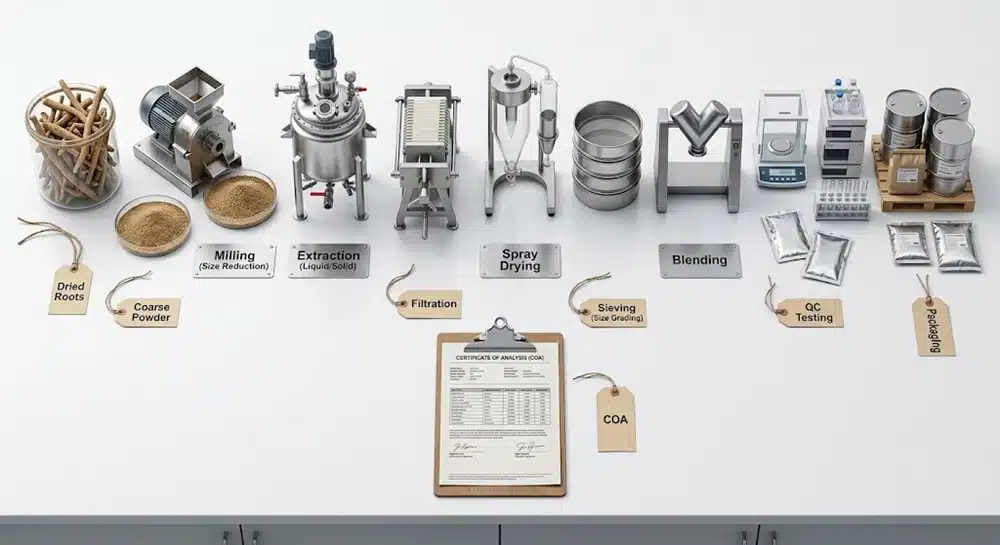
ผู้ซื้อในภาคธุรกิจ B2B ไม่ควรอนุมัติส่วนผสมอชวากันดาเพียงเพราะบนฉลากระบุว่า “ผงราก” หรือ “สารสกัด 5%” ควรขอใบข้อมูลจำเพาะและใบรับรองคุณภาพ (COA) ของแต่ละล็อต ซึ่งต้องระบุส่วนพืชที่ใช้ สารบ่งชี้ความออกฤทธิ์ วิธีวิเคราะห์ สารพาหะ ขนาดตาข่าย ความหนาแน่นแบบเท การสูญเสียเมื่อแห้ง โลหะหนัก สารตกค้างจากยาฆ่าแมลง สารละลายตกค้าง การตรวจสอบจุลินทรีย์ และประเทศต้นกำเนิด.
สำหรับการผลิตผลิตภัณฑ์เสริมอาหารในสหรัฐอเมริกา 21 CFR Part 111 กำหนดให้ผู้ผลิตต้องกำหนดมาตรฐานและปฏิบัติตามมาตรการควบคุมการผลิตและกระบวนการสำหรับผลิตภัณฑ์เสริมอาหาร นอกจากนี้ องค์กรอิสระ เช่น NSF ยังประเมินข้อมูลที่ระบุบนฉลากและทดสอบสารปนเปื้อน เช่น โลหะหนักและจุลินทรีย์.
| การตรวจสอบสูตรอย่างปฏิบัติ | ผลกระทบและข้อพิจารณา |
|---|---|
| ขนาดตาข่าย | ส่งผลต่อความรู้สึกในปากของผง และพฤติกรรมการผสมในแคปซูลหรือเม็ดยา. |
| ความหนาแน่นมวลรวม | ส่งผลต่อน้ำหนักการบรรจุแคปซูล ขนาดช้อนตัก ปริมาตรซอง และแรงอัดของเม็ดยา. |
| การดูดความชื้น | สารสกัดที่มีความเข้มข้นสูงอาจเกิดการจับตัวเป็นก้อนระหว่างการเก็บรักษา หากระบบบรรจุภัณฑ์และระบบดูดความชื้นไม่ได้รับการออกแบบอย่างถูกต้อง. |
| การแจ้งผู้ขนส่ง | มัลโตเดกซ์ทริน กัมอาราบิก หรือสารพาอื่น ๆ อาจส่งผลต่อข้อมูลที่ระบุบนฉลากและการตรวจสอบสารก่อภูมิแพ้. |
| วิธีการทดสอบ | เปรียบเทียบ HPLC กับ HPLC, UV กับ UV และวิธีวัดด้วยน้ำหนักกับวิธีวัดด้วยน้ำหนัก; วิธีต่าง ๆ อาจให้ผลเป็นเปอร์เซ็นต์ที่ไม่เท่ากัน. |
| ส่วนของพืช | สารสกัดจากรากเท่านั้น สารสกัดจากรากและใบ และสารสกัดที่มีใบเป็นส่วนใหญ่ ไม่ควรถูกพิจารณาว่าเป็นส่วนผสมที่เหมือนกัน. |
สารสกัดจากรากเท่านั้น vs สารสกัดจากรากและใบ
“สารสกัดจากอชวากันดา” ไม่ใช่ส่วนผสมเพียงชนิดเดียว รากและใบอาจมีองค์ประกอบทางเคมีที่แตกต่างกัน และสารสกัดที่จำหน่ายในท้องตลาดอาจผลิตจากรากเพียงอย่างเดียว หรือจากรากและใบร่วมกัน NIH ODS ระบุว่า รากและใบของอชวากันดามีองค์ประกอบทางเคมีที่แตกต่างกัน สำหรับการจัดซื้อจัดจ้าง สิ่งนี้หมายความว่าใบรับรองวิเคราะห์ (COA) ต้องระบุส่วนพืชและวิธีการตรวจหาสารชี้วัดอย่างชัดเจน ก่อนที่จะนำส่วนผสมไปเปรียบเทียบกับ KSM-66, Sensoril, Shoden หรือสารสกัดแบบทั่วไป.
ใช้สารสกัดจากรากเท่านั้น เมื่อสูตรต้องการการจัดวางรากแบบดั้งเดิมและฉลากที่ผู้บริโภคคุ้นเคยมากขึ้น พิจารณาใช้สารสกัดจากราก + ใบ หรือสารสกัดที่มีกลัยโคไซด์ที่มีวิทานอลิดสูงเฉพาะเมื่อหลักฐานการสนับสนุน การประเมินความปลอดภัย ระบบรสชาติ และกลยุทธ์การอ้างอิงสนับสนุนการเลือกนั้น การมีเปอร์เซ็นต์ที่สูงขึ้นไม่ได้หมายความว่าจะดีกว่าโดยอัตโนมัติ หากขนาดการบริโภค โปรไฟล์สารพฤกษเคมี หรือการใช้งานเป้าหมายแตกต่างกัน.
สำหรับเอกสารแบบกลุ่มและการสนับสนุนการทดสอบ ให้เชื่อมต่อส่วนนี้กับ การควบคุมคุณภาพของผลิตภัณฑ์เสริม และ บรรจุภัณฑ์อาหารเสริม.รสชาติ ความรู้สึกในปาก และการกลบกลิ่นรส
ผงรากอชวากันดามีรสชาติที่เข้มข้นแบบดิน ขม และมีกลิ่นฝุ่น ในรูปแบบแคปซูล รสชาติเหล่านี้อาจไม่เด่นชัดมากนัก แต่ในผงสำหรับดื่ม กัมมี่ เม็ดเคี้ยว และของเหลว รสชาติเหล่านี้อาจครอบงำระบบรสชาติโดยรวมได้ สารสกัดช่วยลดปริมาณพืชสมุนไพรทั้งหมดต่อหนึ่งหน่วยบริโภค แต่สารสกัดที่มีความเข้มข้นสูงอาจยังคงมีรสขม และอาจจำเป็นต้องใช้สารมาสก์รสเพื่อกลบรสขม.
หมายเหตุจากผู้ผลิต: ในการพัฒนาสูตรตามสั่ง ผงรากทั้งต้นมักถูกมองว่าเป็นส่วนผสมแบบดั้งเดิมและธรรมชาติได้ง่ายกว่า แต่ในระบบเครื่องดื่มที่มีรสชาติอาจเป็นเรื่องยาก สำหรับผลิตภัณฑ์แบบกัมมี่และเครื่องดื่มเหลว สารสกัดที่ได้รับการมาตรฐานมักให้ทีมวิจัยและพัฒนา (R&D) มีพื้นที่ในการปรับแต่งรสชาติ เนื้อสัมผัส ความหวาน และการควบคุมปริมาณสารออกฤทธิ์ได้มากขึ้น.
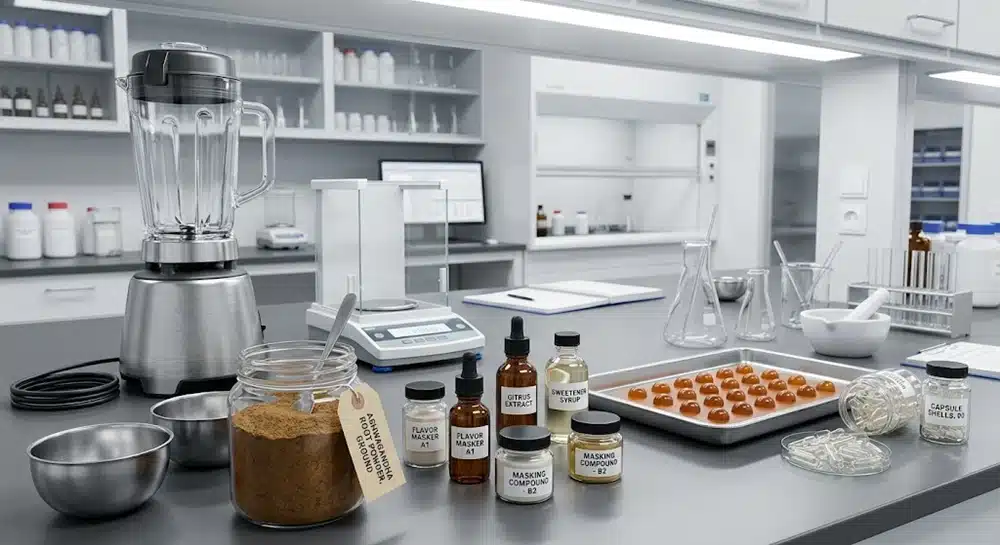
วิธีใช้ Ashwagandha ในผลิตภัณฑ์เสริมอาหารที่ผลิตเสร็จแล้ว
ผงรากมักใช้ในปริมาณระดับกรัมสำหรับผลิตภัณฑ์ dạngผง ซอง สมูทตี้ ชา และส่วนผสมแบบดั้งเดิม สารสกัดมักใช้ในปริมาณหลายร้อยมิลลิกรัม สำหรับแคปซูล เม็ด กัมมี่ และของเหลว สำหรับคำแนะนำในการใช้ของผู้บริโภค ให้ปฏิบัติตามฉลากของผลิตภัณฑ์สำเร็จรูป และหลีกเลี่ยงการถือว่าการเทียบเท่าของสารออกฤทธิ์เท่ากับปริมาณการใช้ทางคลินิก.
สำหรับการพัฒนาผลิตภัณฑ์ B2B ให้กำหนดสารชี้วัดเป้าหมายก่อน แล้วจึงคำนวณน้ำหนักส่วนผสม ปริมาณต่อส่วน รูปแบบการให้ยา ข้อกำหนดด้านประสาทสัมผัส และความต้องการด้านบรรจุภัณฑ์ การผลิตแบบทดลองควรยืนยันความสม่ำเสมอของส่วนผสม ความไหล ความไวต่อความชื้น และความเสถียรภาพ ก่อนที่จะขยายการผลิต.
ความปลอดภัยและผลข้างเคียง
จากผลการศึกษาระยะสั้น แอชวากันดาดูเหมือนจะมีความปลอดภัยในการใช้ แต่ความปลอดภัยในระยะยาวยังไม่ได้รับการยืนยันอย่างชัดเจน NIH ODS ระบุว่า แอชวากันดาอาจไม่เหมาะสมสำหรับบางคน รวมถึงผู้หญิงที่กำลังตั้งครรภ์หรือให้ลูกกินนม ผู้ที่มีภาวะผิดปกติของต่อมไทรอยด์ ตับ โรคภูมิคุ้มกันทำลายตนเอง หรือภาวะที่ไวต่อฮอร์โมน และผู้ที่ใช้ยากล่อมประสาท ยารักษาต่อมไทรอยด์ ยากดภูมิคุ้มกัน หรือยาอื่น ๆ ที่เกี่ยวข้อง.
สำหรับเจ้าของแบรนด์ การตรวจสอบความปลอดภัยควรดำเนินการทั้งในระดับส่วนผสมและผลิตภัณฑ์สำเร็จรูป ต้องกำหนดให้มีการทดสอบสารปนเปื้อน เช่น โลหะหนัก สารกำจัดศัตรูพืช สารละลายตกค้าง และจุลินทรีย์; ตรวจสอบข้อมูลจำเพาะของส่วนพืชและสารสกัด; และหลีกเลี่ยงการใช้คำที่บ่งชี้ถึงการรักษาโรคในข้อความที่แสดงต่อผู้บริโภค ผู้เชี่ยวชาญด้านสุขภาพควรให้คำแนะนำเกี่ยวกับการใช้ผลิตภัณฑ์แก่ผู้บริโภค โดยเฉพาะอย่างยิ่งสำหรับสารสกัดในปริมาณสูง หรือผลิตภัณฑ์ที่ผสมผสานกับส่วนผสมอื่น ๆ ที่เกี่ยวข้องกับการผ่อนคลาย การนอนหลับ ต่อมไทรอยด์ หรือฮอร์โมน.
คำถามที่พบบ่อย
สรุป
ผงรากอชวากันดาและสารสกัดอชวากันดามีวัตถุประสงค์ในการผลิตสูตรที่แตกต่างกัน ผงรากช่วยสนับสนุนการวางตำแหน่งผลิตภัณฑ์ที่ใช้รากทั้งต้น มีต้นทุนต่ำ และเหมาะสำหรับการผลิตเป็นผง ส่วนสารสกัดที่มาตรฐานช่วยสนับสนุนขนาดการบริโภคที่เล็กกว่า การควบคุมสารออกฤทธิ์อย่างแม่นยำ และการใช้งานที่สะดวกยิ่งขึ้นในแคปซูล เม็ด กัมมี่ ของเหลว และสูตรที่มีปริมาณน้อย.
สำหรับแบรนด์ผลิตภัณฑ์เสริมอาหาร การตัดสินใจที่ดีที่สุดไม่ใช่การเลือกระหว่าง “ผงหรือสารสกัด” อย่างแยกกัน แต่คำถามที่ดีกว่าคือ: ผลิตภัณฑ์สำเร็จรูปต้องการสารชี้วัดประสิทธิภาพใด รูปแบบการให้ยา ส่วนของพืชใด ลักษณะรสชาติใด เอกสารรับรองคุณภาพ (COA) แบบใด และกระบวนการผลิตอย่างไร? เมื่อปัจจัยเหล่านี้ชัดเจนแล้ว การเลือกส่วนผสมจะกลายเป็นการตัดสินใจทางเทคนิคในการพัฒนาสูตร แทนที่จะเป็นการคาดเดาทางการตลาด.
เอกสารอ้างอิง
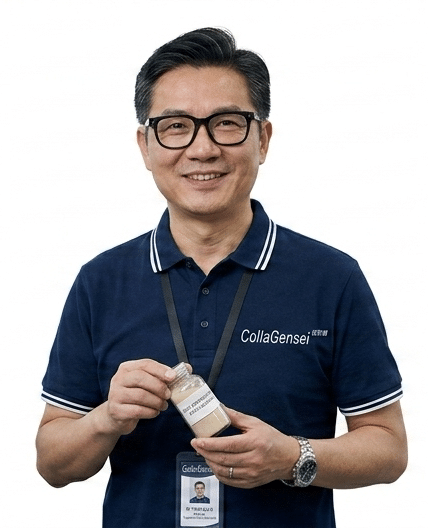
Warren Wan เป็นผู้เชี่ยวชาญที่มีประสบการณ์ยาวนานในห่วงโซ่อุปทานของผลิตภัณฑ์เสริมอาหาร โดยมีความรู้และประสบการณ์ทางปฏิบัติอย่างลึกซึ้งด้านการวิจัย พัฒนา การควบคุมกระบวนการผลิต และการจัดหาวัตถุดิบหลักจากทั่วโลก เช่น เปปไทด์คอลลาเจน โปรตีนจากน้ำซุปกระดูก และเคราติน ในฐานะผู้เขียนคอลัมน์นี้ เขามุ่งมั่นที่จะลอกเปลือกการตลาดออก และแปลงความรู้ทางวิทยาศาสตร์เกี่ยวกับส่วนผสมที่เข้าใจยาก รวมถึงมาตรฐานการควบคุมคุณภาพการผลิต ให้กลายเป็นเนื้อหาวิทยาศาสตร์ที่เข้าใจง่ายและเข้าถึงได้สำหรับทุกคน เพื่อช่วยให้ผู้อ่านเข้าใจความจริงที่ซ่อนอยู่เบื้องหลังฉลากผลิตภัณฑ์ และตัดสินใจเลือกผลิตภัณฑ์เพื่อสุขภาพได้อย่างมีเหตุผลมากขึ้น.