คู่มือฉบับสมบูรณ์เกี่ยวกับขนาดของแคปซูล: ตั้งแต่ขนาด 000 ถึงขนาด 5
บทนำ
ในอุตสาหกรรมอาหารเสริม ระบบการส่งมอบมีความสำคัญไม่แพ้กับส่วนผสมที่ออกฤทธิ์ ในขณะที่สูตรกำหนดประโยชน์ที่ได้รับ ขนาดของแคปซูลกำหนดประสบการณ์ที่ได้รับ การเลือกเปลือกแคปซูลที่ถูกต้องเป็นการปรับสมดุลเชิงกลยุทธ์: คุณต้องมั่นใจว่าแคปซูลมีปริมาตรเพียงพอที่จะบรรจุปริมาณเป้าหมาย (มิลลิกรัม) ในขณะเดียวกันก็ยังคงมีขนาดเล็กพอที่จะรับประกันการปฏิบัติตามของผู้บริโภคและการกลืนที่ง่าย.
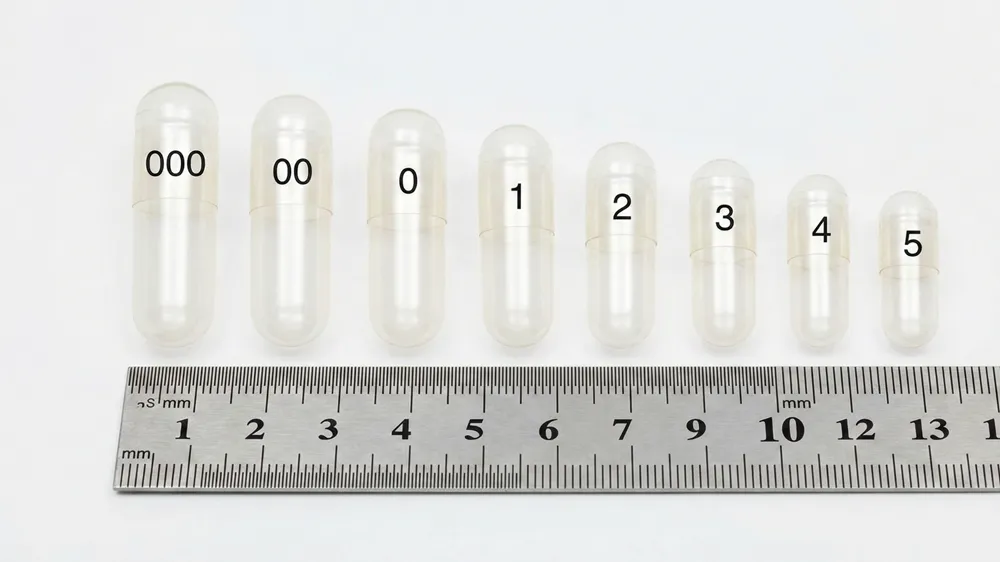
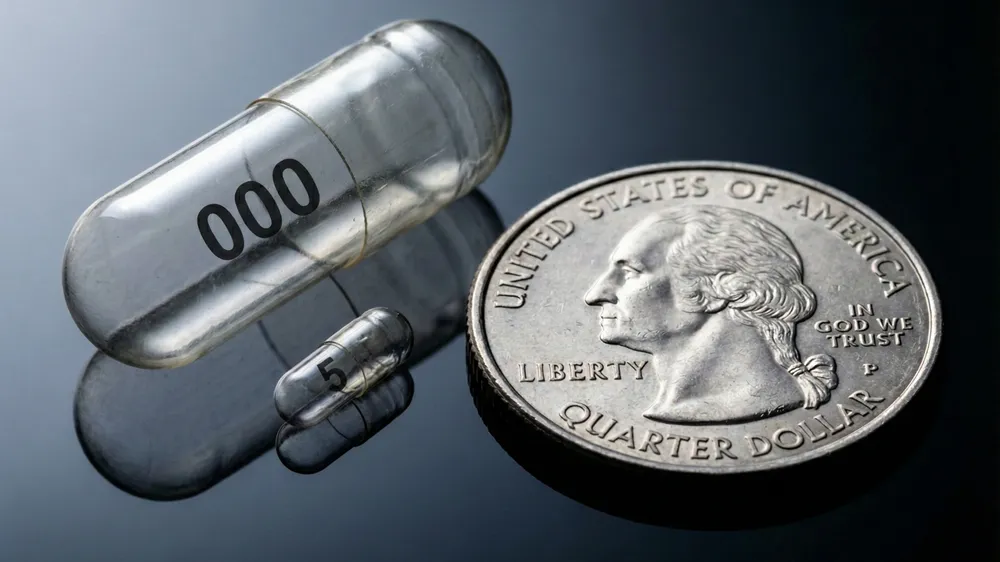
อุตสาหกรรมยาและอาหารเสริมทั่วโลกใช้มาตราส่วนตัวเลขมาตรฐานในการจำแนกมิติเหล่านี้ ขอบเขตนี้กว้างขวางมาก ตั้งแต่ขนาด 000 ที่ใหญ่มาก แคปซูล (ปัจจุบันเป็นขนาดแคปซูลที่ใหญ่ที่สุดที่มีจำหน่ายสำหรับการบริโภคของมนุษย์ทั่วไป) ไปจนถึงขนาดแคปซูลที่เล็กมากขนาด 5 ซึ่งโดยทั่วไปจะสงวนไว้สำหรับการใช้ในเด็กหรือสารออกฤทธิ์ทางเภสัชกรรมที่มีความเข้มข้นสูง (API).
มาตรฐานนี้ใช้บังคับไม่ว่าจะมีวัสดุใด ๆ ก็ตาม ไม่ว่าคุณจะใช้ขนาดแคปซูลเจลแบบดั้งเดิม (เจลาติน) หรือเปลือกแคปซูลมังสวิรัติสมัยใหม่ (HPMC) ขนาดภายนอกและกลไกการล็อกก็ยังคงเป็นไปตามข้อกำหนดระหว่างประเทศเดียวกัน.
ในคู่มือฉบับสมบูรณ์นี้ เราจะอธิบายรายละเอียดทางเทคนิคของทุกตัวเลือกอย่างละเอียด เราจะสำรวจตารางขนาดแคปซูลอย่างละเอียด เปรียบเทียบขนาดยอดนิยมระหว่าง Size 0 กับ 00 และอธิบายว่าความหนาแน่นของผงส่งผลต่อความจุมิลลิกรัม (mg) ของผลิตภัณฑ์ของคุณอย่างไร.
ตารางขนาดแคปซูลแบบครบถ้วน (มิลลิกรัม & มิลลิลิตร)
การทำความเข้าใจข้อกำหนดทางเทคนิคของแคปซูลอาจสร้างความสับสนได้ เพื่อช่วยให้คุณตัดสินใจเลือกสูตรได้อย่างถูกต้อง เราได้รวบรวมข้อมูลสำคัญไว้ในตารางอ้างอิงหลักนี้.
สิ่งนี้ ตารางขนาดแคปซูล ครอบคลุมขนาดทางกายภาพ (ความยาวและปริมาตร) และน้ำหนักที่รองรับได้ประมาณการสำหรับทั้งสองมาตรฐาน ขนาดแคปซูลเจล และทางเลือกมังสวิรัติ.
โปรดทราบว่าความจุมิลลิกรัม (mg) ที่ระบุไว้ด้านล่างเป็นเพียงการประมาณการโดยอิงจากความหนาแน่นมาตรฐานของผง 0.8 กรัม/มิลลิลิตร. หากผงของคุณฟู (มีความหนาแน่นต่ำ) หรือหนาแน่นมากขึ้น น้ำหนักจริงจะแตกต่างกัน.
📏 ตารางขนาดและปริมาณของแคปซูล
| ขนาดแคปซูล | ปริมาตร (มิลลิลิตร) | ความยาวที่ล็อค (มม.) | น้ำหนักที่รองรับได้ (มิลลิกรัม) (ที่ความหนาแน่น 0.6 กรัม/มิลลิลิตร) | น้ำหนักที่รองรับได้ (มิลลิกรัม) (ที่ความหนาแน่น 0.8 กรัม/มิลลิลิตร) | น้ำหนักที่รองรับได้ (มิลลิกรัม) (ที่ความหนาแน่น 1.0 กรัม/มิลลิลิตร) |
| ขนาด 000 | 1.37 มิลลิลิตร | 26.14 มิลลิเมตร | 822 มิลลิกรัม | 1096 มิลลิกรัม | 1370 มิลลิกรัม |
| ขนาด 00 | 0.95 มิลลิลิตร | 23.30 มิลลิเมตร | 570 มิลลิกรัม | เจ็ดร้อยหกสิบมิลลิกรัม | 950 มิลลิกรัม |
| ขนาด 0 | 0.68 มิลลิลิตร | 21.70 มิลลิเมตร | 408 มิลลิกรัม | 544 มิลลิกรัม | หกร้อยแปดสิบมิลลิกรัม |
| ขนาด 1 | 0.50 มิลลิลิตร | 19.40 มิลลิเมตร | 300 มิลลิกรัม | 400 มิลลิกรัม | 500 มิลลิกรัม |
| ขนาด 2 | 0.37 มิลลิลิตร | 18.00 มิลลิเมตร | 222 มิลลิกรัม | 296 มิลลิกรัม | 370 มิลลิกรัม |
| ขนาด 3 | 0.30 มิลลิลิตร | 15.90 มิลลิเมตร | 180 มิลลิกรัม | 240 มิลลิกรัม | 300 มิลลิกรัม |
| ขนาด 4 | 0.21 มิลลิลิตร | 14.30 มิลลิเมตร | 126 มิลลิกรัม | 168 มิลลิกรัม | 210 มิลลิกรัม |
| ขนาด 5 | 0.13 มิลลิลิตร | 11.10 มิลลิเมตร | 78 มิลลิกรัม | 104 มิลลิกรัม | 130 มิลลิกรัม |
🔍 หมายเหตุทางเทคนิคที่สำคัญ:
- ขนาด 00 แคปซูล ขนาด: ตามที่แสดงข้างต้น ขนาด 00 มีขนาดประมาณ 23.3 มิลลิเมตร เมื่อปิดฝาแล้ว. นี่คือตัวชี้วัดที่สำคัญสำหรับการเลือกขนาดขวด—หากแคปซูลของคุณยาวเกินไป คุณอาจต้องใช้ปากขวดที่ใหญ่ขึ้นบนบรรจุภัณฑ์ของคุณ.
- ตารางขนาดแคปซูล mg: คอลัมน์ “mg” เป็นคอลัมน์ที่มีความแปรปรวนมากที่สุด ค่าขนาดแคปซูลในตาราง mg ไม่เคยเป็นการรับประกัน แต่เป็นการคำนวณ ตัวอย่างเช่น สารสกัดสมุนไพรที่มีเนื้อฟูอาจบรรจุได้เพียง 600 มก. ในแคปซูลขนาด 00 ในขณะที่ส่วนผสมแร่ธาตุที่มีความหนาแน่นอาจบรรจุได้เกือบ 1000 มก.
แคปซูลขนาดใหญ่พิเศษ: ขนาด 000 และ 00 (สำหรับประสิทธิภาพสูงสุด)
เมื่อของคุณ การกำหนดสูตรต้องการ ปริมาณสูง (มากกว่า 600 มก. ต่อเม็ด) หรือเกี่ยวข้องกับผงที่มีลักษณะฟูและเบา (เช่น ใบสมุนไพร) แคปซูลมาตรฐานจะไม่สามารถบรรจุวัสดุได้พอดี นี่คือจุดที่เปลือกแคปซูลขนาดใหญ่เข้ามามีบทบาท.
ขนาด 000 แคปซูล – ขนาดแคปซูลที่ใหญ่ที่สุด
แคปซูลขนาด 000 ครองตำแหน่งที่ไม่เหมือนใครในตลาด. ได้รับการยอมรับอย่างกว้างขวางว่าเป็นขนาดแคปซูลที่ใหญ่ที่สุดที่มีให้สำหรับการบริโภคทางปากของมนุษย์มาตรฐาน.
- ความจุ: ด้วยปริมาตรขนาดใหญ่ถึง 1.37 มิลลิลิตร แคปซูลขนาด 000 เพียงหนึ่งเม็ดสามารถบรรจุผงได้ตั้งแต่ 800 มิลลิกรัม ถึง 1,300 มิลลิกรัม ขึ้นอยู่กับความหนาแน่น.
- แอปพลิเคชันที่ดีที่สุด: นี่คือตัวเลือกที่นิยมใช้สำหรับอาหารเสริมสำหรับการเพาะกาย (เช่น BCAA หรือครีเอทีน) หรือเส้นใยสมุนไพรที่มีปริมาณมาก ซึ่งผู้บริโภคยินดีที่จะกลืนเม็ดยาขนาดใหญ่เพียงเม็ดเดียวเพื่อหลีกเลี่ยงการรับประทานเม็ดเล็ก ๆ 3-4 เม็ด.
- การแลกเปลี่ยน: ขนาดที่ใหญ่มาก (ยาวกว่า 26 มิลลิเมตร) ทำให้ยากสำหรับหลายคนที่จะกลืน โดยทั่วไปไม่แนะนำให้ใช้สำหรับวิตามินรวมที่มุ่งเน้นผู้สูงอายุหรือเด็ก.
แคปซูลขนาด 00 – มาตรฐานอุตสาหกรรมสำหรับการรับประทานในปริมาณสูง
หากขนาด 000 คือ “ยักษ์” แล้ว แคปซูลขนาด 00 คือ “แชมป์เปี้ยนรุ่นใหญ่” ปัจจุบันเป็นตัวเลือกที่ได้รับความนิยมมากที่สุดสำหรับอาหารเสริมที่มีประสิทธิภาพสูงทั่วโลก เนื่องจากมีความสมดุลที่ดีระหว่างปริมาณและความสามารถในการกลืน.
- ความจุ: แคปซูลขนาด 00 บรรจุได้ประมาณ 0.95 มิลลิลิตร. สำหรับส่วนผสมเสริมมาตรฐานส่วนใหญ่ นี่เทียบเท่ากับน้ำหนักบรรจุของ 600 มิลลิกรัม ถึง 750 มิลลิกรัม.
- ขนาด 00 แคปซูล ขนาด: เป็นสิ่งสำคัญอย่างยิ่งสำหรับวิศวกรบรรจุภัณฑ์ที่จะต้องทราบ ขนาดแคปซูล 00: โดยประมาณ 23.3 มิลลิเมตร ในความยาวที่ถูกล็อกไว้และ 8.5 มิลลิเมตร เส้นผ่านศูนย์กลาง.
- ทำไมแบรนด์ถึงเลือกใช้: มันช่วยให้สามารถรับประทานในขนาด “2 เม็ดต่อวัน” สำหรับสูตรหลายสูตรที่หากใช้ขนาดเม็ดเล็กกว่าจะต้องรับประทานถึง 4 เม็ด ความมีประสิทธิภาพนี้ทำให้
แคปซูลขนาด 00เป็นที่นิยมสำหรับแมกนีเซียม กลูโคซามีน และสมุนไพรสูตรผสม.
แคปซูลขนาดกลางและมาตรฐาน: ขนาด 0 และ 1 (ที่ได้รับความนิยมจากผู้บริโภค)
ในขณะที่ “ใหญ่กว่าดีกว่า” สำหรับความเข้มข้น “เล็กกว่าดีกว่า” สำหรับประสบการณ์ของผู้บริโภค ช่วงกลางนี้ถือเป็นจุดที่ลงตัวที่สุดสำหรับแบรนด์อาหารเสริมเชิงพาณิชย์ที่ประสบความสำเร็จส่วนใหญ่.
แคปซูลขนาด 0 – ตัวเลือกที่ได้รับความนิยมมากที่สุด
หากคุณหยิบวิตามินรวมหรือยาปฏิชีวนะมาตรฐานจากชั้นวางในร้านขายยา มีโอกาสสูงที่มันจะเป็น แคปซูลขนาด 0.
- ขนาด “โกลดิล็อกส์”: แคปซูลขนาด 0 ได้รับการยอมรับอย่างกว้างขวางว่าเป็นมาตรฐานอุตสาหกรรมสำหรับอาหารเสริมทั่วไป. พวกมันง่ายต่อการกลืนมากกว่าขนาด 00 ที่ใหญ่กว่าอย่างมีนัยสำคัญ แต่ยังคงสามารถบรรจุปริมาณที่น่าพอใจได้ (0.68 มิลลิลิตร).
- ความจุ: โดยปกติแล้วคุณสามารถใส่ได้ 400 มิลลิกรัม ถึง 500 มิลลิกรัม ของผงลงในแคปซูลขนาด 0 ซึ่งเหมาะอย่างยิ่งสำหรับส่วนผสมที่มีปริมาณการใช้ต่อวันปานกลาง เช่น วิตามินซี หรือสมุนไพรผสมหลายชนิดที่ขนาดรับประทานต่อครั้งคือ 2-3 แคปซูล.
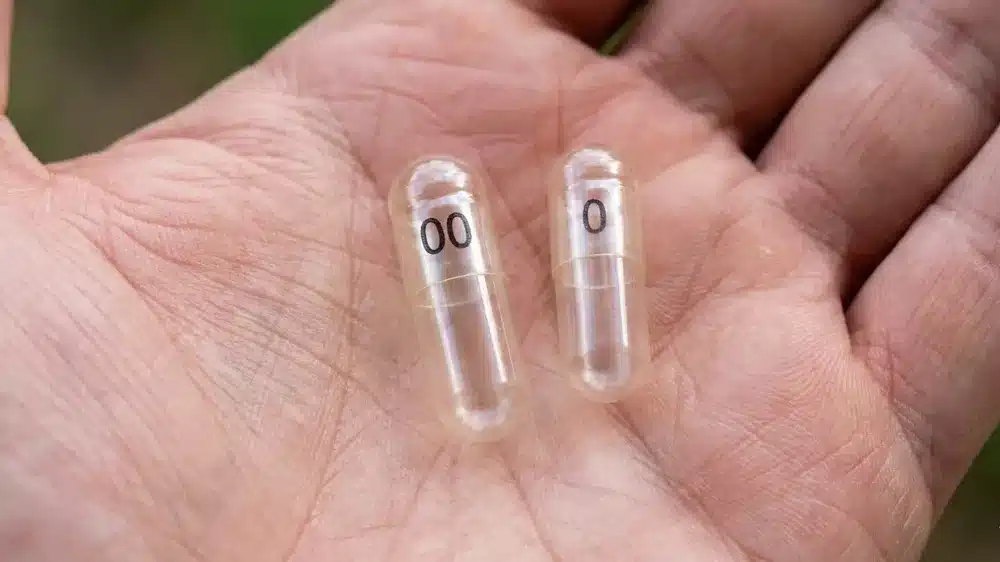
ขนาดแคปซูล 0 กับ 00: ควรเลือกแบบไหน?
นี่คือคำถามที่เราได้รับบ่อยที่สุดจากเจ้าของแบรนด์: ขนาดแคปซูล 0 เทียบกับ 00—อันไหนดีกว่า?
การตัดสินใจนี้ขึ้นอยู่กับการแลกเปลี่ยนระหว่าง ปริมาณ และ การปฏิบัติตามข้อกำหนด:
- ความแตกต่างของปริมาณ: แคปซูลขนาด 00 ประมาณ 40% ถึง 50% เพิ่มผง เล็กกว่า ขนาด 0. หากสูตรของคุณต้องการ 1500 มก. ต่อวัน การใช้ขนาด 00 หมายถึงผู้บริโภคต้องรับประทาน 2 เม็ด; การใช้ขนาด 0 อาจต้องใช้ 3 หรือ 4 เม็ด.
- การกลืนได้ ขนาด 0 คือผู้ชนะที่ชัดเจนในด้านประสบการณ์ผู้ใช้ หากกลุ่มเป้าหมายของคุณมีความอ่อนไหวต่อขนาดของยา (เช่น ผู้สูงอายุ) การบังคับให้พวกเขาต้องกลืนยาขนาดใหญ่ขนาด 00 อาจส่งผลให้มีการใช้ผลิตภัณฑ์ไม่สม่ำเสมอ.
คำแนะนำของเรา: เริ่มต้นด้วย แคปซูลขนาด 0 หากสูตรของคุณเหมาะสม ให้ใช้ขนาดเดิม หากจำนวนเม็ดยาไม่เหมาะสม (เช่น ผู้ใช้ต้องรับประทานยาเกิน 4 เม็ดต่อวัน) ให้อัปเกรดเป็นขนาด 00.
แคปซูลขนาด 1 – เหมาะสำหรับการใช้ในปริมาณปานกลาง
เลื่อนลงมาเล็กน้อยในลำดับ, แคปซูลขนาด 1 นำเสนอรูปลักษณ์ที่เพรียวบางและกะทัดรัด.
- ขนาด: ด้วยความยาวที่ล็อกไว้ประมาณ 19.4 มิลลิเมตร ทำให้กลืนได้ง่ายมาก.
- ความจุ: บรรจุประมาณ 300 มก. ถึง 400 มก. แคปซูลขนาด 1 เหมาะอย่างยิ่งสำหรับส่วนผสมที่มีฤทธิ์แรงซึ่งไม่จำเป็นต้องใช้สารเติมเต็ม.
- แอปพลิเคชันยอดเยี่ยม: พวกมันมักถูกใช้สำหรับผลิตภัณฑ์ที่มีส่วนผสมเดียวบริสุทธิ์ (เช่น วิตามินบีบางชนิด, สังกะสี, หรือสารสกัดเข้มข้น) ซึ่งหากใช้เปลือกขนาด 0 ที่ใหญ่กว่าจะทำให้ต้องเพิ่มสารเติมเต็มที่ไม่จำเป็นเพื่อเติมเต็มช่องว่าง.
แคปซูลขนาดเล็กและเฉพาะทาง: ขนาด 3, 4, และ 5
ในขณะที่แคปซูลขนาดใหญ่ครองพื้นที่ในแผนกโภชนาการกีฬา แต่ยังมีตลาดที่สำคัญสำหรับการวัดปริมาณที่แม่นยำ แคปซูลขนาดเล็กเหล่านี้มีความจำเป็นสำหรับส่วนผสมที่มีประสิทธิภาพสูง สูตรสำหรับเด็ก และการใช้งานทางสัตวแพทย์.
แคปซูลขนาด 3 – การวัดปริมาณที่แม่นยำ
แคปซูลขนาด 3 แสดงจุดเริ่มต้นเข้าสู่แคปซูล “ขนาดเล็ก”.
- ความจุ: ด้วยปริมาณของ 0.30 มิลลิลิตร, โดยปกติแล้วจะบรรจุผงไว้ประมาณ 150 มิลลิกรัม ถึง 200 มิลลิกรัม.
- แอปพลิเคชันยอดเยี่ยม: คุณจะพบได้บ่อย
ขนาด 3 แคปซูลใช้ในการทดลองทางคลินิก (การศึกษาแบบสุ่มตัวอย่างสองทาง) หรือสำหรับส่วนผสมที่ต้องการปริมาณน้อยแต่บ่อยครั้งเพื่อรักษาระดับในเลือดให้คงที่ พวกมันยังเป็นที่นิยมสำหรับสารสกัดจากสมุนไพรที่มีราคาแพงและมีความเข้มข้นสูง (เช่น Saffron หรือ Resveratrol บริสุทธิ์) ที่ปริมาณที่ใช้ในการออกฤทธิ์ต่ำ และหากเปลือกใหญ่เกินไปจะทำให้ดู “ว่างเปล่า”
ขนาด 4 แคปซูล – สำหรับเด็กและสัตว์
เมื่อเราเล็กลง, ขนาด 4 แคปซูล กลายเป็นเครื่องมือเฉพาะกลุ่มแต่มีความสำคัญ.
- ขนาด: เปลือกแคปซูลเหล่านี้สั้นกว่า (ประมาณ 14.3 มม. เมื่อปิดสนิท) และบางกว่าแคปซูลมาตรฐานอย่างมีนัยสำคัญ.
- แอปพลิเคชันยอดเยี่ยม: ขนาดกะทัดรัดทำให้เหมาะสำหรับประชากรที่มีปัญหาในการกลืน (dysphagia) เช่น เด็กหรือผู้สูงอายุ นอกจากนี้,
ขนาด 4 แคปซูลเป็นที่นิยมในอุตสาหกรรมการปรุงยาสำหรับสัตวแพทย์ในการให้ยาแก่สัตว์เลี้ยงขนาดเล็ก (แมวและสุนัขขนาดเล็ก) ที่ไม่สามารถกลืนยาเม็ดขนาดมาตรฐาน 0 ได้.
ขนาดแคปซูล 5 – ขนาดแคปซูลที่เล็กที่สุด
ในที่สุด เราก็มาถึงขีดจำกัดของการผลิตมาตรฐาน แคปซูลขนาด 5 ถือเป็นขนาดแคปซูลที่เล็กที่สุดที่สามารถใช้กับเครื่องบรรจุเชิงพาณิชย์ได้.
- ความจุ: บรรจุได้เพียงประมาณ 0.13 มิลลิลิตร (ประมาณ 75 มิลลิกรัมถึง 100 มิลลิกรัม) ซึ่งเล็กมากเมื่อเทียบกับขนาด 000.
- การใช้งาน: คุณจะไม่เห็น
ขนาด 5 แคปซูลบนชั้นวางของในซูเปอร์มาร์เก็ต. พวกมันถูกใช้เกือบจะอย่างเดียวสำหรับ:- ไมโครดอสซิ่ง: สารออกฤทธิ์ทางเภสัชกรรมที่มีความเข้มข้นสูงมาก (API).
- ยาสำหรับสัตว์เลี้ยง: สำหรับสัตว์ขนาดเล็กมากที่แม้แต่ขนาด 4 ก็ยังใหญ่เกินไป.
- เทคโนโลยีแคปซูลในแคปซูล บางครั้งแคปซูลขนาด 5 (บรรจุของเหลวหรือส่วนผสมที่ไม่เข้ากัน) ถูกใส่ ภายใน แคปซูลขนาดใหญ่ขึ้นเบอร์ 00 เพื่อสร้างระบบปล่อยตัวยาแบบสองชั้น.
ทำความเข้าใจความหนาแน่นของผง: ทำไม “มิลลิกรัม” จึงแตกต่างกัน?
หนึ่งในความหงุดหงิดที่พบบ่อยที่สุดสำหรับแบรนด์อาหารเสริมใหม่คือการเลือกแคปซูลตาม ตารางขนาดแคปซูล มิลลิกรัม คอลัมน์, แต่กลับพบว่าในระหว่างการผลิต ผงของพวกเขาไม่พอดี.

ทำไมสิ่งนี้ถึงเกิดขึ้น?
กฎของฟิสิกส์:
ปริมาตรแคปซูล (มิลลิลิตร) คงที่. น้ำหนักผง (มิลลิกรัม) เป็นตัวแปร.
แคปซูลขนาด 00 จะ เสมอ บรรจุปริมาตร 0.95 มิลลิลิตร อย่างไรก็ตาม ปริมาณเท่าไร น้ำหนัก (มิลลิกรัม) จะพอดีกับปริมาตร 0.95 มิลลิลิตรนั้น ขึ้นอยู่กับความหนาแน่นของผงของคุณทั้งหมด.
การเปรียบเทียบ “ขนนกกับตะกั่ว”
ลองคิดแบบนี้: ถังน้ำ (ปริมาตรคงที่) สามารถบรรจุหินได้ 10 กิโลกรัม แต่ถังน้ำใบเดียวกันนี้อาจบรรจุขนนกได้เพียง 1 กิโลกรัมเท่านั้น.
- ความหนาแน่นสูง (หนัก): ส่วนผสมเช่นแร่ธาตุ (แคลเซียมคาร์บอเนต, ซิงค์ออกไซด์) หรือเกลือผลึก. สิ่งเหล่านี้เหมือนหิน. คุณสามารถบรรจุน้ำหนักมหาศาลไว้ในเปลือกเล็ก ๆ ได้.
- ความหนาแน่นต่ำ (เบา/ฟู): ส่วนผสมเช่น ผงใบสมุนไพร (มะรุม, อัลฟัลฟา) หรือสารสกัดจากพืชที่ละเอียด. สิ่งเหล่านี้เหมือนขนนก. พวกมันใช้พื้นที่มากแต่มีน้ำหนักน้อยมาก.
ความหนาแน่นแบบกองเทียบกับความหนาแน่นแบบตบ
เมื่ออ่าน ตารางขนาดแคปซูล, ความจุ “mg” โดยทั่วไปคำนวณโดยใช้ความหนาแน่นมาตรฐานของ 0.8 กรัม/มิลลิลิตร. แต่ในโลกแห่งความเป็นจริง:
- ความหนาแน่นแบบมวลรวม: ปริมาตรที่ผงใช้เมื่อมันอยู่ในถุง (มีอากาศมาก).
- ความหนาแน่นที่วัดได้จากการตัก ปริมาตรที่ผงใช้หลังจากถูกสั่นหรือ “กด” ลงในเครื่องบรรจุแคปซูล. นี่คือตัวเลขที่สำคัญ.
ตัวอย่างจากโลกจริง:
- ส่วนผสม A (แร่ธาตุหนาแน่น): 1000 มก. อาจใส่ลงในแคปซูลขนาด 00 ได้อย่างง่ายดาย.
- ส่วนผสม B (สมุนไพรฟู): คุณอาจพบปัญหาในการใส่ปริมาณ 500 มิลลิกรัมของสิ่งนี้ลงไปในแคปซูลขนาด 00 ที่เหมือนกันพอดี.
คำแนะนำสำหรับผู้คิดค้นสูตร: อย่าพึ่งพาเพียงแผนภูมิทั่วไป ควรวัดเสมอ ความหนาแน่นที่วัดได้ ของส่วนผสมเฉพาะของคุณก่อนที่จะสั่งซื้อกระเป๋าแคปซูลเปล่าเป็นล้าน ๆ เม็ด หากความหนาแน่นของคุณต่ำ (เช่น 0.4 กรัม/มิลลิลิตร) คุณอาจจำเป็นต้องอัปเกรดไปใช้ขนาดที่ใหญ่ขึ้น (เช่น จากขนาด 0 เป็นขนาด 00) เพื่อให้ได้ปริมาณเป้าหมายที่ต้องการ.
วิธีเลือกขนาดที่เหมาะสมสำหรับผลิตภัณฑ์ของคุณ (ขั้นตอนต่อขั้นตอน)
การเลือกขนาดแคปซูลที่ถูกต้องไม่ใช่การเดา แต่เป็นการคำนวณ ทำตามกรอบ 4 ขั้นตอนนี้เพื่อให้แน่ใจว่าผลิตภัณฑ์ของคุณสามารถผลิตได้และเป็นมิตรกับผู้บริโภค.
ขั้นตอนที่ 1: คำนวณน้ำหนักสูตรทั้งหมดของคุณ
ขั้นแรก ให้กำหนดน้ำหนักรวมของสารออกฤทธิ์ทั้งหมดบวกกับสารช่วยเสริมที่จำเป็น (สารช่วยการไหล, สารเติมเต็ม) สำหรับหนึ่งขนาดการใช้.
- ตัวอย่าง: คุณต้องการ 500 มก. ของ Ashwagandha + 10 มก. ของสารช่วยการไหล = 510 มิลลิกรัม รวมทั้งหมด.
ขั้นตอนที่ 2: วัดความหนาแน่นของน้ำตาลที่ต้มแล้ว
ตามที่ได้กล่าวไว้ในหัวข้อความหนาแน่น อย่าเดา ให้ส่งผงของคุณไปยังห้องปฏิบัติการหรือใช้กระบอกตวงเพื่อหา ความหนาแน่นที่วัดได้.
- สูตร: น้ำหนักรวม (มก.) ÷ ความหนาแน่นที่ตอก (มก./มล.) = ปริมาตรที่ต้องการ (มิลลิลิตร).
- ตัวอย่าง: 510 มิลลิกรัม ÷ 0.75 กรัม/มิลลิลิตร = 0.68 มิลลิลิตร.
ขั้นตอนที่ 3: ตรวจสอบตารางขนาดแคปซูล
ดูที่ ปริมาตร (มิลลิลิตร) คอลัมน์ในของเรา ตารางขนาดแคปซูล ข้างต้น. หาขนาดที่เหมาะกับปริมาตรที่คุณคำนวณได้.
- ผลลัพธ์: ขนาด 0 เก็บไว้ 0.68 มิลลิลิตร. นี่คือคู่ที่สมบูรณ์แบบ.
- การตัดสินใจ: หากการคำนวณได้ 0.80 มิลลิลิตร คุณจะต้องอัปเกรดเป็น แคปซูลขนาด 00.
ขั้นตอนที่ 4: พิจารณาด้านประชากรศาสตร์ (การทดสอบ “นกนางแอ่น”)
ก่อนที่จะสรุป ให้ถาม: ใครเป็นคนรับผิดชอบเรื่องนี้?
- นักเพาะกาย: พวกเขาจะทนได้ แคปซูลขนาด 000 หรือ ขนาด 00 สำหรับความแรงสูง.
- ประชาชนทั่วไป: ขนาด 0 คือทางเลือกที่ปลอดภัยที่สุดเพื่อให้เป็นไปตามข้อกำหนดสูงสุด.
- เด็ก / ผู้สูงอายุ: หากคำนวณแล้วได้ขนาด 00 ให้พิจารณาแบ่งขนาดยาออกเป็นสองครั้ง ขนาด 1 หรือ ขนาด 3 แคปซูล เพื่อป้องกันอันตรายจากการสำลัก.
คำถามที่พบบ่อย
สรุป
ไม่ว่าคุณกำลังคิดค้นอาหารเสริมสำหรับนักกีฬาที่มีปริมาณสูงที่ต้องการ ขนาดแคปซูลที่ใหญ่ที่สุด (ขนาด 000) หรือขนาดไมโครโดสที่มีฤทธิ์แรงซึ่งต้องการ ขนาดแคปซูลที่เล็กที่สุด (ขนาด 5), การเข้าใจขนาดทางกายภาพเป็นสิ่งสำคัญอย่างยิ่งต่อความสำเร็จของแบรนด์คุณ.
สิทธิ ขนาดแคปซูล ไม่เพียงแต่เก็บส่วนผสมไว้เท่านั้น แต่ยังกำหนดต้นทุนการผลิตของคุณ ข้อกำหนดในการบรรจุภัณฑ์ (ขนาดขวด) และในที่สุด ความพึงพอใจของลูกค้าของคุณ.
ก้าวไปข้างหน้า อย่าพึ่งพาการประมาณการทั่วไป ไม่ว่าคุณจะใช้มาตรฐาน ขนาดแคปซูลเจล หรือเปลือกแคปซูลมังสวิรัติ HPMC เราขอแนะนำให้ขอชุดตัวอย่างเพื่อทดสอบความหนาแน่นของผงเฉพาะของคุณ.
- ต้องการภาพรวมที่กว้างขึ้นหรือไม่? เพื่อศึกษาข้อมูลเชิงลึกเกี่ยวกับวัสดุ กระบวนการผลิต และแนวโน้มตลาด โปรดอ่าน คู่มือฉบับสมบูรณ์เกี่ยวกับอาหารเสริมแคปซูล.
- พร้อมผลิตแล้วหรือยัง? ติดต่อทีมเทคนิคของเราวันนี้ เพื่อให้สูตรของคุณเข้ากับเปลือกที่สมบูรณ์แบบ.