
內容範圍: 膳食補充劑成分知識,並非醫療建議。.
最後更新時間: . 相關科學文獻及劑量安全限值均已參照美國國家衛生研究院(NIH)營養補充劑辦公室(ODS)的規定,以及現行營養補充劑製造指南進行核對。.
簡介
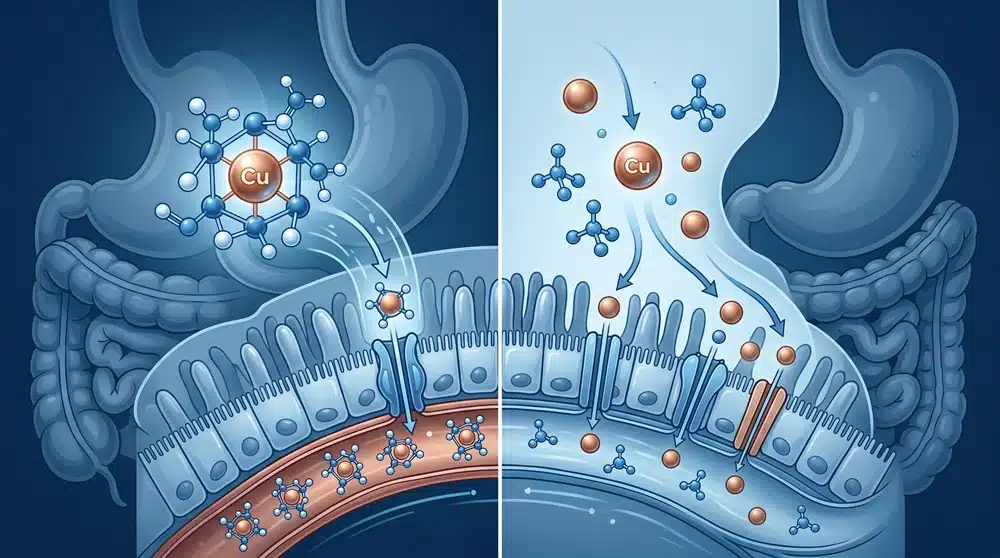
您有沒有想過為什麼有些人看起來活力充沛,而有些人卻在疲勞中掙扎,儘管他們服用同樣的營養補充品?好吧,讓我跟您分享一些我第一次知道時讓我大吃一驚的事情 - 秘訣往往不在於您的身體,而在於您的健康。 哪些 您服用的礦物質,但在 如何 今天,我們將探討銅補充劑的迷人世界,特別是螯合銅與一般形式的銅之間改變遊戲規則的差異。相信我,看完這篇文章之後,您再也不會用同樣的眼光來看待您的補充劑標籤了!
簡短回答: 螯合銅是指銅與有機配體(通常為甘胺酸等胺基酸)結合的化合物,旨在提高其在消化過程中的穩定性。相較於硫酸銅或氧化銅等常見的無機形式,螯合銅因耐受性較佳且與其他礦物質的相互作用較少,而常被選用;不過,目前關於人體生物利用度的數據仍相當有限。.
如果您不想捲動太多內容,也可以直接跳到螯合銅與銅表,讓您有清楚的比較 螯合銅與銅片.
螯合銅與一般銅有何不同?
螯合背後的科學原理
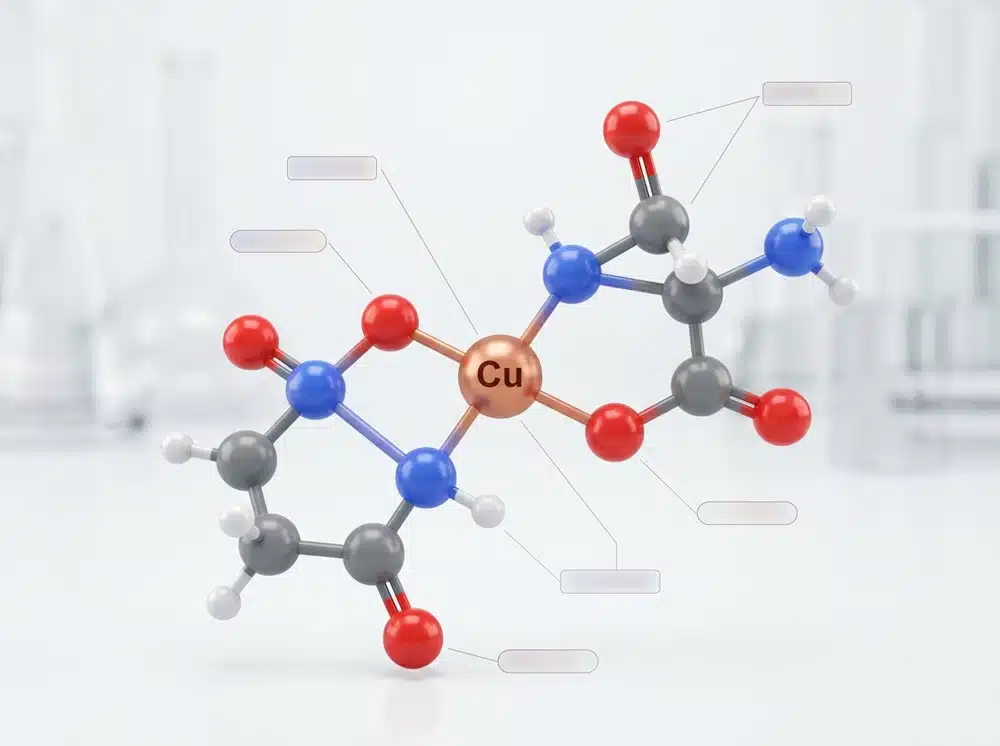
好吧,讓我們以一種實際合理的方式來分析這個問題。當我們談到螯合銅與銅時,我們基本上是在比較一種礦物質與一種礦物質的分別,前者已被賦予保護作用,而後者則嘗試單獨在您的消化系統中穿梭。
把普通銅(如硫酸銅或氧化銅)想像成一個名人,試圖在沒有保安的情況下穿過擁擠的街道。它可能會到達它要去的地方,但沿途會遇到很多障礙。 螯合銅另一方面,銅離子就像是擁有一組保鏢的名人 - 在這種情況下,胺基酸會包覆銅離子,保護它不受干擾。
螯合作用有助於使銅在通過胃和小腸的過程中保持在更穩定的螯合物狀態。這可能減少其與植酸鹽、纖維、鐵或鋅產生不必要的結合,並能改善某些配方中的實際耐受性。 然而,針對各種銅形態進行直接比較的人體對照研究數據有限,因此最確切的結論並非「所有螯合產品都必然更優」,而是當配方穩定性、胃部耐受性及礦物質相互作用控制至關重要時,螯合形態通常是較佳的選擇。.
您的身體如何辨識不同形式的銅
有趣的地方來了。您的小腸有特定的礦物質轉運器,但它們對於接受的礦物質相當挑剔。一般的銅離子通常會被拒之門外,或是與植酸鹽和其他腸道中的抗營養素結合。但是螯合銅呢?螯合銅就像是貴賓通行證,您體內的轉運器會立即辨認出來。
俄亥俄州立大學的 Robert DiSilvestro 博士發現,在人體試驗中,甘氨酸銅(一種特定的螯合形式)的吸收率明顯高於硫酸銅,螯合組的血漿銅含量增加了 15%(DiSilvestro,2018 年)。這不僅僅是一個數字 - 這就是感覺精力充沛與懷疑您的補充劑為什麼不起作用之間的差別!
| 銅表 | 吸收率 | 生物利用率 | 胃耐受性 |
|---|---|---|---|
| 硫酸銅 | 12-15% | 低 | 常引起噁心 |
| 氧化銅 | 低於 10% | 非常低 | 中度問題 |
| 螯合銅(甘氨酸鹽酸鹽) | 40-50% | 高 | 極佳的耐受性 |
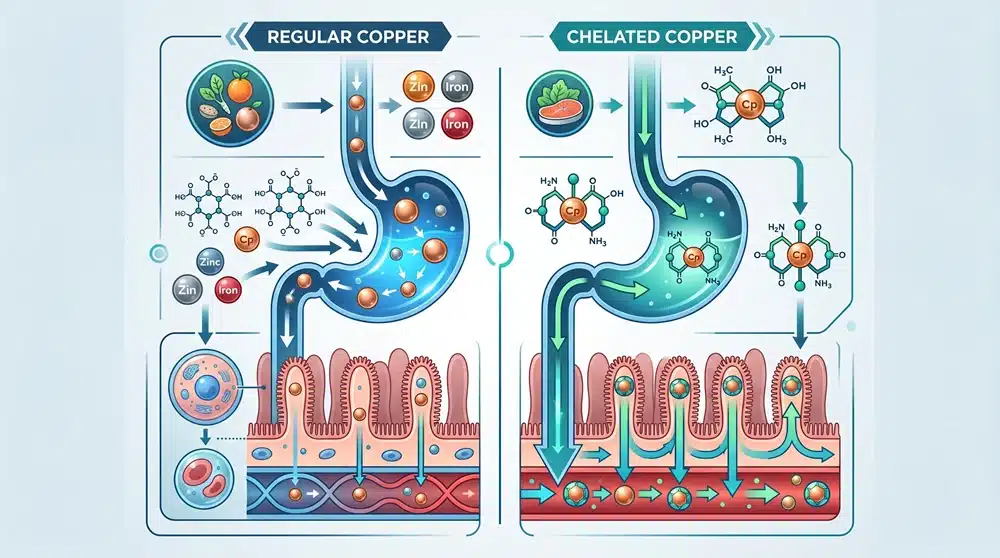
證據說明: 體外及動物研究顯示,有機銅來源(例如銅) 氨基酸螯合物, 銅蛋白螯合物或雙甘胺酸銅在消化及組織儲存方面的表現,可能與硫酸銅有所不同。針對消費者補充劑,應將這些研究結果作為配方設計的參考依據,而非對每個人皆能保證的臨床效果。.
普通銅無法比擬的螯合銅功效
優異的吸收性和生物利用率
讓我為您描繪一下,當您定期服用銅補充劑時會發生什麼。您把它和水一起吞下,感覺對您的健康很有幫助。但隨後,您的胃酸開始工作,銅突然與消化系統中的所有其他礦物質和化合物競爭。鐵會說 「讓開」,鋅會擋道,膳食纖維會製造路障。當它到達您的腸道時,可能只有 10-15% 能進入您的血液。
現在,讓我們來談談螯合銅的好處。由於螯合銅已經與胺基酸結合,因此可以繞過大部分的競爭性互作作用。研究顯示 礦物質營養 研究顯示,螯合礦物質即使在胃部惡劣的酸性環境 (pH 1.5-3.5) 中也能保持其完整性,讓吸收率達到 40-50% 或更高 (Ashmead, 2012)。
生物利用率的提高不僅僅是數字上的,而是實實在在的好處。服用螯合銅補充劑的人通常會在 2-3 週內報告體力水平有所改善,而服用一般形式的補充劑則需要 6-8 週。這是因為您的身體確實獲得足夠的銅來支持 30 種以上需要銅的酵素!
對消化系統溫和
您有沒有空腹服用過礦物質補充劑,然後馬上後悔?是的,我們都經歷過。一般的銅補充劑,尤其是硫酸銅,會引起噁心、胃痙攣,還有讓人想馬上刷牙的金屬味。
這就是螯合銅的真正優點。由於螯合銅已經是您身體所能辨識的形式,因此不會引發同樣的消化道反彈。事實上,許多從事 食品補充劑成分 和 OEM 解決方案 特別建議敏感的人使用螯合形式。胺基酸塗層就像緩衝劑一樣,保護銅及您的胃黏膜不直接接觸。
甘氨酸銅 (Copper Bisglycinate) 與甘氨酸銅 (Copper Glycinate):分解選項
瞭解這些螯合形式
現在,在螯合銅的世界裡,您經常會看到兩種螯合銅:甘氨酸銅與甘氨酸銅。別擔心 - 我不會對您嘮嘮叨叨,但瞭解它們的差異可以幫助您做出更好的選擇。
甘氨酸銅包含一個銅離子與一個甘氨酸分子結合。這就像是簡單的握手 - 有效但基本。另一方面,甘氨酸銅酸鹽則是一個銅離子與兩個甘氨酸分子結合。可以把它想像成一個完整的擁抱,而不是握手。這種雙重結合的結構更為穩定,研究顯示可在消化過程中提供更佳的保護。
發表在《生物微量元素研究》(Biological Trace Element Research)的一項研究發現,與甘氨酸銅相比,在補充 30 天後,甘氨酸銅在組織中的保留率為 23%(Predieri 等人,2015 年)。多出的甘氨酸分子看起來似乎是個小細節,但在 粉末補充劑製造, 這些細節讓一切都與眾不同!
哪種銅的形式最理想?
| 銅製表格 | 常見的標籤名稱 | 最適合 | 注意事項 | SEO 目標 |
| 雙甘胺酸銅 | 雙甘胺酸銅螯合物/TRAACS 型螯合物 | 腸胃敏感、優質礦物質配方、低劑量膠囊 | 原料成本上升;請核對分析報告(COA)中的元素銅含量 % | 銅的最佳形式;雙甘胺酸銅 |
| 甘氨酸銅 | 甘胺酸銅螯合物 | 螯合銅的一般定位原則 | 部分品牌對「甘胺酸鹽」/「雙甘胺酸鹽」的命名方式並不一致;請確認其結構與含量分析 | 甘氨酸銅與雙甘氨酸銅的比較 |
| 檸檬酸銅 | 檸檬酸銅 | 中價位配方中,檸檬酸鹽是可接受的 | 可能無法提供與胺基酸形式相同的螯合定位 | 檸檬酸銅與甘胺酸銅的比較 |
| 葡萄糖酸銅 | 葡萄糖酸銅 | 常見的綜合維生素與基礎營養補充品 | 減少「頂級螯合」的定位 | 葡萄糖酸銅與螯合銅的比較 |
| 硫酸銅 | 硫酸銅 | 低成本強化配方或非高級配方 | 較可能與飲食成分產生交互作用;對敏感使用者而言,可能較為刺激 | 硫酸銅與螯合銅的比較 |
| 氧化銅 | 氧化銅 | 成本極低的配方 | 常被認為生物利用度較低;高端定位較弱 | 氧化銅補充劑 |
| 膠體銅 | 膠體/液態銅 | 搜尋替代液態劑型的使用者 | 關於品質與劑量標準化的考量;避免宣稱優越性 | 膠體銅是否更好 |
您應該選擇哪一種?
那麼,甘氨酸銅與甘氨酸銅孰優孰劣?老實說,相較於非螯合形式,兩者都是很好的選擇。但是,如果您想要最大限度地吸收,而且您的腸胃又比較敏感,那麼甘氨酸銅通常會比較優勝。這就像是在好車和好車之間做選擇 - 兩者都能讓您達到目的,但其中一種可能會讓您的旅程更舒適。
就價格而言,甘氨酸銅通常比甘氨酸銅貴 10-20%,但考慮到吸收率的提升,長期而言,您可能會因為需要較少的劑量而節省金錢。各位,質量重於數量!
螯合銅補充劑:劑量與安全指引
找出您的最佳螯合銅劑量
這是個人化的問題 - 真的。正確的螯合銅用量取決於幾個因素,包括您目前的銅狀態、飲食攝取量和健康目標。成人的建議膳食攝取量 (RDA) 為每天 900 微克 (0.9 毫克),但請記住,這也包括飲食來源。
大多數的螯合銅補充劑每份提供 1-3 毫克。現在,在您擔心攝取過量之前,請記住吸收率很重要。如果您服用 2 毫克的螯合銅,吸收率為 45%,那麼您實際上獲得了約 0.9 毫克的螯合銅 - 正好達到目標!如果您服用 2 毫克硫酸銅,吸收率為 15%,那麼您只攝取到 0.3 毫克。
| 人口群組 | 建議每日銅含量 | 建議螯合銅劑量 |
|---|---|---|
| 成人(19 歲以上) | 900 微克 | 1-2 毫克 |
| 孕婦 | 1000 微克 | 2-3 毫克 |
| 運動員/現役個人 | 1000-1300 微克 | 2-3 毫克 |
需要注意的潛在螯合銅副作用
讓我們現實一點 - 如果使用不當,即使是最好的營養補充品也會產生問題。雖然螯合銅的副作用一般較為輕微和罕見,但知道要注意什麼還是很重要的。
最常見的副作用是什麼?輕微的金屬味,但比一般銅補充劑的副作用小很多。如果空腹服用高劑量,有些人可能會感到輕微噁心。好消息是什麼?這些副作用通常都是暫時性的,只要將補充劑與食物一起服用就可以避免。
較嚴重的副作用比較罕見,但如果長期攝取過量,則可能會產生副作用。銅攝入量過多的症狀包括腹痛、頭痛,在極端情況下還會引起肝臟問題。這就是可容忍攝入量上限設定為每天 10 毫克的原因 - 但請記住,您需要攝入大量的螯合銅才能達到這個水平,因為飲食來源通常每天提供 1-2 毫克的螯合銅。
銅的攝取量、每日建議攝取量(RDA)及上限
對於成人而言,銅的「建議膳食攝取量」(RDA)為每日 900 微克。孕婦每日需攝取 1,000 微克,哺乳期婦女則需每日攝取 1,300 微克。 成人的可耐受最高攝取量(UL)為每日 10,000 微克(即 10 毫克),此數值包含食物與營養補充品之總攝取量。大多數健康成人不應將銅視為「越多越好」的營養補充品。 在醫療專業人員確認存在攝取量不足、吸收不良、長期高劑量鋅攝取或其他特定需求時,補充銅才最為適當。患有威爾遜氏症、肝病或原因不明的高銅血症者,除非在臨床醫師監督下,否則應避免服用銅補充劑。.
如何根據您的需求選擇合適的銅補充劑
在螯合銅與銅補充劑之間作出選擇時,不必感到無所適從。以下是我根據多年的實戰經驗提供的實用指南:
首先,考慮您的消化道敏感度。如果您以前服用過補充劑有問題,螯合形式(尤其是甘氨酸鹽酸鹽)是您最好的選擇。它們就像是礦物質世界中溫和的巨人 - 強大但對您的腸胃很好。
接下來,請考慮您的預算與您的健康目標。是的,螯合銅的前期成本較高,但如果您只吸收 10% 的廉價補充劑與 45% 的螯合形式,哪一個才是真正更經濟實惠呢?這就像買鞋子一樣,有時候多花一點錢買到高品質的鞋子,長遠來說可以省下金錢(和不舒服的感覺)。
此外,請考慮您的生活方式。您是否正在服用其他補充劑?螯合銅可與其他營養補充品搭配使用,而一般的銅則可能會影響鐵和鋅的吸收。如果您要透過食物補充成份和 OEM 解決方案建立一套全面的補充程序,相容性是很重要的!
鋅與銅的平衡:什麼會阻礙銅的吸收?
長期高劑量補充鋅,是導致銅狀態隨時間推移而下降的最重要因素之一。鋅與銅在吸收過程中會相互競爭,而長期高劑量攝取鋅已被公認為導致銅缺乏的風險因素。這一點對於免疫配方、護髮配方及男性健康配方尤為重要,因為這些產品每份通常含有 15 至 50 毫克的鋅。.
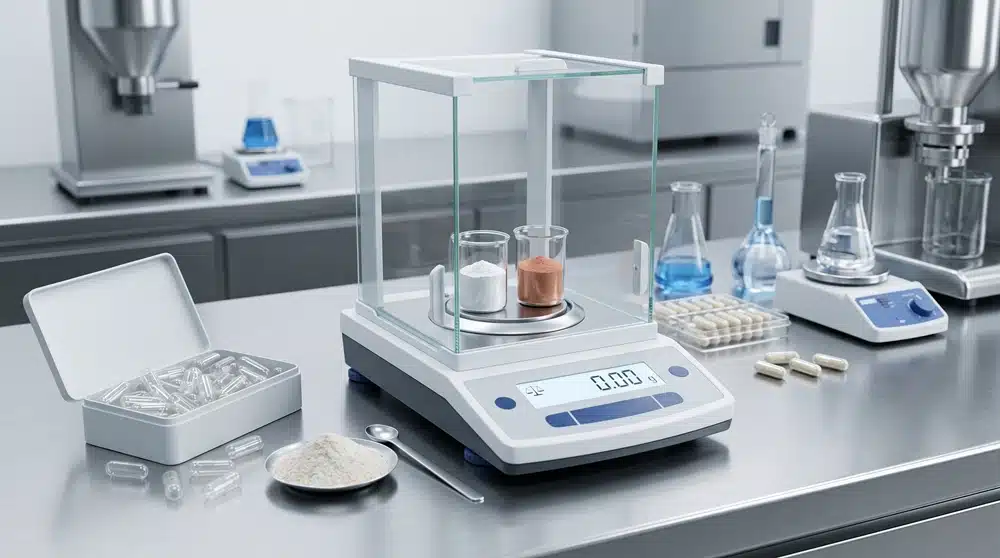
對於品牌配方師而言,解決方案並非隨意添加銅。相反地,應確認鋅的劑量、預期的每日使用期間、目標使用者群體,以及來自飲食與補充劑的總銅攝取量。一套均衡的鋅-銅配方應採用明確的元素礦物質標示、相容的形態,並透過經驗證的混合均勻性製程。.
實際配方應用
對於營養補充品品牌而言,實際的問題不僅在於「哪種銅的形態吸收效果更好?」,更在於「哪種形態能保持穩定、均勻混合,並符合成品的宣稱?」 在低劑量的微量礦物質配方中,螯合銅可能相當實用,因為該礦物質的添加量通常以毫克或微克為單位,此時均勻混合、元素銅的含量分析,以及與鋅或鐵的相互作用都至關重要。.
在「Gensei」配方評估中,當品牌進行開發時,通常會考慮使用雙甘胺酸銅或銅胺基酸螯合物:
- 一種鋅與銅的平衡配方;;
- 一款專為頭髮、肌膚及膠原蛋白設計的滋養配方;;
- 一種適用於……的礦物質複合物 膠囊, 藥片 或 粉末混合物;
- 一款適用於腸胃敏感者的礦物質產品,其中硫酸銅可能不符合該產品的定位。最終選擇應依據該批次的分析報告(COA)、銅元素含量百分比、網目尺寸、堆積密度、重金屬含量、微生物檢測結果,以及營養成分表中標示的建議服用份量來確認。.
製造商檢查清單:如何評估螯合銅原料
在為膠囊、錠劑、軟糖或粉末型營養補充品生產採購螯合銅時,僅憑標籤名稱是不夠的。採購團隊應確認:
- 1. 螯合形式:雙甘氨酸銅、甘氨酸銅、胺基酸銅螯合物或其他配體系統。.
- 2. 元素銅含量:通常依據實際批次的分析報告(COA),透過 ICP-OES 或 ICP-MS 進行確認。.
- 3. 鑑定:傅立葉變換紅外光譜(FTIR)或其他適當方法可協助確認原料的身份,並進行與螯合相關的指紋分析。.
- 4. 粒徑與堆積密度:對於膠囊填充、錠劑壓製以及低劑量預混劑的均勻性至關重要。.
- 5. 重金屬與微生物學:依據市場要求,檢測鉛、砷、鎘、汞、總菌數、酵母菌與黴菌、沙門氏菌及大腸桿菌。.
- 6. 穩定性與相容性:檢查對濕度的敏感性、顏色變化、與鋅/鐵/維生素 C 的相互作用,以及與最終劑型的相容性。7. 文件資料:合格證明書(COA)、安全資料表(SDS/MSDS)、技術資料表(TDS)、過敏原聲明、非轉基因聲明、原產國及批次追溯性。.
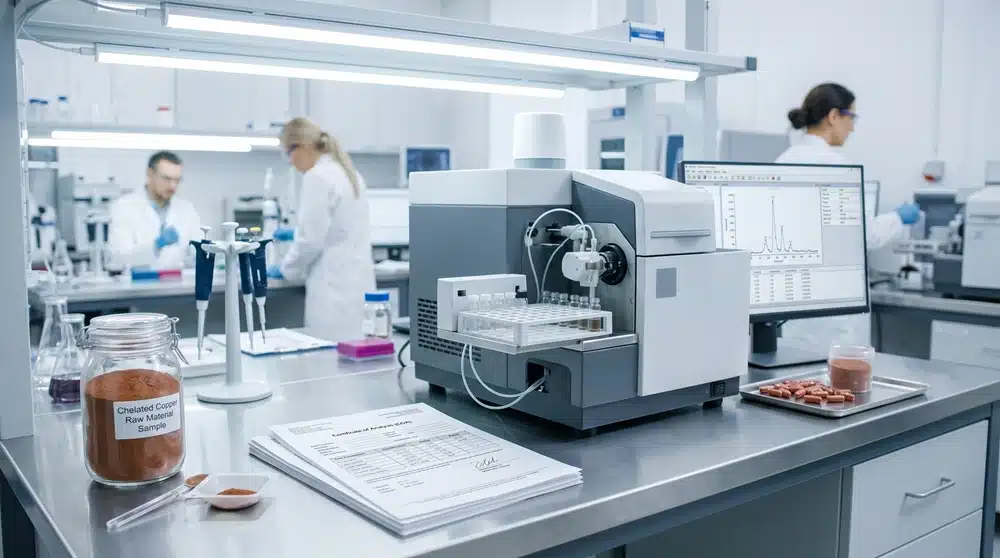
| 品質控制項目 | 為何這很重要 | 建議的頁面文字 |
| 元素銅分析 | 確定每份的實際銅含量,會影響標籤是否符合規定。. | 在計算每份份量之前,請先根據每批次的成分分析報告(COA)確認元素銅的百分比。. |
| 螯合特性/傅立葉轉換紅外光譜(FTIR) | 有助於驗證原料的來源及與螯合作用相關的特性。. | 請提供螯合銅原料的傅立葉變換紅外光譜(FTIR)或適當的鑑定資料。. |
| 顆粒尺寸/網目 | 這會影響混合均勻度、膠囊填充及錠劑壓製。. | 對於低劑量銅預混劑而言,顆粒大小與載體的匹配至關重要。. |
| 堆積密度/流動性 | 影響膠囊/錠劑/粉末的生產可行性。. | 在將樣品規模擴大至商業批次之前,請先檢查堆積密度。. |
| 重金屬 | 嚴格管控礦物原料至關重要。. | 根據目標市場,審查鉛(Pb)、砷(As)、鎘(Cd)及汞(Hg)的檢測結果。. |
| 微生物學 | 營養補充品原料的基本安全指標。. | 請按批次複習總可培養物(TPC)、酵母菌與黴菌、沙門氏菌及大腸桿菌。. |
| 穩定性/解析度 (LOD) | 銅鹽/螯合物可能會受到濕度的影響。. | 應密封存放於陰涼乾燥處;請確認乾燥損失率及保存期限資料。. |
螯合銅與銅片
螯合銅與一般銅
形式、優點和效果的綜合比較
| 比較因子 | 普通銅 (硫酸鹽、氧化物) |
螯合銅 (甘氨酸鹽、甘氨酸鹽) |
|---|---|---|
|
生物利用率
|
10-15%
胃酸干擾導致吸收率低 |
40-50%
透過受保護的通路達到優異的吸收效果 最佳選擇 |
|
科學形式
|
無機鹽 - 硫酸銅 (CuSO₄) |
有機複合物 - 甘氨酸銅 |
|
成本分析
|
$5-10/ 月
較低的前期成本 |
$15-25/month
較高的初始投資 |
|
胃耐受性
|
✗
常見副作用: |
✓
極佳的耐受性: |
|
結果速度
|
6-8 週
由於吸收不良,速度較慢 |
2-4 週
更好的利用率帶來更快的成果 |
|
建議劑量
|
2-4 毫克/天 由於吸收不良,需要較高劑量 |
1-2 毫克/天 較低劑量即可 |
|
與其他營養素的交互作用
|
✗
高干擾性: |
✓
最小干擾 |
|
最適合
|
- 注重預算的使用者 |
- 敏感腸胃 |
底線
雖然一般的銅補充劑前期價格較低、 螯合銅的吸收率高出 3-4 倍從長遠來看,螯合銅更符合成本效益。螯合銅 (尤其是甘氨酸鹽二鹽基銅) 擁有優異的生物利用度、最小的副作用以及更快的效果,對於想要優化銅質狀況與整體健康的人來說,螯合銅 (尤其是甘氨酸鹽二鹽基銅) 絕對是最佳選擇。
結論 - 做出明智的選擇
那麼,螯合銅與銅之爭的結果如何呢?如果您已瞭解我的立場 - 螯合銅,尤其是甘氨酸銅,具有更佳的吸收性、更佳的耐受性以及更可靠的效果。這不只是跟隨潮流,而是要了解科學,並選擇真正有效的方法。
請記住,您的身體是非常複雜的,您餵飼給它的礦物質必須是它可以實際使用的形式。選擇螯合銅就像選擇用母語跟別人說話,而不是希望他們能聽懂您的外語。這樣才更有意義!
無論您是追求更佳表現的運動員、疲勞症患者,或只是想要優化您的健康,您所選擇的銅的形式比您想像中重要。不要讓您的營養補充品成為昂貴的安慰劑 - 選擇您的身體可以真正使用的形式!
常見問題
什麼是螯合銅?
螯合銅是一種與有機分子(通常為甘胺酸等胺基酸)結合的銅形式。這種結構能提高礦物質在消化過程中的穩定性,並可能減少其與植酸鹽、鋅或鐵之間的不必要相互作用。.
雙甘胺酸銅與甘胺酸銅是一樣的嗎?
雖然這些名稱在營養補充品標籤上有時會被籠統地使用,但嚴格來說,「雙甘胺酸銅」是指銅與兩個甘胺酸分子結合的化合物。各品牌應核實實際的螯合形式、元素銅的百分比以及分析報告(COA),而非僅依賴行銷名稱。.
成人應攝取多少螯合銅?
成人每天需從食物和營養補充品中合計攝取 900 微克的銅。許多營養補充品每份含有 1 至 3 毫克的銅,但不應隨意攝取高劑量的銅。成人的每日上限為 10 毫克。.
哪些人應避免服用銅補充劑?
患有威爾遜氏症、肝病、原因不明的高銅血症,或正在接受醫療處方補充銅的人士,應避免在無人監督的情況下補充銅。孕婦或哺乳期婦女在單獨補充銅之前,應先諮詢臨床醫師。.
鋅會阻礙銅的吸收嗎?
高劑量的鋅補充劑可能會干擾銅的吸收,並可能隨著時間推移導致銅缺乏。正因如此,長期使用的鋅配方通常需要經過精心設計的銅平衡機制,而非單純增加鋅的劑量。.
品牌在採購螯合銅原料前應檢查哪些事項?
品牌應檢查元素銅含量、螯合形式、粒徑、堆積密度、重金屬、微生物學檢測、分析證明書(COA)、安全資料表(SDS)/技術資料表(TDS),以及與最終劑型的相容性。.
參考資料
- 美國國家衛生研究院(NIH)膳食補充劑辦公室(ODS)銅營養資料表
- 美國食品藥物管理局(FDA)DS 部門《良好製造規範(CGMP)小型實體合規指南》
- USP 膳食補充劑中的元素性污染物
- Healthline – 螯合礦物質
- Verywell Health – 銅的益處與風險
- 克利夫蘭診所——銅的益處
- PubMed – Wu 等人,2024 年,銅的生物可利用性
- 《動物科學期刊》——Deters 等人,2021 年
- Balchem 雙甘胺酸銅螯合物
- Collagensei 礦物質營養供應商

W. Wenyang 是一位資深專家,在膳食補充劑供應鏈領域擁有豐富經驗,尤其在膠原蛋白肽、骨湯蛋白及角蛋白等核心成分的研發、製程控制與全球採購方面具備深厚的實務經驗。 身為本專欄的作者,他致力於剝去行銷包裝的表象,將晦澀的成分科學與生產品質控制標準,轉化為淺顯易懂的硬核科普,協助讀者看清標籤背後的真相,並做出更理性的健康選擇。.