Content scope: dietary supplement ingredient education, not medical advice.
Last updated: [June 10, 2026]. Scientific references and dosage safety limits were checked against NIH ODS and current supplement manufacturing guidance.
Introduction
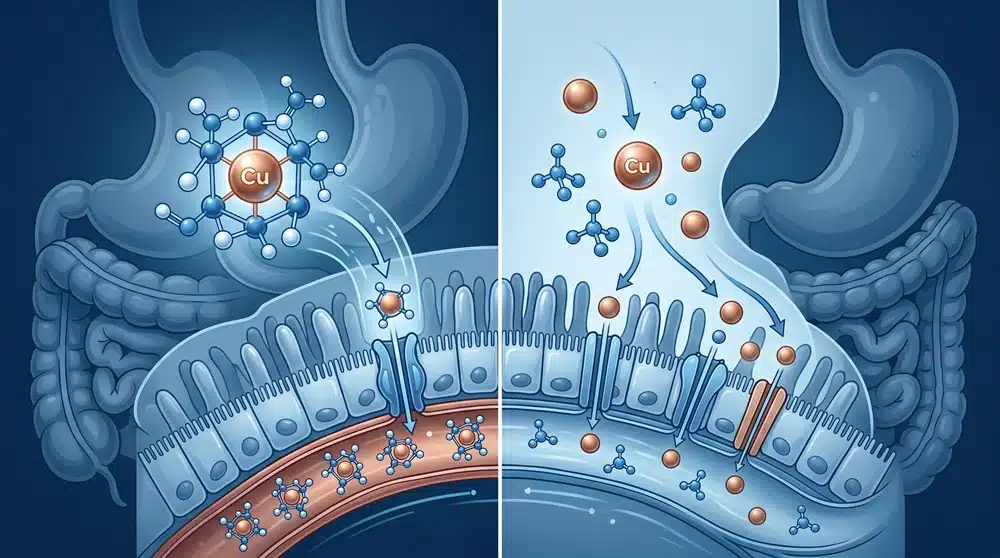
Have you ever wondered why some people seem to glow with vitality while others struggle with fatigue, despite taking the same supplements? Well, let me share something that blew my mind when I first learned about it – the secret often lies not in what minerals you take, but in how your body can actually use them.Today, we’re diving into the fascinating world of copper supplementation, specifically the game-changing difference between chelated copper vs copper in its regular forms. Trust me, by the end of this article, you’ll never look at your supplement label the same way again!
Quick answer: Chelated copper is copper bound to an organic ligand, usually an amino acid such as glycine, to improve stability during digestion. Compared with regular inorganic forms such as copper sulfate or copper oxide, chelated copper is often chosen for better stomach tolerance and fewer mineral interactions, although human bioavailability data are still limited.
If you don’t want to scroll through too much content, you can also jump directly to the Chelated Copper vs Copper table to give you a clear comparison Chelated Copper vs Copper table.
What Makes Chelated Copper Different from Regular Copper?
The Science Behind Chelation
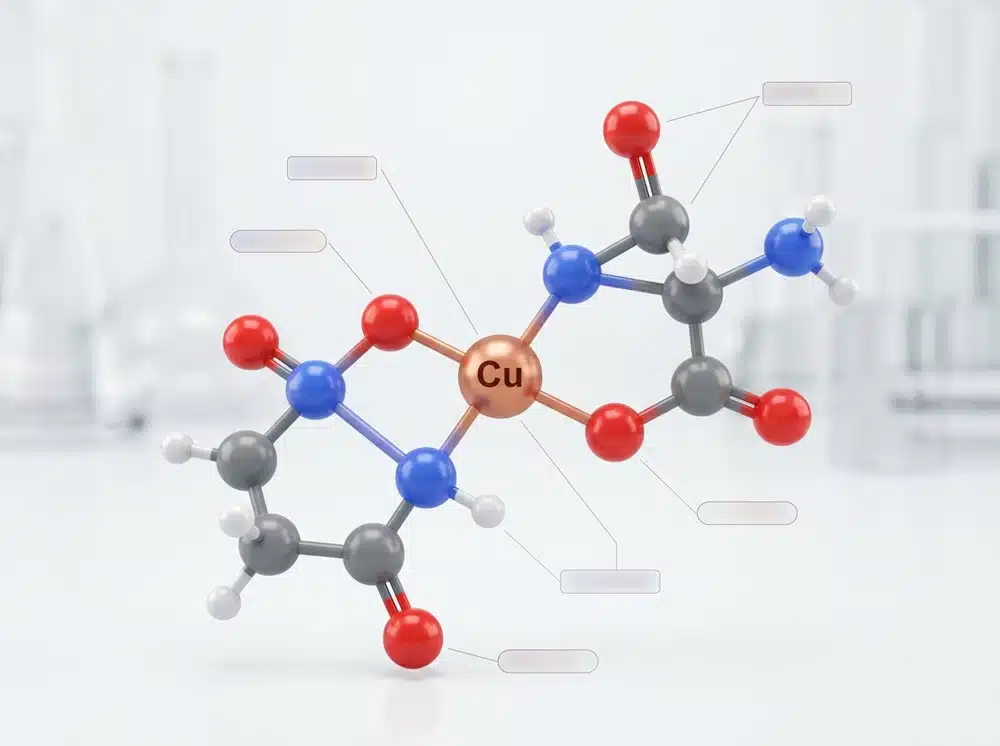
Okay, let’s break this down in a way that actually makes sense. When we talk about chelated copper vs copper, we’re essentially comparing a mineral that’s been given a protective escort versus one that’s trying to navigate your digestive system alone.
Think of regular copper (like copper sulfate or copper oxide) as a celebrity trying to walk through a crowded street without security. It might get where it needs to go, but it’ll face a lot of obstacles along the way. Chelated copper, on the other hand, is like that same celebrity with a team of bodyguards – in this case, amino acids that literally wrap around the copper ion, protecting it from interference.
Chelation can help keep copper in a more stable complex as it moves through the stomach and small intestine. This may reduce unwanted binding with phytates, fiber, iron or zinc and can improve practical tolerance in some formulas. However, human head-to-head data comparing every copper form are limited, so the strongest conclusion is not that every chelated product is always superior, but that chelated forms are often preferred when formulation stability, stomach tolerance and mineral-interaction control matter.
How Your Body Recognizes Different Copper Forms
Here’s where it gets really interesting. Your small intestine has specific transporters for minerals, but they’re pretty picky about what they’ll accept. Regular copper ions often get rejected at the door or bind with phytates and other anti-nutrients in your gut. But chelated copper? It’s like having a VIP pass that your body’s transporters recognize immediately.
Dr. Robert DiSilvestro from Ohio State University found that copper bisglycinate (a specific chelated form) showed significantly higher absorption rates than copper sulfate in human trials, with plasma copper levels increasing by 15% more in the chelated group (DiSilvestro, 2018). That’s not just a number – that’s the difference between feeling energized and wondering why your supplements aren’t working!
| Copper Form | Absorption Rate | Bioavailability | Stomach Tolerance |
|---|---|---|---|
| Copper Sulfate | 12-15% | Low | Often causes nausea |
| Copper Oxide | Less than 10% | Very Low | Moderate issues |
| Chelated Copper (Bisglycinate) | 40-50% | High | Excellent tolerance |
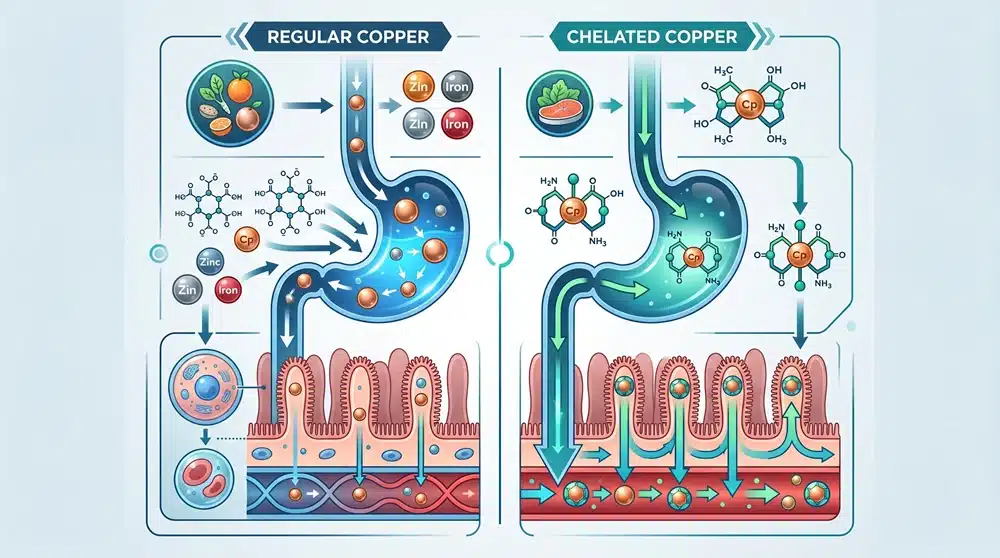
Evidence note: In vitro and animal studies suggest that organic copper sources such as copper amino acid chelate, copper proteinate or bisglycinate may behave differently from copper sulfate in digestion and tissue storage. For consumer supplements, use these findings as formulation guidance rather than a guaranteed clinical outcome for every person.
Chelated Copper Benefits That Regular Copper Can’t Match
Superior Absorption and Bioavailability
Let me paint you a picture of what happens when you take a regular copper supplement. You swallow it with water, feeling good about supporting your health. But then, your stomach acid goes to work, and suddenly that copper is competing with every other mineral and compound in your digestive system. Iron says “move over,” zinc jumps in the way, and dietary fiber creates roadblocks. By the time it reaches your intestines, maybe 10-15% actually makes it into your bloodstream.
Now, let’s talk about chelated copper benefits. Because it’s already bound to amino acids, it bypasses most of these competitive interactions. Studies in mineral nutrition have shown that chelated minerals can maintain their integrity even in the harsh acidic environment of the stomach (pH 1.5-3.5), allowing for absorption rates of 40-50% or higher (Ashmead, 2012).
This improved bioavailability isn’t just about numbers – it translates to real benefits. People taking chelated copper supplements often report improvements in energy levels within 2-3 weeks, compared to 6-8 weeks with regular forms. That’s because your body is actually getting enough copper to support the 30+ enzymes that depend on it!
Gentle on Your Digestive System
Ever taken a mineral supplement on an empty stomach and immediately regretted it? Yeah, we’ve all been there. Regular copper supplements, especially copper sulfate, are notorious for causing nausea, stomach cramps, and that metallic taste that makes you want to brush your teeth immediately.
But here’s where chelated copper really shines. Because it’s already in a form your body recognizes, it doesn’t trigger the same digestive rebellion. In fact, many people who work in Food Supplement Ingredients and OEM Solutions specifically recommend chelated forms for sensitive individuals. The amino acid coating acts like a buffer, protecting both the copper and your stomach lining from direct contact.
Copper Bisglycinate vs Copper Glycinate: Breaking Down the Options
Understanding These Chelated Forms
Now, within the world of chelated copper, you’ll often see two stars: copper bisglycinate vs copper glycinate. Don’t worry – I’m not going to get all chemistry professor on you, but understanding the difference can help you make a better choice.
Copper glycinate involves one copper ion bound to one glycine molecule. It’s like a simple handshake – effective but basic. Copper bisglycinate, on the other hand, has one copper ion bound to TWO glycine molecules. Think of it as a full embrace rather than a handshake. This double-binding creates an even more stable structure that research suggests may offer superior protection through the digestive process.
A study published in Biological Trace Element Research found that copper bisglycinate showed 23% better retention in tissue compared to copper glycinate after 30 days of supplementation (Predieri et al., 2015). That extra glycine molecule might seem like a small detail, but in the world of powder supplement manufacturing, these details make all the difference!
Which Copper Form Is Best?
| Copper form | Typical label name | Best for | Cautions | SEO target |
| Copper bisglycinate | Copper bisglycinate chelate / TRAACS-style chelate | Sensitive stomach, premium mineral formulas, low-dose capsules | Higher ingredient cost; verify elemental copper % on COA | best form of copper; copper bisglycinate |
| Copper glycinate | Copper glycinate chelate | General chelated copper positioning | Some brands use glycinate/bisglycinate names inconsistently; verify structure and assay | copper glycinate vs copper bisglycinate |
| Copper citrate | Copper citrate | Mid-cost formulas where citrate salts are acceptable | May not offer the same chelate positioning as amino-acid forms | copper citrate vs copper glycinate |
| Copper gluconate | Copper gluconate | Common multivitamins and basic supplements | Less “premium chelated” positioning | copper gluconate vs chelated copper |
| Copper sulfate | Cupric sulfate | Low-cost fortification or non-premium formulas | More likely to interact with diet matrix; may be harsher for sensitive users | copper sulfate vs chelated copper |
| Copper oxide | Cupric oxide | Very low-cost formulations | Often perceived as lower bioavailability; weak premium positioning | copper oxide supplement |
| Colloidal copper | Colloidal / liquid copper | Users searching alternative liquid forms | Quality and dose standardization concerns; avoid claiming superiority | is colloidal copper better |
Which One Should You Choose?
So, copper bisglycinate vs copper glycinate – which wins? Honestly, both are excellent choices compared to non-chelated forms. However, if you’re looking for maximum absorption and you have a sensitive stomach, copper bisglycinate often edges ahead. It’s like choosing between a good car and a great car – both will get you there, but one might make the journey more comfortable.
Price-wise, copper bisglycinate typically costs 10-20% more than simple glycinate forms, but considering the improved absorption, you might actually save money in the long run by needing lower doses. It’s quality over quantity, folks!
Chelated Copper Supplement: Dosage and Safety Guidelines
Finding Your Optimal Chelated Copper Dosage
Here’s where things get personal – literally. The right chelated copper dosage depends on several factors, including your current copper status, dietary intake, and health goals. The Recommended Dietary Allowance (RDA) for copper is 900 micrograms (0.9 mg) per day for adults, but remember, this includes dietary sources too.
Most chelated copper supplements provide 1-3 mg per serving. Now, before you panic about getting too much, remember that absorption rates matter. If you’re taking 2 mg of chelated copper with 45% absorption, you’re actually getting about 0.9 mg – right on target! Compare that to taking 2 mg of copper sulfate with 15% absorption, and you’re only getting 0.3 mg.
| Population Group | Recommended Daily Copper | Suggested Chelated Copper Dose |
|---|---|---|
| Adults (19+ years) | 900 mcg | 1-2 mg |
| Pregnant Women | 1000 mcg | 2-3 mg |
| Athletes/Active Individuals | 1000-1300 mcg | 2-3 mg |
Potential Chelated Copper Side Effects to Watch For
Let’s be real for a moment – even the best supplements can cause issues if not used properly. While chelated copper side effects are generally mild and rare, it’s important to know what to watch for.
The most common side effect? A slight metallic taste, though it’s much less pronounced than with regular copper supplements. Some people might experience mild nausea if taking high doses on an empty stomach. The good news? These effects are usually temporary and can be avoided by taking your supplement with food.
More serious side effects are rare but can occur with excessive intake over long periods. Signs of too much copper include abdominal pain, headaches, and in extreme cases, liver issues. This is why the Tolerable Upper Intake Level is set at 10 mg per day – but remember, you’d need to take A LOT of chelated copper to reach this level, considering dietary sources typically provide 1-2 mg daily.
Copper Dosage, RDA and Upper Limit
For adults, the Recommended Dietary Allowance (RDA) for copper is 900 mcg per day. Pregnant adults need 1,000 mcg per day, and lactating adults need 1,300 mcg per day. The adult Tolerable Upper Intake Level (UL) is 10,000 mcg, or 10 mg, per day from food and supplements combined.Most healthy adults should not treat copper as a “more is better” supplement. Copper supplementation is most appropriate when a healthcare professional has identified low intake, poor absorption, long-term high zinc use or another specific need. People with Wilson’s disease, liver disease or unexplained high copper status should avoid copper supplements unless supervised by a clinician.
How to Choose the Right Copper Supplement for Your Needs
Choosing between chelated copper vs copper supplements doesn’t have to be overwhelming. Here’s my practical guide based on years of experience in the field:
First, consider your digestive sensitivity. If you’ve had issues with supplements before, chelated forms (especially bisglycinate) are your best bet. They’re like the gentle giants of the mineral world – powerful but kind to your stomach.
Next, think about your budget versus your health goals. Yes, chelated copper costs more upfront, but if you’re only absorbing 10% of a cheaper supplement versus 45% of a chelated form, which one is really more economical? It’s like buying shoes – sometimes paying a bit more for quality saves money (and discomfort) in the long run.
Also, consider your lifestyle. Are you taking other supplements? Chelated copper plays nicely with others, while regular copper can compete with iron and zinc absorption. If you’re building a comprehensive supplement routine through Food Supplement Ingredients and OEM Solutions, compatibility matters!
Zinc and Copper Balance: What Blocks Copper Absorption?
High supplemental zinc is one of the most important factors that can reduce copper status over time. Zinc and copper can compete during absorption, and long-term high zinc intake is a recognized risk factor for copper deficiency. This is especially relevant for immune formulas, hair formulas and men’s health formulas that often contain 15-50 mg zinc per serving.
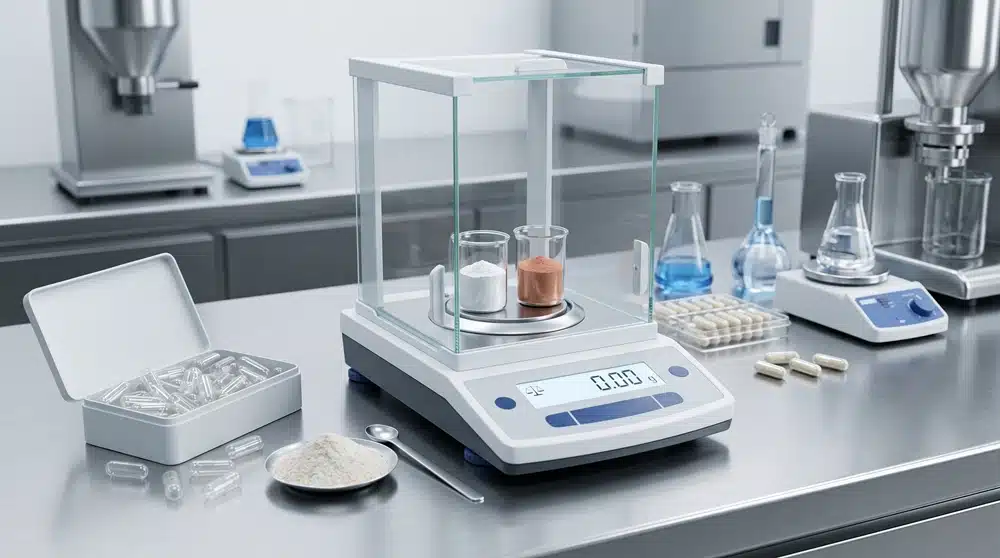
For brand formulators, the solution is not to add copper randomly. Instead, confirm the zinc dose, the intended daily use period, the target user group and the total copper from diet plus supplements. A balanced zinc-copper formula should use clear elemental mineral declarations, compatible forms and a validated blend uniformity process.
Real-World Formulation Applications
For supplement brands, the practical question is not only “which copper form absorbs better?” but also “which form stays stable, blends uniformly and matches the finished product claim?” In low-dose trace mineral formulas, chelated copper can be useful because the mineral is delivered in milligram or microgram amounts where uniform blending, elemental copper assay and interaction with zinc or iron are critical.
In Gensei formulation reviews, copper bisglycinate or copper amino acid chelate is typically considered when a brand is developing:
- a zinc-and-copper balance formula;
- a hair, skin and collagen support formula;
- a mineral complex for capsules, tablets or powder blends;
- a sensitive-stomach mineral product where copper sulfate may not fit the positioning.The final choice should be confirmed by the batch COA, elemental copper percentage, mesh size, bulk density, heavy metals, microbiology and the target serving size on the Supplement Facts panel.
Manufacturer’s Checklist: How to Evaluate Chelated Copper Raw Material
When sourcing chelated copper for capsules, tablets, gummies or powder supplement manufacturing, the label name alone is not enough. A procurement team should confirm:
- 1. Chelation form: copper bisglycinate, copper glycinate, copper amino acid chelate or another ligand system.
- 2. Elemental copper percentage: usually confirmed by ICP-OES or ICP-MS according to the actual batch COA.
- 3. Identification: FTIR or other suitable methods can support raw-material identity and chelation-related fingerprinting.
- 4. Particle size and bulk density: important for capsule filling, tablet compression and low-dose premix uniformity.
- 5. Heavy metals and microbiology: check lead, arsenic, cadmium, mercury, total plate count, yeast and mold, Salmonella and E. coli according to market requirements.
- 6. Stability and compatibility: check moisture sensitivity, color change, interaction with zinc/iron/vitamin C and finished dosage form.7. Documentation: COA, SDS/MSDS, TDS, allergen statement, non-GMO statement, country of origin and batch traceability.

| QC item | Why it matters | Suggested page wording |
| Elemental copper assay | Determining the actual copper content per serving affects label compliance. | Confirm elemental copper percentage by batch COA before calculating serving size. |
| Chelation identity / FTIR | Helps verify the identity of raw materials and characteristics related to chelation. | Request FTIR or suitable identification data for chelated copper raw material. |
| Particle size / mesh | It affects blend uniformity, capsule filling, and tablet compression. | For low-dose copper premixes, particle size and carrier matching matter. |
| Bulk density / flowability | Affects capsule/tablet/powder manufacturing feasibility. | Check bulk density before scaling from sample to commercial batch. |
| Heavy metals | Strict control of mineral raw materials is essential. | Review Pb, As, Cd and Hg results according to the target market. |
| Microbiology | Basic safety indicators for supplement raw materials. | Review TPC, yeast & mold, Salmonella and E. coli by batch. |
| Stability / LOD | Copper salts/chelates may be affected by humidity. | Store sealed, cool and dry; verify loss on drying and shelf-life data. |
Chelated Copper vs Copper table
Chelated Copper vs Regular Copper
A Comprehensive Comparison of Forms, Benefits, and Effectiveness
| Comparison Factor | Regular Copper (Sulfate, Oxide) |
Chelated Copper (Bisglycinate, Glycinate) |
|---|---|---|
|
Bioavailability
|
10-15%
Low absorption due to stomach acid interference |
40-50%
Superior absorption through protected pathways Best Choice |
|
Scientific Form
|
Inorganic Salts • Copper Sulfate (CuSO₄) |
Organic Complexes • Copper Bisglycinate |
|
Cost Analysis
|
$5-10/month
Lower upfront cost |
$15-25/month
Higher initial investment |
|
Stomach Tolerance
|
✗
Common side effects: |
✓
Excellent tolerance: |
|
Speed of Results
|
6-8 weeks
Slower due to poor absorption |
2-4 weeks
Faster results from better utilization |
|
Recommended Dosage
|
2-4 mg/day Higher doses needed due to poor absorption |
1-2 mg/day Lower doses sufficient |
|
Interaction with Other Nutrients
|
✗
High interference with: |
✓
Minimal interference |
|
Best For
|
• Budget-conscious users |
• Sensitive stomachs |
The Bottom Line
While regular copper supplements are more affordable upfront, chelated copper offers 3-4 times better absorption, making it more cost-effective in the long run. With superior bioavailability, minimal side effects, and faster results, chelated copper (especially bisglycinate form) is the clear winner for those serious about optimizing their copper status and overall health.
Conclusion – Making an Informed Choice
So, where does this leave us in the chelated copper vs copper debate? If you’ve made it this far, you probably already know my stance – chelated forms, particularly copper bisglycinate, offer superior absorption, better tolerance, and more reliable results. It’s not just about following trends; it’s about understanding the science and choosing what actually works.
Remember, your body is incredibly complex, and the minerals you feed it need to be in forms it can actually use. Choosing chelated copper is like choosing to speak to someone in their native language rather than hoping they understand your foreign words. It just makes more sense!
Whether you’re an athlete looking for better performance, someone dealing with fatigue, or simply wanting to optimize your health, the form of copper you choose matters more than you might think. Don’t let your supplements be expensive placebos – choose forms your body can actually use!
FAQs
What is chelated copper?
Chelated copper is a form of copper bound to an organic molecule, often an amino acid such as glycine. This structure can improve mineral stability during digestion and may reduce unwanted interactions with phytates, zinc or iron.
Is copper bisglycinate the same as copper glycinate?
The names are sometimes used loosely on supplement labels, but technically copper bisglycinate refers to copper bound with two glycine molecules. Brands should verify the actual chelation form, elemental copper percentage and COA rather than relying on the marketing name alone.
How much chelated copper should adults take?
Adults need 900 mcg of copper per day from food and supplements combined. Many supplements provide 1-3 mg per serving, but copper should not be taken casually at high doses. The adult upper limit is 10 mg per day.
Who should avoid copper supplements?
People with Wilson’s disease, liver disease, unexplained high copper status, or those taking copper under medical treatment should avoid unsupervised copper supplementation. Pregnant or lactating users should consult a clinician before adding standalone copper.
Does zinc block copper absorption?
High supplemental zinc can interfere with copper absorption and may contribute to copper deficiency over time. This is why long-term zinc formulas often need a carefully designed copper balance rather than simply increasing zinc dosage.
What should brands check before buying chelated copper raw material?
Brands should check elemental copper assay, chelation form, particle size, bulk density, heavy metals, microbiology, COA, SDS/TDS and compatibility with the finished dosage form.
References
- NIH ODS Copper Fact Sheet
- FDA DS CGMP Small Entity Compliance Guide
- USP <2232> Elemental Contaminants in Dietary Supplements
- Healthline – Chelated Minerals
- Verywell Health – Copper Benefits and Risks
- Cleveland Clinic – Copper benefits
- PubMed – Wu et al. 2024 copper bioaccessibility
- Journal of Animal Science – Deters et al. 2021
- Balchem Copper Bisglycinate Chelate
- Collagensei Mineral Nutrition Supplier

Warren Wan is a seasoned expert with extensive experience in the dietary supplement supply chain, possessing rich practical experience in the research, development, process control, and global sourcing of core ingredients such as collagen peptides, bone broth protein, and keratin. As the author of this column, he is dedicated to stripping away the marketing packaging, transforming obscure ingredient science and production quality control standards into easy-to-understand, hardcore science popularization, helping readers understand the truth behind the labels and make more rational health choices.