
Supplement Packaging Solutions for Dietary Supplement Brands
GENSEI provides supplement packaging solutions for capsules, tablets, powders, gummies, softgels, liquids, protein bars, stick packs, sachets, pouches, bottles, jars, blister packs, tubes and retail cartons.
We help supplement brands choose packaging formats, coordinate label application, review packaging compatibility, plan batch coding, support quality inspection and connect packaging with OEM, private label and contract manufacturing projects.
- Bottles, jars, pouches, stick packs, sachets and blisters
- Packaging support for capsules, gummies, powders, liquids and bars
- Label application, batch coding, expiry coding and inspection support
- Retail, ecommerce, export-ready and private label packaging options
Quick Answer: What Packaging Services Do We Support?
GENSEI supports supplement packaging for capsules, tablets, powders, gummies, softgels, liquids, protein bars, stick packs, sachets, pouches, jars, bottles, blister packs, tubes and retail cartons. We help brands choose packaging formats, coordinate label application, review packaging compatibility, plan batch coding, support quality inspection and connect packaging with OEM, private label and contract manufacturing projects.
Why Packaging Matters for Supplement Brands
Supplement packaging is not just a container. It affects product stability, shelf life, compliance, user experience, retail presentation, ecommerce shipping and brand trust.
Protects Product Quality
Moisture, oxygen, light, heat and handling can affect powders, gummies, probiotics, oils, softgels and effervescent tablets.
Supports Label and Batch Control
Correct labels, lot codes, expiry dates, barcode placement and tamper-evident features help reduce packaging risk.
Improves Sales Channel Fit
Retail, Amazon, DTC, subscription, export and distributor channels may require different packaging formats and outer cartons.
Shapes Brand Perception
Premium jars, glass bottles, matte pouches, cartons and single-serve formats can change how consumers perceive your product.
Supports Convenience
Stick packs, sachets, sprays, tubes and portable pouches can improve daily use, travel use and single-serving accuracy.
Enables Sustainability Positioning
Lightweight pouches, recyclable options, glass bottles, refill systems and reduced packaging can support brand goals.
Supplement Packaging Types at a Glance
Different packaging formats solve different problems. Use this matrix to compare common supplement packaging options.
| Packaging Type | Best For | Key Benefits | Watchouts |
|---|---|---|---|
| Bottles | Capsules, tablets, softgels, gummies and small-count products. | Familiar, retail-ready, label-friendly and easy for consumers to use. | Larger shipping volume and material choice matters for light or moisture sensitivity. |
| Jars and Tubs | Powders, gummies, protein, collagen, greens and bulk supplements. | Large label area, scoop space and strong shelf presence. | Bulky for ecommerce and may need liner, seal or desiccant review. |
| Zipper Pouches | Powders, refills, greens, protein, collagen and functional blends. | Lightweight, flexible, lower shipping weight and strong visual branding. | Requires barrier film, zipper quality and seal integrity review. |
| Stick Packs and Sachets | Powders, electrolytes, collagen, probiotics, fiber and travel-size servings. | Portable, precise serving, convenient and sample-friendly. | Higher unit packaging cost and requires strong film barrier selection. |
| Blister Packs | Tablets, capsules, softgels and unit-dose supplements. | Unit-dose protection, tamper evidence and strong compliance perception. | More packaging components and format-specific setup requirements. |
| Glass Bottles | Liquids, drops, premium formulas, oils and light-sensitive products. | Premium feel, strong product protection and good for selected liquids. | Heavy, fragile and higher shipping protection requirements. |
| Foil Pouches | Moisture-sensitive powders, probiotics, samples and single-dose products. | Strong barrier performance and lightweight structure. | Requires sealing control and clear label or print planning. |
| Tubes | Effervescent tablets, lozenges and selected specialty tablets. | Compact, convenient and strong for moisture-sensitive tablets. | Format-specific and usually needs desiccant or moisture protection review. |
| Retail Cartons | Premium supplements, blisters, bottles, sprays, sachets and ecommerce bundles. | Improves shelf presentation, information space and premium perception. | Adds cost and requires carton size, insert and logistics planning. |
| Ecommerce Mailers | DTC, Amazon, subscription and export-ready supplement shipments. | Improves transit protection and unboxing experience. | Needs drop, compression, leakage and outer packaging review. |
Packaging by Supplement Format
The best packaging choice depends on your dosage form, serving size, stability risk, label requirements and sales channel.
Capsule and Tablet Packaging
Bottles, blisters, cartons and count-based packaging for capsules, tablets and daily wellness formulas.
Powder Supplement Packaging
Tubs, jars, pouches, stick packs and sachets for collagen, protein, greens, electrolytes and probiotics.
Gummy Supplement Packaging
Jars, bottles, pouches and retail cartons for gummy formulas, with moisture, heat and texture review.
Softgel Supplement Packaging
Bottles, blisters and cartons for omega-3, oils, fat-soluble vitamins and softgel beauty products.
Liquid Supplement Packaging
Glass bottles, PET bottles, droppers, pumps, caps and cartons for liquids, drops, shots and oils.
Protein Bar and Functional Snack Packaging
Flow wraps, cartons, multipacks and display packaging for protein bars, collagen bars and meal replacement bars.
Stick Pack and Sachet Packaging
Single-serve packaging for hydration, collagen, electrolytes, probiotics, fiber and travel-ready supplements.
Effervescent Tablet Tube Packaging
Tube packaging for effervescent tablets, vitamin C, electrolytes, magnesium and hydration tablets.
Spray and Lozenge Packaging
Spray bottles, cartons, blister cards and tubes for oral sprays, lozenges and no-water formats.
Packaging and Co-Packing Services We Support
Beyond packaging selection, we help coordinate practical packing and finishing steps needed for supplement products.
Filling and Packing
Bottle filling, jar filling, pouch filling, sachet packing, stick pack packing, blister packing and carton packing.
Label Application
Label application for bottles, jars, pouches, tubes, cartons and other private label supplement packaging formats.
Batch and Expiry Coding
Lot number, batch code, manufacturing date and expiry date placement based on product and packaging format.
Retail Carton Packing
Retail cartons, inserts, multi-packs, display-ready packs and premium supplement packaging presentation.
Repacking and Rework Support
Project-specific repacking, label correction, outer box changes or packaging updates when feasible.
Quality Checking and Inspection
Appearance checks, packaging integrity, label verification, code checks and packing line inspection support.
Ecommerce-Ready Packaging
DTC, Amazon, subscription and export packaging support for shipping protection and consumer presentation.
Private Label Packaging
Packaging coordination for private label, OEM, ODM and contract manufacturing supplement projects.
How to Choose the Right Supplement Packaging
A good packaging decision should balance product protection, brand positioning, consumer convenience, compliance needs and cost.
Product Factors to Review
- Dosage form, such as capsule, gummy, powder, liquid, softgel or bar.
- Serving size, fill weight, count, scoop size or single-serve requirement.
- Moisture, oxygen, light, heat and leakage sensitivity.
- Need for desiccant, induction seal, liner, child-resistant cap or tamper evidence.
- Label space for Supplement Facts, ingredients, warnings, barcode and directions.
Market and Channel Factors to Review
- Sales channel: retail, Amazon, DTC, distributor, export or subscription.
- Brand positioning: premium, functional, natural, clinical, family or sports nutrition.
- Sustainability goals, including recyclable, lightweight, refill or glass options.
- Shipping durability, drop risk, compression risk and leakage risk.
- Target market labeling, language, barcode and documentation requirements.
Packaging Quality, Label Control and Documentation
Packaging quality control helps prevent mix-ups, leakage, label errors, damaged goods and stability problems.
Packaging Material Review
Review material type, barrier properties, closure compatibility, supplier documents and food-contact suitability where applicable.
Label Version Control
Support for checking label version, SKU name, barcode, Supplement Facts, batch code space and expiry date placement.
Packing Line Inspection
Inspection can include fill count, seal integrity, label placement, code legibility, carton condition and finished product appearance.
Packaging Risk Review
Different supplement formats have different packaging risks. Reviewing these early can reduce production, shipping and shelf-life problems.
| Risk | Why It Matters | Packaging Review |
|---|---|---|
| Moisture Sensitivity | Powders, gummies, probiotics and effervescent tablets may clump, degrade or lose quality. | Review barrier film, bottle seal, desiccant, induction seal and storage conditions. |
| Oxygen Exposure | Oils, omega-3 softgels, botanicals and certain actives may oxidize. | Review light barrier, oxygen barrier, bottle material, headspace and closure system. |
| Light Sensitivity | Some vitamins, oils and botanical ingredients can be light-sensitive. | Review amber bottles, opaque pouches, cartons and storage recommendations. |
| Transit Damage | Ecommerce shipping increases drop, vibration, compression and leakage risk. | Review carton strength, protective inserts, mailer box, leak testing and shipping configuration. |
| Label Mix-Up | Wrong labels, wrong SKU or wrong lot code can create compliance and recall risk. | Review label version control, line clearance, batch coding and inspection steps. |
| Opening and Reclosing | Multi-serve powders, gummies and capsules need repeat-use convenience and seal performance. | Review zipper pouch, screw cap, liner, tamper band, induction seal and closure fit. |
Sustainable and Ecommerce-Ready Packaging
Many supplement brands want packaging that looks premium, protects the product and fits modern retail or ecommerce channels.
Sustainable Packaging Options
- Lightweight pouches to reduce shipping weight.
- Recyclable packaging options where available.
- Glass bottles for premium formulas and selected liquids.
- Refill pouch concepts for powders or daily wellness products.
- Right-sized packaging to reduce excess material and shipping volume.
Ecommerce Packaging Options
- Outer cartons and mailer boxes for DTC and Amazon-style fulfillment.
- Leakage and closure review for liquids, oils and gummies.
- Drop and compression risk review for glass or premium packaging.
- Bundle and subscription pack support.
- Consumer-friendly unboxing and retail presentation options.
Our Packaging Development Process
A clear packaging process helps align product format, label needs, protection requirements, cost and launch timeline.
Project Brief
Share your product format, serving size, target market, order quantity, packaging preference and launch channel.
Packaging Format Review
We review whether bottles, jars, pouches, stick packs, blisters, tubes, cartons or other formats fit your product.
Compatibility Review
We consider moisture, oxygen, light, leakage, closure, shelf-life and shipping protection requirements.
Label and Code Planning
We review label area, barcode placement, batch coding, expiry coding and required product information layout.
Sample or Mockup
Packaging samples or mockups can help confirm size, appearance, label fit and consumer presentation.
Packing Setup
We coordinate filling, packing, sealing, labeling, coding, carton packing or other project-specific steps.
Inspection
Packaging inspection may include label placement, code legibility, seal integrity, count, appearance and carton condition.
Delivery Preparation
Finished goods are prepared for shipping, retail, ecommerce, distributor or export-ready delivery requirements.
What We Need to Quote Your Packaging Project
The more complete your project details are, the faster we can review packaging feasibility, MOQ, cost and timeline.
| Information Needed | Examples | Why It Helps |
|---|---|---|
| Product Format | Capsule, tablet, gummy, powder, liquid, softgel, bar, spray, lozenge or effervescent tablet. | Determines the packaging type, packing process and equipment requirements. |
| Fill Weight or Count | 60 capsules, 300g powder, 30 sachets, 60 gummies or 30ml liquid. | Determines container size, label area, carton size and unit cost. |
| Packaging Type | Bottle, jar, pouch, blister, stick pack, sachet, tube, carton or mailer box. | Helps define material sourcing, MOQ, lead time and artwork requirements. |
| Label Needs | Brand label, Supplement Facts, barcode, batch code, expiry date and warning statements. | Helps review label size, version control, compliance review and printing needs. |
| Target Market | United States, EU, UK, Middle East, Asia or other markets. | Helps review language, label information, barcode, carton and documentation requirements. |
| Shelf-Life Target | 12, 18, 24 or 36 months. | Helps review barrier packaging, closure, desiccant and stability needs. |
| Sustainability Goal | Recyclable, glass, lightweight, refill pouch, reduced plastic or ecommerce-ready. | Helps align brand positioning with packaging protection and cost. |
| Sales Channel | Retail, Amazon, DTC, subscription, distributor, export or professional channel. | Helps plan outer packaging, shipping protection and presentation requirements. |
| Order Quantity | Pilot run, first batch, scale-up order or repeat production. | Helps estimate MOQ, component sourcing, production planning and pricing. |
Supplement Packaging FAQ
Common questions about supplement packaging, co-packing, labels, batch coding, gummies, powders, capsules and ecommerce-ready formats.
What packaging options are available for supplements?
Common supplement packaging options include bottles, jars, pouches, stick packs, sachets, blister packs, glass bottles, tubes, cartons, wrappers and ecommerce-ready mailer boxes.
What is the best packaging for powder supplements?
Powder supplements are commonly packed in tubs, jars, pouches, sachets or stick packs. The best choice depends on serving size, moisture sensitivity, scoop needs, portability and sales channel.
What packaging is best for gummies?
Gummies are commonly packed in bottles, jars, pouches or cartons. Packaging should consider moisture, heat sensitivity, texture, seal integrity and shipping conditions.
Do you support supplement label application?
Yes. GENSEI can support label application for bottles, jars, pouches, tubes, cartons and other private label supplement packaging formats.
Can you help with batch coding and expiry coding?
Yes. Batch code, lot number, manufacturing date and expiry date placement can be planned based on product type, packaging format and target market requirements.
What packaging is suitable for ecommerce supplement brands?
Ecommerce brands may need mailer boxes, protective cartons, leak-resistant closures, strong outer packaging and packaging that can withstand shipping vibration, drops and compression.
Can you support sustainable supplement packaging?
Yes. Sustainable options may include lightweight pouches, recyclable materials, glass bottles, refill systems and right-sized packaging, depending on product stability and brand goals.
What information do you need for a packaging quote?
Please send your product format, fill weight or count, preferred packaging type, label needs, target market, shelf-life target, sustainability goals, sales channel and order quantity.
What is the difference between supplement packaging and co-packing?
Supplement packaging usually refers to the packaging format and components. Co-packing refers to the packing service itself, such as filling, labeling, coding, carton packing, inspection and delivery preparation.
Can packaging affect supplement shelf life?
Yes. Packaging can affect exposure to moisture, oxygen, light, heat and leakage. The right packaging can help protect product quality during storage, shipping and consumer use.
Can you help with private label supplement packaging?
Yes. GENSEI supports private label supplement packaging for capsules, tablets, powders, gummies, liquids, softgels, bars, stick packs and other supplement formats.
Do you support packaging for capsules, gummies, powders and liquids?
Yes. We support packaging for capsules, tablets, gummies, powders, liquids, softgels, protein bars, oral sprays, lozenges and effervescent tablets.
Start Your Supplement Packaging Project with GENSEI
Send us your product format, fill weight or count, preferred packaging type, label needs, target market, sales channel and estimated order quantity. Our team will help you review the right supplement packaging solution for your OEM, private label or contract manufacturing project.
food supplement packaging Service
Packaging is far more than just a container for your supplement product—it’s a critical business decision that impacts everything from product stability and shelf life to consumer perception and purchase behavior. The right packaging strategy can enhance your brand identity, improve customer experience, and provide a competitive advantage in the crowded supplement marketplace.
As a leading dietary supplements OEM manufacturer, we approach packaging as a strategic opportunity rather than just a functional necessity. This guide will help you understand not only what options are available, but more importantly, when and why to choose specific packaging solutions based on your unique product requirements, target market, and business objectives.
Supplement Packaging Types Comparison Analysis
| Packaging Type | Key Advantages | Key Disadvantages | Suitable Applications | Cost Level | Shelf Life |
|---|---|---|---|---|---|
| Capsule Bottles |
• Excellent sealing & moisture protection • Precise dosage control • Large branding space • High consumer acceptance • Reusable packaging |
• Higher packaging costs • Larger volume increases shipping costs • Plastic bottles less eco-friendly • Susceptible to moisture after opening |
• Premium supplement brands • Long-term storage products • Retail channel sales • Daily supplement products |
Medium | 18-36 months |
| Softgel Blister Packs |
• Individual seal maintains freshness • Portable and convenient • Excellent tamper-evidence • Professional appearance • Precise dosage control |
• Higher production costs • More packaging waste • Difficult to recycle • Challenging for elderly to open |
• High-value nutraceuticals • Pharmaceutical-grade supplements • Travel-size products • Gift packaging requirements |
High | 24-36 months |
| Powder Pouches |
• Low packaging costs • Easy transport and storage • Suitable for large doses • Customizable pouch sizes • Direct ingredient visibility |
• Relatively poor sealing • Prone to moisture and clumping • Less precise dosing • Lower-end brand image • Risk of spillage |
• Bulk protein powders • Meal replacement products • Cost-sensitive markets • Gym channel distribution |
Low | 12-24 months |
| Stick Packs |
• Excellent portability • Precise single-serve portions • Modern, trendy appearance • Appeals to younger consumers • Quick and easy consumption |
• Higher per-unit costs • More packaging material usage • Complex production process • Shorter shelf life potential |
• Ready-to-drink supplements • Sports nutrition products • Convenience store channels • Young consumer markets |
High | 12-18 months |
| Glass Bottles |
• Superior chemical stability • Premium brand positioning • 100% recyclable & eco-friendly • Excellent light protection • No flavor/odor migration |
• Heavy weight increases shipping costs • Breakage safety concerns • Highest packaging costs • Not suitable for large volumes |
• Premium essential oil products • Liquid vitamins • Luxury supplement brands • Light-sensitive formulations |
High | 24-48 months |
| Foil Pouches |
• Excellent barrier properties • Moderate cost • Lightweight for shipping • Heat-sealable closure • Superior light & moisture protection |
• Basic appearance quality • Non-resealable once opened • Requires transfer after opening • Complex aluminum recycling |
• Export trade packaging • Industrial-grade raw materials • Bulk purchasing customers • High preservation requirement products |
Medium | 18-36 months |
| Tubes |
• Convenient squeeze dispensing • Good sealing performance • Easy portion control • Modern, stylish appearance • Ideal for paste products |
• Limited product type compatibility • High cleanliness requirements • Complex filling process • Not suitable for powder products |
• Gel-based nutritionals • Paste-form supplements • Topical nutritional products • Children's nutritional supplements |
Medium | 18-24 months |
Selection Recommendations:
Premium Market: Choose capsule bottles or glass bottles to enhance brand image
Cost Control: Powder pouches and foil pouches offer the best cost-effectiveness
Portability Needs: Stick packs and softgel blister packs are most suitable
Preservation Requirements: Glass bottles and foil pouches provide optimal storage conditions
Environmental Considerations: Glass bottles are fully recyclable and the most eco-friendly option
Global Markets: Consider local regulations, consumer preferences, and distribution channels when selecting packaging
Additional Considerations for Global Markets:
- Regulatory Compliance: Different countries have varying requirements for supplement packaging materials and labeling
- Cultural Preferences: Some markets prefer traditional packaging while others favor innovative formats
- Climate Conditions: Tropical markets may require enhanced moisture protection
- Distribution Channels: E-commerce vs. retail stores may influence optimal packaging choice
Packaging Options We Offer
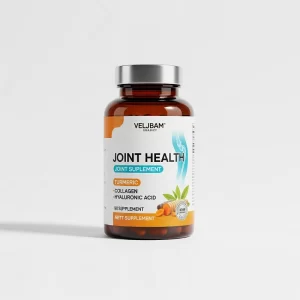
Plastic Bottles
Durable HDPE and PET bottles available in various sizes, colors, and styles. Ideal for tablets, capsules, and many powder formulations. Options include wide-mouth configurations, custom colors, and specialized shapes to enhance brand recognition.
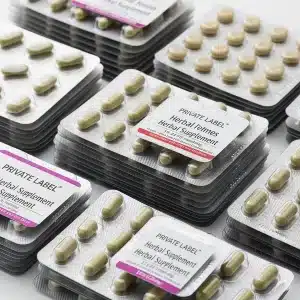
Blister Packaging
Individual dose protection that enhances product stability while providing tamper-evident benefits. Available in standard and custom configurations for tablets and capsules.
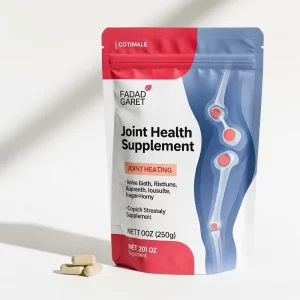
Zipper pouches
Zipper pouches offer exceptional versatility and cost-effectiveness for supplement packaging, featuring resealable convenience that maintains product freshness after multiple openings, lightweight construction that reduces shipping costs, excellent barrier properties that protect against moisture and contaminants, and space-efficient storage that maximizes shelf utilization. Their user-friendly design appeals to consumers who value portion control and extended product life, while the customizable printing surface provides ample branding opportunities, making them an ideal packaging solution for powder supplements, granular products, and bulk nutritional items where repeated access and preservation are essential.
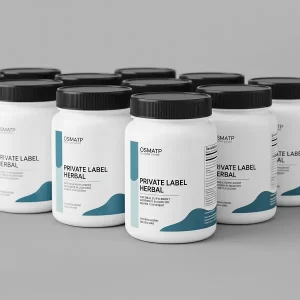
Plastic jars
Plastic jars provide superior product protection with excellent moisture and air barrier properties, durable construction that withstands handling and shipping stresses, wide-mouth opening that facilitates easy product access and accurate dosing, transparent or translucent design that allows consumers to view product contents and quantity, lightweight yet robust structure that reduces transportation costs while maintaining product integrity, and extensive customization options for labeling, colors, and sizes that enhance brand visibility and shelf appeal. Their tamper-evident closure systems ensure product safety and consumer confidence, while the reusable nature adds value for environmentally conscious consumers, making plastic jars the preferred choice for capsules, tablets, powders, and gummies where long-term storage stability and professional presentation are paramount.
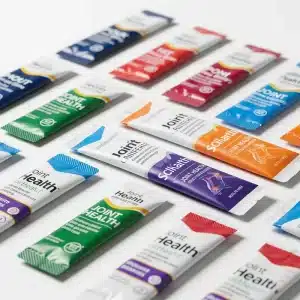
Sachets and Stick Packs
Sachets and stick packs represent the pinnacle of convenience and precision in supplement packaging, delivering exact single-serving portions that eliminate dosing guesswork while maximizing portability for on-the-go consumers, featuring superior barrier protection through multi-layer laminated films that preserve product stability and extend shelf life, and offering unparalleled marketing appeal through their modern, professional appearance that attracts younger demographics and premium market segments. Their compact, lightweight design significantly reduces storage space and shipping costs, while the tear-open functionality provides instant access without requiring additional tools or containers, making them ideal for powdered supplements, instant drinks, probiotics, and nutritional boosters where convenience, accuracy, and freshness are critical success factors. The individual packaging format also enhances product hygiene by preventing cross-contamination and moisture exposure that can occur with multi-serve containers, positioning sachets and stick packs as the preferred choice for innovative brands targeting active lifestyles and premium positioning.

Unit Dose Pouches, Sachets, Packets
Unit dose pouches, sachets, and packets represent the ultimate in pharmaceutical-grade precision and convenience, delivering exact predetermined dosages that eliminate measurement errors while ensuring optimal product efficacy and consumer safety, featuring advanced barrier technologies with multi-layer films that provide superior protection against moisture, oxygen, and light degradation to maintain product potency throughout the entire shelf life. Their individual sealed format prevents cross-contamination and preserves sterility, making them ideal for sensitive ingredients like probiotics, enzymes, and vitamins, while the compact, portable design appeals to modern consumers seeking grab-and-go convenience for travel, work, or active lifestyles. The tamper-evident single-use packaging enhances product integrity and consumer confidence, reduces waste through portion control, and enables innovative product formulations that might be unstable in bulk packaging, positioning unit dose formats as the premium choice for high-value nutraceuticals, personalized nutrition programs, and therapeutic supplements where accuracy, freshness, and professional presentation are non-negotiable requirements.

Sustainable, recyclable, planet-friendly options
Sustainable, recyclable, and planet-friendly packaging options represent the future of responsible supplement manufacturing, featuring biodegradable materials derived from renewable resources like plant-based polymers, recycled content, and compostable films that significantly reduce environmental impact while maintaining superior product protection and shelf stability. These eco-conscious solutions include glass containers that offer infinite recyclability without quality degradation, post-consumer recycled plastics that minimize virgin material consumption, and innovative bio-based materials such as mushroom packaging, seaweed films, and paper-based alternatives that decompose naturally without leaving harmful residues. The sustainable packaging approach extends beyond materials to include minimalist design principles that reduce overall packaging volume, concentrated formulations that decrease transportation footprints, and refillable container systems that promote circular economy principles, while advanced barrier technologies ensure product efficacy is never compromised. Modern consumers increasingly prioritize environmental responsibility in their purchasing decisions, making sustainable packaging a powerful differentiator that enhances brand reputation, meets regulatory requirements, attracts eco-conscious demographics, and demonstrates corporate social responsibility while contributing to global sustainability goals and reducing the supplement industry’s overall environmental footprint.
Closure and Sealing Systems
This refers to the caps, lids, and seals used to close a product container. For food supplements, the right closure and sealing system is vital for ensuring product freshness, moisture protection, tamper evidence, and child safety. Common types include screw caps, flip-tops, and press-on caps, often combined with induction seals, pressure-sensitive liners, or foil seals. The choice depends on product characteristics, consumer convenience, and regulatory requirements.
Sustainable Packaging Options
This encompasses environmentally friendly packaging materials and designs. As consumer environmental awareness grows, sustainable packaging is becoming increasingly important. In the food supplement sector, this means using recycled materials (like R-PET plastic, glass), biodegradable materials, compostable materials, or adopting designs that reduce material usage (lightweighting) and allow for reusability. This helps decrease the carbon footprint and enhances brand image.
Packaging for E-commerce and Direct-to-Consumer
This type of packaging is specifically designed for products sold online and shipped directly to consumers. It needs to be more durable to withstand the rigors of transit, preventing product damage from drops and impacts. Considerations also include logistical efficiency (optimized size and weight), the unboxing experience (providing a pleasant and easy-to-open experience), and compliance with specific e-commerce platform packaging requirements.
Custom Packaging Development
This involves designing and manufacturing unique packaging from scratch to meet a brand’s and product’s specific needs. It includes creating one-of-a-kind shapes, sizes, material choices, and integrated branding elements. Custom packaging helps a product stand out in a competitive market, reinforces brand identity, and can offer a superior user experience or enhanced product protection.
Label Design and Application
This covers all the visual and textual information on a package, as well as the process of attaching it to the container. For food supplements, label design must clearly communicate brand messaging, product ingredients, usage instructions, health claims, and warning information. Label application requires precision and durability, adhering to all regulatory requirements such such as font size, mandatory statements, and “Supplement Facts” panels.
Quality Standards and Certifications
These are systems that ensure packaging materials and manufacturing processes comply with specific industry norms and safety standards. For food supplement packaging, important standards include food-grade material certifications (ensuring materials won’t contaminate the product), ISO certifications (quality management systems), GMP (Good Manufacturing Practices) compliance, and certifications related to sustainability or specific material origins. These certifications are foundational for product safety and brand credibility.
Getting Started with Your Packaging Project
This refers to the steps and considerations for launching a new product packaging project or redesigning existing packaging. It typically involves defining product needs (e.g., product form, shelf-life requirements), setting a budget, selecting packaging materials and types, communicating design concepts, prototyping and testing, choosing suppliers, and finally, production and quality control. Clear planning is key to project success.