対象範囲: 栄養補助食品の成分に関する情報であり、医学的アドバイスではありません。.
最終更新日: [June 10, 2026]. Scientific references and dosage safety limits were checked against NIH ODS and current supplement manufacturing guidance.
はじめに
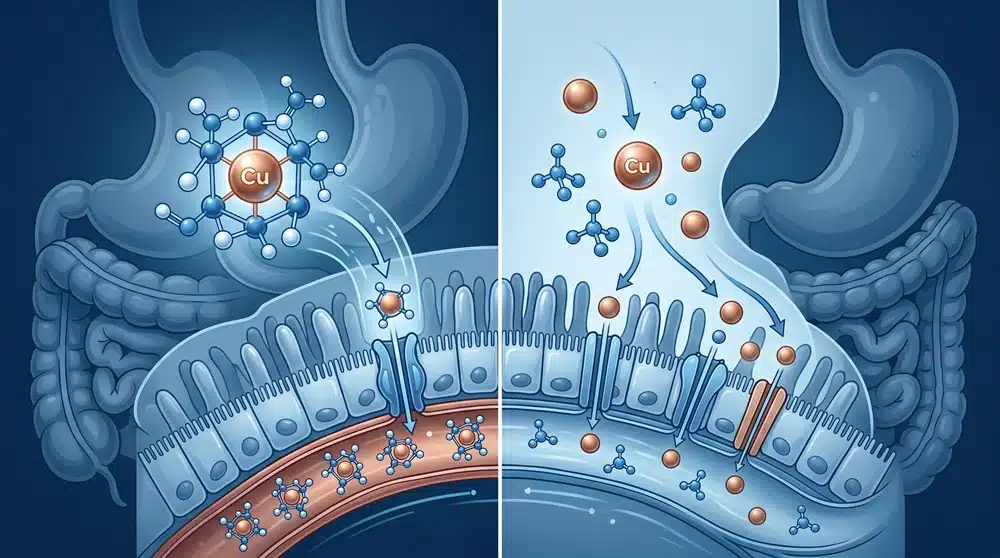
同じサプリメントを摂っているにもかかわらず、ある人は活力にあふれ、ある人は疲労と闘っているのを不思議に思ったことはないだろうか。その秘密は、サプリメントにあるのではありません。 何 ミネラルを摂取する。 どのように 今日は、銅サプリメントの魅力的な世界に飛び込み、特にキレート銅と通常の銅の違いを説明します。信じてください、この記事が終わる頃には、あなたはサプリメントのラベルを二度と同じようには見なくなるでしょう!
簡単な答え: キレート化された銅とは、消化過程での安定性を高めるために、有機配位子(通常はグリシンなどのアミノ酸)と結合した銅のことです。硫酸銅や酸化銅などの一般的な無機形態と比較して、キレート化された銅は胃への負担が少なく、他のミネラルとの相互作用も少ないため、しばしば選ばれますが、ヒトにおける生物学的利用能に関するデータはまだ限られています。.
多くのコンテンツをスクロールしたくない場合は、キレート銅と銅の比較表に直接ジャンプすることもできます。 キレート銅 vs 銅テーブル.
キレート銅は通常の銅と何が違うのですか?
キレーションを支える科学
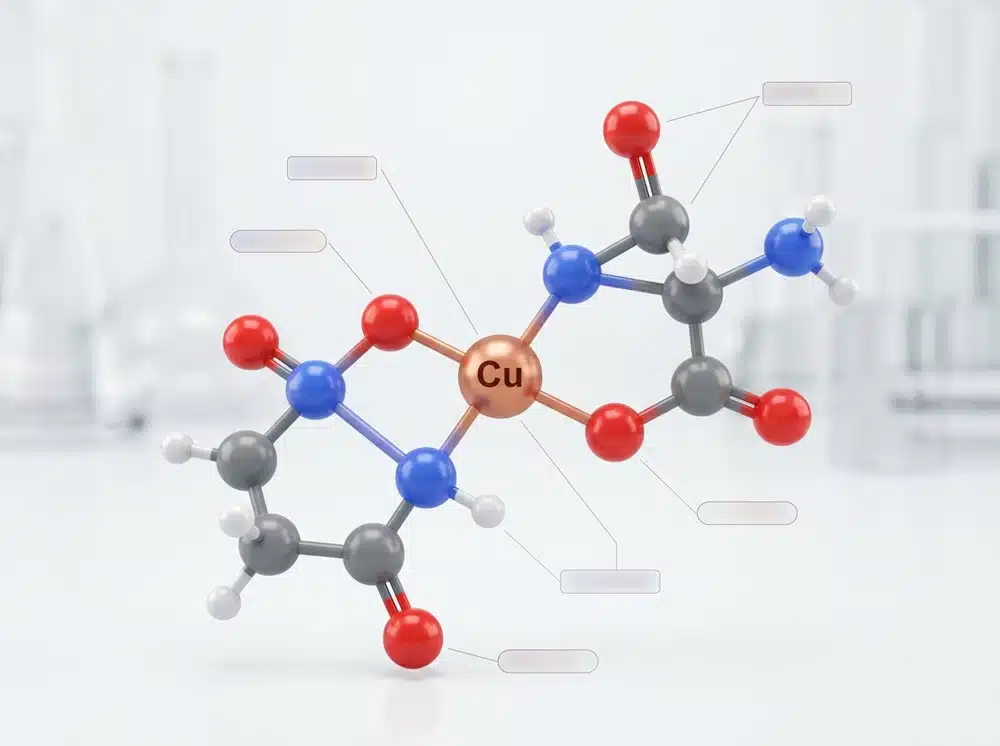
では、これを実際に意味のある方法で分解してみましょう。キレート銅と銅を比較するとき、私たちは本質的に、保護エスコートされたミネラルと、消化器官を単独で通過しようとするミネラルを比較しているのです。
普通の銅(硫酸銅や酸化銅など)を、警備員なしで混雑した通りを歩こうとする有名人と考えてみてください。目的地にはたどり着けるかもしれないが、その過程で多くの障害に直面するだろう。 キレート銅この場合、アミノ酸が銅イオンを文字通り包み込み、妨害から守っている。
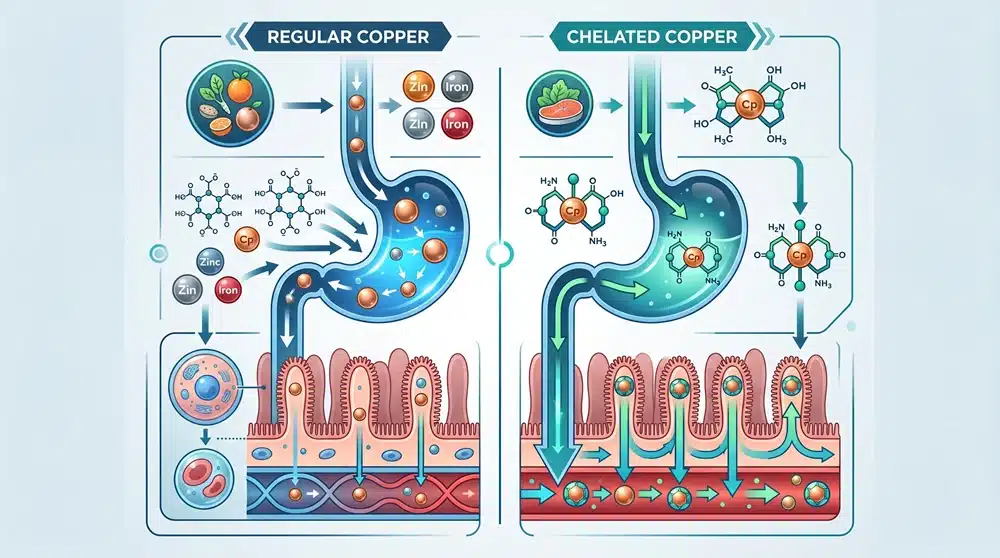
キレート化により、銅が胃や小腸を通過する際に、より安定した錯体として保たれるようになります。これにより、フィチン酸、食物繊維、鉄、亜鉛などとの望ましくない結合が減少する可能性があり、一部の配合において実際の耐容性が向上する可能性があります。 しかし、あらゆる銅の形態を比較したヒトを対象とした直接比較データは限られているため、最も確かな結論は「すべてのキレート化製品が常に優れている」ということではなく、製剤の安定性、胃への耐容性、およびミネラル間の相互作用の制御が重要となる場合には、キレート化形態がしばしば好まれるということである。.
あなたの体はどのように異なる銅の形を認識するか
ここからが本当に面白いところだ。小腸にはミネラルを輸送する特定のトランスポーターがあるのですが、そのトランスポーターが受け入れるものにはかなりうるさいのです。通常の銅イオンは、腸の入り口で拒絶されたり、フィチン酸塩やその他の抗栄養素と結合したりすることが多いのです。しかしキレート銅は違う。まるでVIPパスのようなもので、体内のトランスポーターはすぐにそれを認識します。
オハイオ州立大学のロバート・ディシルベストロ博士は、ヒト試験において、硫酸銅よりもビスグリシン酸銅(特定のキレート化形態)の方が有意に高い吸収率を示し、血漿中の銅濃度はキレート化グループの方が15%多く増加することを発見した(DiSilvestro, 2018)。これは単なる数字ではありません。活力を感じるか、なぜサプリメントが効かないのかと考えるかの違いなのです!
| 銅フォーム | 吸収率 | バイオアベイラビリティ | 胃の耐性 |
|---|---|---|---|
| 硫酸銅 | 12-15% | 低い | しばしば吐き気を催す |
| 酸化銅 | 10%未満 | 非常に低い | 中程度の問題 |
| キレート銅(ビスグリシネート) | 40-50% | 高い | 優れた耐性 |
証拠に関する注記: in vitroおよび動物実験の結果から、銅などの有機銅源は アミノ酸キレート, 、プロテイン酸銅やビスグリシン酸銅は、消化や組織内への蓄積において、硫酸銅とは異なる挙動を示す可能性があります。一般消費者向けのサプリメントについては、これらの知見を、すべての人に保証された臨床的効果としてではなく、配合の指針として活用してください。.
通常の銅にはないキレート銅のメリット
優れた吸収とバイオアベイラビリティ
通常の銅サプリメントを摂取するとどうなるか、絵に描いてみよう。銅のサプリメントを水と一緒に飲み込み、健康をサポートすることに快感を覚えます。しかしその後、胃酸が働き出し、突然銅は消化器官内で他のあらゆるミネラルや化合物と競合することになる。鉄は「どけ」と言い、亜鉛は邪魔をし、食物繊維は邪魔をする。銅が腸に到達するまでに、実際に血流に乗るのは10-15%程度だろう。
では、キレート銅の利点についてお話ししましょう。銅はすでにアミノ酸と結合しているため、こうした競合的相互作用のほとんどを回避することができます。次のような研究がある。 ミネラル栄養 は、キレート化されたミネラルは、胃の厳しい酸性環境(pH1.5~3.5)でもその完全性を維持し、40~50%以上の吸収率を可能にすることを示している(Ashmead, 2012)。
このバイオアベイラビリティの向上は、単に数字だけの問題ではありません。キレート銅サプリメントを摂取している人は、通常のサプリメントでは6~8週間かかるのに対し、2~3週間でエネルギーレベルが向上したと報告することがよくあります。それは、銅に依存する30種類以上の酵素をサポートするのに十分な銅が、実際に体内に摂取されているからです!
消化器系にやさしい
空腹時にミネラルのサプリメントを飲んで、すぐに後悔したことがあるだろうか?ああ、誰しも経験があるだろう。通常の銅サプリメント、特に硫酸銅は、吐き気や胃痙攣、すぐに歯を磨きたくなるような金属味を引き起こすことで有名です。
しかし、ここでキレート銅の真価が発揮される。銅はすでに体が認識する形になっているため、消化器官の反乱を引き起こすことがないのです。実際、多くの 食品サプリメント成分 そして OEMソリューション 特に敏感な人には、キレート加工されたものをお勧めします。アミノ酸のコーティングが緩衝剤のような役割を果たし、銅と胃の粘膜の両方を直接接触から守ります。
ビスグリシン酸銅とグリシン酸銅の比較:選択肢の分解
キレート剤について
さて、キレート銅の世界では、ビスグリシン酸銅とグリシン酸銅という2つの星をよく見かけます。ご心配なく-化学の教授になるつもりはありませんが、違いを理解することで、より良い選択ができるようになります。
グリシン酸銅は、銅イオン1個とグリシン分子1個が結合したものである。簡単な握手のようなもので、効果的だが基本的なものである。一方、ビスグリシン酸銅は、1個の銅イオンが2個のグリシン分子に結合している。握手というより、完全に抱擁していると考えてほしい。この二重結合が、より安定した構造を作り出し、消化プロセスを通じて優れた保護を提供する可能性があることを、研究は示唆している。
Biological Trace Element Research』誌に掲載された研究では、30日間のサプリメント摂取後、ビスグリシン酸銅はグリシン酸銅に比べて23%も組織への定着がよいことがわかった(Predieri et al.)余分なグリシン分子は些細なことのように思えるかもしれませんが、世界では 粉末サプリメント製造このようなディテールがすべての違いを生むのだ!
どの形態の銅が最適でしょうか?
| 銅の形状 | 一般的なラベル名 | 最適 | 注意事項 | SEOのターゲット |
| ビスグリシン酸銅 | ビスグリシン酸銅キレート/TRAACS型キレート | 胃が弱い方、高品質なミネラル配合、低用量カプセル | 原材料費の高騰;COA上で元素銅の含有量(%)を確認すること | 銅の最適な形態:ビスグリシン酸銅 |
| グリシン酸銅 | グリシン酸銅キレート | キレート化銅の一般的な配置 | ブランドによっては、グリシン酸塩/ビスグリシン酸塩の名称の使用に一貫性がない場合があるため、構造および含有量を必ず確認してください。 | グリシン酸銅 vs ビスグリシン酸銅 |
| クエン酸銅 | クエン酸銅 | クエン酸塩の使用が許容される中価格帯の調製粉ミルク | アミノ酸系製剤と同じキレート配位を示さない場合がある | クエン酸銅とグリシン酸銅の比較 |
| グルコン酸銅 | グルコン酸銅 | 一般的なマルチビタミンや基本的なサプリメント | 「プレミアム・キレート」という位置づけを控えめに | グルコン酸銅とキレート銅の比較 |
| 硫酸銅 | 硫酸銅 | 低コストの栄養強化食品、またはプレミアムではない粉ミルク | ダイエットマトリックスとの相互作用が生じやすい。敏感なユーザーにとっては刺激が強すぎる可能性がある | 硫酸銅とキレート銅の比較 |
| 酸化銅 | 酸化銅 | 極めて低コストな製剤 | しばしばバイオアベイラビリティが低いと見なされがちであり、プレミアムとしての位置づけも弱い | 酸化銅サプリメント |
| コロイド状銅 | コロイド状/液体の銅 | 他の液剤形態を探しているユーザー | 品質および投与量の標準化に関する懸念;優位性を主張しないこと | コロイド状の銅の方が良いのでしょうか |
どちらを選ぶべきか?
では、ビスグリシン酸銅とグリシン酸銅、どちらが勝つのでしょうか?正直なところ、どちらも非キレート型に比べれば優れた選択です。しかし、最大限の吸収を期待し、胃が敏感な場合は、ビスグリシン酸銅のほうが有利なことが多い。良い車と素晴らしい車のどちらかを選ぶようなもので、どちらも目的地まで連れて行ってくれますが、どちらかがより快適な旅をさせてくれるかもしれません。
価格面では、ビスグリシン酸銅は一般的に単純なグリシン酸の形態よりも10-20%のコストがかかりますが、改善された吸収を考慮すると、低用量を必要とすることにより、長期的には実際にお金を節約することができるかもしれません。量より質ですよ、みなさん!
キレート銅サプリメント:摂取量と安全性のガイドライン
最適なキレート銅の投与量を見つける
ここからが個人的な話になります。キレート銅の適切な摂取量は、現在の銅の状態、食事からの摂取量、健康上の目標など、いくつかの要因に左右されます。銅の推奨食事摂取量(RDA)は成人で1日900マイクログラム(0.9mg)ですが、これには食事からの摂取も含まれることを覚えておいてください。
ほとんどのキレート銅サプリメントは、1回あたり1~3mgを摂取することができます。摂りすぎでパニックになる前に、吸収率が重要であることを覚えておいてください。吸収率45%のキレート銅を2mg摂取する場合、実際には約0.9mgを摂取していることになります!吸収率15%の硫酸銅を2mg摂取した場合と比較すると、0.3mgしか摂取していないことになります。
| 人口グループ | 推奨される1日の銅 | キレート銅の推奨摂取量 |
|---|---|---|
| 大人(19歳以上) | 900 mcg | 1-2mg |
| 妊婦 | 1000 mcg | 2〜3mg |
| アスリート/現役個人 | 1000-1300 mcg | 2〜3mg |
注意すべきキレート銅の副作用の可能性
どんなに優れたサプリメントでも、適切に使用しなければ問題を引き起こす可能性があります。キレート銅の副作用は一般的に軽度でまれですが、何に注意すべきかを知っておくことは重要です。
最も一般的な副作用は?わずかな金属味ですが、通常の銅サプリメントに比べればはるかに少ないです。空腹時に大量に摂取すると、軽い吐き気を催す人もいます。良いニュースは?これらの副作用は通常一時的なもので、食事と一緒にサプリメントを摂取することで避けることができます。
より重篤な副作用はまれだが、長期にわたる過剰摂取で起こる可能性がある。銅を摂り過ぎると、腹痛や頭痛、極端な場合は肝臓に問題が生じます。このため、耐容上限摂取量は1日10mgに設定されています。しかし、食事から通常1~2mg摂取できることを考えると、このレベルに達するには大量のキレート銅を摂取する必要があることを覚えておいてください。
銅の摂取量、推奨摂取量(RDA)および上限値
成人の銅の推奨摂取量(RDA)は1日あたり900 mcgです。妊娠中の成人は1日あたり1,000 mcg、授乳中の成人は1日あたり1,300 mcgを必要とします。 成人の耐容上限摂取量(UL)は、食品とサプリメントを合わせた1日あたり10,000マイクログラム(10ミリグラム)です。健康な成人のほとんどは、銅のサプリメントを「多ければ多いほど良い」という考え方で摂取すべきではありません。 銅のサプリメント摂取が最も適切となるのは、医療専門家によって摂取量の不足、吸収不良、長期にわたる亜鉛の過剰摂取、またはその他の具体的な必要性が確認された場合です。ウィルソン病、肝疾患、または原因不明の銅値上昇が見られる人は、臨床医の監督下でない限り、銅サプリメントの摂取を避けるべきです。.
ニーズに合った銅サプリメントの選び方
キレート銅と銅サプリメントのどちらを選ぶか、迷う必要はありません。ここでは、この分野での長年の経験に基づいた、私の実践的なガイドを紹介します:
まず、消化器系の過敏性について考えてみましょう。以前サプリメントで問題を起こしたことがある人は、キレート剤(特にビスグリシン酸塩)がお勧めです。強力だが胃腸に優しい、ミネラル界の優しい巨人のようなものだ。
次に、自分の予算と健康目標について考えてみましょう。確かにキレート銅は初期費用がかかりますが、安いサプリメントを10%吸収するのと、キレート銅を45%吸収するのでは、どちらが本当に経済的でしょうか?靴を買うのと同じで、品質のために少し高いお金を払うほうが、長い目で見ればお金(と不快感)の節約になることもあるのです。
また、あなたのライフスタイルも考慮してください。他のサプリメントを摂っていますか?通常の銅は鉄や亜鉛の吸収と競合する可能性があります。食品サプリメント成分やOEMソリューションを通じて総合的なサプリメント習慣を構築するのであれば、相性は重要です!
亜鉛と銅のバランス:銅の吸収を妨げる要因とは?
亜鉛の過剰摂取は、長期的に銅の体内濃度を低下させる可能性のある最も重要な要因の一つです。亜鉛と銅は吸収過程で競合することがあり、長期にわたる高用量の亜鉛摂取は、銅欠乏のリスク要因として認識されています。これは、1回分あたり15~50 mgの亜鉛を含むことが多い、免疫サポート用サプリメント、育毛用サプリメント、男性向け健康サプリメントにおいて特に重要な点です。.
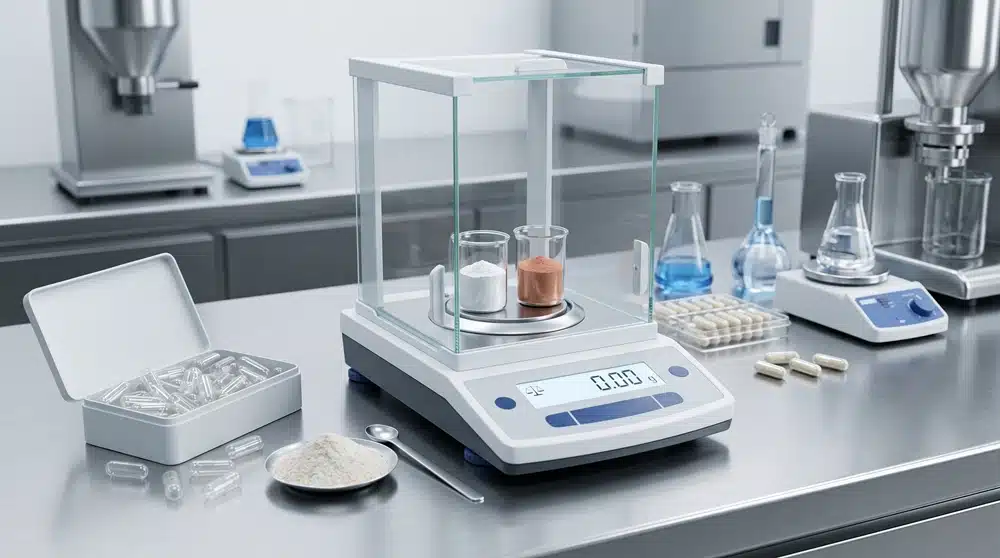
ブランドの製品開発担当者にとって、解決策は銅を無作為に添加することではありません。その代わりに、亜鉛の投与量、想定される1日あたりの摂取期間、対象ユーザー層、および食事とサプリメントからの銅の総摂取量を確認する必要があります。バランスの取れた亜鉛・銅配合製品には、明確な元素ミネラルの表示、互換性のある形態、そして検証済みのブレンド均一化プロセスが求められます。.
実用的な製剤への応用
サプリメントブランドにとって、現実的な課題は「どの形態の銅がより吸収されやすいか」だけでなく、「どの形態が安定性を保ち、均一に混合でき、完成品の表示内容に合致するか」という点にもあります。 低用量の微量ミネラル配合物においては、キレート化された銅が有用となる場合があります。これは、ミネラルがミリグラムまたはマイクログラム単位で供給されるため、均一な混合、元素銅の分析値、および亜鉛や鉄との相互作用が極めて重要となるからです。.
「Gensei」の処方の検討において、ブランドが製品を開発する際には、通常、ビスグリシン酸銅またはアミノ酸キレート銅が検討対象となります:
- 亜鉛と銅のバランスを調整する処方;;
- 髪、肌、コラーゲンをサポートするフォーミュラ;;
- ~用のミネラル複合体 カプセル, タブレット または 粉末ブレンド;
- 胃が弱い人向けのミネラル製品において、硫酸銅はその位置づけに合わない可能性があります。最終的な選択については、ロットごとのCOA、銅の元素含有率、メッシュサイズ、嵩密度、重金属、微生物検査結果、および「栄養成分表示」欄に記載された1回分の摂取量を確認する必要があります。.
製造業者向けチェックリスト:キレート化銅原料の評価方法
カプセル、錠剤、グミ、または粉末サプリメントの製造用にキレート化銅を調達する際、ラベルに記載された名称だけでは不十分です。調達担当チームは、以下の点を確認する必要があります:
- 1. キレート形態:ビスグリシン酸銅、グリシン酸銅、アミノ酸キレート銅、またはその他の配位子系。.
- 2. 銅の元素含有率:通常、実際のロットの分析証明書(COA)に基づき、ICP-OESまたはICP-MSによって確認される。.
- 3. 同定:FTIR またはその他の適切な手法を用いて、原料の同定およびキレート化に関連するフィンガープリントの特定を行うことができる。.
- 4. 粒子径と嵩密度:カプセル充填、錠剤の打錠、および低用量プレミックスの均一性にとって重要である。.
- 5. 重金属および微生物検査:市場の要件に基づき、鉛、ヒ素、カドミウム、水銀、総菌数、酵母およびカビ、サルモネラ菌、大腸菌を検査する。.
- 6. 安定性および相溶性:湿気に対する感受性、変色、亜鉛・鉄・ビタミンCとの相互作用、および最終製剤との相互作用を確認する。7. 文書:COA、SDS/MSDS、TDS、アレルゲン表示、非遺伝子組み換え表示、原産国、およびロット追跡可能性。.
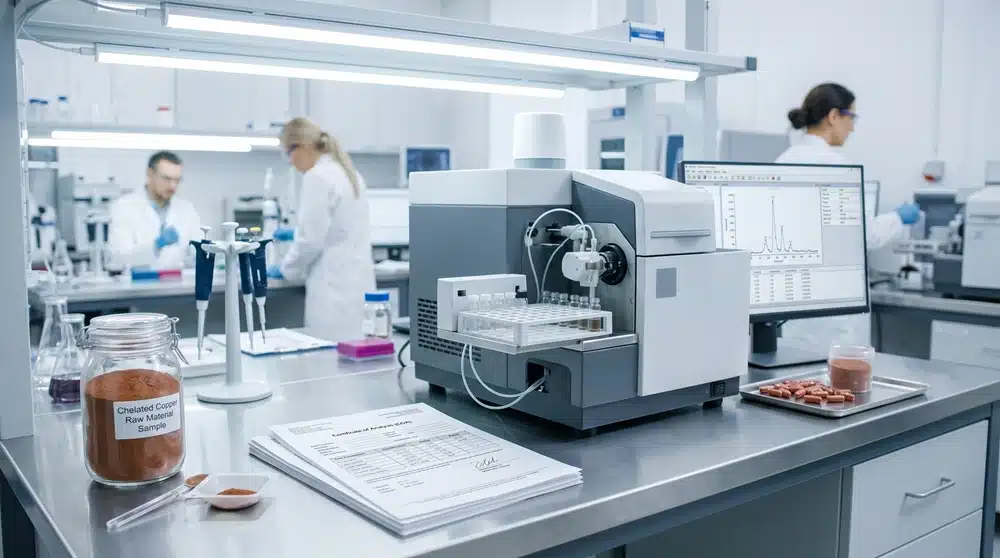
| QC項目 | その重要性 | ページの文言案 |
| 銅の元素分析 | 1食分あたりの実際の銅含有量を算出することは、表示基準への準拠に影響を与えます。. | 1回分の摂取量を算出する前に、ロットごとの分析証明書(COA)で銅の含有率を確認してください。. |
| キレート化の同定/FTIR | 原材料の身元確認や、キレート化に関連する特性の確認に役立ちます。. | キレート化された銅原料に関するFTIRデータ、または適切な同定データをご提供ください。. |
| 粒子径/メッシュ | これは、混合の均一性、カプセルの充填、および錠剤の圧縮に影響を及ぼします。. | 低用量の銅プレミックスの場合、粒子径と担体の適合性が重要となる。. |
| 嵩密度/流動性 | カプセル・錠剤・粉末の製造の可否に影響を与える。. | サンプルから商業生産バッチへスケールアップする前に、かさ密度を確認してください。. |
| 重金属 | 鉱物原料の厳格な管理は不可欠である。. | 対象市場に応じて、Pb、As、Cd、Hgの分析結果を確認してください。. |
| 微生物学 | サプリメント原料に関する基本的な安全指標。. | TPC、酵母・カビ、サルモネラ菌、大腸菌について、ロットごとに再確認してください。. |
| 安定性/LOD | 銅塩・キレート化合物は、湿度の影響を受ける可能性があります。. | 密閉して、冷暗所で保管すること。乾燥減量および保存期間のデータを確認すること。. |
キレート銅 vs 銅テーブル
キレート銅と通常の銅
フォーム、メリット、効果の包括的比較
| 比較係数 | レギュラー銅 (硫酸塩、酸化物) |
キレート銅 (ビスグリシネート、グリシネート) |
|---|---|---|
|
バイオアベイラビリティ
|
10-15%
胃酸の干渉による低吸収 |
40-50%
保護された経路による優れた吸収 ベスト・チョイス |
|
科学的形態
|
無機塩類 - 硫酸銅 (CuSO₄) |
有機複合体 - ビスグリシン酸銅 |
|
コスト分析
|
$5-10/月
初期費用の低減 |
$15-25/月
高い初期投資 |
|
胃の耐性
|
✗
一般的な副作用: |
✓
優れた耐性: |
|
結果のスピード
|
6~8週間
吸収が悪いため遅い |
2~4週間
利用率の向上による成果の迅速化 |
|
推奨用量
|
2~4mg/日 吸収が悪いため高用量が必要 |
1~2mg/日 低用量で十分 |
|
他の栄養素との相互作用
|
✗
干渉性が高い: |
✓
最小限の干渉 |
|
最適
|
- 予算重視のユーザー |
- 敏感な胃 |
結論
通常の銅のサプリメントはもっと手頃な値段で購入できる、 キレート銅は吸収率が3-4倍良い長い目で見れば、より費用対効果に優れています。優れた生物学的利用能、最小限の副作用、より早い結果という点で、キレート銅(特にビスグリシネート型)は、銅の状態と全体的な健康の最適化を真剣に考える人にとって、明らかに勝者です。
結論 - 情報に基づいた選択をする
では、キレート銅と銅の論争では、どうなるのでしょうか?ここまでくれば、私のスタンスはもうおわかりでしょう。キレート銅、特にビスグリシン酸銅は、吸収に優れ、耐性に優れ、より信頼できる結果をもたらします。単に流行を追うのではなく、科学を理解し、実際に効果のあるものを選ぶということです。
あなたの体は驚くほど複雑で、ミネラルを摂取する際には、その体が実際に利用できる形である必要があります。キレート銅を選択することは、外国語を理解することを望むよりも、母国語で話すことを選ぶようなものです。その方が理にかなっているのです!
よりよいパフォーマンスを求めるアスリートであれ、疲労に悩む人であれ、単に健康を最適化したい人であれ、あなたが選ぶ銅の形は想像以上に重要です。サプリメントを高価なプラシーボ(偽薬)にしてはいけません!
よくあるご質問
キレート銅とは何ですか?
キレート化された銅とは、有機分子(多くの場合、グリシンなどのアミノ酸)と結合した形態の銅のことです。この構造により、消化過程におけるミネラルの安定性が向上し、フィチン酸、亜鉛、鉄との望ましくない相互作用を軽減できる可能性があります。.
ビスグリシン酸銅はグリシン酸銅と同じものですか?
サプリメントのラベルでは、これらの名称が曖昧に使われることがありますが、厳密には「ビスグリシン酸銅」とは、2つのグリシン分子と結合した銅を指します。各ブランドは、マーケティング上の名称だけに頼るのではなく、実際のキレート形態、元素銅の含有率、および分析証明書(COA)を確認すべきです。.
成人はキレート化された銅をどれくらい摂取すべきですか?
成人は、食事とサプリメントを合わせて1日あたり900マイクログラムの銅を摂取する必要があります。多くのサプリメントは1回分あたり1~3ミリグラムを含んでいますが、銅は高用量を安易に摂取すべきではありません。成人の1日あたりの上限摂取量は10ミリグラムです。.
銅のサプリメントはどのような人が避けるべきですか?
ウィルソン病、肝疾患、原因不明の銅過剰状態にある方、または医療上の指示により銅を摂取している方は、医師の指導なしに銅サプリメントを摂取することは避けてください。妊娠中または授乳中の方は、単独で銅を摂取する前に医師に相談してください。.
亜鉛は銅の吸収を阻害するのでしょうか?
亜鉛の過剰摂取は銅の吸収を妨げ、長期的には銅欠乏の一因となる可能性があります。そのため、長期的に摂取する亜鉛配合製品では、単に亜鉛の投与量を増やすのではなく、銅とのバランスを慎重に調整した処方が必要となる場合が多いのです。.
ブランドは、キレート化銅の原料を購入する前に、どのような点を確認すべきでしょうか?
各ブランドは、元素銅の分析値、キレート化形態、粒子径、嵩密度、重金属、微生物検査、COA、SDS/TDS、および最終製剤との適合性を確認すべきである。.
参考文献
- NIH ODS 銅に関するファクトシート
- FDA DS CGMP 中小企業向けコンプライアンスガイド
- USP 栄養補助食品中の元素状不純物
- Healthline – キレート化されたミネラル
- Verywell Health – 銅の効能とリスク
- クリーブランド・クリニック – 銅の効能
- PubMed – Wuら 2024 銅の生体利用能
- 『Journal of Animal Science』 – Deters ら 2021
- バルケム ビスグリシン酸銅キレート
- コラーゲンセイ ミネラル栄養剤のサプライヤー
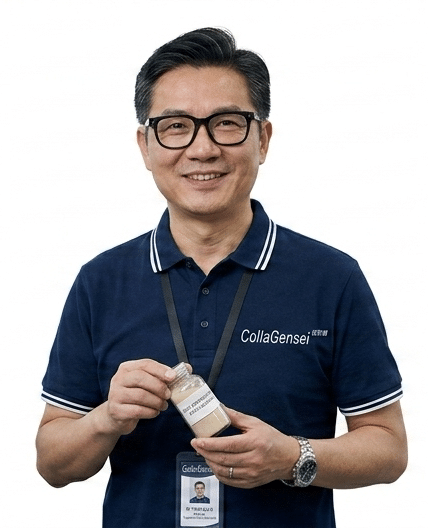
ウォーレン・ワン氏は、栄養補助食品のサプライチェーンにおいて豊富な経験を持つベテランの専門家であり、コラーゲンペプチド、骨スープ由来タンパク質、ケラチンといった主要成分の研究、開発、工程管理、およびグローバルな調達において、豊富な実務経験を有しています。 本コラムの執筆者として、彼はマーケティング的な装いを剥ぎ取り、難解な成分科学や製造品質管理基準を、分かりやすい本格的な科学普及記事へと変換することに尽力しています。これにより、読者がラベルの裏にある真実を理解し、より合理的な健康に関する選択を行えるよう支援しています。.