
إجابة سريعة: كوينزيم Q10 مقابل زيت السمك
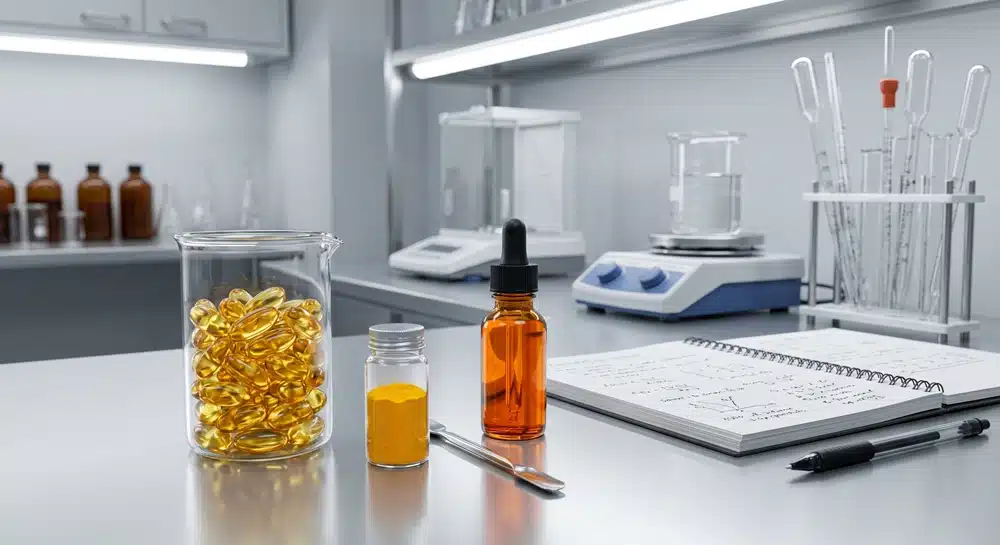
الإنزيم المساعد Q10 وزيت السمك ليسا نفس المكون. فالإنزيم المساعد Q10 هو أحد مضادات الأكسدة القابلة للذوبان في الدهون، ويشارك في عملية إنتاج الطاقة في الميتوكوندريا، بينما يوفر زيت السمك أحماض أوميغا-3 الدهنية مثل EPA وDHA، والتي تُستخدم عادةً في الحفاظ على صحة الدهون والالتهابات والقلب والأوعية الدموية.
بالنسبة للمستهلكين، يعتمد الخيار الأفضل على الهدف الصحي وحالة تناول الأدوية. غالبًا ما يُناقش الكوينزيم Q10 في سياق الطاقة الخلوية، واستخدام الستاتينات، والدعم المضاد للأكسدة. أما زيت السمك، فيرتبط ارتباطًا وثيقًا بتناول أوميغا-3، والسيطرة على مستويات الدهون الثلاثية، والالتهاب الجهازي.
بالنسبة لعلامات المكملات الغذائية، فإن السؤال الأهم لا يقتصر على “أيهما أفضل؟” فحسب، بل هو: أي مكون يتناسب مع شكل الجرعة، واستراتيجية الادعاءات التسويقية، ونظام الزيوت، ومتطلبات شهادة تحليل المكونات (COA)، وهدف الاستقرار، والموقع التسويقي؟
في العديد من مشاريع تطوير المنتجات، لا يُعتبر الكوينزيم Q10 وزيت السمك منافسين لبعضهما البعض. بل يمكن أن يكونا مكونين متكاملين، لا سيما في منتجات الكبسولات اللينة المصممة لتعزيز صحة القلب، والشيخوخة الصحية، وتسويق منتجات أوميغا-3 الفاخرة.
في وقت مبكر تركيبة مخصصة من كوينزيم Q10 وأحماض أوميغا-3 يمكن أن يساعد الدعم في تحديد الشكل المناسب من كوينزيم Q10، والكمية المستهدفة من EPA/DHA، والزيت الحامل، ونظام مضادات الأكسدة.ما هو الإنزيم المساعد Q10؟
الإنزيم المساعد Q10، الذي يُختصر غالبًا بـ CoQ10، هو مركب طبيعي موجود في خلايا الجسم البشري. وهو يلعب دورًا مهمًا في إنتاج الطاقة في الميتوكوندريا، كما يعمل كمضاد للأكسدة. وتوجد أعلى تركيزاته في الأعضاء التي تستهلك طاقة كبيرة، مثل القلب والكبد والكلى والبنكرياس.
في تركيب المكملات الغذائية، يُستخدم الكوينزيم Q10 عادةً في شكلين تجاريين: الأوبيكوينون والأوبيكوينول. الأوبيكوينون هو الشكل المؤكسد، ويُستخدم على نطاق واسع لكونه مستقرًا وفعالًا من حيث التكلفة. أما الأوبيكوينول فهو الشكل المختزل، وغالبًا ما يُروَّج له على أنه أكثر قابلية للامتصاص، لا سيما في التركيبات الفاخرة أو المنتجات الموجهة لكبار السن.
نظرًا لأن مادة CoQ10 قابلة للذوبان في الدهون، فإن نظام توصيلها يكتسب أهمية كبيرة. فمكون الكوينزيم Q10 المخلوط في كبسولة هلامية ذات أساس زيتي قد يتصرف بشكل مختلف تمامًا عن الأقراص أو الكبسولات التي تحتوي على مسحوق جاف. وبالنسبة لعلامات المكملات الغذائية، يعني ذلك أن اختيار الكوينزيم Q10 يجب ألا يقتصر على الجرعة فحسب، بل يجب أن يأخذ في الاعتبار أيضًا قابلية الذوبان، والزيت الحامل، ونظام مضادات الأكسدة، والتوافق مع الكبسولات الهلامية، واختبارات الاستقرار.
فوائد الإنزيم المساعد Q10
لماذا قد تفكر في إضافة CoQ10 إلى روتينك؟ دعنا نحلل الأمر:
- صحة القلب: CoQ10 هو أفضل صديق للقلب، خاصةً لمن يعانون من قصور القلب. الأبحاث، مثل دراسة في مجلة الكلية الأمريكية لأمراض القلب، وجد أن مكملات CoQ10 قللت من الأحداث القلبية الوعائية الرئيسية بنسبة 39% لدى مرضى قصور القلب. وهو مفيد بشكل خاص لأولئك الذين يتناولون العقاقير المخفضة للكولي كيو 10، والتي يمكن أن تستنفد مستويات CoQ10، مما يؤدي إلى آلام العضلات أو التعب.
- تخفيف الصداع النصفي: إذا كان الصداع النصفي ضيفًا متكررًا غير مرحب به، فقد يساعدك CoQ10. نشرت دراسة في ألم الرأس أظهر أن 150 مجم من CoQ10 يوميًا قلل من أيام الصداع النصفي بمقدار 481 تيرابايت في اليوم مقارنةً بالعلاج الوهمي. وهذا سيغير قواعد اللعبة بالنسبة لأي شخص سئم من هذا الصداع الشديد.
- قوة مضادات الأكسدة: من خلال تحييد الجذور الحرة، يساعد CoQ10 على حماية الخلايا من الإجهاد التأكسدي المرتبط بالأمراض المزمنة مثل داء السكري والاضطرابات العصبية التنكسية. تشير بعض الدراسات إلى أنه قد يحسن من حساسية الأنسولين لدى مرضى السكري، على الرغم من الحاجة إلى إجراء المزيد من الأبحاث.
- مزايا محتملة أخرى: هناك بحوث جارية حول دور CoQ10 في تعزيز أداء التمارين الرياضية وإبطاء تطور حالات مثل الشلل الرعاش أو الزهايمر، ولكن لا تزال هيئة المحلفين لم تتوصل إلى نتيجة بشأن هذه الحالات.
يعتبر CoQ10 بمثابة الرفيق الوفي الذي يدعم احتياجات جسمك من الطاقة ويمنع تلف الخلايا. ولكن كيف يمكن مقارنته بزيت السمك؟
ما هو زيت السمك؟
زيت السمك هو مكون زيتي بحري يوفر أحماض أوميغا-3 الدهنية طويلة السلسلة، ولا سيما حمض إيكوسابنتاينويك (EPA) وحمض الدوكوساهيكسانويك (DHA). وتوجد هذه الأحماض الدهنية بشكل طبيعي في الأسماك الدهنية مثل السردين والأنشوجة والماكريل والسلمون والرنجة. في صناعة المكملات الغذائية، يُستخدم زيت السمك بشكل شائع في الكبسولات اللينة والزيوت السائلة ومنتجات أوميغا 3 المركبة.
لا تُحدد جودة زيت السمك بمجرد عبارة “زيت السمك” وحدها. يجب على العلامات التجارية مقارنة المحتوى الفعلي من حمض الإيكوسابنتاينويك (EPA) وحمض الدوكوساهيكسانويك (DHA)، ومؤشرات الأكسدة، ونتائج اختبارات الملوثات، وإمكانية تتبع المصدر، وخصائص الرائحة، وأداء المنتج من حيث مدة الصلاحية.
بالنسبة لمكونات زيت السمك، يُعد التحكم في الأكسدة إحدى القضايا الرئيسية المتعلقة بالجودة. وينبغي أن يكون الزيت عالي الجودة مدعومًا ببيانات شهادة تحليل المكونات (COA)، مثل قيمة البيروكسيد وقيمة p-أنيسيدين ومؤشر TOTOX. كما ينبغي مراجعة الحدود المسموح بها للمعادن الثقيلة ومركبات ثنائي الفينيل متعدد الكلور (PCBs) والديوكسينات والميكروبات قبل الشراء بالجملة أو الإنتاج.
فوائد زيت السمك
تكمن شهرة زيت السمك في فوائده الواسعة النطاق، خاصةً للقلب والدماغ. إليك ما يقوله العلم:
- صحة القلب: زيت السمك هو نجم النجوم لصحة القلب والأوعية الدموية. إن جمعية القلب الأمريكية يوصي بمكملات أوميغا 3 للأشخاص الذين يعانون من ارتفاع الدهون الثلاثية، حيث يمكن أن تخفض مستوياتها بنسبة 20-501 تيرابايت إلى 3 تيرابايت حسب الجرعة. إن REDUCE-IT المحاكمة، التي نُشرت في مجلة نيو إنجلاند الطبيةوجدت أن جرعة عالية من حمض الإيكوسابنتاين أحماض الأسيتيل البيروكسيبيك (EPA) قللت من الأحداث القلبية الوعائية بنسبة 25% لدى المرضى الذين يعانون من ارتفاع الدهون الثلاثية.
- صحة الدماغ: أوميغا 3، وخاصة حمض الدوكوساهيكوساهيكسانويك (DHA)، ضرورية لوظائف المخ. فهي مكون رئيسي لأغشية خلايا الدماغ وقد تقلل من خطر التدهور المعرفي والاكتئاب. أظهرت دراسة في مجلة الطب النفسي السريري وجد أن مكملات أوميغا 3 يمكن أن تكون علاجًا إضافيًا فعالاً للاضطراب الاكتئابي الرئيسي.
- تأثيرات مضادة للالتهابات: تساعد أوميغا 3 على ترويض الالتهاب، مما قد يخفف من أعراض حالات مثل التهاب المفاصل الروماتويدي. بحث في هيلث دوت كوم يشير إلى أن زيت السمك قد يقلل من آلام المفاصل وتيبسها لدى مرضى التهاب المفاصل.
- مزايا أخرى: قد يدعم زيت السمك أيضًا صحة العينين ويحسن وظائف الكبد، بل ويعزز صحة البشرة عن طريق الحد من الحالات المرتبطة بالالتهابات مثل حب الشباب.
يعتبر زيت السمك بمثابة البلسم المهدئ لجسمك، حيث يعمل على تهدئة الالتهابات ودعم الأعضاء الحيوية. ولكن كيف يمكن مقارنته بـ CoQ10؟
الإنزيم المساعد Q10 مقابل زيت السمك: ما الفرق بينهما؟
في حين أن كوين كيو كيو 10 وزيت السمك مشهوران بفوائدهما الصحية، إلا أنهما يعملان بطرق مختلفة:
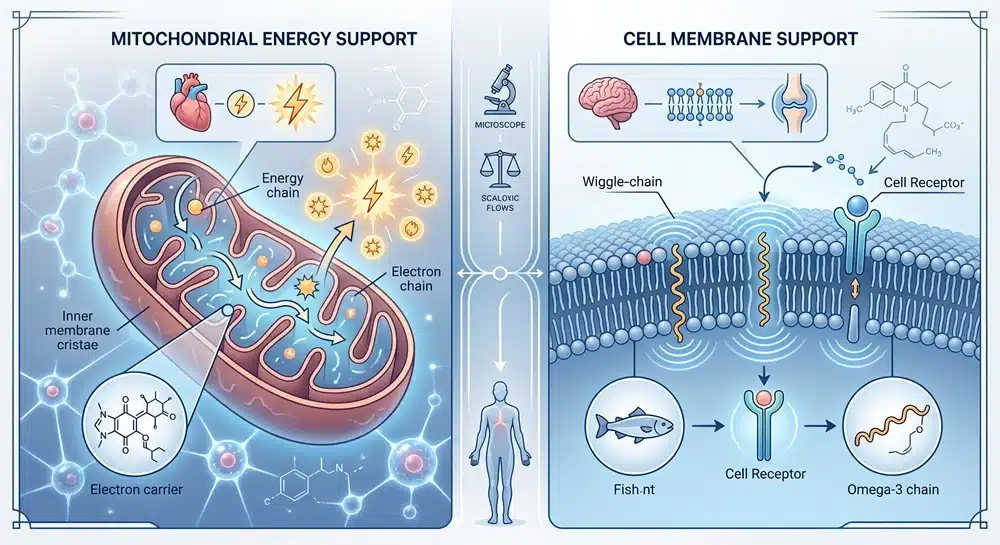
- CoQ10 يركز على إنتاج الطاقة والحماية من مضادات الأكسدة. وهو يتركز في الأعضاء ذات الطاقة العالية مثل القلب والكبد والكليتين، مما يضمن حصولها على الوقود اللازم لعملها على النحو الأمثل. وهو مفيد بشكل خاص للحالات التي تنطوي على نقص الطاقة أو الإجهاد التأكسدي.
- يوفر زيت السمك أوميغا 3 الأحماض الدهنية التي تقلل من الالتهاب وتدعم السلامة الهيكلية لأغشية الخلايا، وخاصة في القلب والدماغ. وهو مثالي لإدارة الالتهاب الجهازي وتحسين ملامح الدهون.
تخيل جسمك كمصنع مشغول: يحافظ CoQ10 على تشغيل مولدات الطاقة، بينما يضمن زيت السمك عدم ارتفاع درجة حرارة الآلات. إنهما يكملان بعضهما البعض، لكن استخداماتهما تختلف بناءً على احتياجاتك الصحية.
جدول مقارنة بين الإنزيم المساعد Q10 وزيت السمك
لتوضيح الفروقات، إليك مقارنة جنباً إلى جنب:
| العامل | CoQ10 | زيت السمك | ملاحظة بشأن الصياغة |
| الدور الرئيسي | الدعم في مجال الطاقة الميتوكوندريا ومضادات الأكسدة | توفير أحماض أوميغا-3 (EPA/DHA) | فهي تعالج مشكلات مختلفة تتعلق بتحديد موقع المنتج. |
| الصيغة الشائعة | الأوبيكوينون أو الأوبيكوينول | زيت بحري غني بـ EPA و DHA | وكلاهما قابل للذوبان في الدهون ومناسب للاستخدام في أشكال الجرعات التي تعتمد على الزيت. |
| أفضل شكل دوائي | كبسولة هلامية، كبسولة، قرص، تركيبة ذات أساس زيتي | كبسولة هلامية أو زيت سائل | يمكن أن تكون الكبسولات اللينة المركبة منتجات جذابة من الناحية التجارية. |
| مؤشر الجودة الرئيسي | التحليل، النقاء، المذيبات المتبقية، الشكل | فعالية EPA/DHA، PV، p-AV، TOTOX، الملوثات | يُعد مراجعة شهادة المطابقة (COA) أمرًا ضروريًا قبل بدء الإنتاج. |
| المشكلة الرئيسية في التصنيع | ضعف قابلية الذوبان في الماء، والتشتت، واستقرار اللون | الأكسدة، الرائحة، خطر التسرب | يُعد كل من الزيت الحامل ونظام مضادات الأكسدة والتوافق مع الغلاف أمورًا مهمة. |
| أفضل وضع | الشيخوخة الصحية، الطاقة الخلوية، صحة القلب | أوميغا-3، دعم مستويات الدهون الثلاثية، توازن الالتهابات | يمكن أن تستهدف المنتجات المركبة تركيبات عالية الجودة مخصصة لصحة القلب. |
أيهما أفضل لصحة القلب: CoQ10 أم زيت السمك؟
عندما يتعلق الأمر بصحة القلب، يتمتع كلا المكملين بنقاط قوة فريدة من نوعها، ويعتمد الاختيار الأفضل على احتياجاتك الخاصة:
- CoQ10 فعال بشكل خاص لمرضى قصور القلب ومن يتناولون أدوية الستاتينات. دراسة من سيدارز سيناي يشير إلى أن CoQ10 قد يحسن إنتاج الطاقة في خلايا القلب ويقلل من الإجهاد التأكسدي، مما قد يقلل من خطر الإصابة بالأحداث المرتبطة بالقلب. وهو مفيد بشكل خاص في مواجهة استنزاف CoQ10 الناجم عن الستاتين، والذي يمكن أن يسبب آلام العضلات.
- زيت السمك في تقليل الدهون الثلاثية وتحسين مستوى الكوليسترول في الدم. إن جمعية القلب الأمريكية يسلط الضوء على أن أوميغا 3 يمكن أن يخفض الدهون الثلاثية بنسبة 20-301 تيرابايت 3 تيرابايت في الأشخاص الذين يعانون من فرط شحوم الدم المرتفعة، وقد ثبت أن الجرعة العالية من حمض الإيكوسابنتاينويك EPA تقلل من الأحداث القلبية الوعائية. يساعد زيت السمك أيضاً على خفض ضغط الدم واستقرار ضربات القلب.
تتباين الأبحاث حول تأثيرها العام على الوقاية من أمراض القلب. على سبيل المثال، أظهرت دراسة أجريت عام 2018 في مجلة نيو إنجلاند الطبية لم تجد أي انخفاض كبير في النوبات القلبية من مكملات زيت السمك لدى الأشخاص الذين لا يعانون من عوامل خطر الإصابة بأمراض القلب. وفي الوقت نفسه، يُظهر CoQ10 نتائج واعدة في حالات قلبية محددة، لكنه يفتقر إلى الموافقة الواسعة للوقاية العامة من أمراض القلب. إذا كنت تختار على أساس صحة القلب، فقد يكون لزيت السمك أفضلية طفيفة للتحكم في الدهون، بينما يعتبر CoQ10 أفضل في حالات فشل القلب أو المشاكل المتعلقة بالستاتين. قد يوفر الجمع بين الاثنين دعماً شاملاً، حيث يستهدفان جوانب مختلفة من صحة القلب والأوعية الدموية.
متى تستخدم الإنزيم المساعد Q10 مقابل زيت السمك
يعتمد الاختيار بين CoQ10 وزيت السمك على أهدافك الصحية. إليك دليل لمساعدتك في اتخاذ القرار:
- اختر CoQ10 إذا:
- أنت تتناول أدوية الستاتين، والتي يمكن أن تستنفد مستويات CoQ10، مما يؤدي إلى الإرهاق أو آلام العضلات.
- إذا كنت تعاني من قصور في القلب أو حالات قلبية أخرى يكون فيها إنتاج الطاقة أمرًا بالغ الأهمية.
- إذا كنت تعاني من الصداع النصفي المتكرر - تظهر الدراسات أن CoQ10 يمكن أن يقلل من أيام الصداع النصفي بشكل كبير.
- أنت تريد تعزيز الطاقة الخلوية والحماية من الإجهاد التأكسدي.
- اختر زيت السمك إذا:
- إذا كنت تعاني من ارتفاع مستويات الدهون الثلاثية أو الكوليسترول في الدم، حيث ثبت أن أوميغا 3 تحسن من مستوى الدهون.
- أنت تتطلع إلى تقليل الالتهاب، مما قد يساعد في حالات مثل التهاب المفاصل.
- أنت تريد دعم صحة الدماغ، وخاصةً الوظيفة الإدراكية أو استقرار المزاج.
- أنت لا تأكل ما يكفي من الأسماك الزيتية (وهي جمعية القلب الأمريكية يوصي بتناول حصتين على الأقل أسبوعيًا).
قد تميل سارة، وهي امرأة تبلغ من العمر 45 عامًا وتتناول العقاقير المخفضة للكولي كيو 10 لمكافحة التعب ودعم قلبها. وفي الوقت نفسه، قد يستفيد صديقها جون، الذي يعاني من ارتفاع الدهون الثلاثية ونادراً ما يأكل السمك، أكثر من زيت السمك. يمكن لمقدم الرعاية الصحية الخاص بك أن يساعدك في اختيار ما يناسب احتياجاتك.
هل يمكنك تناول CoQ10 وزيت السمك معاً؟
يُستخدم الكوينزيم Q10 وزيت السمك معًا بشكل شائع لأنهما يعملان من خلال آليات مختلفة. يشارك الكوينزيم Q10 في إنتاج الطاقة في الميتوكوندريا وفي توفير الحماية المضادة للأكسدة، بينما يوفر زيت السمك أحماض أوميغا-3 الدهنية EPA وDHA. ومن منظور التغذية العامة، فهما ليسا نفس المكون ولا يحل أحدهما محل الآخر.
ومع ذلك، ينبغي على المستهلكين الذين يتناولون مضادات التخثر، أو أدوية ضغط الدم، أو أدوية السكري، أو الأدوية الموصوفة لخفض مستويات الدهون في الدم، استشارة أخصائي رعاية صحية قبل الجمع بين المكملات الغذائية. فقد يؤثر تناول كميات كبيرة من زيت السمك على خطر النزيف، كما أن مادة CoQ10 قد تتفاعل مع بعض الأدوية مثل الوارفارين.
من منظور تصنيع المكملات الغذائية، قد يكون من المنطقي دمج الكوينزيم Q10 وزيت السمك في كبسولة هلامية واحدة، لأن كلاهما متوافق مع أنظمة التوصيل القائمة على الزيت. ويمكن تسويق هذا المنتج المركب على أنه يدعم صحة القلب، والشيخوخة الصحية، وتناول أوميغا-3، ودعم الطاقة الخلوية.
التحدي الرئيسي لا يكمن في ما إذا كان من الممكن إدراج المكونات معًا على الملصق. بل إن التحدي الحقيقي يكمن في تنفيذ عملية التصنيع: توزيع الكوينزيم Q10 في الطور الزيتي، وتوحيد عملية التعبئة، والتحكم في الأكسدة، والتوافق مع الغلاف، والحد من الرائحة السمكية، والاستقرار طوال مدة الصلاحية. يجب أن تحدد الصيغة المصممة جيدًا الزيت الحامل، ونظام مضادات الأكسدة، وشكل CoQ10، وقوة EPA/DHA، ومواصفات الجودة قبل بدء الإنتاج التجريبي.
بالنسبة للعلامات التجارية التي تخطط لإطلاق منتج مركب يعتمد على الزيت،, تصنيع كبسولات كوينزيم Q10 وزيت السمك اللينة يتطلب ذلك مراقبة دقيقة لتوحيد الحشو، وعملية الأكسدة، وتوافق الغلاف.اعتبارات التصنيع الخاصة بكبسولات كوينزيم Q10 وزيت السمك اللينة
قد تكون كبسولة لينة تحتوي على كوينزيم Q10 وزيت السمك خيارًا جذابًا لعلامات المكملات الغذائية، لكنها تتطلب قدرًا أكبر من التحكم في التركيبة مقارنةً بكبسولة بسيطة مكونة من مادة واحدة.
أولاً، يُعد الكوينزيم Q10 مكونًا محبًّا للدهون، لكنه لا يزال يحتاج إلى تشتت مناسب في الطور الزيتي. فإذا كان التشتت ضعيفًا، فقد تتفاوت نسبة المادة الفعالة في الكبسولات اللينة النهائية من كبسولة إلى أخرى. وينبغي على العلامات التجارية التأكد مما إذا كانت التركيبة تستخدم اليوبيكوينون أم اليوبيكينول، وكيفية تعليق أو إذابة المكون في نظام الناقل.
ثانياً، زيت السمك حساس للأكسدة. لذا يجب تصميم التركيبة مع مراعاة التحكم في الأكسدة، بما في ذلك جودة الزيت الخام، واختيار مضادات الأكسدة، وغسل الزيت بالنيتروجين إن أمكن، وحماية العبوة، واختبارات الاستقرار المعجلة.
ثالثًا، يجب التحقق من توافق الغلاف. فقد تؤثر الزيوت البحرية والزيوت الحاملة والمكونات الفعالة المعلقة على إحكام إغلاق الكبسولات الهلامية، وخطر التسرب، ومظهرها. ومن المهم إجراء تجربة على دفعة تجريبية قبل الشروع في الإنتاج على نطاق تجاري.
بالنسبة للمشترين في قطاع الأعمال (B2B)، فإن المسار المثالي للتطوير هو:
1. تحديد الجرعة المستهدفة من كوينزيم Q10.
2. تحديد الكمية المستهدفة من حمض الإيكوسابنتاينويك (EPA) وحمض الدوكوساهيكسانويك (DHA) لكل حصة.
3. مراجعة شهادات تحليل المواد الخام.
4. التأكد من وجود الزيت الحامل ونظام مضادات الأكسدة.
5. إجراء عملية تعبئة تجريبية للكبسولات اللينة.
6. اختبار تناسق التعبئة، والتأكسد، والتسرب، والمظهر.
7. تأكيد استراتيجية التعبئة والتغليف ومدة الصلاحية.
قائمة مراجعة الجودة قبل شراء مكونات كوينزيم Q10 أو زيت السمك

بالنسبة لعلامات المكملات الغذائية، يجب أن تبدأ عملية مراقبة الجودة قبل بدء الإنتاج. اطلب من الموردين شهادة تحليل (COA) كاملة وتأكد من طرق الاختبار المستخدمة.
بالنسبة لمكونات CoQ10، راجع:
– تحليل الكوينزيم Q10 ودرجة نقاوته
– شكل الأوبيكوينون مقابل شكل الأوبيكينول
– المذيبات المتبقية
– المعادن الثقيلة
– الحدود المسموح بها للميكروبات
– حجم الجسيمات أو خصائص التشتت
– بلد المنشأ
– بيانات بشأن المواد المسببة للحساسية والكائنات المعدلة وراثيًا
– بيانات الاستقرار، إن وجدت
بالنسبة لمكونات زيت السمك، يرجى الاطلاع على ما يلي:
– محتوى وكالة حماية البيئة (EPA)
– محتوى حمض الدوكوساهيكسانويك (DHA)
– إجمالي محتوى أوميغا-3
– قيمة البيروكسيد (PV)
– قيمة p-أنيسيدين (p-AV)
– قيمة TOTOX
– المعادن الثقيلة
– لوحات الدوائر المطبوعة (PCB)
– الديوكسينات
– الرائحة والخصائص الحسية
– إمكانية تتبع المصدر
– الاختبار أو الاعتماد من قبل جهة خارجية
ليس بالضرورة أن تكون المادة الخام منخفضة التكلفة هي المنتج الأقل تكلفة على المدى الطويل. فقد يؤدي سوء توزيع مادة CoQ10، أو زيت السمك المؤكسد، أو ضعف الوثائق الداعمة إلى تأخيرات في الإنتاج، أو نتائج استقرار غير مرضية، أو شكاوى من العملاء، أو مخاطر تنظيمية.
منظم مراقبة جودة المكملات الغذائية يمكن أن تساعد عملية المراجعة في التحقق من دقة تحليل CoQ10، وفعالية EPA/DHA، وقيم الأكسدة، والمعادن الثقيلة، ووثائق المورد قبل بدء الإنتاج.هل تحتاج إلى مساعدة في تطوير منتج يحتوي على كوينزيم Q10 وزيت السمك؟
إذا كنت تعمل على تطوير كبسولة هلامية من مادة CoQ10، أو كبسولة هلامية من زيت السمك، أو تركيبة مركبة من CoQ10 + أوميغا-3،, جينسي يمكن أن تساعد في مراجعة تركيبة المكونات، واختيار الزيت الحامل، والمستوى المستهدف من EPA/DHA، ونظام مضادات الأكسدة، وجدوى الدفعة التجريبية، وخيارات التعبئة والتغليف، ومتطلبات اختبار الجودة.
أرسل إلينا الجرعة المستهدفة، وشكل الجرعة، والموقع التسويقي، وسيساعدك فريق التركيبات لدينا في تقييم ما إذا كان من الأفضل تجاريًا اعتماد كبسولة هلامية أحادية المكون، أو كبسولة هلامية مركبة، أو خط إنتاج متعدد وحدات التخزين (SKU).
إذا كنت تقوم بتصنيع منتج تجاري جاهز، فإن خدماتنا مكملات غذائية من العلامة التجارية الخاصة تحتوي على كوينزيم Q10 وزيت السمك يمكن أن تدعم هذه الخدمة عمليات التركيب والتعبئة واختبار الجودة والتخطيط لإطلاق المنتج.الخاتمة
في المواجهة بين الإنزيم المساعد Q10 وزيت السمك، لا يوجد فائز واحد يناسب الجميع. يعتبر CoQ10 هو الخيار الأمثل لتعزيز الطاقة الخلوية والحماية من الإجهاد التأكسدي، مما يجعله مثاليًا لمرضى قصور القلب أو مستخدمي الستاتين أو الذين يعانون من الصداع النصفي. أما زيت السمك، بما يحتويه من أحماض أوميغا 3 الدهنية، فهو بطل في الحد من الالتهابات، وخفض الدهون الثلاثية، ودعم صحة القلب والدماغ.
بالنسبة للكثيرين، فإن الجمع بين المكملات الغذائية يوفر ثنائيًا قويًا يعالج جوانب متعددة من الصحة. سواء كنت مثل سارة التي تتطلع إلى مواجهة الآثار الجانبية للستاتين، أو جون، الذي يهدف إلى التحكم في الدهون الثلاثية، يمكن أن تكون هذه المكملات الغذائية إضافة قيمة لنمط حياة صحي. استشر دائمًا مقدم الرعاية الصحية الخاص بك للتأكد من أنها مناسبة لك، واختر منتجات عالية الجودة لتحقيق أقصى قدر من الفوائد.
الأسئلة الشائعة
س: هل مادة CoQ10 هي نفسها زيت السمك؟
ج: لا. CoQ10 هو أحد مضادات الأكسدة القابلة للذوبان في الدهون، ويشارك في إنتاج الطاقة في الميتوكوندريا. أما زيت السمك فهو زيت بحري يوفر أحماض أوميغا-3 الدهنية EPA وDHA. وهما مكونان مختلفان ويستخدمان لتلبية احتياجات مختلفة في مجال المكملات الغذائية.
س: هل يمكن تناول كوينزيم Q10 وزيت السمك معًا؟
ج: يستخدم العديد من المستهلكين مركب CoQ10 وزيت السمك معًا، وغالبًا ما يُنظر إلى هذين المكونين على أنهما متكاملان. ومع ذلك، ينبغي على الأشخاص الذين يتناولون أدوية تسييل الدم، أو أدوية ضغط الدم، أو أدوية السكري، أو أدوية القلب التي تُصرف بوصفة طبية، استشارة أخصائي رعاية صحية قبل الجمع بين المكملات الغذائية.
س: أيهما أفضل لصحة القلب، كوينزيم Q10 أم زيت السمك؟
ج: إنهما يدعمان جوانب مختلفة من صحة القلب. يُستخدم زيت السمك عادةً للحصول على أوميغا-3 ودعم مستويات الدهون الثلاثية، بينما يُذكر الكوينزيم Q10 غالبًا في سياقات تتعلق بالطاقة الخلوية والأدوية المضادة للكوليسترول من فئة الستاتينات. ولا ينبغي اعتبار أي منهما علاجًا دون إشراف طبي.
س: هل مادة CoQ10 هي نفسها أوميغا-3؟
ج: لا. يُقصد بـ«أوميغا-3» الأحماض الدهنية مثل EPA وDHA. أما CoQ10 فليس من أحماض أوميغا-3 الدهنية. ويمكن أن يردا في نفس التركيبة، لكنهما يختلفان كيميائيًا ووظيفيًّا.
س: أيهما أفضل، كوينزيم Q10 أم زيت الكريل؟
ج: يُعد زيت الكريل مصدرًا آخر لأحماض أوميغا-3، في حين أن الكوينزيم Q10 مكون مضاد للأكسدة. ويعتمد الاختيار الأفضل على ما إذا كان الهدف من المنتج هو توفير أحماض أوميغا-3، أو الترويج لخصائصه المضادة للأكسدة، أو تقديم تركيبة مركبة تعزز صحة القلب.
س: هل يمكن دمج الكوينزيم Q10 وزيت السمك في كبسولة هلامية واحدة؟
ج: نعم، هذا ممكن من ناحية شكل المستحضر، لأن كلاهما متوافق مع الأنظمة القائمة على الزيت. ومع ذلك، يجب اختبار التركيبة للتأكد من تشتت مادة CoQ10، وأكسدة زيت السمك، وتوافق الغلاف، وتوحيد التعبئة، ومخاطر التسرب.
س: ما الذي يجب على العلامات التجارية التحقق منه قبل شراء زيت السمك؟
ج: يجب على العلامات التجارية مراجعة مستويات EPA وDHA، والمحتوى الإجمالي لأوميغا 3، ومؤشر PV، ومؤشر p-AV، ومؤشر TOTOX، والمعادن الثقيلة، ومركبات ثنائي الفينيل متعدد الكلور (PCBs)، والديوكسينات، وخصائص الرائحة، وإمكانية تتبع المصدر، والاختبارات التي تجريها جهات خارجية.
س: ما الذي يجب على العلامات التجارية التحقق منه قبل شراء مادة CoQ10؟
ج: ينبغي على العلامات التجارية مراجعة تحليل مادة CoQ10، وشكلها، ونقاوتها، والمذيبات المتبقية، والمعادن الثقيلة، والحدود المسموح بها للميكروبات، وحجم الجسيمات، وبلد المنشأ، وحالة مسببات الحساسية، ومعلومات الاستقرار.
المراجع
- المركز الوطني للطب التكميلي والتكاملي (NCCIH). الإنزيم المساعد Q10. https://www.nccih.nih.gov/health/coenzyme-q10
- مكتب المكملات الغذائية التابع للمعاهد الوطنية للصحة (NIH). أحماض أوميغا-3 الدهنية – ورقة حقائق مخصصة للمهنيين الصحيين. https://ods.od.nih.gov/factsheets/Omega3FattyAcids-HealthProfessional/
- مورتنسن س. أ. وآخرون. التجربة العشوائية Q-SYMBIO، PubMed. https://pubmed.ncbi.nlm.nih.gov/25282031/
- ساندور ب.س. وآخرون. فعالية الإنزيم المساعد Q10 في الوقاية من الصداع النصفي، PubMed. https://pubmed.ncbi.nlm.nih.gov/15728298/
- بات دي. إل. وآخرون. تجربة REDUCE-IT، مجلة نيو إنجلاند للطب. https://www.nejm.org/doi/full/10.1056/NEJMoa1812792
- التوصية العلمية الصادرة عن جمعية القلب الأمريكية (AHA): أحماض أوميغا-3 الدهنية في علاج فرط ثلاثي الغليسريدات في الدم. https://www.ahajournals.org/doi/10.1161/CIR.0000000000000709
- دراسة تطوعية صادرة عن منظمة GOED بشأن زيوت أوميغا-3 التي تحتوي على حمض EPA وحمض DHA. https://goedomega3.com/storage/app/media/Monograph/GOED%20Monograph%20-%202022%2001%2006%20-%20FINAL.pdf
- إدارة الأغذية والعقاقير. مطالبات الهيكل/الوظيفة. https://www.fda.gov/food/nutrition-food-labeling-and-critical-foods/structurefunction-claims
- مستويات الأكسدة في مكملات أوميغا 3 المتاحة دون وصفة طبية في أمريكا الشمالية. https://pmc.ncbi.nlm.nih.gov/articles/PMC4678768/

وارن وان خبير متمرس يتمتع بخبرة واسعة في سلسلة توريد المكملات الغذائية، ولديه خبرة عملية غنية في مجالات البحث والتطوير ومراقبة العمليات والتوريد العالمي للمكونات الأساسية مثل ببتيدات الكولاجين وبروتين مرق العظام والكيراتين. وبصفته كاتب هذه الزاوية، يكرس جهوده لتجريد الموضوعات من غلافها التسويقي، وتحويل العلوم الغامضة المتعلقة بالمكونات ومعايير مراقبة جودة الإنتاج إلى معلومات علمية متعمقة وسهلة الفهم، مما يساعد القراء على فهم الحقيقة الكامنة وراء الملصقات واتخاذ خيارات صحية أكثر عقلانية.


