
Plant Protein Ingredient
Pea Protein Manufacturer & Bulk Pea Protein Supplier
Pea Protein supplied as a powdered plant protein ingredient for dietary supplements, sports nutrition products and protein-focused formulations.
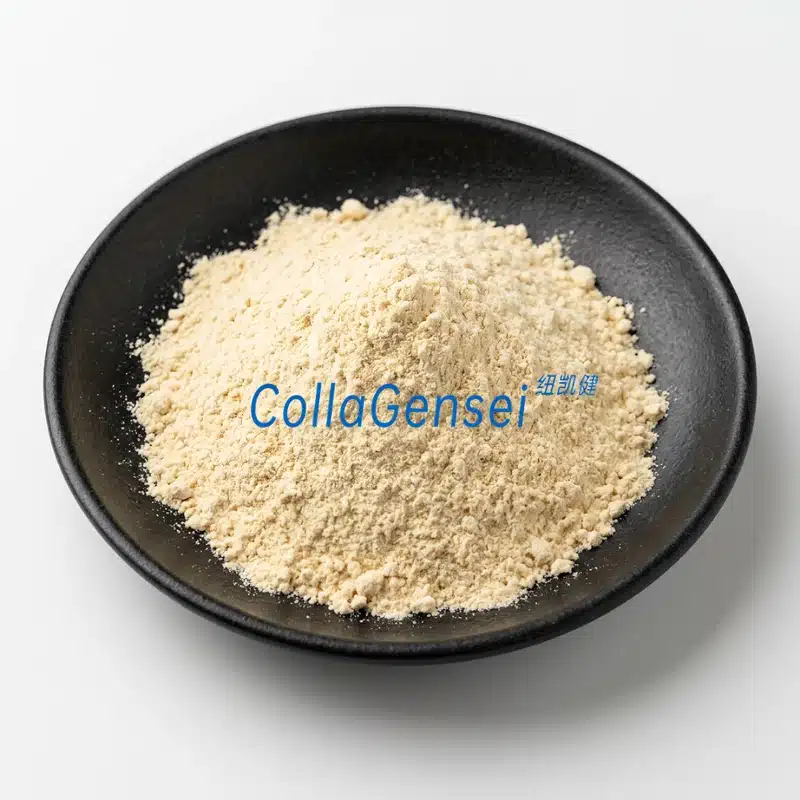
Product Overview
Pea Protein for Protein-Focused Formulations
A practical ingredient option for products where plant protein is part of the nutritional and formulation target.
Sports Nutrition & Supplements
Pea protein is used in protein powders, sports nutrition formulas, protein bars and powdered drink products. The appropriate specification depends on the finished formula and its processing requirements.
Ingredient Qualification
Product selection can be evaluated through the analytical specification, physical characteristics and quality controls relevant to the finished product.
Specifiche tecniche
Pea Protein Specification & COA
The specification below covers the product characteristics and quality controls documented for Pea Protein.
| Test Item | Test Method | Unit | Specifiche | Result |
|---|---|---|---|---|
| Physical & Chemical Properties | ||||
| Colore | Q/YST 0001S-2018 | / | Pale yellow or Milky white | Light yellow |
| Smell | Q/YST 0001S-2018 | / | With right smell of the product, no abnormal odor | Normal, no abnormal odor |
| Character | Q/YST 0001S-2018 | / | Powder or uniform particles | Polvere |
| Impurity | Q/YST 0001S-2018 | / | No visible impurity | No visible impurity |
| Umidità | GB 5009.3-2016 (I) | % | ≤8 | 6.82 |
| Protein (dry basis) | GB 5009.5-2016 (I) | % | ≥80 | 81.3 |
| Ash | GB 5009.4-2016 (I) | % | ≤8 | 3.94 |
| pH | GB 5009.237-2016 | / | 6–8 | 6.68 |
| Gluten | Neogen 8510 | mg/kg | ≤20 | <5 |
| Soy | Neogen 8410 | mg/kg | ≤2.5 | <2.5 |
| Microbiological Controls | ||||
| Total Plate Count | GB 4789.2-2016 (I) | CFU/g | ≤10000 | 1200 |
| Yeast & Molds | GB 4789.15-2016 | CFU/g | ≤100 | <10 |
| Coliforms | GB 4789.3-2016 (II) | CFU/g | ≤30 | <10 |
| Salmonella | GB 4789.4-2016 | /25g | Negativo | Negativo |
| E. Coli | GB 4789.3-2016 (II) | CFU/g | Negativo | Negativo |
| Staph. aureus | GB4789.10-2016 (II) | CFU/g | Negativo | Negativo |
| Contaminants & Other Controls | ||||
| Piombo | GB 5009.12-2017(I) | mg/kg | ≤1.0 | 0.045 |
| Arsenico | GB 5009.11-2014 (I) | mg/kg | ≤0.5 | 0.048 |
| Mercurio | GB 5009.17-2014 (I) | mg/kg | ≤0.1 | Non rilevato |
| Ochratoxin | GB 5009.96-2016 (I) | μg/kg | Negativo | Negativo |
| Aflatoxins | GB 5009.22-2016 (III) | μg/kg | Negativo | Negativo |
| Pesticides | BS EN 15662:2008 | mg/kg | Not be detected | Non rilevato |
| Melamine | GB/T 22388-2008 | mg/kg | Negativo | Negativo |
Routine analysis covers the physical, chemical and microbiological items listed above. The contaminant controls are assessed through periodic analysis.
Applicazioni
Pea Protein Applications
Pea protein is commonly used where plant protein needs to be incorporated into powder, bar or beverage formats.
Polveri proteiche
Suitable for protein-focused powder formulas where protein contribution, dispersion and finished texture are evaluated together.
Nutrizione sportiva
Used in plant-based sports nutrition products and protein-focused nutritional formulas.
Barrette proteiche
Used in bar formulations where protein contribution needs to work alongside texture, processing and sensory requirements.
Powdered Beverages
Used in drink mixes where dispersion, solubility, viscosity and mouthfeel influence the finished product.
Formulazione
Key Factors When Selecting Pea Protein
The ingredient should be evaluated against the requirements of the final formula, not by protein percentage alone.
Obiettivo proteico
Confirm the contribution required from the pea protein within the complete formula.
Solubility & Dispersion
Review how the ingredient performs during mixing, particularly in powdered and beverage applications.
Taste & Mouthfeel
Evaluate the ingredient within the finished formula to achieve the intended sensory profile.
Viscosity & Texture
Check the effect of the protein system on the texture and processing characteristics of the final product.
Selezione dei prodotti
Match the Ingredient to the Finished Product
Product format and processing conditions help determine which technical characteristics should receive the most attention.
For Powder Formulas
Protein powders and dry drink mixes typically require attention to dispersion, sensory profile, texture and the way the powder behaves during preparation.
For Product Qualification
Start with the required specification, then review analytical documentation and application performance before approving the ingredient for production.
Documentazione di qualità
Pea Protein Documentation
Product documentation supports specification review and ingredient qualification.
Certificate of Analysis
Provides analytical results for physical properties, protein content, microbiological controls and contaminant testing.
Product Specification
Defines the analytical requirements used to evaluate the ingredient.
Application Review
Product requirements can be discussed around the intended formulation, format and technical performance.
Request Pea Protein Pricing & Product Information
Share your application, required quantity, destination and specification requirements to receive product information and a quotation.