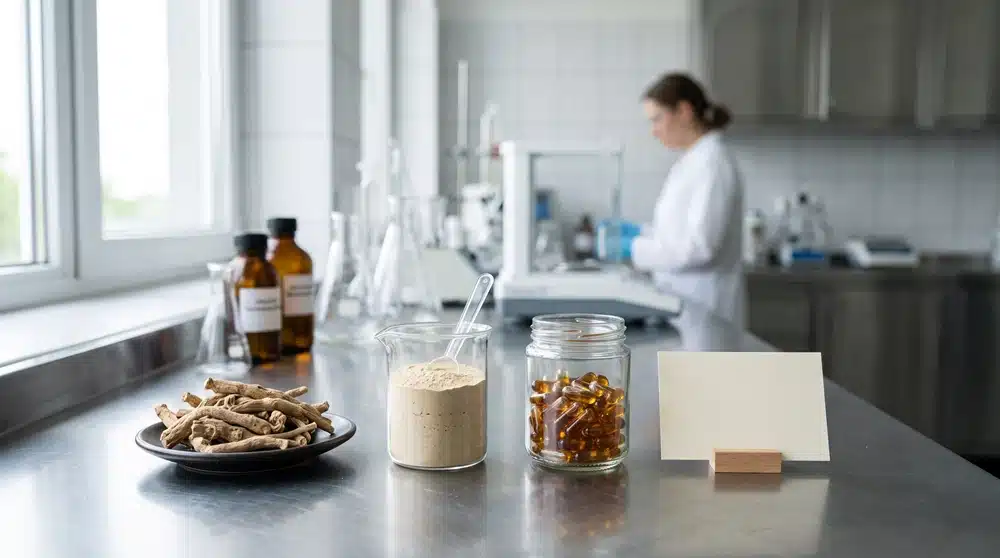
簡単な答え: アシュワガンダの根の粉末とアシュワガンダエキス は、いずれも ウィザニア, 、しかしこれらは同じ製品ではありません。根の 粉末は、乾燥させて粉砕した根のことで、通常、根全体をそのまま使用する用途や、 伝統的な処方や粉末ブレンドに選ばれます。 アシュワガンダエキスは加工・ 濃縮された後、多くの場合ウィタノリドなどの指標成分に基づいて標準化されており、 カプセル、錠剤、グミ、および少量配合の製剤での使用が容易になっています。.
サプリメントブランドにとって、単に「より強力な」製品が最良の選択とは限りません。 適切な形態は、製品の形態、希望する1回分の摂取量、ラベル上の位置付け、 ウィタノリドの規格、官能特性、試験要件、およびターゲット市場によって異なります。 原料を調達する際は、材料を選定する前に、ロットごとの分析証明書(COA)、有効成分の測定方法、根のみの原料か根と葉の原料か、担体、溶剤残留物、および汚染物質の検査結果を 比較検討してください。.
Genseiの供給 バルク アシュワガンダ抽出物粉末 そして 独自配合の サプリメント製造 カプセル、錠剤、グミ、 粉末、およびプライベートブランド製品を開発するブランド向けに。.
一目でわかる比較:アシュワガンダの根の粉末とエキスの違い
| ファクター | アシュワガンダ根粉末 | アシュワガンダ・エキス |
|---|---|---|
| 加工 | 最小限の加工を施して粉末にした乾燥根。. | 抽出・濃縮された後、多くの場合、所定のマーカー値に標準化される。. |
| 一般的な位置付け | 根全体を使用、伝統製法、最小限の加工、粉末化に適しています。. | 標準化され、高濃度で、安定した有効成分を含み、1回分の摂取量が少なくなっています。. |
| ウィタノリド対照群 | サプライヤーから特に指定がない限り、通常は標準化されていません。. | 多くの場合、ウィタノリドの含有率や、HPLCやUVなどの分析方法によって規定される。. |
| 1回分の量 | 濃縮されていないため、通常は量が多くなります。. | 濃縮・標準化されているため、通常はサイズが小さめです。. |
| おすすめの商品形式 | 粉末ブレンド、スティックパック、ドリンクミックス、ホールフード系サプリメントとしての位置づけ。. | カプセル、錠剤、グミ、機能性ブレンド、および1回分の容量が限られている配合製品。. |
| 調達における重点事項 | 原産地、網目サイズ、微生物基準、重金属、農薬残留、および原産地。. | 活性マーカーアッセイ、抽出率、原料(根のみまたは根と葉)、担体、残留溶媒、重金属、および微生物学的検査。. |
| 最適なサイズ | シンプルな全根原料を求めており、1回分の容量がやや多めでも問題ないブランド。. | より少量の投与量、より安定したマーカー濃度、および明確な仕様管理を必要とするブランド。. |
アシュワガンダエキスはアシュワガンダそのものと同じものなのでしょうか?
いいえ。日常的な検索用語として、「アシュワガンダ」は、植物そのもの、 根全体の粉末、あるいはエキスを含むサプリメントを指す場合があります。製剤や調達においては、 これらの用語を互換的に使用すべきではありません。.
アシュワガンダの根の粉末は、乾燥させた根を粉末にしたものです。 アシュワガンダエキスは、 抽出工程を経て作られる濃縮成分です。 このエキスは、2.5%、5%、10%など、特定のウィタノリド含有量に標準化されている場合がありますが、 実際の規格については、必ずサプライヤーのCOAおよび試験方法によって確認する必要があります。.
この区別が重要なのは、2つの製品がどちらも前面ラベルに「アシュワガンダ」と記載していても、 1回分あたりの植物原料や有効成分の含有量が 大きく異なる場合があるためです。.
アシュワガンダの根の粉末とは?
アシュワガンダの根の粉末は、アシュワガンダの根を乾燥させて粉砕することで作られます。 ウィタニア・ ソムニフェラ. これは、濃縮エキスというよりは、植物全体の粉末に近いものです。 加工度が低いため、根まで丸ごと使用した製品や、 伝統的な処方、あるいはシンプルな成分構成の製品を開発しているブランドにとって魅力的かもしれません。.
根の粉末は、粉末飲料ブレンド、スムージーミックス、スティックパック、および 1回分の摂取量が多めでも問題ない製品に有効です。ただし、強い 土のような風味があり、有効成分の含有量がばらつきやすく、エキスに比べて配合重量が多くなる傾向があります。 完成品については、研究開発プロセスの早い段階で、 官能特性への影響や1回分の摂取量を検証する必要があります。.
お使いの製品が粉末ブレンドの場合は、以下の方法を通じて選択肢をご確認ください。 粉末サプリメントメーカー 味、分散性、 1回分の量、および包装への適合性を確認するため。.
標準化アシュワガンダエキスとは何ですか?
アシュワガンダエキスは、植物原料から化合物を抽出し、 それらを粉末、液体、またはその他の利用可能な形態に濃縮して製造されます。 サプリメントでは、カプセル、錠剤、グミ、粉末などに配合しやすいことから、 乾燥エキスの粉末が一般的に使用されています。.
エキスの最大の利点は、成分含有量の管理です。標準化されたエキスは、 定義された有効成分(一般的にはワナノライド)の含有量で供給されます。これにより、 各ブランドは、1回分の摂取量を少なくし、ロット間の品質を より一貫性のある形で維持できる処方を開発しやすくなります。.
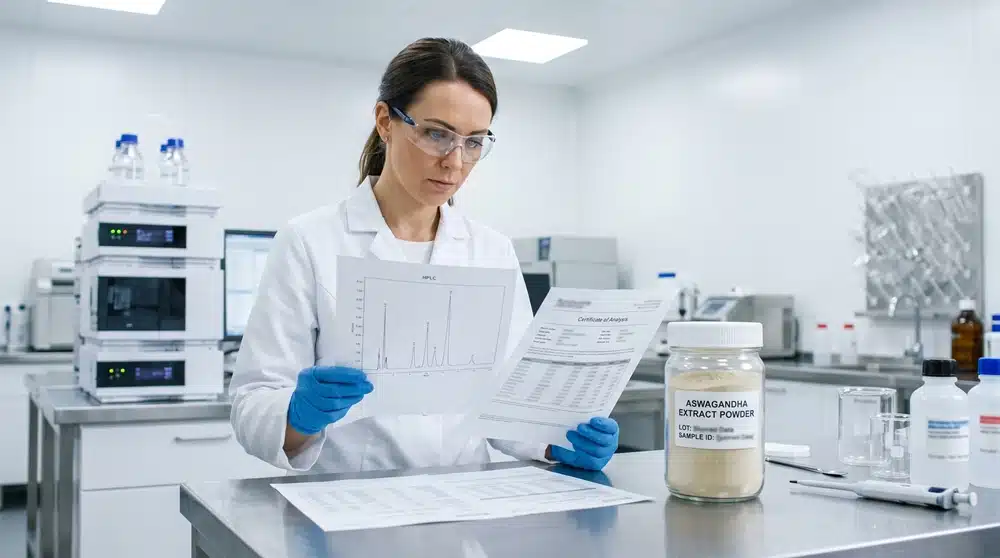
しかし、「抽出物」という情報だけでは不十分です。調達チームは、 使用される植物部位、抽出率、有効成分の含有率、試験方法、 担体、溶媒残留物、重金属、農薬残留物、微生物検査、およびロットごとの COAについて確認する必要があります。A ハーブエキスパウダーのサプライヤー 適格な購入者に対しては、これらの 書類を提示できるはずです。.
アシュワガンダの根の粉末とエキスの摂取量の違い
根の粉末と抽出物の投与量は、単純な一律の 比率で換算すべきではありません。投与量に見られる違いは、濃度、ワナノリドの 規格、抽出方法、原料が根のみか根と葉の混合か、および 具体的な臨床状況や製品の用途によって異なります。.
例えば、NIHがまとめた臨床研究では、抽出物や根全体の顆粒など、幅広い種類の アシュワガンダ製剤が使用されています。つまり、 300 mgの抽出物が、必ずしも300 mgの根の粉末と同等であるとは限りません。より適切なアプローチは、 以下のように比較することです:
- 1食分あたりの原材料の総量;;
- 1食分あたりの標準的なマーカー含有量(記載がある場合);;
- 使用される植物部位;;
- ウィタノリドの試験方法;;
- 完成品の仕様およびラベル表示戦略。.
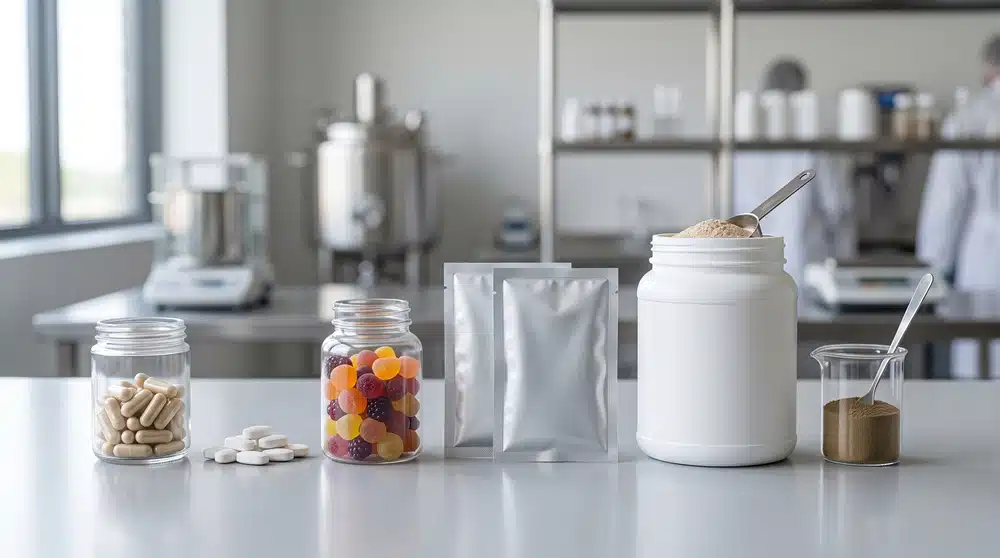
ブランドにとっては、これは投与量の決定と同様に、配合に関する決定でもあります。カプセル や錠剤の場合、スペースに限りがあるため、エキスが好まれる傾向があります。粉末ブレンドの場合は、 味や1回分の量が許容範囲内であれば、根全体を粉末にしたものを使用することも可能です。.
アシュワガンダの根とエキス、どちらが優れているのか?
アシュワガンダエキスは、ブランド側が少量の摂取量、 一貫した規格、および明確な有効成分の管理を必要とする場合に、通常は適しています。そのため、 エキスはカプセル、錠剤、グミ、およびストレスや睡眠の サポートを目的とした製品に広く使用されています。.
アシュワガンダの根の粉末は、ブランドが「根全体」を アピールしたい場合や、伝統的な植物由来のストーリーを打ち出したい場合、あるいは 1回分の摂取量が多くなっても問題にならない粉末ブレンドを 展開したい場合に適しているかもしれません。また、高濃度の抽出物を アピールすることを避けたいブランドにとっても有用である可能性があります。.
完成品については、次のような使用例をご検討ください:
| 製品の目標 | 推奨される形式 | 理由 |
|---|---|---|
| 小粒カプセル1回分 | 標準化抽出物 | 濃縮された素材は、限られたカプセルのスペースによりよく収まります。. |
| 透明なアクティブマーカー付きタブレット | 標準化抽出物 | 仕様の管理およびアクティブマーカーの文書化に対応しています。. |
| グミの配合 | 抽出物(通常、厳密に検証された用量で) | グミには、有効荷重や味に関する制約が限られています。. |
| 粉末ドリンクまたはスムージーミックス | 根の粉末またはエキス | 根の粉末は、根全体を所定の位置に固定するのに役立ち、エキスは1回分の量を減らすことができます。. |
| プライベートブランド ストレスケア用サプリメント | よく標準化された抽出物 | 原材料の統一的な位置づけと、1食分の量の削減を支援します。. |
| 伝統的な植物性パウダー | 根の粉末 | 全根部および最小限の加工を施した位置決めにより適しています。. |
フォーマット固有の開発を行う場合は、各フォーマットのサポート内容を比較してください。 サプリメント OEM, グミサプリメーカー または ハーブサプリメント製造 パートナー。.
抽出物の標準化に基づいてアシュワガンダサプリメントを比較する方法
アシュワガンダのサプリメントを比較する場合や、新しい 処方の原料を調達する場合は、パッケージ表面に記載されている1回分の摂取量だけで比較してはいけません。一見すると 含有量が多いように見えるミリグラム表示でも、必ずしも有効成分の含有量が高いとは限りません。.
このチェックリストを使ってください:
- 植物学的同定: 確認 ウィザニア および 使用された植物の部位。.
- ルートのみ、またはルートとリーフ: 抽出対象が「ルートのみ」、「ルートとリーフ」、あるいは「未指定」のいずれであるかを明確にしてください。.
- ウィタノリドの規格: その割合を確認し、それが HPLC、UV、あるいはその他の方法で分析されているかどうかも確認してください。.
- 抽出率: 10:1 といった比率は、 補助的な情報として扱い、アクティブマーカー検査の代わりとはみなさないでください。.
- 担体および添加剤: マルトデキストリン、デンプン、またはその他の 担体が含まれている場合は、その有無を確認してください。.
- 不純物: 重金属、農薬残留物、 微生物学、および残留溶剤について検討する。.
- 一括処理対象の文書: 必要に応じて、COA、SDS、仕様書、およびフロー チャートを請求してください。.
元生の サプリメント品質管理 このプロセスは、 同一性試験、有効成分含有量、純度、および ロット文書について説明する際の、補足的な内部リンクとして活用できます。.
「根のみ」と「根・葉混合」のアシュワガンダエキス
もう一つの重要な違いは、植物の部位です。抽出物の中には根のみから作られるものもあれば、 根と葉の両方を使用するものもあります。これはウィタノリドの組成や 位置づけ、そして顧客の期待に影響を与える可能性があります。.
サプリメントの保守的なポジショニングにおいては、多くのブランドが根のみの抽出物を好んで採用しています。 というのも、消費者の認知において、根は最も馴染みのある伝統的な原料だからです。根と葉の混合抽出物も依然として商業的に使用されることはありますが、ラベル、規格、 およびマーケティングメッセージは、実際の成分と明確に一致している必要があります。.
最も安全な調達ルールは単純です。推測してはいけません。サプライヤーに対し、 仕様書およびCOAに植物の部位を明記するよう依頼してください。.
安全性および表示に関する考慮事項
アシュワガンダに関する記述は、健康・ サプリメントのカテゴリーに属するため、慎重に作成する必要があります。製品が病気の診断、治療、治癒、 または予防を行うことを示唆するような表現は避けてください。 「不安を治療する」や「不眠症を治す」といった表現の代わりに、 「健康的なストレス反応をサポートする」、「リラックスをサポートする」、 「睡眠の質をサポートする」など、規制に準拠した構造・機能表現を使用してください。“
妊娠中の方、授乳中の方、肝臓疾患のある方、甲状腺 疾患のある方、自己免疫疾患のある方、鎮静剤や甲状腺薬を服用している方、あるいは 手術を控えている方は、アシュワガンダを使用する前に 医療専門家に相談してください。 長期的な安全性については十分に確立されておらず、まれに肝臓に関連する 有害事象が報告されています。.
B2B向けページには、以下の簡単なコンプライアンスに関する注記を追加してください。「本コンテンツは、成分および 配合に関する知識提供のみを目的としています。完成品の効能表示、ラベル、および市場規制への適合性については、 発売前に対象国ごとに確認を行う必要があります。」“
よくあるご質問
アシュワガンダ・エキスはアシュワガンダと同じですか?
いいえ。「アシュワガンダ」とは、植物そのもの、根の粉末、あるいはそれらを含むサプリメントを指す場合があります。
エキス。アシュワガンダエキスは濃縮された成分であり、標準化されている場合があります。
トワノライド。根の粉末は、乾燥させて粉砕した根です。.
アシュワガンダとアシュワガンダ抽出物の違いは何ですか?
アシュワガンダは植物由来の原料です。アシュワガンダエキスは、加工されたものであり、
その植物成分の濃縮形態。この抽出物は、より安定した有効成分をもたらす可能性がある
マーカーレベルですが、具体的な仕様はサプライヤーやロットごとのCOAによって異なります。.
アシュワガンダエキスと粉末:どちらの効果が高いのか?
エキスの方が通常、根の粉末よりも濃度が高いですが、「より強力」というのは
ミリグラム単位だけでなく、ウィタノリドの規格および試験方法によっても確認されている
ラベルに記載されている金額。.
根の抽出物とは何ですか?
根エキスとは、植物の根から化合物を抽出して作られた成分のことです。アシュワガンダの場合、根エキスとは、その植物原料が ウィザニア, 、ただし、活性マーカーおよび濃度は、依然として仕様書およびCOAに基づいて確認する必要があります。.
カプセルには、アシュワガンダの根の粉末とエキスのどちらが適していますか?
エキスは、標準化された指標を提供できるため、カプセルには適していることが多い
より少ない充填量で同じレベルを実現できます。ルートパウダーを使用することもできますが、その場合はより多くの量が必要になる場合があります。
カプセル、あるいはそれ以上の分量。.
グミには、アシュワガンダの根の粉末とエキス、どちらが適していますか?
グミの場合、スペースに限りがあるため、通常はエキスを配合する方が実用的です
有効成分や強い味に関する制約。最終的な投与量、風味、および
安定性は、製剤化の過程で試験を行うべきである。.
パウダーブレンドには、アシュワガンダの根とエキスのどちらが適していますか?
どちらの方法も有効です。根の粉末は、根全体を所定の位置に固定するのに役立ちますが、味に影響を与える可能性があります。
および1食分の量。エキスを使用すれば1食分の量を減らすことができますが、慎重にブレンドする必要があり、味にも注意が必要です。
試験および仕様管理。.
アシュワガンダはFDAの承認を受けていますか?
栄養補助食品は、発売前にFDAによる安全性および有効性の承認を受けていません。
マーケティング。ブランドは、規制に準拠した原材料の使用や、事実に基づいた表示を行う責任があり、,
適切な表示と十分な根拠。.
アシュワガンダを摂ってはいけない人とは?
妊娠中の方、授乳中の方、肝臓や甲状腺の疾患がある方、
自己免疫疾患がある方、鎮静剤や甲状腺薬を服用している方、あるいは以下の準備をしている方は
手術を受ける予定のある方は、使用前に医療専門家に相談してください。.
結論
アシュワガンダの根の粉末とアシュワガンダエキスは、それぞれ異なる製剤上の目的を果たします。 根の粉末は、根全体を使用する製品や粉末の配合に適した製品に適していますが、 標準化エキスは、1回分の摂取量を少なくしたいブランドや、 アナノライドの規格が一定であること、およびロットごとの詳細な記録が求められる場合に適していることが多いです。.
アシュワガンダサプリメントを開発される場合は、剤形を決定する前に、 成分の仕様を比較検討してください。Genseiでは、植物由来原料の調達、 カスタム処方の開発、カプセル、錠剤、グミ、粉末ブレンド、およびプライベートブランドサプリメントの 製造をサポートいたします。 次なるアシュワガンダ製品に関するCOA、MOQ、サンプル、および処方のサポートをご希望の場合は、 ぜひ弊社までお問い合わせください。.
参考文献
- NIH 栄養補助食品局。アシュワガンダ:ストレス、 不安、睡眠に効果があるか? 医療従事者向けファクトシート。. https://ods.od.nih.gov/factsheets/Ashwagandha HealthProfessional/
- NCCIH。アシュワガンダ:有用性と安全性。. https://www.nccih.nih.gov/health/ashwagandha
- FDA。栄養補助食品に関するQ&A。. https://www.fda.gov/food/information-consumers-using-dietary supplements/questions-and-answers-dietary-supplements
- FDA構造/機能クレーム。. https://www.fda.gov/food/nutrition-food-labeling-and-critical foods/structurefunction-claims
- FTC。健康関連製品のコンプライアンスに関するガイダンス。. https://www.ftc.gov/system/files/ftc_gov/pdf/Health-Products Compliance-Guidance.pdf
- Cheah KL ほか. アシュワガンダ抽出物が睡眠に及ぼす影響:システマティック・レビューおよび メタ解析。. https://pmc.ncbi.nlm.nih.gov/articles/PMC8462692/
- Akhgarjand C ほか. アシュワガンダの摂取は、 ストレスや不安に対して有益な効果をもたらすのか? https://pubmed.ncbi.nlm.nih.gov/36017529/
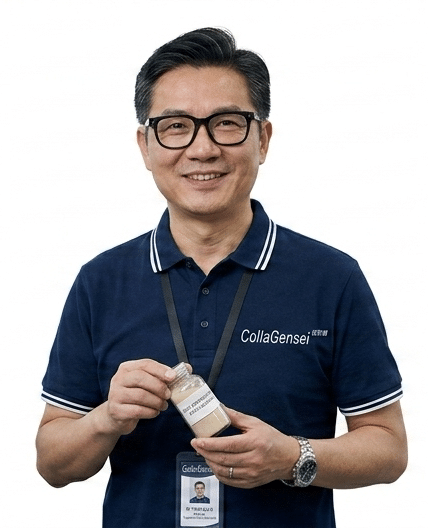
ウォーレン・ワン氏は、栄養補助食品のサプライチェーンにおいて豊富な経験を持つベテランの専門家であり、コラーゲンペプチド、骨スープ由来タンパク質、ケラチンといった主要成分の研究、開発、工程管理、およびグローバルな調達において、豊富な実務経験を有しています。 本コラムの執筆者として、彼はマーケティング的な装いを剥ぎ取り、難解な成分科学や製造品質管理基準を、分かりやすい本格的な科学普及記事へと変換することに尽力しています。これにより、読者がラベルの裏にある真実を理解し、より合理的な健康に関する選択を行えるよう支援しています。.