
Для потребителей это означает, что самая низкая цена за упаковку не всегда является наиболее выгодным выбором. Для производителей пищевых добавок это означает, что нужно задавать не только вопрос “Насколько дешево мы можем сделать этот продукт?”, но и “Какова стоимость одного грамма полезного белка и какой уровень качества обещает бренд?”
В данном руководстве объясняется, почему выросли цены на протеиновый порошок, как оценить соотношение цены и качества, а также как производителям пищевых добавок разработать экономичные рецептуры без ущерба для качества. Если вы занимаетесь разработкой протеинового продукта под собственной торговой маркой, компания Gensei готова оказать вам поддержку производство белковых добавок, производство порошковых добавок, и индивидуальная рецептура добавок.
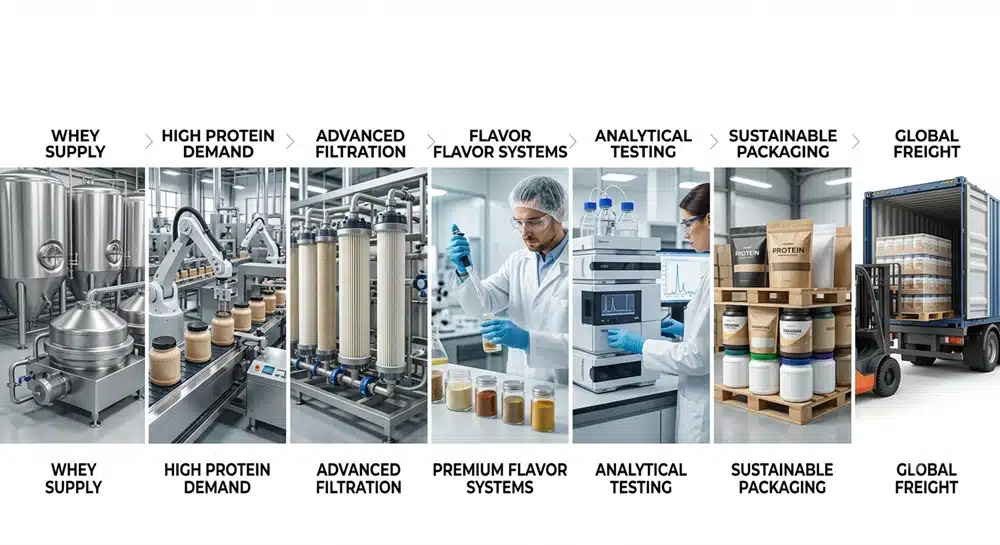
Краткий ответ: Почему протеиновый порошок будет стоить дороже в 2026 году
Цены на протеиновые порошки растут из-за одновременного воздействия нескольких факторов, оказывающих давление на затраты: роста спроса на протеин со стороны широкого потребителя, дефицита сырья — высокопротеиновой сыворотки, повышенных требований к переработке изолятов и чистых форм протеина, удорожания систем ароматизаторов и подсластителей, ужесточения требований к контролю качества, затрат на упаковку, а также увеличения сроков поставки сырья.
Продукты на основе сыворотки особенно чувствительны к рыночному давлению, поскольку производство сывороточного белка напрямую зависит от мощностей молокоперерабатывающей промышленности. Бренды, использующие сывороточный изолят, сыворотку быстрорастворимую, прозрачную сыворотку, готовые к употреблению протеиновые коктейли или высокобелковые снеки, зачастую испытывают наибольшее давление со стороны затрат.
6 основных причин роста цен на протеиновый порошок
| Фактор, влияющий на затраты | Почему это приводит к росту цен | Что видят потребители | Какие бренды следует проверить |
|---|---|---|---|
| Высокий спрос на белок | Белок уже не ограничивается только бодибилдингом; его используют в коктейлях, батончиках, снеках, напитках и продуктах для контроля веса. | Более высокие цены на полках и меньшее количество рекламных акций. | Прогнозируйте спрос и заранее обеспечьте поставку ингредиентов. |
| Ограничения в поставках сыворотки | Производство высокобелковых ингредиентов из сыворотки зависит от поставок молочной продукции и наличия специализированных производственных мощностей. | Цены на продукты из сывороточного концентрата и изолята растут. | Сравните WPC, WPI, чистую сыворотку, коллаген, говяжий белок и растительные альтернативы. |
| Более высокое содержание белка | Изоляты и прозрачные белки требуют более тщательной фильтрации и обработки, чем порошки с более низким содержанием белка. | Продукты премиум-класса стоят дороже в расчете на одну порцию. | Рассчитайте стоимость одного грамма белка, а не стоимость одной упаковки. |
| Системы вкусовых характеристик и растворимости | Протеиновые порошки требуют добавления маскирующих веществ, подсластителей, стабилизаторов, а иногда и средств, предотвращающих комкование, для улучшения вкуса и растворимости. | Лучший вкус и текстура, как правило, обходятся дороже. | Перед переходом на промышленное производство проверьте вкус, послевкусие, ощущение во рту и растворимость в воде. |
| Тестирование и соответствие требованиям | Проверка сертификата происхождения (COA), анализ на подлинность, микробиологические испытания, скрининг на содержание тяжелых металлов и проверка этикеток приводят к увеличению затрат. | Бренды более высокого качества могут устанавливать более высокие цены. | Требуется предоставление производственной документации, сертификата анализа (COA), данных о контроле аллергенов и проверки заявлений о свойствах продукта. |
| Упаковка и логистика | Протеиновые порошки занимают много места, чувствительны к влаге и являются тяжелыми грузами. | Доставка крупных ведер, пакетов и готовых к употреблению напитков может обходиться дороже. | Оптимизируйте количество порций, размер тары, размер мерной ложки и эффективность использования картонной упаковки. |
Повышение цен на сывороточный протеин в 2026 году: что нужно знать брендам
Сыворотка по-прежнему остается одним из самых популярных белковых ингредиентов, поскольку обладает полноценным аминокислотным профилем и хорошо подходит для использования в рецептурах спортивного питания. Однако для производства концентрата и изолята сывороточного белка требуются молокопоточные линии, фильтрационные мощности, сушильные мощности и системы контроля качества. Когда спрос растет быстрее, чем предложение, цены на высокобелковые сывороточные ингредиенты могут резко измениться.
Для бренда это означает, что самое важное решение заключается не просто в том, является ли сыворотка “хорошей” или “плохой”. Более практичный вопрос заключается в том, подходит ли сыворотка в качестве ингредиента с учетом целевой аудитории, ценового диапазона, заявленного содержания белка, профиля аллергенов, текстуры и вкусовых характеристик продукта.
Как рассчитать реальную стоимость протеинового порошка
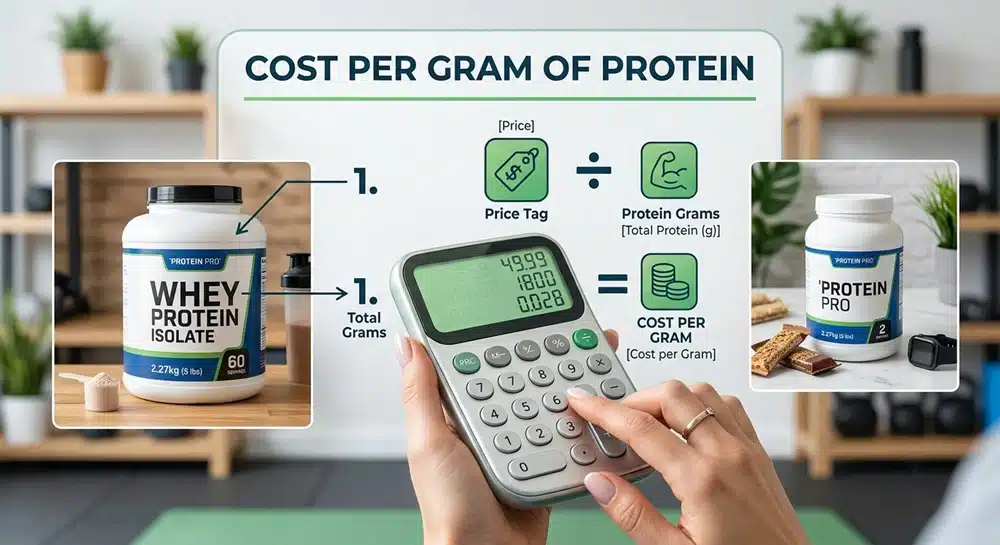
Потребители часто сравнивают протеиновые порошки по цене за упаковку, но это может вводить в заблуждение. Более правильным способом является расчет стоимости одного грамма белка.
Формула: Стоимость одного грамма белка = цена продукта / общее количество граммов белка в упаковке.
| Пример товара | Цена | Порции | Содержание белка в одной порции | Общее содержание белка | Стоимость одного грамма белка |
|---|---|---|---|---|---|
| Бюджетный порошок | $45 | 30 | 20 g | 600 г | $0.075 |
| Изолят с повышенным содержанием белка | $65 | 30 | 27 г | 810 г | $0.080 |
| Купаж премиум-класса с добавлением ароматизаторов | $72 | 25 | 25 г | 625 г | $0.115 |
Более дорогая упаковка может оказаться более выгодной, если в ней содержится больше белка на порцию, она лучше растворяется, содержит меньше наполнителей, прошла более тщательные испытания и имеет состав, который потребители действительно используют на постоянной основе.
Контрольный список потребительской ценности: стоит ли покупать дорогой протеиновый порошок?
Прежде чем решать, стоит ли протеиновый порошок своих денег, воспользуйтесь этим контрольным списком:
- Выход белка: Сколько граммов белка содержится в одной порции и во всей упаковке?
- Источник белка: Это концентрат сыворотки, изолят сыворотки, коллаген, говяжий белок, гороховый белок, рисовый белок или смесь?
- Прозрачность аминокислот: Предоставляет ли производитель информацию об аминокислотах или, по крайней мере, четко указывает источник белка?
- Подсластители и ароматизаторы: Вы платите за систему вкусовых добавок с чистым составом, за простую рецептуру или за продукт десертного типа с ярко выраженным вкусом?
- Тестирование: Рассказывает ли бренд о содержании тяжелых металлов, микробиологических испытаниях, мерах по контролю аллергенов или независимой проверке?
- Здоровье пищеварительной системы: Подходит ли данная формула с учетом вашей переносимости лактозы, пищевых предпочтений и предполагаемого назначения?
- Вариант использования: Это для удобства после тренировки, в качестве дополнения к питанию, высокобелкового перекуса или просто для общего питания?
Руководство по разработке рецептур брендов: что влияет на себестоимость производства белковых добавок?
Для брендов пищевых добавок себестоимость готовой продукции зависит не только от сырой протеин цена. Реалистичная модель расчета затрат должна учитывать сложность рецептуры, разработку вкусовых характеристик, этапы дегустации, тестирование ингредиентов, формат упаковки, масштаб производства и проверку на соответствие нормативным требованиям.
| Статья расходов | Примеры | Функция контроля затрат |
|---|---|---|
| Белковый ингредиент | WPC, WPI, чистая сыворотка, коллагеновые пептиды, изолят говяжьего белка, смесь гороха и риса. | Выбирайте источник белка, ориентируясь на его назначение, а не только на модные тенденции. |
| Система вкусовых характеристик | Шоколад, ваниль, фрукты, прозрачный напиток, маскирующие вещества, подсластители. | Упростить ассортимент вкусов или сделать приоритетными 1–2 вкуса при запуске. |
| Функциональные дополнения | Креатин, электролиты, пробиотики, клетчатка, ферменты, витамины. | Добавляйте только те ингредиенты, которые соответствуют обещанию бренда и стратегии позиционирования. |
| Тестирование | Идентификация, анализ, микробиологические показатели, тяжелые металлы, аллергены, стабильность. | Разработайте план тестирования с учетом рисков и требований каналов сбыта. |
| Упаковка | Банки, банки, пакеты, саше, стик-пакеты, мерные ложки, вкладыши. | Выберите формат упаковки, который соответствует сроку хранения, условиям транспортировки и удобству использования. |
| Масштаб производства | Минимальный объем заказа (MOQ), размер партии, сроки выполнения заказа, распределение сырья. | Прогнозируйте спрос и, по возможности, объединяйте варианты. |
Бренды, которым требуется помощь в разработке рецептур, могут сотрудничать с производителем, который разбирается в этом смешивание порошков, производство белковых добавок, системы ароматизации, упаковка и контроль качества.
Варианты ингредиентов при высоких ценах на сыворотку
Когда цены на сыворотку растут, брендам не всегда приходится отказываться от её использования. Они могут рассмотреть возможность применения комбинированных стратегий, использования альтернативных источников белка или изменения формата продукции.
| Вариант ингредиента | Оптимальный вариант применения | Примечания по составу |
|---|---|---|
| Концентрат сывороточного протеина | Классические продукты спортивного питания и обычные протеиновые порошки. | Хороший вкус и аминокислотный профиль, но цена и доступность могут колебаться. |
| Изолят сывороточного протеина | Позиционирование как продукт премиум-класса с высоким содержанием белка и пониженным содержанием лактозы. | Более высокое содержание белка, но, как правило, и более высокая стоимость. |
| Прозрачный сывороточный протеин | Легкие белковые продукты, напоминающие напитки. | Требует более тщательной технической обработки и доработки вкусовых качеств. |
| Смесь горохового и рисового белков | Веганские или безмолочные продукты. | Может потребоваться маскировка привкуса и сбалансирование аминокислот. |
| Пептиды коллагена | Позиционирование в сфере красоты, здоровья суставов, ухода за кожей и здорового старения. | Не является полноценным белком; не следует позиционировать его как сыворотку для синтеза мышечного белка. |
| Изолят говяжьего белка | Позиционирование животного белка без молочных компонентов. | Обратите внимание на аминокислотный профиль, вкус и прозрачность информации о происхождении. |
Требования к качеству, которые необходимо проверить перед выпуском протеиновой добавки
Рост затрат может подтолкнуть бренды к экономии за счет качества. Это рискованно. Более низкая цена может скрывать недостаточное тестирование, плохой вкус, низкий выход белка, неясность в отношении происхождения сырья или проблемы с упаковкой.
- Анализ состава (COA) для каждой партии основного сырья.
- Определение содержания белка и проверка соответствия маркировки.
- Микробиологические испытания и скрининг на содержание тяжелых металлов.
- Меры по контролю аллергенов, в частности в отношении молочных продуктов, сои и глютена.
- Целевые показатели влажности и активности воды для обеспечения стабильности порошка.
- Размер частиц, насыпная плотность и сыпучесть при наполнении и смешивании.
- Испытания на стабильность с точки зрения вкусовых качеств, образования комков и срока хранения.
- Производственная документация и документация по отслеживанию.
Gensei оказывает поддержку брендам, ориентированным на качество, посредством контроль качества добавок, анализ поставок и производственная документация.
Как производители пищевых добавок могут контролировать затраты без ущерба для качества
- Начнём с позиционирования: Определите, к какой категории относится продукт: бюджетная, высокоэффективная, с «чистым составом», клиническая, веганская, косметическая, для контроля веса или связанная со стилем жизни.
- Рассчитать экономическую эффективность производства белка: Сравнивайте стоимость одного грамма белка, а не только стоимость одного килограмма сырья.
- Ограничить количество SKU при запуске: Сначала выпустите на рынок меньшее количество вкусов, чтобы снизить риски, связанные с разработкой новых вкусов и запасами.
- Оптимизируйте размер порции: Избегайте использования чрезмерно больших порций, которые увеличивают затраты, не повышая при этом ценности для пользователя.
- Заранее ознакомьтесь с упаковкой: Выбор между пакетами, тубами и упаковками-стиками влияет на стоимость доставки, минимальный объем заказа, срок хранения и потребительский опыт.
- Рассмотрение заявлений об использовании: Утверждения о структуре и функциях должны быть точными, обоснованными и не связанными с заболеваниями.
- План распределения сырья: Своевременно налаживайте сотрудничество с поставщиками в случае дефицита сыворотки, ароматизаторов или специальных ингредиентов.
Вопросы, которые следует задать производителю белковых добавок при запросе предложений
Прежде чем запрашивать ценовое предложение, производители пищевых добавок должны задать следующие вопросы:
- Какие источники белка можно использовать при разработке рецептур и какие из них в настоящее время наиболее стабильны с точки зрения поставок?
- Какой минимальный объем заказа (MOQ) применяется к баночкам, пакетам, саше и стик-пакам?
- Можете ли вы предоставить лабораторные образцы до начала полномасштабного производства?
- Какие испытания включены в смету, а какие — дополнительные?
- Оказываете ли вы услуги по проверке сертификатов соответствия (COA) и сопровождению технических характеристик готовой продукции?
- Как вы решаете проблему маскировки вкуса растительных белков, коллагена, говяжьего белка или прозрачного белка?
- Каковы ориентировочные сроки поставки сырья, изготовления пробных образцов и запуска полномасштабного производства?
- Можете ли вы обеспечить проверку этикеток, разработку таблицы «Пищевая ценность» и проверку заявлений о полезных свойствах?
- Какие варианты упаковки доступны для чувствительных к влаге протеиновых порошков?
- Как вы организуете ведение технологических карт, обеспечение прослеживаемости и ведение документации по качеству?
Вопросы безопасности, маркировки и заявлений о свойствах продукта
Протеиновые добавки следует позиционировать как продукты питания, а не как средства лечения заболеваний. Следует избегать утверждений, подразумевающих, что протеиновый порошок лечит ожирение, предотвращает потерю мышечной массы, избавляет от проблем с пищеварением или заменяет рекомендации врача по питанию. Более безопасные формулировки включают “способствует ежедневному потреблению белка”, “помогает достичь целевых показателей потребления белка” или “способствует восстановлению мышечной массы при использовании в сочетании с физическими упражнениями и сбалансированным питанием”, если они обоснованы и уместны.
Производителям также следует учитывать наличие аллергенов, размер порции, содержание добавленных сахаров, переносимость организмом, наличие кофеина или стимуляторов, а также то, подходит ли продукт для целевой аудитории. Людям с заболеваниями почек, нарушениями обмена веществ, беременным, кормящим грудью, страдающим пищевой аллергией или принимающим лекарственные препараты следует проконсультироваться с квалифицированным медицинским специалистом, прежде чем вносить существенные изменения в рацион питания с использованием пищевых добавок.
ЧАСТО ЗАДАВАЕМЫЕ ВОПРОСЫ
Почему протеиновый порошок сейчас такой дорогой?
В настоящее время протеиновый порошок стоит дорого, поскольку спрос на продукты с высоким содержанием белка вырос, в то время как предложение высокобелковых ингредиентов, особенно концентрата и изолята сывороточного белка, сократилось. На конечную розничную цену также влияют затраты на тестирование, ароматизаторы, упаковку и производство.
Почему сывороточный протеин будет стоить так дорого в 2026 году?
Сывороточный протеин стоит дорого, поскольку его производство зависит от поставок молочной продукции и наличия специализированных производственных мощностей. Высокобелковые сывороточные ингредиенты, такие как WPC 80 и изолят сывороточного протеина, требуют дополнительной переработки, а спрос на порошки, коктейли, батончики и функциональные продукты питания вырос.
Протеиновый порошок подорожал?
Да, многие протеиновые порошки подорожали, особенно продукты на основе сывороточного протеина. Точный размер подорожания зависит от источника белка, процентного содержания белка, размера порции, упаковки, позиционирования бренда и стандартов тестирования.
Дорогой протеиновый порошок — это всегда лучше?
Нет. Дорогой протеиновый порошок не всегда лучше. Сравните стоимость одного грамма белка, источник ингредиентов, аминокислотный профиль, подсластители, результаты тестирования, растворимость, соответствие требованиям по аллергенам, а также то, насколько формула соответствует вашим реальным потребностям в питании.
Как можно получить белок самым дешевым способом?
Цельные продукты, такие как яйца, молочные продукты, мясо птицы, рыба, бобы, чечевица, соевые продукты и греческий йогурт, зачастую могут служить более экономичным источником белка. Протеиновые порошки в основном полезны благодаря удобству использования, компактности, целевым показателям состава и конкретному позиционированию продукта.
Как производители пищевых добавок могут снизить себестоимость производства протеинового порошка?
Бренды могут контролировать затраты, выбирая подходящий источник белка, ограничивая количество вкусов при запуске продукта, оптимизируя размер порции, планируя минимальный объем заказа, выбирая эффективную упаковку, избегая ненужных дополнительных компонентов и сотрудничая с производителем, способным найти баланс между качеством рецептуры и целевыми показателями по затратам.
Нужна помощь в разработке экономичной белковой формулы?
Если вы планируете выпустить добавку на основе сыворотки, растительного белка, коллагена, говяжьего белка, костного бульона, чистого белка или смешанного белка, компания Gensei поможет вам оценить варианты ингредиентов, заявления о белковом содержании, системы вкусовых добавок, планы тестирования, упаковку и минимальный объем заказа (MOQ).
Ознакомьтесь с нашим производство белковых добавок, производство порошковых добавок, добавки под собственной торговой маркой, и связаться с нами страницы, на которых можно обсудить ваш следующий проект.
Ссылки
- Служба сбыта сельскохозяйственной продукции Министерства сельского хозяйства США (USDA) — Концентрат сывороточного белка: Центральные и Западные штаты США.
- Служба маркетинга сельскохозяйственной продукции Министерства сельского хозяйства США (USDA) — Еженедельный отчет о рынке молочной продукции
- FDA — Вопросы и ответы о пищевых добавках
- FDA — Заявления о связи «структура-функция»
- FDA — Руководство по соблюдению требований CGMP для малых предприятий, производящих пищевые добавки
- Федеральная торговая комиссия (FTC) — Руководство по соблюдению требований к товарам для здоровья
- Управление по пищевым добавкам Национального института здоровья (NIH) – Пищевые добавки для занятий спортом и повышения спортивных результатов
- NielsenIQ — Тенденции потребительского рынка в сфере здоровья и благополучия: прогноз на 2026 год
Уоррен Ван — опытный специалист с обширным стажем работы в сфере цепочки поставок пищевых добавок, обладающий богатым практическим опытом в области исследований, разработки, контроля производственных процессов и глобального поиска поставщиков ключевых ингредиентов, таких как коллагеновые пептиды, белок костного бульона и кератин. Как автор этой рубрики, он стремится развенчать маркетинговую мистификацию, преобразуя малоизвестные научные факты об ингредиентах и стандарты контроля качества производства в доступные и достоверные научно-популярные материалы, помогая читателям понять правду, скрытую за этикетками, и делать более рациональный выбор в вопросах здоровья.


