
คำตอบด่วน: น้ำมันปลาแซลมอน vs น้ำมันปลา สำหรับแบรนด์อาหารเสริม
น้ำมันปลาแซลมอนเป็นน้ำมันปลาชนิดหนึ่ง แต่ไม่ใช่ว่าน้ำมันปลาทุกชนิดจะเป็นน้ำมันปลาแซลมอน สำหรับแบรนด์อาหารเสริม การเลือกที่ดีกว่าไม่ได้ขึ้นอยู่กับชื่อน้ำมันเพียงอย่างเดียว ขึ้นอยู่กับปริมาณ EPA/DHA ที่คุณต้องการ, เรื่องราวของแหล่งที่มา, ผลการวิเคราะห์ COA, สถานะการออกซิเดชัน, ลักษณะทางประสาทสัมผัส, รูปแบบการบริโภค, เป้าหมายด้านราคา และการวางตำแหน่งทางการตลาด.
เลือกน้ำมันปลาแซลมอน เมื่อคุณต้องการส่วนผสมโอเมก้า-3 ระดับพรีเมียมจากแหล่งเดียวที่มีเรื่องราวแหล่งที่มาทางธรรมชาติที่แข็งแกร่งยิ่งขึ้น สามารถเป็นประโยชน์อย่างยิ่งสำหรับอาหารเสริมสัตว์เลี้ยง ผลิตภัณฑ์น้ำมันเหลว การส่งเสริมผิวหนังและขน และแบรนด์ที่ต้องการเน้นว่าแซลมอนเป็นแหล่งที่มา.
เลือกน้ำมันปลาทั่วไป เมื่อความสำคัญของคุณคือประสิทธิภาพด้านต้นทุน, ความเข้มข้นของ EPA/DHA มาตรฐาน, การผลิตซอฟต์เจล, หรือการเสริมโอเมก้า-3 ในรูปแบบที่กว้างขึ้นสำหรับหัวใจ สมอง ข้อต่อ หรือในชีวิตประจำวัน.
สำหรับการคิดค้นสูตร B2B คำถามที่แท้จริงไม่ใช่เพียงแค่ “อันไหนที่ดีต่อสุขภาพมากกว่า?” คำถามที่ดีกว่าคือ: น้ำมันโอเมก้า-3 ชนิดใดที่สามารถให้ข้อมูล EPA/DHA ที่ถูกต้อง ผ่านการทดสอบการออกซิเดชันและสารปนเปื้อน เหมาะกับรูปแบบการบริโภค และสนับสนุนการวางตำแหน่งแบรนด์ของคุณในราคาที่เหมาะสม?
สำหรับแบรนด์ที่เปรียบเทียบน้ำมันปลาแซลมอน น้ำมันปลา น้ำมันคริลล์ หรือน้ำมันสาหร่าย การเริ่มต้น สูตรอาหารเสริมโอเมก้า-3 การสนับสนุนสามารถช่วยจับคู่แหล่งน้ำมันที่เหมาะสมกับรูปแบบการให้ยาของคุณ, เป้าหมาย EPA/DHA, ช่วงราคา, และการวางตำแหน่งทางการตลาดของคุณได้.
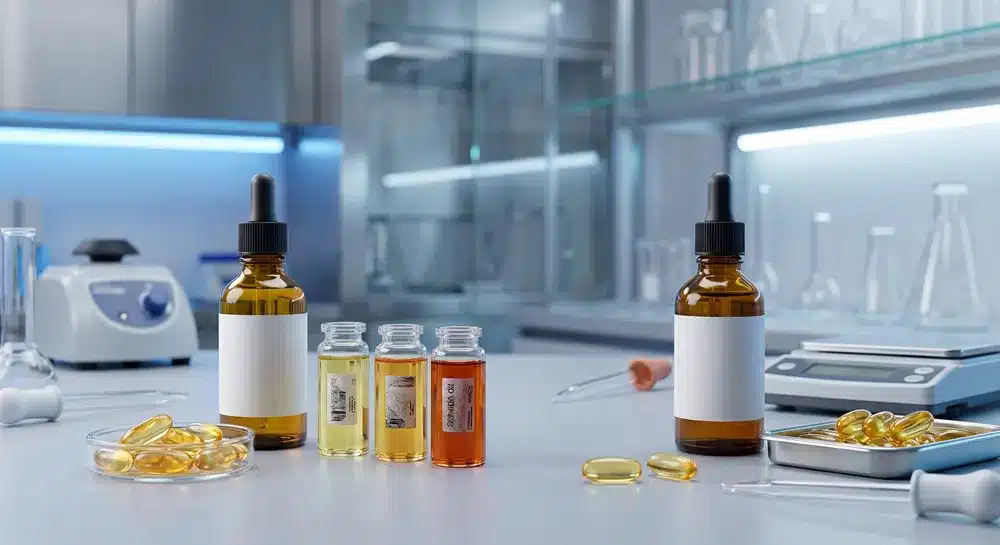
น้ำมันปลาคืออะไร?
น้ำมันปลาเป็นหมวดหมู่กว้างของน้ำมันทะเลที่สกัดจากปลาที่มีน้ำมัน เช่น ปลาตัวเล็ก ปลาซาร์ดีน ปลาทู ปลาแซลมอน ปลาทูน่า หรือปลาแซลมอน ในกระบวนการผลิตอาหารเสริม น้ำมันปลาได้รับการยกย่องเป็นอย่างมากเนื่องจากให้กรดไขมันโอเมก้า-3 ที่มีสายโซ่ยาว เอปีเอ และ ดีเอชเอ.
สำหรับแบรนด์อาหารเสริม รายละเอียดที่สำคัญที่สุดไม่ใช่ปริมาณ “น้ำมันปลา” ทั้งหมดต่อหนึ่งหน่วยบริโภค แต่สิ่งที่สำคัญกว่าคือปริมาณที่แท้จริงของ EPA + DHA ต่อหนึ่งหน่วยบริโภค. แคปซูลน้ำมันปลาขนาด 1,000 มิลลิกรัม อาจมีปริมาณ EPA และ DHA ที่แตกต่างกันมาก ขึ้นอยู่กับความเข้มข้นของน้ำมัน กระบวนการกลั่น และข้อกำหนดของผู้จัดจำหน่าย.
น้ำมันปลาสามารถใช้ใน ซอฟต์เจล, น้ำมันเหลว, อาหารเสริมสำหรับสัตว์เลี้ยง, อาหารเพื่อสุขภาพ, และน้ำมันโอเมก้า-3 แบบผสมตามสั่ง. อย่างไรก็ตาม เนื่องจากน้ำมันทะเลไวต่อการเกิดออกซิเดชัน แบรนด์ควรตรวจสอบใบรับรองการวิเคราะห์ (Certificate of Analysis) ก่อนซื้อปริมาณมากเสมอ.
สำหรับแบรนด์ที่วางแผนผลิตภัณฑ์ EPA/DHA ความเข้มข้นสูง, การผลิตซอฟต์เจลน้ำมันปลา มักจะเป็นรูปแบบที่ใช้งานได้จริงมากที่สุด เนื่องจากช่วยควบคุมกลิ่น ขนาดการบริโภค น้ำหนักบรรจุ และความสะดวกสบายของผู้บริโภค.
น้ำมันปลาแซลมอนคืออะไร?
น้ำมันปลาแซลมอนเป็นน้ำมันปลาชนิดเฉพาะที่สกัดจากปลาแซลมอน เมื่อเปรียบเทียบกับน้ำมันปลาทั่วไปที่ผสมจากหลายแหล่ง น้ำมันปลาแซลมอนมีแหล่งที่มาที่ชัดเจนกว่า ซึ่งสามารถเป็นประโยชน์สำหรับการวางตำแหน่งสินค้าในระดับพรีเมียม โภชนาการสำหรับสัตว์เลี้ยง และผลิตภัณฑ์ที่สร้างขึ้นโดยเน้นเอกลักษณ์จากปลาแซลมอนธรรมชาติ.
น้ำมันปลาแซลมอนบางชนิดอาจมีแอสตาแซนธินที่เกิดขึ้นตามธรรมชาติ ซึ่งเป็นแคโรทีนอยด์ที่เกี่ยวข้องกับสีชมพู-ส้มของปลาแซลมอน อย่างไรก็ตาม แบรนด์ไม่ควรสันนิษฐานว่าส่วนผสมของน้ำมันปลาแซลมอนทุกชนิดจะมีแอสตาแซนธินในปริมาณที่มีความหมาย หากแอสตาแซนธินเป็นส่วนหนึ่งของการวางตำแหน่งผลิตภัณฑ์ของคุณ ควรยืนยันปริมาณผ่านเอกสารจากผู้จัดจำหน่ายหรือการทดสอบ COA.
จากมุมมองการผลิต น้ำมันปลาแซลมอนไม่ได้ดีกว่าน้ำมันปลาทั่วไปโดยอัตโนมัติ น้ำมันปลาที่ผ่านการกลั่นอย่างดีและทดสอบอย่างถูกต้องสามารถมีประสิทธิภาพดีกว่าน้ำมันปลาแซลมอนที่เก็บรักษาไม่ดีได้ การตัดสินใจขั้นสุดท้ายควรพิจารณาจากประสิทธิภาพของ EPA/DHA สถานะการออกซิเดชัน ผลการปนเปื้อน โปรไฟล์ทางประสาทสัมผัส ความเสถียร ต้นทุน และรูปแบบการให้ยา.
น้ำมันปลาแซลมอนเหมือนกับน้ำมันปลาหรือไม่?
ใช่และไม่ใช่. น้ำมันปลาแซลมอนเป็นชนิดหนึ่งของน้ำมันปลา, แต่ น้ำมันปลา เป็นหมวดหมู่ที่กว้างกว่า.
น้ำมันปลาทั่วไปอาจมาจากส่วนผสมของสายพันธุ์ทะเลต่าง ๆ ในขณะที่น้ำมันปลาแซลมอนมาจากปลาแซลมอนโดยเฉพาะ การระบุแหล่งที่มาเพียงแหล่งเดียวนี้สามารถทำให้น้ำมันปลาแซลมอนน่าสนใจยิ่งขึ้นสำหรับแบรนด์ที่ต้องการวางตำแหน่งสินค้าในระดับพรีเมียม สามารถตรวจสอบย้อนกลับได้ หรือเน้นกลุ่มเป้าหมายสัตว์เลี้ยง.
อย่างไรก็ตาม จากมุมมองของการคิดค้นสูตร ชื่อแหล่งที่มาเป็นเพียงส่วนหนึ่งของการตัดสินใจ น้ำมันปลาแซลมอนสองชนิดอาจมีระดับ EPA/DHA ที่แตกต่างกัน ค่าการออกซิเดชันที่แตกต่างกัน โปรไฟล์รสชาติที่แตกต่างกัน และประสิทธิภาพในการเก็บรักษาระยะยาวที่แตกต่างกัน ในทำนองเดียวกัน น้ำมันปลาทั่วไปสองชนิดอาจมีความบริสุทธิ์และความเข้มข้นที่แตกต่างกันอย่างมาก.
สำหรับแบรนด์อาหารเสริม ข้อควรปฏิบัติที่นำไปใช้ได้จริงนั้นเรียบง่าย: เปรียบเทียบ COA ไม่ใช่แค่ชื่อน้ำมัน.
น้ำมันปลาแซลมอน vs น้ำมันปลา: อันไหนดีกว่าสำหรับผู้คิดค้นสูตร?
สำหรับ สูตรอาหารเสริม, ไม่มีผู้ชนะที่เหมือนกันทุกกรณี น้ำมันปลาแซลมอนและน้ำมันปลาทั่วไปมีกลยุทธ์ผลิตภัณฑ์ที่แตกต่างกัน.
น้ำมันปลาแซลมอนมักจะเป็นตัวเลือกที่ดีกว่าเมื่อแบรนด์ของคุณต้องการ:
- การวางตำแหน่งระดับพรีเมียมจากแหล่งเดียว
- เรื่องราวธรรมชาติของปลาแซลมอน
- การวางตำแหน่งผลิตภัณฑ์สำหรับผิวหนังและขนสัตว์เลี้ยง
- น้ำมันเหลวหรือขวดปั๊ม
- รสชาติที่เข้มข้นมากขึ้นซึ่งอาจยอมรับได้หรืออาจต้องการในผลิตภัณฑ์สำหรับสัตว์เลี้ยง
น้ำมันปลาทั่วไปมักดีกว่าเมื่อยี่ห้อของคุณต้องการ:
- การส่งมอบ EPA/DHA ที่คุ้มค่า
- มาตรฐานความเข้มข้นของโอเมก้า-3
- การผลิตแคปซูลซอฟท์เจล
- ผลิตภัณฑ์โอเมก้า-3 แบบครอบคลุมสำหรับทุกวัน
- ความยืดหยุ่นที่ดีขึ้นในด้านการเข้มข้น การกำจัดกลิ่น และตัวเลือกของผู้จัดจำหน่าย
คำแนะนำที่แข็งแกร่งที่สุดสำหรับธุรกิจ B2B คือ: อย่าเลือกเพียงเพราะ “น้ำมันปลาแซลมอน vs น้ำมันปลา” ให้เลือกตามเป้าหมายของ EPA/DHA, การทดสอบคุณภาพ, การควบคุมการเกิดออกซิเดชัน, รูปแบบการให้ยา, และการจัดตำแหน่ง.
น้ำมันปลาแซลมอน vs น้ำมันปลาสำหรับสุนัข: หมายเหตุเกี่ยวกับการผสมอาหารเสริมสำหรับสัตว์เลี้ยง
สำหรับแบรนด์อาหารเสริมสำหรับสัตว์เลี้ยง น้ำมันปลาแซลมอนและน้ำมันปลาสามารถใช้ในผลิตภัณฑ์โอเมก้า-3 สำหรับสุนัขได้ทั้งคู่ แต่จะสนับสนุนกลยุทธ์ผลิตภัณฑ์ที่แตกต่างกัน.
น้ำมันปลาแซลมอน มักเป็นตัวเลือกที่แข็งแกร่งสำหรับผลิตภัณฑ์สัตว์เลี้ยงระดับพรีเมียม เนื่องจากมีเรื่องราวของส่วนผสมที่จดจำได้และมีกลิ่นหอมของปลาธรรมชาติที่อาจช่วยเพิ่มรสชาติให้อร่อยขึ้น เหมาะอย่างยิ่งสำหรับขวดปั๊มของเหลว การใช้งานบนผิวหนังและขน และผลิตภัณฑ์ที่ทำการตลาดโดยเน้นแหล่งที่มาของปลาแซลมอนธรรมชาติ.
น้ำมันปลาทั่วไป อาจมีความเหมาะสมมากกว่าเมื่อเป้าหมายคือการส่งมอบ EPA/DHA ที่คุ้มค่า การมาตรฐานความเข้มข้นของโอเมก้า-3 หรือการวางตำแหน่งสุขภาพสัตว์เลี้ยงที่กว้างขึ้น นอกจากนี้ยังสามารถใช้ในรูปแบบซอฟต์เจล ของเหลว และสูตรเคี้ยวได้เมื่อมีการจัดการการควบคุมกลิ่นและความเสถียรต่อการออกซิเดชันอย่างเหมาะสม.
สำหรับการพัฒนาผลิตภัณฑ์เสริมอาหารสำหรับสัตว์เลี้ยง แบรนด์ควรประเมิน:
- ปริมาณ EPA และ DHA ต่อหนึ่งหน่วยบริโภค
- ความอร่อยและกลิ่นคาวปลา
- ขวดของเหลว, ซอฟต์เจล, หรือรูปแบบเคี้ยว
- การควบคุมการออกซิเดชันหลังเปิด
- ความเสี่ยงการรั่วซึมของบรรจุภัณฑ์
- ปริมาณการให้ตามน้ำหนักสัตว์เลี้ยง
- การติดฉลากสารก่อภูมิแพ้และแหล่งที่มาของสายพันธุ์
- การทดสอบ COA สำหรับโลหะหนัก, PCBs, ไดออกซิน, PV, p-AV และ TOTOX
สำหรับผลิตภัณฑ์สัตว์เลี้ยงที่มุ่งเน้นผู้บริโภค ควรหลีกเลี่ยงการกล่าวอ้างเกี่ยวกับการรักษาโรค เช่น “ช่วยบรรเทาโรคข้ออักเสบ” หรือ “รักษาโรคผิวหนัง” การใช้ถ้อยคำที่เน้นโครงสร้าง/หน้าที่ที่ปลอดภัยกว่า เช่น สนับสนุนสุขภาพผิวหนังและขน, สนับสนุนการทำงานของข้อต่อตามปกติ, หรือ ช่วยรักษาสุขภาพโดยรวมของสัตว์เลี้ยง, ตราบใดที่การอ้างสิทธิ์นั้นเป็นความจริง มีหลักฐานสนับสนุน และเหมาะสมกับกลุ่มเป้าหมายของคุณ.
หากแบรนด์ของคุณกำลังพัฒนาผลิตภัณฑ์โอเมก้า-3 สำหรับสัตว์เลี้ยง น้ำมันปลาแซลมอนมักจะมีประสิทธิภาพมากกว่าสำหรับการวางตำแหน่งผิวหนังและขนระดับพรีเมียม ในขณะที่น้ำมันปลาทั่วไปมักจะมีประสิทธิภาพมากกว่าสำหรับการปรับมาตรฐาน EPA/DHA ที่คุ้มค่า.
สำหรับผลิตภัณฑ์น้ำมันปลาแซลมอนสำหรับสัตว์เลี้ยงที่จำหน่ายในขวดปั๊มหรือขวดหยด, การผลิตผลิตภัณฑ์เสริมอาหารชนิดน้ำ การสนับสนุนมีความสำคัญสำหรับการปกปิดรสชาติ, การตรวจสอบความหนืด, ความแม่นยำในการบรรจุ, ความเข้ากันได้กับการบรรจุภัณฑ์, และการควบคุมการออกซิเดชันหลังการเปิด.
น้ำมันปลาแซลมอน vs น้ำมันปลา: ตารางเปรียบเทียบสำหรับธุรกิจ B2B
| ปัจจัย | น้ำมันปลาแซลมอน | น้ำมันปลาทั่วไป | หมายเหตุเกี่ยวกับการคิดสูตรสำหรับแบรนด์อาหารเสริม |
|---|---|---|---|
| แหล่งที่มา | แหล่งเดียว, สกัดจากปลาแซลมอน | มักผสมจากปลาแอนโชวี ปลาซาร์ดีน ปลาแมคเคอเรล ปลาเฮอร์ริ่ง ปลาทูน่า หรือปลาที่มีน้ำมันอื่นๆ | น้ำมันปลาแซลมอนมีความเข้มข้นสูงกว่าสำหรับการวางตำแหน่งพรีเมียมจากแหล่งเดียว. |
| ปริมาณ EPA/DHA | แตกต่างกันไปตามสายพันธุ์ของปลาแซลมอน กระบวนการกลั่น และผู้จัดจำหน่าย | สามารถมาตรฐานหรือเข้มข้นให้ถึงระดับ EPA/DHA ที่เฉพาะเจาะจงได้ | เปรียบเทียบ EPA + DHA ที่แท้จริงต่อหนึ่งหน่วยบริโภคเสมอ ไม่ใช่เพียงน้ำหนักน้ำมันทั้งหมด. |
| แอสตาแซนธิน | อาจมีแอสตาแซนธินที่เกิดขึ้นตามธรรมชาติ | โดยปกติแล้วจะไม่วางอยู่รอบๆ อะแซนธิน | ยืนยันแอสตาแซนธินผ่าน COA หากเป็นส่วนหนึ่งของการอ้างอิงของคุณ. |
| ค่าใช้จ่าย | โดยปกติแล้วจะสูงกว่า | โดยทั่วไปแล้วมีค่าใช้จ่ายน้อยกว่า | น้ำมันปลา มักจะง่ายต่อการกำหนดราคาในตลาดมวลชน. |
| รสชาติและกลิ่น | อาจมีกลิ่นหอมของปลาแซลมอนที่เข้มข้นขึ้น | สามารถกำจัดกลิ่นและทำให้บริสุทธิ์ได้ | โปรไฟล์ทางประสาทสัมผัสมีความสำคัญมากกว่าสำหรับของเหลวเมื่อเทียบกับซอฟเจล. |
| ความเสี่ยงจากการเกิดออกซิเดชัน | น้ำมันทะเลที่ไวต่อการออกซิเดชัน | น้ำมันทะเลที่ไวต่อการออกซิเดชัน | ทั้งสองต้องได้รับการตรวจสอบ PV, p-AV และ TOTOX. |
| รูปแบบยาที่ดีที่สุด | น้ำมันเหลว, น้ำมันสำหรับสัตว์เลี้ยง, ซอฟเจลพรีเมียม | ซอฟต์เจล, ของเหลว, สูตรโอเมก้า-3 ความเข้มข้นสูง | โครงการซอฟท์เจลมักนิยมใช้ปลาตรามาตรฐานเพื่อควบคุมต้นทุนและประสิทธิภาพ. |
| ตำแหน่งทางการตลาดที่ดีที่สุด | พรีเมียม, ธรรมชาติ, สัตว์เลี้ยง, ผิวและขน | โอเมก้า-3 รายวัน, หัวใจ, สมอง, ข้อต่อ, สุขภาพครอบครัว | จับคู่แหล่งน้ำมันกับคำมั่นสัญญาของแบรนด์และระดับราคาของคุณ. |
หากแบรนด์ของคุณกำลังเปลี่ยนการเปรียบเทียบนี้ให้เป็นผลิตภัณฑ์โอเมก้า-3 ที่พร้อมวางจำหน่ายในตลาด, ผลิตภัณฑ์ของเรา ผลิตภัณฑ์เสริมอาหารโอเมก้า-3 แบรนด์ส่วนตัว การสนับสนุนสามารถช่วยในการจัดหาแหล่งที่มาของส่วนผสม รูปแบบการบรรจุ การทดสอบคุณภาพ และการวางตำแหน่งการเปิดตัว.
รายการตรวจสอบคุณภาพก่อนซื้อ น้ำมันปลาแซลมอน หรือ น้ำมันปลา ส่วนผสม
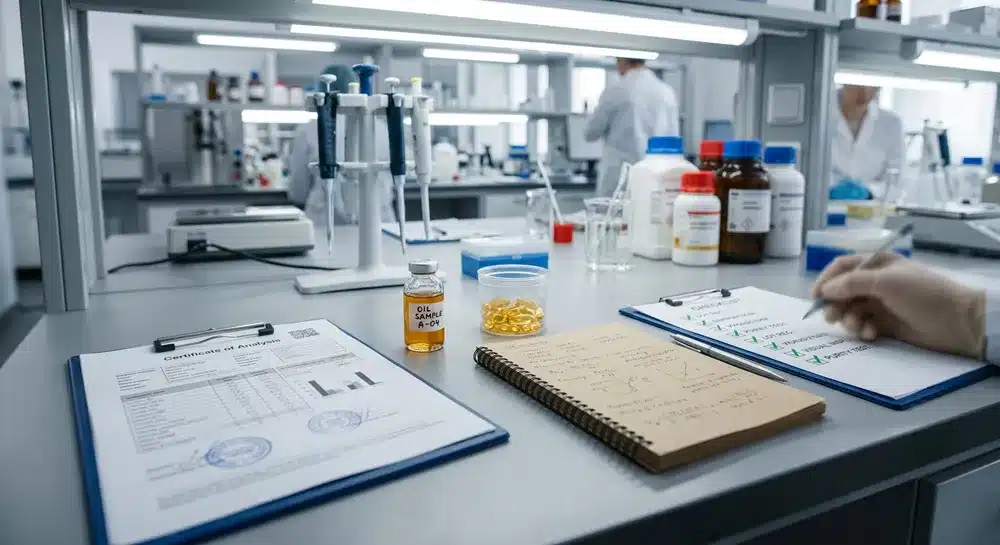
ก่อนเลือกซัพพลายเออร์น้ำมันปลาแซลมอนหรือน้ำมันปลา แบรนด์อาหารเสริมควรขอและตรวจสอบใบรับรองการวิเคราะห์ (COA) อย่างละเอียด อย่างน้อยที่สุด COA ควรประกอบด้วย:
- ปริมาณ EPA
- ปริมาณ DHA
- ปริมาณโอเมก้า-3 ทั้งหมด
- ค่าเปอร์ออกไซด์, PV
- ค่าพี-แอนิซิดีน, พี-เอวี
- ค่า TOTOX
- โลหะหนัก รวมถึงปรอท ตะกั่ว แคดเมียม และสารหนู
- แผ่นวงจรพิมพ์
- ไดออกซิน
- ค่าความเป็นกรด
- ขีดจำกัดของจุลินทรีย์ (ถ้ามี)
- ประกาศสารก่อภูมิแพ้
- ประเทศต้นกำเนิด
- ชนิดของปลาหรือแหล่งที่มาที่สามารถตรวจสอบได้
- การทดสอบหรือการรับรองจากบุคคลที่สาม หากมีให้บริการ
สำหรับผลิตภัณฑ์โอเมก้า-3 สถานะการออกซิเดชันมีความสำคัญเป็นพิเศษ ผลิตภัณฑ์อาจมีระดับ EPA/DHA ที่ถูกต้อง แต่ยังคงเป็นตัวเลือกส่วนผสมที่ไม่ดีหากถูกเก็บรักษาอย่างไม่เหมาะสม ถูกความร้อน หรือเกิดการออกซิเดชันระหว่างการจัดการในห่วงโซ่อุปทาน.
ทำไมการออกซิเดชันจึงสำคัญกว่าชื่อของน้ำมัน
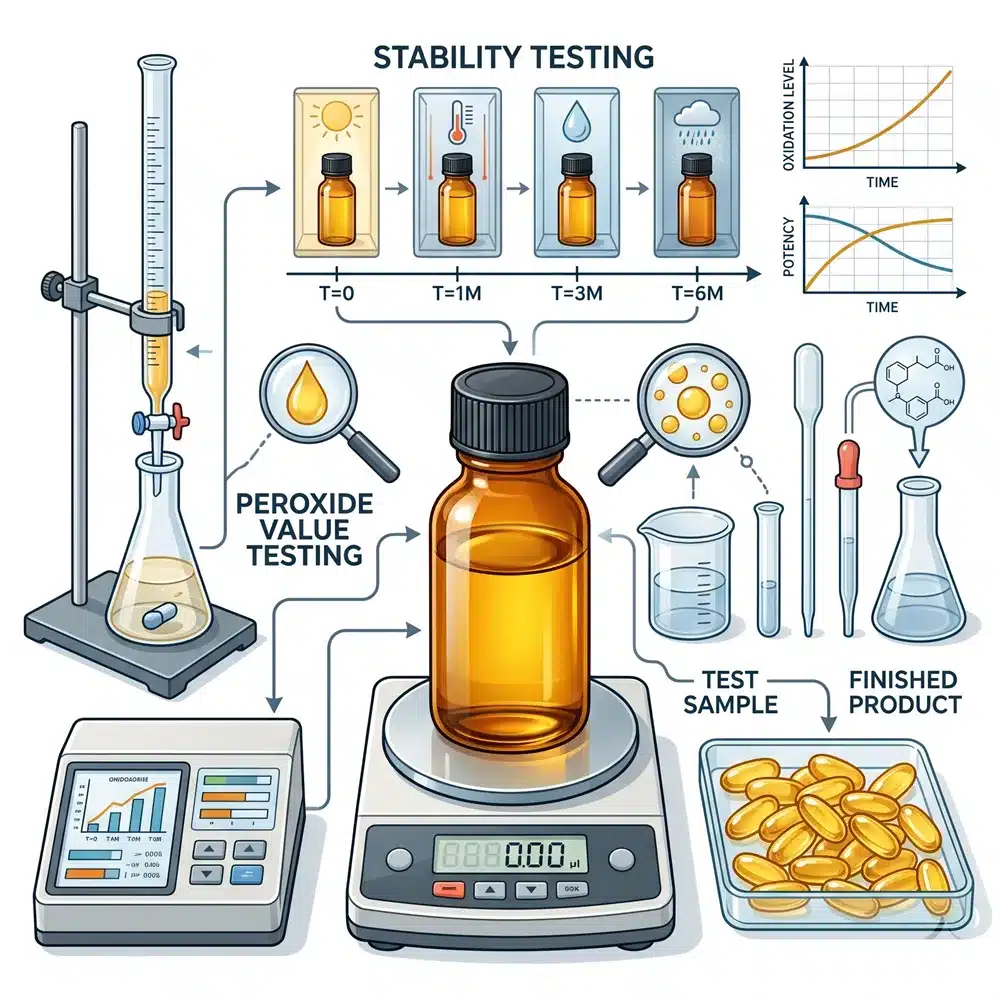
น้ำมันทะเลอุดมไปด้วยกรดไขมันไม่อิ่มตัวเชิงซ้อนหลายชนิด ซึ่งทำให้มีคุณค่าทางโภชนาการ แต่ไวต่อการเกิดออกซิเดชัน เมื่อการเกิดออกซิเดชันดำเนินไป น้ำมันอาจเกิดรสชาติที่ไม่พึงประสงค์ กลิ่นคาวปลา คุณภาพทางประสาทสัมผัสลดลง และอายุการเก็บรักษาที่อ่อนแอลง.
นี่คือเหตุผลว่าทำไมคำถามไม่ควรเป็น “น้ำมันปลาแซลมอนดีกว่าน้ำมันปลาหรือไม่?” คำถามที่ดีกว่าคือ:
น้ำมันล็อตนี้มีความสดใหม่ มั่นคง ผ่านการกลั่นอย่างถูกต้อง และได้รับการทดสอบที่เชื่อถือได้หรือไม่?
สำหรับแบรนด์ B2B น้ำมันปลาที่ผ่านการทดสอบอย่างดีพร้อมการควบคุมการออกซิเดชันที่แข็งแกร่งมักเป็นตัวเลือกที่ดีกว่าน้ำมันปลาแซลมอนที่เก็บรักษาไม่ดีพร้อมเอกสารประกอบที่ไม่ชัดเจน.
ข้อควรพิจารณาในการผลิตซอฟท์เจล
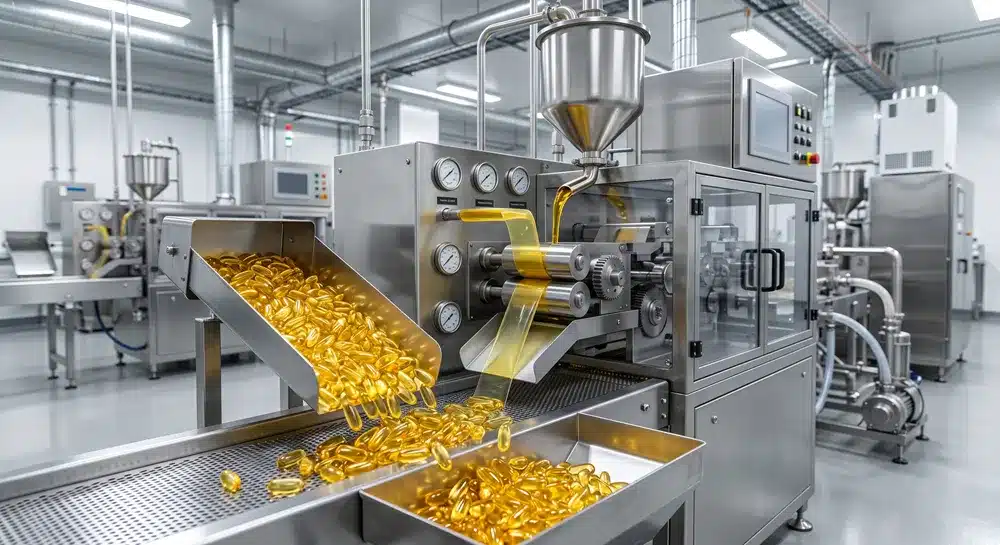
ทั้งน้ำมันปลาแซลมอนและน้ำมันปลาทั่วไปสามารถใช้ในการผลิตแคปซูลนิ่มได้ แต่ข้อกำหนดของโครงการอาจแตกต่างกัน.
สำหรับโครงการซอฟต์เจล แบรนด์ควรยืนยัน:
- เป้าหมาย EPA/DHA ต่อซอฟเจล
- ความเข้มข้นของน้ำมันและความหนืด
- ระดับการกำจัดกลิ่น
- ระบบต้านอนุมูลอิสระ เช่น สารโทโคเฟอรอลผสม
- ความเข้ากันได้ของเชลล์
- น้ำหนักบรรจุ
- ขนาดแคปซูล
- ความเสี่ยงการรั่วไหล
- เป้าหมายอายุการเก็บรักษา
- บรรจุภัณฑ์ที่ป้องกันแสง ความร้อน และออกซิเจน
น้ำมันปลาทั่วไปมักง่ายต่อการมาตรฐานสำหรับการผลิตซอฟต์เจล เนื่องจากผู้จัดหาสามารถนำเสนอความเข้มข้นของ EPA/DHA และเกรดที่ผ่านการกำจัดกลิ่นได้หลากหลาย น้ำมันปลาแซลมอนอาจน่าสนใจสำหรับผลิตภัณฑ์พรีเมียมหรือผลิตภัณฑ์ที่เน้นสัตว์เลี้ยง แต่ยังคงต้องประเมินกลิ่น การออกซิเดชัน และความเป็นไปได้ด้านต้นทุน.
น้ำมันปลาแซลมอน vs น้ำมันปลา สำหรับแบรนด์อาหารเสริมสัตว์เลี้ยง
ตลาดอาหารเสริมสำหรับสัตว์เลี้ยงเป็นหนึ่งในพื้นที่ที่น้ำมันปลาแซลมอนสามารถมีความได้เปรียบทางการตลาดที่แข็งแกร่งขึ้นได้ เจ้าของสัตว์เลี้ยงหลายคนยอมรับว่าน้ำมันปลาแซลมอนเป็นส่วนผสมระดับพรีเมียมที่ช่วยบำรุงผิวหนังและขน และกลิ่นปลาธรรมชาติที่เข้มข้นอาจช่วยเพิ่มรสชาติให้สุนัขและแมวบางตัวได้.
สำหรับแบรนด์อาหารเสริมสำหรับสัตว์เลี้ยง การเลือกควรพิจารณา:
- ขวดปั๊มของเหลว vs ซอฟเจล vs รูปแบบเคี้ยว
- ความอร่อยและกลิ่น
- การจัดตำแหน่งผิวหนังและขน
- คำกล่าวอ้างบนฉลาก EPA/DHA
- การรั่วของขวดและการออกแบบฝา
- การควบคุมการออกซิเดชันหลังเปิด
- การปกปิดรสชาติ หากใช้ในรูปแบบเคี้ยว
- ปริมาณที่แนะนำต่อการเสิร์ฟตามน้ำหนักสัตว์เลี้ยง
เลือกน้ำมันปลาแซลมอนเมื่อเรื่องราวของผลิตภัณฑ์เน้นการวางตำแหน่งสินค้าสำหรับสัตว์เลี้ยงระดับพรีเมียม รสชาติธรรมชาติจากปลาแซลมอน หรือข้อความที่เน้นเรื่องผิวหนังและขน.
เลือกน้ำมันปลาทั่วไปเมื่อเป้าหมายหลักคือการให้ EPA/DHA อย่างคุ้มค่า โดยเฉพาะอย่างยิ่งสำหรับสูตรอาหารเสริมเพื่อสุขภาพสัตว์เลี้ยงโดยรวม.
คำแนะนำสุดท้ายสำหรับแบรนด์อาหารเสริม
หากเป้าหมายของคุณคือผลิตภัณฑ์โอเมก้า-3 ที่พรีเมียม มาจากแหล่งเดียว เป็นมิตรกับสัตว์เลี้ยง หรืออยู่ในตำแหน่งธรรมชาติ น้ำมันปลาแซลมอนสามารถเป็นตัวเลือกที่แข็งแกร่งกว่า.
หากเป้าหมายของคุณคือการผลิตซอฟต์เจลโอเมก้า-3 ที่มีประสิทธิภาพคุ้มค่า มาตรฐาน และมีปริมาณ EPA/DHA สูง ทั่วไปน้ำมันปลาเป็นตัวเลือกที่เหมาะกว่า.
ในทั้งสองกรณี การตัดสินใจขั้นสุดท้ายควรพิจารณาจากการตรวจสอบ COA, การรับรองคุณสมบัติของผู้จัดจำหน่าย, สถานะการเกิดออกซิเดชัน, โปรไฟล์ทางประสาทสัมผัส, รูปแบบการให้ยา และการวางตำแหน่งของแบรนด์.
ต้องการความช่วยเหลือในการเลือกส่วนผสมโอเมก้า-3 ใช่ไหม?
หากคุณกำลังพัฒนาผลิตภัณฑ์เสริมอาหารน้ำมันปลาแซลมอน น้ำมันปลา น้ำมันคริลล์ หรือน้ำมันสาหร่าย กรุณาส่งข้อมูลปริมาณ EPA/DHA ที่ต้องการ รูปแบบผลิตภัณฑ์ การวางตำแหน่งทางการตลาด และแผนการบรรจุภัณฑ์ของคุณมาให้เรา ทีมนักพัฒนาสูตรของเราสามารถช่วยประเมินส่วนผสมโอเมก้า-3 ที่เหมาะสมที่สุดสำหรับผลิตภัณฑ์ของคุณได้.
คำถามที่พบบ่อยเกี่ยวกับน้ำมันปลาแซลมอนกับน้ำมันปลา
น้ำมันปลาแซลมอนเหมือนกับน้ำมันปลาหรือไม่?
น้ำมันปลาแซลมอนเป็นน้ำมันปลาชนิดหนึ่ง แต่ปลาเป็นหมวดหมู่ที่กว้างกว่า น้ำมันปลาแซลมอนมาจากปลาแซลมอนโดยเฉพาะ ในขณะที่น้ำมันปลาทั่วไปอาจมาจากปลาที่มีน้ำมันหลายชนิด เช่น ปลาแอนโชวี่ ปลาซาร์ดีน ปลาทู หรือปลาเฮอร์ริ่ง สำหรับแบรนด์อาหารเสริม แหล่งที่มาสำคัญ แต่ COA สำคัญกว่า.
น้ำมันปลาแซลมอนหรือน้ำมันปลาชนิดใดดีกว่าสำหรับการผลิตอาหารเสริม?
น้ำมันปลาโดยทั่วไปเหมาะสำหรับการผลิตซอฟเจลที่มีมาตรฐานและคุ้มค่ามากกว่า เนื่องจากสามารถหาได้ในความเข้มข้นของ EPA/DHA ที่หลากหลาย น้ำมันปลาแซลมอนมักเหมาะสำหรับการวางตำแหน่งผลิตภัณฑ์น้ำมันเหลวคุณภาพสูงจากแหล่งเดียวและอาหารเสริมสำหรับสัตว์เลี้ยง การเลือกที่ดีขึ้นขึ้นอยู่กับรูปแบบการให้ยา, เป้าหมายของ EPA/DHA, ต้นทุน, ลักษณะทางประสาทสัมผัส, และเรื่องราวของแบรนด์.
น้ำมันปลาแซลมอนมีแอสตาแซนธินเสมอหรือไม่
ไม่เสมอไปในปริมาณที่มีความหมาย น้ำมันปลาแซลมอนอาจมีแอสตาแซนธินตามธรรมชาติ แต่ระดับที่แท้จริงขึ้นอยู่กับแหล่งที่มา กระบวนการกลั่น และข้อกำหนดของผู้จัดจำหน่าย หากแอสตาแซนธินมีความสำคัญต่อการวางตำแหน่งผลิตภัณฑ์ของคุณ ควรขอการยืนยันจาก COA หรือพิจารณาเพิ่มแอสตาแซนธินเป็นวัตถุดิบแยกต่างหาก.
น้ำมันชนิดใดมี EPA และ DHA มากกว่ากัน?
ขึ้นอยู่กับผู้จัดจำหน่ายและความเข้มข้น น้ำมันปลาที่มีความเข้มข้นสูงอาจมี EPA และ DHA มากกว่าน้ำมันปลาแซลมอนมาตรฐาน น้ำมันปลาแซลมอนคุณภาพสูงอาจมีโปรไฟล์โอเมก้า-3 ธรรมชาติที่แข็งแกร่ง แต่แบรนด์ควรเปรียบเทียบค่า EPA และ DHA ที่แท้จริงต่อกรัมของน้ำมันหรือต่อหนึ่งหน่วยบริโภค.
แบรนด์ควรขอการทดสอบคุณภาพอะไรบ้างก่อนซื้อ น้ำมันปลา?
แบรนด์ควรขอข้อมูล EPA, DHA, ปริมาณโอเมก้า-3 ทั้งหมด, ค่าเปอร์ออกไซด์, ค่าพี-แอนิซิดีน, TOTOX, โลหะหนัก, PCBs, ไดออกซิน, ขีดจำกัดของจุลินทรีย์หากมี, ข้อมูลสารก่อภูมิแพ้, ประเทศต้นกำเนิด, และความสามารถในการตรวจสอบแหล่งที่มา การทดสอบหรือการรับรองจากบุคคลที่สามสามารถช่วยสนับสนุนการอ้างคุณภาพได้เช่นกัน.
TOTOX หมายถึงอะไรในการทดสอบคุณภาพน้ำมันปลา?
TOTOX ย่อมาจากค่าการออกซิเดชันรวม (total oxidation value) ใช้เพื่อประเมินสถานะการออกซิเดชันโดยรวมของน้ำมันทะเลโดยการรวมตัวชี้วัดการออกซิเดชันหลักและรอง สำหรับส่วนผสมโอเมก้า-3 TOTOX เป็นหนึ่งในตัวเลขที่สำคัญที่สุดที่ต้องตรวจสอบก่อนซื้อน้ำมันจำนวนมาก.
น้ำมันปลาแซลมอนดีกว่าสำหรับอาหารเสริมสัตว์เลี้ยงหรือไม่
น้ำมันปลาแซลมอนสามารถเป็นตัวเลือกที่แข็งแกร่งสำหรับอาหารเสริมสัตว์เลี้ยง เนื่องจากมีเรื่องราวของส่วนผสมระดับพรีเมียมและรสชาติธรรมชาติที่อาจช่วยเพิ่มการยอมรับของสัตว์เลี้ยงได้ น้ำมันชนิดนี้เหมาะเป็นพิเศษสำหรับน้ำมันปลาในรูปแบบของเหลว และเหมาะสำหรับการบำรุงผิวหนังและขนของสัตว์เลี้ยง อย่างไรก็ตาม น้ำมันปลาทั่วไปก็อาจเป็นตัวเลือกที่ดีได้เช่นกัน หากความคุ้มค่าทางเศรษฐกิจและการมาตรฐานของ EPA/DHA เป็นสิ่งที่สำคัญมากกว่า.
อะไรดีกว่าสำหรับแคปซูลซอฟต์เจล?
น้ำมันปลาทั่วไปมักมีความเหมาะสมมากกว่าสำหรับแคปซูลซอฟต์เจล เนื่องจากมีจำหน่ายในเกรดที่มาตรฐานและเข้มข้น น้ำมันปลาแซลมอนก็สามารถใช้ในซอฟต์เจลได้เช่นกัน โดยเฉพาะอย่างยิ่งสำหรับการวางตำแหน่งสินค้าในระดับพรีเมียม แต่แบรนด์ควรประเมินกลิ่น การออกซิเดชัน น้ำหนักบรรจุ ต้นทุน และข้อกำหนดด้านอายุการเก็บรักษาอย่างรอบคอบ.
น้ำมันปลาสามารถกำจัดกลิ่นได้หรือไม่?
ใช่ น้ำมันปลาสามารถผ่านการกลั่นและกำจัดกลิ่นเพื่อลดกลิ่นคาวปลาและปรับปรุงประสิทธิภาพทางประสาทสัมผัสได้ สิ่งนี้มีความสำคัญเป็นพิเศษสำหรับซอฟต์เจล น้ำมันเหลว และผลิตภัณฑ์ที่ผู้บริโภคไวต่อรสชาติตกค้างหรือกลิ่นเหม็นของปลา.
แบรนด์ควรเลือกน้ำมันปลาแซลมอน น้ำมันปลา น้ำมันคริลล์ หรือน้ำมันสาหร่าย?
เลือกน้ำมันปลาแซลมอนสำหรับผลิตภัณฑ์ระดับพรีเมียมจากแหล่งเดียวหรือสำหรับสัตว์เลี้ยง เลือกน้ำมันปลาสำหรับความคุ้มค่าในการได้รับ EPA/DHA เลือกน้ำมันคริลล์สำหรับโอเมก้า-3 ที่มีฟอสโฟลิพิดและการแตกต่างระดับพรีเมียม เลือกน้ำมันสาหร่ายสำหรับผลิตภัณฑ์ DHA/EPA ที่เหมาะสำหรับมังสวิรัติ วีแกน หรือจากพืช.
เอกสารอ้างอิง
- สำนักงานเสริมอาหารของสถาบันสุขภาพแห่งชาติ. กรดไขมันโอเมก้า-3 — ข้อมูลสำหรับผู้เชี่ยวชาญด้านสุขภาพ.
https://ods.od.nih.gov/factsheets/Omega3FattyAcids-HealthProfessional/ - GOED. เอกสารข้อมูลโดยสมัครใจของ GOED สำหรับน้ำมันโอเมก้า-3 EPA และ DHA.
https://goedomega3.com/goed-monograph
เวอร์ชัน PDF: https://goedomega3.com/storage/app/media/Monograph/GOED%20Monograph%20-%202022%2001%2006%20-%20FINAL.pdf - นูทราซัวร์. IFOS — โปรแกรมการรับรองมาตรฐานน้ำมันปลาสากล.
https://certifications.nutrasource.ca/about/how-certifications-work/ifos - FDA. คำกล่าวอ้างเกี่ยวกับโครงสร้าง/หน้าที่.
https://www.fda.gov/food/nutrition-food-labeling-and-critical-foods/structurefunction-claims - FDA. ข้อบังคับของ FDA เกี่ยวกับอาหารสัตว์เลี้ยง.
https://www.fda.gov/animal-veterinary/animal-health-literacy/fdas-regulation-pet-food - FDA. การติดฉลากอาหารสัตว์และข้อกล่าวอ้างเกี่ยวกับอาหารสัตว์เลี้ยง.
https://www.fda.gov/animal-veterinary/animal-foods-feeds/animal-food-labeling-and-pet-food-claims

Warren Wan เป็นผู้เชี่ยวชาญที่มีประสบการณ์ยาวนานในห่วงโซ่อุปทานของผลิตภัณฑ์เสริมอาหาร โดยมีความรู้และประสบการณ์ทางปฏิบัติอย่างลึกซึ้งด้านการวิจัย พัฒนา การควบคุมกระบวนการผลิต และการจัดหาวัตถุดิบหลักจากทั่วโลก เช่น เปปไทด์คอลลาเจน โปรตีนจากน้ำซุปกระดูก และเคราติน ในฐานะผู้เขียนคอลัมน์นี้ เขามุ่งมั่นที่จะลอกเปลือกการตลาดออก และแปลงความรู้ทางวิทยาศาสตร์เกี่ยวกับส่วนผสมที่เข้าใจยาก รวมถึงมาตรฐานการควบคุมคุณภาพการผลิต ให้กลายเป็นเนื้อหาวิทยาศาสตร์ที่เข้าใจง่ายและเข้าถึงได้สำหรับทุกคน เพื่อช่วยให้ผู้อ่านเข้าใจความจริงที่ซ่อนอยู่เบื้องหลังฉลากผลิตภัณฑ์ และตัดสินใจเลือกผลิตภัณฑ์เพื่อสุขภาพได้อย่างมีเหตุผลมากขึ้น.


