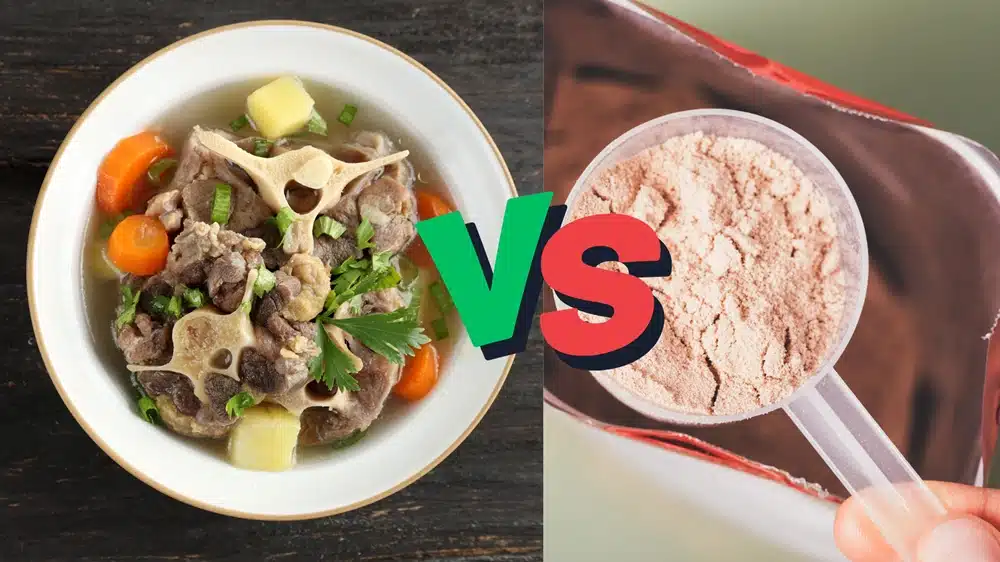
ในโลกของโภชนาการเชิงฟังก์ชันและอาหารเสริม มีไม่กี่เทรนด์ที่กลับมาได้รับความนิยมอีกครั้งอย่างเช่นน้ำซุปกระดูก ซึ่งได้รับการยกย่องว่าเป็น “ทองคำเหลว” ซุปเปอร์ฟู้ด โดยมีผู้สนับสนุนจากทั้งผู้ที่ชื่นชอบอาหารแบบพาลีโอ ผู้ที่ทานอาหารคีโต และผู้เชี่ยวชาญด้านสุขภาพแบบองค์รวม จุดขายหลักของมันคืออะไร? คือศักยภาพในการสนับสนุนสุขภาพข้อต่อ ความยืดหยุ่นของผิวหนัง และความสมบูรณ์ของลำไส้ ด้วยปริมาณคอลลาเจนที่อุดมสมบูรณ์.
อย่างไรก็ตาม สำหรับผู้เชี่ยวชาญในอุตสาหกรรม ผู้คิดค้นสูตรผลิตภัณฑ์ และผู้บริโภคที่ใส่ใจสุขภาพ คำถามสำคัญหนึ่งยังคงไม่ได้รับคำตอบจากบล็อกสูตรอาหารส่วนใหญ่: คอลลาเจนในน้ำซุปกระดูกมีมากแค่ไหน, ใช่ไหม?
น้ำซุปทำเองหนึ่งถ้วยเทียบเท่ากับผงคอลลาเจนมาตรฐานหนึ่งช้อนหรือไม่? ในฐานะผู้เชี่ยวชาญด้านวัตถุดิบทางโภชนาการ เรากำลังค่อยๆ เปิดเผยความจริงเกี่ยวกับประสิทธิภาพ ความสม่ำเสมอ และการดูดซึมของร่างกาย.
คำตอบด่วน: คอลลาเจนในน้ำซุปกระดูกมีปริมาณเท่าไร?
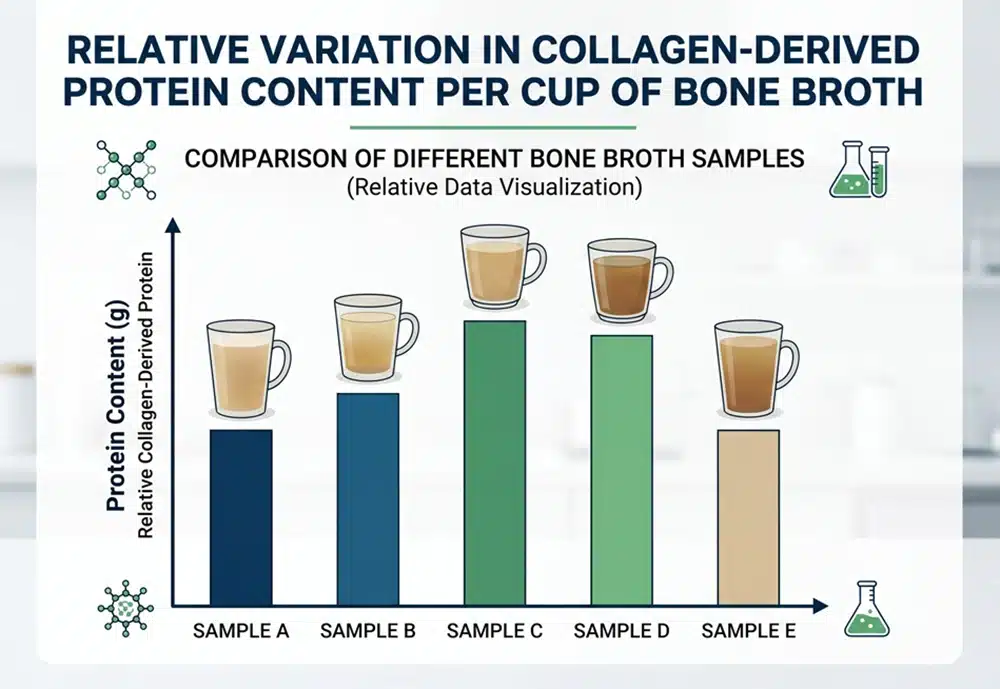
น้ำซุปกระดูกหนึ่งถ้วยอาจมีเจลาตินที่ได้จากคอลลาเจน แต่ปริมาณที่แน่นอนนั้นแตกต่างกันอย่างมาก ในทางปฏิบัติแล้ว หนึ่งถ้วยอาจให้โปรตีนที่ได้จากคอลลาเจนเพียงเล็กน้อยในน้ำซุปสำเร็จรูปที่เจือจาง หรือหลายกรัมในน้ำซุปที่ทำเองที่บ้านซึ่งมีความเข้มข้นสูงและทำจากกระดูก หนัง ข้อเท้า หรือเนื้อเยื่อเกี่ยวพันที่อุดมไปด้วยคอลลาเจน.
ประเด็นสำคัญคือ: น้ำซุปกระดูกไม่ได้ให้ปริมาณคอลลาเจนที่มาตรฐานเว้นแต่ผู้ผลิตจะทดสอบและประกาศปริมาณคอลลาเจนหรือโปรตีนในผลิตภัณฑ์นั้น ถ้วยน้ำซุปที่มีโปรตีนรวม 9 กรัมไม่ได้เท่ากับคอลลาเจนเปปไทด์ 9 กรัมโดยอัตโนมัติ.
สำหรับสุขภาพทั่วไป น้ำซุปกระดูกสามารถเป็นแหล่งอาหารที่มีคุณค่าของกรดอะมิโน แร่ธาตุ รสชาติ และการให้ความชุ่มชื้น สำหรับการพัฒนาผลิตภัณฑ์เฉพาะทางหรือการให้ในปริมาณแบบทางคลินิก คอลลาเจนเปปไทด์ที่ผ่านการไฮโดรไลซ์และมาตรฐานมีความน่าเชื่อถือมากกว่า เนื่องจากสามารถควบคุมขนาดการบริโภค น้ำหนักโมเลกุล โปรไฟล์กรดอะมิโน และปริมาณคอลลาเจนเปปไทด์ได้.
การประมาณการต่อถ้วยที่เป็นประโยชน์
| ประเภทสินค้า | ความคาดหวังของผู้บริโภคทั่วไป | ความเป็นจริงของการคิดค้นสูตร |
| น้ำซุปกระดูกแบบเจือจางที่เก็บไว้ได้นาน | โปรตีนเบาและโภชนาการรสเค็ม | อาจมีโปรตีนเพียงไม่กี่กรัมต่อถ้วยเท่านั้น; ปริมาณคอลลาเจนไม่ได้รับประกันเว้นแต่จะได้รับการทดสอบ. |
| น้ำซุปกระดูกเข้มข้นทำเองที่บ้าน | อุดมไปด้วยเจลาตินและคอลลาเจน | อาจสูงกว่าในเจลาติน โดยเฉพาะเมื่อทำจากเท้า ข้อต่อ หนัง และเนื้อเยื่อเกี่ยวพัน ยังไม่มีการกำหนดมาตรฐาน. |
| ผงน้ำซุปกระดูก | เข้มข้นมากขึ้นและติดฉลากได้ง่ายขึ้น | คุณภาพขึ้นอยู่กับวัตถุดิบ กระบวนการอบแห้ง ปริมาณโปรตีน ระดับโซเดียม และการทดสอบ COA. |
| คอลลาเจนเปปไทด์ไฮโดรไลซ์ | ปริมาณเปปไทด์คอลลาเจนที่แม่นยำ | ตัวเลือกที่ดีที่สุดเมื่อแบรนด์ต้องการปริมาณคอลลาเจนเปปไทด์ที่สม่ำเสมอ 2.5 กรัม, 5 กรัม หรือ 10 กรัม. |
หากเป้าหมายของคุณคืออาหารที่ให้ความสบายและมีประโยชน์ต่อสุขภาพ น้ำซุปกระดูกเป็นตัวเลือกที่ดี หากเป้าหมายของคุณคือการได้รับคอลลาเจนในปริมาณที่วัดได้ ควรใช้ส่วนผสมคอลลาเจนเปปไทด์ที่ผ่านการมาตรฐาน.
อะไรที่ถือว่าเป็น “คอลลาเจน” ในน้ำซุปกระดูก?
เมื่อผู้คนถามว่าในน้ำซุปกระดูกมีคอลลาเจนมากน้อยเพียงใด พวกเขามักจะหมายถึงหนึ่งในสามสิ่งต่อไปนี้:
1. คอลลาเจนธรรมชาติในกระดูกดิบ, ผิวหนัง, กระดูกอ่อน, และเนื้อเยื่อเกี่ยวพันก่อนการปรุงอาหาร.
2. เจลาตินที่เกิดขึ้นเมื่อคอลลาเจนธรรมชาติถูกทำลายโครงสร้างโดยความร้อนระหว่างการเคี่ยว.
3. คอลลาเจนเปปไทด์ที่เกิดขึ้นเมื่อเจลาตินถูกย่อยสลายเพิ่มเติมผ่านการไฮโดรไลซิสด้วยเอนไซม์ที่ควบคุม.
น้ำซุปกระดูกประกอบด้วยเจลาตินและกรดอะมิโนที่ได้จากคอลลาเจนเป็นหลัก ไม่ใช่เปปไทด์คอลลาเจนที่ผ่านการไฮโดรไลซ์ซึ่งมีน้ำหนักโมเลกุลต่ำเช่นเดียวกับที่ใช้ในผงเสริมอาหารมาตรฐาน.
ความแตกต่างนี้มีความสำคัญสำหรับแบรนด์อาหารเสริม ผู้บริโภคอาจใช้คำว่า “คอลลาเจน” อย่างกว้างๆ แต่ผู้ผลิตต้องตัดสินใจว่าสิ่งใดที่ถูกส่งมอบในหนึ่งหน่วยบริโภค: โปรตีนทั้งหมด, เจลาติน, โปรตีนที่มีไฮดรอกซีโพรลีนสูง, ของแข็งจากน้ำซุปกระดูก, หรือเปปไทด์คอลลาเจนที่ผ่านการไฮโดรไลซ์.
การเปรียบเทียบรูปแบบคอลลาเจน
| แบบฟอร์ม | ปรากฏที่ | ทรัพย์สินทั่วไป | สูตร หมายถึง |
| คอลลาเจนตามธรรมชาติ | หนังดิบ กระดูก กระดูกอ่อน เอ็น | โครงสร้างสามเกลียวขนาดใหญ่ | ไม่ใช่รูปแบบอาหารเสริมที่ใช้งานได้จริงหากไม่มีการแปรรูป. |
| เจลาติน | น้ำซุปกระดูกที่ปรุงสุกแล้วและคอลลาเจนที่ปรุงสุกแล้ว | เจลเมื่อเย็นตัว; ละลายในน้ำอุ่น | ให้ซุปมีความ “นุ่มนวล” แต่ปริมาณและขนาดโมเลกุลอาจแตกต่างกัน. |
| คอลลาเจนเปปไทด์ไฮโดรไลซ์ | ผงคอลลาเจนเปปไทด์มาตรฐาน | น้ำหนักโมเลกุลต่ำ; ละลายในน้ำเย็น | เหมาะที่สุดสำหรับการเสิร์ฟในปริมาณที่แม่นยำ ผงเครื่องดื่ม ซองแบบแท่ง แคปซูล และลูกอม. |
สำหรับบล็อกอาหาร การทดสอบ “การสั่น” มีประโยชน์ แต่สำหรับแบรนด์อาหารเสริมนั้นไม่เพียงพอ แบรนด์จำเป็นต้องมีข้อมูล COA การทดสอบไฮดรอกซีโพรลีน ปริมาณโปรตีน การกระจายน้ำหนักโมเลกุล และความสม่ำเสมอระหว่างแต่ละล็อต.
เคมี: คอลลาเจน, เจลาติน, และเพปไทด์
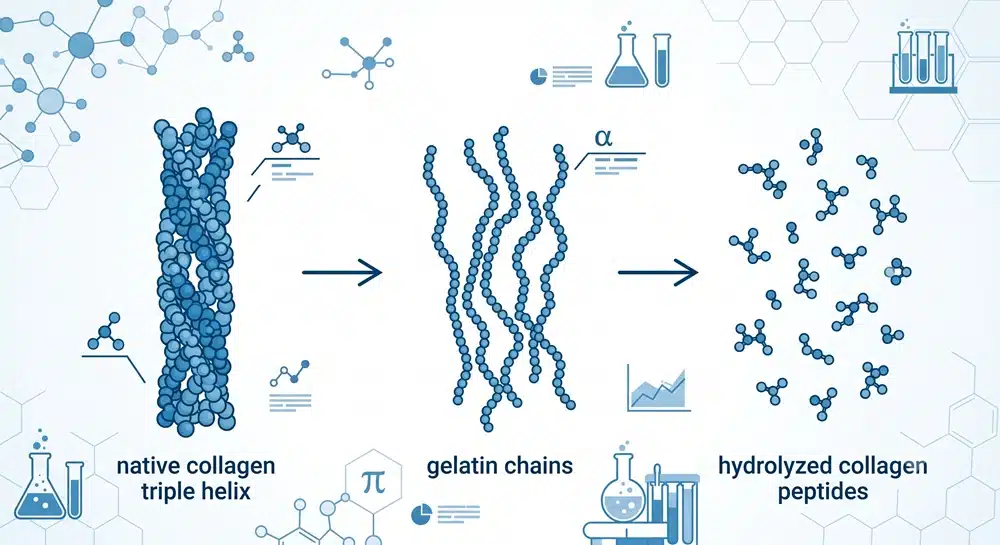
เพื่อเข้าใจคุณค่าของน้ำซุปกระดูก จำเป็นต้องเข้าใจการเปลี่ยนแปลงของโมเลกุลคอลลาเจนก่อน.
1. คอลลาเจนธรรมชาติ (ในกระดูก): ในสภาพธรรมชาติภายในเนื้อเยื่อเกี่ยวพันของสัตว์ คอลลาเจนมีโครงสร้างเป็นเกลียวสามชั้น มันมีความแข็งแรงมากและไม่ละลายในน้ำ คุณไม่สามารถกินกระดูกแล้วย่อยคอลลาเจนได้โดยตรง เนื่องจากน้ำหนักโมเลกุลสูงเกินไป (ประมาณ 300,000 ดาลตัน).
2. เจลาติน (ในน้ำซุป): เมื่อกระดูกถูกต้มในน้ำเป็นเวลานาน ความร้อนจะทำลายการเชื่อมโยงข้ามที่จับเส้นคอลลาเจนไว้ด้วยกัน กระบวนการนี้เรียกว่าการสลายตัว คอลลาเจนจะคลายตัวและกลายเป็นเจลาติน.
- ลักษณะเด่น: เจลาตินจะกลายเป็นเจลเมื่อเย็นตัวลง นี่คือ “ความนุ่มนวล” ที่คุณเห็นในน้ำซุปกระดูกคุณภาพสูง.
- น้ำหนักโมเลกุล: เจลาตินมีขนาดเล็กกว่าคอลลาเจนธรรมชาติแต่ยังคงประกอบด้วยสายโซ่ยาวของกรดอะมิโน (ประมาณ 50,000 – 100,000 ดาลตัน).
3. ไฮโดรไลซ์ คอลลาเจน เปปไทด์ (ในอาหารเสริม): นี่คือรูปแบบที่พบในวัตถุดิบมาตรฐาน ผ่านกระบวนการไฮโดรไลซิสด้วยเอนไซม์ เจลาตินจะถูกย่อยสลายต่อไปเป็นสายโซ่ขนาดเล็กของกรดอะมิโนที่เรียกว่าเปปไทด์.
- ลักษณะเด่น: ละลายในน้ำเย็นได้เต็มที่; ไม่จับตัวเป็นเจล.
- น้ำหนักโมเลกุล: ต่ำมาก (มักอยู่ที่ 2,000 – 5,000 ดาลตัน) เพื่อเพิ่มการดูดซึมให้เหมาะสมที่สุด.
ข้อสรุป: เมื่อเราถามว่า “น้ำซุปกระดูกมีคอลลาเจนมากแค่ไหน” ที่จริงแล้วเรากำลังถามว่า “น้ำซุปมีเจลาตินมากแค่ไหน?” แม้ว่าทั้งสองจะมีโปรไฟล์กรดอะมิโนเหมือนกัน แต่คุณสมบัติทางกายภาพและการย่อยต่างกัน.
ปัจจัยที่เปลี่ยนแปลง: ทำไมความสม่ำเสมอจึงเป็นไปไม่ได้ที่บ้าน
ในฐานะผู้จัดหาวัตถุดิบ เราให้ความสำคัญกับการมาตรฐาน เมื่อคุณซื้อกระบอกคอลลาเจนเปปไทด์ คุณจะทราบอย่างชัดเจนว่าคุณได้รับอะไร ในกรณีของน้ำซุปกระดูก มีตัวแปรหลักสี่ตัวที่กำหนดปริมาณโปรตีนสุดท้าย.
1. แหล่งที่มาของกระดูก
กระดูกทุกชิ้นไม่ได้ถูกสร้างมาเท่าเทียมกัน ความหนาแน่นของคอลลาเจนชนิดที่ 1, 2 และ 3 จะแตกต่างกันไปขึ้นอยู่กับสัตว์และส่วนประกอบเฉพาะของร่างกาย.
- กระดูกวัว: กระดูกไขกระดูกมีรสชาติอร่อยและอุดมไปด้วยแร่ธาตุ แต่จริง ๆ แล้วมีคอลลาเจนน้อยกว่า กระดูกที่ให้คอลลาเจนมากที่สุดคือ “กระดูกข้อต่อ” และข้อต่อที่มีเนื้อเยื่อเกี่ยวพันหนาแน่น.
- ปีกและเท้าไก่ นี่คืออาวุธลับของอุตสาหกรรม เพราะพวกมันประกอบด้วยผิวหนัง กระดูกอ่อน และเอ็นเกือบทั้งหมด จึงให้ปริมาณเจลาตินสูงกว่าซากไก่ย่างอย่างมาก.
- กรอบปลา: คอลลาเจนจากปลาเป็นสารที่มีชีวประสิทธิผลสูง แต่กระดูกปลาเปราะบางมาก จำเป็นต้องใช้เวลาในการปรุงอาหารสั้นมากเพื่อสกัดคอลลาเจนก่อนที่โปรตีนจะเสื่อมสภาพ.
2. ระยะเวลาในการปรุงอาหาร
การสกัดคอลลาเจนเป็นฟังก์ชันของเวลาและอุณหภูมิ.
- ต่ำกว่า 12 ชั่วโมง: น้ำซุปเนื้อที่เคี่ยวเพียง 8 ชั่วโมงจะสกัดรสชาติออกมาได้ แต่ยังคงมีคอลลาเจนจำนวนมากที่ถูกล็อคอยู่ในโครงสร้างกระดูกที่หนาแน่น.
- 24 ถึง 48 ชั่วโมง: นี่คือ “จุดที่เหมาะสมที่สุด” สำหรับเนื้อวัว มันให้พลังงานความร้อนเพียงพอที่จะทำให้คอลลาเจนเปลี่ยนสภาพเป็นเจลาตินได้อย่างสมบูรณ์.
- การปรุงอาหารด้วยหม้อความดัน หม้อแรงดันสมัยใหม่สามารถเร่งกระบวนการนี้ให้เร็วขึ้น โดยใช้เวลาเพียง 3 ชั่วโมงในการทำสิ่งที่หม้อตุ๋นแบบช้าทำได้ใน 24 ชั่วโมง แม้ว่าผู้ที่ยึดมั่นในวิธีการดั้งเดิมจะถกเถียงถึงผลกระทบต่อโปรไฟล์กรดอะมิโนก็ตาม.
3. สารละลายกรด
คุณจะเห็นสูตรอาหารหลายสูตรที่เรียกให้ใช้แอปเปิลไซเดอร์วินีการ์ (ACV) หรือไวน์ นี่ไม่ใช่แค่เพื่อเพิ่มรสชาติเท่านั้น กรดในน้ำส้มสายชูช่วยในการขจัดแคลเซียมออกจากกระดูก ทำให้คอลลาเจนถูกปล่อยออกมาได้อย่างมีประสิทธิภาพ การต้มกระดูกในน้ำที่เป็นกลาง (pH 7) จะให้โปรตีนน้อยกว่าการต้มในน้ำที่มีความเป็นกรดเล็กน้อยอย่างมาก.
4. อัตราส่วนน้ำต่อกระดูก
นี่คือปัจจัยที่เห็นได้ชัดที่สุดแต่กลับถูกมองข้าม หม้อที่เต็มไปด้วยกระดูกและแทบไม่มีน้ำจะให้น้ำซุปข้นและมีโปรตีนสูง ในขณะที่หม้อที่มีกระดูกสองชิ้นและน้ำหนึ่งแกลลอนจะได้น้ำซุปเจือจาง หากไม่มีการทดสอบในห้องปฏิบัติการ ผู้บริโภคจะไม่สามารถทราบได้ว่าน้ำซุปในถ้วยของตนมีโปรตีน 1 กรัมหรือ 8 กรัม.
เมทริกซ์การทดสอบของผู้คิดค้นสูตร: วิธีการตรวจสอบคอลลาเจนในวัตถุดิบซุปกระดูก
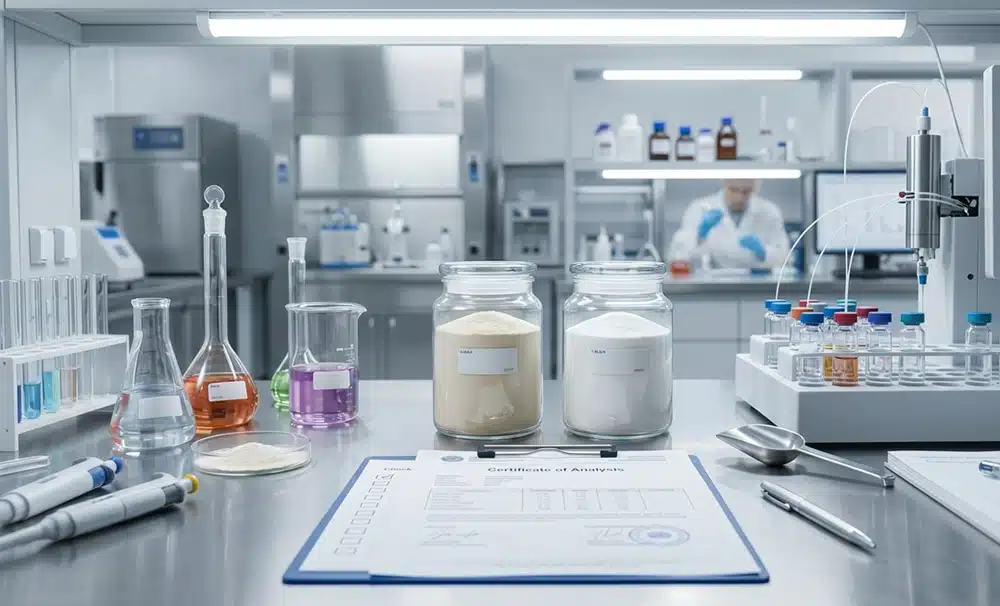
สำหรับผู้บริโภค รสชาติและเนื้อสัมผัสอาจเพียงพอแล้ว แต่สำหรับแบรนด์ผลิตภัณฑ์เสริมอาหาร ส่วนผสมในน้ำซุปกระดูกควรได้รับการประเมินด้วยพารามิเตอร์คุณภาพที่สามารถวัดได้.
ก่อนใช้ผงน้ำซุปกระดูกหรือส่วนผสมน้ำซุปที่อุดมด้วยคอลลาเจนในสูตรอาหารสำเร็จรูป ขอและตรวจสอบ:
- ปริมาณโปรตีนทั้งหมด
- ปริมาณไฮดรอกซีโพรลีน
- โปรไฟล์กรดอะมิโน
- ปริมาณความชื้น
- ปริมาณโซเดียม
- ปริมาณเถ้า
- โลหะหนัก
- ขีดจำกัดของจุลินทรีย์
- แหล่งกำเนิดของสายพันธุ์และส่วนที่ใช้
- วิธีการอบแห้ง
- การละลายและการกระจายตัว
- โปรไฟล์รสชาติและกลิ่น
- ความสม่ำเสมอระหว่างชุดการผลิต
- เอกสารเกี่ยวกับสารก่อภูมิแพ้และผลิตภัณฑ์จากสัตว์
ไฮดรอกซีโพรลีนมีประโยชน์อย่างยิ่งเนื่องจากมีความเกี่ยวข้องอย่างมากกับวัสดุที่มีคอลลาเจนสูง หากผู้จัดจำหน่ายอ้างว่าผงน้ำซุปกระดูกมีคอลลาเจนสูงแต่ไม่สามารถให้ข้อมูลกรดอะมิโนหรือไฮดรอกซีโพรลีนได้ ส่วนผสมนี้ควรถูกจัดว่าเป็นส่วนผสมของรสชาติหรือโปรตีนมากกว่าที่จะเป็นแหล่งคอลลาเจนที่แม่นยำ.
โปรไฟล์กรดอะมิโน: ทองที่ซ่อนอยู่
ไม่ว่าจะใช้วิธีสกัดแบบใด คุณค่าที่แท้จริงของคอลลาเจน—ไม่ว่าจะเป็นจากน้ำซุปหรืออาหารเสริม—อยู่ที่โปรไฟล์กรดอะมิโนเฉพาะตัวเท่านั้น ซึ่งแตกต่างจากโปรตีนเวย์หรือโปรตีนจากถั่วเหลือง คอลลาเจนมีกรดอะมิโนสามชนิดที่สูงเป็นพิเศษ ได้แก่
- ไกลซีน: มักขาดในอาหารที่มีโปรตีนจากเนื้อสัตว์สมัยใหม่ มีบทบาทเป็นสารสื่อประสาทที่ยับยั้ง ช่วยสนับสนุนการนอนหลับ การขับสารพิษ และการลดการอักเสบ.
- โพรลีน: จำเป็นสำหรับการสังเคราะห์โปรตีนและโครงสร้าง มีความสำคัญต่อสุขภาพหัวใจและหลอดเลือด.
- ไฮดรอกซีโพรลีน: กรดอะมิโนชนิดนี้พบได้เฉพาะในคอลลาเจนเท่านั้น มีความสำคัญอย่างยิ่งต่อความเสถียรของโครงสร้างเฮลิกซ์สามเส้นของคอลลาเจนในร่างกายของเราเอง.
น้ำซุปกระดูกให้กรดอะมิโนเหล่านี้ แต่ยังให้ไกลโคซามิโนไกลแคน (GAGs) เช่น กลูโคซามีน คอนดรอยตินซัลเฟต และกรดไฮยาลูโรนิก ซึ่งสกัดจากกระดูกอ่อน โครงสร้าง “เต็มสเปกตรัม” นี้คือข้อได้เปรียบหลักของน้ำซุปเมื่อเทียบกับผงเปปไทด์ที่แยกออกมา.
ชีวประสิทธิผล: น้ำซุป vs. เปปไทด์ไฮโดรไลซ์
นี่คือจุดที่ความแตกต่างกลายเป็นสิ่งสำคัญอย่างยิ่งสำหรับผู้ผลิตและผู้บริโภคที่มุ่งเน้นประสิทธิภาพ.
อุปสรรคการดูดซึม ระบบย่อยอาหารของมนุษย์ต้องย่อยโปรตีนให้กลายเป็นกรดอะมิโนหรือได/ไตร-เพปไทด์เพื่อดูดซึมเข้าสู่กระแสเลือด.
- น้ำซุปกระดูก (เจลาติน): ต้องใช้ความพยายามในการย่อยอาหารอย่างมาก (เอนไซม์เพปซินและกรดในกระเพาะอาหาร) เพื่อสลายสายเจลาตินที่ยาว สำหรับบุคคลที่มีระบบย่อยอาหารบกพร่อง (พบได้บ่อยในผู้สูงอายุหรือผู้ที่มีปัญหาเกี่ยวกับลำไส้) การดูดซึมอาจไม่มีประสิทธิภาพ.
- ไฮโดรไลซ์ เปปไทด์: สิ่งเหล่านี้คือ “ย่อยแล้ว” น้ำหนักโมเลกุลต่ำของพวกมันช่วยให้สามารถผ่านผ่านผนังลำไส้ได้อย่างรวดเร็วและเข้าสู่กระแสเลือด โดยมักจะถึงจุดสูงสุดในพลาสมาภายใน 1-2 ชั่วโมงหลังการรับประทาน.
ผลกระทบ “สัญญาณ” งานวิจัยชี้ให้เห็นว่าเปปไทด์คอลลาเจนเฉพาะชนิด (เช่น Pro-Hyp และ Hyp-Gly) ไม่ได้ทำหน้าที่เป็นเพียงส่วนประกอบในการสร้างเท่านั้น แต่ยังทำหน้าที่เป็นโมเลกุลส่งสัญญาณอีกด้วย พวกมันกระตุ้นไฟโบรบลาสต์ในผิวหนังให้ผลิต มากขึ้น คอลลาเจน. วัตถุดิบมาตรฐานมักถูกปรับให้เหมาะสมเพื่อให้มีปริมาณสูงของเพปไทด์ชีวภาพเฉพาะเหล่านี้. ยังไม่ชัดเจนว่าน้ำซุปกระดูกซึ่งเกิดการไฮโดรไลซิสแบบสุ่ม จะผลิตเพปไทด์ส่งสัญญาณเหล่านี้ในปริมาณที่เกี่ยวข้องทางคลินิกหรือไม่.
ทำไมคอลลาเจนเปปไทด์ไฮโดรไลซ์จึงดีกว่าสำหรับการอ้างอิงฉลาก
น้ำซุปกระดูกเป็นเมทริกซ์อาหารที่มีความหลากหลาย เปปไทด์คอลลาเจนที่ผ่านการไฮโดรไลซ์เป็นส่วนผสมที่มีมาตรฐาน.
ความแตกต่างนี้มีความสำคัญเมื่อแบรนด์ต้องการระบุข้อความบนฉลากด้านหน้าอย่างชัดเจน เช่น “คอลลาเจนเปปไทด์ 10 กรัมต่อหนึ่งหน่วยบริโภค” หรือต้องการสร้างผลิตภัณฑ์ที่เน้นกลุ่มเป้าหมายด้านผิวพรรณ ข้อต่อ ความงาม การเคลื่อนไหว หรือการดูแลผู้สูงวัยที่กระฉับกระเฉง.
คอลลาเจนเปปไทด์ที่ผ่านการไฮโดรไลซ์ช่วยให้ผู้ผลิตสูตรควบคุมได้มากขึ้นในเรื่อง:
- ปริมาณที่บริโภคต่อครั้ง
- การมีส่วนร่วมของโปรตีน
- การกระจายตัวของน้ำหนักโมเลกุล
- การละลายในของเหลวเย็นหรือร้อน
- รสชาติและกลิ่น
- การไหลของผง
- การจัดขนาดยาแบบสไตล์คลินิก
- รูปแบบซอง, ถัง, แคปซูล, เม็ด, กัมมี่, หรือรูปแบบพร้อมดื่ม (RTD)
ผลิตภัณฑ์แนวคิดซุปกระดูกยังคงสามารถดึงดูดความสนใจได้อย่างมาก วิธีที่ดีที่สุดมักคือการผสมผสานความน่าสนใจของผู้บริโภคที่มีต่อซุปกระดูกเข้ากับความแม่นยำของคอลลาเจนเปปไทด์ที่ได้มาตรฐาน.
หมายเหตุของผู้คิดสูตร: วิธีการสร้างผลิตภัณฑ์ต้นแบบซุปกระดูกมาตรฐาน
สำหรับแบรนด์อาหารเสริม โอกาสที่แข็งแกร่งที่สุดไม่ใช่การเลือกระหว่างน้ำซุปกระดูกกับคอลลาเจนเปปไทด์ แต่เป็นการผสมผสานความน่าสนใจของน้ำซุปกระดูกเข้ากับความแม่นยำของส่วนผสมคอลลาเจนเปปไทด์ที่มาตรฐาน.
ตัวเลือกที่ 1: ผงน้ำซุปกระดูกแบบดั้งเดิม
นี่เหมาะที่สุดสำหรับแบรนด์ที่มุ่งเน้นโภชนาการรสเค็ม, ความสบายของลำไส้, การวางตำแหน่งอาหารแบบครบถ้วน, และการใช้งานในครัว. ความท้าทายหลักในสูตรการผลิตคือโซเดียม, รสชาติ, กลิ่น, ความสามารถในการละลาย, และความสม่ำเสมอของโปรตีน.
ตัวเลือกที่ 2: ผงคอลลาเจนเปปไทด์ไฮโดรไลซ์
เหมาะที่สุดสำหรับผลิตภัณฑ์เสริมความงาม ข้อต่อ การเคลื่อนไหว การฟื้นฟูหลังการออกกำลังกาย และการดูแลผู้สูงวัยที่กระฉับกระเฉง ซึ่งต้องการปริมาณคอลลาเจนที่ชัดเจน ใช้งานได้ดีในรูปแบบซองแท่ง บรรจุถัง แคปซูล เม็ด และเจลลี่.
ตัวเลือกที่ 3: น้ำซุปกระดูก + คอลลาเจนเปปไทด์ไฮบริด
นี่มักจะเป็นรูปแบบเชิงพาณิชย์ที่ดีที่สุด ส่วนประกอบของน้ำซุปกระดูกให้เรื่องราว รสชาติ และเอกลักษณ์ของอาหารทั้งส่วน ส่วนประกอบของคอลลาเจนเปปไทด์ที่ผ่านการไฮโดรไลซ์ให้ปริมาณคอลลาเจนที่สามารถวัดได้.
การวางตำแหน่งแบบไฮบริดที่แข็งแกร่งอาจเป็น: “ผงคอลลาเจนเปปไทด์ที่ได้แรงบันดาลใจจากน้ำซุปกระดูก พร้อมเปปไทด์คอลลาเจนมาตรฐานและรสชาติอาหารที่อร่อยจากวัตถุดิบธรรมชาติ”
วิธีนี้ช่วยหลีกเลี่ยงการพึ่งพาของแข็งในน้ำซุปที่แปรผันเพียงอย่างเดียว ในขณะที่ยังคงรักษาแนวคิดของน้ำซุปกระดูกที่เป็นมิตรต่อผู้บริโภคไว้.
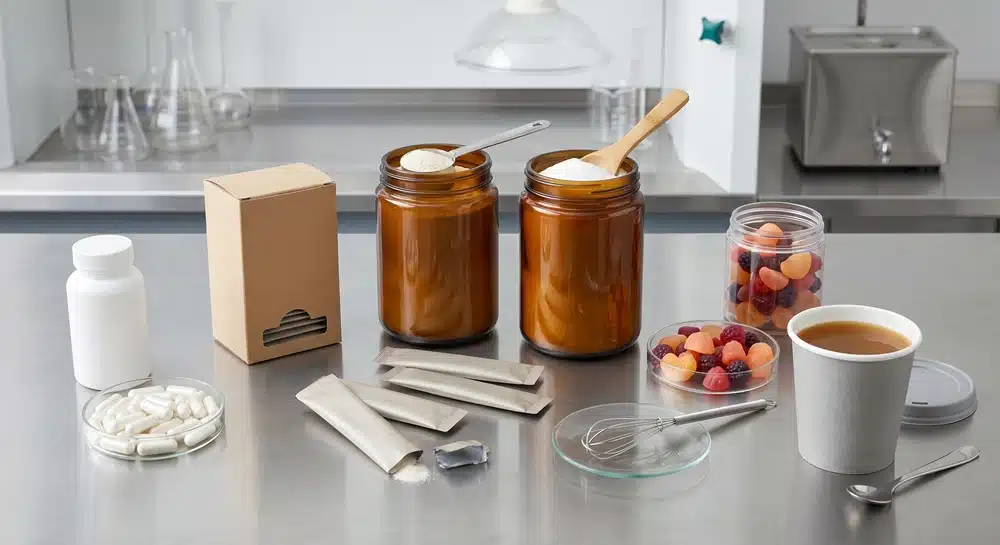
ตัวอย่างสถาปัตยกรรมผลิตภัณฑ์
| ประเภทของสูตร | กลยุทธ์ส่วนผสมหลัก | รูปแบบที่ดีที่สุด | การวางตำแหน่งแบรนด์ |
| ผงน้ำซุปกระดูกบริสุทธิ์ | ของแข็งในน้ำซุปกระดูก | ผงเครื่องดื่มรสเค็ม | โภชนาการจากอาหารธรรมชาติและความสบายใจ. |
| คอลลาเจนเปปไทด์ผง | คอลลาเจนเปปไทด์ไฮโดรไลซ์ | ซองแท่งหรือถัง | ความงาม, ข้อต่อ, การเคลื่อนไหว, การสูงวัยอย่างมีกิจกรรม. |
| คอลลาเจนผสมน้ำซุปกระดูก | ผงน้ำซุปกระดูก + คอลลาเจนเปปไทด์มาตรฐาน | ผงหรือแคปซูลรสเค็ม | เรื่องราวของน้ำซุปกระดูกพร้อมปริมาณคอลลาเจนที่แม่นยำ. |
| สูตรคอลลาเจนเพื่อสุขภาพข้อต่อ | คอลลาเจนเปปไทด์ + วิตามินซี + การสนับสนุนร่วมกัน ส่วนผสม | ผง, เม็ด, แคปซูล | การสนับสนุนการเคลื่อนไหวและเนื้อเยื่อเกี่ยวพัน. |
คำตัดสิน: ผลิตภัณฑ์เสริมอาหาร, อาหาร, หรือทั้งสองอย่าง?
ดังนั้น เราควรพิจารณาซุปกระดูกในบริบทของแผนโภชนาการอย่างไร?
เหตุผลที่ควรดื่มน้ำซุปกระดูก: น้ำซุปกระดูกเป็นอาหารแบบองค์รวม มันช่วยเติมความชุ่มชื้น อิเล็กโทรไลต์ (แคลเซียม แมกนีเซียม ฟอสฟอรัส) และความอร่อยที่ปลอบประโลมซึ่งยาเม็ดไม่สามารถให้ได้ มันยอดเยี่ยมสำหรับการบำรุงลำไส้และการเสริมอาหารทั่วไป.
กรณีของอาหารเสริมมาตรฐาน: เพื่อผลลัพธ์การรักษาที่เฉพาะเจาะจง—เช่น ลดความลึกของริ้วรอย เพิ่มความยืดหยุ่นของผิว หรือเร่งการฟื้นตัวจากบาดแผล—ความสม่ำเสมอคือสิ่งสำคัญ.
- ความแม่นยำ: อาหารเสริมช่วยให้คุณบริโภคคอลลาเจนได้ 10 กรัมต่อวันพอดี.
- ความสะดวก: ไม่มีเวลาปรุงอาหาร 24 ชั่วโมง.
- ประสิทธิภาพ: การมีชีวประสิทธิผลสูงขึ้นช่วยให้กรดอะมิโนสามารถเดินทางไปถึงเนื้อเยื่อเป้าหมายได้.
สรุป: น้ำซุปกระดูกมีคุณค่า แต่ไม่แม่นยำ
น้ำซุปกระดูกสามารถเป็นอาหารที่มีคุณค่าทางโภชนาการและเป็นเรื่องราวของผลิตภัณฑ์ที่แข็งแกร่งได้ มันให้เจลาติน กรดอะมิโน แร่ธาตุ รสชาติ และรูปแบบที่ให้ความรู้สึกสบายซึ่งผู้บริโภคหลายคนเข้าใจ.
แต่หากเป้าหมายคือการได้รับคอลลาเจนในปริมาณที่เชื่อถือได้ น้ำซุปกระดูกเพียงอย่างเดียวไม่มีความแม่นยำเพียงพอ ปริมาณคอลลาเจนที่ได้ขึ้นอยู่กับวัตถุดิบที่ใช้ เวลาในการปรุง ระดับความเป็นกรด อัตราส่วนของน้ำ ความเข้มข้น วิธีการอบแห้ง และการทดสอบในแต่ละชุดการผลิต.
สำหรับผู้บริโภค น้ำซุปกระดูกสามารถเป็นส่วนหนึ่งของอาหารเพื่อสุขภาพได้ สำหรับแบรนด์อาหารเสริม คอลลาเจนเปปไทด์ที่ผ่านการไฮโดรไลซ์และมาตรฐานเป็นฐานที่ดีกว่าสำหรับการอ้างอิงคอลลาเจนที่สามารถวัดได้ สูตรที่คงที่ และประสิทธิภาพของผลิตภัณฑ์ที่สามารถทำซ้ำได้.
วิธีแก้ปัญหาที่มีประโยชน์ทางการค้าสูงสุดมักจะเป็นแบบผสมผสาน: ใช้ซุปกระดูกเพื่อสร้างเรื่องราวและเอกลักษณ์ทางประสาทสัมผัส และใช้คอลลาเจนเปปไทด์มาตรฐานสำหรับปริมาณคอลลาเจนที่ต้องการ.
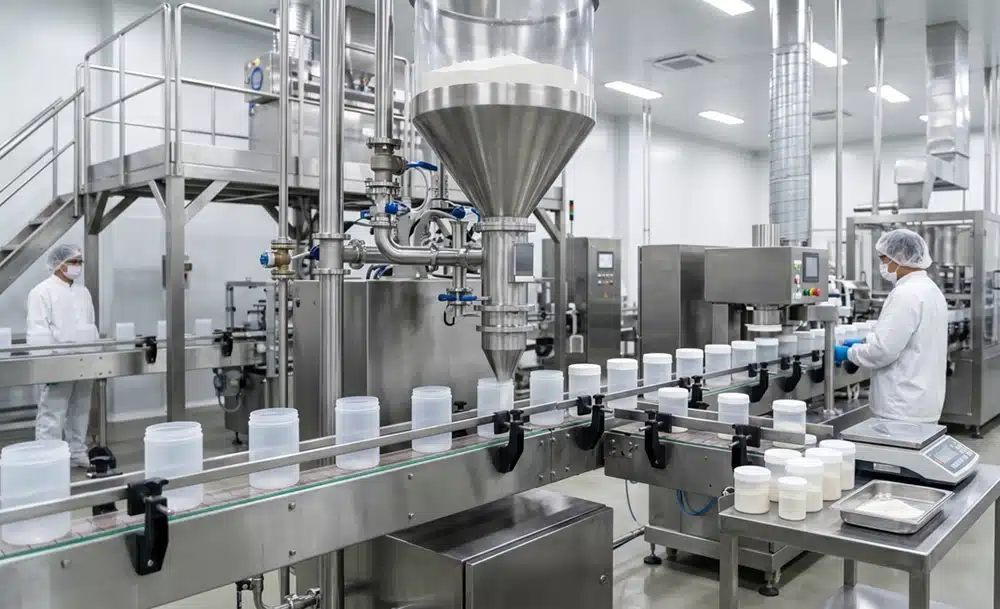
ต้องการความช่วยเหลือในการพัฒนาผลิตภัณฑ์คอลลาเจนจากน้ำซุปกระดูกหรือไม่?
หากคุณกำลังพัฒนาผงซุปกระดูก, สูตรคอลลาเจนเปปไทด์, เครื่องดื่มโปรตีนรสเค็ม, แคปซูล, ลูกอม, เม็ด, หรือผลิตภัณฑ์คอลลาเจนแบรนด์ส่วนตัว, โปรดส่งขนาดการบริโภคเป้าหมาย, ข้อเรียกร้องโปรตีน, ทิศทางรสชาติ, และรูปแบบการบริโภคมาให้เรา ทีมสูตรของเราสามารถช่วยประเมินการเลือกคอลลาเจนเปปไทด์, ความเป็นไปได้ของผงซุปกระดูก, กลยุทธ์การอ้างสิทธิ์บนฉลาก, และตัวเลือกการผลิตได้.
คำถามที่พบบ่อยเกี่ยวกับคอลลาเจนในน้ำซุปกระดูก
คอลลาเจนในน้ำซุปกระดูกหนึ่งถ้วยมีปริมาณเท่าไร?
ไม่มีตัวเลขที่เป็นสากล. หนึ่งถ้วยของน้ำซุปกระดูกอาจมีปริมาณเจลาตินที่ได้จากคอลลาเจนเพียงเล็กน้อยหากถูกเจือจาง หรืออาจมีหลายกรัมหากมีความเข้มข้นและทำจากกระดูกและเนื้อเยื่อเกี่ยวพันที่มีคอลลาเจนสูง. วิธีเดียวที่เชื่อถือได้คือการตรวจสอบข้อมูลโปรตีนและกรดอะมิโนที่ได้รับการทดสอบแล้ว.
โปรตีนในน้ำซุปกระดูกเหมือนกับคอลลาเจนหรือไม่?
ไม่เชิงนั้น โปรตีนจากน้ำซุปกระดูกอาจมาจากเจลาติน เศษเนื้อเยื่อเกี่ยวพัน และโปรตีนที่ละลายน้ำได้อื่นๆ เจลาตินได้มาจากคอลลาเจน แต่ปริมาณกรัมของโปรตีนทั้งหมดไม่ควรถูกนับเป็นกรัมของเปปไทด์คอลลาเจนโดยอัตโนมัติ.
น้ำซุปกระดูกดีกว่าคอลลาเจนเปปไทด์หรือไม่?
น้ำซุปกระดูกเป็นผลิตภัณฑ์โภชนาการที่อร่อยและครบถ้วนในรูปแบบอาหารธรรมชาติ ส่วนคอลลาเจนเปปไทด์จะเหมาะกว่าเมื่อต้องการปริมาณคอลลาเจนที่แม่นยำ ความละลาย น้ำหนักโมเลกุลต่ำ และขนาดการบริโภคที่สม่ำเสมอ.
แบรนด์อาหารเสริมสามารถอ้างสรรพคุณคอลลาเจนจากผงน้ำซุปกระดูกได้หรือไม่?
เฉพาะเมื่อส่วนผสมและผลิตภัณฑ์สำเร็จรูปสนับสนุนการอ้างอิงผ่านการทดสอบและเอกสารประกอบเท่านั้น แบรนด์ควรขอข้อมูล COA, โปรไฟล์กรดอะมิโน, ปริมาณโปรตีน, ข้อมูลไฮดรอกซีโพรลีน และการตรวจสอบความสอดคล้องของฉลาก ก่อนที่จะทำการอ้างอิงเกี่ยวกับคอลลาเจน.
ทำไมน้ำซุปกระดูกที่ทำเองถึงจับตัวเป็นเจลในตู้เย็น?
เนื้อสัมผัสของเจลมาจากเจลาติน ซึ่งเกิดขึ้นเมื่อเนื้อเยื่อเกี่ยวพันที่มีคอลลาเจนสูงถูกทำให้ร้อนและเกิดการเปลี่ยนแปลงโครงสร้างทางเคมี เจลที่มีความเหนียวแน่นมักบ่งชี้ว่ามีปริมาณเจลาตินสูง แต่ยังคงไม่สามารถให้ปริมาณเปปไทด์คอลลาเจนที่แม่นยำได้.
กระดูกชนิดใดที่ผลิตน้ำซุปที่มีคอลลาเจนมากที่สุด?
กระดูกและส่วนที่มีเนื้อเยื่อเกี่ยวพันมากมักให้เจลาตินมากที่สุด ตัวอย่างได้แก่ กระดูกข้อต่อ กระดูกหางวัว ขาไก่ ปีก คอ หัวปลา และโครงปลา กระดูกที่มีไขกระดูกเพิ่มรสชาติและไขมัน แต่ไม่ใช่แหล่งคอลลาเจนที่สูงที่สุดเสมอไป.
น้ำซุปกระดูกมีคอลลาเจนที่สามารถดูดซึมได้หรือไม่?
น้ำซุปกระดูกให้เจลาตินและกรดอะมิโนที่สามารถย่อยได้ แต่สายเจลาตินมักมีขนาดใหญ่กว่าและไม่มาตรฐานเท่ากับคอลลาเจนเปปไทด์ที่ถูกไฮโดรไลซ์ คอลลาเจนเปปไทด์ที่ถูกไฮโดรไลซ์ถูกแปรรูปให้มีน้ำหนักโมเลกุลต่ำกว่าเพื่อให้ละลายได้ดีขึ้นและดูดซึมได้คาดการณ์ได้มากขึ้น.
แบรนด์ควรใช้ผงน้ำซุปกระดูกหรือคอลลาเจนเปปไทด์ไฮโดรไลซ์ดี?
ใช้ผงน้ำซุปกระดูกเมื่อเป้าหมายหลักคือรสชาติ การนำเสนออาหารจากวัตถุดิบธรรมชาติ และคุณค่าทางโภชนาการที่เน้นความเค็ม ใช้คอลลาเจนเปปไทด์ที่ผ่านการไฮโดรไลซ์เมื่อเป้าหมายหลักคือปริมาณคอลลาเจนที่วัดได้ ความงาม ข้อต่อ การเคลื่อนไหว หรือการนำเสนอสำหรับผู้สูงวัยที่แอคทีฟ ใช้ทั้งสองเมื่อต้องการเรื่องราวของน้ำซุปกระดูกพร้อมปริมาณคอลลาเจนที่มาตรฐาน.
เอกสารอ้างอิง
- Alcock, R. D. และคณะ. น้ำซุปกระดูกไม่น่าจะให้ปริมาณสารตั้งต้นของคอลลาเจนที่เชื่อถือได้เมื่อเทียบกับแหล่งคอลลาเจนเสริมที่ใช้ในการวิจัยคอลลาเจน. PubMed.
https://pubmed.ncbi.nlm.nih.gov/29893587/ - Shaw, M. H. & Flynn, N. E. ปริมาณกรดอะมิโนในน้ำซุปกระดูกเนื้อวัว ไก่ และไก่งวง. วารสารวิจัยเคมีระดับปริญญาตรี, 2019.
https://www.westmont.edu/sites/default/files/users/user1231/V19No4/Nick%20Flynn_final.pdf - Khatri, M. และคณะ. ผลกระทบของการเสริมคอลลาเจนเปปไทด์ต่อองค์ประกอบของร่างกาย การสังเคราะห์คอลลาเจน และการฟื้นตัวจากการบาดเจ็บของข้อต่อและการออกกำลังกาย. Amino Acids, 2021.
https://pmc.ncbi.nlm.nih.gov/articles/PMC8521576/ - Pu, S. Y. และคณะ. ผลของคอลลาเจนชนิดรับประทานต่อการชะลอวัยของผิวหนัง: การทบทวนอย่างเป็นระบบและการวิเคราะห์อภิมาน. Nutrients, 2023.
https://pmc.ncbi.nlm.nih.gov/articles/PMC10180699/ - Martínez-Puig, D. และคณะ. การเสริมคอลลาเจนเพื่อสุขภาพข้อต่อ: ความเชื่อมโยงระหว่างองค์ประกอบและความรู้ทางวิทยาศาสตร์. Nutrients, 2023.
https://pmc.ncbi.nlm.nih.gov/articles/PMC10058045/ - ซาโตะ, เค. ได-เปปไทด์ที่ได้จากคอลลาเจน, โปรลิลไฮดรอกซีโพรลีน (โปร-ฮิป): ปัจจัยเริ่มต้นการเจริญเติบโตชนิดใหม่ที่มีน้ำหนักโมเลกุลต่ำ. วารสารนานาชาติด้านวิทยาศาสตร์โมเลกุล, 2020.
https://pmc.ncbi.nlm.nih.gov/articles/PMC7728856/ - Virgilio, N. และคณะ การดูดซึมเปปไทด์ที่มีฤทธิ์ทางชีวภาพหลังการบริโภคคอลลาเจนไฮโดรไลเสต: ผลของน้ำหนักโมเลกุลและแหล่งที่มาของวัตถุดิบ. 2024.
https://pmc.ncbi.nlm.nih.gov/articles/PMC11325589/ - สำนักพิมพ์สุขภาพฮาร์วาร์ด. ลิ้มรสประโยชน์ของน้ำซุปกระดูก: คุ้มค่าที่จะลองหรือไม่?
https://www.health.harvard.edu/diet-and-nutrition/savoring-the-benefits-of-bone-broth-worth-a-taste - FDA. ข้อความเกี่ยวกับโครงสร้าง/หน้าที่.
https://www.fda.gov/food/nutrition-food-labeling-and-critical-foods/structurefunction-claims - UCLA Health. คุณควรรับประทานอาหารเสริมคอลลาเจนหรือไม่?
https://www.uclahealth.org/news/article/should-you-take-collagen-supplements
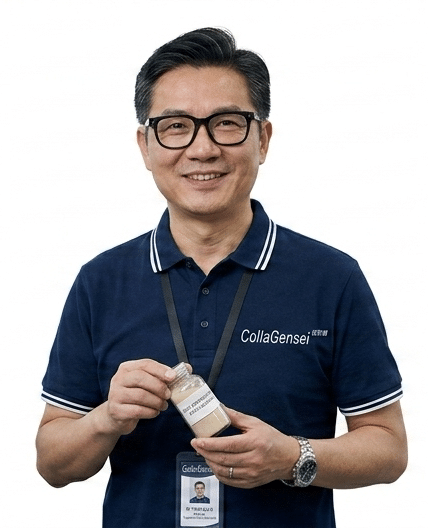
Warren Wan เป็นผู้เชี่ยวชาญที่มีประสบการณ์ยาวนานในห่วงโซ่อุปทานของผลิตภัณฑ์เสริมอาหาร โดยมีความรู้และประสบการณ์ทางปฏิบัติอย่างลึกซึ้งด้านการวิจัย พัฒนา การควบคุมกระบวนการผลิต และการจัดหาวัตถุดิบหลักจากทั่วโลก เช่น เปปไทด์คอลลาเจน โปรตีนจากน้ำซุปกระดูก และเคราติน ในฐานะผู้เขียนคอลัมน์นี้ เขามุ่งมั่นที่จะลอกเปลือกการตลาดออก และแปลงความรู้ทางวิทยาศาสตร์เกี่ยวกับส่วนผสมที่เข้าใจยาก รวมถึงมาตรฐานการควบคุมคุณภาพการผลิต ให้กลายเป็นเนื้อหาวิทยาศาสตร์ที่เข้าใจง่ายและเข้าถึงได้สำหรับทุกคน เพื่อช่วยให้ผู้อ่านเข้าใจความจริงที่ซ่อนอยู่เบื้องหลังฉลากผลิตภัณฑ์ และตัดสินใจเลือกผลิตภัณฑ์เพื่อสุขภาพได้อย่างมีเหตุผลมากขึ้น.