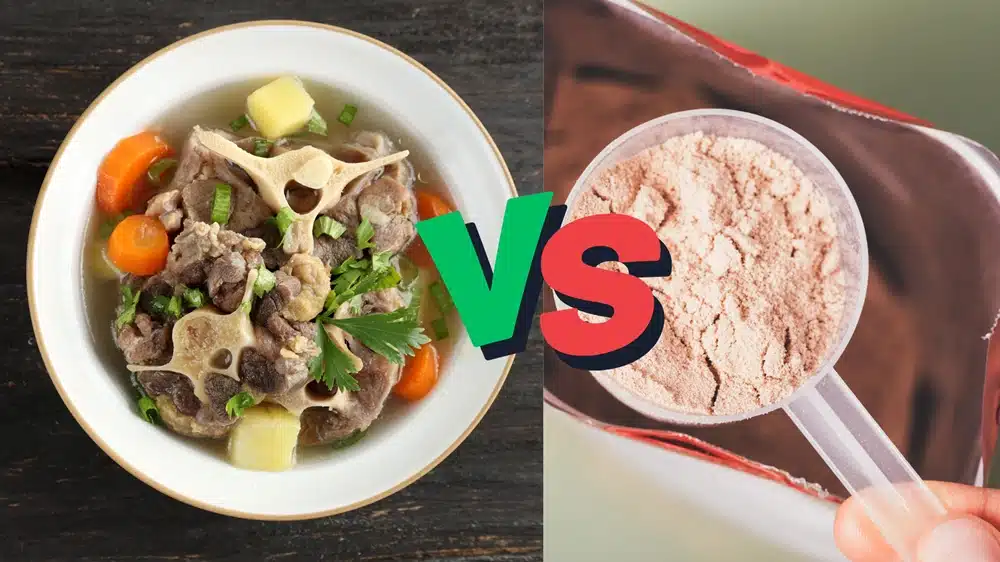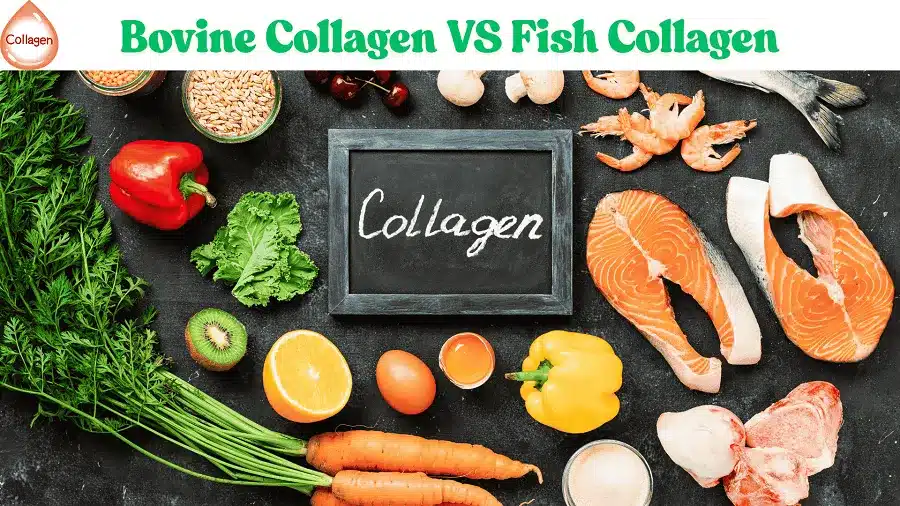
Fonksiyonel beslenme ve besin takviyeleri dünyasında, kemik suyu kadar büyük bir yeniden doğuş yaşayan çok az trend vardır. “Sıvı altın” süper gıda olarak lanse edilen kemik suyu, paleo meraklıları, keto diyeti yapanlar ve holistik sağlık uzmanları tarafından desteklenmektedir. En önemli satış noktası nedir? Zengin kolajen içeriği sayesinde eklem sağlığını, cilt elastikiyetini ve bağırsak bütünlüğünü destekleme potansiyeli.
Ancak, sektör profesyonelleri, ürün formülatörleri ve sağlık bilincine sahip tüketiciler için, çoğu tarif blogunda cevaplanmamış kritik bir soru var: Kemik suyunda ne kadar kolajen vardır?, tam olarak?
Bir fincan ev yapımı et suyu, standart kolajen tozunun bir kaşığına eşdeğer midir? Besin hammaddeleri konusunda uzman olarak, biyokimyanın katmanlarını soyup, verim, tutarlılık ve biyoyararlanım hakkındaki gerçeği ortaya çıkarıyoruz.
Hızlı Cevap: Kemik suyunda ne kadar kolajen bulunur?
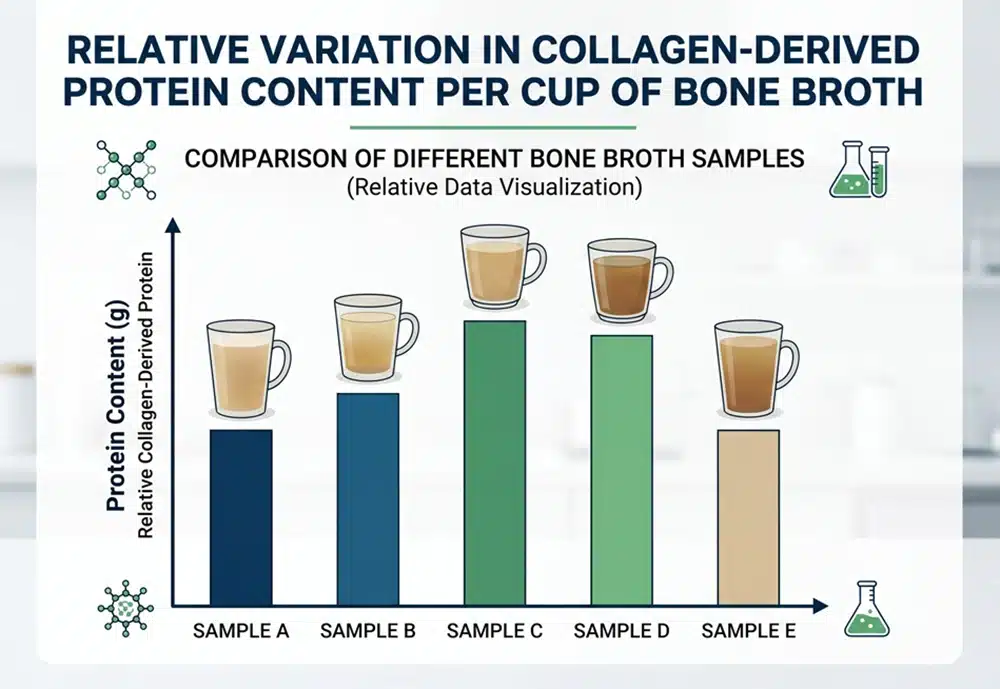
Bir fincan kemik suyu, kolajenden elde edilen jelatin içerebilir, ancak bunun kesin miktarı büyük ölçüde değişkenlik gösterir. Pratik olarak, seyreltilmiş ticari bir kemik suyunda bir fincan sadece az miktarda kolajen kaynaklı protein sağlarken, kolajen açısından zengin kemikler, deri, eklemler, ayaklar veya bağ dokusuyla hazırlanan konsantre ev yapımı bir kemik suyunda ise birkaç gram sağlayabilir.
Önemli olan nokta şudur: Üretici, kolajen veya protein içeriğini test edip belirtmedikçe, kemik suyu standart bir kolajen dozu sağlamaz. Toplam 9 g protein içeren bir fincan kemik suyu, otomatik olarak 9 g kolajen peptidiyle aynı anlama gelmez.
Genel sağlık açısından kemik suyu, amino asitler, mineraller, lezzet ve sıvı alımı açısından değerli bir tam gıda kaynağı olabilir. Hedefe yönelik ürün geliştirme veya klinik tarzda dozajlama söz konusu olduğunda, standartlaştırılmış hidrolize kolajen peptidleri daha güvenilirdir; zira bu ürünlerde porsiyon büyüklüğü, moleküler ağırlık, amino asit profili ve kolajen peptid içeriği kontrol edilebilir.
Kullanışlı Bardak Başına Tahmin
| Ürün Tipi | Tipik Tüketici Beklentisi | Formülasyon Gerçeği |
| Seyreltilmiş, oda sıcaklığında saklanabilen kemik suyu | Hafif protein ve lezzetli beslenme | Bir fincan başına sadece birkaç gram protein içerebilir; test edilmedikçe kolajen içeriği garanti edilmez. |
| Konsantre ev yapımı kemik suyu | Jelatin ve kolajen açısından zengin | Özellikle ayak, eklem, deri ve bağ dokusu kullanılarak hazırlandığında jelatin içeriği daha yüksek olabilir. Hâlâ standartlaştırılmamıştır. |
| Kemik suyu tozu | Daha konsantre ve etiketlenmesi daha kolay | Kalite, hammaddeye, kurutma işlemine, protein içeriğine, sodyum seviyesine ve COA testlerine bağlıdır. |
| Hidrolize kolajen peptidleri | Hassas kolajen peptid dozu | Bir markanın tutarlı bir şekilde 2,5 g, 5 g veya 10 g kolajen peptid porsiyonuna ihtiyaç duyduğu durumlarda en iyi seçenek. |
Amacınız rahatlatıcı ve besleyici bir gıda ise kemik suyu iyi bir seçimdir. Amacınız ise ölçülebilir bir kolajen dozu almaksa, standartlaştırılmış bir kolajen peptid bileşeni kullanın.
Kemik suyunda “kollajen” olarak kabul edilen nedir?
İnsanlar kemik suyunda ne kadar kolajen olduğunu sorduklarında, genellikle şu üç farklı şeyden birini kastederler:
1. Pişirilmeden önce çiğ kemiklerde, deride, kıkırdakta ve bağ dokusunda bulunan doğal kolajen.
2. Kaynatma sırasında ısı, doğal kolajeni denatüre ettiğinde jelatin oluşur.
3. Jelatinin kontrollü enzimatik hidroliz yoluyla daha da parçalanmasıyla oluşan kolajen peptidleri.
Kemik suyu, esas olarak jelatin ve kolajen kaynaklı amino asitler içerir; standartlaştırılmış takviye tozlarında kullanılan düşük moleküler ağırlıklı hidrolize kolajen peptidleriyle aynı değildir.
Bu ayrım, takviye markaları için önemlidir. Bir tüketici “kolajen” kelimesini geniş bir anlamıyla kullanabilir, ancak üretici, bir porsiyonda gerçekte neyin sunulduğuna karar vermelidir: toplam protein, jelatin, hidroksiprolin açısından zengin protein, kemik suyu katıları veya hidrolize kolajen peptidleri.
Kollajen Formları Karşılaştırması
| Form | Nerede Geçer | Tipik Özellik | Formülasyonun Anlamı |
| Doğal kolajen | İşlenmemiş deri, kemik, kıkırdak, tendon | Büyük üçlü sarmal yapı | İşleme tabi tutulmadan kullanıma uygun bir takviye biçimi değildir. |
| Jelatin | Pişirilmiş kemik suyu ve pişirilmiş kolajen | Soğuduğunda jelleşir; ılık suda çözünür | Et suyuna “titreme” özelliğini kazandırır, ancak miktarı ve molekül boyutu değişkenlik gösterir. |
| Hidrolize kolajen peptidleri | Standartlaştırılmış kolajen peptit tozları | Düşük molekül ağırlığı; soğuk suda çözünür | Hassas porsiyonlama, içecek tozları, çubuk ambalajlar, kapsüller ve jelibonlar için idealdir. |
Bir yemek blogu için “sallama testi” yararlıdır. Ancak bir besin takviyesi markası için bu yeterli değildir. Markaların COA verilerine, hidroksiprolin testlerine, protein içeriğine, moleküler ağırlık dağılımına ve partiler arası tutarlılığa ihtiyacı vardır.
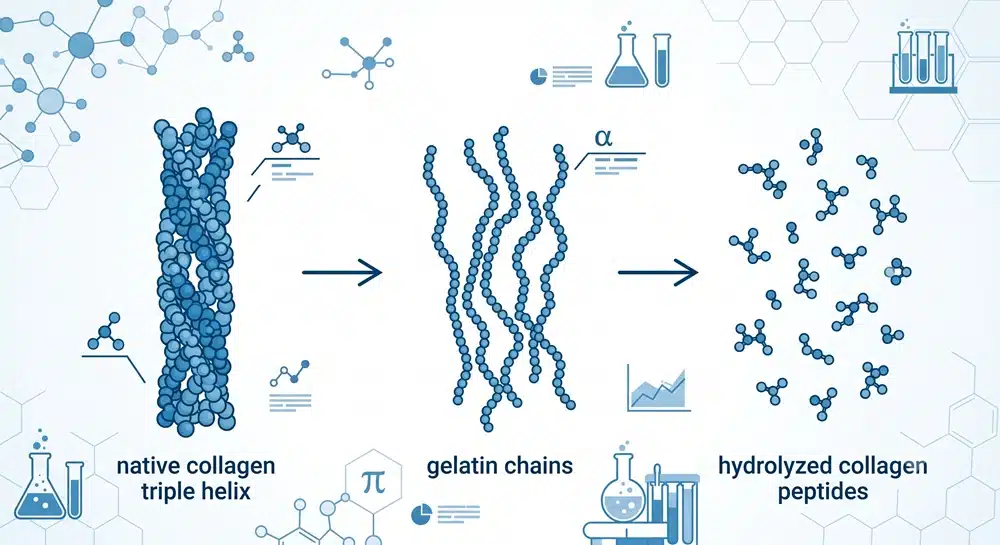
Kimya: Kolajen, Jelatin ve Peptitler
Kemik suyunun değerini anlamak için, önce kolajen molekülünün dönüşümünü anlamak gerekir.
1. Doğal Kollajen (Kemikte): Hayvan bağ dokusunda doğal haliyle kolajen, üçlü sarmal yapı olarak bulunur. İnanılmaz derecede sağlamdır ve suda çözünmez. Kemik yiyip kolajeni sindiremezsiniz; molekül ağırlığı çok yüksektir (yaklaşık 300.000 Dalton).
2. Jelatin (Et suyunda): Kemikler suda uzun süre kaynatıldığında, ısı kolajen sarmalını bir arada tutan çapraz bağları koparır. Bu sürece denatürasyon denir. Kolajen sarmalının yapısı çözülür ve jelatine dönüşür.
- Temel Özellik: Jelatin soğuduğunda jelleşir. Bu, yüksek kaliteli kemik suyunda gördüğünüz “sallantı”dır.
- Moleküler Ağırlık: Jelatin, doğal kolajenden daha küçüktür ancak yine de uzun amino asit zincirlerinden oluşur (yaklaşık 50.000 – 100.000 Dalton).
3. Hidrolize Kollajen Peptitler (Takviyelerde): Bu, standartlaştırılmış hammaddelerde bulunan formdur. Enzimatik hidroliz yoluyla jelatin, peptitler adı verilen küçük amino asit zincirlerine ayrıştırılır.
- Temel Özellik: Soğuk suda tamamen çözünür; jelleşmez.
- Moleküler Ağırlık: Son derece düşük (genellikle 2.000 – 5.000 Dalton), emilimi optimize eder.
Önemli nokta: “Kemik suyunda ne kadar kolajen var?” diye sorduğumuzda, aslında “suda ne kadar jelatin var?” diye soruyoruz. Her ikisi de aynı amino asit profiline sahip olsa da, fiziksel özellikleri ve sindirilebilirlikleri farklıdır.
Değişken Faktörler: Evde Tutarlılık Neden İmkansızdır?
Bir hammadde tedarikçisi olarak standardizasyona büyük önem veriyoruz. Bir varil Kollajen Peptid satın aldığınızda, ne aldığınızı tam olarak bilirsiniz. Kemik suyunda ise nihai protein verimini belirleyen dört temel değişken vardır.
1. Kemiklerin Kaynağı
Tüm kemikler aynı değildir. Tip I, II ve III kollajenin yoğunluğu, hayvana ve spesifik anatomisine göre değişir.
- Sığır Kemikleri: Kemik iliği lezzetli ve mineral bakımından zengindir, ancak aslında kolajen içeriği daha düşüktür. En yüksek kolajen verimi, bağ dokusunun yoğun olduğu “eklem kemikleri” ve eklemlerden elde edilir.
- Tavuk Ayakları ve Kanatları: Bunlar sektörün gizli silahıdır. Neredeyse tamamen deri, kıkırdak ve tendondan oluştukları için, kızartılmış tavuk karkasına kıyasla çok daha yüksek konsantrasyonda jelatin içerirler.
- Balık Çerçeveleri: Balık kolajeni biyoyararlanımı yüksektir, ancak balık kemikleri hassastır. Proteinler bozulmadan kolajeni çıkarmak için çok daha kısa pişirme süreleri gerektirirler.
2. Pişirme Süresi
Kollajen ekstraksiyonu, zaman ve sıcaklığın bir fonksiyonudur.
- 12 saatten az: Sadece 8 saat kaynatılan sığır eti suyu, lezzeti çıkarır ancak yoğun kemik matrisinde önemli miktarda kolajen bırakır.
- 24 ila 48 saat: Bu, sığır eti için “en ideal nokta”dır. Kollajeni jelatine dönüştürmek için yeterli termal enerjiyi sağlar.
- Basınçlı Pişirme: Modern düdüklü tencereler bu süreci hızlandırabilir ve yavaş pişiricinin 24 saatte başardığını 3 saatte başarabilir, ancak safkanlar amino asit profili üzerindeki etkisini tartışmaktadır.
3. Asit Ortamı
Elma sirkesi (ACV) veya şarap içeren tarifleri sık sık göreceksiniz. Bu sadece lezzet için değildir. Asit, kemiğin kireçlenmesini önler ve kolajenin salınması için etkili bir şekilde “kapıyı açar”. Kemikleri nötr suda (pH 7) pişirmek, hafif asitli suda pişirmeye göre önemli ölçüde daha az protein verir.
4. Su-Kemik Oranı
Bu en bariz ancak gözden kaçan faktördür. Kemiklerle dolu ve suyla zar zor kaplanmış bir tencere, kalın, yüksek proteinli bir jel verecektir. İki kemik ve bir galon su içeren bir tencere ise seyreltik bir çay verecektir. Laboratuvar testleri yapılmadan, tüketici bir fincan et suyunun 1 g mi yoksa 8 g mi protein içerdiğini bilemez.
Formülatörün Test Matrisi: Kemik Suyu Bileşenindeki Kollajeni Nasıl Doğrulayabiliriz?
Tüketiciler için tat ve kıvam yeterli olabilir. Takviye markaları için ise kemik suyu bileşenleri, ölçülebilir kalite parametreleri ile değerlendirilmelidir.
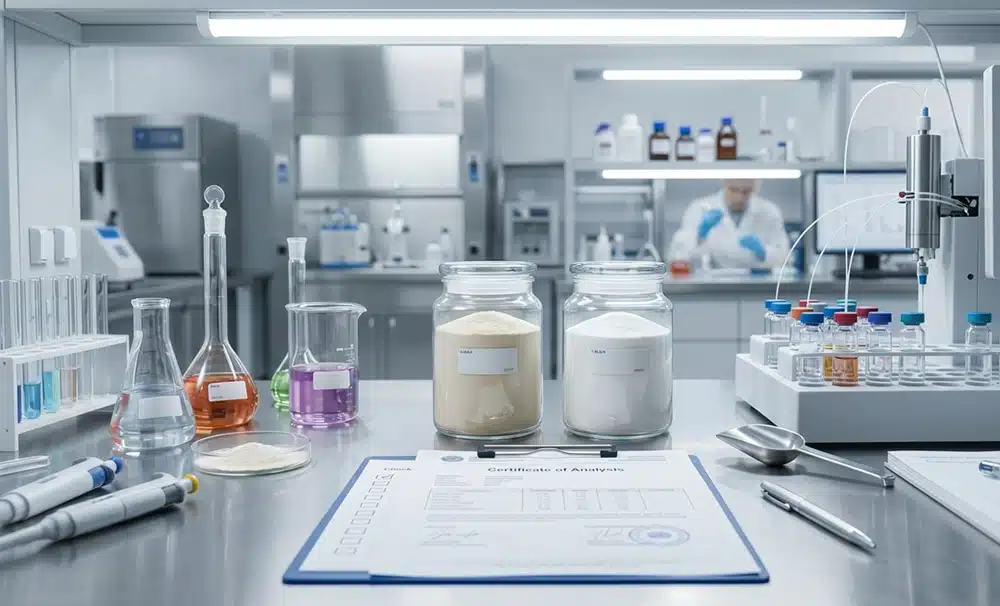
Ticari bir formülde kemik suyu tozu veya kolajen açısından zengin et suyu bileşenini kullanmadan önce, aşağıdakileri talep edin ve inceleyin:
- Toplam protein içeriği
- Hidroksiprolin içeriği
- Amino asit profili
- Nem içeriği
- Sodyum içeriği
- Kül içeriği
- Ağır metaller
- Mikrobiyal sınırlar
- Kaynak tür ve kullanılan kısım
- Kurutma yöntemi
- Çözünürlük ve dağılabilirlik
- Tat ve koku profili
- Partiler arası tutarlılık
- Alerjen ve hayvansal kökenli ürünlere ilişkin belgeler
Hidroksiprolin, kolajen açısından zengin maddelerle güçlü bir şekilde ilişkili olduğu için özellikle yararlıdır. Bir tedarikçi, bir kemik suyu tozunun kolajen açısından zengin olduğunu iddia etse de amino asit veya hidroksiprolin verilerini sunamıyorsa, bu bileşen kesin bir kolajen kaynağı olarak değil, bir lezzet veya protein bileşeni olarak değerlendirilmelidir.
Amino Asit Profili: Gizli Altın
Ekstraksiyon yönteminden bağımsız olarak, kolajenin gerçek değeri - ister et suyundan ister takviyelerden elde edilsin - benzersiz amino asit profilinde yatmaktadır. Peynir altı suyu veya soya proteini aksine, kolajen üç spesifik amino asit açısından son derece zengindir:
- Glisin: Modern kas eti diyetlerinde sıklıkla eksik olan bir maddedir. İnhibitör bir nörotransmiter olarak işlev görür, uykuyu destekler, detoksifikasyona yardımcı olur ve iltihaplanmayı azaltır.
- Proline: Protein sentezi ve yapısı için gerekli, kardiyovasküler sağlık için çok önemli.
- Hidroksiprolin: Bu amino asit, kolajene özgüdür. Vücudumuzdaki kolajen üçlü sarmalının stabilitesi için hayati öneme sahiptir.
Kemik suyu bu amino asitleri sağlarken, aynı zamanda kıkırdaktan süzülen glukozamin, kondroitin sülfat ve hiyalüronik asit gibi glikozaminoglikanları (GAG’ler) da içerir. Bu “tam spektrumlu” matris, izole peptit tozlarına kıyasla kemik suyunun en önemli avantajıdır.
Biyoyararlanım: Et suyu ile hidrolize peptitlerin karşılaştırılması
İşte burada, etkinliğe önem veren üreticiler ve tüketiciler için bu ayrım hayati önem kazanıyor.
Emilim Bariyeri İnsan sindirim sistemi, proteinleri amino asitlere veya di/tri-peptidlere parçalamak zorundadır, böylece bunlar kan dolaşımına emilebilir.
- Kemik Suyu (Jelatin): Uzun jelatin zincirlerini parçalamak için önemli ölçüde sindirim çabası (pepsin ve mide asidi) gerektirir. Sindirim sistemi zayıf olan kişilerde (yaşlılarda veya bağırsak sorunları olanlarda yaygın olarak görülür) emilim verimsiz olabilir.
- Hidrolize Peptitler: Bunlar “önceden sindirilmiş” maddelerdir. Düşük moleküler ağırlıkları sayesinde bağırsak bariyerini hızla geçerek kan dolaşımına girerler ve genellikle alımdan 1-2 saat sonra plazmada en yüksek seviyeye ulaşırlar.
“Sinyal” Etkisi Araştırmalar, belirli kolajen peptidlerinin (Pro-Hyp ve Hyp-Gly gibi) sadece yapı taşları olarak değil, aynı zamanda sinyal molekülleri olarak da işlev gördüğünü ortaya koymaktadır. Bunlar, ciltteki fibroblastları harekete geçirerek daha fazla kolajen. Standartlaştırılmış hammaddeler genellikle bu spesifik biyoaktif peptitleri yüksek düzeyde içerecek şekilde optimize edilir. Rastgele hidroliz ile elde edilen kemik suyunun bu sinyal peptitlerini klinik olarak anlamlı miktarlarda üretip üretmediği belirsizdir.
Hidrolize Kolajen Peptitleri Neden Ürün Etiketindeki İddialar Açısından Daha Uygun?
Kemik suyu, değişken bir gıda matrisidir. Hidrolize kolajen peptitleri ise standartlaştırılmış bir bileşendir.
Bir marka, ön panelde “porsiyon başına 10 g kolajen peptid” gibi net bir iddia öne sürmek istediğinde ya da ürününü cilt, eklem, güzellik, hareket kabiliyeti veya aktif yaşlanma gibi konumlandırmalar üzerine kurmak istediğinde bu fark önem kazanır.
Hidrolize kolajen peptitleri, formül geliştiricilere aşağıdaki konularda daha fazla kontrol sağlar:
- Porsiyon büyüklüğü
- Protein katkısı
- Moleküler ağırlık dağılımı
- Soğuk veya sıcak sıvılarda çözünürlük
- Tat ve koku
- Toz akışı
- Klinik tarzda dozaj uyumu
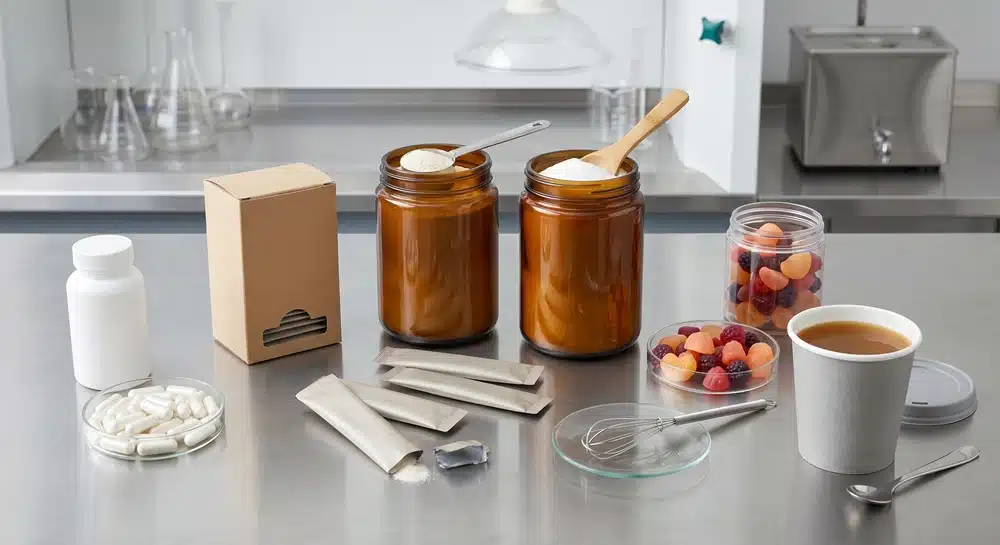
- Çubuk ambalaj, kavanoz, kapsül, tablet, jelibon veya hazır içecek (RTD) formatlarında uygulanabilirlik
Kemik suyu konseptli bir ürün hâlâ oldukça cazip olabilir. Genellikle en iyi yaklaşım, kemik suyunun tüketiciler üzerindeki cazibesini, standartlaştırılmış kolajen peptidlerinin hassasiyetiyle birleştirmektir.
Formülatörün Notu: Standartlaştırılmış Kemik Suyu Konsept Ürünü Nasıl Geliştirilir?
Takviye markaları için en büyük fırsat, kemik suyu ile kolajen peptidleri arasında seçim yapmak değildir. Asıl fırsat, kemik suyunun pazardaki cazibesini, standartlaştırılmış kolajen peptid bileşenlerinin hassasiyetiyle birleştirmektir.
Seçenek 1: Geleneksel Kemik Suyu Tozu
Bu, lezzetli beslenme, bağırsak sağlığı, tam gıda konsepti ve mutfak kullanımına odaklanan markalar için en uygun seçenektir. Formülasyondaki başlıca zorluklar sodyum, tat, aroma, çözünürlük ve protein kıvamıdır.
Seçenek 2: Hidrolize Kollajen Peptit Tozu
Bu ürün, net bir kolajen dozu gerektiren güzellik, eklem sağlığı, hareket kabiliyeti, spor sonrası toparlanma ve aktif yaşlanma ürünlerinde en uygun seçenektir. Stick paketler, kavanozlar, kapsüller, tabletler ve jelibonlarda etkili bir şekilde kullanılabilir.
Seçenek 3: Kemik Suyu + Kolajen Peptid Karışımı
Bu, genellikle en iyi ticari formattır. Kemik suyu bileşeni, ürünün hikâyesini, lezzetini ve tam gıda kimliğini sağlar. Hidrolize kolajen peptid bileşeni ise ölçülebilir kolajen dozunu sağlar.
Etkili bir hibrit ürün konumlandırması şöyle olabilir: “Standartlaştırılmış kolajen peptidleri içeren ve lezzetli, doğal gıda tadına sahip, kemik suyu esinli kolajen peptid tozu.”
Bu sayede, değişken kemik suyu katı maddelerine tek başına güvenmekten kaçınılırken, tüketici dostu kemik suyu konsepti de korunmuş olur.
Örnek Ürün Mimarisi
| Formül Türü | Ana Malzeme Stratejisi | En İyi Biçim | Marka Konumlandırma |
| Saf kemik suyu tozu | Kemik suyu katıları | Tuzlu içecek tozu | Doğal gıdalarla beslenme ve rahatlık. |
| Kollajen peptit tozu | Hidrolize kolajen peptidleri | Çubuk ambalaj mı, yoksa kavanoz mu? | Güzellik, eklemler, hareket kabiliyeti, aktif yaşlanma. |
| Kemik suyu ve kolajen karışımı | Kemik suyu tozu + standartlaştırılmış kolajen peptidleri | Tuzlu toz veya kapsül | Kesin kolajen dozu içeren kemik suyu hikayesi. |
| Eklem sağlığı için kolajen formülü | Kollajen peptidleri + C vitamini + ortak destek malzemeler | Toz, tablet, kapsül | Hareket kabiliyeti ve bağ dokusu desteği. |
Karar: Takviye mi, gıda mı, yoksa her ikisi mi?
Peki, beslenme rejimi bağlamında kemik suyunu nasıl değerlendirmeliyiz?
Kemik Suyu İçin Argümanlar: Kemik suyu, bütünsel bir besindir. Hidrasyon, elektrolitler (kalsiyum, magnezyum, fosfor) ve hapların sağlayamadığı lezzetli bir rahatlık sunar. Bağırsak sağlığının korunması ve genel beslenme zenginleştirilmesi için mükemmeldir.
Standartlaştırılmış Takviyelerin Avantajları: Hedefli terapötik sonuçlar elde etmek için (örneğin kırışıklık derinliğini azaltmak, cilt elastikiyetini artırmak veya yaralanma iyileşmesini hızlandırmak) tutarlılık çok önemlidir.
- Hassasiyet: Bir takviye, günlük tam olarak 10 g kolajen tüketmenizi sağlar.
- Kolaylık: 24 saatlik pişirme süresi yoktur.
- Verimlilik: Daha yüksek biyoyararlanım, amino asitlerin hedef dokulara ulaşmasını sağlar.
Sonuç: Kemik Suyu Değerlidir, Ancak Kesin Değildir
Kemik suyu, besleyici bir tam gıda ve etkileyici bir ürün hikayesi olabilir. Jelatin, amino asitler, mineraller ve lezzet sunmanın yanı sıra, birçok tüketicinin aşina olduğu rahatlatıcı bir sunum biçimi de sağlar.
Ancak amaç güvenilir bir kolajen dozu elde etmekse, kemik suyu tek başına yeterince kesin bir kaynak değildir. Kolajen içeriği, hammadde seçimi, pişirme süresi, asit seviyesi, su oranı, konsantrasyon, kurutma yöntemi ve parti testlerine bağlıdır.
Tüketiciler için kemik suyu, sağlıklı bir beslenme düzeninin parçası olabilir. Takviye markaları için ise standartlaştırılmış hidrolize kolajen peptitleri, ölçülebilir kolajen iddiaları, tutarlı formülasyon ve tekrarlanabilir ürün performansı açısından daha iyi bir temel oluşturur.
Ticari açıdan en faydalı çözüm genellikle bir melez yaklaşımdır: Hikaye ve duyusal kimlik açısından kemik suyu kullanılırken, gerçek kolajen dozu için standartlaştırılmış kolajen peptidleri kullanılır.
Kemik suyu bazlı kolajen ürünü geliştirme konusunda yardıma mı ihtiyacınız var?
Kemik suyu tozu, kolajen peptid formülü, tuzlu protein içeceği, kapsül, jöle şeker, tablet veya özel etiketli kolajen ürünü geliştiriyorsanız, bize hedef porsiyon miktarınızı, protein iddiasınızı, lezzet yöneliminizi ve dozaj biçiminizi iletin. Formülasyon ekibimiz, kolajen peptid seçimi, kemik suyu tozunun uygulanabilirliği, etiket iddiası stratejisi ve üretim seçeneklerinin değerlendirilmesinde size yardımcı olabilir.
Kemik Suyundaki Kollajen Hakkında Sık Sorulan Sorular
Bir fincan kemik suyunda ne kadar kolajen bulunur?
Evrensel bir rakam yoktur. Bir fincan kemik suyu, seyreltilmişse kolajenden elde edilen jelatini sadece az miktarda içerebilir; yoğunlaştırılmış ve kolajen açısından zengin kemikler ile bağ dokusundan hazırlanmışsa ise birkaç gram içerebilir. Bunu öğrenmenin tek güvenilir yolu, test edilmiş protein ve amino asit verilerini incelemektir.
Kemik suyundaki protein, kolajenle aynı mıdır?
Tam olarak öyle değil. Kemik suyu proteini, jelatin, et artıkları, bağ dokusu ve diğer çözünür proteinlerden elde edilebilir. Jelatin, kolajenden elde edilir; ancak toplam protein miktarı otomatik olarak kolajen peptid miktarı olarak değerlendirilmemelidir.
Kemik suyu, kolajen peptidlerinden daha mı iyidir?
Kemik suyu, tam gıda niteliğinde, lezzetli bir besin ürünü olarak daha uygundur. Kolajen peptitleri ise kesin bir kolajen dozu, çözünürlük, düşük moleküler ağırlık ve sabit porsiyon büyüklüğü gerektiğinde daha uygun bir seçenektir.
Bir besin takviyesi markası, kemik suyu tozuna dayalı olarak kolajen iddiasında bulunabilir mi?
Ancak, hammadde ve nihai ürün, testler ve belgelerle bu iddiayı destekliyorsa. Markalar, kolajenle ilgili iddialarda bulunmadan önce COA verilerini, amino asit profilini, protein içeriğini, hidroksiprolin verilerini ve etiket uygunluk incelemesini talep etmelidir.
Ev yapımı kemik suyu neden buzdolabında jelleşir?
Jel kıvamı, kolajen açısından zengin bağ dokusunun ısıtılması ve denatüre edilmesi sonucu oluşan jelatinden kaynaklanır. Güçlü bir jel genellikle daha yüksek jelatin içeriğine işaret eder, ancak yine de kesin bir kolajen peptid dozu sağlamaz.
Hangi kemikler en fazla kolajen içeren et suyunu verir?
Kemikler ve bağ dokusu bakımından zengin parçalar genellikle en fazla jelatin üretir. Buna örnek olarak eklem kemikleri, öküz kuyruğu, tavuk ayağı, kanat, boyun, balık kafası ve balık iskeleti verilebilir. Kemik iliği, lezzet ve yağ katar ancak her zaman en zengin kolajen kaynağı değildir.
Kemik suyu kolajeni biyoyararlanabilir mi?
Kemik suyu, sindirilebilen jelatin ve amino asitler sağlar; ancak jelatin zincirleri genellikle hidrolize kolajen peptidlerine kıyasla daha büyüktür ve daha az standartlaştırılmıştır. Hidrolize kolajen peptidleri, daha iyi çözünürlük ve daha öngörülebilir emilim sağlamak amacıyla daha düşük bir moleküler ağırlığa getirilmek üzere işlenir.
Bir marka kemik suyu tozu mu yoksa hidrolize kolajen peptidleri mi kullanmalıdır?
Ana hedef lezzet, doğal gıda konumlandırması ve besleyici bir lezzet sunmaksa kemik suyu tozunu kullanın. Ana hedef ölçülebilir bir kolajen porsiyonu, güzellik, eklem sağlığı, hareket kabiliyeti veya aktif yaşlanma konumlandırmasıysa hidrolize kolajen peptidlerini kullanın. Standartlaştırılmış bir kolajen dozu içeren bir kemik suyu hikayesi sunmak istiyorsanız her ikisini de kullanın.
Referanslar
- Alcock, R. D. ve ark. Kemik suyu, kolajen araştırmalarında kullanılan takviye amaçlı kolajen kaynaklarına kıyasla güvenilir konsantrasyonlarda kolajen öncülleri sağlaması olası değildir. PubMed.
https://pubmed.ncbi.nlm.nih.gov/29893587/ - Shaw, M. H. ve Flynn, N. E. Sığır eti, tavuk ve hindi kemik suyunun amino asit içeriği. Journal of Undergraduate Chemistry Research, 2019.
https://www.westmont.edu/sites/default/files/users/user1231/V19No4/Nick%20Flynn_final.pdf - Khatri, M. ve ark. Kollajen peptid takviyesinin vücut bileşimi, kollajen sentezi ile eklem yaralanmaları ve egzersiz sonrası iyileşme üzerindeki etkileri. Amino Acids, 2021.
https://pmc.ncbi.nlm.nih.gov/articles/PMC8521576/ - Pu, S. Y. ve ark. Ciltte Yaşlanmayı Geciktirmede Oral Kollajenin Etkileri: Sistematik Bir Derleme ve Meta-Analiz. Nutrients, 2023.
https://pmc.ncbi.nlm.nih.gov/articles/PMC10180699/ - Martínez-Puig, D. ve ark. Eklem Sağlığı için Kollajen Takviyesi: Bileşim ile Bilimsel Bilgi Arasındaki Bağlantı. Nutrients, 2023.
https://pmc.ncbi.nlm.nih.gov/articles/PMC10058045/ - Sato, K. Kollajenden Elde Edilen Di-Peptit, Prolilhidroksiprolin (Pro-Hyp): Yeni Bir Düşük Moleküler Ağırlıklı Büyüme Başlatıcı Faktör. International Journal of Molecular Sciences, 2020.
https://pmc.ncbi.nlm.nih.gov/articles/PMC7728856/ - Virgilio, N. ve ark. Kollajen hidrolizatı alımının ardından biyoaktif peptitlerin emilimi: moleküler ağırlık ve hammadde kaynağının etkisi. 2024.
https://pmc.ncbi.nlm.nih.gov/articles/PMC11325589/ - Harvard Health Publishing. Kemik suyunun faydalarından yararlanmak: Denemeye değer mi?
https://www.health.harvard.edu/diet-and-nutrition/savoring-the-benefits-of-bone-broth-worth-a-taste - FDA. Yapı/Fonksiyon İddiaları.
https://www.fda.gov/food/nutrition-food-labeling-and-critical-foods/structurefunction-claims - UCLA Health. Kolajen takviyeleri almalı mısınız?
https://www.uclahealth.org/news/article/should-you-take-collagen-supplements

Warren Wan, besin takviyesi tedarik zincirinde kapsamlı deneyime sahip deneyimli bir uzmandır ve kolajen peptidleri, kemik suyu proteini ve keratin gibi temel bileşenlerin araştırma, geliştirme, süreç kontrolü ve küresel tedarik alanlarında zengin pratik deneyime sahiptir. Bu köşenin yazarı olarak, pazarlama söylemlerinin ötesine geçmeye, anlaşılması zor bileşen bilimini ve üretim kalite kontrol standartlarını kolay anlaşılır, somut bilimsel bilgilere dönüştürmeye kendini adamıştır. Böylece okuyucuların etiketlerin ardındaki gerçeği anlamalarına ve sağlık konusunda daha rasyonel seçimler yapmalarına yardımcı olmaktadır.