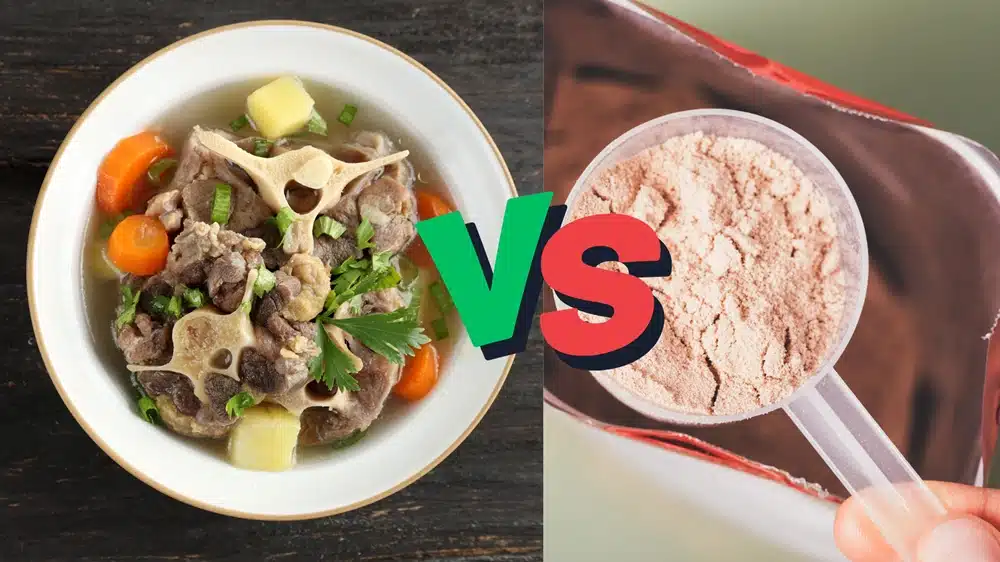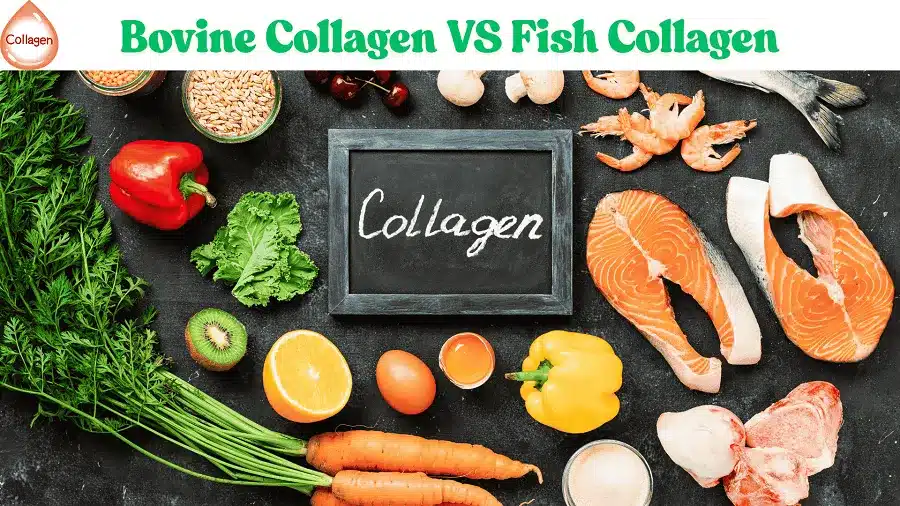
Takviye markası sahipleri, ürün geliştiriciler ve spor beslenme formülatörleri için kemik suyu ile kolajen arasındaki seçim, yalnızca bir sağlık tercihi değildir. Bu, kolajen formu, peptid boyutu, porsiyon başına içerik miktarı, çözünürlük, duyusal profil, raf ömrü stabilitesi, ağır metal kontrolü ve malzeme maliyetini içeren bir teknik özellik kararını ifade eder.
Doğrudan cevap: Kemik suyu, jelatin bazlı kolajenin yanı sıra mineraller ve eklem sağlığını destekleyen yardımcı faktörleri sağlayan bir tam gıda matrisidir; buna karşılık hidrolize kolajen peptidleri, daha yüksek ve daha öngörülebilir dozlarda standartlaştırılmış, önceden parçalanmış kolajen sağlar. Kemik suyu, bütünsel beslenme ve lezzetli fonksiyonel gıdalar açısından daha etkilidir; kolajen peptitler ise ölçülebilir günlük dozajlama, içten gelen güzellik ürünleri ve kapsül veya toz formülasyonlar açısından daha etkilidir.
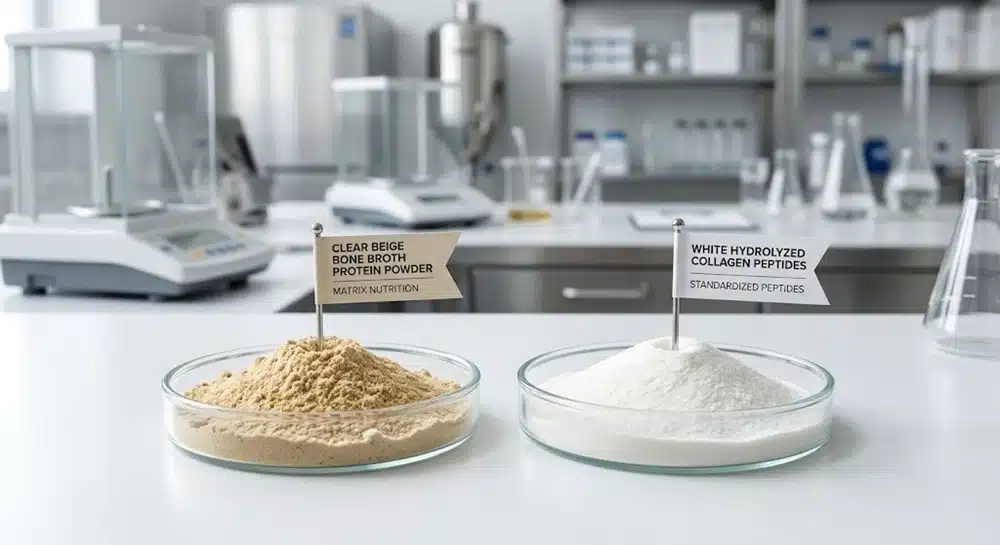
Kemik Suyu mu, Kollajen mi: Kısa ve Teknik Cevap
Kemik suyu ve kolajen birbiriyle ilişkili olmakla birlikte birbirinin yerine kullanılamaz. Kemik suyu, kemiklerden, kıkırdaktan, bağ dokusundan ve kemik iliğinden yapılır. Uzun süreli ekstraksiyon sırasında, doğal kolajen esas olarak jelatine dönüştürülür ve sıvı veya kurutulmuş toz matrisine salınır. Buna karşılık, kolajen takviyeleri genellikle kontrollü enzimatik hidroliz, filtrasyon, konsantrasyon, kurutma ve eleme işlemleriyle üretilen hidrolize kolajen peptidleri içerir.
Bu fark, sonraki tüm kararları etkiler: bir porsiyona kaç gram sığacağı, ürünün tadı tuzlu mu yoksa nötr mü olacağı, soğuk suda çözünecek mi, kapsül mü yoksa içecek karışımı mı olacağı, bitmiş ürünün nasıl test edilmesi gerektiği ve etiket üzerindeki iddianın ne kadar öngörülebilir olabileceği gibi konular.
Kemik Suyunu Anlamak: Bir Tam Gıda Matrisi
Geleneksel kemik suyu, hayvansal kemikler, kıkırdak, bağ dokusu ve kemik iliğinin, doğal kolajenin jelatine dönüşmesi için yeterli süre boyunca hafif ateşte kaynatılmasıyla elde edilir. Piyasada satılan hazır ürünlerde elde edilen sonuç, tek bir aktif bileşen olmaktan ziyade bir besin matrisi olarak anlaşılmalıdır: protein, jelatin, mineraller, sodyum, doğal aroma bileşikleri ve az miktarda glikozaminoglikanlar, hayvan kaynağına, ekstraksiyon süresine, konsantrasyon oranına ve kurutma yöntemine göre değişiklik gösterebilir.
A high-quality bone broth ingredient can support gut-health powders, savory functional drinks, soup-base products, animal-based nutrition concepts, and premium whole-food protein positioning. It may also contain amino acids such as glycine, proline, hydroxyproline, and glutamine. Depending on the source material, it may include naturally occurring compounds associated with cartilage, such as glucosamine, chondroitin sulfate, and hyaluronic-acid-related matrix components.
Ticari Kemik Suyu Tozunda Neler Değişti?
Ticari üretimde en önemli soru, kemik suyunun “kolajen içerip içermediği” değildir. Daha yararlı olan soru, tedarikçinin bitmiş malzemeyi standartlaştırıp standartlaştıramayacağıdır. Pratik bir kemik suyu tozu spesifikasyonu, kuru bazda protein, nem, kül, sodyum, elek gözü boyutu, yığın yoğunluğu, mikrobiyal sınır değerleri, ağır metaller, duyusal özellikler ve önerilen kullanım şeklini içermelidir.
Örneğin, bağırsak sağlığına yönelik tuzlu bir toz ürün, daha yoğun bir et suyu aromasını tolere edebilirken, güzellik amaçlı bir içecek karışımı bunu tolere edemeyebilir. Yüksek proteinli, hayvansal kaynaklı bir toz ürün, et suyu matrisini uygun bulabilirken, jelibon tipi bir ürün ise tat, renk, sodyum ve porsiyon büyüklüğü konusunda sorun yaşayabilir. Kemik suyu bileşenlerini karşılaştıran markalar, aşağıdakiler aracılığıyla içerik konumlandırmasını inceleyebilir: CBBROTH® berrak kemik suyu ve toz geliştirme sürecini şu şekilde tamamladı: Toz Takviye Üretimi.
Kollajen Takviyelerini Anlamak: Standartlaştırılmış Peptitler
Kollajen takviyeleri genellikle kollajeni daha konsantre ve standartlaştırılmış bir biçimde sağlar. En yaygın ticari form, sığır derisi, balık derisi, domuz derisi veya tavuk kıkırdağı gibi kolajen açısından zengin hammaddelerden üretilen hidrolize kolajen peptidleridir. Kontrollü enzimatik hidroliz, büyük kolajen yapısını daha küçük peptidlere ayırarak tozun formülasyonunu kolaylaştırır ve bitmiş ürünlerde daha öngörülebilir sonuçlar elde edilmesini sağlar.
Hidrolize kolajen peptidleri, basitçe “toz haline getirilmiş kemik suyu” değildir. Bu ürünler, peptid boyutu, protein içeriği, çözünürlük, renk, koku ve hedef uygulama göz önünde bulundurularak tasarlanmıştır. Daha düşük ve daha tutarlı bir moleküler ağırlık dağılımı, daha hızlı dağılmayı, daha temiz bir duyusal profili ve daha güvenilir bir günlük porsiyon tasarımını destekleyebilir. B2B bileşen tedariki için bkz. Toptan Kolajen Peptitler.
Yaygın Kolajen Kaynakları ve Konumları
Deniz kaynaklı kolajen, ağırlıklı olarak Tip I kolajen içermesi ve genellikle berrak içecekler veya güzellik tozu uygulamalarında kullanılması nedeniyle cilt ve güzellik ürünlerinde yaygın olarak tercih edilmektedir. Genellikle deriden elde edilen sığır kolajeni, tipik olarak Tip I ve III kolajen sağlar ve günlük kolajen tozları, kapsüller, tabletler ve “içten gelen güzellik” formüllerinde etkili sonuçlar verir. Tavuk kıkırdağı veya göğüs kemiği kaynaklı malzemeler, eklem sağlığına yönelik Tip II kolajen veya kıkırdak matrisi ürünlerinde kullanılabilir.
Hammadde seçimi, nihai ürünle bağlantılı olmalıdır. Bir güzellik markası, kokusuzluk, açık renk ve soğuk suda dağılabilirlik özelliklerine önem verebilir. Bir eklem sağlığı markası ise Tip II kollajen, kondroitin sülfat veya hiyalüronik asidi önemsiyor olabilir. Bir spor beslenme markası ise porsiyon büyüklüğü, protein içeriği, karışımın homojenliği ve aktif madde gramı başına maliyeti daha çok önemsiyor olabilir.
Besin Değerleri Karşılaştırması: Miktar, Biçim ve Güvenilirlik
Kemik suyu daha kapsamlı bir besin kaynağıdır, ancak kolajen içeriği değişiklik gösterebilir. Ev yapımı ve marketten satın alınan kemik suları, kemik türü, demleme süresi, seyreltme oranı ve konsantrasyon bakımından farklılık gösterir. Yayınlanmış araştırmalar, tipik kemik suyu hazırlıklarının, kolajen araştırmalarında kullanılan kolajen takviyesi dozlarıyla karşılaştırıldığında, kolajen öncüsü amino asitleri güvenilir konsantrasyonlarda sağlayıp sağlayamadığını da sorgulamıştır.
Kollajen peptitleri daha ölçülü bir porsiyon sağlar. Birçok kolajen tozu, porsiyon başına 10-20 g kolajen peptid içerirken, daha düşük dozlu güzellik formülleri, iddia yapısı ve pazar konumlandırmasına bağlı olarak 2,5-5 g kullanabilir. Bileşen standartlaştırılmış olduğundan, bitmiş üründe aktif madde miktarı, tat, porsiyon boyutu ve etiket beklentileri daha kolay kontrol edilebilir.
B2B Şartname Matrisi
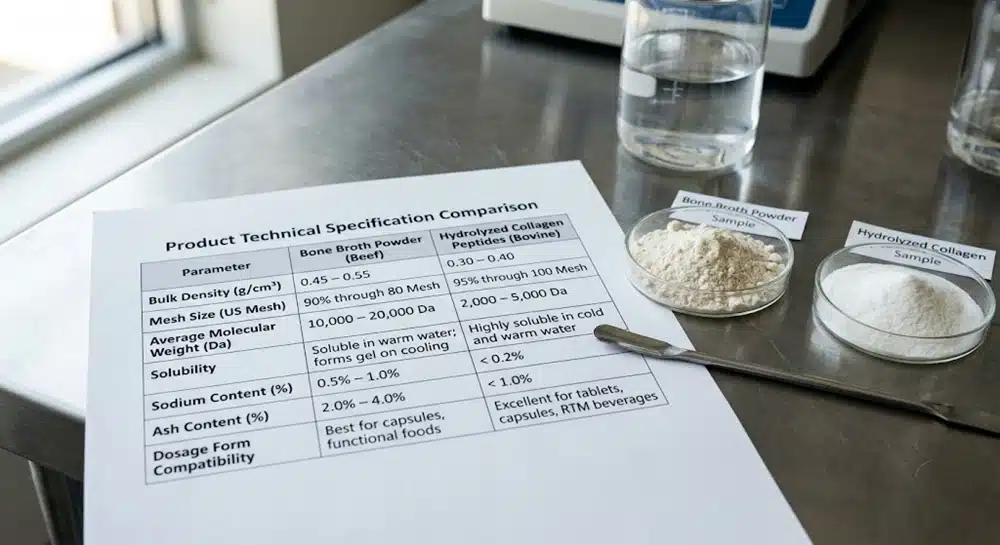
Tedarik ekipleri için en önemli karşılaştırma kriteri, sadece porsiyon başına kolajen miktarı değildir. Asıl önemli olan, bu bileşenin bitmiş ürünün hedef dozaj, tat, çözünürlük, üretim hızı, etiket beyanı ve serbest bırakma testi gerekliliklerini karşılayıp karşılayamayacağıdır.
Malzeme Özellikleri Karşılaştırması
Kemik Suyu Tozu ve Hidrolize Kollajen Peptitleri Karşılaştırması
| Şartname | Kemik Suyu Tozu | Hidrolize Kolajen Peptitler |
|---|---|---|
| İlkokul sınıfı | Jelatin açısından zengin tam gıda matrisi | Önceden hidrolize edilmiş kolajen peptidleri |
| Tipik konumlandırma | Bağırsak sağlığı Lezzetli beslenme Tam gıda proteini | Güzellik Eklemler Günlük kolajen Spor beslenmesi |
| Doz güvenilirliği | COA ile standartlaştırılmadıkça değişken | Yüksek; Porsiyon başına gram miktarını kontrol etmek daha kolaydır |
| Duyusal profil | Tuzlu, umami, et suyu benzeri koku | Nötr ila hafif protein tadı |
| Formülasyon riski |
|
|
| En iyi formatlar | Tuzlu tozlar, çorbalar, fonksiyonel gıdalar | Tozlar, poşetler, kapsüller, tabletler, hazır içecekler |
| Kalite Kontrolünde Ana Odak Noktaları |
|
|
Sağlık Faydaları Konusunda Konumlandırma: Cilt, Eklemler, Bağırsak ve Fonksiyonel Beslenme
Cilt ve İçten Gelen Güzellik
Cilt ve içten gelen güzellik ürünleri söz konusu olduğunda, kolajen peptidleri genellikle daha güçlü bir formülasyon avantajına sahiptir. Nötr bir tada sahip olmalarının yanı sıra, standartlaştırılmış günlük dozaj sunarlar ve tozlar, kapsüller, tabletler ve güzellik içecekleriyle geniş bir uyumluluk gösterirler. Kolajen peptidleri üzerine yapılan klinik çalışmalarda genellikle belirli dozlar ve süreler kullanılır; bu da bu bilgilerin tüketici bilgilendirme ve ürün konumlandırmasına aktarılmasını kolaylaştırır.
Kemik suyu, amino asitler, mineraller ve geleneksel beslenme anlayışı sayesinde “tam gıda güzelliği” konseptini hâlâ destekleyebilir. Bununla birlikte, lezzet profili ve değişken kolajen içeriği nedeniyle, formül kasıtlı olarak kemik suyu temelli beslenme üzerine kurgulanmadıkça, yaygın güzellik ürünleri için yeterince etkili değildir.
Eklem Sağlığı ve Hareketliliği
Eklem sağlığı formüllerinde genel kolajen peptidleri, Tip II kolajen ve daha geniş kapsamlı kıkırdak matrisleri arasında ayrım yapılmalıdır. Hidrolize kolajen veya tipe özgü kolajen, daha hassas bir şekilde dozlanabilir. Kemik suyu, kaynağına bağlı olarak jelatin, mineraller, glukozamin, kondroitin ve hiyalüronik asit ile ilişkili bileşenleri içerebilen daha geniş kapsamlı bir matris sağlar.
Bir premium eklem formülü, hedefe yönelik kolajen takviyesini kemik suyu veya kıkırdak matrisiyle birleştirebilir; ancak nihai ürünün porsiyon büyüklüğü, duyusal profili, aktif bileşen seviyeleri ve kalite testleri açısından doğrulanması gerekir. Eklem formülleri geliştiren markalar, bu karşılaştırmayı şu unsurlarla ilişkilendirebilir: Eklem Sağlığı Bileşenleri ve Özel Formül Takviye Üretimi.
Bağırsak Sağlığı ve Sindirim Desteği
Kemik suyu, bağırsak sağlığı konusundaki konumlandırma açısından daha güçlü bir hikayeye sahiptir; zira bu ürün, lezzetli beslenme, sıcak içecekler, çorbalar ve fonksiyonel gıda kavramlarına doğal olarak uyum sağlar. Jelatin ve glisin ile glutamin gibi amino asitler, sindirim sağlığı konusundaki anlatıyı destekleyebilir; ancak bitmiş ürünlerde hastalıklarla ilgili abartılı iddialardan kaçınılmalıdır.
Kollajen peptitleri, nötr olmaları ve lifler, prebiyotikler, probiyotikler ve yatıştırıcı bitkisel bileşenlerle kolayca karıştırılabilmeleri nedeniyle bağırsak sağlığı tozlarında da kullanılabilir. Bu durumda, kollajen peptitleri protein ve amino asit desteği sağlarken, diğer bileşenler sindirim sağlığı açısından temel farklılığı oluşturur.
Marka Sahipleri için Dozaj Formu Uyumluluğu
Kollajen peptidleri, toz, çubuk ambalajlar, poşetler ve karıştırmaya hazır içeceklerde en verimli şekilde kullanılır; zira anlamlı porsiyonlar genellikle günlük gram cinsinden alım gerektirir. Standart kapsüller, düşük dozlu kolajen karışımları için yararlı olabilir, ancak tüketici porsiyon başına birden fazla kapsül almayı kabul etmedikçe, yüksek gramajlı kolajen iddiaları için genellikle en uygun format değildir. Proje, hassas kapsül doldurma, doğrulanmış dolum ağırlığı ve kapsül görünümü seçenekleri gerektiriyorsa, lütfen inceleyin Kapsül Takviyesi Üretimi.
Kemik suyu tozu, tuzlu içecek karışımları, bağırsak sağlığı tozları, çorba bazları, fonksiyonel gıdalar ve hayvansal protein ürünleri için daha uygun bir seçenektir. Formülasyondaki başlıca zorluklar ise tat, sodyum, kül, renk ve nem korumasıdır. Toz ürünlerde ambalaj seçimi, nem kontrolü, kepçe veya poşet dozajının doğruluğu, akışkanlık ve tüketicinin ürünü kolayca karıştırabilmesi gibi kriterler göz önünde bulundurularak yapılmalıdır.
Kapsüller, Tozlar, Jöleli Şekerler ve Hazır İçecekler
Ürün Biçimi Değerlendirmesi
Kollajen ve Kemik Suyu Formülasyonları için Ar-Ge Kılavuzu
Kapsüller
- En Uygun Seçenek Düşük dozlu kolajen karışımları, Tip II kolajen veya kıkırdak matrisi bileşenleri için daha uygundur.
- Sınırlama Porsiyon başına çok sayıda kapsül bulunmadıkça, 10-20 g kolajen alımı için ideal değildir.
Tozlar
- En Güçlü Biçim Hem kolajen peptidleri hem de kemik suyu tozu için en dayanıklı formattır.
- Avantajlar Tozlar, yüksek porsiyon yükü, aroma sistemleri, tatlı veya tuzlu ürün konumlandırması ve esnek ambalajlama imkânı sunar.
Sakızlar
- Ar-Ge Yarışması Sınırlı taşıma kapasitesi, ısıya maruz kalma, tat ve doku kısıtlamaları nedeniyle yüksek dozda kolajen kullanımı zorluklar yaratmaktadır.
- Tavsiye Kollajenle ilgili iddialar gerçek olabilir, ancak ürün geliştirme sürecinde dozaj konusunda gerçekçi olunmalıdır.
RTD İçecekler
- Doğrulama Çözünürlük, tat, pH, ısıl işlem ve raf ömrü stabilitesi doğrulanmış kolajen peptidleri için uygundur.
- Konumlandırma Kemik suyu bazlı hazır içecek konseptleri, nötr güzellik içeceklerinden ziyade tuzlu fonksiyonel içecekler olarak daha iyi sonuç vermektedir.
Kalite Hususları ve Güvenlik
Hem kemik suyu hem de kolajen ürünleri, tedarikçilerin sıkı bir şekilde değerlendirilmesini gerektirir. Amerika Birleşik Devletleri’ne satış yapan besin takviyesi üreticileri ve markaları, üretim süreçlerini; belgelenmiş teknik özellikler, kalite kontrol işlemleri ve bitmiş ürün serbest bırakma prosedürleri dahil olmak üzere, geçerli iyi üretim uygulamaları gerekliliklerine uygun hale getirmelidir.
Ağır Metaller ve ICP-MS Testi
Kemik kaynaklı bileşenler, çevresel kalıntıların sert dokularda yoğunlaşabilmesi nedeniyle dikkatli bir kirletici taramasına tabi tutulmalıdır. Daha sıkı bir satın alma şartnamesi, kurşun, arsenik, kadmiyum, cıva, toplam mikrop sayısı, maya ve küf, E. coli, Salmonella, nem ve kül için parti bazında COA verilerinin talep edilmesini gerektirmelidir. Ağır metal değerlendirmesi, özellikle Kaliforniya 65 Sayılı Yasa uyarılarının geçerli olabileceği durumlarda, hem konsantrasyonu hem de bitmiş porsiyon büyüklüğünden kaynaklanan günlük maruziyeti dikkate almalıdır.
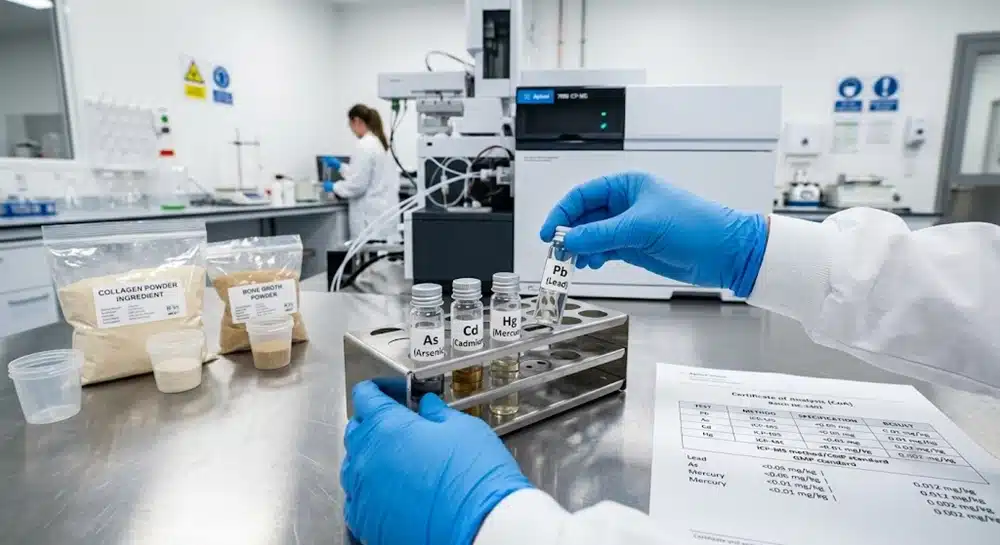
Kollajen peptidleri ayrıca ağır metal, mikrobiyoloji, kimlik ve protein doğrulamalarına tabi tutulmalıdır. Deniz kaynaklı kollajen, balık alerjenleri ve deniz kaynaklı kirleticilerle ilgili beklentiler açısından özel dikkat gerektirebilir. Sığır kaynaklı malzemeler için ise menşe belgeleri ve pazara özgü uygunluk desteği gerekebilir. GENSEI’nin kapsamlı test yaklaşımı şu bağlantıdan incelenebilir: Takviye Kalite Kontrolü.
Kemik Suyunda Histamin ve Üretim Kontrolü
Hammadde işleme, sıcak tutma, ekstraksiyon, soğutma veya kurutma kontrollerinin yetersiz olması durumunda kemik suyu, histamin veya biyojenik amin sorunlarına yol açabilir. Ticari üretimde, kontrollü zaman-sıcaklık parametreleri, hızlı konsantrasyon veya kurutma, doğrulanmış mikrobiyal kontroller ve gerektiğinde bitmiş ürün testleri kullanılmalıdır. Bu bir proses kontrolü sorunudur, kemik suyunu tamamen reddetmek için bir neden değildir.
Maliyet ve Satış Kârı: Yalnızca Perakende Fiyatını Karşılaştırmayın
Perakende sektöründeki yazılarda genellikle kemik suyu ve kolajen, ambalaj fiyatı üzerinden karşılaştırılır. B2B ekipleri, yalnızca kilogram başına fiyatı değil, aktif porsiyon başına maliyeti karşılaştırmalıdır. Porsiyon boyutu büyükse, tadı maskelemek zorsa, ambalajın daha güçlü bir nem bariyerine ihtiyacı varsa veya ürün, etiketinde belirtilen iddiayı destekleyemiyorsa, ucuz bir bileşen pahalıya mal olabilir.
Kollajen peptidleri, kilogram başına bazı et suyu bileşenlerinden daha pahalı görünebilir; ancak hedef, standartlaştırılmış kollajen gramı olduğunda daha verimli olabilirler. Kemik suyu tozu ise, konseptin bütün gıda beslenmesi, lezzetli tat, hayvansal protein veya bağırsak sağlığı ile ilgili anlatımlar üzerine kurulmuş olması durumunda daha değerli olabilir. En iyi seçim, iddia, format, duyusal hedef ve kâr marjı yapısını bir arada karşılayan seçenektir.
Formülatörün Karar Kuralı
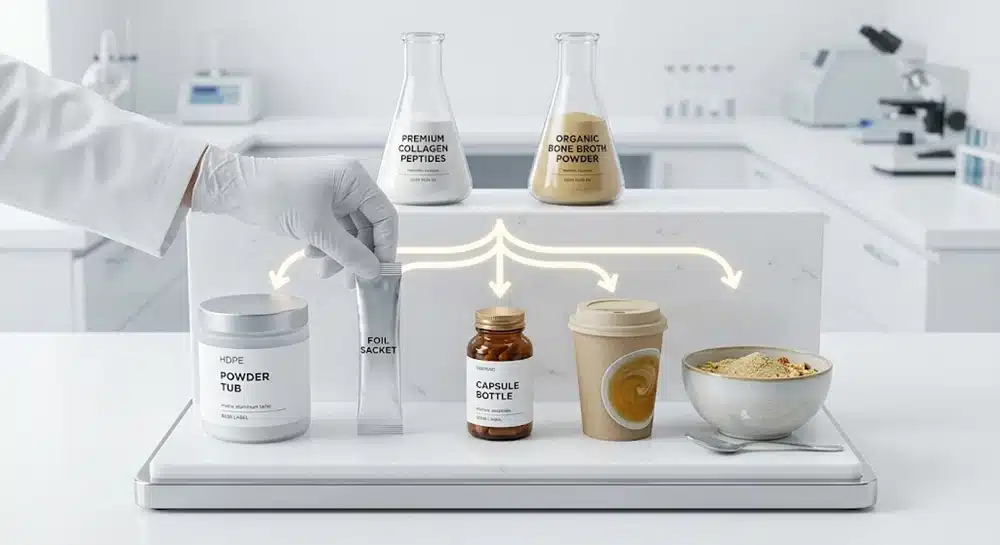
Ürün konseptinin “tam gıda”, “lezzetli”, “mineral içeren”, “bağırsak sağlığı” veya “fonksiyonel gıda” konumlandırmasına ihtiyaç duyduğu durumlarda kemik suyunu tercih edin. Ürün konseptinin “nötr tat”, “standartlaştırılmış kolajen miktarı”, “içten gelen güzellik” iddiaları, “eklem sağlığı için hassas formülasyon” veya “hızlı toz dağılma” özelliklerine ihtiyaç duyduğu durumlarda ise hidrolize kolajen peptidlerini tercih edin. Marka, kemik suyunun hikaye anlatım değerinin yanı sıra kolajen peptidlerin ölçülebilir dozajını da istiyorsa hibrit bir formül tercih edin; ancak, üretim ölçeğini büyütmeden önce tat, sodyum, kül ve porsiyon büyüklüğü açısından ekonomiklik açısından doğrulama yapın. Özel Formül Takviye Üretimi.
| Hedef | Daha İyi Seçim | Sebep |
| Günlük kolajen miktarının kesin gram cinsinden değeri | Kolajen peptitler | Standartlaştırılmış doz ve daha kolay talep tasarımı |
| Tam gıdalar ve bağırsak sağlığı: Hikaye | Kemik suyu | Matris beslenme ve tuzlu yiyeceklerin tüketim durumları |
| Nötr güzellik pudrası | Kolajen peptitler | Daha temiz bir lezzet ve daha geniş bir tüketici kitlesi tarafından kabul görme |
| Lezzetli fonksiyonel gıda | Kemik suyu | Et suyunun tadı bir avantaja dönüşür |
| Kapsül ürünü | Kollajen peptitleri veya Tip II kollajen | Düşük dozlu beslemeler, yüksek gramlı et suyuna kıyasla kapsüllere daha iyi uyum sağlar |
| Hibrit premium formül | Her ikisi de | Kemik suyu hikayesi ve standartlaştırılmış peptid dozu |
Kemik Suyu ile Kolajeni Bir Arada Kullanabilir misiniz?
Evet. Marka, kemik suyunun “tam gıda” anlatımını ve kolajen peptidlerinin standartlaştırılmış dozajını bir arada sunmak istediğinde, hibrit bir formül stratejik açıdan mantıklı olabilir. Bu yaklaşım, tuzlu yiyeceklerde işe yarayabilir protein tozları, bağırsak sağlığı tozları, hayvansal kaynaklı besin ürünleri ve birinci sınıf eklem sağlığı karışımları.
Buradaki anahtar nokta, formülasyonun gerçekçiliğidir. Nihai ürün, tat, sodyum, kül, nem, karışım homojenliği, ağır metaller, mikrobiyoloji ve porsiyon başına maliyet açısından test edilmelidir. Bu karşılaştırma, kemik suyunun otomatik olarak hidrolize kolajenle aynı standartlaştırılmış peptid profilini sağladığını ima etmek için kullanılmamalıdır.
Sık Sorulan Sorular: Kemik Suyu mu, Kollajen mi?
Sonuç: Trendlere Göre Değil, Teknik Özelliklere Göre Seçim Yapın
Kemik suyu ve kolajen her ikisi de faydalıdır, ancak farklı formülasyon sorunlarını çözerler. Kemik suyu, tuzlu lezzet, doğal gıda, bağırsak sağlığı ve fonksiyonel beslenme konseptleri için güçlü bir hikâye anlatma değeri taşıyan bir matris bileşenidir. Hidrolize kolajen peptidleri ise öngörülebilir dozaj, daha temiz bir lezzet ve esnek takviye formatları için tasarlanmış standartlaştırılmış protein bileşenleridir.
Tüketiciler için seçim, yaşam tarzına bağlı olabilir. Takviye markaları için ise seçim, nihai ürünün tasarımına bağlı olmalıdır: hedef iddia, porsiyon büyüklüğü, lezzet sistemi, dozaj formu, test gereklilikleri ve malzeme maliyeti. En güçlü ürün stratejisi, kararın teknik özellikler ve parti düzeyinde kalite kontrol ile desteklendiği sürece, kemik suyu, kolajen peptidleri veya onaylanmış bir hibrit formül olabilir.
referanslar
- Besin takviyelerinin üretimi, paketlenmesi, etiketlenmesi veya depolanması faaliyetlerinde geçerli olan İyi Üretim Uygulamaları (cGMP).
- Uluslararası Spor Beslenmesi ve Egzersiz Metabolizması Dergisi, 2019.
- Skov K, Oxfeldt M, Thøgersen R, Hansen M, Bertram HC. “Kollajen Bazlı Bir Protein Matrisinin Enzimatik Hidrolizi: Biyoaktif Peptidler ve Antioksidan Aktivite Üzerindeki Etkisi.” Besin Maddeleri, 2019.
- Choi FD, Sung CT, Juhasz ML, Mesinkovsk NA. “Ağız Yolu ile Alınan Kollajen Takviyesi: Dermatolojik Uygulamaların Sistematik Bir Derlemesi.” Dermatolojide İlaç Dergisi, 2019.

Warren Wan, besin takviyesi tedarik zincirinde kapsamlı deneyime sahip deneyimli bir uzmandır ve kolajen peptidleri, kemik suyu proteini ve keratin gibi temel bileşenlerin araştırma, geliştirme, süreç kontrolü ve küresel tedarik alanlarında zengin pratik deneyime sahiptir. Bu köşenin yazarı olarak, pazarlama söylemlerinin ötesine geçmeye, anlaşılması zor bileşen bilimini ve üretim kalite kontrol standartlarını kolay anlaşılır, somut bilimsel bilgilere dönüştürmeye kendini adamıştır. Böylece okuyucuların etiketlerin ardındaki gerçeği anlamalarına ve sağlık konusunda daha rasyonel seçimler yapmalarına yardımcı olmaktadır.