
วิตามินดีเป็นสารที่จำเป็นสำหรับกระดูกที่แข็งแรง ระบบภูมิคุ้มกันที่ดี และสุขภาพโดยรวม แต่หลายคนกลับมีปัญหาในการรักษาระดับวิตามินดีให้อยู่ในระดับที่เหมาะสม เมื่อพูดถึงการเสริมวิตามินดี การเลือกระหว่างวิตามินดีตามใบสั่งแพทย์กับผลิตภัณฑ์ที่ขายโดยไม่ต้องมีใบสั่งแพทย์ (OTC) อาจทำให้สับสนได้ คู่มือนี้จะอธิบายความแตกต่าง ประโยชน์ ความเสี่ยง และกรณีการใช้งานที่เหมาะสมที่สุดของแต่ละประเภท เพื่อช่วยคุณตัดสินใจอย่างมีข้อมูลตามความต้องการด้านสุขภาพของคุณ.
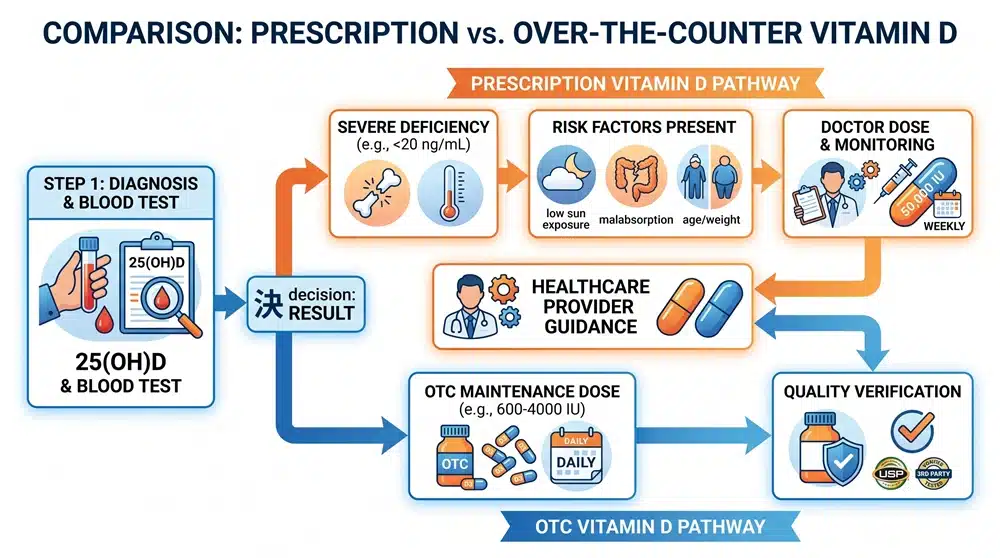
สรุปอย่างรวดเร็ว: วิตามินดีตามใบสั่งแพทย์มักเป็นการรักษาทางการแพทย์ในระยะสั้นด้วยขนาดสูง สำหรับกรณีที่ได้รับการยืนยันว่ามีภาวะขาดวิตามินดี โดยมักให้ในขนาด 50,000 IU ต่อสัปดาห์ ภายใต้การติดตามดูแลของแพทย์ วิตามินดีที่ขายโดยไม่ต้องมีใบสั่งแพทย์ (over-the-counter) ซึ่งมักเป็นรูปแบบ D3 ในปริมาณ 400–5,000 IU ต่อครั้ง เหมาะสำหรับการดูแลสุขภาพประจำวัน กรณีขาดวิตามินดีระดับเบา หรือผู้ที่ต้องการการสนับสนุนระยะยาวอย่างยืดหยุ่น การเลือกวิธีที่ปลอดภัยที่สุดขึ้นอยู่กับผลตรวจเลือด 25(OH)D ประวัติทางการแพทย์ ยาที่กำลังใช้ และคุณภาพของผลิตภัณฑ์เสริมอาหาร.
การเข้าใจวิตามินดี
วิตามินดี ซึ่งมักถูกเรียกว่า “วิตามินแสงแดด” ช่วยในการดูดซึมแคลเซียม, สุขภาพของกระดูก, และการทำงานของระบบภูมิคุ้มกัน. วิตามินดีมีอยู่สองรูปแบบหลัก: วิตามินดี2 (เออร์โกแคลซิเฟอรอล) และ วิตามินดี3 (โคเลแคลซิเฟอรอล). D3 มีประสิทธิภาพมากกว่าในการเพิ่มระดับในเลือด และเป็นรูปแบบที่ผิวหนังผลิตขึ้นตามธรรมชาติเมื่อได้รับแสงแดด. แหล่งของวิตามินดี ได้แก่ แสงแดด, อาหารเช่นปลาที่มีไขมันสูง, ผลิตภัณฑ์จากนมที่เสริมวิตามินดี, และอาหารเสริม.
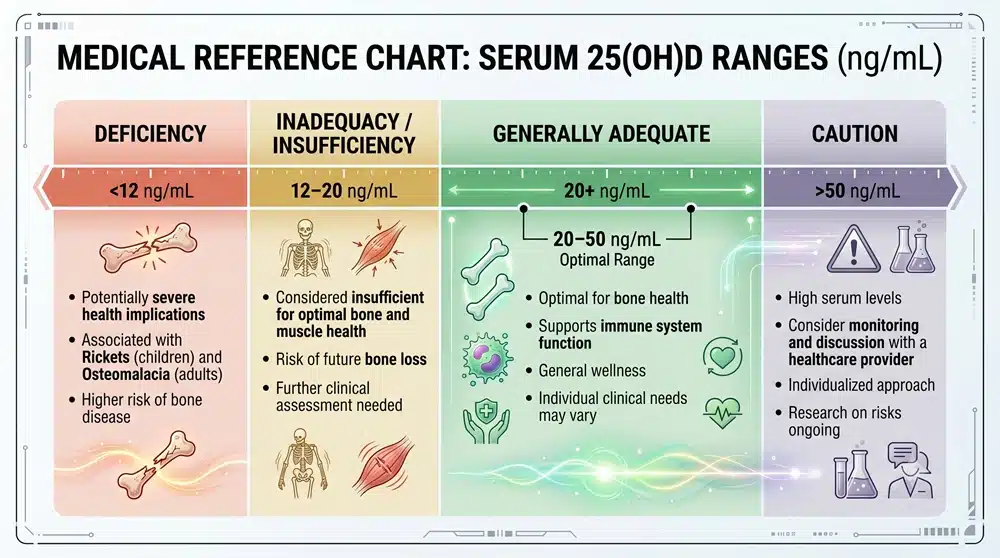
การขาดวิตามินดีเป็นเรื่องที่พบได้บ่อย โดยมีผลกระทบต่อผู้ใหญ่ถึง 40% ในบางประชากร โดยเฉพาะผู้ที่มีการสัมผัสแสงแดดจำกัด ผิวสีเข้ม หรือมีภาวะทางการแพทย์บางประการ การขาดวิตามินดีสามารถนำไปสู่กระดูกบาง (โรคกระดูกพรุนหรือโรคกระดูกอ่อน) กล้ามเนื้ออ่อนแรง และเพิ่มความเสี่ยงต่อการติดเชื้อ การตรวจเลือดเพื่อวัดระดับ 25-hydroxyvitamin D (ในหน่วย ng/mL) จะช่วยวินิจฉัยการขาดวิตามินดี โดยระดับที่ต่ำกว่า 20 ng/mL มักจำเป็นต้องได้รับการรักษา.
| ระดับ 25(OH)D | การตีความทั่วไป | ความหมายของเรื่องนี้ต่อบทความนี้ |
| <12 ng/mL (<30 nmol/L) | เกี่ยวข้องกับการขาดวิตามินดี. | อย่ารักษาตัวเองด้วยการใช้ยาที่ไม่ต้องใช้ใบสั่งแพทย์ (OTC) แบบสุ่มสี่สุ่มห้า; อาจจำเป็นต้องได้รับการประเมินจากแพทย์. |
| 12–20 ng/mL (30–50 nmol/L) | อาจไม่เพียงพอสำหรับบางคน. | OTC D3 อาจใช้ได้ในบางกรณี แต่ปัจจัยเสี่ยงและคำแนะนำจากแพทย์เป็นสิ่งสำคัญ. |
| ≥20 ng/mL (≥50 nmol/L) | โดยทั่วไปแล้วเพียงพอสำหรับคนส่วนใหญ่ที่มีสุขภาพดี. | การใช้ยาที่ไม่ต้องใช้ใบสั่งแพทย์ (OTC) เพื่อการดูแลสุขภาพอย่างสม่ำเสมอ อาจเพียงพอสำหรับคนจำนวนมาก. |
| >50 ng/mL (>125 nmol/L) | อาจเกี่ยวข้องกับผลข้างเคียงในบางสถานการณ์. | หลีกเลี่ยงการรับประทานผลิตภัณฑ์วิตามินดีหลายชนิดพร้อมกัน; ควรปรึกษาแพทย์เพื่อตรวจสอบปริมาณการรับประทานและผลการตรวจเลือด. |
ทำไมการตรวจระดับ 25(OH)D ในเลือดจึงสำคัญกว่าอาการ
การตัดสินใจเกี่ยวกับวิตามินดีไม่ควรขึ้นอยู่กับอาการเพียงอย่างเดียว ตัวชี้วัดหลักในผลการตรวจทางห้องปฏิบัติการคือ 25-hydroxyvitamin D ในซีรัม ซึ่งเขียนว่า 25(OH)D ตามข้อมูลจากสำนักงานเสริมอาหารของ NIH (National Institutes of Health) ระดับต่ำกว่า 12 ng/mL ถือว่าขาดวิตามินดี ระดับ 12–20 ng/mL อาจไม่เพียงพอสำหรับบางคน และระดับ 20 ng/mL หรือสูงกว่านั้นโดยทั่วไปถือว่าเพียงพอสำหรับบุคคลที่มีสุขภาพดีส่วนใหญ่ อย่างไรก็ตาม ระดับเป้าหมายอาจแตกต่างกันไปตามสภาพสุขภาพ อายุ การทำงานของไต การใช้ยา และวิธีการตรวจที่ห้องปฏิบัติการใช้.
ด้วยเหตุนี้ วิตามินดีตามใบสั่งแพทย์ควรถูกมองเป็นเครื่องมือปรับสมดุลภายใต้การดูแลของแพทย์ ส่วนวิตามินดีที่ขายโดยไม่ต้องมีใบสั่งแพทย์ (OTC) มักเป็นตัวเลือกสำหรับการรักษาสภาพให้คงที่หรือการป้องกันโรค หากคุณมีโรคไต ปัญหาการดูดซึมสารอาหารผิดปกติ โรคกระดูกพรุน มีประวัติเป็นนิ่ว หรือกำลังใช้ยาที่ส่งผลต่อการเผาผลาญแคลเซียมหรือวิตามินดี ควรปรึกษาผู้เชี่ยวชาญด้านสุขภาพก่อนที่จะปรับปริมาณยาด้วยตนเอง.
วิตามินดีตามใบสั่งแพทย์
มันคืออะไร?
ใบสั่งยา วิตามินดี เป็นอาหารเสริมขนาดสูง มักเป็นวิตามินดี2 หรือดี3 ที่แพทย์สั่งจ่ายเพื่อรักษาภาวะขาดวิตามินอย่างรุนแรงหรือภาวะทางการแพทย์เฉพาะเจาะจง ขนาดที่ใช้ทั่วไปคือ 50,000 IU ต่อสัปดาห์ เป็นเวลา 8-12 สัปดาห์ อย่างไรก็ตาม ขนาดและระยะเวลาการใช้จะแตกต่างกันไปตามความต้องการของผู้ป่วย.
หมายเหตุสำคัญเกี่ยวกับปริมาณการใช้: การสั่งจ่ายวิตามินดี 50,000 IU ไม่เหมือนกับการรับประทานอาหารเสริมเพื่อสุขภาพประจำวัน โดยทั่วไปใช้เพื่อเติมเต็มระดับวิตามินดีในระยะสั้นสำหรับกรณีที่ได้รับการยืนยันว่าขาดวิตามินดี และควรรับประทานตามคำแนะนำอย่างเคร่งครัด การรับประทานวิตามินดีในปริมาณสูงทุกวันโดยไม่มีการกำกับดูแลทางการแพทย์อาจเพิ่มความเสี่ยงต่อการเกิดภาวะแคลเซียมในเลือดสูง นิ่วในไต จังหวะการเต้นของหัวใจผิดปกติ และภาวะแทรกซ้อนอื่น ๆ.
ใครต้องการมัน?
วิตามินดีที่แพทย์สั่งมักแนะนำสำหรับ:
- บุคคลที่มีภาวะขาดแคลนอย่างรุนแรง (ระดับในเลือดต่ำกว่า 12 นาโนกรัม/มิลลิลิตร).
- ผู้ป่วยที่มีภาวะซึ่งทำให้การดูดซึมวิตามินดีบกพร่อง เช่น โรคโครห์น โรคซีลิแอค หรือโรคซิสติกไฟโบรซิส.
- ผู้ที่เป็นโรคไตเรื้อรัง ซึ่งร่างกายมีปัญหาในการเปลี่ยนวิตามินดีให้เป็นรูปแบบที่ใช้งานได้.
- ผู้ที่เป็นโรคกระดูกพรุนหรือมีประวัติกระดูกหัก ซึ่งต้องการการแก้ไขอย่างรวดเร็วเพื่อสนับสนุนสุขภาพกระดูก.
ประโยชน์
- การแก้ไขอย่างรวดเร็ว: การรับประทานในปริมาณสูงจะเพิ่มระดับวิตามินดีอย่างรวดเร็ว ซึ่งมีความสำคัญอย่างยิ่งสำหรับผู้ที่มีภาวะขาดวิตามินดีอย่างรุนแรง.
- การดูแลทางการแพทย์: แพทย์ติดตามระดับยาในเลือดและปรับขนาดยาให้เหมาะสม เพื่อลดความเสี่ยงของภาวะพิษจากยา.
- การรักษาที่ปรับให้เหมาะสมเฉพาะบุคคล: การสั่งจ่ายยาจะปรับให้เหมาะสมกับสภาพของผู้ป่วยแต่ละราย เพื่อให้ได้ผลลัพธ์ที่มีประสิทธิภาพ.
ความเสี่ยง
- ความเสี่ยงจากพิษ: การได้รับวิตามินดีมากเกินไปอาจทำให้เกิดภาวะแคลเซียมในเลือดสูง (hypercalcemia) ซึ่งอาจนำไปสู่อาการคลื่นไส้ นิ่วในไต หรือปัญหาหัวใจ การเฝ้าระวังเป็นสิ่งสำคัญ.
- ค่าใช้จ่าย: วิตามินดีที่แพทย์สั่งมักมีราคาแพงกว่า โดยเฉพาะเมื่อไม่มีประกันสุขภาพครอบคลุม.
- การเข้าถึง: ต้องพบแพทย์และได้รับใบสั่งยา ซึ่งอาจไม่สะดวก.
คำแนะนำในการใช้
- ปฏิบัติตามตารางที่กำหนดไว้อย่างเคร่งครัด เนื่องจากปริมาณสูงไม่เหมาะสำหรับการใช้งานทุกวัน.
- การตรวจเลือดเป็นประจำ (ทุก 3–6 เดือน) ช่วยให้ระดับอยู่ในช่วงที่ปลอดภัย (30–50 นาโนกรัม/มิลลิลิตร).
- รายงานผลข้างเคียง เช่น คลื่นไส้หรืออ่อนเพลีย ให้แพทย์ทราบทันที.
วิตามินดีที่หาซื้อได้ทั่วไป
มันคืออะไร?
วิตามินดีเสริมแบบไม่ต้องใช้ใบสั่งแพทย์ ซึ่งโดยทั่วไปเป็นชนิด D3 สามารถหาซื้อได้ตามร้านขายยา ซูเปอร์มาร์เก็ต หรือทางออนไลน์โดยไม่ต้องมีใบสั่งแพทย์ ขนาดที่ใช้กันทั่วไปอยู่ระหว่าง 400 ถึง 5,000 IU ต่อวัน โดยขนาด 1,000–2,000 IU เป็นที่นิยมมากที่สุดสำหรับการใช้งานทั่วไป.
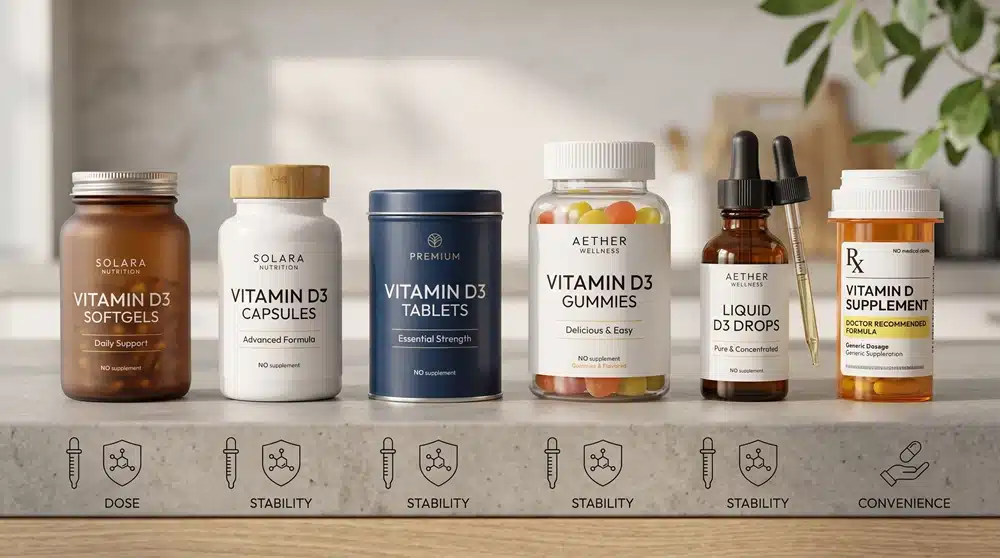
วิตามินดีที่ขายโดยไม่ต้องมีใบสั่งแพทย์ (OTC) มีจำหน่ายในรูปแบบซอฟต์เจล แคปซูล เม็ด กัมมี่ หยดน้ำ และสเปรย์ วิตามินดี3 เป็นรูปแบบ OTC ที่พบได้บ่อยที่สุด เนื่องจากหาซื้อได้ง่ายและมักถูกเลือกใช้เพื่อรักษาระดับวิตามินดีในเลือดให้คงที่ในระยะยาว สำหรับผู้บริโภค สัญญาณคุณภาพที่สำคัญที่สุด ได้แก่ การตรวจสอบจากฝ่ายที่สาม การระบุข้อมูลโภชนาการที่ชัดเจน ขนาดการบริโภคที่เหมาะสม และบรรจุภัณฑ์ที่ปกป้องวิตามินดีที่ละลายในไขมันจากความร้อน แสง และการออกซิเดชัน.
สำหรับแบรนด์ผลิตภัณฑ์เสริมอาหาร วิตามินดีแบบขายตามร้าน (OTC) สามารถพัฒนาได้ในหลายรูปแบบ ขึ้นอยู่กับปริมาณการใช้ กลุ่มเป้าหมาย และความต้องการด้านอายุการเก็บรักษา ผลิตภัณฑ์ที่เชื่อถือได้ การผลิตตามสัญญาวิตามิน พันธมิตรสามารถช่วยตรวจสอบรูปแบบการให้ยา ความเข้ากันได้ของส่วนผสม การบรรจุภัณฑ์ และการทดสอบผลิตภัณฑ์สำเร็จรูปก่อนการเปิดตัว.ใครต้องการมัน?
วิตามินดีชนิดไม่ต้องสั่งโดยแพทย์:
- บุคคลที่มีสุขภาพดีที่ต้องการรักษาระดับที่เหมาะสม โดยเฉพาะในฤดูหนาวหรือเมื่อได้รับแสงแดดน้อย.
- ผู้ที่มีภาวะขาดวิตามินในระดับเล็กน้อย (ระดับระหว่าง 12–20 นาโนกรัมต่อมิลลิลิตร).
- ผู้ที่ต้องการสนับสนุนสุขภาพทั่วไป เช่น การทำงานของระบบภูมิคุ้มกันหรือความแข็งแรงของกระดูก.
ประโยชน์
- การเข้าถึง: มีจำหน่ายอย่างแพร่หลายและสามารถซื้อได้โดยไม่ต้องพบแพทย์.
- ความสามารถในการจ่าย: อาหารเสริมที่จำหน่ายโดยไม่ต้องมีใบสั่งแพทย์มักมีราคาถูกกว่า โดยขวดหนึ่งมีราคา $5–20 บาท สามารถใช้ได้หลายเดือน.
- ความยืดหยุ่น: ปริมาณที่น้อยลงช่วยให้สามารถใช้ได้ทุกวัน เหมาะสำหรับการบำรุงรักษาในระยะยาว.
ความเสี่ยง
- ความแปรปรวนของคุณภาพ: ไม่ใช่ทุกแบรนด์จะเหมือนกัน. อาหารเสริมคุณภาพต่ำอาจมีประสิทธิภาพไม่คงที่หรือมีสารปนเปื้อน.
- ความเสี่ยงในการจัดการตนเอง: หากปราศจากคำแนะนำทางการแพทย์ ผู้ใช้อาจได้รับขนาดยาที่ไม่ถูกต้อง ทั้งต่ำเกินไปจนไม่มีประสิทธิผล หรือสูงจนเสี่ยงต่อความเป็นพิษ.
- ปฏิกิริยาระหว่างยา: วิตามินดีสามารถมีปฏิกิริยากับยาบางชนิด เช่น สเตียรอยด์หรือสแตติน และผู้ใช้อาจมองข้ามประเด็นนี้ได้หากไม่ได้รับคำแนะนำจากผู้เชี่ยวชาญ.
คำแนะนำในการใช้
- เลือกแบรนด์ที่มีชื่อเสียงและได้รับการรับรองจากหน่วยงานอิสระ เช่น USP หรือ NSF.
- ยึดตามปริมาณที่แนะนำในอาหาร (RDA): 600–800 IU สำหรับผู้ใหญ่ หรือสูงสุด 2,000 IU สำหรับการบำรุงรักษา เว้นแต่จะได้รับคำแนะนำเป็นอย่างอื่น.
- รับประทานพร้อมอาหารที่มีไขมันเพื่อเพิ่มการดูดซึม.
การเปรียบเทียบวิตามินดีระหว่างยาตามใบสั่งแพทย์และยาที่จำหน่ายโดยไม่ต้องมีใบสั่งแพทย์
ตารางต่อไปนี้สรุปความแตกต่างที่สำคัญ:
| ปัจจัยเปรียบเทียบ | วิตามินดีตามใบสั่งแพทย์ | วิตามินดีที่หาซื้อได้ทั่วไป | การใช้งานที่ดีที่สุดในทางปฏิบัติ |
|---|---|---|---|
| ขนาดยาทั่วไป | มักใช้ในปริมาณสูง เช่น 50,000 IU ต่อสัปดาห์ เพื่อแก้ไขภาวะขาดวิตามินในระยะสั้น เมื่อได้รับการสั่งให้ใช้ | โดยทั่วไป 400–5,000 IU ต่อส่วน มักใช้ทุกวัน | ใช้ตามใบสั่งแพทย์สำหรับกรณีที่ขาดสารอาหารอย่างชัดเจน; ใช้ยาที่ไม่ต้องใช้ใบสั่งแพทย์ (OTC) สำหรับการรักษาต่อเนื่องหรือกรณีที่ขาดสารอาหารเล็กน้อย |
| แบบฟอร์มทั่วไป | มักเป็นแคปซูลวิตามิน D2 หรือ D3 ที่แพทย์สั่งให้ | โดยทั่วไปมีรูปแบบเป็นซอฟต์เจล D3, แคปซูล, กัมมี่, เม็ด, น้ำหยด หรือสเปรย์ | D3 เป็นสารที่นิยมใช้ในผลิตภัณฑ์ดูแลสุขภาพประจำวัน ส่วน D2 อาจปรากฏบ่อยขึ้นในผลิตภัณฑ์ที่มีระดับความเข้มข้นตามใบสั่งแพทย์ |
| การติดตามตรวจสอบ | จำเป็นต้องอยู่ภายใต้การดูแลของแพทย์และตรวจเลือดซ้ำ | โดยทั่วไปแล้วสามารถจัดการได้ด้วยตัวเอง แต่การตรวจยังคงมีประโยชน์สำหรับผู้ที่ใช้ในปริมาณสูงหรือกลุ่มที่มีความเสี่ยง | ควรใช้การตรวจเลือดเมื่อมีอาการขาดสารอาหาร โรคไต การดูดซึมผิดปกติ หรือการรับประทานในปริมาณสูง |
| ความเสี่ยงด้านความปลอดภัย | การใช้ในปริมาณที่สูงขึ้นจะมีความเสี่ยงสูงขึ้นหากใช้ผิดวิธี แต่กระบวนการนี้ได้รับการติดตามอย่างใกล้ชิด | ปริมาณต่อส่วนรับประทานน้อยลง แต่ความเสี่ยงจะเพิ่มขึ้นเมื่อใช้ผลิตภัณฑ์เสริมอาหารหลายชนิดพร้อมกัน | ควรหลีกเลี่ยงการรับประทานวิตามินดีในปริมาณสูงทุกวัน เว้นแต่ได้รับคำแนะนำจากผู้เชี่ยวชาญด้านสุขภาพ |
| คุณภาพของสินค้า | จำหน่ายผ่านช่องทางร้านยา และถูกสั่งให้ใช้ตามแผนการรักษาที่กำหนดไว้ | คุณภาพอาจแตกต่างกันไปตามแบรนด์ ล็อต การตรวจสอบ สูตร และบรรจุภัณฑ์ | เลือกแบรนด์ที่มีชื่อเสียง ข้อมูลโภชนาการที่ชัดเจน และการรับรองจาก USP/NSF หากมี |
| ค่าใช้จ่ายและการเข้าถึง | ต้องไปพบแพทย์และรับใบสั่งยา; ราคาขึ้นอยู่กับประกันสุขภาพและร้านยา | ซื้อได้ง่ายทั้งทางออนไลน์และในร้าน; ราคาต่อขวดมักถูกกว่า | ยาตามใบสั่งแพทย์สำหรับการรักษาทางการแพทย์; ยาที่ไม่ต้องใช้ใบสั่งแพทย์ (OTC) สำหรับความสะดวกในการใช้ประจำวันในระยะยาว |
| ข้อควรพิจารณาในการผลิต | ความแรงสูงทำให้จำเป็นต้องมีความแม่นยำในการกำหนดขนาดยาและบันทึกข้อมูลอย่างเคร่งครัด | รูปแบบการให้ยา ความคงตัว น้ำมันพาหะ การบรรจุ และความถูกต้องของฉลาก มีอิทธิพลอย่างมากต่อคุณภาพ | แบรนด์ควรตรวจสอบความเข้มข้น ความสม่ำเสมอ สารปนเปื้อน และความเสถียรของอายุการเก็บรักษา |
ขนาดยาและการดูดซึม
วิตามินดีที่แพทย์สั่ง มักเป็นชนิด D2 จะให้ในปริมาณสูงเพื่อเพิ่มระดับอย่างรวดเร็ว งานวิจัยพบว่า D2 และ D3 มีประสิทธิภาพเท่ากันเมื่อใช้ในปริมาณสูง แต่ D3 จะคงระดับได้นานกว่า ส่วนอาหารเสริมที่ซื้อได้ทั่วไป ซึ่งโดยมากเป็น D3 เหมาะสำหรับการเพิ่มระดับอย่างค่อยเป็นค่อยไปและการรักษาระดับ เนื่องจากให้ในปริมาณต่ำกว่าและใช้เป็นประจำทุกวัน.
ค่าใช้จ่ายและการเข้าถึง
วิตามินดีที่ต้องมีใบสั่งแพทย์ต้องมีการมีส่วนร่วมจากผู้ให้บริการด้านสุขภาพ ซึ่งอาจรวมถึงค่าปรึกษาและประกันสุขภาพที่ครอบคลุมจำกัด ตัวอย่างเช่น การรับประทานวิตามินดี 50,000 IU D2 เป็นเวลา 12 สัปดาห์อาจมีค่าใช้จ่าย 1,000–1,000 บาทโดยไม่มีประกัน ในขณะที่ตัวเลือกที่ไม่ต้องมีใบสั่งแพทย์มีราคาถูกกว่ามาก โดยวิตามินดี 3 ขนาด 2,000 IU สำหรับ 90 วันมีราคาเพียง 10 บาทเท่านั้น.
ความปลอดภัยและข้อบังคับ
วิตามินดีที่แพทย์สั่งจ่ายได้รับการควบคุมอย่างเข้มงวด โดยแพทย์จะตรวจสอบความปลอดภัยผ่านผลตรวจเลือด ในขณะที่อาหารเสริมที่จำหน่ายโดยไม่ต้องมีใบสั่งแพทย์ แม้จะถือว่าปลอดภัยโดยทั่วไป แต่ก็อยู่ภายใต้การกำกับดูแลของ FDA ที่เข้มงวดน้อยกว่า งานวิจัยในปี 2013 พบว่าอาหารเสริมบางยี่ห้อที่วางจำหน่ายทั่วไปมีปริมาณสารออกฤทธิ์แตกต่างจากฉลากมากถึง 301% ซึ่งเน้นย้ำถึงความสำคัญของการเลือกผลิตภัณฑ์จากแบรนด์ที่น่าเชื่อถือ.
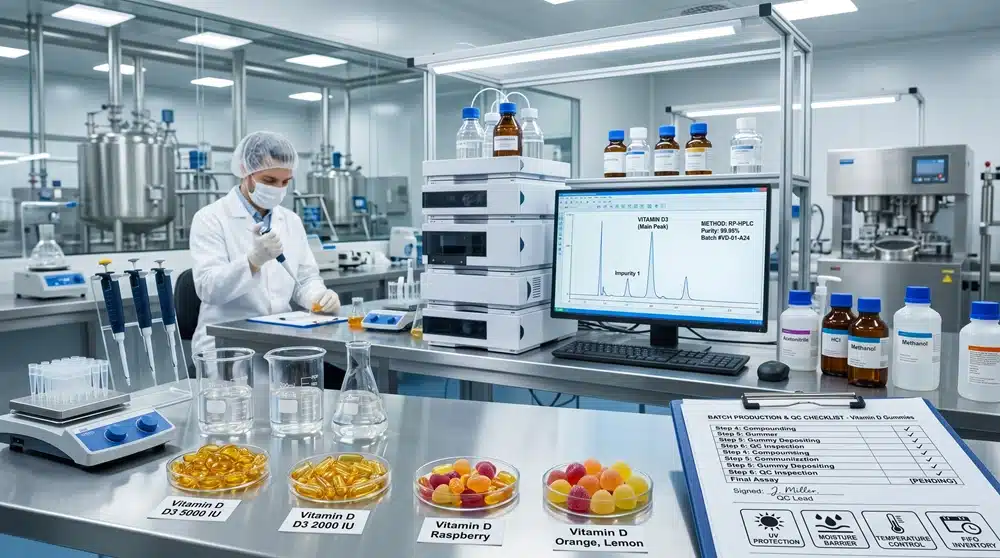
ความแม่นยำของฉลากมีความสำคัญเป็นพิเศษสำหรับวิตามินที่ละลายในไขมัน เนื่องจากผู้บริโภคอาจรับประทานวิตามินเหล่านี้ทุกวันเป็นเวลาหลายเดือน ผลิตภัณฑ์ของเรา การควบคุมคุณภาพของผลิตภัณฑ์เสริม กระบวนการนี้อาจรวมถึงการตรวจสอบความเข้มข้น การตรวจสอบลักษณะภายนอก การทดสอบจุลินทรีย์ การทดสอบโลหะหนัก และเอกสารคุณภาพอื่น ๆ ที่เกี่ยวข้องกับโครงการนั้น ๆ.ทำไมคุณภาพของวิตามินดีที่ขายตามร้านยาอาจแตกต่างกัน
ผลิตภัณฑ์วิตามินดีที่ขายโดยไม่ต้องมีใบสั่งแพทย์ (OTC) ในสหรัฐอเมริกาได้รับการกำกับดูแลในฐานะอาหารเสริม ไม่ใช่ยาตามใบสั่งแพทย์ องค์การอาหารและยา (FDA) ไม่อนุมัติอาหารเสริมด้านความปลอดภัยและประสิทธิภาพก่อนที่จะออกสู่ตลาด; ผู้ผลิตมีหน้าที่รับผิดชอบในการรับรองว่าผลิตภัณฑ์มีความปลอดภัย มีฉลากที่ถูกต้อง และผลิตตามข้อกำหนด cGMP สำหรับอาหารเสริม.
นี่คือเหตุผลที่การตรวจสอบจากฝ่ายที่สามมีความสำคัญ จดหมายวิจัยที่ตีพิมพ์ในวารสาร JAMA Internal Medicine ปี 2013 รายงานว่าผลิตภัณฑ์วิตามินดีที่ขายตามร้าน (OTC) และผลิตภัณฑ์วิตามินดีที่ผสมตามสูตร ซึ่งได้รับการทดสอบ มีปริมาณจริงอยู่ระหว่าง 9% ถึง 146% ของปริมาณที่ระบุบนฉลาก สำหรับผู้บริโภคที่มีภาวะขาดวิตามินดีจริง ผลิตภัณฑ์ที่มีปริมาณสารออกฤทธิ์ต่ำกว่ามาตรฐานอาจทำให้การฟื้นฟูสภาพล่าช้า ส่วนผู้ที่รับประทานอาหารเสริมหลายชนิด ผลิตภัณฑ์ที่มีปริมาณสารออกฤทธิ์สูงเกินไปอาจเพิ่มความเสี่ยงด้านความปลอดภัย ควรเลือกผลิตภัณฑ์ที่มีโปรแกรมการตรวจสอบที่น่าเชื่อถือ เช่น USP หรือ NSF หากมี โดยเฉพาะอย่างยิ่งสำหรับการใช้ในปริมาณสูงหรือใช้ในระยะยาว.
มุมมองจากอุตสาหกรรมผลิต: อะไรคือปัจจัยที่ทำให้ผลิตภัณฑ์เสริมวิตามินดีมีคุณภาพสูง?
จากมุมมองของการผลิตผลิตภัณฑ์เสริมอาหาร ความแตกต่างระหว่างผลิตภัณฑ์วิตามินดีที่เชื่อถือได้กับผลิตภัณฑ์ที่มีประสิทธิภาพต่ำนั้น ไม่เพียงแต่ขึ้นอยู่กับปริมาณ IU ที่ระบุบนฉลากเท่านั้น แบรนด์ควรตรวจสอบความถูกต้องของวัตถุดิบ ความเข้มข้นของสารออกฤทธิ์ ความสม่ำเสมอของปริมาณการให้ยา ความเสี่ยงต่อการเกิดออกซิเดชัน การป้องกันของบรรจุภัณฑ์ ขีดจำกัดของจุลินทรีย์ และข้อกำหนดเกี่ยวกับโลหะหนัก ก่อนที่ผลิตภัณฑ์สำเร็จรูปจะถึงมือผู้บริโภค.
วิตามินดีเป็นวิตามินที่ละลายในไขมัน ดังนั้นจึงมักถูกผลิตในรูปแบบซอฟต์เจลที่มีฐานเป็นน้ำมัน หยดเหลว หรือเม็ดแห้งสำหรับใช้ในแท็บเล็ต แคปซูล ผง และกัมมี่ แต่ละรูปแบบมีความเสี่ยงด้านความเสถียรที่แตกต่างกัน แคปซูลนิ่มต้องการการควบคุมสารพาหะน้ำมันและระดับเปอร์ออกไซด์; กัมมี่ต้องการการควบคุมอุณหภูมิและความชื้น; ส่วนแท็บเล็ตและแคปซูลต้องการการผสมให้สม่ำเสมอและการตรวจสอบการสลายตัว สำหรับเจ้าของแบรนด์ รูปแบบที่ดีที่สุดขึ้นอยู่กับปริมาณการใช้ กลุ่มเป้าหมาย อายุการเก็บรักษา บรรจุภัณฑ์ ข้อความบนฉลาก และงบประมาณสำหรับการทดสอบ.
รายการตรวจสอบคุณภาพที่ใช้งานได้จริงควรรวมถึง: การวิเคราะห์วิตามินดีที่ออกฤทธิ์, การยืนยันชนิดของสาร, ความสม่ำเสมอของปริมาณยา, การตรวจหาโลหะหนัก, การทดสอบจุลินทรีย์, การสลายตัวหรือการละลาย (หากจำเป็น), การประเมินความคงตัว, ความเข้ากันได้ของบรรจุภัณฑ์, และเอกสารบันทึกชุดผลิต ขั้นตอนการผลิตนี้มีความสำคัญเป็นพิเศษเมื่อแบรนด์ต้องการจำหน่ายผลิตภัณฑ์วิตามินดีแบบขายตามร้าน (OTC) ที่มีประสิทธิภาพสูง หรือผสมวิตามินดีกับแคลเซียม, K2, แมกนีเซียม, โอเมก้า-3 หรือส่วนผสมที่ช่วยเสริมสร้างระบบภูมิคุ้มกัน.
สถานการณ์ที่สามารถนำไปใช้ได้
- ใบสั่งยา: เหมาะที่สุดสำหรับการแก้ไขอย่างรวดเร็วในภาวะขาดสารอาหารอย่างรุนแรงหรือเมื่อมีภาวะทางการแพทย์ (เช่น กลุ่มอาการดูดซึมผิดปกติ) ที่ต้องการปริมาณสูง.
- OTC: เหมาะสำหรับบุคคลที่มีสุขภาพดีซึ่งได้รับแสงแดดน้อย ผู้ที่อาศัยอยู่ในภูมิอากาศทางตอนเหนือ หรือผู้ที่ต้องการรักษาระดับปกติ.
วิธีเลือก
ขั้นตอนการตัดสินใจอย่างง่าย: วิตามินดีตามใบสั่งแพทย์หรือวิตามินดีที่ขายโดยไม่ต้องมีใบสั่งแพทย์?
- เริ่มด้วยการตรวจระดับ 25(OH)D ในเลือดก่อน. หากระดับฮอร์โมนของคุณต่ำมาก หรือมีอาการปวดกระดูก ความอ่อนแรงของกล้ามเนื้อ หรือมีความเสี่ยงต่อการหักกระดูก ให้ปรึกษาแพทย์ก่อนกำหนดปริมาณยา.
- ตรวจสอบปัจจัยเสี่ยงทางสุขภาพ. ภาวะดูดซึมผิดปกติ โรคไต โรคตับ การผ่าตัดลดน้ำหนัก โรคกระดูกพรุน ภาวะต่อมพาราไทรอยด์ทำงานเกิน หรือยาบางชนิด อาจจำเป็นต้องได้รับการติดตามดูแลจากผู้เชี่ยวชาญ.
- ใช้วิตามินดีตามใบสั่งแพทย์เมื่อจำเป็นต้องปรับระดับให้เร็วขึ้น. การรักษาด้วยยาในปริมาณสูงมักเป็นระยะเวลาสั้น และควรมีการตรวจซ้ำหลังจากนั้น.
- ใช้วิตามินดีแบบไม่ต้องมีใบสั่งแพทย์เพื่อรักษาสุขภาพ. การรับประทานวิตามินดี3 ทุกวันมักเป็นวิธีที่เหมาะสมสำหรับการดูแลในระยะยาว เมื่อแพทย์ของคุณเห็นด้วยว่าการดูแลรักษาด้วยตนเองเป็นวิธีที่เหมาะสม.
- เลือกคุณภาพ ไม่ใช่แค่ปริมาณ. สำหรับผลิตภัณฑ์ที่ขายโดยไม่ต้องมีใบสั่งแพทย์ (OTC) ให้เลือกผลิตภัณฑ์ที่มีฉลากที่ชัดเจน แบรนด์ที่มีชื่อเสียง การรับรองจากฝ่ายที่สาม และรูปแบบการใช้ที่เหมาะกับวิถีชีวิตของคุณ.
ประเมินความต้องการของคุณ
เริ่มต้นด้วยการตรวจเลือดเพื่อวัดระดับ 25-hydroxyvitamin D ของคุณ สถาบันสุขภาพแห่งชาติ (NIH) กำหนดว่า:
- การขาดแคลน: <20 นาโนกรัม/มิลลิลิตร
- เพียงพอ: 20–50 นาโนกรัม/มิลลิลิตร
- สูง (ความเป็นพิษที่อาจเกิดขึ้น): >50 ng/mL
การขาดวิตามินดีอย่างรุนแรงมักจำเป็นต้องได้รับวิตามินดีในรูปแบบยาตามใบสั่งแพทย์ ในขณะที่กรณีที่ไม่รุนแรงหรือการป้องกันสามารถใช้ผลิตภัณฑ์เสริมอาหารที่หาซื้อได้ทั่วไป.
ปรึกษาแพทย์
หากคุณมีโรคเรื้อรัง (เช่น โรคไต โรคลำไส้อักเสบ) หรือใช้ยาที่มีผลต่อการเผาผลาญวิตามินดี (เช่น ยากลูโคคอร์ติคอยด์) ควรปรึกษาแพทย์ แพทย์สามารถแนะนำปริมาณยาที่ต้องสั่งโดยแพทย์หรือแนะนำการใช้ยาที่ไม่ต้องสั่งโดยแพทย์ได้.
พิจารณาไลฟ์สไตล์
การสัมผัสแสงแดดจำกัด (น้อยกว่า 15–30 นาทีต่อวัน), ผิวสีเข้ม, หรืออาหารที่มีวิตามินดีต่ำ (เช่น ปลาแซลมอน, นมเสริมวิตามินดี) จะเพิ่มความต้องการในการเสริมวิตามินดี. ตัวเลือกที่สามารถซื้อได้เองตามร้านขายยา (OTC) มักเพียงพอสำหรับกรณีเหล่านี้.
ระยะสั้น vs ระยะยาว
วิตามินดีที่แพทย์สั่งมักใช้ในระยะสั้น (8–12 สัปดาห์) เพื่อแก้ไขภาวะขาดวิตามินดี ตามด้วยการบำรุงรักษาด้วยวิตามินดีที่ไม่ต้องใช้ใบสั่งยา สำหรับการใช้ในระยะยาว วิตามินดี 3 ที่ไม่ต้องใช้ใบสั่งยาในปริมาณ 1,000–2,000 IU ต่อวัน มีประสิทธิภาพและปลอดภัยสำหรับผู้ใหญ่ส่วนใหญ่.
สำหรับแบรนด์อาหารเสริม: วิธีกำหนดตำแหน่งทางการตลาดของผลิตภัณฑ์วิตามินดีที่ขายได้โดยไม่ต้องมีใบสั่งแพทย์
สำหรับผู้บริโภค การเลือกมักอยู่ที่การรักษาทางการแพทย์กับการดูแลสุขภาพประจำวัน ส่วนสำหรับแบรนด์ผลิตภัณฑ์เสริมอาหาร การตัดสินใจมีขอบเขตกว้างกว่า: ระดับปริมาณ รูปแบบการรับประทาน กลุ่มเป้าหมาย การตรวจสอบคุณภาพ การบรรจุภัณฑ์ และข้อความโฆษณาต้องทำงานร่วมกันอย่างสอดคล้อง ซอฟต์เจลวิตามินดี3 1,000–2,000 IU ต่อวันอาจเหมาะกับผลิตภัณฑ์ดูแลสุขภาพทั่วไปสำหรับผู้ใหญ่ ในขณะที่กัมมี่หรือหยดอาจเหมาะกับผลิตภัณฑ์โภชนาการสำหรับเด็กหรือครอบครัว ผลิตภัณฑ์ที่มีประสิทธิภาพสูงจำเป็นต้องระมัดระวังเป็นพิเศษในการติดฉลาก คำแนะนำในการใช้ และการตรวจสอบคุณภาพ.
แบรนด์ควรหลีกเลี่ยงการนำเสนอวิตามินดีแบบขายตามร้าน (OTC) เป็นทางเลือกแทนการรักษาทางการแพทย์เมื่อมีภาวะขาดวิตามินดีอย่างรุนแรง แทนที่จะทำเช่นนั้น ควรเน้นจุดขายที่แข็งแกร่งกว่าคือการสนับสนุนสุขภาพอย่างรับผิดชอบในชีวิตประจำวัน ได้แก่ การระบุปริมาณการใช้ที่ชัดเจน การควบคุมคุณภาพที่โปร่งใส การทดสอบโดยฝ่ายที่สามเมื่อเป็นไปได้ รวมถึงการให้ความรู้ที่ส่งเสริมให้ผู้บริโภคไปตรวจระดับวิตามินดีและปรึกษาผู้เชี่ยวชาญด้านสุขภาพเมื่อจำเป็น.
หากคุณยังไม่แน่ใจว่าผลิตภัณฑ์วิตามินดีของคุณควรเป็นแบบซอฟต์เจล แคปซูล กัมมี่ เม็ด ผง หรือของเหลว ทางเรา โรงงานรับผลิตอาหารเสริมสูตรเฉพาะ ทีมสามารถช่วยประเมินปริมาณ รูปแบบ ความเสถียร การบรรจุภัณฑ์ และความเป็นไปได้ทางการค้า ก่อนการผลิต.สรุป
ตัวเลือกวิตามินดีที่ดีที่สุดไม่ใช่เพียงแต่ผลิตภัณฑ์ที่มีปริมาณสูงที่สุดเท่านั้น วิตามินดีตามใบสั่งแพทย์ถูกออกแบบมาเพื่อแก้ไขภาวะขาดวิตามินดีที่ได้รับการยืนยันหรือสถานการณ์ทางคลินิกพิเศษภายใต้การดูแลของแพทย์ ส่วนวิตามินดีที่ขายตามร้าน (OTC) เหมาะสมกว่าสำหรับการดูแลสุขภาพทั่วไป ความสะดวกสบาย และการใช้ประจำวันในระยะยาว เมื่อใช้ในปริมาณที่เหมาะสม การตัดสินใจที่ปลอดภัยที่สุดเริ่มต้นด้วยการตรวจระดับ 25(OH)D ในเลือด การตรวจสอบยาที่ใช้และสภาพสุขภาพ รวมถึงการตรวจสอบคุณภาพผลิตภัณฑ์.
เอกสารอ้างอิง
- สำนักงานเสริมอาหารของ NIH – ใบข้อมูลเกี่ยวกับวิตามินดี สำหรับผู้เชี่ยวชาญด้านสุขภาพ: https://ods.od.nih.gov/factsheets/VitaminD-HealthProfessional/
- FDA – คำถามและคำตอบเกี่ยวกับผลิตภัณฑ์เสริมอาหาร: https://www.fda.gov/food/information-consumers-using-dietary-supplements/questions-and-answers-dietary-supplements
- FDA – ข้อมูลสำหรับผู้บริโภคเกี่ยวกับการใช้ผลิตภัณฑ์เสริมอาหาร: https://www.fda.gov/food/dietary-supplements/information-consumers-using-dietary-supplements
- eCFR – 21 CFR Part 111 หลักการผลิตที่ดีในปัจจุบัน (GMP) สำหรับกระบวนการผลิต การบรรจุ การติดฉลาก หรือการเก็บรักษาผลิตภัณฑ์เสริมอาหาร: https://www.ecfr.gov/current/title-21/chapter-I/subchapter-B/part-111
- สมาคมต่อมไร้ท่อ – ทรัพยากรเกี่ยวกับแนวทางปฏิบัติในการใช้วิตามินดีเพื่อป้องกันโรค, 2024: https://www.endocrine.org/clinical-practice-guidelines/vitamin-d-for-prevention-of-disease
- Mayo Clinic – วิตามินดี: https://www.mayoclinic.org/drugs-supplements-vitamin-d/art-20363792
- Mayo Clinic – อาการพิษจากวิตามินดี: ถ้าได้รับมากเกินไปจะเป็นอย่างไร?: https://www.mayoclinic.org/healthy-lifestyle/nutrition-and-healthy-eating/expert-answers/vitamin-d-toxicity/faq-20058108
- LeBlanc et al. – วิตามินดีแบบขายทั่วไปและแบบผสม: ความเข้มข้นเป็นไปตามที่เราคาดหวังหรือไม่? JAMA Internal Medicine 2013: https://jamanetwork.com/journals/jamainternalmedicine/fullarticle/1570096
- Kaiser Permanente – ความเข้มข้นของวิตามินดีในผลิตภัณฑ์เสริมอาหารมีความแตกต่างกันอย่างมาก: https://research.kpchr.org/News/Press-Releases/Vitamin-D-Potency-Varies-Widely
- USP – โปรแกรมการตรวจสอบผลิตภัณฑ์เสริมอาหาร / เครื่องหมายรับรอง USP: https://www.usp.org/verification-services/dietary-supplements-verification-program
- NSF – การรับรองผลิตภัณฑ์เสริมอาหารและวิตามิน: https://www.nsf.org/consumer-resources/articles/supplement-vitamin-certification

Warren Wan เป็นผู้เชี่ยวชาญที่มีประสบการณ์ยาวนานในห่วงโซ่อุปทานของผลิตภัณฑ์เสริมอาหาร โดยมีความรู้และประสบการณ์ทางปฏิบัติอย่างลึกซึ้งด้านการวิจัย พัฒนา การควบคุมกระบวนการผลิต และการจัดหาวัตถุดิบหลักจากทั่วโลก เช่น เปปไทด์คอลลาเจน โปรตีนจากน้ำซุปกระดูก และเคราติน ในฐานะผู้เขียนคอลัมน์นี้ เขามุ่งมั่นที่จะลอกเปลือกการตลาดออก และแปลงความรู้ทางวิทยาศาสตร์เกี่ยวกับส่วนผสมที่เข้าใจยาก รวมถึงมาตรฐานการควบคุมคุณภาพการผลิต ให้กลายเป็นเนื้อหาวิทยาศาสตร์ที่เข้าใจง่ายและเข้าถึงได้สำหรับทุกคน เพื่อช่วยให้ผู้อ่านเข้าใจความจริงที่ซ่อนอยู่เบื้องหลังฉลากผลิตภัณฑ์ และตัดสินใจเลือกผลิตภัณฑ์เพื่อสุขภาพได้อย่างมีเหตุผลมากขึ้น.


