
ビタミンDは、強い骨、免疫機能、そして全体的な健康維持に不可欠ですが、多くの人が適切な血中濃度を維持するのに苦労しています。 サプリメントを選ぶ際、処方箋が必要なビタミンDと市販薬(OTC)のどちらを選ぶべきか、迷ってしまうこともあるでしょう。このガイドでは、それぞれの違い、メリット、リスク、最適な使用場面について解説し、ご自身の健康上のニーズに基づいて、適切な判断ができるようお手伝いします。.
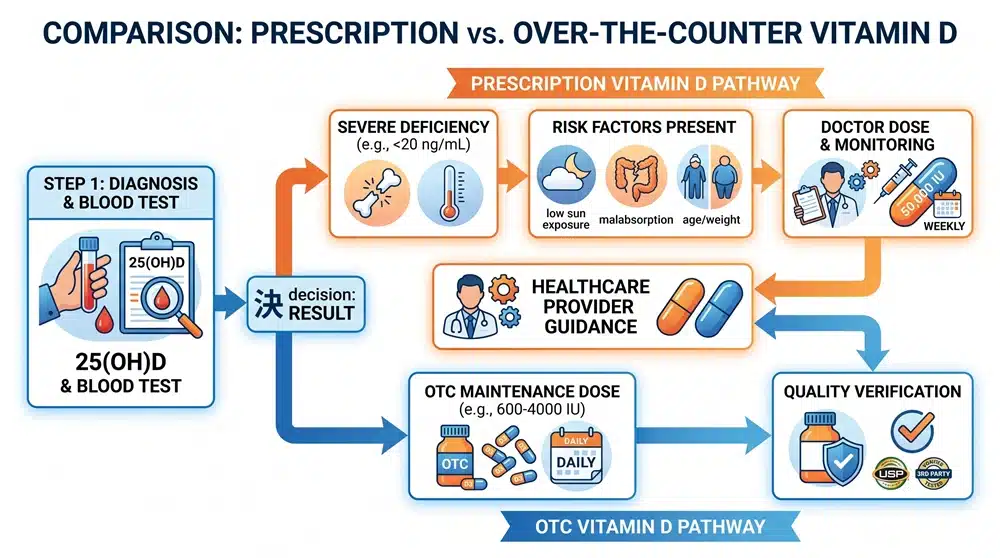
概要: 処方されるビタミンDは通常、欠乏が確認された場合に行われる短期間の高用量治療であり、多くの場合、医師の監督下で週に50,000 IUが投与されます。 市販のビタミンD(通常は1回分あたり400~5,000 IUのD3)は、日々の維持管理、軽度の不足状態、あるいは柔軟な長期的なサポートを必要とする人々に適しています。最も安全な選択は、25(OH)Dの血液検査結果、病歴、服用中の薬、およびサプリメントの品質によって異なります。.
ビタミンDを理解する
ビタミンDはしばしば「太陽のビタミン」と呼ばれ、カルシウムの吸収、骨の健康、免疫機能をサポートする。ビタミンDは主に2つの形で存在する: ビタミンD2 (エルゴカルシフェロール)と ビタミンD3 (コレカルシフェロール)である。D3は血中濃度を上げる効果が高く、日光に当たると皮膚で自然に生成される型である。ビタミンDの摂取源としては、日光、脂肪分の多い魚や強化乳製品などの食品、サプリメントなどがある。
ビタミンD欠乏症は一般的で、ある集団では成人の40%までが罹患しており、特に日光浴が限られている人、肌の色が黒い人、特定の持病を持つ人が多い。欠乏すると、骨が弱くなったり(骨粗鬆症やくる病)、筋力が低下したり、感染症のリスクが高まったりします。血液検査で25-ヒドロキシビタミンD値(単位:ng/mL)を測定して欠乏を判定し、20ng/mL未満では通常、介入が必要である。
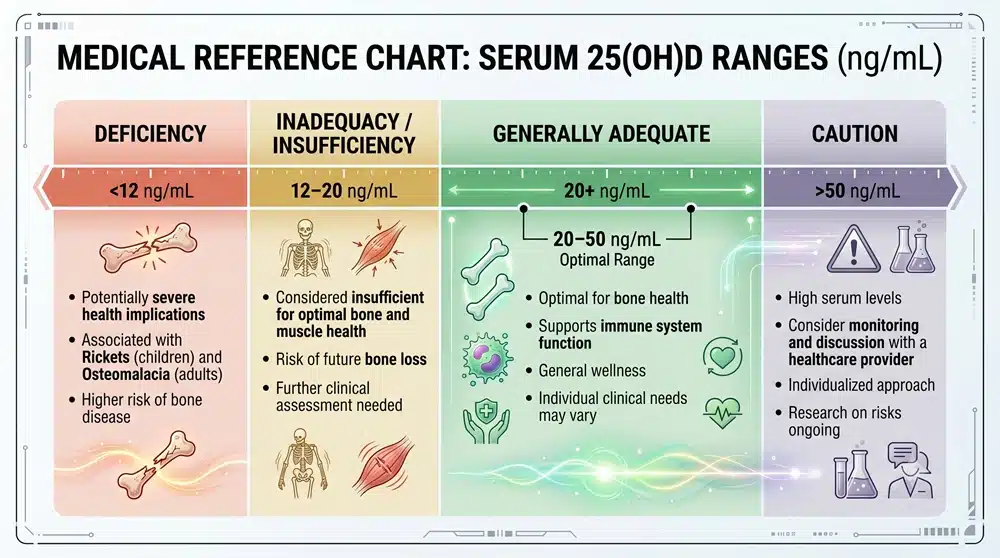
| 25(OH)D濃度 | 一般的な解釈 | この記事にとっての意味 |
| <12 ng/mL (<30 nmol/L) | ビタミンD欠乏症と関連している。. | 市販薬をむやみに服用して自己治療を行わないでください。医師の診察が必要になる場合があります。. |
| 12~20 ng/mL(30~50 nmol/L) | 人によっては不十分かもしれません。. | OTC D3は場合によっては使用可能ですが、リスク要因や医師の助言が重要です。. |
| 20 ng/mL以上(50 nmol/L以上) | 一般的に、ほとんどの健康な人にとっては十分です。. | 多くの人にとっては、メンテナンスを目的としたOTC薬の使用で十分かもしれません。. |
| >50 ng/mL (>125 nmol/L) | 状況によっては、有害な影響を伴う可能性がある。. | ビタミンDを含む複数の製品を併用することは避け、摂取量や検査結果については医師と相談してください。. |
なぜ25(OH)Dの血液検査が症状よりも重要なのか
ビタミンDに関する判断は、症状のみに基づいて行うべきではありません。主な検査指標は、血清25-ヒドロキシビタミンD(25(OH)D)です。 米国国立衛生研究所(NIH)の栄養補助食品局によると、12 ng/mL未満の値は欠乏と関連しており、12~20 ng/mLは一部の人にとって不十分である可能性があり、20 ng/mL以上は一般的に健康な人のほとんどにとって十分なレベルとされています。 ただし、目標値は健康状態、年齢、腎機能、服薬状況、および検査機関が採用する測定法によって異なる場合があります。.
このため、処方箋が必要なビタミンDは、医師の指導のもとで摂取量を調整するための手段として捉えるのが適切であり、一方、市販のビタミンDは通常、健康維持や予防のための選択肢となります。腎臓病、吸収不良、骨粗鬆症、結石の既往歴がある場合、あるいはカルシウムやビタミンDの代謝に影響を与える薬を服用している場合は、自己判断で摂取量を調整する前に、医療専門家に相談してください。.
ビタミンDの処方
それは何か?
処方箋 ビタミンD は高用量のサプリメントで、多くの場合ビタミンD2またはD3であり、重大な欠乏症や特定の病状を治療するために医師によって処方される。一般的な投与量は、週50,000IUを8~12週間であるが、レジメンは患者のニーズによって異なる。
重要な投与に関する注意事項: 50,000 IUのビタミンDの処方薬は、日常的に摂取する健康補助食品とは異なります。これは、ビタミンD欠乏症が確認された場合の短期的な補充用として一般的に使用されており、指示通りに正確に服用する必要があります。 医師の監督なしに高用量のビタミンDを毎日摂取すると、高カルシウム血症、腎結石、不整脈、その他の合併症のリスクが高まる可能性があります。.
誰が必要としているのか?
ビタミンDの処方は、通常、以下のような場合に勧められる:
- 重度の欠乏症(血中濃度が12ng/mL未満)。
- クローン病、セリアック病、嚢胞性線維症など、ビタミンDの吸収を阻害する疾患のある患者。
- 慢性腎臓病では、ビタミンDを活性型に変換するのに苦労する。
- 骨粗鬆症や骨折歴があり、骨の健康をサポートするために迅速な矯正が必要な人。
メリット
- 迅速な修正:高用量はビタミンDレベルを速やかに上昇させ、重度の欠乏症には不可欠である。
- 医療監督:医師は血中濃度をモニターして投与量を調整し、毒性のリスクを軽減する。
- オーダーメイド治療:処方箋は患者の状態に合わせてカスタマイズされ、効果的な結果を保証する。
リスク
- 毒性リスク:ビタミンDの過剰摂取は、高カルシウム血症(血液中のカルシウム濃度が高い状態)を引き起こし、吐き気、腎臓結石、心臓疾患を引き起こす可能性がある。モニタリングが不可欠である。
- コスト:ビタミンDの処方箋は、特に保険が適用されない場合、割高になることが多い。
- アクセス:医師の診察と処方が必要で、不便かもしれない。
使い方のヒント
- 高用量は毎日使用するものではないので、処方されたスケジュールを厳守すること。
- 定期的な血液検査(3~6ヵ月ごと)により、安全な範囲(30~50ng/mL)に収まることを確認する。
- 吐き気や倦怠感などの副作用は、すぐに医師に報告すること。
市販のビタミンD
それは何か?
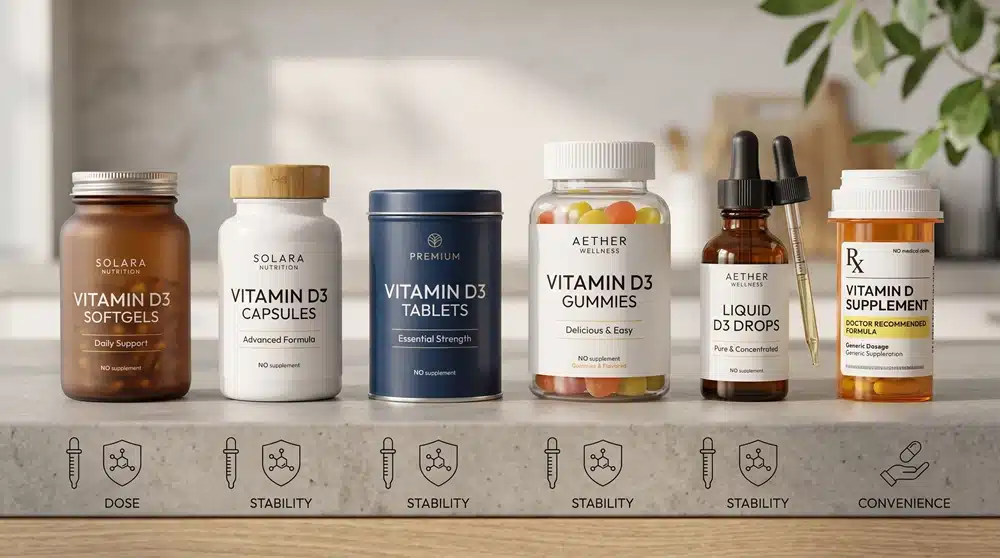
一般用ビタミンDサプリメント(通常はD3)は、薬局、スーパーマーケット、または処方箋なしでオンラインで購入できる。一般的な用量は1日400~5,000IUで、一般用には1,000~2,000IUが最も普及している。
市販のビタミンDには、ソフトジェル、カプセル、錠剤、グミ、液状ドロップ、スプレーなどの形態があります。ビタミンD3は、入手が容易であり、長期的に血中濃度を維持するために好まれることが多いことから、市販品の中で最も一般的な形態となっています。 消費者にとって最も重要な品質の指標は、第三者機関による検証、明確な栄養成分表示、適切な1回分量、そして脂溶性ビタミンDを熱、光、酸化から保護する包装です。.
サプリメントブランドにとって、OTCビタミンDは、用量、ターゲット層、および保存期間の要件に応じて、さまざまな形態で開発することができます。信頼性の高い ビタミン受託製造 パートナーは、発売前に剤形、成分の相性、包装、および完成品の試験について検討を支援してくれます。.誰が必要としているのか?
OTCビタミンDスーツ:
- 健康な人は、特に冬場や日光への露出が限られている場合に、適切なレベルを維持しようとする。
- 軽度の欠乏症(12~20ng/mL)。
- 免疫機能や骨の強さなど、健康全般をサポートすることを目的とする人。
メリット
- アクセシビリティ:広く入手可能で、医師の診察を受けずに簡単に購入できる。
- 手頃な価格:OTCのサプリメントは一般に安く、1ヶ月分で$5~20ドルである。
- 柔軟性:低用量で毎日使用でき、長期的なメンテナンスに最適。
リスク
- 品質のばらつき:すべてのブランドが同じではありません。質の悪いサプリメントは、効能が一定していなかったり、汚染物質が含まれていたりすることがあります。
- 自己管理のリスク:医師の指導がなければ、使用者は誤った用量を服用する可能性があり、効果が期待できないほど低用量であったり、毒性リスクがあるほど高用量であったりする。
- 薬物相互作用:ビタミンDはステロイドやスタチンのような薬と相互作用する可能性があり、専門家のアドバイスがないと見過ごしてしまうことがある。
使い方のヒント
- USPやNSFのような第三者機関によって認証された、評判の良いブランドを選びましょう。
- 推奨食事摂取量(RDA)を守りましょう:特別なアドバイスがない限り、成人の場合は600~800IU、維持期の場合は2,000IUを上限とする。
- 吸収を良くするため、脂肪を含む食事と一緒に摂る。
処方薬とOTCビタミンDの比較
以下の表は、主な相違点をまとめたものである:
| 比較係数 | ビタミンDの処方 | 市販のビタミンD | 最適な実用例 |
|---|---|---|---|
| 典型的な投与量 | 処方された場合、短期的な欠乏症の改善のために、週に50,000 IUといった高用量が投与されることが多い | 1回分あたり通常400~5,000 IUで、多くの場合毎日摂取されます | 欠乏が確認された場合は処方薬、維持療法や軽度の不足の場合は市販薬 |
| 共通フォーム | 医師から処方されるビタミンD2やD3のカプセルは、よく見られます | 通常は、D3のソフトジェル、カプセル、グミ、錠剤、ドロップ、またはスプレーなど | D3は日常的なサプリメントとして一般的ですが、D2は処方薬レベルの製品によく含まれている場合があります。 |
| モニタリング | 医師の監督下での実施および定期的な血液検査が必要です | 通常は自己管理で行われますが、高用量の場合やリスクの高いグループでは、検査を行うことが依然として有用です | 欠乏症、腎臓病、吸収不良、または高用量の摂取が関与している場合は、血液検査を行う |
| 安全上のリスク | 投与量が増えると、誤用した場合のリスクも高まりますが、その過程は監視されています | 1回分の摂取量は少ないものの、複数のサプリメントを併用するとリスクが高まる | 医療従事者からの指示がない限り、高用量のビタミンDを毎日摂取することは避けてください |
| 製品の品質 | 薬局を通じて調剤され、特定の治療計画に基づいて処方される | 品質は、ブランド、ロット、検証、配合、および包装によって異なる場合があります。 | 評判の良いブランドを選び、栄養成分表示が明確なものを選び、可能であればUSP/NSFの認証マークがあるものを選びましょう |
| 費用とアクセス | 医師の診察と処方箋が必要です。費用は保険や薬局によって異なります。 | オンラインや実店舗で手軽に購入でき、通常、1本あたりの価格は安めです | 医療目的での処方薬;日常的な長期使用の利便性を考慮した市販薬 |
| 製造上の考慮事項 | 効力が強いほど、投与量の厳密な管理と記録が重要になる | 剤形、安定性、基剤となる油、包装、および表示の正確性は、品質に大きな影響を与える | 各ブランドは、有効成分の含有量、均一性、不純物、および保存期間中の安定性を確認すべきである。 |
用量と吸収
処方されるビタミンDは、多くの場合D2であり、素早くレベルを上げるために大量に投与される。研究によると、D2とD3は高用量で同等の効果があるが、D3の方がより長くレベルを維持できる。OTCサプリメント(一般的にはD3)の方が、低用量で毎日使用できるため、徐々にレベルを上げ、維持するのに適している。
コストとアクセシビリティ
ビタミンDの処方には医療機関の関与が必要であり、診察料がかかったり、保険適用が制限されたりすることがある。例えば、50,000IUのD2を12週間服用する場合、保険が適用されないと$50-100の費用がかかる。OTCの方がはるかに安く、2,000IU D3の90日分でも$10ほどである。
安全性と規制
処方されるビタミンDは厳しく規制されており、医師は血液検査を通じて安全な使用を確認している。OTCサプリメントは一般的に安全だが、FDAの監視はそれほど厳しくない。2013年の研究によると、OTCサプリメントの中には、表示用量から30%も逸脱しているものがあり、信頼できるブランドの必要性が浮き彫りになった。
脂溶性ビタミンについては、消費者が数ヶ月にわたり毎日摂取する可能性があるため、表示の正確性が特に重要です。当社の サプリメント品質管理 このプロセスには、有効成分の審査、外観検査、微生物検査、重金属検査、およびその他のプロジェクト固有の品質関連文書が含まれる場合があります。.市販のビタミンDの品質にばらつきがある理由
米国では、市販のビタミンD製品は処方薬ではなく、栄養補助食品として規制されています。FDAは、栄養補助食品が市場に出回る前にその安全性や有効性を承認することはありません。製品の安全性、適切な表示、および栄養補助食品のcGMP要件に従った製造を確保する責任は、製造業者にあります。.
だからこそ、第三者機関による検証が重要となるのです。2013年の『JAMA Internal Medicine』に掲載された研究レターによると、検査対象となった市販のビタミンD製品および調合ビタミンD製品の含有量は、表示量の9%から146%までばらつきが見られたとのことです。 真の欠乏状態にある消費者にとって、含有量が基準を下回る製品は欠乏状態の改善を遅らせる恐れがあり、複数のサプリメントを摂取している人にとっては、含有量が基準を上回る製品が安全上のリスクを高める可能性があります。特に高用量や長期使用の場合は、可能であればUSPやNSFなどの信頼できる検証プログラムの認証を受けた製品を選ぶようにしましょう。.
製造の視点:高品質なビタミンDサプリメントの条件とは?
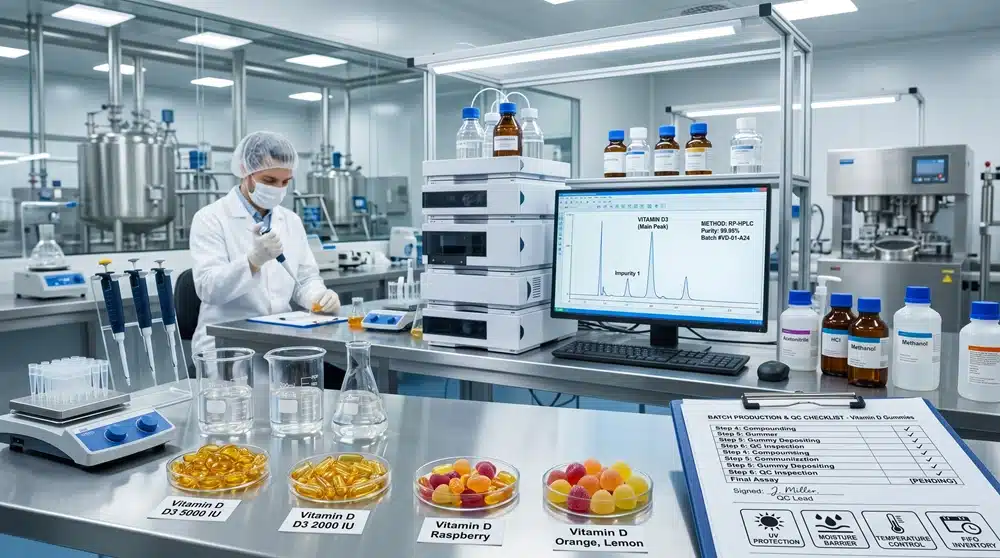
サプリメント製造の観点から言えば、信頼性の高いビタミンD製品と信頼性の低い製品との違いは、ラベルに記載されたIU量だけにとどまりません。各ブランドは、完成品が消費者の手元に届く前に、原材料の特定、含有量の分析、投与量の均一性、酸化リスク、包装による保護、微生物基準、および重金属の規格を管理する必要があります。.
ビタミンDは脂溶性であるため、多くの場合、油性ソフトジェル、液状ドロップ、あるいは錠剤、カプセル、粉末、グミ用の乾燥ビーズレットなどの形態で配合されます。それぞれの形態には、それぞれ異なる安定性上のリスクがあります。 ソフトジェルには油性キャリアと過酸化物の管理が必要であり、グミには熱と湿気の管理が必要であり、錠剤やカプセルには均一な混合と崩壊性の検証が必要です。ブランドオーナーにとって最適な剤形は、投与量、ターゲット層、保存期間、包装、ラベル記載内容、および試験予算によって異なります。.
実用的な品質チェックリストには、活性型ビタミンDの定量、成分同定、剤形均一性、重金属、微生物検査、必要に応じて崩壊試験または溶出試験、安定性評価、包装材との適合性、およびロット記録を含めるべきである。 この製造段階は、ブランドが高効力のOTCビタミンD製品を販売する場合や、ビタミンDをカルシウム、K2、マグネシウム、オメガ3、あるいは免疫サポート成分と組み合わせる場合に特に重要となります。.
適用シナリオ
- 処方箋:重度の欠乏症や、医学的状態(吸収不良症候群など)により高用量が必要な場合の迅速な是正に最適。
- 店頭:日光への露出が少ない健康な方、北国の気候にお住まいの方、通常レベルを維持されている方に最適です。
選び方
簡単な判断の流れ:処方薬か、市販のビタミンDか?
- まずは25(OH)Dの血液検査を受けてください。. 血中濃度が著しく低い場合、または骨の痛み、筋力低下、骨折のリスクといった症状がある場合は、投与量を決定する前に医師に相談してください。.
- 医学的な危険因子を調べる。. 吸収不良、腎臓病、肝臓病、減量手術、骨粗鬆症、副甲状腺機能亢進症、あるいは特定の薬剤の服用がある場合は、専門医による経過観察が必要となる場合があります。.
- 迅速な改善が必要な場合は、処方されたビタミンDを使用してください。. 高用量療法は通常、短期間で行われ、その後、再検査を行う必要があります。.
- 維持には市販のビタミンD製剤を使用してください。. 担当の医療従事者が、自己管理による維持療法が適切であると認めた場合、デイリーD3は長期的なサポートとして実用的なことが多いです。.
- 単に投与量だけでなく、品質を重視しましょう。. 市販薬を選ぶ際は、透明性のある表示、信頼できるブランド、第三者機関による検証、そしてご自身のライフスタイルに合った剤形を重視しましょう。.
ニーズを把握する
まずは、血液検査で25-ヒドロキシビタミンD値を調べましょう。米国国立衛生研究所(NIH)はこう定義している:
- 不足:<20 ng/mL
- 十分20-50 ng/mL
- 高い(潜在的毒性): >50 ng/mL
重度のビタミンD欠乏症には処方箋が必要な場合が多いが、軽症の場合や予防にはOTCサプリメントが適している。
医師に相談する
慢性疾患(腎臓病、炎症性腸疾患など)をお持ちの方、ビタミンDの代謝に影響を与える薬(グルココルチコイドなど)を服用している方は、医師にご相談ください。処方量を勧めたり、OTCの使用を指導してくれます。
ライフスタイルを考える
日光浴が少ない(1日15~30分未満)、肌の色が黒い、ビタミンDを多く含む食品(サケ、強化牛乳など)をあまり食べないなどの場合は、サプリメントの必要性が高まる。このような場合は、一般用医薬品で十分な場合が多い。
短期と長期
ビタミンDの処方は通常、短期間(8~12週間)で欠乏症を改善し、その後OTCで維持する。長期的に使用する場合は、1日1,000~2,000IUのOTCビタミンD3が有効で、ほとんどの成人にとって安全である。
サプリメントブランド向け:市販のビタミンD製品のポジショニング方法
消費者にとっては、通常、医療による治療と日々の健康維持のどちらを選ぶかという選択になります。一方、サプリメントブランドにとっては、その判断はより広範なものです。含有量、剤形、ターゲットユーザー、品質検査、パッケージ、表示文言などが、すべて調和していなければなりません。 1日1,000~2,000 IUのビタミンD3ソフトジェルは、一般的な成人向け健康維持製品ラインに適している一方、グミやドロップタイプは子供向けや家族向けの栄養補助食品に適している場合があります。高濃度の製品については、表示、摂取方法、品質検証において、特に細心の注意が必要です。.
ブランドは、ビタミンD欠乏症が重度の場合、市販のビタミンD製剤を医療処置の代替として位置づけることは避けるべきです。その代わりに、より効果的なアプローチは、日々の健康維持をサポートすることです。具体的には、明確な用法・用量、透明性のある品質管理、可能な限り第三者機関による検査の実施、そして必要に応じて検査を受けたり医療専門家に相談したりするよう消費者に促す啓発活動などが挙げられます。.
ビタミンD製品をソフトジェル、カプセル、グミ、錠剤、粉末、液体のどれにすべきか迷っている場合は、当社の サプリメント OEM 当チームは、生産に先立ち、投与量、剤形、安定性、包装、および商業的な実現可能性の評価を支援することができます。.結論
ビタミンDの最適な選択肢は、単に濃度が高いものというわけではありません。処方箋が必要なビタミンD製剤は、医学的監督の下で、確認された欠乏症や特別な臨床状況の是正を目的として設計されています。一方、市販のビタミンD製剤は、適切な用量であれば、健康維持や利便性の面、そして長期にわたる毎日の摂取に適しています。 最も安全な選択をするには、まず25(OH)Dの血液検査を受け、服用中の薬や健康状態を確認し、製品の品質をチェックすることから始めましょう。.
参考文献
- NIH 栄養補助食品局 – 医療従事者向けビタミンDファクトシート: https://ods.od.nih.gov/factsheets/VitaminD-HealthProfessional/
- FDA – 栄養補助食品に関するQ&A: https://www.fda.gov/food/information-consumers-using-dietary-supplements/questions-and-answers-dietary-supplements
- FDA – 栄養補助食品の使用に関する消費者向け情報: https://www.fda.gov/food/dietary-supplements/information-consumers-using-dietary-supplements
- eCFR – 21 CFR 第111部 栄養補助食品の製造、包装、表示、または保管業務における適正製造規範(GMP): https://www.ecfr.gov/current/title-21/chapter-I/subchapter-B/part-111
- 内分泌学会 – 疾病予防のためのビタミンDに関するガイドライン資料、2024年: https://www.endocrine.org/clinical-practice-guidelines/vitamin-d-for-prevention-of-disease
- メイヨー・クリニック – ビタミンD: https://www.mayoclinic.org/drugs-supplements-vitamin-d/art-20363792
- メイヨー・クリニック – ビタミンD中毒:摂取しすぎたらどうなる?: https://www.mayoclinic.org/healthy-lifestyle/nutrition-and-healthy-eating/expert-answers/vitamin-d-toxicity/faq-20058108
- LeBlanc ら – 市販および調合ビタミンD:その効力は期待通りか? JAMA Internal Medicine 2013: https://jamanetwork.com/journals/jamainternalmedicine/fullarticle/1570096
- カイザー・パーマネンテ – 栄養補助食品に含まれるビタミンDの含有量は製品によって大きく異なる: https://research.kpchr.org/News/Press-Releases/Vitamin-D-Potency-Varies-Widely
- USP – 栄養補助食品検証プログラム/USP認証マーク: https://www.usp.org/verification-services/dietary-supplements-verification-program
- NSF – 栄養補助食品およびビタミンの認証: https://www.nsf.org/consumer-resources/articles/supplement-vitamin-certification

ウォーレン・ワン氏は、栄養補助食品のサプライチェーンにおいて豊富な経験を持つベテランの専門家であり、コラーゲンペプチド、骨スープ由来タンパク質、ケラチンといった主要成分の研究、開発、工程管理、およびグローバルな調達において、豊富な実務経験を有しています。 本コラムの執筆者として、彼はマーケティング的な装いを剥ぎ取り、難解な成分科学や製造品質管理基準を、分かりやすい本格的な科学普及記事へと変換することに尽力しています。これにより、読者がラベルの裏にある真実を理解し、より合理的な健康に関する選択を行えるよう支援しています。.


