
一言で答える:月見草オイルは髪に良いですか?
月見草オイル(EPO)は、植物の種子から抽出されるオイルで、ガンマ・リノレン酸(GLA)を天然に豊富に含んでいます。GLAはオメガ6系脂肪酸の一種であり、肌や頭皮のケア、そして「内側から美しさを引き出す」サプリメントとして位置づけられています。 ヘアケア製品において、EPOは「発毛を確実に保証する治療法」ではなく、頭皮の健康をサポートする脂肪酸成分として捉えるのが適切です。.
消費者にとって、EPOは、特に頭皮の乾燥、刺激、あるいは脂肪酸の摂取不足が懸念される場合、より健康的な頭皮環境の維持に役立つ可能性があります。ただし、脱毛症、円形脱毛症、あるいはホルモン性の薄毛の治療法として提示すべきではありません。.
サプリメントブランドにとって、EPOは、育毛用ソフトジェル、美容サプリメント、女性向けウェルネス製品、頭皮ケア用オイルブレンドなどの配合成分として、より価値が高いものです。重要なのは、完成品にする前に、GLA含有量、酸化状態、抽出方法、COA(分析証明書)の品質、包装による保護性能、および表示文言を確認することです。.
月見草オイルとは?
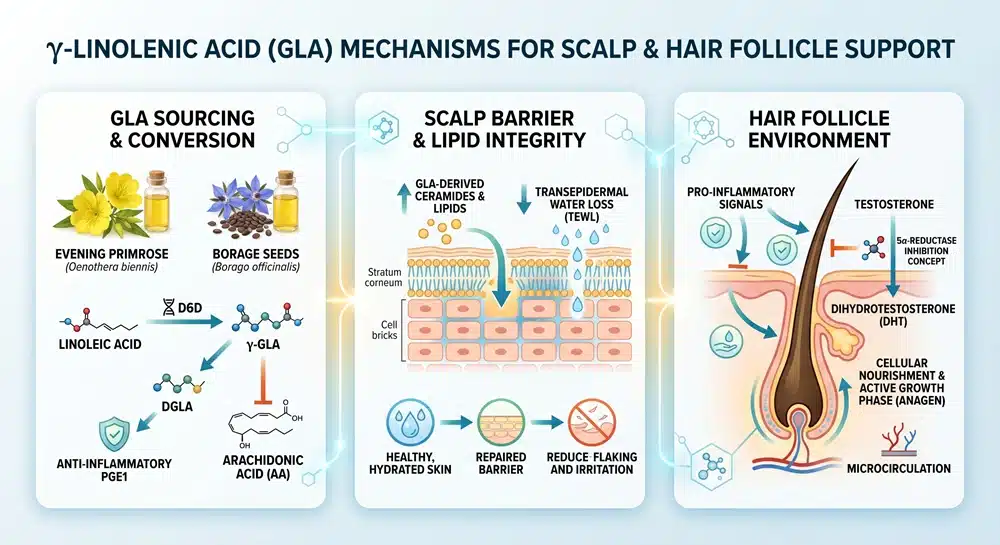
Evening primrose oil is extracted from the seeds of Oenothera biennis. Its main nutritional value comes from linoleic acid and gamma-linolenic acid (GLA), a fatty acid often used in skin-barrier, scalp-comfort, and women’s wellness formulations.
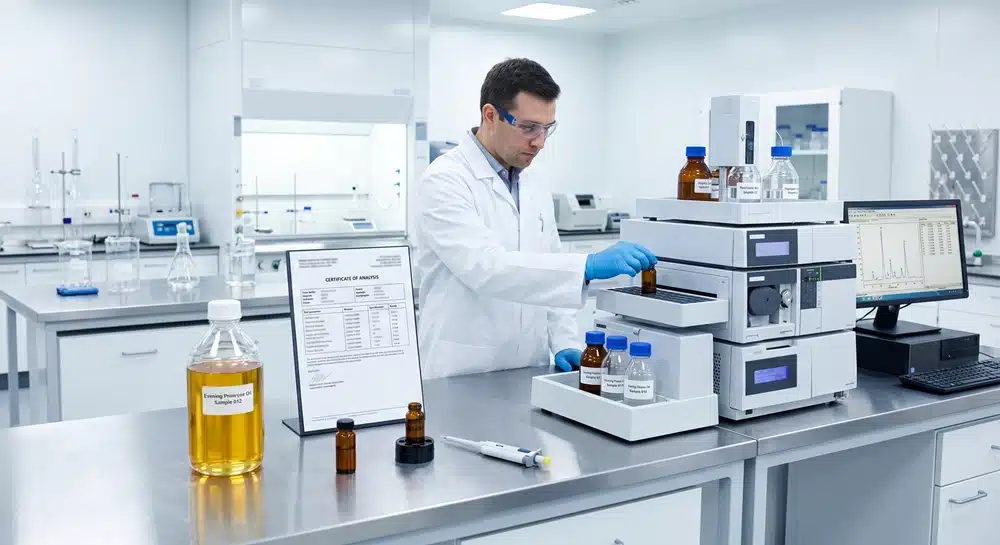
サプリメント製造において、EPOは通常、ソフトジェル充填用の液体オイルとして、あるいは外用オイルブレンドの原料として供給されます。高品質なEPO原料については、GLA含有率、抽出方法、過酸化物価、酸価、原産国、保存条件、およびCOAの結果が明記されている必要があります。.
髪向けの製品に関しては、EPOが単に「髪に良い」かどうかという点が問題なのではありません。より重要なのは、そのオイルが標準化され、安定しており、適切に包装され、現実的な効能表示がなされているかどうかという点です。.
月見草とサクラソウの比較月見草
月見草(Oenothera biennis)とコモン・プリムローズ(Primula vulgaris)は別の植物で、名前が似ているため混同されることが多い。月見草は背の高い二年草で、夕方に黄色い花を咲かせる。その種子を圧搾して、GLAを豊富に含むEPOを作る。コモン・プリムローズは低木の多年草で、淡い黄色やピンクの花を咲かせるが、ほとんどが観賞用で、油の生産には使われない。セイタカアワダチソウには、伝統的な薬用効能(咳止めなど)もあるが、髪の健康にとってEPOの価値を高めるGLAは含まれていない。月見草エキスではなく、月見草オイルを摂取していることを確認するために、製品ラベルを常にチェックしてください。.
植物および種子油製品については、, ハーブサプリメント製造 その専門知識により、ブランドは原材料の特定、調達、および品質に関する文書管理を行うことができます。.月見草オイルが髪に与える効果と限界
月見草オイルは、脂肪酸の摂取量を維持し、皮膚や頭皮のバリア機能をサポートすることで、間接的に髪と頭皮の健康維持に寄与する可能性があります。頭皮も皮膚の一部であるため、肌の快適さや保湿をサポートする成分は、ヘアケア製品としての位置づけにおいても重要な要素となり得ます。.
EPOが支援する可能性のあるもの:
– 頭皮の潤いと心地よさ、,
– 健康的で美しい髪型の整え方、,
– 内面から美しさを引き出す処方、,
– 肌と頭皮のための脂肪酸によるサポート、,
– 女性向け健康サプリメントのコンセプト。.
EPOについて、次のような効能を主張してはならない:
– 抜け毛を改善し、,
– 男性型脱毛症を改善し、,
– 円形脱毛症の治療、,
– 薬物と同様のメカニズムでDHTを阻害し、,
– 医学的な脱毛症を患うユーザーの髪の再生を促す。.
この区別は重要です。育毛サプリメントは、頭皮の快適さ、皮膚バリア機能のサポート、「内側から美しさを引き出す」効果、そして健康的な髪の見た目を強調して位置づけることができます。ただし、適切な規制当局の承認や臨床的根拠に裏付けられていない限り、医学的な脱毛症の治療法として販売してはなりません。.
月見草オイルの抜け毛への投与量
月見草オイルの適切な摂取量は、経口摂取か頭皮への塗布かによって異なります。経口サプリメントの場合、一般的な用量は1日500~1,000mgで、カプセルは8~10% GLAを含むように標準化されています。500mgのような低用量から始め、必要に応じて増量する。EPOは、吸収を良くし、胃の不調を軽減するために、食事と一緒に摂りましょう。結果が出るまで2~3ヵ月かかることがあります。.
外用には、ココナッツオイルやホホバオイルなどのキャリアオイルにEPOを数滴混ぜます。週に2~3回、頭皮に塗布し、優しくマッサージして血行を促進する。30分か一晩おいてから洗い流します。すでにEPOが配合されているヘア製品もあるので、ラベルをチェックして使いすぎないようにしましょう。.
EPOを開始する前に、特に健康状態や薬を服用している場合は、必ず医師に相談すること。特に、脱毛がホルモンや医学的な問題に関連している場合は、医師はあなたのニーズに合った投与量を推奨することができます。.
経口ソフトジェルと外用ヘアオイル:どちらの形態がより理にかなっているか?
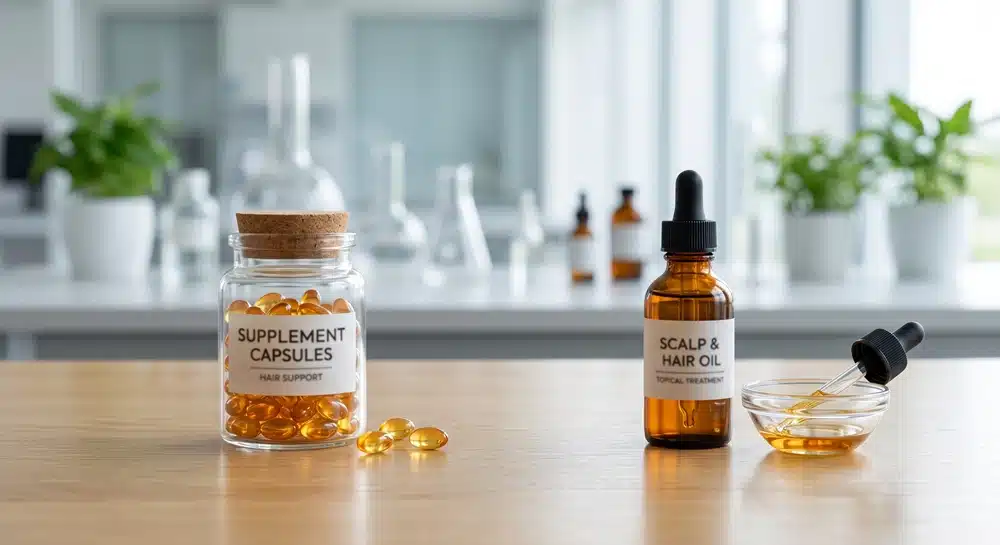
月見草オイルには、経口サプリメントと頭皮用オイルという2つの異なる製品形態があります。これら2つの形態は、同じ製品として扱ってはなりません。.
経口用EPOソフトジェルは、「内側から美しさを育む」「女性の健康」「脂肪酸の補給」といった用途に適しています。投与が容易で、パッケージングも簡単であり、サプリメントの消費者にとっても馴染み深い製品です。.
外用タイプのEPOオイルは、頭皮の快適性、ヘアケアのルーティン、および化粧品としての位置づけに適しています。ただし、外用オイルには、キャリアオイルの選定、香料との相性、肌触り、粘度、酸化防止、保存料や包装に関する考慮事項など、異なる製剤設計が必要です。.
ブランドにとって、その選択はビジネスモデルによって異なります。栄養補助食品ブランドであれば、EPOソフトジェルを選ぶかもしれません。ヘアケアブランドであれば、頭皮用オイルブレンドを選ぶかもしれません。ハイブリッドな美容ブランドであれば、経口用のソフトジェルと外用ヘアオイルの両方を組み合わせて、セットとして提供することもあるでしょう。.
月見草オイルの髪への使い方
月見草オイルの使用は簡単で、日常生活に取り入れることができます。経口摂取の場合は、吸収を助けるために、食事と一緒にカプセルを摂りましょう。EPOは、ビオチン、亜鉛、ビタミンCなど、髪をサポートする他の栄養素と一緒に摂りましょう。 ビタミンD より良い結果を得るために。果物や野菜、健康的な脂肪を多く含む食事も、髪の健康を促進する。.
外用では、DIY頭皮トリートメントを試してみよう。大さじ1杯のキャリアオイル(ココナッツ、ホホバ、アーモンドなど)にEPOを5~10滴混ぜる。薄くなった部分や乾燥した部分を中心に、頭皮にマッサージする。30~60分置くか、より深い栄養を与えたい場合は一晩置いた後、いつも通りシャンプーする。コンディショナーにEPOを数滴たらすと、さらに潤いが増します。.
最良の結果を得るには、EPOをコンスタントに使うこと。刺激の強いシャンプーやヒートスタイリングを避けるなど、髪に優しいヘアケアと併用する。良質な栄養摂取、ストレス管理、定期的な頭皮ケアなど、ホリスティックなアプローチによって、EPOの効果は最大限に発揮される。.
月見草オイルの安全性と副作用
月見草オイルは、ほとんどの人にとって一般的に安全ですが、副作用が起こることもあります。一般的なものは、軽い胃のむかつき、吐き気、頭痛などです。食事と一緒にEPOを摂取することで、これらの問題を軽減することができます。まれに、皮膚の発疹などのアレルギー反応を引き起こすことがあります。このような場合は使用を中止してください。.
EPOは、血液サラサラ薬(ワーファリンなど)やてんかん治療薬(フェニトインなど)など、特定の薬と相互作用することがあります。また、出血リスクを高める可能性もあるため、手術前は避ける。妊娠中または授乳中の女性は、ホルモンに影響を及ぼす可能性があるため、医師の指導の下でのみEPOを使用してください。.
汚染物質を避けるため、高品質のEPOを選ぶ。純度や効能について第三者機関による検査を受けている製品を探しましょう。MOQ(最低発注量)の低いサプリメントメーカーでは、特定のニーズに合わせたカスタムメイドの高品質な処方を提供することができます。用法・用量は必ず守り、不明な場合は医師に相談する。.
月見草オイル配合のヘアケア製品に関するB2B処方メモ
サプリメントブランドにとって、月見草オイルは成分としては理解しやすいものですが、油性の原料であるため、取り扱いには細心の注意が必要です。.
育毛サプリメント用のEPOを購入する前に、以下の点を確認してください:
– GLAの割合、,
– 過酸化物価、,
– 酸価、,
– 抽出法、,
– COAおよび仕様書、,
– アレルゲン表示、,
– 該当する場合は、農薬または溶剤の検査、,
– 原産国、,
– 推奨保管温度、,
– および保存期間に関するデータ。.
ソフトジェル製品については、各ブランドはカプセルのサイズ、充填量、ゼラチン製とベジタリアン用カプセルの互換性、漏出リスク、酸化防止システム、および熱・光・酸素からの保護を目的とした包装についても評価を行う必要があります。.
頭皮用オイル製品については、各ブランドは、肌触り、キャリアオイルとの相性、香料システム、酸化リスク、スポイト式またはポンプ式の容器、そして当該製品を栄養補助食品ではなく化粧品として位置付けるべきかどうかを評価する必要があります。.
専門家に助けを求めるべき時
月見草オイルは髪の健康をサポートしますが、すべての抜け毛を治すものではありません。突然の抜け毛やひどい脱毛、斑点のようなハゲ、頭皮の痛みなどに気づいたら、医師や皮膚科医に診てもらいましょう。これらは、甲状腺疾患、鉄分不足、自己免疫疾患などのシグナルである可能性があり、医学的治療が必要です。.
専門医は、髪の問題を引き起こしている栄養不足やホルモンバランスの乱れを検査することもできます。EPOやその他の治療薬で3~6ヶ月経っても髪が改善しない場合、医師はミノキシジルやホルモン療法など、より強力な治療法を勧めることができます。抜け毛が生活の質に影響を及ぼしている場合は、サプリメントだけに頼らないようにしましょう。.
科学的根拠と限界
月見草オイルと発毛に関する証拠は限られています。脂肪酸と抗酸化物質の組み合わせに関する一部の研究では、髪の密度や抜け毛に関連する指標の改善が報告されていますが、こうした配合には多くの場合、月見草オイル単独ではなく複数の栄養素が含まれています。つまり、これらの結果を、月見草オイル単体で髪が再生するという証拠として解釈すべきではありません。.
EPOの最大の利点は、GLAの供給源としての役割と、皮膚や頭皮のバリア機能の維持に重要な役割を果たす点にあります。このため、「内側から美しさを引き出す」製品や頭皮の快適さを追求する製品には有用ですが、医学的な脱毛症に対する単独の治療法としては適していません。.
内容や製品の効能に関する記述については、EPOが頭皮の快適さ、皮膚のバリア機能、そして健康的な見た目の髪をサポートすると説明しつつ、急激な脱毛、重度の脱毛、斑状の脱毛、または持続的な脱毛が見られる利用者は、医療専門家に相談すべきであることを明確に記すことが最も安全なアプローチです。.
まとめ:ブランドはヘアケア製品に月見草オイルをどのように活用すべきか
月見草オイルは、髪の健康をサポートする製品や、内側から美しさを引き出す製品にとって有用な成分となり得ますが、その位置づけには注意が必要です。その価値は、GLAや脂肪酸によるサポートにあるのであって、髪の再生効果が保証されているわけではありません。.
消費者にとって、EPOはより広範な頭皮ケアや美容ルーティンの一環として捉えられるかもしれません。一方、ブランドにとっては、確固たるCOA(分析証明書)による裏付け、酸化防止対策、適切な包装、そして現実的な効能表示が整っている場合、EPOはソフトジェル、頭皮用オイル、あるいは女性向け美容サプリメントの成分として、より魅力的な選択肢となります。.

EPO配合の育毛製品の開発について、サポートが必要ですか?
Genseiでは、月見草オイルのソフトジェル、内側から美しさを引き出すサプリメント、頭皮用オイルブレンド、オーダーメイドの配合製品、およびプライベートブランドのヘアケア製品に対応可能です。製造開始前に実現可能性を検討するため、ご希望の剤形、GLAの規格、包装計画、および市場でのポジショニングをお知らせください。.
よくあるご質問
月見草オイルは髪を太くしますか?
月見草オイルについて、直接的に髪を太くする効果があるとは主張すべきではありません。頭皮の快適さを保ち、脂肪酸の摂取を助け、髪に健康的な輝きを与える可能性はありますが、髪を太くする効果が実証された治療法ではありません。.
月見草オイルで髪は生えてくるのでしょうか?
EPO単独で髪が再生されると断言するには、十分な証拠がありません。脱毛の原因が遺伝、甲状腺の問題、鉄分不足、自己免疫疾患、あるいは薬物によるものである場合、EPOでは根本的な原因を解決することは難しいでしょう。EPOは、美容や頭皮の健康をサポートする成分として位置づけるのが適切です。.
月見草オイルは、カプセルと外用オイルのどちらが効果的でしょうか?
「内側から美しさを引き出す」ことや「脂肪酸の補給」という観点では、カプセルの方が適しています。一方、頭皮の快適さや美容的なヘアケアのルーティンには、塗布用オイルの方が適しています。ブランドは、謳い文句、パッケージ、ターゲット顧客、規制上の分類に基づいて、適切な剤形を選択すべきです。.
月見草オイルにはビオチンが含まれていますか?
いいえ。月見草オイルには、本来ビオチンは含まれていません。主にGLAやリノール酸が評価されています。育毛サポート用のフォーミュラでは、その組み合わせが適切であり、科学的根拠がある場合に限り、月見草オイルにビオチン、亜鉛、ビタミンD、コラーゲンペプチド、その他の美容成分を配合することがあります。.
ブランドは、月見草オイルを調達する前に、どのような点を確認すべきでしょうか?
ブランドは、GLA含有量、過酸化物価、酸価、抽出方法、分析証明書(COA)、原産国、アレルゲン表示、該当する場合は農薬や溶剤の検査結果、および保管条件を確認する必要があります。.
EPOサプリメントは、抜け毛の治療に効果があると主張できるのでしょうか?
いいえ。栄養補助食品は、抜け毛や脱毛症の診断、治療、治癒、予防を謳ってはなりません。より安全な「構造・機能」型の表現としては、「頭皮の快適さをサポートする」、「肌のバリア機能をサポートする」、「健康的な髪をサポートする」などが挙げられます。.
プライベートブランドのEPOヘアケア製品には、どのような剤形が最適でしょうか?
ソフトジェルは、オイルを保護し、摂取量を調整し、味の問題を軽減できるため、通常、栄養補助食品としては最も実用的な選択肢です。頭皮用オイルは化粧品ブランドでは有効ですが、安定性や包装に関する別の試験が必要となります。.
どのような人は月見草オイルを避けるべきですか?
妊娠中または授乳中の消費者、抗凝固剤を服用している方、手術を控えている方、あるいは抗てんかん薬を服用している方は、EPOを使用する前に医療専門家に相談してください。各ブランドは、対象市場の規制に基づき、適切な注意書きを記載する必要があります。.
参考文献
- NCCIH. 月見草オイル:有用性と安全性。.
https://www.nccih.nih.gov/health/evening-primrose-oil - PubMed. 栄養補助食品が女性の脱毛に及ぼす影響。.
https://pubmed.ncbi.nlm.nih.gov/25573272/ - PubMed。全身投与による月見草オイルは、健康な成人の皮膚の生物物理学的パラメータを改善する。.
https://pubmed.ncbi.nlm.nih.gov/18492193/ - PMC. 皮膚と髪の健康におけるリノール酸の役割:総説。.
https://pmc.ncbi.nlm.nih.gov/articles/PMC11719646/ - PMC。脱毛症における天然成分/皮膚科学的有効性のレビュー。.
https://pmc.ncbi.nlm.nih.gov/articles/PMC10761108/ - FDA構造/機能クレーム。.
https://www.fda.gov/food/nutrition-food-labeling-and-critical-foods/structurefunction-claims - FDA。栄養補助食品に関するQ&A。.
https://www.fda.gov/food/information-consumers-using-dietary-supplements/questions-and-answers-dietary-supplements - PMC。肌、髪、爪のためのサプリメント:マーケティングおよび表示に関する懸念。.
https://pmc.ncbi.nlm.nih.gov/articles/PMC7802115/
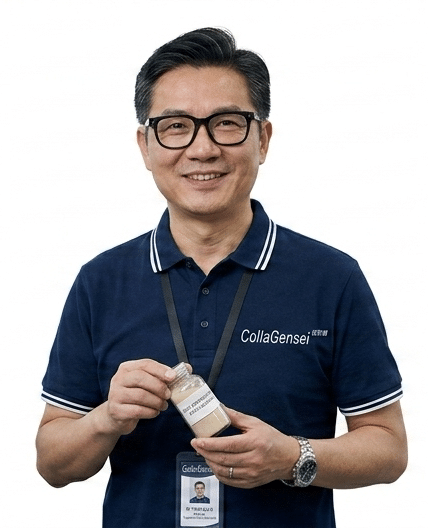
ウォーレン・ワン氏は、栄養補助食品のサプライチェーンにおいて豊富な経験を持つベテランの専門家であり、コラーゲンペプチド、骨スープ由来タンパク質、ケラチンといった主要成分の研究、開発、工程管理、およびグローバルな調達において、豊富な実務経験を有しています。 本コラムの執筆者として、彼はマーケティング的な装いを剥ぎ取り、難解な成分科学や製造品質管理基準を、分かりやすい本格的な科学普及記事へと変換することに尽力しています。これにより、読者がラベルの裏にある真実を理解し、より合理的な健康に関する選択を行えるよう支援しています。.


