So sánh toàn diện về Axit hyaluronic và Natri Hyaluronat dành cho mua sắm B2B
Trong thị trường thực phẩm chức năng và mỹ phẩm đang phát triển nhanh chóng, hai thành phần đã trở nên rất phổ biến nhờ những lợi ích sức khỏe đa dạng: axit hyaluronic và natri hyaluronat. Cả hai đều đóng vai trò quan trọng, đặc biệt trong lĩnh vực chăm sóc da và sức khỏe khớp, nhưng sự khác biệt giữa chúng có thể ảnh hưởng đến công thức và hiệu quả của sản phẩm. Bài viết này nhằm tìm hiểu câu hỏi: Natri hyaluronat và axit hyaluronic có thể thay thế cho nhau không? Ngoài ra, bài viết còn cung cấp một so sánh chi tiết giữa hai hợp chất này, nêu bật hiệu quả, độ an toàn, quy trình sản xuất và các ứng dụng trên thị trường của chúng.
Tổng quan về thông tin cơ bản
Axit hyaluronic
- Tên gọi khác: HA, hyaluronan.
- Tên khoa học: Axit hyaluronic.
- Số CAS: 9004-61-9.
- Tiêu chuẩn sản xuất: Tuân thủ các tiêu chuẩn của Dược điển Hoa Kỳ (USP).
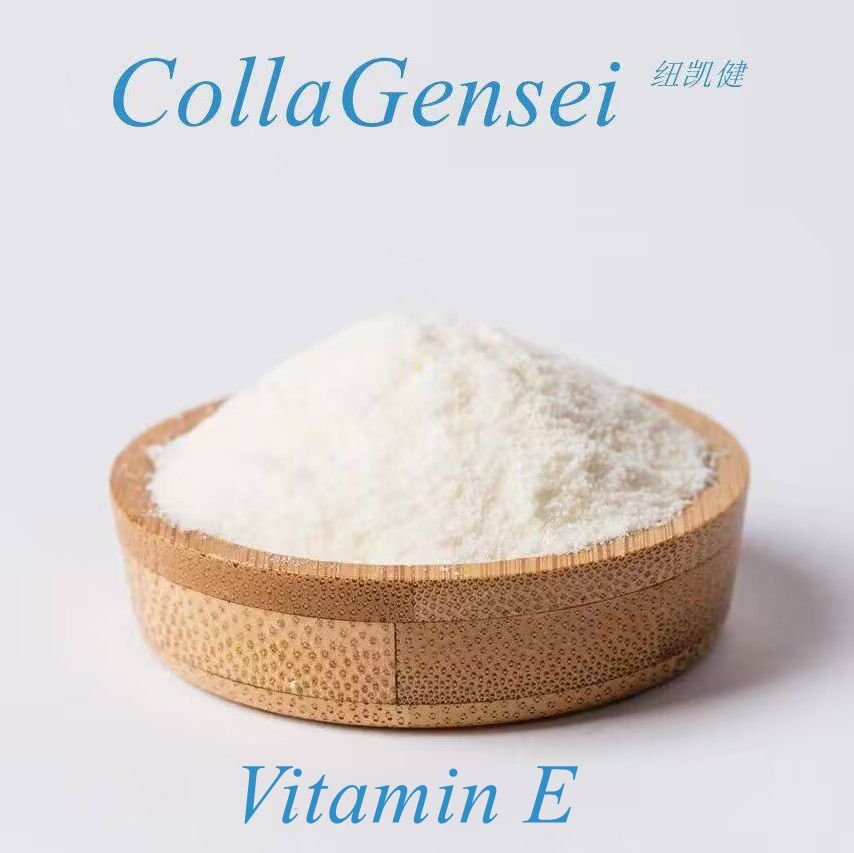
- Hình thức: Thường là dạng bột màu trắng đến trắng ngà.
- Hương vị: Thường không có vị gì.
- Dung môi sản xuất: Chủ yếu là nước, dùng để hòa tan.
- Thông số kỹ thuật chung: Trọng lượng phân tử thay đổi; các dạng phổ biến nhất có trọng lượng phân tử dao động từ 50 kDa đến 2.000 kDa.
- Mã HS: 3503.00 (gelatin và các loại protein khác).
- Thời hạn sử dụng: Khoảng 2–3 năm nếu được bảo quản đúng cách.
- Điều kiện bảo quản: Phải bảo quản ở nơi khô ráo, thoáng mát và đậy kín để tránh ẩm ướt.
- Kích thước bao bì: Thường có sẵn ở các dạng đóng gói 1 kg, 5 kg hoặc số lượng lớn.
- Tên gọi khác: Bột natri hyaluronat, muối natri của axit hyaluronic.
- Tên khoa học: Natri hyaluronat được chiết xuất từ axit hyaluronic.
- Số CAS: 9067-38-7.
- Tiêu chuẩn sản xuất: Tuân thủ các Nguyên tắc Thực hành Sản xuất Tốt (GMP).
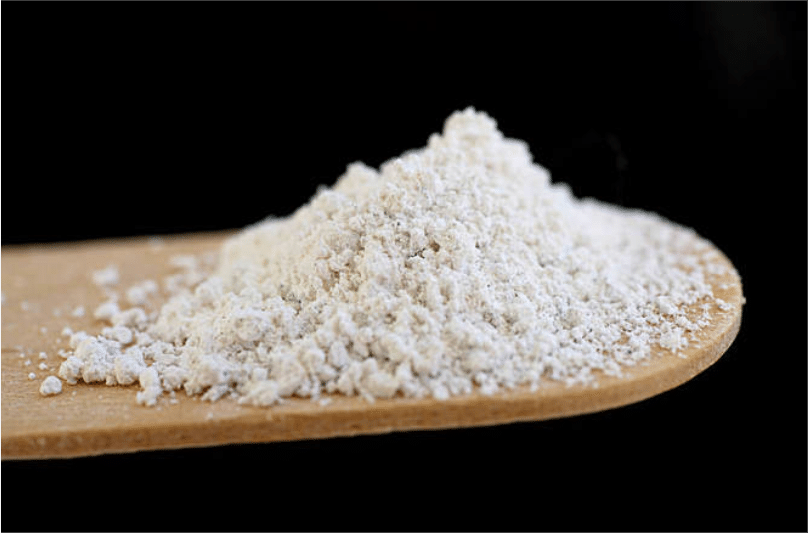
- Hình thức: Có dạng bột màu trắng đến vàng nhạt.
- Hương vị: Hơi mặn hoặc nhạt nhẽo.
- Dung môi sản xuất: Nước, chủ yếu được sử dụng để hòa tan.
- Thông số kỹ thuật chung: Thường tồn tại dưới dạng phân tử khối thấp và phân tử khối cao, thường dao động từ 10 kDa đến 1.200 kDa.
- Mã HS: 3913.90 (polyme ethylene, ở dạng thô).
- Thời hạn sử dụng: Khoảng 2–3 năm, tương tự như hợp chất gốc của nó.
- Điều kiện bảo quản: Bảo quản ở nơi khô ráo, thoáng mát, tốt nhất là trong các hộp đựng kín.
- Kích thước bao bì: Thường có sẵn ở các loại đóng gói 1 kg, 5 kg và các loại đóng gói số lượng lớn hơn.
Bối cảnh lịch sử
Axit hyaluronic Được phát hiện vào những năm 1930, axit hyaluronic đã được ứng dụng rộng rãi trong y học, đặc biệt là trong phẫu thuật mắt và điều trị viêm khớp thoái hóa thông qua tiêm vào khớp. Ngành công nghiệp mỹ phẩm bắt đầu ứng dụng chất này vào cuối thế kỷ 20, quảng bá khả năng giữ ẩm và tăng cường độ đàn hồi cho da của nó.
Natri Hyaluronat Natri hyaluronat ra đời như một dẫn xuất của axit hyaluronic, giúp cải thiện độ ổn định và khả năng hấp thụ trong nhiều ứng dụng khác nhau. Việc chất này được cấp phép sử dụng trong các sản phẩm mỹ phẩm vào những năm 1980 đã đánh dấu một cột mốc quan trọng trong lịch sử phát triển ngành mỹ phẩm, đặc biệt là trong các sản phẩm kem dưỡng ẩm và serum.
Các hình thức phổ biến trên thị trường
Cả axit hyaluronic và natri hyaluronat chủ yếu tồn tại dưới dạng bột, mặc dù chúng cũng có thể được tìm thấy trong các công thức dạng lỏng. Natri hyaluronat được sử dụng phổ biến hơn trong các sản phẩm chăm sóc da nhờ khả năng hấp thụ tốt hơn và trọng lượng phân tử thấp hơn, khiến nó trở thành lựa chọn lý tưởng cho các ứng dụng bôi ngoài da trong lĩnh vực chăm sóc da.
Các thành phần phụ được sử dụng trong quá trình sản xuất
- Axit hyaluronic: Trong quá trình sản xuất, người ta thường sử dụng chất ổn định và chất tạo hương để duy trì chất lượng sản phẩm và sức hấp dẫn đối với người tiêu dùng.
- Natri Hyaluronat: Cũng sử dụng các chất ổn định nhưng có thể bổ sung các hợp chất khác để tăng cường độ hòa tan hoặc hiệu quả của công thức.
Đặc điểm độ hòa tan
Cả axit hyaluronic và natri hyaluronat đều hòa tan rất tốt trong nước. Tuy nhiên, natri hyaluronat được biết đến với khả năng hòa tan nhanh hơn, khiến nó trở thành lựa chọn lý tưởng cho các công thức cần khả năng hấp thu nhanh hoặc kích hoạt tức thì.
Các ứng dụng trên thị trường
Axit hyaluronic:
- Sản phẩm chăm sóc da: Một thành phần không thể thiếu trong các sản phẩm kem dưỡng ẩm, serum và mặt nạ nhờ khả năng cấp ẩm của nó.
- Ứng dụng trong y học: Được sử dụng trong tiêm khớp và nhãn khoa để giảm ma sát và bôi trơn.
Natri Hyaluronat:
- Dưỡng ẩm cho da: Thường được sử dụng trong các công thức bôi ngoài da nhờ khả năng thấm sâu vào các lớp da một cách hiệu quả.
- Phẫu thuật thẩm mỹ: Thường được sử dụng trong các sản phẩm làm đầy da và các liệu trình thẩm mỹ để phục hồi độ đầy đặn và độ ẩm cho da.
Các quy trình sản xuất chính
- Axit hyaluronic:
- Chiết xuất: Được chiết xuất từ mô động vật hoặc qua quá trình lên men vi khuẩn.
- Cách ly: Quá trình thủy phân các chiết xuất HA có trọng lượng phân tử cao tạo ra các sản phẩm có trọng lượng phân tử cụ thể.
- Natri Hyaluronat:
- Tổng hợp: Thường được sản xuất thông qua các quá trình enzym chuyển hóa axit hyaluronic thành dạng muối natri của nó.
- Quá trình tinh chế: Các quy trình lọc và thẩm tách kỹ lưỡng đảm bảo độ tinh khiết cao và an toàn cho người tiêu dùng.
Các quy trình khác nhau này có thể ảnh hưởng đến chi phí sản xuất, chuỗi cung ứng và cuối cùng là chất lượng sản phẩm.
Lợi ích và tác dụng đối với sức khỏe
Axit hyaluronic:
- Cung cấp độ ẩm sâu, giúp cải thiện độ ẩm trên bề mặt da.
- Hỗ trợ sức khỏe khớp và khả năng vận động bằng cách đóng vai trò như một chất bôi trơn trong các mô liên kết.
Natri Hyaluronat:
- Giúp dưỡng chất thấm sâu hơn vào da, mang lại hiệu quả dưỡng ẩm tốt hơn và kéo dài hơn.
- Thường được coi là một chất dưỡng da, giúp cải thiện kết cấu và độ đàn hồi của da.
Các tác dụng phụ có thể xảy ra
Axit hyaluronic: Nhìn chung, thuốc được dung nạp tốt và ít gây tác dụng phụ. Một số người có thể gặp phản ứng tại chỗ khi sử dụng thuốc bôi ngoài da.
Natri Hyaluronat: Sản phẩm an toàn cho hầu hết mọi người, nhưng có thể gây ra các tác dụng phụ như kích ứng nhẹ hoặc phản ứng dị ứng, đặc biệt là đối với những người có làn da nhạy cảm.
Cơ chế hoạt động của chúng trong cơ thể
- Axit hyaluronic hoạt động bằng cách liên kết với các phân tử nước, đảm bảo độ ẩm và độ đàn hồi cho mô, điều này rất quan trọng đối với chức năng của da và khớp.
- Natri Hyaluronat, dưới dạng muối natri, vẫn giữ được các đặc tính tương tự nhưng có khả năng thấm sâu vào da tốt hơn, giúp dưỡng ẩm cho da ở nhiều lớp khác nhau.
Các phương pháp kiểm tra để đảm bảo chất lượng
Để đảm bảo tính an toàn và hiệu quả của cả hai hợp chất, các biện pháp kiểm soát chất lượng thường được thực hiện thông qua:
- Axit hyaluronic: HPLC (Sắc ký lỏng hiệu suất cao) thường được sử dụng để xác định mức độ tinh khiết.
- Natri Hyaluronat: Các kỹ thuật sắc ký tương tự kết hợp với các phương pháp đo khối lượng phân tử và độ nhớt.
Các dạng bào chế phổ biến hiện có
- Axit hyaluronic: Thường được sử dụng trong các loại serum hoặc kem dưỡng da nhờ khả năng dưỡng ẩm và chống lão hóa.
- Natri Hyaluronat: Thường có trong các sản phẩm chăm sóc da được thiết kế để tăng cường khả năng thẩm thấu và dưỡng ẩm, bao gồm kem dưỡng, gel và dung dịch.
Liều lượng khuyến nghị
Các khuyến nghị thông thường sẽ khác nhau tùy theo ứng dụng:
- Axit hyaluronic: Liều tiêm có thể dao động từ 20 mg đến 200 mg tùy thuộc vào tần suất điều trị và cách sử dụng.
- Natri Hyaluronat: Liều lượng thông thường cho các chế phẩm bôi ngoài da có thể dao động từ 0,11% đến 2,1% tùy thuộc vào công thức của sản phẩm.
Đã đến lúc thấy kết quả
- Axit hyaluronic: Thông thường, kết quả có thể thấy rõ trong vòng vài tuần, đặc biệt là đối với các sản phẩm dạng tiêm dùng để chăm sóc sức khỏe khớp.
- Natri Hyaluronat: Nhiều người dùng nhận thấy làn da được cấp ẩm rõ rệt chỉ sau vài ngày sử dụng sản phẩm bôi ngoài da.
Cơ chế tác dụng chi tiết
- Axit hyaluronic giữ ẩm và tăng độ đàn hồi cho các mô, góp phần đáng kể vào việc duy trì độ đàn hồi của da và bôi trơn khớp.
- Natri Hyaluronat có tác dụng tương tự nhưng giúp tăng cường khả năng thẩm thấu, tác động hiệu quả đến nhiều lớp da và thúc đẩy quá trình dưỡng ẩm sâu rộng.
Các sản phẩm tương tự
Các lựa chọn thay thế cho những thành phần này, đồng thời cũng hỗ trợ sức khỏe làn da và chức năng khớp, bao gồm:
- Collagen: Được biết đến với tác dụng phục hồi độ đàn hồi cho da và hỗ trợ sức khỏe khớp.
- Glycosaminoglycan: Cạnh tranh trên thị trường các sản phẩm chăm sóc sức khỏe khớp và duy trì độ ẩm cho da.
Những tiến bộ mới nhất trong nghiên cứu lâm sàng
- Axit hyaluronic đã chứng minh hiệu quả trong các nghiên cứu có đối chứng về việc cải thiện độ mịn màng của da và làm giảm độ sâu của nếp nhăn.
- Natri Hyaluronat, khi thoa trực tiếp lên da, đã chứng minh được tác dụng phục hồi nhanh chóng đối với làn da lão hóa hoặc thiếu nước.
Bối cảnh pháp lý
Các quy định về các thành phần này có sự khác biệt giữa các khu vực, nhưng thường bao gồm:
- Axit hyaluronic: Được công nhận là "An toàn theo quy định chung" (GRAS) tại nhiều quốc gia và được sử dụng rộng rãi trong các sản phẩm mỹ phẩm và y tế.
- Natri Hyaluronat: Cũng được quản lý tương tự, với các quy định nghiêm ngặt về việc sử dụng sản phẩm này dưới dạng thực phẩm bổ sung hoặc trong các sản phẩm chăm sóc da.
Triển vọng thị trường
Thị trường cho cả axit hyaluronic và natri hyaluronat được dự báo sẽ tăng trưởng đáng kể, nhờ vào nhu cầu của người tiêu dùng đối với các sản phẩm chống lão hóa và dưỡng ẩm.
- Xu hướng thị trường: Thị trường axit hyaluronic toàn cầu đang phát triển nhanh chóng, đặc biệt là trong lĩnh vực làm đẹp và mỹ phẩm.
- Natri Hyaluronat: Ngày càng được ưa chuộng trên nhiều thị trường trong lĩnh vực chăm sóc sức khỏe khớp và da, dự kiến sẽ duy trì xu hướng tăng trưởng tương tự.
Những ưu điểm và nhược điểm chính
| Axit hyaluronic | Natri Hyaluronat |
|---|---|
| Ưu điểm | |
| Khả năng giữ ẩm tuyệt vời | Khả năng thấm sâu vào da vượt trội |
| Hỗ trợ sức khỏe khớp | Công thức linh hoạt |
| Đã được chứng minh về tính an toàn và hiệu quả | Tan nhanh trong các chế phẩm |
| Phối hợp tốt với các thành phần khác | Thông thường được dung nạp tốt |
| Nhược điểm | |
| Chi phí sản xuất cao hơn | Trong một số trường hợp hiếm hoi, có thể gây kích ứng |
| Hiệu quả có thể bị ảnh hưởng bởi khối lượng phân tử | Yêu cầu công thức chính xác |
| Hấp thu qua da ở mức độ hạn chế |
Một số lời khuyên khi lựa chọn nhà cung cấp
Khi lựa chọn nhà cung cấp axit hyaluronic hoặc natri hyaluronat, hãy cân nhắc các yếu tố sau:
- Chứng nhận chất lượng: Hãy tìm kiếm các nhà cung cấp có chứng nhận như ISO hoặc GMP để đảm bảo chất lượng và an toàn của sản phẩm.
- Nguồn cung ứng minh bạch: Một nhà cung cấp đáng tin cậy cần cung cấp thông tin rõ ràng về quy trình tìm nguồn cung ứng và sản xuất.
- Dịch vụ khách hàng: Dịch vụ hỗ trợ khách hàng và hệ thống hậu cần vững mạnh là yếu tố thiết yếu để đảm bảo việc thu mua được thực hiện kịp thời và hiệu quả.
Kết luận
Tóm lại, mặc dù natri hyaluronat và axit hyaluronic có những điểm tương đồng và có thể được sử dụng thay thế cho nhau trong một số trường hợp, nhưng mỗi chất đều mang lại những lợi ích riêng biệt cho sức khỏe da và khớp. Việc nắm rõ những điểm khác biệt này có thể giúp các doanh nghiệp đưa ra những quyết định sáng suốt, phù hợp nhất với thị trường mục tiêu và công thức sản phẩm của mình.
Để tìm kiếm các giải pháp cung ứng đáng tin cậy cho cả axit hyaluronic và natri hyaluronat, vui lòng liên hệ với chúng tôi tại sales@collagensei.com. Tại Gensei Global Industries, chúng tôi cam kết cung cấp các nguyên liệu thô cao cấp, được FDA chứng nhận và đáp ứng các tiêu chuẩn chất lượng cao nhất. Với mạng lưới rộng khắp và cam kết mang lại sự hài lòng cho khách hàng, chúng tôi luôn nỗ lực hỗ trợ các nhu cầu kinh doanh của quý khách, dù là các công thức sẵn có hay công thức tùy chỉnh, bao gồm viên nang, bột hoặc dung dịch.
Việc tìm kiếm nguồn cung ứng nguyên liệu sẽ không còn là vấn đề phức tạp nếu bạn có được thông tin và sự hỗ trợ phù hợp. Hãy cùng nhau thúc đẩy sự phát triển của ngành chăm sóc sức khỏe và làm đẹp!

Gensei Global Industries là nhà sản xuất các sản phẩm collagen, nước hầm xương, protein bò tinh khiết, keratin thủy phân và màng vỏ trứng, với kho hàng tại Hoa Kỳ, Canada, Úc, v.v. Gensei Global Industries là nhà sản xuất phục vụ thị trường toàn cầu thông qua việc phân phối các nguyên liệu này đến khách hàng trên khắp thế giới. .