Đối với các thương hiệu thực phẩm bổ sung, các nhà phát triển công thức dinh dưỡng và những người mua nguyên liệu, việc lựa chọn giữa dầu cá và dầu hạt lanh không chỉ đơn thuần là câu hỏi “loại nào tốt cho sức khỏe hơn”. Nó quyết định liệu sản phẩm hoàn chỉnh sẽ cung cấp EPA và DHA đã được hình thành sẵn, ALA có nguồn gốc thực vật, hay một chiến lược định vị omega-3 hỗn hợp với các yêu cầu khác nhau về độ ổn định, chất gây dị ứng, tuyên bố trên nhãn và dạng bào chế.
Hiểu về axit béo Omega-3
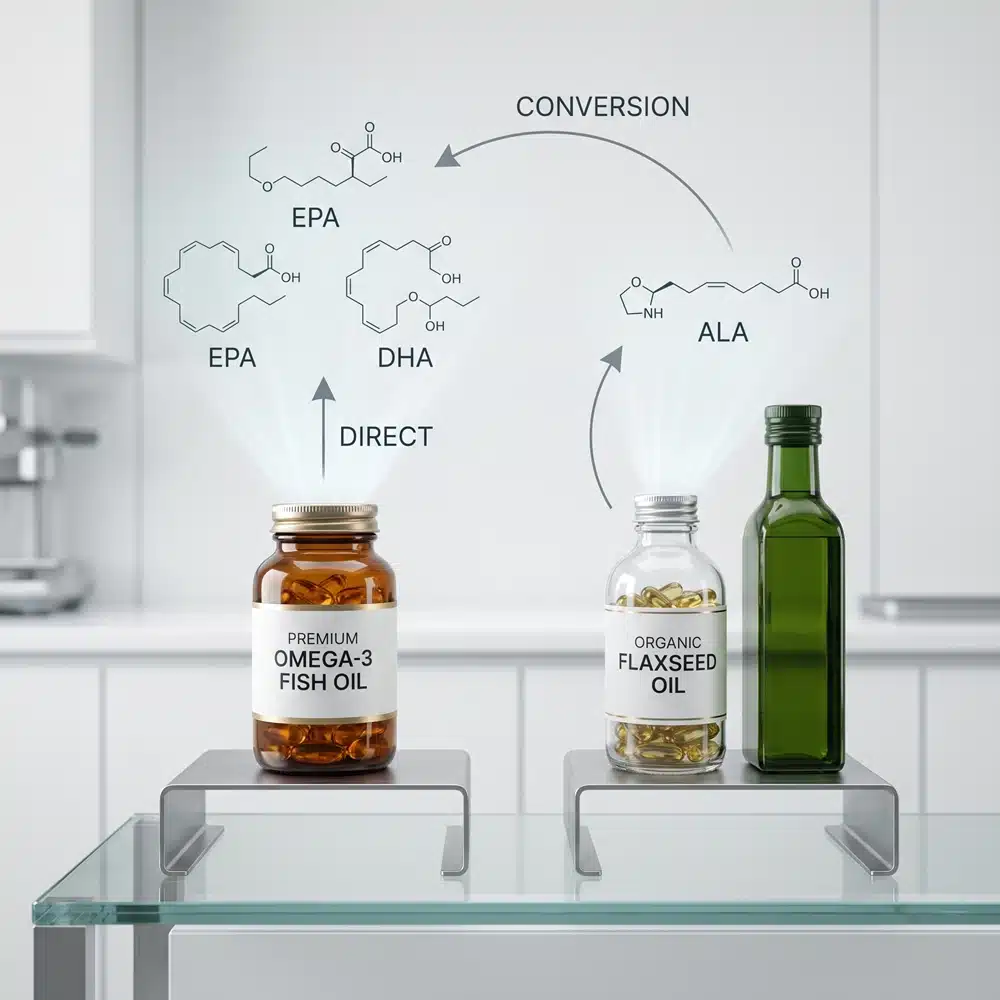
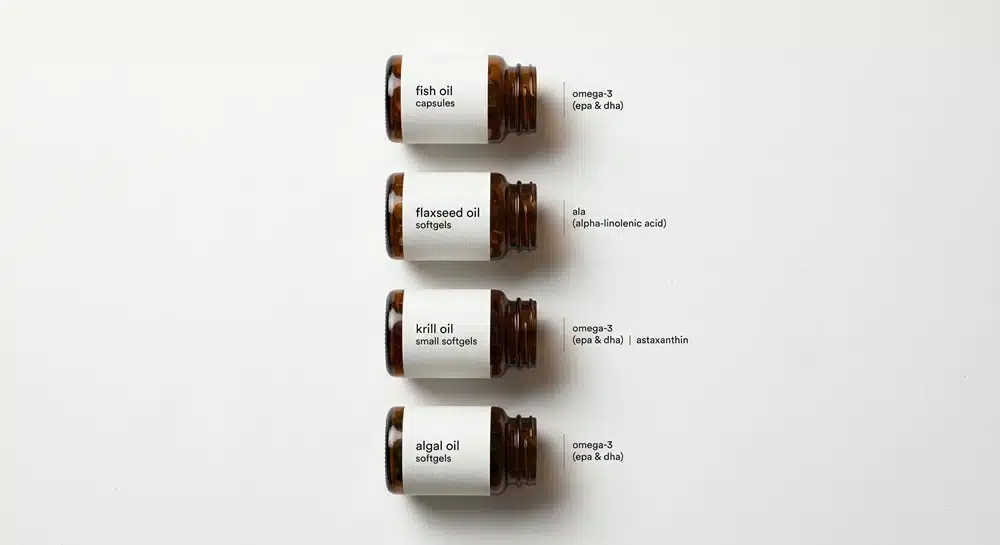
Các axit béo omega-3 được phân loại thành ALA chuỗi ngắn và EPA/DHA chuỗi dài. Dầu hạt lanh giàu ALA, trong khi dầu cá cung cấp trực tiếp EPA và DHA. Do cơ thể con người chỉ chuyển hóa ALA thành EPA và DHA với lượng hạn chế, nên dầu hạt lanh không phải là nguồn dinh dưỡng tương đương trực tiếp với dầu cá đối với các công thức cần ghi rõ hàm lượng EPA/DHA trên bảng thành phần dinh dưỡng.
Một loại omega-3 có nguồn gốc thực vật, có trong dầu hạt lanh, hạt chia, quả óc chó, dầu đậu nành và dầu cải.
Một loại axit béo omega-3 chuỗi dài có trong dầu cá, dầu krill và một số nguồn tảo.
Một loại axit béo omega-3 chuỗi dài tập trung chủ yếu trong các nguồn thực phẩm biển và có vai trò vô cùng quan trọng đối với mắt, não bộ và cấu trúc màng tế bào.
Tại sao việc chuyển đổi ALA lại là một rủi ro trong công thức
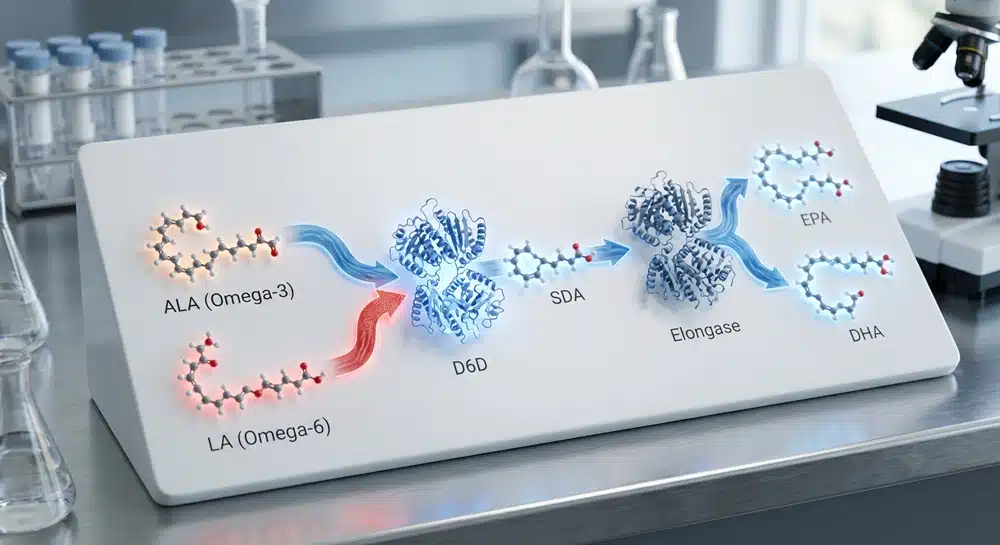
Nhiều bài báo dành cho người tiêu dùng mô tả quá trình chuyển hóa ALA chỉ bằng một con số đơn giản là 5-10%, nhưng con số này nên được coi là một ước tính trong quá trình lập kế hoạch chứ không phải là kết quả sinh học được đảm bảo. Quá trình chuyển hóa ALA phụ thuộc vào sự cạnh tranh enzym với axit linoleic omega-6, chế độ ăn uống, giới tính, yếu tố di truyền, tình trạng trao đổi chất và lượng EPA và DHA đã tiêu thụ trước đó. Đối với các chủ sở hữu thương hiệu, điều này có nghĩa là một sản phẩm dầu hạt lanh có thể trung thực nhấn mạnh “ALA omega-3 có nguồn gốc thực vật”, nhưng không nên được định vị là sản phẩm thay thế hoàn toàn cho dầu cá, trừ khi công thức sản phẩm đó cũng bao gồm một nguồn EPA/DHA trực tiếp như dầu tảo.
Dầu cá là gì?
Dầu cá là một thành phần lipid có nguồn gốc từ biển, được chuẩn hóa về hàm lượng axit eicosapentaenoic (EPA) và axit docosahexaenoic (DHA). Trong sản xuất thực phẩm bổ sung, tiêu chuẩn quan trọng không chỉ đơn thuần là “1.000 mg dầu cá”, mà còn bao gồm hàm lượng EPA + DHA đã được xác minh trên mỗi liều dùng, dạng triglyceride hoặc este ethyl, tình trạng oxy hóa, kết quả kiểm tra tạp chất, đặc tính mùi và khả năng tương thích với dạng bào chế được lựa chọn.
Dầu cá thường phù hợp nhất cho Sản xuất viên nang mềm Vì EPA và DHA là các hoạt chất dạng dầu cần được bảo vệ khỏi oxy, ánh sáng và nhiệt trong quá trình chiết rót, đóng rắn và đóng gói. Các dự án dầu cá chất lượng cao nên yêu cầu tài liệu COA cụ thể cho từng lô về hàm lượng EPA/DHA, chỉ số peroxide, chỉ số p-anisidine, TOTOX, kim loại nặng, PCB/dioxin, vi sinh vật và mùi cảm quan.
Dầu hạt lanh là gì?
Dầu hạt lanh, còn được gọi là dầu hạt lanh, là một thành phần lipid có nguồn gốc thực vật, được ép từ hạt cây Linum usitatissimum và tự nhiên giàu axit alpha-linolenic (ALA). Loại dầu này rất phù hợp cho các công thức dành cho người ăn chay thuần túy, không chứa cá và có nhãn mác “sạch”, nhưng về mặt tự nhiên, nó không cung cấp lượng EPA hay DHA đáng kể.
Từ góc độ sản xuất, dầu hạt lanh đòi hỏi phải kiểm soát chặt chẽ độ tươi mới, chỉ số peroxide, mức độ tiếp xúc với ánh sáng và hàm lượng oxy trong bao bì, bởi vì các loại dầu thực vật có hàm lượng axit béo không bão hòa cao có thể bị oxy hóa nhanh chóng nếu chuỗi cung ứng không được quản lý tốt. Tùy thuộc vào thị trường, sản phẩm này có thể được phát triển dưới dạng dầu lỏng, viên nang mềm hoặc thành phần dầu dạng bột thông qua Nhà sản xuất thực phẩm bổ sung dạng lỏng hoặc các dạng bào chế dạng viên nang.
Dầu cá và dầu hạt lanh: Điểm khác biệt là gì?
Sự khác biệt cốt lõi nằm ở dạng hóa sinh. Dầu cá cung cấp trực tiếp các axit béo omega-3 chuỗi dài có hoạt tính là EPA và DHA. Dầu hạt lanh cung cấp ALA – một chất có giá trị nhưng phải được chuyển hóa trước khi có thể góp phần vào mức độ EPA/DHA trong cơ thể.
So sánh các lợi ích sức khỏe của chúng như thế nào?
Dầu cá và dầu hạt lanh đều có thể giúp đảm bảo lượng omega-3 cần thiết cho sức khỏe, nhưng không nên coi chúng là giống hệt nhau. Dầu cá phù hợp hơn với các ý tưởng sản phẩm yêu cầu cung cấp trực tiếp EPA/DHA, trong khi dầu hạt lanh lại phù hợp hơn với định vị sản phẩm có nguồn gốc thực vật, thuần chay, không chứa cá và dễ tiêu hóa.
Những lợi ích đặc trưng của dầu cá
Dầu cá là lựa chọn trực tiếp hơn cho các sản phẩm tập trung vào việc bổ sung EPA/DHA. EPA và DHA vốn đã ở dạng chuỗi dài, do đó cơ thể không cần phải chuyển hóa chúng từ ALA trước. Điều này khiến dầu cá trở thành một dạng bào chế thiết thực cho các công thức nhắm đến việc hỗ trợ sức khỏe tim mạch, giáo dục về triglyceride, hỗ trợ não bộ và thị lực, hoặc định vị sản phẩm hỗ trợ sự thoải mái cho khớp, miễn là các tuyên bố vẫn tuân thủ quy định và không ngụ ý điều trị bệnh.
Trong quá trình sản xuất, các công thức dầu cá thường được phát triển dưới dạng viên nang mềm, dầu lỏng hoặc nhũ tương. Một công thức dầu cá được kiểm soát chặt chẽ cần phải xác minh hàm lượng EPA/DHA và kiểm soát quá trình oxy hóa thông qua các hệ thống chống oxy hóa phù hợp, bảo vệ khỏi ánh sáng, quản lý nồng độ oxy, cũng như kiểm tra sản phẩm thành phẩm thông qua kiểm soát chất lượng thực phẩm bổ sung.
Những lợi ích đặc trưng của dầu hạt lanh
Dầu hạt lanh rất hữu ích khi công thức cần một nguồn omega-3 có nguồn gốc thực vật mà không chứa các chất gây dị ứng từ cá hoặc hải sản. Loại dầu này cung cấp ALA – một axit béo thiết yếu cần thiết – và phù hợp với các định hướng sản phẩm dành cho người ăn chay thuần, người ăn chay, chăm sóc sức khỏe tiêu hóa, cũng như các sản phẩm dầu thực vật có nhãn mác “sạch”. Nó cũng có thể được sử dụng trong các công thức mà thương hiệu muốn kết hợp omega-3 với thông điệp hướng đến thực vật thay vì nguồn gốc từ biển.
Hạn chế ở đây là dầu hạt lanh nên được mô tả là nguồn cung cấp ALA, chứ không phải là nguồn cung cấp trực tiếp EPA/DHA. Đối với các sản phẩm omega-3 thuần chay cao cấp, dầu hạt lanh có thể được kết hợp với dầu tảo để sản phẩm thành phẩm cung cấp cả ALA có nguồn gốc thực vật lẫn DHA/EPA trực tiếp.
Dầu cá so với dầu hạt lanh: Loại nào tốt hơn cho sức khỏe của bạn?
Hãy chọn dầu cá khi sản phẩm cần cung cấp trực tiếp EPA và DHA, hàm lượng omega-3 cao hơn trong mỗi viên nang, hoặc định vị sản phẩm theo hướng hỗ trợ tim mạch, não bộ, mắt và khớp theo cách truyền thống. Hãy chọn dầu hạt lanh khi công thức cần định vị sản phẩm dành cho người ăn chay, tránh gây dị ứng với cá, nhấn mạnh thành phần ALA có nguồn gốc thực vật, hoặc có thành phần dầu thực vật dễ tiêu hóa.
Đối với người tiêu dùng nói chung, câu trả lời phù hợp nhất phụ thuộc vào chế độ ăn uống và mục tiêu sức khỏe. Đối với các chủ sở hữu thương hiệu, câu trả lời phụ thuộc vào các mục tiêu trên nhãn “Thông tin Dinh dưỡng”, các tuyên bố về chất gây dị ứng, định vị nguồn nguyên liệu, dạng bào chế, chi phí đóng gói và các yêu cầu về độ ổn định. Trong nhiều dự án thương mại, chiến lược sản phẩm hiệu quả nhất không phải là “dầu cá hay dầu hạt lanh”, mà là một sự lựa chọn rõ ràng giữa dầu cá, dầu hạt lanh, dầu tảo, dầu krill hoặc công thức omega-3 pha trộn.
Những yếu tố cần cân nhắc khi lựa chọn giữa dầu cá và dầu hạt lanh
Trước khi chọn một trong hai nguyên liệu này, hãy xem xét các yếu tố sau:
Những phân tích về sản xuất: Quá trình oxy hóa, khử mùi và kiểm soát chất lượng
Đối với các thương hiệu thực phẩm bổ sung, sự khác biệt quan trọng nhất về chất lượng giữa dầu cá và dầu hạt lanh không chỉ nằm ở loại omega-3, mà còn ở cách bảo vệ dầu khỏi quá trình oxy hóa trước và sau khi đóng viên. Dầu cá cần được đánh giá thông qua các chỉ tiêu: hàm lượng EPA/DHA, chỉ số peroxide (PV), chỉ số p-anisidine (pAV), TOTOX, đặc tính mùi, kim loại nặng, PCB/dioxin và thử nghiệm giải phóng vi sinh vật. Dầu hạt lanh cần được đánh giá thông qua phân tích ALA, chỉ số peroxide, axit béo tự do, đánh giá độ ôi/mùi, tài liệu về quy trình ép lạnh hoặc tinh chế, và kiểm soát tiếp xúc với ánh sáng/oxy.
Trong một dự án sản xuất viên nang mềm, nguyên liệu dầu cá thường được xử lý trong điều kiện tiếp xúc với lượng oxy thấp, sử dụng chất chống oxy hóa phù hợp như hỗn hợp tocopherol, kiểm soát nhiệt độ nạp nguyên liệu, và kiểm tra rò rỉ sau khi sấy khô và đóng rắn. Việc kiểm soát quá trình oxy hóa kém có thể gây ra mùi tanh, làm giảm giá trị hoạt tính, dẫn đến các khiếu nại về mùi vị bất thường và làm giảm niềm tin của khách hàng. Đối với các dự án omega-3, các thương hiệu nên yêu cầu Báo cáo Phân tích Chất lượng (COA) cụ thể cho từng lô sản phẩm thay vì chỉ dựa vào các thuật ngữ tiếp thị chung chung như “chưng cất phân tử”.
Dầu hạt lanh thường được coi là đơn giản hơn vì có nguồn gốc thực vật, nhưng nó cũng chứa hàm lượng axit béo không bão hòa cao và có thể bị ôi thiu khi tiếp xúc với oxy, nhiệt hoặc ánh sáng. Đối với các sản phẩm dầu hạt lanh dạng lỏng, việc sử dụng chai thủy tinh màu hổ phách, công nghệ hàn kín bằng cảm ứng, quá trình xả khí nitơ và kênh phân phối ngắn có thể quan trọng hơn so với chi phí đóng gói thấp. Đối với các dự án sản xuất viên nang, Sản xuất thực phẩm bổ sung dạng viên nang và Bao bì thực phẩm chức năng Các quyết định cần được đưa ra song song với kế hoạch ổn định, chứ không phải sau khi công thức được phê duyệt.
Lựa chọn dạng bào chế cho các sản phẩm bổ sung dầu cá và dầu hạt lanh
Đối với các chủ sở hữu thương hiệu, việc lựa chọn dạng bào chế cần dựa trên loại axit béo hoạt tính mục tiêu, sở thích về vỏ bao bì, độ nhạy cảm với oxy, kích thước phần dùng và điều kiện khí hậu tại thị trường phân phối. Một chai có giá thành thấp không phải lúc nào cũng là dạng đóng gói có rủi ro thấp nhất nếu sản phẩm được bán qua các kênh thương mại điện tử có nhiệt độ cao hoặc tại các thị trường vùng nhiệt đới.

Đối với một dự án omega-3 theo yêu cầu, Gensei có thể đánh giá mục tiêu hoạt tính, loại vỏ, bao bì, che mùi vị và kiểm tra sản phẩm hoàn thiện thông qua Hỗ trợ công thức omega-3 tùy chỉnh.
Làm thế nào để kết hợp chúng vào chế độ ăn uống của bạn?
Để người tiêu dùng tham khảo, dầu cá thường được dùng cùng bữa ăn nhằm giúp cơ thể hấp thu tốt hơn và giảm hiện tượng ợ hơi có mùi tanh. Dầu hạt lanh thường được dùng dưới dạng dầu lạnh trong sinh tố, sữa chua, salad hoặc viên nang; không nên dùng loại dầu này để nấu nướng ở nhiệt độ cao vì nhiệt độ cao sẽ làm giảm chất lượng sản phẩm nhanh chóng.
Đối với nội dung quảng cáo thương hiệu, hãy tránh sử dụng các tuyên bố về điều trị bệnh như “ngăn ngừa bệnh tim” hoặc “điều trị viêm khớp”. Hãy sử dụng ngôn ngữ mô tả cấu trúc/chức năng như “hỗ trợ sức khỏe tim mạch”, “hỗ trợ cân bằng phản ứng viêm lành mạnh”, “hỗ trợ sức khỏe não bộ và mắt” hoặc “cung cấp omega-3 ALA có nguồn gốc thực vật”.”
Câu hỏi thường gặp
Kết luận
Dầu cá và dầu hạt lanh đều là những thành phần omega-3 quý giá, nhưng chúng không thể thay thế cho nhau. Dầu cá là lựa chọn tối ưu hơn để cung cấp trực tiếp EPA và DHA, trong khi dầu hạt lanh là lựa chọn tối ưu hơn cho việc định vị ALA có nguồn gốc thực vật và các công thức thực phẩm bổ sung không chứa cá. Đối với việc phát triển sản phẩm omega-3 trong lĩnh vực B2B, công thức tối ưu phụ thuộc vào các tuyên bố hoạt tính trên nhãn, kiểm soát quá trình oxy hóa, loại vỏ viên, định vị thành phần gây dị ứng, bao bì và các thử nghiệm kiểm tra chất lượng trước khi đưa ra thị trường.
Các thương hiệu cần quyết định xem họ muốn bán sản phẩm EPA/DHA có nguồn gốc từ biển, sản phẩm ALA có nguồn gốc thực vật, sản phẩm DHA thuần chay trực tiếp từ dầu tảo, hay công thức omega-3 hỗn hợp. Khi định vị sản phẩm đã rõ ràng, kế hoạch sản xuất cần đảm bảo sự phù hợp giữa nguồn nguyên liệu với quy trình chiết rót vào viên nang mềm, đóng gói dạng lỏng hoặc công nghệ sản xuất viên nang.
Tài liệu tham khảo
- Văn phòng Phụ gia Dinh dưỡng thuộc Viện Y tế Quốc gia Hoa Kỳ (NIH). Tờ thông tin về axit béo omega-3 dành cho các chuyên gia y tế. https://ods.od.nih.gov/factsheets/Omega3FattyAcids-HealthProfessional/
- Plourde M, Cunnane SC. Quá trình tổng hợp các axit béo không bão hòa đa chuỗi dài ở người trưởng thành diễn ra cực kỳ hạn chế. https://pubmed.ncbi.nlm.nih.gov/17622276/
- Hướng dẫn về các thực hành tốt nhất của GOED trong việc kiểm soát quá trình oxy hóa. https://goedomega3.com/storage/app/media/pdf/GOED%20Best-Practice%20Guidelines%20on%20Oxidation%20Control.pdf
- FDA. 21 CFR Phần 111: Các nguyên tắc thực hành sản xuất tốt hiện hành trong các hoạt động sản xuất, đóng gói, dán nhãn hoặc lưu trữ thực phẩm chức năng. https://www.ecfr.gov/current/title-21/chapter-I/subchapter-B/part-111
- FDA. Hướng dẫn tuân thủ dành cho các doanh nghiệp nhỏ: Thực hành sản xuất tốt hiện hành trong các hoạt động sản xuất, đóng gói, dán nhãn hoặc lưu trữ thực phẩm chức năng. https://www.fda.gov/regulatory-information/search-fda-guidance-documents/small-entity-compliance-guide-current-good-manufacturing-practice-manufacturing-packaging-labeling
- Tổng quan về ALA và nguy cơ tim mạch: https://pubmed.ncbi.nlm.nih.gov/23076616/
- Nghiên cứu về hàng rào bảo vệ da với dầu hạt lanh: https://pubmed.ncbi.nlm.nih.gov/21088453/
- Tổng quan hệ thống về dầu thực vật biển và cơn đau do viêm khớp: https://pubmed.ncbi.nlm.nih.gov/28067815/

Warren Wan là một chuyên gia dày dạn với kinh nghiệm phong phú trong chuỗi cung ứng thực phẩm bổ sung, sở hữu kinh nghiệm thực tiễn sâu rộng trong nghiên cứu, phát triển, kiểm soát quy trình và tìm nguồn cung ứng toàn cầu các thành phần cốt lõi như peptit collagen, protein từ nước hầm xương và keratin. Với tư cách là tác giả của chuyên mục này, ông cam kết loại bỏ những lớp bao bọc tiếp thị, biến những kiến thức khoa học phức tạp về thành phần và các tiêu chuẩn kiểm soát chất lượng sản xuất thành những nội dung phổ biến khoa học dễ hiểu nhưng sâu sắc, giúp độc giả hiểu rõ sự thật đằng sau các nhãn mác và đưa ra những lựa chọn sức khỏe hợp lý hơn.