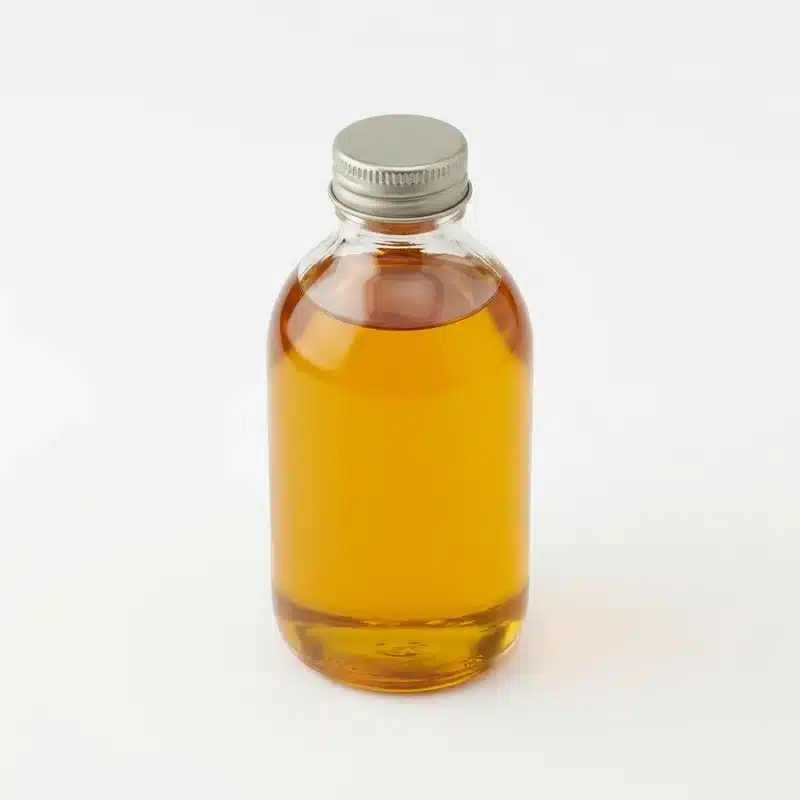
Flaxseed Oil Manufacturer & Bulk ALA Oil Supplier
Gensei supplies Dầu hạt lanh, còn được gọi là Dầu hạt lanh, Dầu hạt lanh, Linum usitatissimum Seed Oil, ALA Oil from Flaxseed, Alpha-Linolenic Acid Oil, Cold Pressed Flaxseed Oil, Refined Flaxseed Oil hoặc Softgel Grade Flaxseed Oil, for dietary supplement softgels, capsules, oil blends, gummies, sachets, drink powders and custom plant omega fatty acid premix manufacturing. We support supplement brands and contract manufacturers with bulk supply, ALA profile review, COA, specification review, sample coordination and global sourcing support.
Product Highlights
- Bulk flaxseed oil raw material for dietary supplement and plant omega-3 ALA formula manufacturing
- Derived from Linum usitatissimum seeds, with cold-pressed, refined, organic, softgel-grade oil or powder formats available according to project needs
- ALA content, fatty acid profile, peroxide value, anisidine value, acid value and freshness indicators can be reviewed according to specification and batch COA
- Suitable for softgels, capsules, oil blends, gummies, sachets, drink powders and custom supplement premixes
- COA, specification sheet, SDS, TDS, fatty acid profile, allergen statement, vegan statement and non-GMO documents available for qualified buyers
- Oxidation control, nitrogen protection, light-resistant packaging, refrigerated or cool storage and shelf-life planning should be reviewed before bulk purchase
- Focused on supplement ingredient sourcing, not medical, pharmaceutical, cosmetic, industrial, animal feed or therapeutic use
What Is Flaxseed Oil?
Flaxseed Oil is a botanical seed oil derived from Linum usitatissimum seeds and commonly sourced for its alpha-linolenic acid (ALA) content.
Dầu hạt lanh is an ALA-rich plant omega-3 oil obtained from flax seeds. In B2B supplement sourcing, it is commonly supplied as cold-pressed oil, refined oil, organic oil, softgel-grade oil, microencapsulated powder or custom oil blend. Buyers usually evaluate Flaxseed Oil by ALA percentage, linoleic acid content, oleic acid content, full fatty acid profile, peroxide value, anisidine value, acid value, TOTOX, free fatty acids, heavy metals, microbiology, odor, color, packaging, storage condition and destination market label requirements.
ALA Profile Review
Alpha-linolenic acid percentage is the key commercial specification for comparing flaxseed oil grades and calculating finished product input.
Oxidation Control
PV, pAV, TOTOX, acid value, antioxidant system, nitrogen protection and cool storage should be reviewed for oil freshness.
Supplement Supply Focus
Gensei supports supplement brands, OEM factories and contract manufacturers with bulk Flaxseed Oil sourcing and technical documentation.
Flaxseed Oil Specification Options
Final specifications depend on seed origin, processing method, ALA concentration, oil freshness, powder format, packaging and destination market requirements.
| Tham số | Typical Options for B2B Sourcing |
|---|---|
| Product Category | Flaxseed Oil / Flax Oil / Linseed Oil / Linum usitatissimum Seed Oil / ALA-Rich Plant Omega-3 Oil |
| Common Synonyms | Flaxseed Oil, Flax Oil, Linseed Oil, Linum usitatissimum Seed Oil, ALA Oil from Flaxseed, Alpha-Linolenic Acid Oil, Cold Pressed Flaxseed Oil, Refined Flaxseed Oil, Organic Flaxseed Oil, Softgel Grade Flaxseed Oil |
| Botanical Source | Seeds of Linum usitatissimum. Origin, crop year, processing country and supply chain documents should be confirmed by supplier documentation. |
| CAS Reference | Flaxseed Oil / Linseed Oil may be referenced as CAS 8001-26-1. It is a natural triglyceride mixture rather than a single compound. |
| Main Active Marker | Alpha-Linolenic Acid (ALA), a plant omega-3 fatty acid. Final ALA percentage should be confirmed by fatty acid profile and batch COA. |
| Typical ALA Content | Commercial flaxseed oil grades are often reviewed around 45%–60% ALA, with custom targets depending on seed variety, crop origin, processing and stock specification. |
| Fatty Acid Profile | ALA, linoleic acid, oleic acid, palmitic acid, stearic acid and other fatty acid components should be reviewed by batch profile. |
| Các biểu mẫu chính | Cold-pressed flaxseed oil, refined flaxseed oil, organic oil, softgel-grade oil, oil suspension, microencapsulated powder, beadlet or custom premix |
| Hình thức | Pale yellow, golden yellow, yellow to amber clear oil or powder format depending on grade, refining level and carrier system |
| Oxidation Indicators | Peroxide value, anisidine value, TOTOX, acid value, free fatty acids, antioxidant system and storage condition should be reviewed when applicable. |
| Organic / Conventional | Organic and conventional grades may be discussed according to supply availability, certificate requirements and destination-market label strategy. |
| Application Fit | Dietary supplement softgels, capsules, oil blends, gummies, chewables, sachets, drink powders and custom plant omega fatty acid premixes |
| Carrier Review | Oil formats may be carrier-free. Powder, beadlet or microencapsulated formats may include starch, gum, protein, emulsifier or antioxidant carriers. |
| Testing Items | ALA content, full fatty acid profile, PV, pAV, TOTOX, acid value, free fatty acids, heavy metals, microbiology, pesticides, moisture and carrier review upon request |
| Documents | COA, specification sheet, SDS, TDS, fatty acid profile, allergen statement, vegan statement, non-GMO statement, organic certificate where applicable, flow chart and technical files upon request |
| Đóng gói | Dark glass bottle, aluminum bottle, tin, nitrogen-flushed drum, IBC, foil bag, carton or customized packaging according to product form and order quantity |
| Lưu trữ | Store sealed in a cool, dry and light-protected environment. Protect from oxygen, heat, moisture and direct sunlight. Refrigerated or cool storage is often recommended for bulk oil freshness. |
Note: This table is for B2B sourcing reference. Final ALA content, fatty acid profile, processing method, oxidation specifications, organic status, packaging, shelf life and documents should be confirmed according to the actual batch and purchase agreement.
Flaxseed Oil vs. Fish Oil vs. Algal Oil
These omega ingredients are often compared, but they differ in source, fatty acid profile, label positioning and formulation behavior.
| Item | Dầu hạt lanh | Dầu cá | DHA Dầu tảo |
|---|---|---|---|
| Nguồn | Plant-derived oil from Linum usitatissimum seeds | Fish-derived marine oil from approved fish species | Microalgae-derived oil, often used for vegan DHA positioning |
| Main Omega-3 | ALA, a plant omega-3 fatty acid | EPA and DHA, depending on fish oil grade | DHA-focused, sometimes with EPA depending on algal strain and grade |
| Label Positioning | Flaxseed oil, flax oil, linseed oil or plant omega-3 oil depending on market rules | Fish oil, omega-3 fish oil, EPA/DHA fish oil or marine omega-3 | Algal DHA, vegan DHA, fish-free DHA or algal omega-3 |
| Buyer Check | Confirm ALA %, fatty acid profile, PV, pAV, acid value, origin, organic status and storage | Confirm fish species, EPA/DHA profile, oxidation indicators, fish allergen statement and contaminants | Confirm algal source, DHA content, vegan statement, carrier system and oxidation indicators |
Applications in Dietary Supplements
Gensei supplies Flaxseed Oil mainly for supplement and plant omega fatty acid nutrition projects rather than medical, pharmaceutical, cosmetic, industrial, animal feed or therapeutic applications.
Formulation Notes for Supplement Brands
Flaxseed Oil selection should be aligned with ALA input, oil freshness, delivery format, oxidation control, sensory target and destination market compliance.
ALA Content
Confirm ALA percentage and full fatty acid profile before calculating serving size, label amount and finished product input.
Cold-Pressed vs Refined
Compare cold-pressed, refined and organic grades according to flavor, color, clarity, shelf life and label positioning.
Oxidation Control
Review PV, pAV, TOTOX, acid value, antioxidant system, nitrogen flushing, oxygen exposure and cool storage strategy.
Carrier Declaration
Powder, beadlet and microencapsulated formats may include carriers or emulsifiers that must be reviewed for label declaration.
Taste & Odor
Gummies, chewables and powders should be tested for nutty note, oil note, bitterness, oxidation odor and flavor compatibility.
Supplement Facts Review
Final flaxseed oil amount, ALA amount, ingredient name, source declaration, serving size and warnings should be confirmed by the brand owner.
Tại sao nên chọn Gensei làm nhà cung cấp dầu hạt lanh của bạn?
Gensei provides procurement-oriented support for supplement brands and contract manufacturers sourcing bulk Flaxseed Oil and ALA-rich plant omega oils.
Supplement-Focused Supply
Our Flaxseed Oil support is focused on softgels, capsules, oil blends, gummies, sachets, drink powders and supplement premixes.
Specification Matching
We help match ALA percentage, processing method, oil format, powder format, oxidation indicators and application behavior to your project.
Document Support
COA, specification sheet, SDS, TDS, fatty acid profile, allergen statement, vegan statement and non-GMO documents can be provided for qualified buyers.
Application Matching
We support discussion around softgels, oil blends, capsules, gummies, sachets, drink powders and custom omega premixes.
Bulk Order Support
Packaging, MOQ, sample availability, lead time and shipment details can be discussed according to your project volume.
Global Supply Coordination
Gensei supports international buyers with quotation, sample coordination, documentation and export shipment planning.
Quality Control & Documentation
For Flaxseed Oil raw material purchasing, ALA profile, oxidation indicators, fatty acid profile, batch documentation and storage review are essential for supplier qualification.
Bảng phân tích thành phần theo lô
Certificate of Analysis can verify key batch parameters such as ALA content, fatty acid profile, PV, pAV, acid value and microbial limits.
Freshness & Oxidation Review
Peroxide value, anisidine value, TOTOX, antioxidant system and packaging protection help quality teams evaluate oil freshness.
Compliance Files
SDS, TDS, fatty acid profile, allergen statement, vegan statement, organic certificate when applicable, flow chart and oxidation report can support supplier approval.
Buyers should confirm botanical source, crop origin, processing method, ALA percentage, fatty acid profile, peroxide value, anisidine value, acid value, TOTOX, free fatty acids, heavy metals, microbiology, pesticides, allergen status, vegan statement, organic status, shelf life, packaging and storage conditions before placing bulk orders.
Bulk Ordering Process
Gensei helps supplement buyers move from specification review to quotation, sampling and shipment.
Câu hỏi thường gặp
Common questions from supplement brands, OEM manufacturers, contract manufacturers and ingredient buyers.
Dầu hạt lanh là gì?
Flaxseed Oil is a botanical seed oil obtained from Linum usitatissimum seeds. In supplement raw material sourcing, it is commonly evaluated by ALA content, fatty acid profile, oxidation indicators, packaging and storage conditions.
What is ALA in Flaxseed Oil?
ALA stands for alpha-linolenic acid, a plant omega-3 fatty acid used as the main active marker for flaxseed oil. Buyers should confirm ALA percentage and full fatty acid profile by batch COA.
Dầu lanh có giống dầu hạt lanh không?
Yes. Flax oil and flaxseed oil are commonly used names for the same food or supplement-grade oil from flax seeds. Linseed oil is also a synonym, although the term is often used for industrial grades, so buyers should confirm food-grade or supplement-grade documentation.
What is the difference between Flaxseed Oil and Fish Oil?
Flaxseed Oil is plant-derived and mainly provides ALA, while fish oil is marine-derived and commonly provides EPA and DHA. Buyers should compare fatty acid profile, allergen status, vegan suitability, oxidation indicators and label positioning before sourcing.
What is the difference between Flaxseed Oil and Algal Oil?
Flaxseed Oil mainly provides ALA from flax seeds, while algal oil is usually selected for DHA from microalgae. They have different fatty acid profiles, label positioning and formulation behavior.
What is cold pressed Flaxseed Oil?
Cold pressed Flaxseed Oil is obtained by mechanical pressing at low temperature. Buyers should review ALA profile, color, odor, peroxide value, acid value, storage condition and shelf life before sourcing.
Is Flaxseed Oil vegan?
Flaxseed Oil is plant-derived from flax seeds and is commonly suitable for vegan-positioned formulas when processing aids, carriers, softgel shell materials and supplier statements support the claim.
Is Flaxseed Oil fish free?
Flaxseed Oil is not sourced from fish. Buyers should still request allergen and cross-contact statements if fish-free positioning is required for the finished supplement.
Can Flaxseed Oil be used in softgels?
Yes. Flaxseed Oil is commonly evaluated for softgel formulas. Formulators should review oil fill, capsule shell compatibility, antioxidant system, oxidation indicators and finished product stability.
Can Flaxseed Oil be used in gummies?
Flaxseed Oil can be evaluated for gummies, especially in microencapsulated or powder formats. Formulators should review ALA input, carrier declaration, taste, odor, pH, texture and oxidation stability.
Can Flaxseed Oil be used in drink powders?
Flaxseed Oil can be evaluated for drink powders, sachets and stick packs when using suitable powder, beadlet or microencapsulated formats. Buyers should confirm dispersion, sediment, taste, odor and finished product stability.
What quality indicators should be checked?
Buyers should review ALA percentage, fatty acid profile, peroxide value, anisidine value, TOTOX, acid value, free fatty acids, heavy metals, microbiology, packaging and storage conditions.
What documents can I request before ordering?
Qualified B2B buyers can request COA, specification sheet, SDS, TDS, fatty acid profile, allergen statement, vegan statement, non-GMO statement, organic certificate when applicable, flow chart, oxidation report and other technical files depending on the selected grade.
What is the MOQ for Flaxseed Oil?
MOQ depends on product form, ALA percentage, stock status, packaging, order quantity and destination market. Please contact Gensei with your required grade and purchase quantity for a detailed quotation.
How should Flaxseed Oil be stored?
Flaxseed Oil should generally be stored sealed in a cool, dry and light-protected environment. Avoid heat, moisture, oxygen exposure and strong light. Bulk oil may require nitrogen protection and refrigerated or cool storage.
Does Gensei supply Flaxseed Oil for medical, pharmaceutical, cosmetic or industrial use?
This page is focused on B2B dietary supplement ingredient sourcing. If a project involves pharmaceutical, medical food, infant formula, cosmetic, industrial or therapeutic applications, the required grade, documentation and regulatory pathway should be confirmed separately.
Source Bulk Flaxseed Oil from Gensei
Looking for a Flaxseed Oil manufacturer or bulk ALA oil supplier for dietary supplements? Contact Gensei to request quotation, COA, specification, ALA profile, fatty acid profile, MOQ, sample availability and global shipping support.
Disclaimer: This product information is intended for B2B dietary supplement ingredient sourcing and formulation reference only. It is not intended to diagnose, treat, cure or prevent any disease. Flaxseed Oil ingredient selection should be reviewed by botanical source, ALA content, fatty acid profile, oil or powder format, oxidation indicators, carrier system, label declaration, Supplement Facts requirements, allergen status, vegan suitability, warning statements, import requirements and destination-market regulations. Regulatory status and permitted claims may vary by country, platform and finished-product category. Final supplement claims, dosage, labeling, warning statements, ingredient declaration, product classification and market compliance should be reviewed according to applicable regulations in the destination market.