In today’s high-velocity world, chronic stress has become a silent epidemic, affecting everything from our sleep quality to our metabolic health. While the “fight or flight” response was once a survival mechanism, it now often stays permanently “on,” leading to burnout and fatigue. Fortunately, a powerful shift toward natural wellness is occurring.
This guide explores the 9 best herbal supplements for stress, focusing on a unique class of botanicals known as adaptogens and nervines. These plants don’t just mask symptoms; they work bio-chemically to balance your nervous system and regulate cortisol levels. Whether you are looking for “alert relaxation” during a busy workday or a way to quiet a racing mind at night, understanding the science behind these herbs is the first step toward reclaiming your calm.
How Herbal Supplements Combat Stress
Understanding how herbal supplements manage stress requires looking past the “calming” labels and into the human nervous system. Unlike pharmaceutical interventions that may target a single receptor, botanical compounds often work through pleiotropic effects—meaning they influence multiple pathways at once to restore homeostasis.
1. Regulating the HPA Axis
The primary mechanism for most anti-stress herbs is the modulation of the Hypothalamic-Pituitary-Adrenal (HPA) axis. When you encounter a stressor, your HPA axis triggers the release of glucocorticoids, primarily cortisol.
While cortisol is essential for life, chronic elevation leads to systemic inflammation, sleep disruption, and “brain fog.” Adaptogenic herbs act as a thermostat for this system; they “turn down” the response when it’s too high and support it when it’s depleted, preventing the physiological crash associated with burnout.
2. The Power of Adaptogens
The term “adaptogen” is a specific pharmacological classification. To be considered an adaptogen, an herb must:
- Be non-toxic to the user in normal doses.
- Support the entire body’s ability to resist stressors (physical, chemical, or biological).
- Have a normalizing influence on physiology, regardless of the direction of the change caused by the stressor.
By increasing the production of chaperone proteins (such as heat shock proteins), adaptogens help repair misfolded proteins caused by stress and protect cells from oxidative damage.
3. Nervines and GABAergic Support
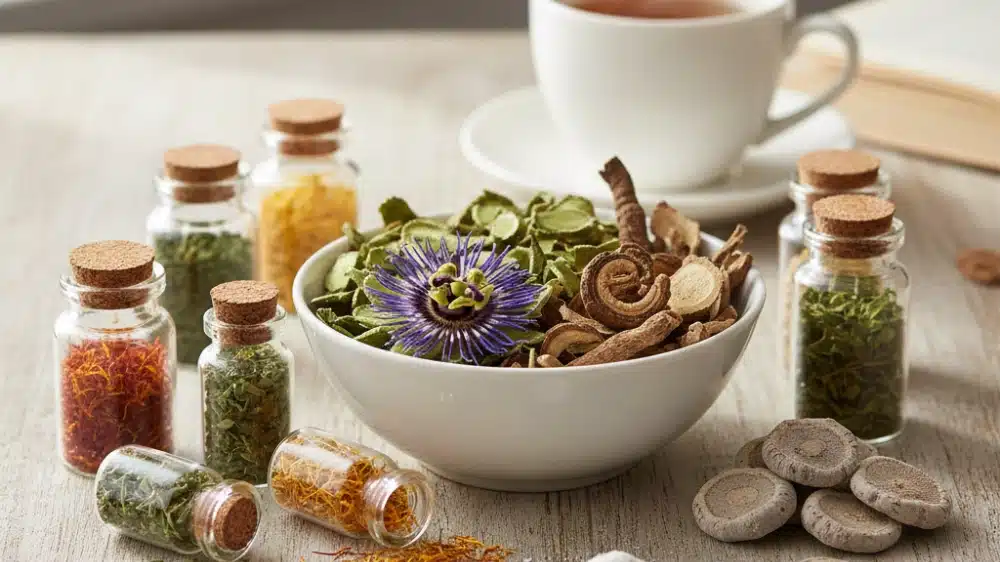
While adaptogens work on the long-term endocrine system, nervines (like Passionflower or Lemon Balm) provide more immediate relief to the nervous system. Many of these herbs work by increasing the availability or sensitivity of GABA (Gamma-Aminobutyric Acid), the body’s primary inhibitory neurotransmitter.
By enhancing GABAergic signaling, these supplements effectively “slow down” the firing of overstimulated neurons, reducing the physical sensations of anxiety, such as a racing heart or muscle tension.
4. Antioxidant Protection for the Brain
Stress creates oxidative stress. High cortisol levels can be neurotoxic, particularly to the hippocampus—the brain’s center for memory and emotional regulation. Many herbal supplements are rich in polyphenols and flavonoids that cross the blood-brain barrier to neutralize free radicals, protecting your cognitive function from the damaging “wear and tear” of a high-pressure lifestyle.
The 9 Best Herbal Supplements for Stress: A Science-Backed Review
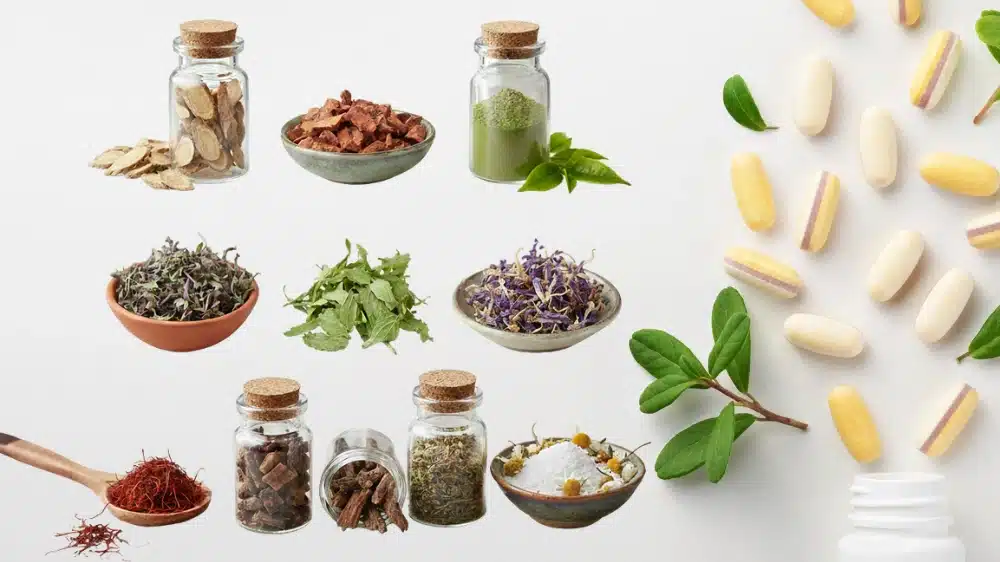
Not all stress is created equal. Some of us experience the “tired but wired” feeling of burnout, while others struggle with acute mental fog or nighttime restlessness. Here are the top 9 botanicals that have shown significant clinical promise in 2026.
1. Ashwagandha (Withania somnifera) – The Cortisol Regulator
Ashwagandha is the most researched adaptogen for modern stress. It works primarily by modulating the HPA axis to lower circulating cortisol.
- Best For: Chronic stress, persistent anxiety, and cortisol-driven weight gain.
- Evidence: Meta-analyses in 2025-2026 confirmed that standardized extracts (containing at least 5% withanolides) can reduce stress scales by up to 44%.
2. Rhodiola Rosea – The Burnout Fighter
Rhodiola is known as a “stimulating adaptogen.” It helps prevent the mental and physical exhaustion associated with long-term pressure.
- Best For: Enhancing mental performance during sleep deprivation and reducing “burnout” fatigue.
- Evidence: Research shows Rhodiola helps balance neurotransmitters like dopamine and serotonin while blunting the cortisol awakening response.
3. L-Theanine – The Alert Relaxation Agent
Technically an amino acid found in green tea, L-Theanine is a staple in herbal stress formulas for its ability to induce “alpha brain waves.”
- Best For: Daytime focus without the jitters; perfect for high-pressure work environments.
- Evidence: Studies show it reduces the heart rate response to stressful tasks within 30–60 minutes of ingestion.
4. Holy Basil (Tulsi) – The “Liquid Yoga”
An Ayurvedic treasure, Holy Basil acts as an anti-depressant and anti-anxiety herb that protects organs and tissues against chemical stress.
- Best For: Emotional turbulence and metabolic stress.
- Evidence: It has been shown to improve sleep quality and reduce forgetfulness caused by high-stress loads.
5. Lemon Balm (Melissa officinalis) – The Mood Lifter
A member of the mint family, Lemon Balm has been used since the Middle Ages to reduce excitability and digestive upset caused by nerves.
- Best For: High irritability, “nervous stomach,” and mild anxiety.
- Evidence: It inhibits the enzyme GABA-transaminase, keeping more calming GABA available in the brain.
6. Passionflower (Passiflora incarnata) – The Mind-Quieter
Passionflower is a potent nervine that is often compared to mild pharmaceutical sedatives but without the heavy side effects.
- Best For: Circular thinking (rumination) and difficulty “switching off” at night.
- Evidence: Clinical trials have found it as effective as certain benzodiazepines for generalized anxiety symptoms in short-term use.
7. Saffron – The Emotional Balancer
Saffron is the world’s most expensive spice, but its extract is a powerhouse for mood support and emotional resilience.
- Best For: Stress-related mood dips and “stress eating” control.
- Evidence: 2026 studies highlight its ability to increase serotonin levels naturally, making it a “sunny” alternative for emotional stress.
8. Valerian Root – The Sleep Catalyst
Valerian is the go-to herb for stress that migrates into the bedroom. It acts as a natural sedative by increasing GABA signaling.
- Best For: Stress-induced insomnia and physical muscle tension.
- Evidence: It is most effective when used consistently for 2–4 weeks rather than as a one-time “rescue” dose.
9. Magnesium (Herbal-Infused) – The “Chill” Mineral
While a mineral, magnesium is often paired with herbs like Chamomile or Skullcap in supplement form to maximize its systemic relaxation effects.
- Best For: Muscle cramps, tension headaches, and “fidgety” stress.
- Evidence: Magnesium Glycinate is the preferred form for stress as it has high bioavailability and is gentle on the digestive tract.
Recommended Brands: Comparing the Top Contenders
Choosing the right brand is as important as choosing the right herb. The efficacy of an herbal supplement is determined by its extraction method and purity. Below is a comparison of leading brands based on clinical research and industry standards.
Brand Comparison at a Glance
| Brand & Target | Key Formula | Differentiator | Trust & Quality |
|---|---|---|---|
| Best Overall Transparent Labs | KSM-66® Ashwagandha (600mg) | Clinically effective doses with zero artificial fillers or additives. |
|
| Best for Athletes Thorne | Rhodiola & Magnesium Glycinate | Practitioner-grade formulas optimized for recovery and physical stress. |
|
| Best Absorption Gaia Herbs | Liquid Phyto-Caps® (Ashwagandha/Holy Basil) | Concentrated liquid extracts in capsule form for rapid delivery. |
|
| High Potency Nootropics Depot | Shoden® Ashwagandha (35% Withanolides) | The highest concentration of active compounds available in the 2026 market. |
|
| Allergy Friendly Pure Encapsulations | Single-Ingredient L-Theanine | Hypoallergenic, ultra-pure formulations for sensitive individuals. |
|
Which Brand is Right for You?
- For the High-Performance Professional: Transparent Labs and Thorne are recommended for those who need reliable, “clean” labels. Thorne’s Magnesium Bisglycinate is particularly effective for high-stress individuals who struggle with physical tension.
- For the “Pill-Averse” or Fast Relief: Gaia Herbs is the standout choice. Their liquid extracts bypass the long digestion time of traditional tablets, making them ideal for acute stress support.
- For Maximum Clinical Potency: Nootropics Depot is often preferred by “biohackers” and those looking for the strongest possible extract. Their Shoden® Ashwagandha is one of the most potent on the market, requiring a much smaller dose for the same stress-lowering effect.
Buyer’s Guide: What to Look for on a Supplement Label
To ensure you are getting a therapeutic grade product that actually lowers cortisol and supports your nervous system, look for these four “Gold Standard” indicators.
1. The “Standardized” Stamp
Standardization is the only way to guarantee that every capsule contains a consistent amount of the herb’s active, stress-fighting compounds.
- What to look for: A percentage next to the active ingredient.
- Example: Ashwagandha standardized to 5% Withanolides.
- Example: Rhodiola Rosea standardized to 3% Rosavins.
- Why it matters: Without this, you may just be buying powdered root with very little biological activity.
2. Specific Plant Parts Used
The medicinal compounds in stress-relief herbs are often concentrated in specific areas of the plant.
- The Root Rule: For herbs like Ashwagandha and Valerian, the label should specify “Root Extract.”
- Avoid “Aerial Parts”: Some lower-quality brands use the leaves and stems (aerial parts) to bulk up the product, but these often lack the clinical potency of the roots.
3. Third-Party Verification Seals
Since the FDA regulates supplements as food rather than drugs, independent testing is the best way to verify purity. In 2026, look for these specific logos on the back or side of the bottle:
- NSF / NSF Certified for Sport: Guarantees the product contains exactly what is on the label and no banned substances.
- USP (U.S. Pharmacopeia): Verifies that the supplement will actually break down and release into your body properly.
- Clean Label Project: Tests specifically for heavy metals like lead and arsenic, which can sometimes be found in soil-grown herbs.
4. Transparent “Other Ingredients”
The best herbal supplements for stress have “clean” labels. Flip the bottle over and check the section below the Supplement Facts.
- What to avoid: Artificial dyes (like FD&C Blue No. 2), titanium dioxide, and excessive fillers like hydrogenated oils.
- What to look for: Hypoallergenic fillers like rice flour or simple vegetable cellulose capsules (hypromellose).
Safety and Precautions
To ensure your path to calm is safe and effective, keep these modern safety guidelines in mind before starting any new herbal regimen.
1. Key Contraindications & Side Effects
Most well-known stress herbs are well-tolerated when used at recommended dosages for short to medium terms (up to 3 months). However, some specific risks exist:
- Ashwagandha: Rare cases of liver injury have been reported in 2025-2026, particularly with high-dose extracts. It may also cause drowsiness, stomach upset, or mild diarrhea.
- Rhodiola Rosea: Some users report dizziness, dry mouth, or excessive saliva. Due to its stimulating nature, it may cause agitation if taken too late in the day.
- Passionflower & Valerian: These are potent nervines. Side effects can include confusion, dizziness, and significant morning-after sleepiness if the dose is too high.
2. Significant Drug Interactions
If you are taking prescription medications, the risk of a “herb-drug interaction” is the most critical factor to consider.
- Thyroid Medications: Ashwagandha can increase thyroid hormone levels, potentially making thyroid medications (like Levothyroxine) too potent.
- Autoimmune Conditions: Herbs like Ashwagandha and Rhodiola may stimulate the immune system, which could interfere with immunosuppressant drugs used for MS, Lupus, or RA.
- Blood Sugar & Blood Pressure: Many adaptogens naturally lower blood sugar and pressure. If you are on diabetes medications or antihypertensives, your levels could drop too low (hypoglycemia or hypotension).
- Sedatives: Taking Valerian, Passionflower, or Ashwagandha alongside benzodiazepines or CNS depressants can lead to excessive sedation and respiratory slowing.
3. Pregnancy and Breastfeeding
The 2026 guidelines for pregnancy remain cautious due to a lack of long-term human data.
- The Golden Rule: Avoid most medicinal herbs for stress during pregnancy and nursing.
- Ashwagandha: Considered “Likely Unsafe” during pregnancy, as there is some evidence it may cause uterine contractions or even miscarriage.
- Nervines: Passionflower and Valerian should be avoided as they may affect fetal development or pass through breast milk, causing lethargy in infants.
- Safe Alternatives: Gentle “food-grade” teas like Lemon Balm, Peppermint, or Chamomile (in moderate amounts) are generally considered safer alternatives, but always consult your midwife or physician first.
The Future of Stress Relief: Precision Manufacturing
The evolution of herbal supplements for stress is being driven by three major technological advancements in manufacturing. These innovations are changing how we experience natural relief:
1. Advanced Bioavailability & Nano-Delivery
The biggest challenge with herbal extracts has historically been absorption. Many potent compounds, like the curcumin in Turmeric or the withanolides in Ashwagandha, are not easily absorbed by the human digestive tract.
- The Future: Manufacturers are now using liposomal delivery and nano-emulsification to wrap herbal molecules in protective fat layers. This allows the supplements to bypass stomach acid and enter the bloodstream directly, offering faster relief with lower dosages.
2. Synergistic “Stacking” Technology
Precision manufacturing allows for complex “stacks”—combining adaptogens with minerals and amino acids in a single, time-released capsule.
- The Future: Imagine a single capsule that releases L-Theanine immediately for morning calm, followed by a steady release of Rhodiola for mid-day stamina, and ending with a late-afternoon release of Magnesium. This “chronotherapy” approach ensures the body gets exactly what it needs at the right biological moment.
3. Standardization 2.0 (Fingerprinting)
Beyond simple percentages, the future of manufacturing lies in High-Performance Liquid Chromatography (HPLC) “fingerprinting.” This ensures that the herb doesn’t just have one active compound, but the full spectrum of phytochemicals intended by nature, verified by digital mapping.
FAQs
conclusion
In 2026, the journey toward stress resilience has moved away from quick fixes and toward a more balanced, botanical-centered approach. By integrating science-backed herbal supplements like Ashwagandha, Rhodiola, and L-Theanine into your daily routine, you aren’t just masking the symptoms of a high-pressure life—you are actively training your body to find its way back to calm.
The key to success lies in consistency, quality, and precision. As we have explored, the difference between a supplement that works and one that sits on the shelf comes down to the integrity of its manufacturing: the purity of its extraction, the accuracy of its standardization, and the transparency of its label. By prioritizing third-party tested brands and understanding the unique needs of your own nervous system, you can effectively navigate the modern world with greater ease and emotional stability.
Bring your vision to life with Gensei’s expert manufacturing. From custom formula development to premium packaging, we ensure your products meet the highest industry standards.
Contact Gensei Todayreferences
- National Center for Complementary and Integrative Health (NCCIH) – Ashwagandha.https://www.nccih.nih.gov/health/ashwagandha
- NCCIH – Rhodiola Rosea.https://www.nccih.nih.gov/health/rhodiola
- NCCIH – Passionflower.https://www.nccih.nih.gov/health/passionflower
- NCCIH – Valerian Root.https://www.nccih.nih.gov/health/valerian
- National Institutes of Health (NIH) Office of Dietary Supplements – Magnesium.https://ods.od.nih.gov/factsheets/Magnesium-HealthProfessional/
- U.S. Food and Drug Administration (FDA) – Dietary Supplements.https://www.fda.gov/food/dietary-supplements
- Pubmed – HPA Axis & Adaptogens Study.https://pubmed.ncbi.nlm.nih.gov/30588640/
- U.S. Pharmacopeia (USP) – Verified Dietary Supplements.https://www.usp.org/services/usp-verified-dietary-supplements
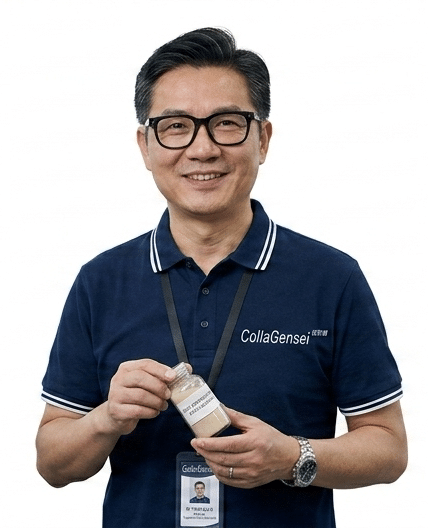
Warren Wan is a seasoned expert with extensive experience in the dietary supplement supply chain, possessing rich practical experience in the research, development, process control, and global sourcing of core ingredients such as collagen peptides, bone broth protein, and keratin. As the author of this column, he is dedicated to stripping away the marketing packaging, transforming obscure ingredient science and production quality control standards into easy-to-understand, hardcore science popularization, helping readers understand the truth behind the labels and make more rational health choices.