
Collagen has rapidly evolved from a niche beauty secret to a cornerstone of modern wellness. From stir-in powders to specialized capsules, millions of people now rely on this powerhouse protein to support skin elasticity, strengthen hair and nails, and promote joint longevity. As the most abundant protein in the human body, its benefits are well-documented; however, as its popularity has surged, so has a specific digestive concern that many users are hesitant to discuss: Can collagen peptides cause constipation?

Yes, collagen peptides can cause constipation in some individuals, but it is rarely the collagen itself that is the culprit.
Instead, digestive issues are typically triggered by a sudden increase in dietary protein, insufficient water intake, or sensitivities to specific additives found in lower-quality supplements. This article dives deep into why this happens, how your body processes these specific amino acids, and the simple adjustments you can make to enjoy the benefits of collagen without the digestive distress.
What Happens in Your Gut When You Take Collagen?
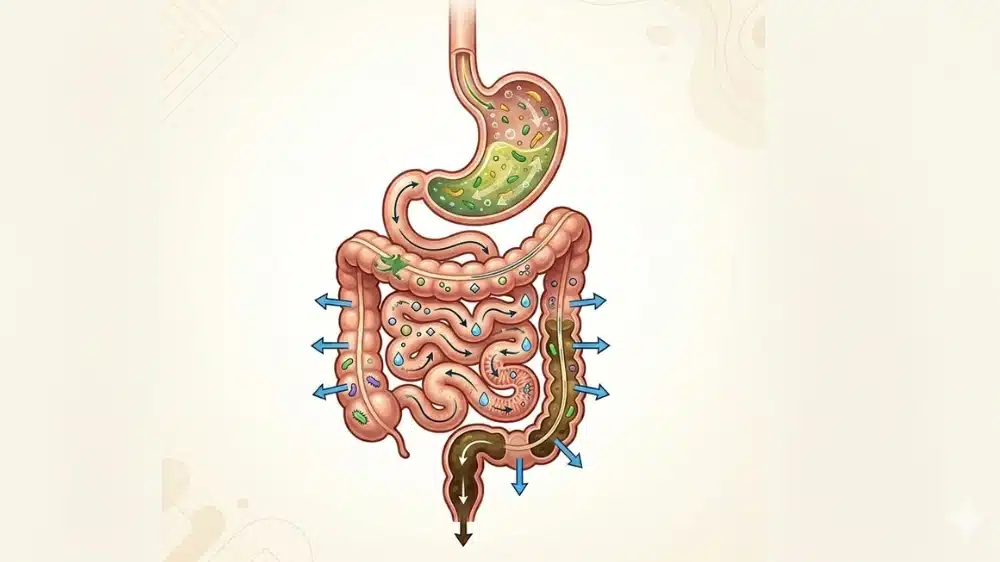
To understand why some people experience digestive changes, it is essential to first look at how the body processes this specific supplement. Unlike a steak or a piece of chicken—which are complex, long-chain proteins—most high-quality collagen supplements come in the form of collagen peptides. These have undergone a process called hydrolysis, where large collagen fibers are enzymatically broken down into much shorter chains of amino acids.
When you consume these peptides, the journey through your digestive system is typically more efficient than that of “whole” proteins:
Because the collagen is already “pre-digested” through hydrolysis, it requires less stomach acid and pepsin to break down. This is why many wellness experts refer to collagen as having high bioavailability; it is essentially ready for absorption.
Here, the peptides are further reduced into individual amino acids—primarily glycine, proline, and hydroxyproline. These are then absorbed through the intestinal wall and into the bloodstream.
Interestingly, collagen is often used to support gut health. The amino acids it provides, particularly glutamine and glycine, are the building blocks used to repair and maintain the integrity of the intestinal lining, which is why it is frequently recommended for those managing “leaky gut” or general inflammation.
While this process is streamlined, the sudden introduction of a concentrated amino acid source can still signal a change to your metabolic rhythm. Even though the body is designed to absorb these nutrients, the speed and volume at which they enter the system can occasionally overwhelm a digestive tract that isn’t prepared for the shift.
Why Might Collagen Cause Constipation?
If collagen peptides are “pre-digested” and generally supportive of gut health, why does the scale sometimes tip toward constipation? It is rarely the collagen molecule itself that causes the issue, but rather how its introduction affects the delicate balance of your digestive ecosystem.
Here are the primary physiological triggers for collagen-related “backup”:
1. The “Protein-to-Fiber” Imbalance
When you add collagen to your diet, you are increasing your daily protein intake. Protein is inherently more complex for the body to process than carbohydrates. If you significantly increase your protein consumption without a corresponding increase in dietary fiber, the transit time of waste through your colon can slow down. High-protein, low-fiber diets are a classic recipe for harder stools and decreased frequency.
2. Increased Metabolic Water Demand
The body requires water to metabolize and transport amino acids. When you supplement with concentrated peptides, your kidneys and digestive tract draw more water from your system to process them. If you aren’t drinking extra water to compensate for this new demand, the colon will reabsorb moisture from the waste material, leading to dehydration-induced constipation.
3. Additives, Fillers, and Sweeteners
Not all collagen is created equal. Many retail-grade powders contain secondary ingredients designed to improve taste or shelf life, such as:
- Artificial Sweeteners: Sugar alcohols (like erythritol or xylitol) can cause bloating or digestive shifts.
- Thickeners: Gums (like xanthan or guar gum) are often used to improve “mouthfeel” but can be fermentable fibers that cause gas and constipation in sensitive individuals.
- Low-Purity Processing: If the collagen isn’t highly purified, residual compounds from the extraction process can irritate the gut lining.
4. Pre-existing Sensitivities
While rare, some individuals have sensitivities to the source material. For example, those with a histamine intolerance might react to certain marine collagen sources, while those with specific protein allergies may find bovine or poultry peptides difficult to process if the hydrolysis isn’t complete.
How to Prevent Digestive Side Effects from Collagen?
If you have experienced a change in your digestive regularity after starting a collagen regimen, there is no need to discard your supplements. In most cases, the body simply requires a transition period and a few strategic lifestyle adjustments to handle the increased protein intake. By following these evidence-based steps, you can eliminate “backup” and ensure your gut remains as healthy as your skin.
1. The “Low and Slow” Titration Method
The most common mistake users make is jumping immediately to a full daily serving (usually 10–20 grams). If your digestive system isn’t accustomed to concentrated peptide supplementation, this sudden influx can cause a metabolic “shock.”
- The Strategy: Start with just one-quarter or one-half of the recommended scoop for the first week. This allows your stomach acid production and enzyme activity to gradually scale up.
- The Goal: Once your body demonstrates it can process the smaller dose without bloating or changes in stool consistency, increase the dosage by a small amount every 5–7 days until you reach the full serving.
2. Optimize Your Hydration Strategy
As discussed, collagen metabolism places a higher demand on your body’s water reserves. If you are already borderline dehydrated, the colon will prioritize reabsorbing water from waste, leading to hard, difficult-to-pass stools.
- The Strategy: Do not just drink more water; time your hydration. Aim to drink 8–12 ounces of water specifically when you take your collagen. Throughout the day, ensure you are hitting a baseline of roughly 30–35ml of water per kilogram of body weight.
- Pro-Tip: Adding a pinch of sea salt or an electrolyte dropper to your water can help the moisture actually enter your cells and the intestinal lumen rather than just passing straight through your system.
3. Pair with “Metabolic Helpers” (Fiber and Vitamin C)
Collagen is a specialized protein, but it doesn’t work in a vacuum. To prevent it from slowing down your transit time, you must provide the “roughage” necessary to keep things moving.
- Fiber Syncing: Instead of taking collagen in plain water, try mixing it into a fiber-rich smoothie containing spinach, chia seeds, or flaxseeds. The insoluble fiber acts as a broom for the digestive tract, ensuring the protein doesn’t linger too long in the colon.
- The Vitamin C Connection: Vitamin C is a critical co-factor for collagen synthesis. Taking it alongside your peptides not only improves the effectiveness of the supplement but can also have a mild osmotic effect in the gut, helping to draw moisture into the stool.
Nutrient Synergy for Digestive Health
| Cofactor | Role in Digestion | Best Food Sources |
|---|---|---|
| Vitamin C | Essential for collagen synthesis; provides a mild osmotic effect to draw water into the colon. | Camu camu, acerola cherry, citrus, bell peppers. |
| Insoluble Fiber | Acts as “roughage” to sweep protein peptides through the GI tract, preventing stagnation. | Chia seeds, flaxseeds, leafy greens, psyllium husk. |
| Magnesium | Relaxes the intestinal muscles and helps trigger peristalsis (the wave-like movement of waste). | Pumpkin seeds, magnesium citrate/glycinate supplements. |
| Proteolytic Enzymes | Assists in breaking down complex protein bonds, reducing the digestive load on the stomach. | Papaya (papain), Pineapple (bromelain), or enzyme blends. |
4. Timing and Gastric Motility
Taking a large dose of protein right before bed can slow down the “Migrating Motor Complex” (MMC)—the wave-like muscle contractions that clean out your gut while you sleep.
- The Strategy: Try taking your collagen in the morning or early afternoon. Being physically active after consumption (even just a 15-minute walk) stimulates peristalsis, the muscle contractions that move food through the digestive tract.
5. Audit Your Supplement Purity
Sometimes the issue isn’t the collagen, but the “hitchhikers” in the formula. If you are doing everything right and still feel constipated, look at your label for:
- Gums and Thickeners: Ingredients like xanthan gum or carrageenan can cause significant bloat and constipation in sensitive individuals.
- Incomplete Hydrolysis: Lower-quality collagen may not be fully hydrolyzed. Larger protein fragments are much harder for the gut to break down. Switching to a highly purified, low-molecular-weight peptide often resolves the issue instantly.
How Collagen Peptides Support the Intestinal Barrier
While the primary concern for some users is whether collagen might slow down their digestion, the biological reality is that high-quality peptides are often a secret weapon for gut health. Your intestinal lining is a vast, delicate barrier responsible for absorbing nutrients while keeping harmful toxins out of your bloodstream. This barrier relies heavily on a constant supply of specific amino acids to maintain its integrity—a role that collagen is uniquely suited to fill.
The “Glue” of the Gut Lining
The term “collagen” is derived from the Greek word kolla, meaning glue, and this is exactly how it functions within your digestive tract. The gut wall is composed of a single layer of epithelial cells held together by “tight junctions.” When these junctions weaken—a condition often referred to as “leaky gut”—it can lead to systemic inflammation and irregular bowel movements. Collagen provides a concentrated source of Glycine and Proline, the primary amino acids used by the body to synthesize the connective tissue that reinforces this intestinal wall. By supporting these tight junctions, collagen helps regulate the transit of waste and the absorption of water, which are the two most critical factors in preventing constipation.
Fueling Cellular Repair
Your gut lining is one of the most rapidly regenerating tissues in the human body, completely replacing itself every few days. This constant turnover requires an immense amount of cellular fuel.
- Glutamine and Glycine: Collagen is rich in these amino acids, which serve as a direct energy source for the enterocytes (gut cells).
- Inflammation Control: By providing the raw materials needed for repair, collagen helps soothe the intestinal mucosa. A healthy, non-inflamed gut moves waste more efficiently through the system via peristalsis—the wave-like muscle contractions that prevent “backup.”
The Microbiome Connection
Emerging research suggests that collagen peptides may also play a role in supporting your “good” bacteria. While collagen is not a traditional fiber, its amino acids can be utilized by certain beneficial microbes in the large intestine. By fostering a balanced microbiome, collagen indirectly supports the production of short-chain fatty acids (SCFAs). These fatty acids are essential for maintaining colon motility and ensuring that stools remain soft and easy to pass. Rather than being a cause of constipation, a high-purity, low-molecular-weight collagen supplement can actually serve as a long-term investment in a smoother-running digestive system.
Molecular Weight and the “Solubility Secret”
To truly understand why some collagen products cause digestive sluggishness while others seem to disappear into your system, you have to look at the science of molecular weight. In the world of supplements, the size of the protein really does matter. The weight of collagen is measured in Daltons (Da), and this number is the “secret code” that determines how your gut—and your glass of water—will react to the powder.
Comparing Collagen Forms by Digestibility
| Form of Collagen | Avg. Molecular Weight | Digestive Impact |
|---|---|---|
| Native Collagen (Food) | ~300,000 Daltons | Requires significant stomach acid and heavy enzymatic breakdown; slow transit. |
| Gelatin | ~100,000 Daltons | Gels in the stomach; can cause a feeling of “fullness” or bloating in sensitive individuals. |
| Hydrolyzed Peptides | 2,000 – 5,000 Daltons | Highly soluble; rapid absorption in the small intestine; minimal digestive effort required. |
The Dalton Divide: Peptides vs. Gelatin
Native collagen, the kind found in bone broth or a steak, has a massive molecular weight of around 300,000 Daltons. Gelatin, which is partially broken-down collagen, sits at around 100,000 Daltons. While gelatin is great for making gummies, its large structure makes it “heavy” in the digestive tract. It forms a gel-like substance in the stomach that can slow down gastric emptying, leading to that uncomfortable, bloated “brick in the stomach” feeling.
True collagen peptides, however, undergo an intensive enzymatic hydrolysis process to bring that weight down significantly—typically between 2,000 and 5,000 Daltons. At this microscopic size, the collagen is considered “low molecular weight,” which changes everything for your digestion.
Why Solubility Prevents Constipation
The “Solubility Secret” is simple: the smaller the molecule, the faster it dissolves and the easier it is for your small intestine to absorb.
- Rapid Absorption: Low-molecular-weight peptides are so small that they can pass through the intestinal wall almost immediately. Because they are absorbed quickly in the upper part of the digestive tract, they don’t linger in the colon where they might otherwise draw moisture away from waste material.
- No “Clumping” in the Gut: High-purity peptides are highly soluble, meaning they won’t clump or form a sticky mass in your intestines. Poorly processed collagen with a higher molecular weight can be less soluble, potentially contributing to the mechanical slowing of your digestive transit.
Identifying High-Efficiency Peptides
When a collagen powder is truly high-quality, it should dissolve completely in cold water without leaving a trace, grit, or residue. This visual solubility is a direct indicator of its molecular weight. If your supplement leaves “clumps” or a film on your glass, it is likely a higher-molecular-weight product that will require much more effort from your digestive enzymes to break down. To avoid constipation, the goal is always to choose a product that prioritizes purity and ultra-low molecular weight, ensuring that the “glue” that builds your skin doesn’t become the glue that slows down your gut.
Top Collagen Brand Recommendations for Your Routine
When selecting a collagen supplement specifically to avoid digestive issues like constipation, the goal is to find products that prioritize high solubility, minimal additives, and a proven track record of purity. Below are several reputable brands that offer high-quality retail options for various lifestyle needs.
| Brand | Best For… | Key Advantage |
|---|---|---|
|
Vital Proteins
|
GENERAL WELLNESS
|
Their “blue tub” peptides are widely available and include hyaluronic acid and Vitamin C, which help with both skin hydration and digestive transit. |
|
Ancient Nutrition
|
GUT FOCUS
|
Formulated with probiotics (Bacillus coagulans), this multi-collagen blend is specifically designed to support a balanced gut microbiome while providing protein. |
|
Sports Research
|
ACTIVE LIFESTYLES
|
Known for exceptional solubility, these peptides dissolve almost instantly, reducing the risk of “clumping” in the digestive tract. It is also Informed Choice certified. |
|
Thorne
|
PRECISION & PURITY
|
A top choice for those with extreme sensitivities. Thorne’s Collagen Plus is NSF Certified for Sport and undergoes rigorous third-party testing to ensure zero hidden fillers. |
|
Needed
|
PRENATAL
|
Ethically sourced and hormone-free; a highly purified option for women whose digestive systems are already under pressure due to pregnancy or postpartum recovery. |
If you plan to stir your collagen into a morning beverage, Sports Research or Vital Proteins are the gold standard for dissolving without a trace.
If you have a history of bloating, Ancient Nutrition or Thorne provide the cleanest profiles with added gut-supportive ingredients.
Orgain offers a high-quality, grass-fed hydrolyzed option that meets strict CGMP standards at a more accessible price point.
While these retail brands offer excellent solutions for consumers, their effectiveness ultimately depends on the quality of the raw materials used during manufacturing. Behind the scenes, the highest-tier products rely on advanced technology and stringent sourcing to ensure the peptides remain bioavailable and gut-friendly.
fAQs
Conclusion
Navigating the world of dietary supplements often requires a fine-tuned balance between achieving aesthetic goals and maintaining internal comfort. As we have explored, while collagen is an incredible tool for structural health, it is not a “one-size-fits-all” solution that works in isolation. Digestive regularity is a complex interplay of hydration, fiber intake, and the purity of the nutrients you consume. By starting with smaller doses, staying hydrated, and understanding the science of molecular weight, you can easily bypass the discomfort of constipation and unlock the full potential of this vital protein.
While many consumers focus on the label at the front of the bottle, the true efficacy of any collagen supplement is determined in the laboratory long before it reaches the shelf. This is where Gensei sets the global standard. As a premier collagen peptides manufacturer, Gensei operates at the intersection of nature and science, serving as the trusted backbone for the world’s leading nutrition and beauty brands.
Gensei’s position as a global leader in the collagen peptides manufacturing industry is built on three uncompromising pillars:
- Cutting-Edge Hydrolysis Technology: Gensei utilizes advanced enzymatic processes to ensure its peptides consistently achieve an ultra-low molecular weight. This “solubility secret” ensures that Gensei’s collagen is exceptionally bioavailable and easy on the digestive tract, eliminating the heavy, “clumping” effect often found in inferior products.
- Premium & Sustainable Sourcing: Leveraging a vast, ethical supply chain, Gensei produces high-purity collagen from bovine, marine, and poultry sources. This variety allows for tailored solutions—whether it is the skin-focused benefits of marine collagen or the joint-supportive power of bovine peptides.
- Rigorous Quality Control: Every batch produced by Gensei undergoes stringent testing to ensure it is free from the fillers, binders, and contaminants that often trigger gut sensitivities.
By prioritizing bioactivity and sustainability, Gensei ensures that the global market has access to reliable, high-quality collagen peptide solutions. Whether you are a brand looking to develop the next breakthrough supplement or a consumer seeking the highest standard of purity, Gensei’s commitment to innovation ensures that your journey toward wellness is both effective and comfortable.
Elevate Your Product Line with Premium Collagen Solutions
Whether you are formulating a new supplement or looking to optimize an existing recipe for maximum solubility and digestive comfort, our technical team is ready to assist. Let’s build a product your customers can trust.
Contact Gensei TodayGlobal Manufacturing | OEM & ODM Services | High-Purity Peptides
references
- National Center for Biotechnology Information (NCBI):A Review on the Effect of Collagen Peptides on Gut Health
- Harvard T.H. Chan School of Public Health:The Science of Collagen Supplements
- Journal of Agricultural and Food Chemistry:Bioavailability of Hydrolyzed Collagen
- U.S. Food and Drug Administration (FDA):Questions and Answers on Dietary Supplements
- National Institutes of Health (NIH):Protein and Amino Acid Requirements in Human Nutrition
- Mayo Clinic:Water: How much should you drink every day?
- Cleveland Clinic:The Role of Amino Acids in Digestive Function
- Nutrients Journal (MDPI):Synergistic Effects of Vitamin C on Collagen Synthesis

Warren Wan is a seasoned expert with extensive experience in the dietary supplement supply chain, possessing rich practical experience in the research, development, process control, and global sourcing of core ingredients such as collagen peptides, bone broth protein, and keratin. As the author of this column, he is dedicated to stripping away the marketing packaging, transforming obscure ingredient science and production quality control standards into easy-to-understand, hardcore science popularization, helping readers understand the truth behind the labels and make more rational health choices.