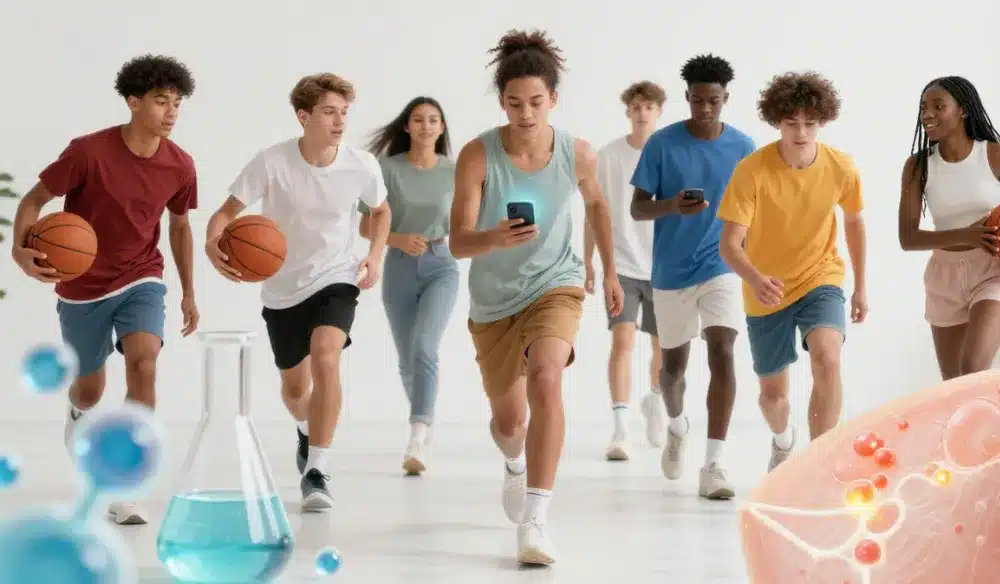
If you’ve spent any time on TikTok or Instagram lately, you’ve likely seen “Get Ready With Me” videos featuring aesthetic tubs of bovine powder or marine elixirs. The trend is clear: collagen peptides for teens have officially moved from the anti-aging vanity of their parents into the daily wellness routines of Gen Z. But as a teenager whose body is already a collagen-producing powerhouse, is this just another viral marketing gimmick, or is there a genuine physiological benefit?
The short answer is: Yes, collagen peptides can be safe and beneficial for teenagers, but not for the reasons you might think. While adults take collagen to fight wrinkles and sagging skin, for the younger demographic, the true value lies in accelerating athletic recovery, supporting skin barrier repair during acne treatments, and strengthening connective tissues during intense growth spurts. However, supplementation is not a “one-size-fits-all” solution. In this guide, we will cut through the social media noise to explore the science of how hydrolyzed collagen interacts with a developing body, the safety standards every parent should know, and why choosing a clean, third-party tested formula is non-negotiable for the under-20 crowd.
Understanding the Basics: What are Collagen Peptides?
Before adding a scoop to your morning smoothie, it’s important to understand that not all collagen is created equal. Collagen is a complex structural protein found in our bones, skin, and cartilage. In its natural state (like in a piece of steak), the molecules are too large for the human body to absorb efficiently.
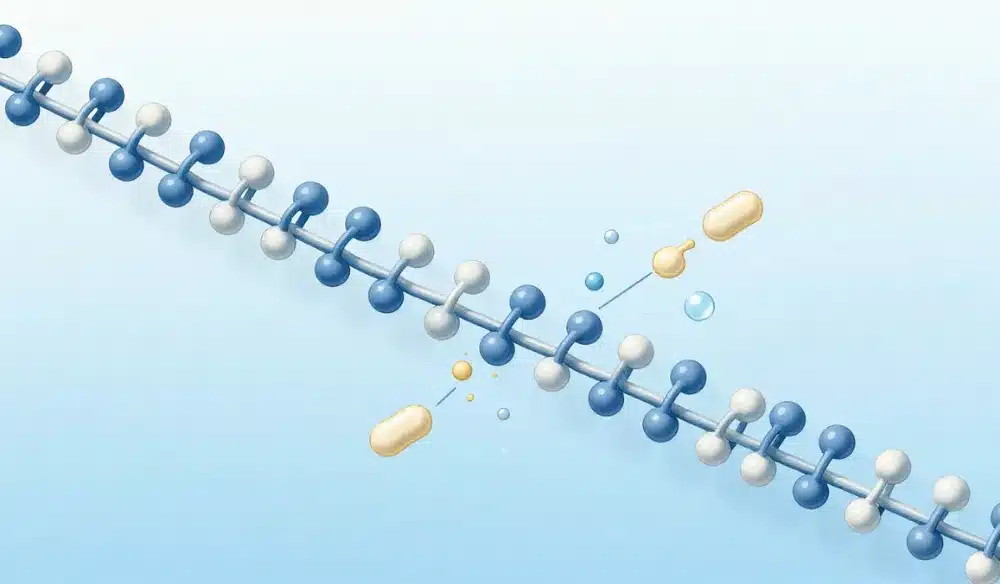
This is where hydrolyzed collagen—commonly known as collagen peptides for teens—comes into play. Through a process called hydrolysis, these large protein chains are broken down into much smaller “short-chain” amino acids.
The “Peptide” Advantage: Bioavailability
The “magic” of a peptide is its bioavailability. Because the molecules are miniaturized, they can bypass the heavy lifting of the digestive system and enter the bloodstream quickly. For a teenager, this means the body can immediately direct these “building blocks” to where they are needed most—whether that’s a healing sports injury or a skin barrier compromised by harsh acne medication.
Types of Collagen: Which One Matters?
There are at least 16 types of collagen in the human body, but for the teenage demographic, three specific types are the heavy hitters:
- Type I: The “Beauty and Strength” collagen. It makes up 90% of your body’s collagen and is the primary component of skin, hair, and bone matrix.
- Type II: Found in elastic cartilage. This is the go-to for joint support and cushioning during high-impact activities like basketball or track.
- Type III: Usually found alongside Type I, it supports the structure of muscles, organs, and arteries.
| Collagen Type | Primary Body Location | Best For… |
| Type I | Skin, Bones, Tendons | Skin repair, acne scar healing, and bone strength. |
| Type II | Cartilage (Joints) | Joint cushioning and recovery for student-athletes. |
| Type III | Muscles and Arteries | Muscle structure and overall gut health. |
Is it “Real” Protein?
It is vital to note that while collagen is a protein, it is not a complete protein because it lacks tryptophan (one of the nine essential amino acids). Therefore, while collagen peptides for teens offer targeted structural support, they should supplement—not replace—the high-quality proteins found in chicken, fish, beans, or Greek yogurt that are essential for overall muscle growth during puberty.
Key Benefits for the Teenage Demographic
While adults use collagen to “reverse” time, teenagers use it to “fuel” growth and recovery. Here is how collagen peptides for teens can provide a functional edge during these high-demand years.
1. Skin Health & Acne Recovery
For many, the teenage years are defined by the battle with acne. While collagen isn’t a direct “cure” for breakouts, it plays a vital supportive role:
- Healing the Barrier: Harsh topical treatments (like benzoyl peroxide or salicylic acid) and oral medications (like Accutane) can leave skin dry, thin, and compromised. Collagen provides the amino acids—specifically proline and glycine—necessary to repair the skin barrier.
- Acne Scar Mitigation: By supporting the dermal layer’s structural integrity, collagen can assist the body in smoother wound healing, potentially reducing the depth and visibility of post-inflammatory hyperpigmentation and pitted scarring.
2. The Student-Athlete Edge
Teenage athletes are pushing their bodies harder than ever. Whether it’s club soccer, gymnastics, or high school football, the stress on young joints is immense.
- Ligament & Tendon Strength: Unlike muscles, which get plenty of fuel from standard whey protein, tendons and ligaments are primarily made of collagen. Supplementing with collagen peptides for teens can strengthen these “connective cables,” helping to prevent common youth sports injuries like ACL tears or shin splints.
- Faster Recovery: Studies suggest that taking collagen roughly 30–60 minutes before exercise may increase collagen synthesis in the joints, helping student-athletes bounce back faster after a grueling practice.

3. Support for “Growing Pains” & Bone Matrix
Puberty involves a massive “remodeling” of the skeletal system. We often talk about Calcium and Vitamin D, but collagen is the “flexible glue” that holds the calcium in place.
- The Bone Scaffold: Collagen makes up about 30% of your bones. During a growth spurt, providing the body with an easy-to-access pool of collagen peptides ensures that the organic matrix of the bone remains strong and resilient, not just hard and brittle.
Expert Tip: For maximum absorption in skin and joint repair, teens should ensure they are getting enough Vitamin C (from oranges, strawberries, or bell peppers), as the body cannot physically produce collagen without it!
The Safety Audit: Is It Safe for Teens?
As a supplement expert, the most frequent question I receive is: “Is it actually safe for my 14-year-old?” While collagen peptides for teens are generally recognized as safe (GRAS) by health authorities, the “wild west” of the supplement industry requires a cautious approach. Here is the safety breakdown every parent needs to know.
1. Natural Production vs. Supplementation
It is a biological fact that teenagers are in their “collagen prime.” Their bodies naturally produce high levels of this protein. Therefore, supplementation should not be treated as a “requirement” for every teen, but rather as a targeted tool for those with specific needs, such as:
- Elite student-athletes with high joint stress.
- Teens with restrictive diets (e.g., picky eaters or certain vegan/vegetarian profiles).
- Those undergoing intensive dermatological treatments.
2. The Purity Factor: Avoid “Proprietary Blends”
The danger rarely lies in the collagen itself, but in what else is in the tub. Many products marketed for “glowy skin” or “pre-workout energy” contain:
- Excessive Caffeine: Which can disrupt a teenager’s crucial sleep cycles and bone mineralization.
- Artificial Sweeteners & Fillers: Which may cause digestive upset or skin flare-ups.
- Heavy Metals: Since collagen is sourced from animal hides and bones, it can concentrate lead or mercury if not sourced from clean, tested environments.
3. Potential Side Effects & Allergens
While rare, some teenagers may experience:
- Digestive Discomfort: Bloating or a feeling of “heaviness” if they take too much too soon.
- Allergic Reactions: Collagen is often derived from bovine (cow), marine (fish), or avian (chicken) sources. If your teen has a shellfish or fish allergy, marine collagen is strictly off-limits.
- Protein Imbalance: As mentioned earlier, collagen lacks the essential amino acid tryptophan. Relying on collagen as a primary protein source can lead to nutritional gaps.
4. Will It Stunt Growth?
There is a common myth that protein supplements stunt a teenager’s growth. To be clear: There is zero scientific evidence that collagen peptides interfere with growth hormones or epiphyseal (growth) plates. In fact, by providing the structural “scaffold” for bones, it may support healthy skeletal development when paired with a balanced diet.
Expert Recommendation: Always consult with a pediatrician before starting collagen peptides for teens, especially if the teenager has underlying kidney issues or is taking prescription medications for acne or hormones.
Expert Selection Criteria: How to Choose a Safe Brand
With the supplement market being largely unregulated, you cannot simply grab the first “aesthetic” tub you see on a shelf. When shopping for collagen peptides for teens, purity and transparency are your two best friends. Use this expert checklist to ensure you are buying a product that supports growth rather than hindering it.
| ✅ Look For (The Green Flags) | ❌ Avoid (The Red Flags) |
| Hydrolyzed Peptides (Easy absorption) | Large, non-hydrolyzed molecules |
| Third-Party Tested (NSF or Informed-Choice) | “Proprietary Blends” (Hidden ingredients) |
| Grass-Fed / Wild-Caught sourcing | Factory-farmed animal sources |
| Vitamin C (Assists collagen synthesis) | High Caffeine or Sugar content |
| Unflavored options | Heavy artificial sweeteners and dyes |
1. Look for the “Gold Standard” Certifications
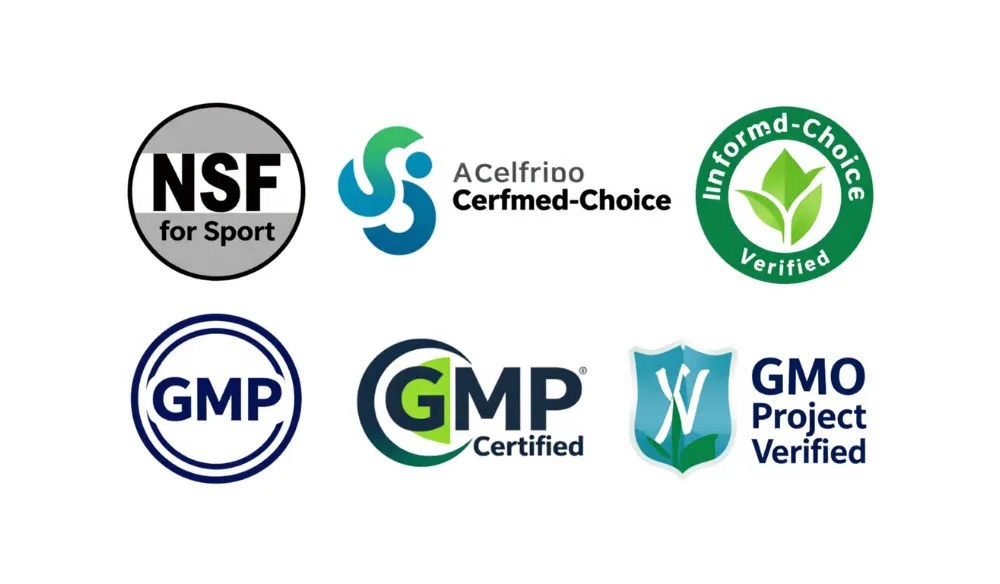
Because teens—especially student-athletes—need to be wary of banned substances and heavy metals, third-party testing is non-negotiable. Look for these specific logos on the packaging:
- NSF Certified for Sport: This is the highest tier of testing. It guarantees that the product contains exactly what is on the label and is free from 270+ substances banned by major athletic organizations (crucial for high school and NCAA-bound athletes).
- Informed-Choice / Informed-Sport: These certifications ensure the product has been regularly screened for contaminants and banned substances in a world-class anti-doping lab.
2. Prioritize “Hydrolyzed” Peptides
As we discussed, “hydrolyzed” means the collagen has been pre-broken down. For a teenager’s fast-moving lifestyle, hydrolyzed collagen peptides are the best choice because they dissolve instantly in cold water or smoothies and are absorbed by the body with minimal digestive effort.
3. Check the “Other Ingredients” List
The best collagen for a developing body is usually the simplest.
- The Goal: A single-ingredient product (e.g., “100% Grass-Fed Bovine Collagen Peptides”).
- The Red Flags: Avoid products labeled as “Energy Blends” or “Metabolism Boosters,” as these often hide high doses of caffeine, guarana, or artificial sweeteners like sucralose that can cause jitteriness or gut issues in younger users.
4. Sourcing and Sustainability
The quality of the collagen depends entirely on the health of the animal it came from.
- Bovine (Cows): Look for “Grass-Fed and Pasture-Raised.” This ensures the collagen is free from the hormones and antibiotics often found in factory-farmed cattle.
- Marine (Fish): Look for “Wild-Caught.” Marine collagen is often praised for its superior absorption and is an excellent Type I source for skin health.
5. The “Co-Factor” Bonus
The body cannot physically build collagen without Vitamin C. While you can get this from an orange, many high-quality collagen peptides for teens now include a small amount of Vitamin C or Hyaluronic Acid to “supercharge” the repair process for skin and joints.
Here are the final two sections to complete your blog post, emphasizing a balanced lifestyle and providing a clear, actionable conclusion.
The “Food First” Philosophy

Before reaching for a supplement tub, it is essential to remember that the human body is a sophisticated chemist. For most teenagers, the best way to support bone and skin health is by providing the raw materials for endogenous collagen synthesis (the collagen your body makes itself).
Even the highest-quality collagen peptides for teens work best when paired with a nutrient-dense diet. Encourage your teen to load up on these “collagen boosters”:
- Vitamin C Heroes: Citrus fruits, strawberries, and bell peppers. Without Vitamin C, collagen fibers cannot link together correctly.
- Amino Acid Powerhouses: Bone broth, chicken with the skin on, egg whites, and fish are direct sources of the glycine and proline needed for repair.
- Mineral Support: Copper (found in cashews and lentils) and Zinc (found in pumpkin seeds and lean meats) act as essential “co-factors” that activate the enzymes responsible for collagen production.
| Nutrient | Why It’s Needed | Best Food Sources |
| Direct Collagen | Building blocks for tissue | Bone broth, chicken skin, sardines (with bones). |
| Vitamin C | The “on switch” for production | Oranges, bell peppers, kiwi, strawberries. |
| Amino Acids | Raw material (Glycine/Proline) | Egg whites, lean meats, beans, dairy. |
| Zinc & Copper | Activates repair enzymes | Pumpkin seeds, cashews, lentils, shellfish. |
Conclusion: A Balanced Perspective
So, what is the final verdict on collagen peptides for teens? While they aren’t a “magic pill” for eternal youth—which teenagers already possess—they are a scientifically backed tool for targeted recovery.
Whether it’s a student-athlete looking to protect their knees for next season, or a teen navigating the difficult road of acne recovery, hydrolyzed collagen can provide the structural building blocks their developing bodies demand. However, supplementation should always be secondary to a solid foundation of whole foods, hydration, and restorative sleep.
The Expert Takeaway: If you choose to supplement, prioritize purity over packaging. Look for third-party certifications, avoid “energy blends,” and always have a quick chat with a pediatrician to ensure it fits your teen’s specific health profile.
FAQs
References & Reliable Resources
To ensure you are making the most informed decisions for your teen’s health, we recommend consulting the following authoritative sources on nutrition, supplementation, and safety:
- National Institutes of Health (NIH): For an in-depth look at how collagen functions as a primary structural protein in the human body.
- American Academy of Pediatrics (AAP): For guidelines on sports nutrition and the safety of supplements for children and adolescents.
- National Center for Biotechnology Information (NCBI): Access to clinical studies regarding the bioavailability of hydrolyzed collagen peptides and their impact on skin and joint repair.
- NSF Certified for Sport®: The gold standard for verifying that a supplement is free from contaminants and safe for competitive student-athletes.
- Informed-Choice: A global quality assurance program for sports nutrition products.