
Tablet Supplement Manufacturer for Custom & Private Label Products
Gensei Global is a tablet supplement manufacturer supporting brands with custom formulation, granulation, tablet compression, coating and private label packaging.
Our tablet supplement manufacturing services start with your existing formula or a new product concept. We review dose, tablet size, compression behavior and testing requirements before confirming the production plan.
Photo placeholder: actual uncoated and coated tablets with finished bottle or blister packaging.
Supplement Tableting Contract Manufacturing & Private Label Solutions
Choose a manufacturing route based on how much of your formula and finished product specification is already defined.
Manufacture Your Formula
Supplement tableting contract manufacturing for brands with an existing formula, nominated ingredients or customer-supplied materials, subject to documentation and suitability review.
- Provide ingredient forms and amounts per serving.
- Share raw material specifications and available COAs.
- Confirm tablet, coating and packaging requirements.
Develop a Custom Formula
Start with a product concept and develop a practical tablet formulation, manufacturing route and specification.
- Review dose, tablet size and excipient requirements.
- Select an appropriate granulation or compression route.
- Evaluate samples before production approval.
Private Label Tablettenergänzungen
Explore available existing formulas for your brand, with product specifications and packaging confirmed during quoting.
- Confirm formula availability and customization.
- Select bottle count or blister presentation.
- Review labels, packaging minimums and scheduling.
Customer-supplied materials require documentation, incoming acceptance and manufacturing suitability review. Standalone compression or coating work is assessed by project volume and material or tablet-core quality.
Tablet Sizes, Shapes & Coating Options
Define total tablet weight, tooling, finish and serving requirements together. Dimensions and active loading are confirmed for the selected formula.
| Parameter | Verfügbare Optionen | Confirmation Required |
|---|---|---|
| Total Tablet Weight | Standard range: 200–1,500 mg per tablet. | Total weight includes actives and excipients. Final weight depends on formulation and tooling. |
| Round Tablets | Standard diameter range: 6–15 mm. | Thickness, target weight and mechanical properties are set for the formula. |
| Oval & Caplet Shapes | Options include 16 × 7 mm, 19 × 8.5 mm and 21 × 10 mm tooling. | Confirm available tooling and suitability for dose, coating and intended use. |
| Surface Finish | Uncoated tablets, clear or colored film coating, and enteric coating. | Coating system, color, minimum batch load and product-specific testing. |
| Specialized Tablet Systems | Sustained-release matrices and bi-layer tablet development. | Formula feasibility, layer design, release targets and validation plan. |
| Scoring & Branding | Single or cross score lines, debossed or embossed characters and brand logos. | Detail resolution, coating effects and any separate dose-splitting requirements. |
| Tooling | Standard tooling options without custom tooling fees; custom shapes and logo punches available. | Confirm standard tool availability. Custom tooling fees and lead times are quoted separately. |
These options describe the manufacturing range, not every possible combination. Scoring alone does not establish that split portions deliver equal doses.
Formula Feasibility & Trial Compression
A workable tablet formula needs more than the target active dose. In tablet vitamin manufacturing, ingredient distribution, blend behavior and moisture sensitivity are part of the review. We assess excipients, tablet geometry and compression requirements before scale-up.
- Dose and size: assess active loading against total tablet weight and tablets per serving.
- Powder behavior: review flow, blending, moisture sensitivity and compression characteristics.
- Excipient selection: consider binders, fillers, lubricants and disintegrants against the product brief.
- Trial performance: evaluate weight, hardness, friability and issues such as capping, lamination or sticking.
- Finished product fit: align coating, testing and packaging with the approved specification.
Photo placeholder: actual tablet samples, trial equipment or tablet hardness and friability testing.
Tablet Supplement Manufacturing: Granulation, Compression & Coating
As a dietary supplement contract manufacturer, Gensei Global reviews tablet compression and coating requirements as part of the manufacturing plan. Direct compression, wet granulation and dry granulation are available; the route is selected for the formula, and a project does not necessarily pass through every process.
Direkte Komprimierung
Blend and compress a suitable formulation after confirming powder flow, ingredient distribution and compressibility.
Nassgranulierung
Evaluate a granulation route where the blend requires changes to particle behavior or compression performance, considering moisture and drying exposure.
Trockene Granulierung
Review roller compaction or another suitable dry route where avoiding added granulating liquid is a project requirement.
-
Formula & Material Review
Confirm ingredient specifications, target dose, tablet format and incoming material requirements.
-
Sampling & Process Selection
Evaluate the proposed formulation and route against the required tablet characteristics.
-
Blending & Compression
Prepare the blend and compress tablets with agreed in-process checks.
-
Coating & Finishing
Apply the selected finish where required and review coating integrity and product appearance.
-
Testing & Packaging
Complete the applicable checks, documentation and packaging before shipment preparation.
Photo placeholder: actual granulation, rotary tablet compression or coating equipment.
Define the Release Requirement
Film coating, enteric coating and sustained-release development serve different requirements. The required performance and testing plan are agreed for the selected system.
Bi-layer construction alone does not establish a particular release profile or ingredient separation performance.
Custom Tablet Supplement Project Directions
The following examples show how a tablet brief can connect ingredients, dose, tooling, process and packaging. They are illustrative concepts, not completed customer case studies or verified stock formulas.
Calcium, Magnesium, D3 & K2 Caplets
A bone-health product concept combining mineral sources with vitamins D3 and K2 in a film-coated caplet.
- Ingredient Direction
- Calcium citrate or carbonate, magnesium glycinate, vitamin D3 and vitamin K2 MK-7.
- Target Format
- Approximately 1,200 mg total tablet weight; caplet.
- Development Direction
- Two-tablet serving concept, granulation assessment and smooth film coating.
- Packaging Concept
- 120-count HDPE bottle.
Berberine & Botanical Tablets
A botanical blend concept focused on ingredient loading, compression behavior and taste or odor masking.
- Ingredient Direction
- Target berberine HCl content of 500 mg per tablet, with cinnamon and bitter melon extract options.
- Target Format
- Approximately 850 mg total tablet weight; oval.
- Development Direction
- Two-tablet serving concept, granulation review and protective film-coating selection.
- Packaging Concept
- 60-count amber PET bottle.
Sustained-Release Vitamin C Tablets
A tablet vitamin manufacturing concept with a defined release target and a product-specific dissolution plan.
- Ingredient Direction
- Target vitamin C content of 1,000 mg per tablet, with citrus bioflavonoid and rose hip options.
- Target Format
- Approximately 1,350 mg total tablet weight; caplet.
- Development Direction
- HPMC matrix development with a proposed 6–8-hour release target, subject to formulation and testing.
- Packaging Concept
- 60- or 90-count bottle.
The release duration is a development target, not a demonstrated result. Scoring and any split-tablet use require separate assessment.
Bi-Layer Sleep Support Tablets
A two-layer concept exploring different ingredient groups and release requirements within one tablet.
- Ingredient Direction
- A melatonin-containing layer and a second layer with L-theanine, valerian and passionflower options.
- Target Format
- Approximately 750 mg total tablet weight; two-color round tablet.
- Development Direction
- Bi-layer compression and evaluation of proposed immediate- and sustained-release behavior.
- Packaging Concept
- 30-count blister presentation with carton.
Ingredient levels, layer compatibility and release performance require project-specific development.
Fruit-Flavored Multivitamin Chewables
A chewable vitamin concept balancing nutrient loading, sweetness, taste masking and mouthfeel.
- Ingredient Direction
- Vitamins A, C, D3, E and B vitamins, with zinc and iodine options.
- Target Format
- Approximately 1,000 mg total tablet weight; round or custom shape.
- Development Direction
- Direct-compression assessment and a xylitol or erythritol sweetener system.
- Packaging Concept
- 60-count bottle with a child-resistant closure.
Develop Around Your Own Specification
Share your target ingredients, amounts per serving, preferred tablet size and packaging. We can review which parameters are fixed and where the formula or serving design can remain flexible.
Example doses, tablet weights and packaging are design inputs. Final manufacturability, claims, performance and specifications are established during project review.
Tablet Quality Testing & Batch Documentation
Agree the finished product specification and distinguish routine batch checks from additional analytical, release-profile and stability work.
Routine Batch Testing
- Appearance and coating integrity, where applicable.
- Average tablet weight and weight variation.
- Hardness and friability.
- Disintegration under the applicable product method.
- Moisture or loss on drying.
- Microbiological testing, including specified pathogens.
- Lead, arsenic, mercury and cadmium.
Methods and acceptance criteria are defined for the tablet type and agreed specification.
Project-Specific Testing
- Active ingredient assay using suitable methods.
- Enteric or sustained-release dissolution profiles.
- Residual solvents or pesticide testing where relevant.
- Third-party testing, including SGS or Eurofins.
- Accelerated or long-term stability studies.
- Additional packaging and transport assessments.
Scope, methods, fees and timing are agreed separately. Modified-release projects require an appropriate performance verification plan.
Manufacturing Certifications


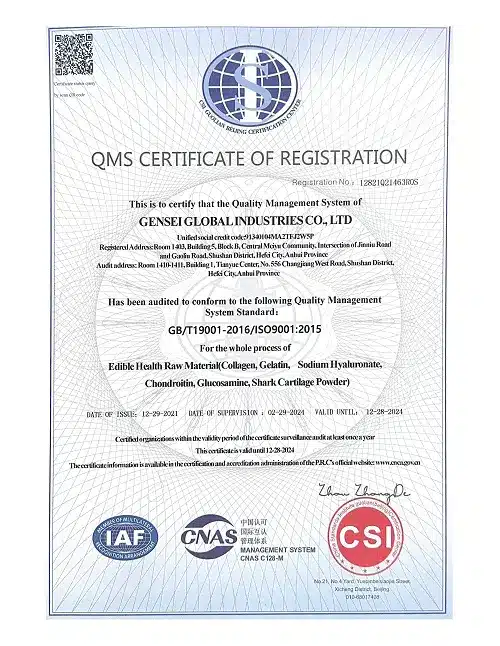
Certification applies within the scope stated on each document. The applicable manufacturing site, product category and market documentation are confirmed during project review. Halal suitability depends on the complete formula and applicable certification scope.
Tablet MOQ, Sampling & Production Lead Times
Plan around your formula, coating system, tooling and finished packaging requirements.
100,000 Tablets / SKU
Starting MOQ for both existing formulas and custom tablet projects.
Approximate bottle equivalents:
- 1,667 bottles at 60 tablets per bottle.
- 834 bottles at 120 tablets per bottle.
Rounded planning equivalents. Final quantities account for complete packs, quality samples and production allowances.
6–8 Weeks · First Orders
Production begins after materials and packaging are ready and the required approvals are complete.
6–8 Weeks · Reorders
The same production lead time reference applies to repeat orders, with scheduling confirmed for each order.
Standard uncoated samples using existing tooling typically take 2–3 weeks. Projects involving custom tooling, specialized coating or release-profile development typically require an initial sampling period of 3–4 weeks; further validation may extend the development schedule.
The production clock starts after all raw materials and packaging components are available, and the final formula, specification, pre-production sample and artwork have written approval. Sampling, stability studies and international shipping are additional.
Specialized coatings and bi-layer projects may require a higher minimum batch load. Bottle, blister and printed packaging minimums are confirmed with suppliers during quoting.
Private Label Tablet Packaging & Related Formats
Match the packaging to tablet characteristics, moisture sensitivity, bottle count and sales channel.
Bottles & Retail Packaging
PET, HDPE or glass bottles with project-specific caps, seals, labels and cartons.
Explore packaging services ↗Blisters & Bulk Tablets
Review PVC/PVDC or Alu-Alu blister requirements, retail cartons and bulk coated or uncoated tablet delivery.
Material selection and component minimums are confirmed during quotation.
Other Tablet Formats
Effervescent projects are assessed separately for formulation, humidity control and packaging.
FAQ zur Herstellung von Tablettenergänzungen
What should I look for in a tablet supplements manufacturer?
Choose a manufacturer of tablet supplements that can review your formula, dose, tablet size, compression route and coating requirements together. Confirm the MOQ, sampling plan, testing, packaging and applicable quality documentation before approval. Send us these specifications to discuss your project.
Can I discuss vitamin and multivitamin tablet manufacturing?
Yes. If you are looking for a tablet vitamin manufacturer or a multivitamin tablets manufacturer, send your ingredient forms, amounts per serving, target market and preferred tablet size. We review formula feasibility, ingredient distribution, compression behavior and testing needs before confirming whether the project can proceed.
Can you provide contract tablet compression and coating services?
Dietary supplement contract manufacturing can include tablet compression and coating, with the service scope confirmed for each project. For standalone compression, provide the blend specifications, available COAs and material quantity. For coating work, provide tablet-core specifications, quantity and the intended finish. Acceptance depends on documentation, material or core quality, suitability and project volume.
What should I send when looking for a supplement fast melt tablet manufacturer?
Send the active ingredients, dose, intended in-mouth disintegration target, flavor requirements and packaging brief. Fast melt tablets require a separate feasibility review covering formulation, taste, tablet strength, moisture sensitivity and testing. Availability, MOQ and timing must be confirmed before this format is included in a quotation.
What should I confirm with a supplement micro tablet manufacturer?
Provide the target diameter, weight, dose per tablet, tablets per serving and packaging format. Micro tablet projects require separate confirmation of tooling, dose uniformity, compression, handling and packaging feasibility. The standard 200–1,500 mg tablet range shown on this page does not establish micro tablet capability; availability and production requirements must be confirmed for the proposed project.
What is the MOQ for tablet supplements?
The starting MOQ is 100,000 tablets per SKU for existing and custom formulas. Specialized coatings, bi-layer designs or equipment loading requirements may increase the minimum batch size. Packaging components can have separate supplier minimums.
How long do sampling and production take?
Standard uncoated samples using existing tooling typically take 2–3 weeks. Specialized development has an initial sampling reference of 3–4 weeks, with additional validation scheduled as required.
First orders and reorders have a production lead time reference of 6–8 weeks after materials, packaging and written approvals are complete. Shipping and development are additional.
Can you manufacture our existing tablet formula?
Yes. We review your ingredients, amounts per serving, raw material specifications, tablet format and required testing before confirming the manufacturing route.
Do you accept customer-supplied powder or ingredients?
Yes, subject to documentation, incoming acceptance and manufacturing suitability. Provide the available COAs, specifications and material quantities for review. Standalone compression or coating work is assessed separately.
What is the difference between active dose and tablet weight?
Active dose describes the specified ingredient amount. Total tablet weight also includes the other ingredients needed for the formulation. A 1,000 mg active target does not necessarily produce a 1,000 mg finished tablet.
Can you make enteric, sustained-release or bi-layer tablets?
These systems can be reviewed for development. Formula feasibility, minimum batch load, release targets and the appropriate verification plan are established for the project.
Can we add a logo, custom shape or score line?
Yes. Tooling detail, tablet geometry and coating effects are assessed before confirmation. Custom tooling fees and timing are quoted separately. A score line is not by itself a claim of equal-dose splitting.
What quality documents can we review?
A redacted tablet COA example can be provided. Confirm the applicable batch testing, additional analyses and certification documents during project review.
Are the product examples completed manufacturing cases?
No. The examples on this page are illustrative development concepts. Their doses, formats and proposed performance require project-specific formulation and verification.
Where are the tablets manufactured?
Manufacturing is in China. Gensei Global Industries Co., Ltd. is the contracting entity for the project.
Discuss Your Project with a Tablet Supplement Manufacturer
Send Gensei Global your formula or product concept. We will review the custom tablet manufacturing route, packaging and production requirements.
- Target market and product concept.
- Ingredients, material forms and amounts per serving.
- Preferred tablet weight, size and tablets per serving.
- Coating or release-profile requirements.
- Quantity per SKU and packaging format.
- Testing, documentation and launch schedule.
Gensei Global Industries Co. Ltd.
Manufacturing in China
Send Your Tablet Project Specifications
Include your formula, quantity, coating and packaging preferences to help us prepare a project-specific response.