It happens to the best of us: you’re organizing your pantry and rediscover a forgotten tub of collagen peptides tucked behind the protein powder. You want the skin and joint benefits, but then you notice the date on the bottom. Does collagen powder expire?
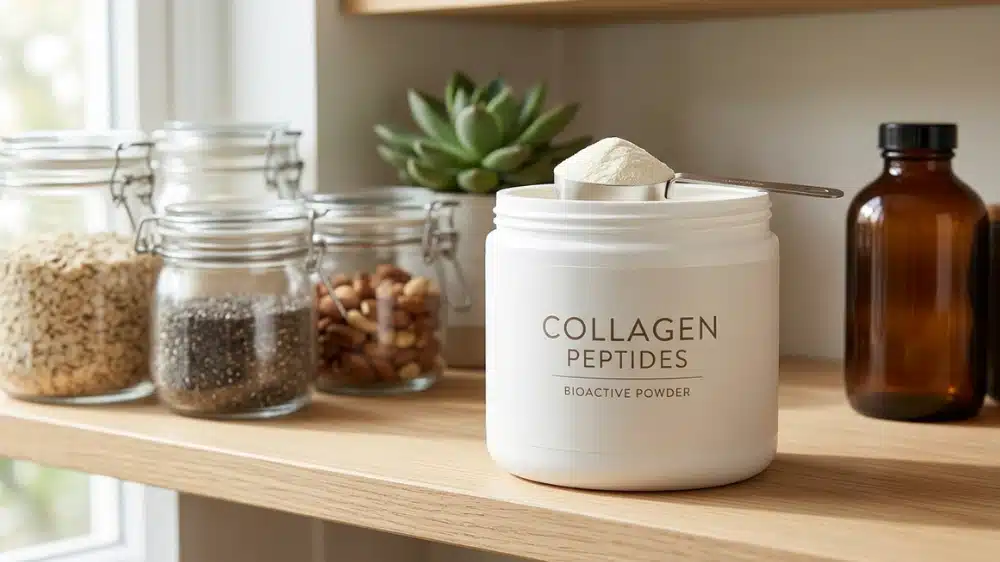
While collagen is a remarkably stable protein, it isn’t immortal. Whether you are a daily user or an occasional scooper, understanding the difference between a “best-by” date and true spoilage is crucial for both your safety and your results.In this comprehensive guide, we’ll dive into the science of collagen shelf life, how to spot the telltale signs of degradation, and the professional storage secrets that preserve the potency of your bioactive peptides. If you’ve ever wondered if that old container is still worth a scoop, you’re in the right place to find out.
Does Collagen Powder Expire? (The Direct Answer)
The short answer is yes, collagen powder does expire, but it is generally a very shelf-stable supplement. Unlike fresh produce or dairy, collagen doesn’t usually become “toxic” the day after its expiration date. Instead, it undergoes a slow decline in quality and nutritional potency.
The Standard Timeline
Most commercially available collagen powders maintain a shelf life ranging from 18 months to 5 years. This duration is contingent upon the origin of the raw material, sophisticated processing methodologies, and the specific formulation architecture.
| Collagen Source | Typical Shelf Life | Reason for Variance |
|---|---|---|
| Bovine Collagen | 2 – 5 Years | Highly stable protein structure; optimized low moisture content. |
| Marine Collagen | 1.5 – 3 Years | Higher sensitivity to oxidation; requires precise processing. |
| Flavored Blends | 1 – 2 Years | Additives like stevia or cocoa degrade faster than the core collagen peptides. |
Expiration Date vs. “Best-By” Date
It is important to look closely at the label. Most manufacturers use a “Best-By” or “Best Before” date rather than a hard expiration date.
- Best-By Date: This is the manufacturer’s estimate of how long the product will remain at peak quality. After this date, the collagen may begin to lose its solubility (how well it dissolves in your coffee) and its bioactivity (how effectively your body can use the peptides).
- Expiration Date: This is a more rigid safety guideline. If a product has passed a formal “EXP” date, the risk of moisture-driven bacterial growth or chemical degradation increases, and it’s generally best to discard it.
Why Is Collagen So Stable?
At its core, collagen is a structural protein. In its powder form (hydrolyzed collagen), it has undergone a process that breaks it down into smaller peptides and removes moisture. Without moisture, the chemical reactions that typically cause food to spoil—such as microbial growth or enzymatic browning—are significantly slowed down.
However, “stable” does not mean “invincible.” Over time, the amino acid bonds can eventually weaken, especially when exposed to environmental stressors. While a scoop of 2-month-old “expired” collagen is unlikely to cause a health crisis, it simply won’t deliver the same “glow-up” results you’re paying for.
How to Tell if Your Collagen Has Gone Bad
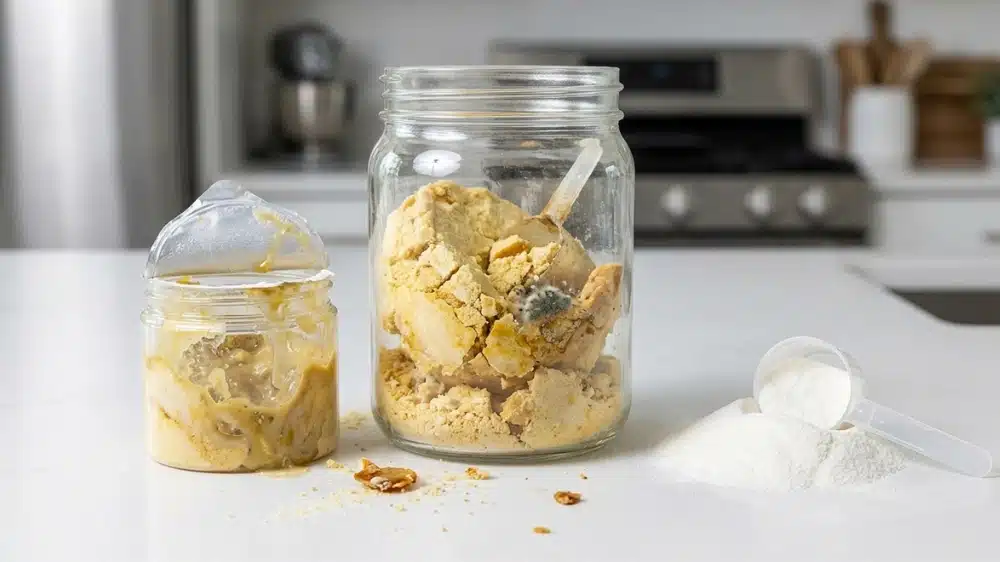
If you’ve found a container past its “Best-By” date, your first move shouldn’t be the trash can—it should be a sensory inspection. Because collagen is a dry, processed protein, it doesn’t “rot” like meat, but it does degrade.Here are the three primary red flags that indicate your collagen powder has officially reached the end of its life.
Sensory Indicators: The “Look, Smell, and Touch” Test
- The Humidity Clump: High-quality collagen should be a fine, free-flowing powder. If you open the lid and find large, hard clumps—or if the powder has turned into a solid “brick”—moisture has entered the container. Moisture is the gateway for mold and bacteria, so if the powder isn’t dry and loose, it’s time to let it go.
- The “Off” Odor: Pure hydrolyzed collagen is virtually odorless or has a very faint, neutral scent. If you catch a whiff of something sour, “funky,” or reminiscent of old cardboard, the amino acids may have begun to oxidize or moisture has triggered microbial activity.
- Visual Discoloration: Fresh collagen is typically white or off-white. If you notice yellowing, browning, or—most importantly—tiny dark or green spots (mold spores), discard the entire container immediately.
The Efficacy Factor: When “Safe” Isn’t Enough
Sometimes, collagen might pass the smell and look test but still be “bad” in terms of performance. This is known as loss of bioactivity.
As collagen ages, the peptide bonds that make it “bioactive” (meaning easy for your body to absorb and use for skin or joint repair) can gradually break down. Even if the powder is technically safe to consume, it may become:
- Less Soluble: It won’t dissolve completely in your morning coffee or smoothie, leaving a gritty or gelatinous residue.
- Nutritionally Inert: The specific sequences of amino acids that trigger your body’s own collagen production may become damaged, rendering the supplement ineffective.
Expert Tip: If your collagen has lost its ability to dissolve quickly in room-temperature water, it’s a strong sign that the molecular structure has changed, and you likely won’t see the health results you’re looking for.
Use these sensory indicators to evaluate the integrity of your collagen peptides.
| Sign of Spoilage | What it Means | Action Required |
|---|---|---|
| Hard Clumps | Moisture intrusion | Discard (Risk of mold) |
| Yellowing | Oxidation / Chemical aging | Discard (Low efficacy) |
| Sour Smell | Bacterial growth / Rancidity | Discard (Safety risk) |
| Gritty Texture | Poor solubility / Degradation | Replace (Ineffective) |
Factors That Accelerate Collagen Degradation
While high-quality collagen is designed to be shelf-stable, it is not immune to environmental stressors. Understanding what causes bioactive collagen to break down is the first step in ensuring your supplement remains effective until the last scoop.Several key factors act as catalysts for degradation, often shortening the “best-by” window significantly if not managed properly.
The Humidity Trap: Moisture as the Primary Enemy
Moisture is the single most destructive force for any powdered supplement. Collagen peptides are hygroscopic, meaning they naturally attract and hold water molecules from the surrounding air.
- Microbial Growth: Even a small amount of moisture can create an environment where bacteria and mold can thrive.
- Agglomeration: Humidity causes the fine powder to clump together (agglomerate), which physically alters the surface area and reduces how well the collagen dissolves in liquids.
Heat Sensitivity: Breaking the Peptide Bonds
Exposure to high temperatures—such as storing your collagen above a stove or in a hot car—can compromise the structural integrity of the protein.
- Denaturation: While hydrolyzed collagen is already “broken down” into peptides, excessive heat can cause further chemical changes that may reduce the bioactivity of the amino acids.
- Accelerated Aging: For every 10°C increase in temperature, the rate of chemical degradation typically doubles. Keeping your collagen in a warm environment effectively “ages” the product faster than the calendar suggests.
Light Exposure and Oxidation
UV light and constant exposure to oxygen can lead to a process called oxidation.
- UV Damage: If your collagen is sold in a clear or translucent container, sunlight can penetrate the packaging and break down the molecular bonds.
- Rancidity: While collagen contains very little fat, any residual lipids or added flavors (like chocolate or vanilla) can oxidize when exposed to air, leading to the “off” smells and tastes discussed earlier.
Source Material and Processing Quality
The baseline stability of a product is often determined at the manufacturing stage. The origin and purity of the collagen raw material play a massive role in how it stands up to the test of time.
- Source Differences: Generally, bovine-sourced collagen is slightly more robust than marine-sourced options due to its specific amino acid profile and density.
- Processing Standards: High-purity collagen that has been meticulously filtered and dried during production will naturally have a lower moisture content, making it far more resistant to spoilage than lower-grade alternatives that may contain impurities or fillers.
If you want your collagen to last for years rather than months, you must protect it from the “Big Three”: Moisture, Heat, and Light. Proper handling at the consumer level is just as vital as the rigorous quality control measures established during the manufacturing process.
How to Maximize Collagen Longevity
Whether you are working with premium collagen raw material in a professional setting or simply want to get the most out of your personal supplement, how you store the powder determines whether it reaches its full three-to-five-year potential or expires prematurely.To preserve the potency and bioactivity of your peptides, follow these professional storage protocols.
The “Cool, Dry, Dark” Golden Rule
The environment where you keep your collagen is the most significant factor in its longevity.
- Keep it Cool: Avoid storing your collagen near heat-producing appliances like the stove, dishwasher, or on top of the refrigerator. Room temperature (around 20°C to 25°C) is ideal.
- Stay Dry: Pantries are better than bathroom cabinets or kitchen counters near the sink. Humidity is a silent killer of powder stability; even steam from a boiling pot can introduce enough moisture to trigger clumping.
- Stay Dark: If your collagen comes in a clear container, store it inside a dark cupboard. Light exposure can trigger subtle chemical reactions that degrade the amino acid profile over time.
Master the Seal
Oxygen and airborne moisture are constantly trying to enter your supplement container.
- The “Half-Turn” Trap: Ensure the lid is screwed on tight after every single use. A lid that is slightly askew allows the powder to “breathe” in the surrounding humidity.
- Transfer with Care: If you buy collagen in bulk bags and prefer to move it to a glass jar, ensure the jar is airtight (look for a silicone seal) and completely dry before the transfer.
The “Dry Scoop” Protocol
Cross-contamination is a leading cause of localized spoilage within a container.
- Never Use a Wet Scoop: It is tempting to use the spoon you just used to stir your coffee, but even a single drop of liquid can create a “mold anchor” in the powder.
- Leave the Desiccant Inside: Most high-quality brands include a small silica gel packet. Do not throw this away; its job is to absorb any trace moisture that enters the container when you open the lid.
| Storage Habit | Why it Matters |
|---|---|
| Pantry Shelf | Maintains a stable, cool temperature away from direct sunlight and kitchen heat. |
| Airtight Lid | Prevents critical oxidation and blocks environmental humidity from entering the jar. |
| Dedicated Dry Scoop | Eliminates the risk of bacterial cross-contamination or moisture introduction from wet utensils. |
| Original Packaging | Manufacturer-grade containers are often designed specifically to block UV rays and moisture. |
Pro Tip: If you live in an exceptionally humid or tropical climate, consider portioning your bulk collagen into smaller, airtight containers. This ensures that the majority of your supply isn’t exposed to the air every single day when you make your morning smoothie.
Choosing the Right Collagen: A Brand Selection Guide
Navigating the supplement aisle can be overwhelming, especially when you are looking for a product that balances shelf stability with high-performance results. When a product is built on superior collagen raw material, it not only lasts longer but also delivers the bioactive benefits your body needs.Depending on your specific health goals and lifestyle, here are some of the top-tier brands recognized in 2026 for their quality and efficacy.
| Brand Entity | Sourcing & Purity Profile | Core Value Proposition |
|---|---|---|
| Vital Proteins The Purity Pioneer | Grass-fed, pasture-raised bovine hides. Clean-label architecture. Unflavored Peptides | Why Choose Them Single-ingredient focus minimizes additives that cause clumping. Ideal for instant solubility in both hot and cold mediums with maximum shelf-stability. |
| Ancient + Brave Sustainable Specialist | MSC-certified wild-caught marine & grass-fed bovine sources. Wild & True Collagen | Why Choose Them Pharmaceutical-grade purity removes hormones and contaminants. Zero “fishy” aftertaste in marine lines; highly stable neutral profiles. |
| Momentous Performance Powerhouse | Bovine source featuring Fortigel® peptides + Vitamin C catalyst. Athletic Recovery | Why Choose Them Engineered for tendon and ligament repair. The Vitamin C inclusion acts as a vital catalyst for immediate collagen synthesis during physical recovery. |
| Codeage The All-in-One Innovator | Five-type blend (I, II, III, V, X) from bovine, chicken, and eggshell. Broad Spectrum Platinum | Why Choose Them Targets bone density and skin elasticity simultaneously. Advanced hydrolyzed processing ensures complex multi-source blends remain shelf-stable. |
FAQs
Conclusion
So, does collagen powder expire? While it is one of the most resilient supplements in your pantry, it is not immortal. Most collagen remains safe and effective for 2 to 5 years, provided it is shielded from its three primary enemies: moisture, heat, and light.
Remember that an expiration date is often more about potency than immediate danger. Once that date passes, the bioactive peptides may no longer provide the “glow-up” results you expect for your skin, hair, and joints. By following the “Look, Smell, and Touch” test and maintaining a strict “Cool, Dry, Dark” storage routine, you can ensure that every scoop is as powerful as the first.
Need to double-check your stash?
- Check the date: Look for the “Best-By” stamp.
- Check the seal: Ensure it’s been airtight.
- Check the powder: If it’s clumpy or smells “off,” it’s time for a fresh start.
Quality starts at the source. Whether you choose a brand for its purity, sustainability, or performance, ensure they prioritize high-grade collagen raw material.
At Gensei, we are proud to be the foundation of that quality. As a global leader in collagen manufacturing, our advanced processing and sustainable sourcing of bovine, fish, and poultry materials empower the world’s leading brands. By delivering high-purity, bioactive collagen to the nutrition and beauty sectors, Gensei ensures that your journey toward better health is supported by the finest science and the most rigorous quality standards in the industry.
From premium raw material sourcing to advanced stability testing, partner with experts who understand the science of shelf-life.
Consult Our Specialistsreferences
- FDA: Dietary Supplement Guidance https://www.fda.gov/food/dietary-supplements
- EFSA: Safety of Collagen Peptides https://www.efsa.europa.eu/en/topics/topic/food-supplements
- National Institutes of Health (NIH): Collagen Research https://ods.od.nih.gov/factsheets/list-all/
- USDA: Food Safety and Inspection Service (Shelf Stability) https://www.fsis.usda.gov/food-safety/safe-food-handling-and-preparation/food-safety-basics/shelf-stable-food
- ISO: Food Safety Management (ISO 22000) https://www.iso.org/iso-22000-food-safety-management.html
- World Intellectual Property Organization (WIPO): Collagen Extraction Patents https://www.wipo.int/patents/en/

Warren Wan is a seasoned expert with extensive experience in the dietary supplement supply chain, possessing rich practical experience in the research, development, process control, and global sourcing of core ingredients such as collagen peptides, bone broth protein, and keratin. As the author of this column, he is dedicated to stripping away the marketing packaging, transforming obscure ingredient science and production quality control standards into easy-to-understand, hardcore science popularization, helping readers understand the truth behind the labels and make more rational health choices.