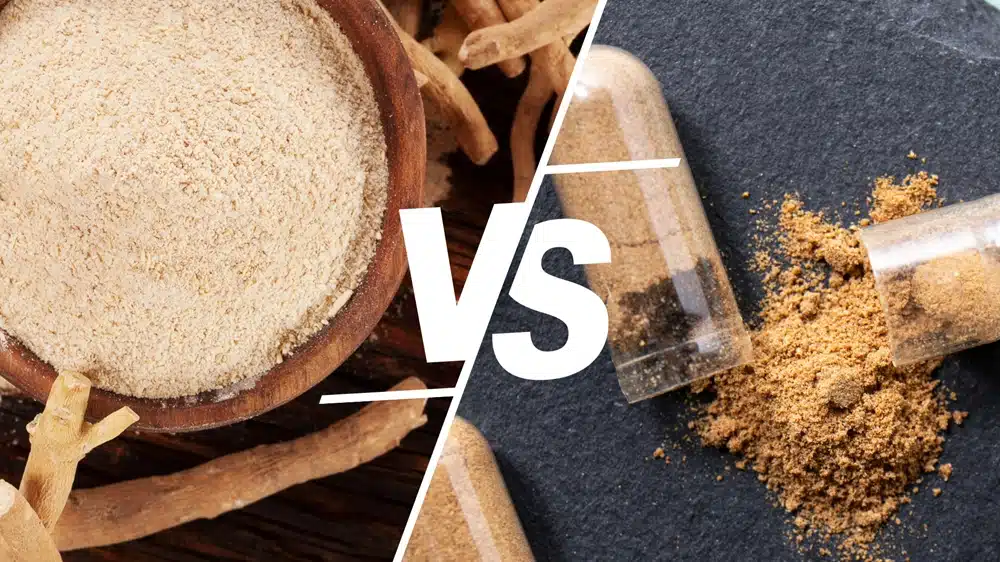
herb extracts supplier
As a premier herb extracts supplier and Chinese herbal extract distributor, we specialize in delivering high-quality, natural botanical extracts to meet the diverse needs of industries such as nutraceuticals, pharmaceuticals, and cosmetics.
Our extensive portfolio includes traditional Chinese herbal extracts like ginseng, astragalus, and goji berry, alongside a wide range of modern herbal solutions, all crafted using advanced extraction techniques to preserve bioactive compounds and ensure maximum potency.
Committed to quality and sustainability, we provide wholesale herbal extracts in bulk, empowering businesses engaged in herbal supplement manufacturing to create premium dietary supplements, functional foods, and natural health products.
With state-of-the-art facilities, rigorous quality testing, and a focus on authentic, sustainably sourced ingredients, we are your trusted partner for innovative and reliable herbal extract solutions that meet global market standards.


Why Choose Gensei as Your herb extracts supplier?
When it comes to sourcing high-quality and effective herb extracts, Gensei stands as your trusted partner. We offer a comprehensive selection, specializing in both traditional and innovative botanical solutions to meet the diverse needs of your business.
Extensive Range Including Premium Chinese Herbs
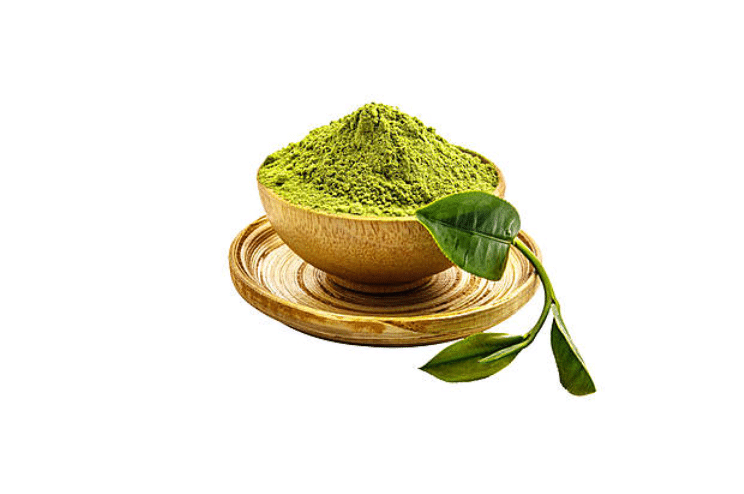
Specialized Chinese Herb Tea Extract Options
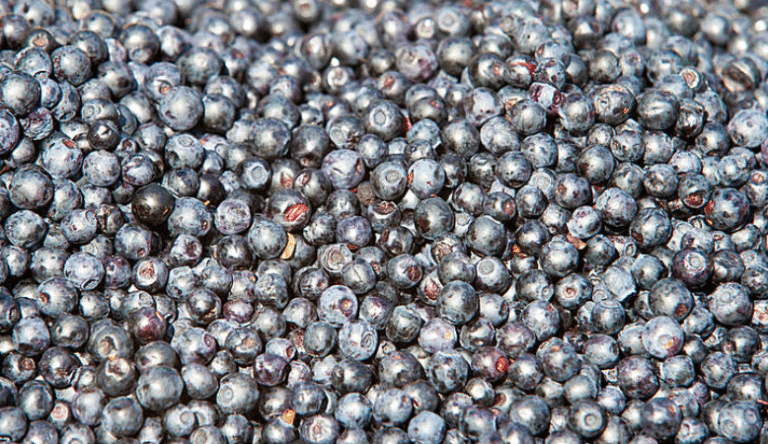
High-Quality Vaccinium Myrtillus Fruit Extract
Bulk Pine Bark Extract Powder Available
Unwavering Commitment to Quality and Purity
Global Sourcing and Competitive Pricing
Expert Support and Custom Solutions
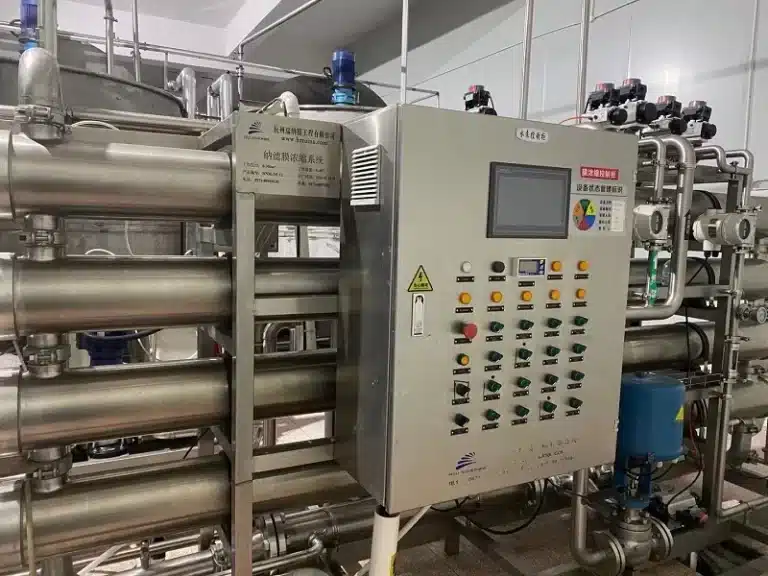
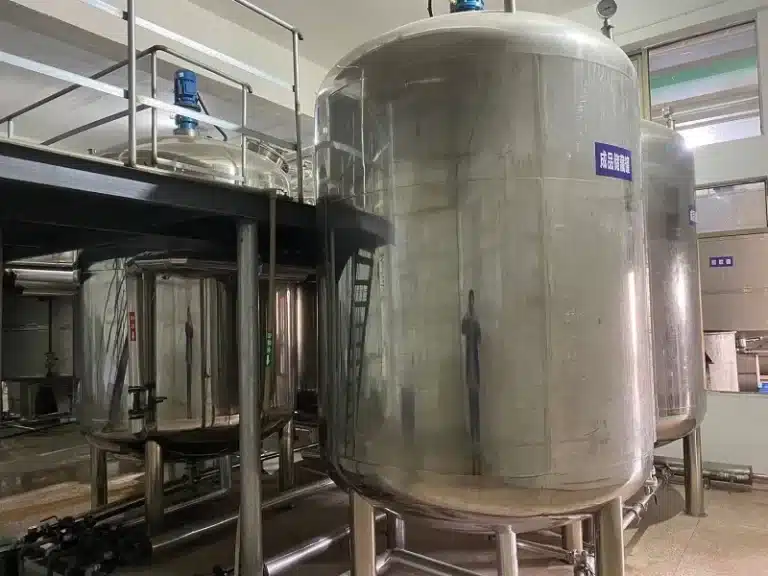
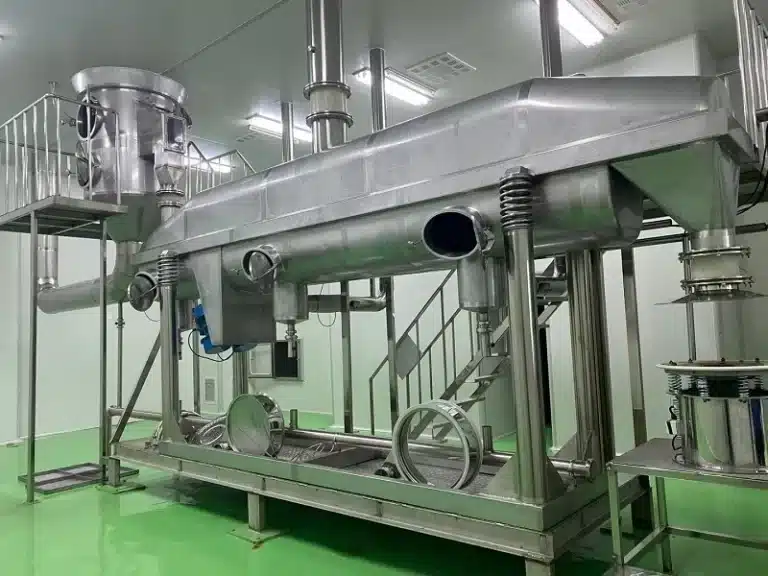
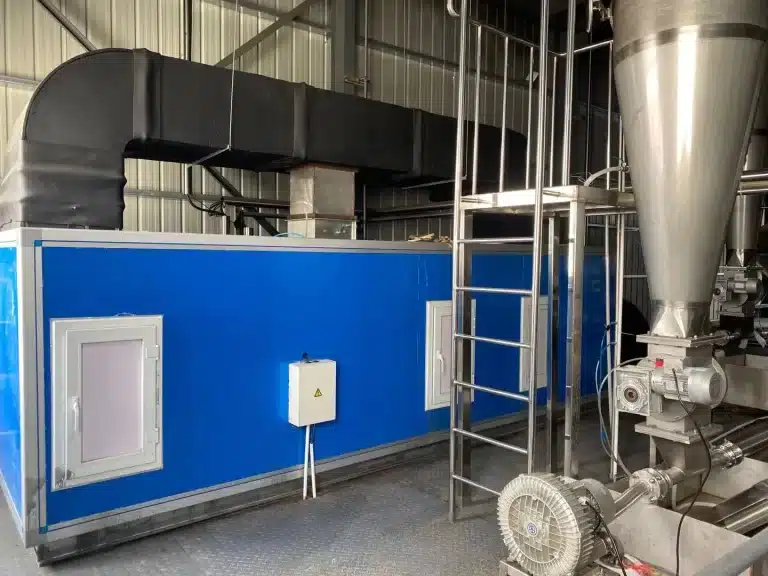
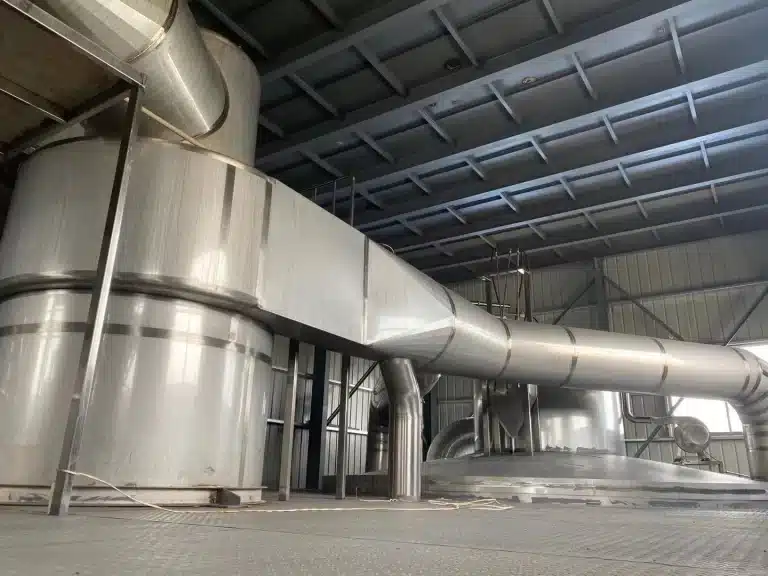
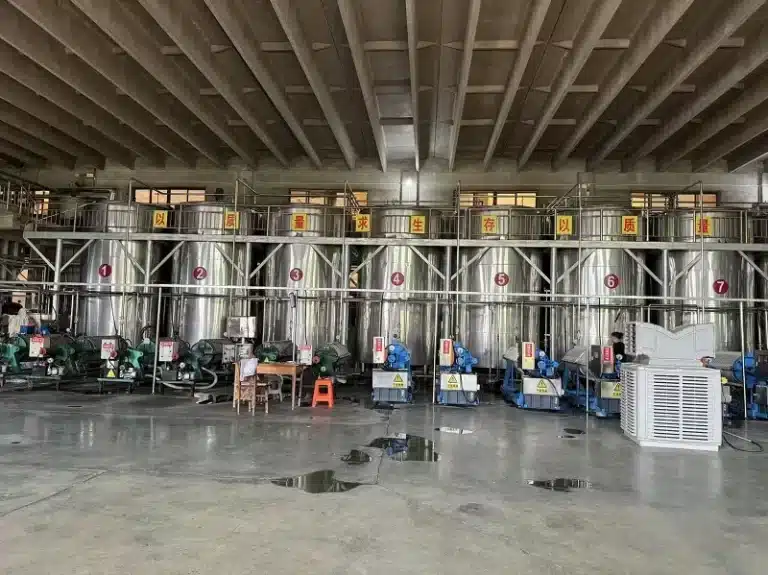
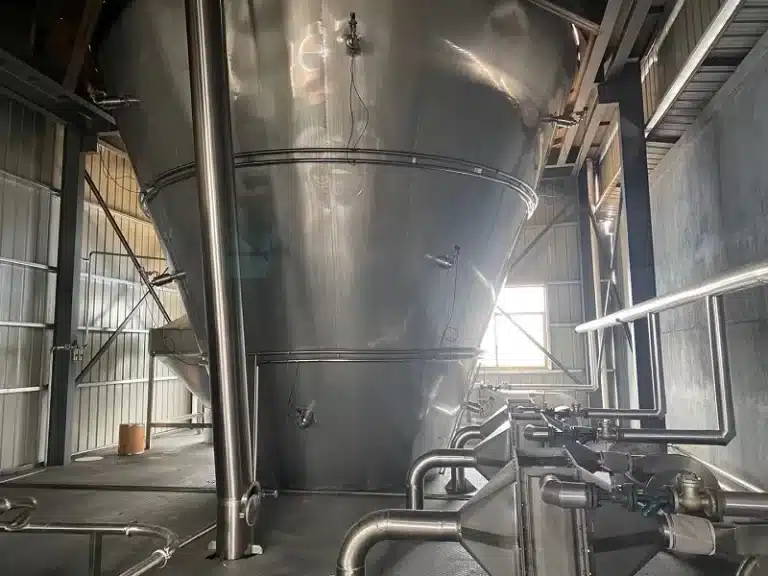
Our State-of-the-Art Manufacturing Facilities
Explore our modern facilities equipped with advanced technology to ensure the highest quality in the production of your vitamins, herbal extracts, minerals, and amino acids.




Industrial Herb Extraction Process
Standardized Workflow for High-Quality Botanical Extracts
01Raw Material Pre-treatment
Selection, cleaning, and washing of herbs to remove impurities.
02Solvent Extraction
Loading material into extractors using specific solvents (Water, Ethanol, or CO2).
03Solid-Liquid Separation
Filtering the mixture to separate the liquid extract from the spent biomass (marc).
04Vacuum Concentration
Evaporating the solvent under low pressure and temperature to preserve heat-sensitive compounds.
05Purification & Refining
Optional step to isolate specific active ingredients or remove waxes/chlorophyll.
06Drying Process
Converting the liquid concentrate into a stable, dry powder form.
07Standardization & Sifting
Testing for active markers and blending to ensure uniform potency across batches.
08Quality Control (Final)
Rigorous laboratory testing for safety and compliance.
09Packaging & Storage
Sealing in food-grade, moisture-proof containers.
FAQ
- Steam Distillation: This is the most common method. Steam is passed through the plant material, causing the essential oils to vaporize. The vapor is then cooled and condensed, separating the oil from the water.
- Hydrodistillation: The plant material is submerged in water and heated. The steam and essential oils are then condensed and separated.
- Solvent Extraction: A solvent (like hexane or ethanol) is used to dissolve the essential oils. The solvent is then evaporated, leaving behind the concentrated oil. This method is often used for delicate flowers or when steam distillation is not efficient.
- Expression (Cold Pressing): Primarily used for citrus peels, this method involves mechanically pressing the plant material to release the oil.
- Water: For water-soluble compounds (e.g., teas, infusions, decoctions).
- Alcohol: For a broader range of compounds, including those not easily soluble in water (e.g., tinctures).
- Glycerin: A sweet, non-alcoholic solvent (e.g., glycerites).
- Vinegar: Can extract certain minerals and compounds (e.g., herbal vinegars).
- Oil: For fat-soluble compounds (e.g., infused oils).
- Infusion: Pouring hot (not boiling) water over the herb and steeping for a period (like making tea from leaves or flowers).
- Decoction: Simmering tougher plant parts like roots, bark, or seeds in water for a longer time to extract their constituents.
- Percolation: Slowly pouring hot water through a container of the herb, allowing the water to extract compounds as it passes through.
- Water: As mentioned above (infusions, decoctions, percolations).
- Glycerin: Glycerin can dissolve many herbal constituents and creates a sweet-tasting extract.
- Vinegar: Especially apple cider vinegar, can be used to extract minerals and certain other compounds.
- Oil Infusion: Soaking herbs in a carrier oil (like olive oil or almond oil) over time, often with gentle heat, to extract fat-soluble compounds.
Extracting essential oils from dried herbs follows the same methods as with fresh herbs (steam distillation, hydrodistillation, solvent extraction, expression). In many cases, dried herbs are preferred for essential oil extraction because the drying process concentrates the volatile oils.
Extracting pure essential oils at home can be challenging and potentially dangerous without proper equipment. However, you can make infused oils at home:
- Infused Oil Method: Gently heat a carrier oil (like olive oil) and add your chosen dried herb. Let it infuse for several hours on very low heat or over a few weeks at room temperature. Strain out the herbs. This oil will contain some of the herb's oil-soluble compounds and aroma.
A herb extract is a concentrated preparation made by dissolving the active chemical constituents of a plant in a solvent. The solvent is then often partially or fully removed, leaving behind a concentrated form of the herb's beneficial compounds. Extracts can come in liquid, solid (powder), or semi-solid forms.
Bacopa herb extract is derived from the Bacopa monnieri plant, also known as Brahmi. It is commonly used in traditional Ayurvedic medicine and is known for its potential cognitive-enhancing properties, such as improving memory, focus, and reducing anxiety. The extract typically contains compounds called bacosides, which are believed to be responsible for these effects.
Kanna herb extract comes from the Sceletium tortuosum plant, native to South Africa. It has been traditionally used by indigenous peoples for its mood-altering and stress-relieving properties. The extract contains alkaloids like mesembrine, which are thought to affect serotonin levels in the brain, contributing to its effects.
Related Articles

Vaccinium Myrtillus Fruit Extract for Skin