消費者にとっての実用的な問題は、その処方が、髪を硬くしたりコーティング感を与えたりすることなく、櫛通り、滑らかさ、ボリューム、あるいは切れにくさを向上させるかどうかという点です。処方開発者やバイヤーにとっては、成分名だけでは不十分です。原料の由来、加水分解プロセス、ペプチドの分布、有効固形分、アレルゲンに関する資料、そして製品ごとの試験結果こそが、商用グレードの性能を決定づける要素となります。.
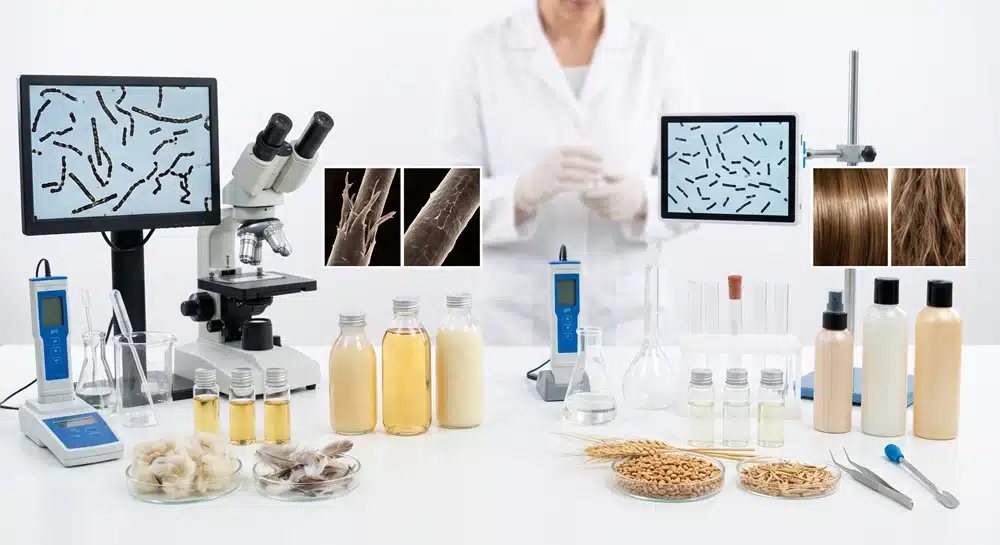
加水分解ケラチンと小麦タンパク質の比較一覧
| ファクター | 加水分解ケラチン | 加水分解小麦プロテイン |
|---|---|---|
| 典型的な情報源 | 羊毛、羽毛、角、蹄などの動物性ケラチン | 小麦種子タンパク質またはグルテン由来の物質 |
| ポジショニング | 毛髪由来の構造タンパク質と集中トリートメント | 植物由来のコンディショニング効果、皮膜形成効果、および潤い感 |
| ヴィーガンであるかどうか | 通常はヴィーガンではありません | 全成分および加工助剤が基準を満たす場合、ヴィーガンとしての位置づけが可能となる |
| 主要な技術的変数 | 分子量分布とケラチンの由来 | 分子量、加水分解法、ペプチドの凝集、およびアレルゲンの制御 |
| 一般的な化粧品形態 | マスク、コンディショナー、リペアトリートメント、リーブイン | シャンプー、コンディショナー、ボリュームアップ製品、スタイリング剤、スキンケア製品 |
| 主な資格に関する懸念事項 | 動物由来、BSE/TSEに関する書類、臭気、およびロット間の一貫性 | 小麦アレルゲンのリスク、高分子量分画の残留、グルテンに関する文書、および交差汚染 |
| 髪は恒久的に修復されるのでしょうか? | いいえ。その効果は外観上のものに過ぎず、一時的なものですが、一部のシステムでは測定可能な機械的改善が見られます。 | いいえ。コンディショニング効果があり、膜を形成することはできますが、繊維を生物学的に再構築するわけではありません。 |
加水分解ケラチンとは?
ケラチンは、動物の毛、羊毛、羽毛、爪、角、および関連する組織に見られる構造タンパク質の一種です。天然のケラチンは分子量が大きく、高度に架橋されているため、一般的な水性製剤への配合は困難です。加水分解を行うことで、より分散しやすく、製剤化しやすい小さなペプチド断片に分解されます。.
市販品によってその品質には大きな違いがあります。 低分子量および中分子量のケラチン分画は、毛髪繊維の損傷部位に浸透する可能性がある一方、高分子量の分画は表面近くに留まり、皮膜形成や付着性を発揮する傾向があります。そのため、ブランド側は「加水分解ケラチン」と表示されたすべての成分が、同じ浸透性、使用感、または強化効果を持つと決めつけてはなりません。.
アイデンティティ、出典、安全性に関するより詳細な説明については、以下を参照してください。 加水分解ケラチンとは何か.
加水分解コムギ・プロテインとは?
加水分解小麦タンパク質は、小麦タンパク質をより小さなペプチドやアミノ酸断片に分解することで製造されます。化粧品では、主にヘアコンディショニング成分やスキンコンディショニング成分として使用されます。グレードや配合によっては、皮膜形成、保水、使用感の向上、ハリ、および一時的な滑らかさの付与に寄与します。.
加水分解小麦タンパク質は「植物性ケラチン」ではありません。動物性ケラチンとは原料やアミノ酸組成が異なります。その価値は、髪に天然に含まれるタンパク質と化学的に同一であるということではなく、完成した配合物におけるその特定の加水分解物の挙動に基づいています。.
分子量が髪の性能に与える影響
“「加水分解」という言葉は、特定のペプチドサイズを指すものではありません。加水分解物には、小さなペプチド、大きなペプチド、および凝集体がさまざまなサイズで含まれている場合があります。分子量プロファイルは、浸透性、表面への沈着、皮膜形成、およびアレルゲンに関する考慮事項に影響を与えます。.
加水分解ケラチン
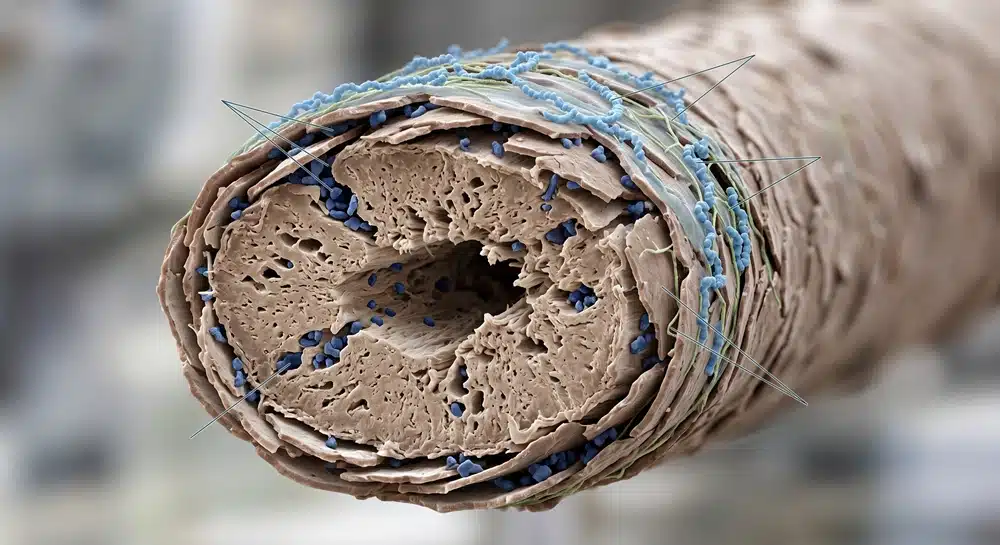
ストレートパーマをかけた髪を対象とした対照試験では、低分子量および中分子量のケラチン画分が毛髪繊維のより深い部分まで浸透したのに対し、高分子量の画分は主に表面に吸着することが明らかになった。試験条件下では、一部の中分子量および高分子量のトリートメントにより、毛髪の機械的特性が改善された。 この研究結果は、「すべてのケラチンペプチドが『髪の内側から修復する』」という大まかな主張ではなく、分子量に依存するメカニズムを裏付けるものである。“
加水分解小麦プロテイン
加水分解小麦タンパク質の場合、分子量は性能と安全性の評価の両方に関連しています。化粧品成分審査専門家委員会は、加水分解小麦タンパク質および加水分解小麦グルテンについて、加水分解物の平均分子量を3,500 Da以下に制限するように配合された場合、化粧品において安全であると結論づけました。 公表されているアレルギーに関する研究によると、高分子量のペプチド凝集体は、アレルギー体質の人においてより高いアレルギー誘発の可能性を秘めていることが明らかになっています。.
ブランド側は、「低分子量」といったマーケティング上の表現だけでなく、測定方法や分布データも求めるべきである。“
傷んだ髪にはどちらが良いでしょうか?
加水分解ケラチン 製品のコンセプトが、化学処理を受けた髪、熱ダメージを受けた髪、あるいは傷みやすい髪に焦点を当てており、ブランドがケラチンに関連したコンディショニングのストーリーを打ち出したい場合、このグレードはしばしばより直接的な選択肢となります。しかし、「髪と同等の成分」というポジショニングが、必ずしもより良い結果を保証するわけではありません。 その成分は、効果的に髪に定着し、界面活性剤やコンディショニングシステムとの相性を保ち、選定された有効濃度で性能を発揮する必要がある。.
加水分解小麦タンパク質は、柔軟な表面膜を形成し、保湿効果を高めることで、ダメージを受けた髪の手触りや見た目のボリューム感を改善することもできます。植物由来を前面に打ち出しているブランドや、軽やかな使用感、あるいは日常使いの製品を重視するブランドには、より適しているかもしれません。.
実用的な議論を求めている消費者は、以下の内容をご確認ください。 髪のための加水分解ケラチンガイド.
細い髪、巻き毛、または低浸透性の髪には、どちらが適していますか?
| ヘアスタイルまたは製品の目標 | 開始オプション | 配合に関する注記 |
|---|---|---|
| ひどく傷んだ髪、または化学処理が施された髪 | 加水分解ケラチン | ペプチドのサイズ、付着性、櫛通り、および破損について試験を行い、恒久的な修復効果を謳うことを避ける |
| ボリュームを出したい細い髪 | 加水分解小麦タンパク質 | 軽量グレードを使用し、硬さや残留物なく体積を確認する |
| ダメージを受けた巻き毛やウェーブのかかった髪 | どちらか一方、あるいは慎重にバランスを調整した組み合わせ | タンパク質沈着とエモリエント剤および保湿剤のバランスを調整し、カールの感触と切れ毛をテストする |
| 毛髪の空隙率が低い髪 | 絶対的な勝者はいない | 沈着がひどいと、肌がこわばったり、何かがべたついたりする感覚があります。成分名よりも、完成品のテスト結果の方が重要です。 |
| ヴィーガン製品のポジショニング | 加水分解小麦タンパク質 | 配合全体、加工助剤、およびサプライヤーの宣言内容を確認する |
| 小麦アレルゲンに対する感受性の評価 | 加水分解ケラチン、またはその他の小麦由来以外のタンパク質 | 動物由来の原料および認証情報を確認すること。根拠がない限り、その製品を「低アレルギー性」と称してはならない。 |
加水分解ケラチンと小麦タンパク質は併用できますか?
はい。ケラチン由来のコンディショニング効果と植物性タンパク質の皮膜形成効果の両方が配合目的上有益である場合には、これらを組み合わせることができます。ただし、組み合わせたからといって必ずしも優れた結果が得られるわけではありません。タンパク質系成分は、粘度、電荷バランス、付着性、防腐効果、色、香りに影響を与える可能性があります。.
配合担当者は、ウェットおよびドライコーミング、破損試験、引張試験、官能評価、残留物試験、安定性試験などを通じて、配合製品と各成分単体を比較すべきである。総タンパク質含有量を低く抑えつつ、適切に設計されたコンディショニングシステムを採用した配合は、単に加水分解物を多く含む配合よりも優れた性能を発揮する可能性がある。.
これらのタンパク質は「タンパク質過剰摂取」を引き起こすのか?
“「タンパク質の過剰蓄積」とは、標準化された美容上の診断名というよりは、一般消費者が用いる用語です。一部のユーザーは、タンパク質を豊富に含む製品を頻繁に使用した後、髪のこわばり、乾燥、もつれ、あるいは髪に膜が張ったような感触を訴えることがあります。こうした症状は、成分の過剰な沈着、配合のバランス不良、製品の蓄積、あるいは選択したトリートメントの頻度が髪に合っていないことなどが原因で生じることがあります。.
ブランドは、「2週間ごとに使用」といった一律のスケジュールは避けるべきです。使用方法は、製品全体、有効成分の濃度、および消費者使用試験に基づいて定める必要があります。製品を使用することで、髪が常に硬くなったり、もろくなったり、不快感を感じたりする場合は、消費者は使用頻度を減らすか、使用を中止すべきです。.
小麦アレルギー、グルテン、および化粧品の安全性
加水分解小麦タンパク質については、「植物性タンパク質」という一般的な表現が示唆するよりも、アレルギーに関する情報提供をより慎重に行う必要があります。一部の加水分解小麦タンパク質を含む化粧品に関連して、まれに即時型過敏反応や感作が報告されています。高分子量の凝集体や特定の製造工程が、重要なリスク要因であると考えられます。.
これは、加水分解小麦タンパク質を含むすべての化粧品が安全でないという意味ではありません。CIRの安全性に関する結論は分子量の管理基準に基づいており、完成品の安全性は依然として、具体的なグレード、使用濃度、曝露経路、および配合に依存します。購入者は、以下の事項を確認する必要があります:
- 平均分子量および分子量分布の測定法
- 入手可能な場合は、ペプチドの長さまたは凝集に関する情報
- 小麦アレルゲンに関する表示および交差汚染の管理
- グルテン関連の表示を行う場合のグルテン検査方法および報告基準値
- 加水分解法(酵素処理、酸処理、または脱アミド化に関連する処理を含む)
- 完成品の安全性評価および適切な消費者への警告
セリアック病は主に摂取によって引き起こされるため、化粧品を皮膚から塗布することと小麦を摂取することは同じことではありません。ただし、小麦アレルギーがあることが分かっている方や、化粧品による反応の既往歴がある方は、成分表を確認し、適切な医師に相談してください。 「グルテンフリー」、「アレルゲンフリー」、「低刺激性」といった表示は、単にタンパク質が加水分解されたという理由だけで使用すべきではありません。.
原材料、ヴィーガン、ハラール、コーシャに関する注意事項
加水分解ケラチンは通常、動物由来であるため、一般的にヴィーガン対応ではありません。ハラールまたはコーシャの認定の可否は、動物由来の原料、加工方法、製造管理、および現在の認証状況によって異なります。加水分解小麦タンパク質はヴィーガン対応の訴求に役立ちますが、ブランド側は加工助剤、担体、保存料、および配合全体について確認を行う必要があります。.
加水分解ケラチンについては、サプライヤーの書類において、動物由来原料、原産国、トレーサビリティ、BSE/TSEの状況、およびヒト由来原料の不使用が明記されている必要があります。小麦タンパク質については、サプライヤーの適格性評価において、小麦の原産地、該当する場合はGMOの有無、アレルゲンの分離管理、およびグルテン関連の書類が対象となる必要があります。.
外用ヘアケア製品のエビデンスと経口サプリメントのエビデンスの比較
これらの成分に関する毛髪繊維への効果を示す証拠のほとんどは、外用化粧品に関するものです。実験室での処置において、傷んだ毛髪繊維をコンディショニングしたり浸透させたりするペプチドであっても、それを経口摂取したからといって自動的に同じ結果が得られるわけではありません。経口サプリメントについては、成分の特定、消化吸収性、投与量、安全性、およびヒトを対象とした証拠が別途必要となります。.
摂取可能な美容製品を開発するブランドは、化粧品と栄養補助食品に関する効能表示を区別しておくべきである。A サプリメント OEM シャンプーの効能表示をカプセルや粉末のラベルにそのまま転用するのではなく、成分の適格性、対象市場の規制、総タンパク質投与量、官能特性、および完成品の有効性裏付けについて評価すべきである。.
ブランドは、この2つの成分のどちらを選ぶべきか
| 判断の問い | 次のような場合には、加水分解ケラチンを選びましょう… | 次のような場合には、加水分解小麦タンパク質を選びましょう… |
|---|---|---|
| 中核となるポジショニングとは何ですか? | このコンセプトは、ケラチンを活用したヘアコンディショニングや、ダメージの集中ケアに重点を置いています。 | このコンセプトは、植物由来成分を用いた、軽やかな仕上がりやボリューム感をもたらすコンディショニングを重視しています。 |
| どのような請求制限が重要なのでしょうか? | 動物由来の位置決めは許容され、原資料も入手可能です | ヴィーガンとしての位置づけは重要であり、小麦アレルゲンに関する情報提供は適切に行える |
| どのような感覚ターゲットが必要ですか? | より実質的な調整が望まれる | より軽いフィルム形成とボディが望まれる |
| どのような検査が不可欠ですか? | MWの分布、付着、臭気、BSE/TSE、破損、および櫛通り | MWの分散、アレルゲンの管理、グルテンの記録、フィルムの感触および残留物 |
| この数式では、両方とも使用できますか? | はい、互換性、安定性、官能評価、および有効性に関する試験の結果、その有効性が確認された後です。 | |
サプライヤーおよびCOAチェックリスト
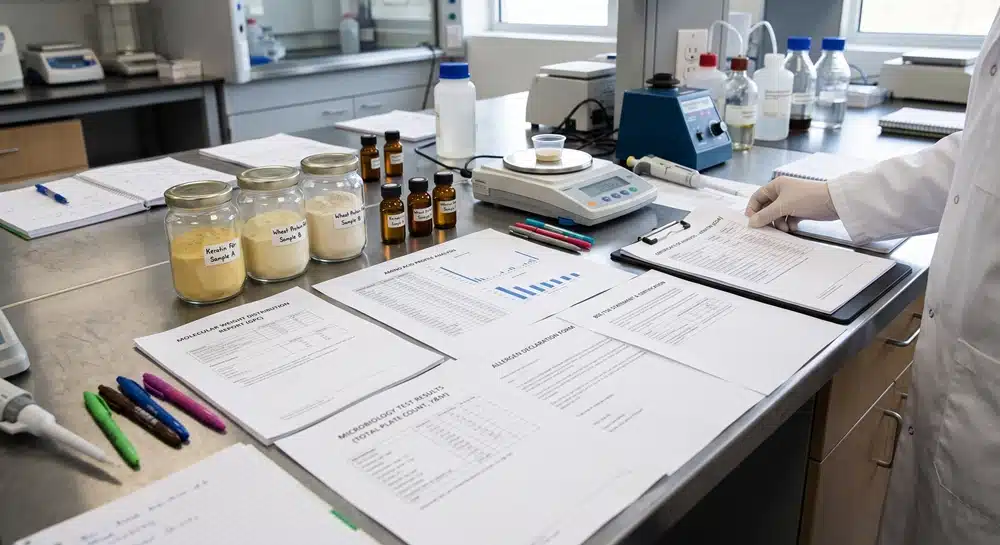
両方の材料について
- 正確なINCI名称または成分名、および該当する場合はCAS/UNIIに関する資料
- 原料および原産国
- 加水分解プロセスの概要
- 平均分子量、分子量分布および分析方法
- 活性固形分、タンパク質または全窒素の規格および算定基準
- アミノ酸組成
- 水分、乾燥減量、灰分、pH、溶解度、色、および臭気
- 液体グレードにおける微生物基準、指定病原体、および防腐剤システム
- 鉛、カドミウム、水銀、ヒ素の基準値
- 安定性、推奨保管条件、包装、最小注文数量(MOQ)、およびリードタイム
加水分解ケラチンに関する追加検査
- 動物種および組織の由来
- BSE/TSEおよびヒト由来成分の不使用に関する声明
- 「ハラール」または「コーシャ」の認証を謳っている場合
- バッチごとの臭気および色調の一貫性
加水分解小麦タンパクに関する追加検査
- 小麦アレルゲンに関する表示および製造工程における分離管理
- グルテン検査方法および該当する場合の結果
- ペプチドの凝集および高分子量画分の制御
- 酵素処理、酸処理、または脱アミド化に関連するプロセス情報
ケラチンの調達については、入手可能なものを確認してください。 加水分解ケラチン原料(バルク) 情報をご確認の上、該当するグレードの最新の仕様書およびロットごとの分析証明書(COA)をご請求ください。.
完成品検査チェックリスト
- 所定のパッケージにおける加速試験およびリアルタイム安定性
- pH、粘度、外観、臭気、および色の安定性
- 水分を含む調製粉の保存効果
- ウェットおよびドライ状態での櫛通り性、断裂、引張強度、または毛束試験
- 硬さ、コーティング、残留物、および容量に関する消費者による官能評価
- 界面活性剤、カチオン性コンディショナー、塩類、シリコーン、植物エキスとの相性
- サプライヤーの資料だけでなく、完成品に基づいて請求内容を審査する
食材の選定、試作開発、適合性、仕様についてサポートが必要なチームは、GENSEIの 研究・製品開発支援.
化粧品の効能表示および表示に関する考慮事項
米国では、化粧品に関する表示は真実であり、誤解を招くものであってはなりません。「櫛通りを良くする」、「髪の手触りを滑らかにする」、「ダメージの見た目を軽減する」といった外観に焦点を当てた表示については、適切な完成品による実証データによって裏付けられる必要があります。.
「発毛促進」「脱毛症の治療」「生きた毛包の修復」、あるいは「身体の構造や機能を恒久的に変化させる」といった効能を謳う場合、その製品は医薬品として規制の対象となる可能性があります。化粧品成分や一般的な化粧品について、「FDA承認」や「FDA認定」といった表現を使用しないでください。“
よくある質問
小麦タンパク質はケラチンと同じですか?
いいえ。小麦タンパク質は植物由来であるのに対し、真のケラチンは動物由来の構造タンパク質です。両者はアミノ酸組成、由来、および効能に関する考慮事項が異なります。.
加水分解ケラチンはタンパク質ですか?
はい。これは、加水分解によって生成された、より小さなペプチドとアミノ酸断片の混合物です。 ケラチンタンパク質.
髪には、ケラチンと小麦タンパク、どちらがよいのでしょうか?
絶対的な勝者というものは存在しません。ケラチンは、深刻なダメージを修復する集中ケア製品に適している一方、小麦タンパク質は、軽やかな使用感の製品や植物由来の製品、あるいはボリュームアップ効果のある製品に適している場合があります。成分名そのものよりも、完成した処方や試験結果の方が重要です。.
加水分解小麦タンパク質は髪に良いのでしょうか?
適切に設計された処方で、皮膜形成、潤い感、テクスチャー、および一時的な滑らかさを高めることができます。その効果は、グレード、濃度、および最終製品によって異なります。.
加水分解ケラチンはヴィーガンですか?
通常はそうではありません。本物のケラチンは通常、動物由来の原料から抽出されます。「ヴィーガン・ケラチン」として販売されている製品は、一般的に植物性タンパク質やアミノ酸を原料とした代替品です。.
加水分解小麦タンパク質にはグルテンが含まれていますか?
小麦由来ですが、「加水分解」という言葉からグルテン含有量を推測することはできません。グルテンに関する表示を行うには、サプライヤーからの文書、適切な試験方法、および明確に定められた報告限界値が必要となります。.
ケラチンと小麦タンパク質は併用できますか?
はい、しかし配合は、適合性、官能評価、安定性、および性能試験によってその妥当性が裏付けられるべきです。総タンパク質が多いからといって、必ずしも製品が優れているとは限りません。.
これらの成分のいずれかによって、枝毛を完全に修復することはできますか?
いいえ。化粧品に含まれるタンパク質は、傷んだ部分を一時的に覆ったり、滑らかにしたり、補強したりすることはできますが、切れた毛髪を生物学的に元の状態に回復させることはできません。.
最終的な提言
コンセプトとして、ケラチンに関連する構造的なストーリー、より強い付着性、あるいは集中的なダメージケアを打ち出す必要があり、かつ動物由来の成分が許容される場合は、加水分解ケラチンを選択してください。植物由来であることをアピールしたい場合や、より軽い皮膜形成、髪にボリューム感や潤い感を与えることが重要であり、かつブランド側が小麦アレルゲンに関する文書管理に対応できる場合は、加水分解小麦タンパク質を選択してください。.
いずれの成分についても、商業的な判断は、分子量分布、原料源、有効成分含有量、アレルゲンおよび原産地に関する文書、官能特性、完成品の安定性、および表示の根拠に基づいて行うべきである。あるタンパク質が「修復効果」を謳い、別のタンパク質が「ボリュームアップ効果」を謳っているという理由だけで、原材料を選定してはならない。“
参考文献
- 化粧品成分レビュー:化粧品に使用されるケラチンおよびケラチン由来成分の安全性評価
- PubMed:分子量の異なる加水分解ケラチンの毛髪繊維への浸透
- PubMed:化粧品に使用される加水分解小麦タンパク質および加水分解小麦グルテンの安全性評価
- PubMed:化粧品における高分子量加水分解小麦タンパク質のより高いアレルギー誘発性
- FDA:化粧品に含まれるアレルゲン
- FDA:化粧品の表示・効能表示
免責事項:本記事は、原材料に関する知識の提供および製品開発の参考を目的としています。これは医学的助言ではなく、対象市場におけるアレルゲン、安全性、規制、または完成品に関する表示の審査に代わるものではありません。.
ウォーレン・ワン氏は、栄養補助食品のサプライチェーンにおいて豊富な経験を持つベテランの専門家であり、コラーゲンペプチド、骨スープ由来タンパク質、ケラチンといった主要成分の研究、開発、工程管理、およびグローバルな調達において、豊富な実務経験を有しています。 本コラムの執筆者として、彼はマーケティング的な装いを剥ぎ取り、難解な成分科学や製造品質管理基準を、分かりやすい本格的な科学普及記事へと変換することに尽力しています。これにより、読者がラベルの裏にある真実を理解し、より合理的な健康に関する選択を行えるよう支援しています。.