
Kısa Cevap: Akşam Çiçeği Yağı ve Balık Yağı Karşılaştırması

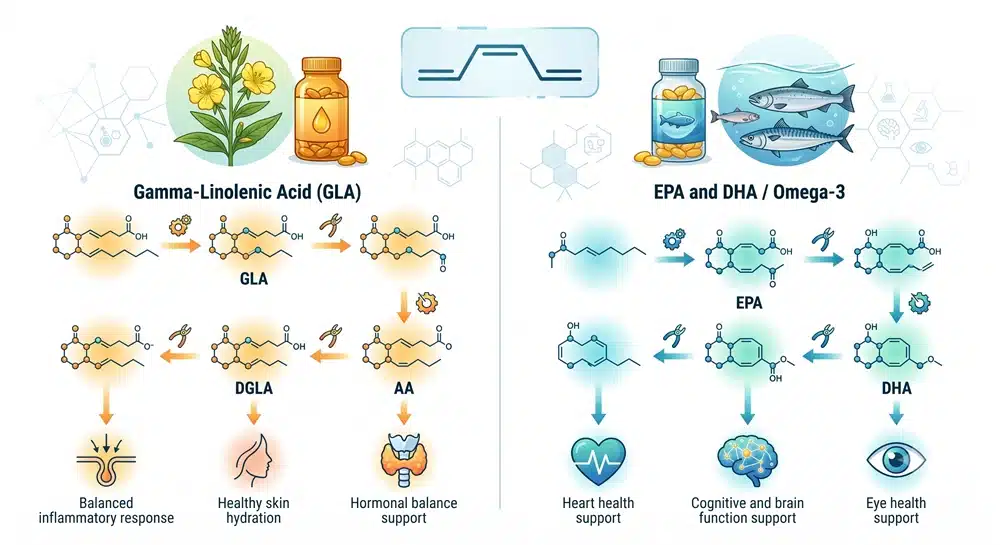
Çuha çiçeği yağı ile balık yağı birbirlerinin doğrudan ikamesi değildir. Çuha çiçeği yağı, esas olarak cilt sağlığı, kadın sağlığı ve iltihap önleyici özellikleriyle bilinen bir omega-6 yağ asidi olan gama-linolenik asit (GLA) nedeniyle değerlidir. Balık yağı ise esas olarak kardiyovasküler sağlık, beyin, göz ve eklem sağlığını destekleyen formüllerde kullanılan iki uzun zincirli omega-3 yağ asidi olan EPA ve DHA nedeniyle değerlidir.
Tüketiciler için basit cevap şudur: Ürün hedefi cilt bariyerini desteklemek veya kadın sağlığına yönelik bir konumlandırma ise çuha çiçeği yağını tercih edin; hedef ise EPA/DHA alımı ve omega-3 desteği ise balık yağını tercih edin.
Takviye markaları için asıl soru “hangi yağ daha sağlıklı?” değildir. Asıl soru şudur: Hangi yağ kaynağı, ürün iddianıza, dozaj biçiminize, oksidasyon kontrol planınıza, tedarikçinin COA belgesine, sürdürülebilirlik hikayenize ve hedef pazarınıza en uygun olanıdır?
Her iki yağ da yumuşak jel kapsüllerde kullanılabilir, ancak üretim açısından farklı zorluklar ortaya çıkarır. Balık yağı, oksidasyon, koku, ağır metaller, PCB’ler, dioksinler ve EPA/DHA konsantrasyonunun dikkatli bir şekilde kontrol edilmesini gerektirir. Çuha çiçeği yağı ise GLA standardizasyonu, soğuk presleme kalite kontrolü, peroksit değeri incelemesi ve ısı, ışık ve oksijenden korunmasını gerektirir.
Kökenleri ve Üretimi
Çuha Çiçeği Yağı (EPO), Kuzey Amerika'ya özgü olan ancak günümüzde dünyanın birçok yerinde bulunan çuha çiçeği bitkisi Oenothera biennis'in tohumlarından elde edilir. Yağ, başta bir tür omega6 yağ asidi olan gammalinolenik asit (GLA) olmak üzere aktif bileşiklerin korunmasına yardımcı olan soğuk presleme işlemiyle çıkarılır. Yağın açık, altın rengi ve hafif bir tadı vardır.
Balık Yağı ise somon, uskumru, sardalya ve hamsi gibi yağlı balıkların dokularından elde edilir. Balık yağı yüksek konsantrasyonlarda omega3 yağ asitleri, özellikle de her ikisi de beyin, kalp ve göz sağlığı için kritik olan EPA (eikosapentaenoik asit) ve DHA (dokosaheksaenoik asit) içerir. Balık yağı tipik olarak, safsızlıkların ve kirleticilerin giderilmesine yardımcı olan presleme, damıtma veya moleküler filtreleme gibi çeşitli yöntemler kullanılarak elde edilir.
Çuha Çiçeği Yağı ile Balık Yağı: B2B Formülasyon Karşılaştırması
| Faktör | Çuha Çiçeği Yağı | Balık Yağı | Formülasyon Notu |
| Başlıca yağ asitleri | GLA ve linoleik asit | EPA ve DHA | EPO bir omega-6 yağıdır; balık yağı ise bir omega-3 yağıdır. Her ikisi de farklı ürün kategorilerinde yer alır. |
| En iyi konumlandırma | Cilt bakımı, kadın sağlığı, içten gelen güzellik, hormonal denge desteği | Kalp, beyin, göz, eklem ve omega-3 desteği | Daha güvenli yapı ve işlev dilini kullanın; hastalık tedavisi ile ilgili iddialardan kaçının. |
| Yaygın ilaç formu | Yumuşak kapsüller, sıvı yağ, güzellik yağı karışımları | Yumuşak kapsüller, sıvı yağ, omega-3 formülleri | Her ikisi de yağ bazlı bileşenlerdir ve yumuşak jel kapsül projelerine çok uygundur. |
| Kalite göstergeleri | GLA içeriği, peroksit değeri, asit değeri, soğuk presleme kalitesi | EPA/DHA konsantrasyonu, PV, p-AV, TOTOX, ağır metaller, PCB’ler, dioksinler | Üretimden önce COA incelemesi mutlaka yapılmalıdır. |
| Üretim riskleri | Oksidasyon, bozulma, ısıya/ışığa maruz kalma, GLA değişkenliği | Oksidasyon, balık kokusu, kirlenme riski, sızıntı riski | Ambalaj ve antioksidan sistemleri önemlidir. |
| Sürdürülebilirlik öyküsü | Bitkisel kaynaklı tohum yağı | Deniz kaynaklı yağ; yosun yağı, bitki bazlı bir alternatiftir | Balık yağı tedarikinde izlenebilirlik ve sürdürülebilirlik hususları göz önünde bulundurulmalıdır. |
| En iyi marka stratejisi | Güzellik, kadın sağlığı, cilde yönelik yumuşak kapsüller | Omega-3, kalp sağlığı, aktif yaşlanma, eklem sağlığı | Omega 3-6-9 dengesi açısından, bu ikisi dikkatli bir şekilde birleştirilebilir. |
Akşam çuha çiçeği yağı ile balık yağı bir arada kullanılabilir mi?
Evet. Akşam çuha çiçeği yağı ve balık yağı, farklı yağ asitleri sağladıkları için aynı takviye formülünde kullanılabilir. Çuha çiçeği yağı GLA sağlarken, balık yağı EPA ve DHA sağlar. Bu da, omega 3-6-9 yumuşak kapsüller, içten güzellik formülleri, aktif yaşlanma ürünleri veya kadın sağlığı takviyeleri geliştiren markalar için bu kombinasyonu cazip hale getirir.
Ancak, bu iki yağı birleştirmek sadece bir pazarlama kararı değildir. Üretim açısından bakıldığında, formülün yağ asidi oranı, dolum ağırlığı, kapsül boyutu, oksidasyon riski, lezzet profili ve ambalaj koruması açısından gözden geçirilmesi gerekir.
Örneğin, bir marka aşağıdakileri içeren bir yumuşak jel kapsül üretmek isteyebilir:
– GLA içeriği standartlaştırılmış çuha çiçeği yağı,
– EPA ve DHA içeriği standartlaştırılmış balık yağı,
– antioksidan desteği olarak E vitamini veya karışık tokoferoller,
– ve sızıntıyı azaltmak ve içindeki yağı oksijenden korumak üzere tasarlanmış bir yumuşak jel kapsül kabuğu.
Buradaki zorluk, stabilitedir. Çoklu doymamış yağlar oksijene, ısıya ve ışığa karşı hassastır. Etikette çekici görünen bir formül bile, yağ karışımında koku oluşması, peroksit değerlerinin yükselmesi ya da kapsül kabuğunun dolgu maddesiyle uyumlu olmaması durumunda başarısız olabilir.
Bu nedenle, takviye markaları EPO ve balık yağını sadece basit bir bileşen karışımı olarak değil, bir formülasyon projesi olarak ele almalıdır.
Sağlık Faydaları
Çuha Çiçeği Yağı:
- Cilt Sağlığı: EPO genellikle egzama, sedef hastalığı ve akne gibi cilt rahatsızlıklarını iyileştirmek için kullanılır. Yağdaki GLA, iltihaplanmayı azaltmaya yardımcı olur ve cilt onarımını destekler. Birçok kişi EPO'yu ciltlerini nemli tutmak ve ince çizgilerin ve kırışıklıkların görünümünü azaltmak için kullanır.
- Hormonal Destek: Çuha Çiçeği Yağı genellikle PMS (adet öncesi sendrom) ve menopozla ilgili semptomları yönetmek için kullanılır. Enflamasyon ve ağrının düzenlenmesinde rol oynayan prostaglandin üretimini etkileyerek hormonları dengelemeye yardımcı olduğuna inanılmaktadır. EPO, ruh hali değişimleri, göğüs hassasiyeti ve sıcak basması gibi semptomları hafifletmeye yardımcı olabilir.
- Antienflamatuar: Yüksek GLA içeriği nedeniyle EPO, sistemik enflamasyonu azaltmada etkilidir. Bu da onu romatoid artrit veya diğer enflamatuar rahatsızlıkları olan bireyler için faydalı bir takviye haline getirir.
- Kalp Sağlığı: Bazı araştırmalar, EPO'nun kolesterol seviyelerini düşürerek ve kan dolaşımını iyileştirerek kardiyovasküler sağlığı destekleyebileceğini öne sürmektedir, ancak bu fayda balık yağına kıyasla daha az belirlenmiştir.
Balık Yağı:
- Kalp Sağlığı: Balık yağının birincil faydalarından biri kalp sağlığını destekleme kabiliyetidir. EPA ve DHA'nın arterlerdeki enflamasyonu azalttığı, trigliserit seviyelerini düşürdüğü ve kan dolaşımını iyileştirdiği bilinmektedir. Balık yağı takviyesinin kalp krizi ve felç dahil olmak üzere kardiyovasküler hastalık riskini azalttığı gösterilmiştir.
- Beyin Sağlığı: DHA beynin önemli bir yapısal bileşenidir ve bilişsel işlevde kilit bir rol oynar. Araştırmalar DHA'nın hafızayı, odaklanmayı ve genel beyin sağlığını iyileştirebileceğini göstermektedir. Özellikle bebekler, çocuklar ve yaşlı yetişkinler için önemlidir. Hamilelik sırasında balık yağı takviyesi fetal beyin gelişimini de destekleyebilir.
- Göz Sağlığı: DHA, gözlerdeki retinanın sağlığını korumak için gereklidir. Düzenli balık yağı alımı, yaşlı yetişkinlerde körlüğün önde gelen nedenlerinden biri olan yaşa bağlı makula dejenerasyonu (AMD) riskinin azalmasıyla ilişkilendirilmiştir. Ayrıca kuru gözlere ve görme ile ilgili diğer sorunlara da yardımcı olabilir.
- Antienflamatuar ve Duygudurum Düzenleyici: EPO gibi, balık yağı da romatoid artrit gibi durumların yönetilmesine yardımcı olabilecek antienflamatuar özelliklere sahiptir. Ayrıca, balık yağındaki EPA'nın depresyon, anksiyete ve bipolar bozukluk semptomlarını potansiyel olarak hafifleterek ruh sağlığını desteklediği gösterilmiştir.
Sürdürülebilirlik ve Çevresel Etki
Çuha Çiçeği Yağı bitki bazlı bir yağdır ve bu nedenle hayvansal kaynaklı yağlardan daha sürdürülebilir olarak kabul edilir. Çuha çiçeği bitkisinin yetiştirilmesi, özellikle aşırı avlanma ve deniz ekosisteminin bozulması açısından balıkçılıkla aynı çevresel etkiye sahip değildir. Bununla birlikte, tüm tarımsal ürünler gibi, yetiştirmek için hala toprak, su ve enerji gerekmektedir.
Buna karşılık, balık yağı, aşırı avlanma ve deniz yaşamının tükenmesi konusunda endişeler uyandırmaktadır. Birçok kişi balık yağı üreticileri sürdürülebilir balıkçılıktan elde edilen balıkları kullansa da, büyük ölçekli balıkçılığın çevresel etkilerine ilişkin endişeler hala devam etmektedir. Geleneksel balık yağına daha çevre dostu bir alternatif arayanlar için yosun bazlı omega3 yağları (örneğin DHA Algal Yağı) bitki bazlı ve daha sürdürülebilir bir seçenek olarak giderek daha popüler hale gelmektedir.
EPO ve Balık Yağı için Yumuşak Jel Kapsül Üretiminde Dikkat Edilmesi Gereken Hususlar

Çuha çiçeği yağı ve balık yağı, her ikisi de şunlar için uygundur: softgel üreti̇mi̇, ancak formülasyon, dolum, kurutma ve paketleme aşamalarında titiz bir kontrol gerektirirler.
EPO, balık yağı veya omega 3-6-9 ürünleri için, yumuşak jel kapsül üretimi genellikle hassas yağ doldurma, koku kontrolü ve raf ömrünün korunması açısından en pratik biçimdir.Balık yağı kapsülleri söz konusu olduğunda, başlıca teknik hususlar oksidasyon, koku, EPA/DHA konsantrasyonu ve kirletici maddelerle ilgili testlerdir. Yüksek kaliteli bir balık yağı projesinde peroksit değeri, p-anisidin değeri, TOTOX değeri, ağır metaller, PCB’ler, dioksinler ve kaynak izlenebilirliği gözden geçirilmelidir.
Çuha çiçeği yağı kapsülleri söz konusu olduğunda, en önemli hususlar GLA standardizasyonu, asit değeri, peroksit değeri, soğuk presleme kalitesi ile ısı ve oksijenden korunmadır. Çuha çiçeği yağı da çoklu doymamış bir yağ olduğu için, tedarik zinciri veya ambalajlama süreçleri yeterince kontrol edilmezse bozulabilir.
Karışık yağ içeren yumuşak kapsüller söz konusu olduğunda, markalar ayrıca şu hususları da değerlendirmelidir:
– dolum ağırlığı ve kapsül boyutu,
– yağ viskozitesi,
– kabuk uyumluluğu,
– sızıntı riski,
– antioksidan sistem,
– azotla yıkama veya oksijen kontrolü seçenekleri,
– şişe ve blister ambalajları,
– ve hızlandırılmış kararlılık testleri.
Üst düzey formüller için, blister ambalajlar veya oksijenden koruyucu şişeler, basit plastik şişelere göre daha iyi sonuç verebilir. Üründe hem EPO hem de balık yağı kullanılıyorsa, ambalaj seçimi formülün kesinleşmesinden sonra değil, üretim ölçeğinin genişletilmesinden önce yapılmalıdır.
EPO veya Balık Yağı Bileşenleri Satın Almadan Önce Kontrol Edilmesi Gereken Kalite Hususları

Takviye markaları için COA, içerik maddesinin adından daha önemlidir. Akşam çiçeği yağı veya balık yağı satın almadan önce, ürünün kimliğini, etki gücünü, oksidasyon durumunu, kirletici maddeleri ve saklama koşullarını doğrulayan belgeleri talep edin.
Akşam çuha çiçeği yağı hakkında inceleme:
– GLA yüzdesi,
– linoleik asit içeriği,
– peroksit değeri,
– asit sayısı,
– ekstraksiyon yöntemi,
– alerjen beyanı,
– menşe ülkesi,
– gerekirse pestisit ve çözücü testleri,
– ve saklama koşulları.
Balık yağı hakkında inceleme:
– EPA içeriği,
– DHA içeriği,
– toplam omega-3 içeriği,
– peroksit değeri,
– p-anizidin değeri,
– TOTOX değeri,
– ağır metaller,
– PCB’ler,
– dioksinler,
– balık türleri ve menşe izlenebilirliği,
– koku giderme seviyesi,
– ve varsa üçüncü taraf testleri.
Düşük maliyetli bir yağ, üretim açısından her zaman daha ucuz değildir. Hammadde kalitesinin düşük olması, koku şikayetlerine, kapsül sızıntısına, stabilite testlerinde başarısızlığa, raf ömrünün kısalmasına ve müşteri iadelerinin artmasına yol açabilir.
Yan Etkiler ve Dikkat Edilmesi Gerekenler
Hem Çuha Çiçeği Yağı hem de Balık Yağı uygun dozlarda alındığında genellikle güvenli kabul edilir, ancak bazı kişilerde yan etkilere neden olabilirler.
Çuha Çiçeği Yağı bazen hafif gastrointestinal rahatsızlığa, baş ağrısına veya cilt reaksiyonlarına neden olabilir. Kan inceltici ilaçlarla etkileşim riski de vardır, bu nedenle özellikle antikoagülan kullanıyorsanız, kullanmadan önce bir sağlık uzmanına danışmanız önemlidir.
Balık Yağı, özellikle büyük miktarlarda alındığında balık tadı, geğirme veya sindirim bozukluğuna neden olabilir. Bazı kişiler balık bazlı ürünlere karşı alerjik reaksiyonlar yaşayabilir. EPO'da olduğu gibi, balık yağı da kan inceltici ilaçlarla etkileşime girerek kanama riskini artırabilir.
Takviye Markaları için Nihai Tavsiye
Çuha çiçeği yağı ve balık yağı, farklı takviye stratejilerine hizmet eder. Çuha çiçeği yağı, cilt sağlığı, kadın sağlığı, içten gelen güzellik ve GLA temelli konumlandırma için daha uygundur. Balık yağı ise EPA/DHA alımı, omega-3 desteği, aktif yaşlanma, eklem sağlığı ve kardiyovasküler sağlık konumlandırması için daha uygundur.
Markalar için en iyi seçim, hedeflenen iddia, yağ kalitesi, sunum şekli, COA sonuçları, oksidasyon durumu, sürdürülebilirlik yaklaşımı ve hedef müşteri kitlesine bağlıdır.
Eğer bir yumuşak jel kapsül, sıvı yağ veya omega 3-6-9 ürünü geliştiriyorsanız, seçiminizi yalnızca bileşenlerin popülerliğine göre yapmayın. Piyasaya sürmeden önce yağ asidi profilini, stabilite gereksinimlerini, ambalaj biçimini ve üretim uygulanabilirliğini gözden geçirin.
Yağ bazlı bir takviye geliştirmek için yardıma mı ihtiyacınız var?
Gensei, çuha çiçeği yağı kapsülleri, balık yağı kapsülleri, karma omega 3-6-9 formülleri, sıvı yağ ürünleri, özel etiketli takviyeler ve özel formülasyon projelerini destekleyebilir. Üretim öncesinde fizibilite değerlendirmesi yapabilmemiz için hedef yağ asidi profilinizi, dozaj biçiminizi, kapsül boyutunuzu, ambalaj planınızı ve pazar konumlandırmanızı bize gönderin.
SSS
Çuha çiçeği yağı ile balık yağı aynı şey midir?
Hayır. Akşam çuha çiçeği yağı, omega-6 yağ asitleri, özellikle de GLA açısından zengin bir bitki tohumu yağıdır. Balık yağı ise omega-3 yağ asitleri, özellikle de EPA ve DHA açısından zengin bir deniz yağıdır. Bu yağlar, farklı besin takviyesi amaçları için kullanılır.
Hangisi daha iyidir, omega-3 mi yoksa çuha çiçeği yağı mı?
İkisi de her durumda daha iyi değildir. Omega-3 balık yağı, EPA/DHA açısından daha avantajlıyken, çuha çiçeği yağı ise GLA, cilt sağlığı ve kadın sağlığı açısından daha avantajlıdır. Doğru seçim, ürünün amacına bağlıdır.
Çuha çiçeği yağı ile balık yağı birlikte alınabilir mi?
Farklı yağ asitleri sağladıkları için aynı takviye formülünde yer alabilirler. Nihai ürünler söz konusu olduğunda, markalar bunları bir araya getirmeden önce toplam dozajı, oksidasyon kararlılığını, COA kalitesini ve olası tüketici güvenliği hususlarını değerlendirmelidir.
Çuha çiçeği yağı bir omega-3 türü mü?
Hayır. Akşam çiçeği yağı esas olarak bir omega-6 yağıdır. İçindeki başlıca aktif yağ asidi gama-linolenik asit, yani GLA’dır. Balık yağı ise omega-3 EPA ve DHA’nın daha iyi bilinen kaynağıdır.
Markalar balık yağı satın almadan önce neleri test etmelidir?
Markalar, EPA, DHA, toplam omega-3 içeriği, peroksit değeri, p-anisidin değeri, TOTOX değeri, ağır metaller, PCB’ler, dioksinler, balık türleri, koku giderme seviyesi ve izlenebilirlik belgelerini incelemelidir.
Markalar, çuha çiçeği yağı satın almadan önce neleri test etmelidir?
Markalar, GLA içeriğini, peroksit değerini, asit değerini, ekstraksiyon yöntemini, varsa pestisit veya çözücü testlerini, alerjen beyanlarını, menşe bilgilerini ve saklama koşullarını gözden geçirmelidir.
EPO veya balık yağı için en uygun dozaj şekli hangisidir?
Yumuşak kapsüller, yağ bazlı bileşenleri korudukları, tadı maskeledikleri ve hassas dolum ağırlıklarına olanak sağladıkları için genellikle en pratik formattır. Sıvı yağlar da kullanılabilir, ancak ambalajlama ve oksidasyon kontrolü, ambalaj açıldıktan sonra daha önemli hale gelir.
Bu ürünler, hastalık tedavisiyle ilgili iddialarda bulunabilir mi?
Hayır. Besin takviyesi etiketlerinde, hastalıkları teşhis eden, tedavi eden, iyileştiren veya önleyen iddialara yer verilmemelidir. Daha güvenli yapı/işlev ifadeleri arasında, uygun ve kanıtlanmış olduğu durumlarda “cilt sağlığını destekler”, “kadınların sağlığını destekler”, “omega-3 alımını destekler” veya “kardiyovasküler sağlığı destekler” gibi terimler yer alır.
Referanslar
- NCCIH. Akşam Çuha Çiçeği Yağı: Yararları ve Güvenliği.
https://www.nccih.nih.gov/health/evening-primrose-oil - NIH Besin Takviyeleri Ofisi. Omega-3 Yağ Asitleri – Sağlık Profesyonelleri İçin Bilgi Notu.
https://ods.od.nih.gov/factsheets/Omega3FattyAcids-HealthProfessional/ - NCCIH. Omega-3 Takviyeleri: Bilmeniz Gerekenler.
https://www.nccih.nih.gov/health/omega3-supplements-what-you-need-to-know - GOED. Omega-3 EPA ve DHA Yağları için Gönüllü Monografi.
https://goedomega3.com/storage/app/media/Monograph/GOED%20Monograph%20-%202022%2001%2006%20-%20FINAL.pdf - Bannenberg ve ark. Yeni Zelanda’daki Balık Yağı Takviyelerinin Omega-3 Uzun Zincirli Çoklu Doymamış Yağ Asidi İçeriği ve Oksidasyon Durumu. Scientific Reports.
https://www.nature.com/articles/s41598-017-01470-4 - FDA. Yapı/Fonksiyon İddiaları.
https://www.fda.gov/food/nutrition-food-labeling-and-critical-foods/structurefunction-claims - FDA. Besin Takviyeleriyle İlgili Sorular ve Cevaplar.
https://www.fda.gov/food/information-consumers-using-dietary-supplements/questions-and-answers-dietary-supplements

Warren Wan, besin takviyesi tedarik zincirinde kapsamlı deneyime sahip deneyimli bir uzmandır ve kolajen peptidleri, kemik suyu proteini ve keratin gibi temel bileşenlerin araştırma, geliştirme, süreç kontrolü ve küresel tedarik alanlarında zengin pratik deneyime sahiptir. Bu köşenin yazarı olarak, pazarlama söylemlerinin ötesine geçmeye, anlaşılması zor bileşen bilimini ve üretim kalite kontrol standartlarını kolay anlaşılır, somut bilimsel bilgilere dönüştürmeye kendini adamıştır. Böylece okuyucuların etiketlerin ardındaki gerçeği anlamalarına ve sağlık konusunda daha rasyonel seçimler yapmalarına yardımcı olmaktadır.


