
Câu trả lời ngắn gọn: Dầu hoa anh thảo so với dầu cá
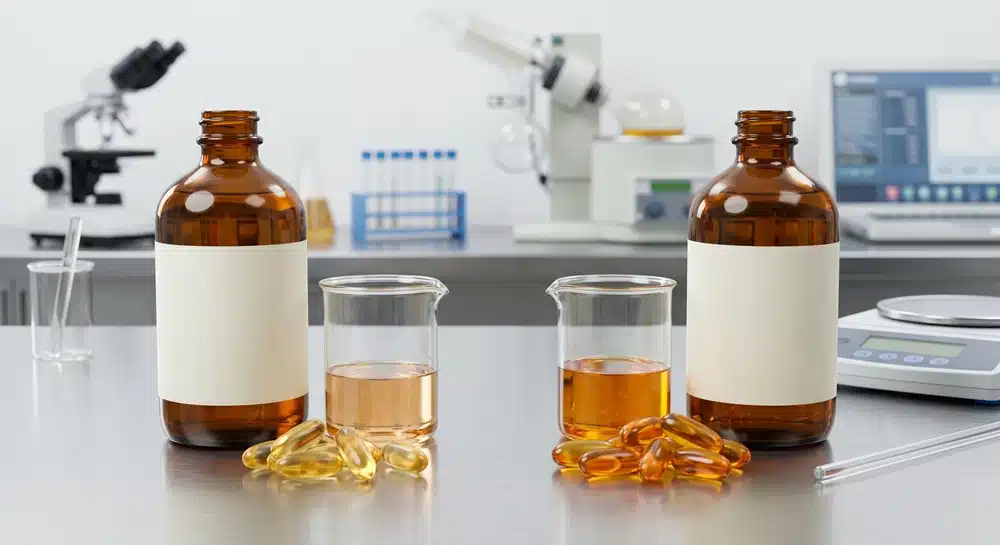
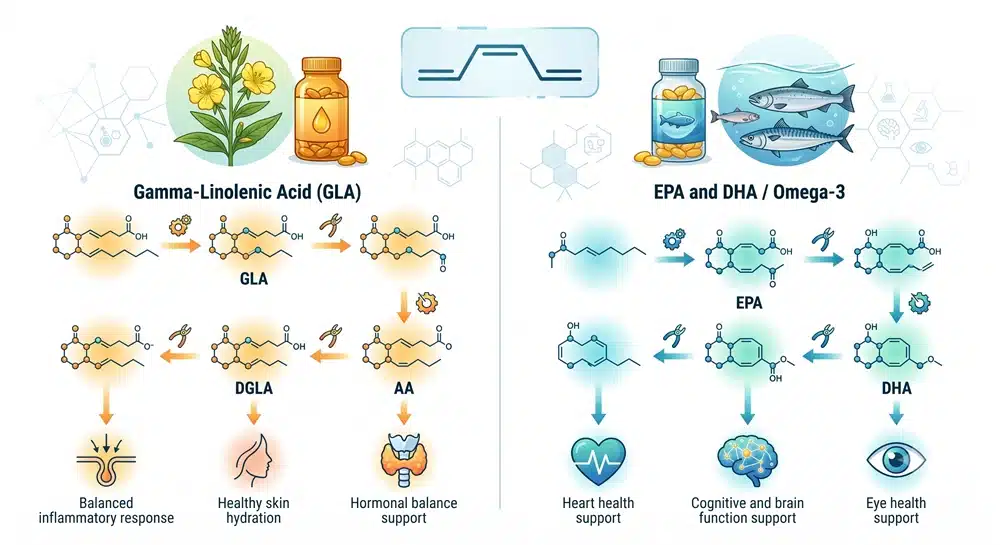
Dầu hoa anh thảo và dầu cá không phải là những sản phẩm thay thế trực tiếp cho nhau. Dầu hoa anh thảo chủ yếu được đánh giá cao nhờ axit gamma-linolenic (GLA), một loại axit béo omega-6 được sử dụng trong các sản phẩm chăm sóc da, sức khỏe phụ nữ và chống viêm. Dầu cá chủ yếu được đánh giá cao nhờ EPA và DHA, hai loại axit béo omega-3 chuỗi dài được sử dụng trong các công thức hỗ trợ tim mạch, não bộ, mắt và khớp.
Đối với người tiêu dùng, câu trả lời đơn giản là như sau: hãy chọn dầu hoa anh thảo khi mục tiêu của sản phẩm là hỗ trợ hàng rào bảo vệ da hoặc định vị sản phẩm hướng đến sức khỏe phụ nữ; hãy chọn dầu cá khi mục tiêu là cung cấp EPA/DHA và hỗ trợ omega-3.
Đối với các thương hiệu thực phẩm bổ sung, câu hỏi quan trọng hơn không phải là “loại dầu nào tốt cho sức khỏe hơn?”, mà là: nguồn dầu nào phù hợp với tuyên bố về sản phẩm, dạng bào chế, kế hoạch kiểm soát quá trình oxy hóa, chứng nhận phân tích (COA) của nhà cung cấp, câu chuyện về tính bền vững và thị trường mục tiêu của bạn?
Cả hai loại dầu này đều có thể được sử dụng dưới dạng viên nang mềm, nhưng chúng đặt ra những thách thức khác nhau trong quá trình sản xuất. Dầu cá đòi hỏi phải kiểm soát cẩn thận các yếu tố như quá trình oxy hóa, mùi, kim loại nặng, PCB, dioxin và hàm lượng EPA/DHA. Dầu hoa anh thảo đòi hỏi phải chuẩn hóa hàm lượng GLA, kiểm soát chất lượng trong quá trình ép lạnh, đánh giá chỉ số peroxide, đồng thời bảo vệ sản phẩm khỏi nhiệt, ánh sáng và oxy.
Nguồn gốc và quy trình sản xuất
Dầu hoa anh thảo (EPO) được chiết xuất từ hạt của cây hoa anh thảo, Oenothera biennis, loài cây có nguồn gốc từ Bắc Mỹ nhưng hiện nay đã được trồng ở nhiều nơi trên thế giới. Dầu được chiết xuất thông qua quy trình ép lạnh, giúp bảo toàn các hợp chất hoạt tính, chủ yếu là axit gamma-linolenic (GLA), một loại axit béo omega-6. Dầu có màu vàng nhạt và hương vị nhẹ nhàng.
Ngược lại, dầu cá được chiết xuất từ các mô của các loài cá béo như cá hồi, cá thu, cá mòi và cá cơm. Dầu cá chứa hàm lượng cao axit béo omega-3, đặc biệt là EPA (axit eicosapentaenoic) và DHA (axit docosahexaenoic), cả hai đều rất quan trọng đối với sức khỏe của não, tim và mắt. Dầu cá thường được chiết xuất bằng nhiều phương pháp khác nhau, bao gồm ép, chưng cất hoặc lọc phân tử, giúp loại bỏ tạp chất và chất gây ô nhiễm.
Dầu hoa anh thảo so với dầu cá: So sánh công thức trong lĩnh vực B2B
| Yếu tố | Dầu hoa anh thảo | Dầu cá | Ghi chú về công thức |
| Các axit béo chính | GLA và axit linoleic | EPA và DHA | EPO là loại dầu omega-6; dầu cá là loại dầu omega-3. Chúng chiếm các phân khúc sản phẩm khác nhau. |
| Vị trí tối ưu | Chăm sóc da, sức khỏe phụ nữ, vẻ đẹp từ bên trong, hỗ trợ cân bằng nội tiết tố | Hỗ trợ sức khỏe tim, não, mắt, khớp và omega-3 | Sử dụng ngôn ngữ mô tả cấu trúc và chức năng một cách an toàn hơn; tránh đưa ra các tuyên bố về điều trị bệnh. |
| Dạng bào chế thông dụng | Viên nang mềm, dầu lỏng, hỗn hợp dầu làm đẹp | Viên nang mềm, dầu lỏng, các công thức omega-3 | Cả hai đều là các thành phần gốc dầu và rất phù hợp cho các dự án sản xuất viên nang mềm. |
| Các chỉ số chất lượng | Hàm lượng GLA, chỉ số peroxide, chỉ số axit, chất lượng ép lạnh | Hàm lượng EPA/DHA, PV, p-AV, TOTOX, kim loại nặng, PCB, dioxin | Việc rà soát COA là điều không thể thiếu trước khi đưa vào sản xuất. |
| Rủi ro trong sản xuất | Quá trình oxy hóa, quá trình ôi thiu, tiếp xúc với nhiệt/ánh sáng, sự biến động của hàm lượng GLA | Quá trình oxy hóa, mùi tanh, nguy cơ nhiễm bẩn, nguy cơ rò rỉ | Việc đóng gói và hệ thống chất chống oxy hóa rất quan trọng. |
| Câu chuyện về phát triển bền vững | Dầu hạt có nguồn gốc thực vật | Dầu có nguồn gốc từ biển; dầu tảo là một loại dầu thay thế có nguồn gốc thực vật | Việc thu mua dầu cá cần đảm bảo tính truy xuất nguồn gốc và tính bền vững. |
| Chiến lược thương hiệu xuất sắc nhất | Làm đẹp, sức khỏe phụ nữ, viên nang mềm chuyên dụng cho da | Omega-3, sức khỏe tim mạch, lão hóa tích cực, hỗ trợ khớp | Để tối ưu hóa tác dụng của omega 3-6-9, hai loại này có thể được kết hợp một cách cẩn thận. |
Có thể kết hợp dầu hoa anh thảo và dầu cá với nhau không?
Đúng vậy. Dầu hoa anh thảo và dầu cá có thể được kết hợp trong cùng một công thức thực phẩm chức năng vì chúng cung cấp các loại axit béo khác nhau. Dầu hoa anh thảo cung cấp GLA, trong khi dầu cá cung cấp EPA và DHA. Điều này khiến sự kết hợp này trở nên hấp dẫn đối với các thương hiệu đang phát triển viên nang mềm omega 3-6-9, công thức làm đẹp từ bên trong, sản phẩm hỗ trợ lão hóa tích cực hoặc thực phẩm bổ sung chăm sóc sức khỏe dành cho phụ nữ.
Tuy nhiên, việc kết hợp hai loại dầu này không chỉ đơn thuần là một quyết định mang tính tiếp thị. Từ góc độ sản xuất, công thức cần được rà soát về tỷ lệ axit béo, trọng lượng chiết rót, kích thước viên nang, nguy cơ oxy hóa, đặc tính hương vị và khả năng bảo vệ của bao bì.
Ví dụ, một thương hiệu có thể muốn sản xuất viên nang mềm có chứa:
– dầu hoa anh thảo buổi tối được chuẩn hóa theo hàm lượng GLA,
– dầu cá được chuẩn hóa theo hàm lượng EPA và DHA,
– vitamin E hoặc hỗn hợp tocopherol để hỗ trợ chống oxy hóa,
– cùng với lớp vỏ viên nang mềm được thiết kế để giảm thiểu hiện tượng rò rỉ và bảo vệ dầu bên trong khỏi tác động của oxy.
Thách thức nằm ở tính ổn định. Các loại dầu đa không bão hòa rất nhạy cảm với oxy, nhiệt độ và ánh sáng. Một công thức trông hấp dẫn trên nhãn sản phẩm vẫn có thể thất bại nếu hỗn hợp dầu phát sinh mùi lạ, chỉ số peroxide tăng cao, hoặc vỏ viên nang không tương thích với chất lỏng bên trong.
Vì lý do này, các thương hiệu thực phẩm bổ sung nên xem EPO kết hợp với dầu cá như một dự án phát triển công thức, chứ không chỉ đơn thuần là sự kết hợp các thành phần.
Lợi ích cho sức khỏe
Dầu hoa anh thảo:
- Sức khỏe làn da: Dầu hạt lanh (EPO) thường được sử dụng để cải thiện các vấn đề về da như chàm, vảy nến và mụn trứng cá. Thành phần GLA trong dầu giúp giảm viêm và thúc đẩy quá trình phục hồi da. Nhiều người sử dụng dầu hạt lanh để giữ ẩm cho da và làm mờ các nếp nhăn nhỏ cũng như nếp nhăn sâu.
- Hỗ trợ nội tiết tố: Dầu hoa anh thảo thường được sử dụng để giảm các triệu chứng liên quan đến hội chứng tiền kinh nguyệt (PMS) và thời kỳ mãn kinh. Người ta tin rằng loại dầu này giúp cân bằng nội tiết tố bằng cách tác động đến quá trình sản sinh prostaglandin – chất đóng vai trò quan trọng trong việc điều hòa phản ứng viêm và cơn đau. Dầu hoa anh thảo có thể giúp giảm bớt các triệu chứng như thay đổi tâm trạng, đau nhức ngực và các cơn bốc hỏa.
- Chống viêm: Nhờ hàm lượng GLA cao, EPO có tác dụng làm giảm viêm toàn thân. Điều này khiến nó trở thành một loại thực phẩm bổ sung có lợi cho những người mắc các bệnh như viêm khớp dạng thấp hoặc các rối loạn viêm nhiễm khác.
- Sức khỏe tim mạch: Một số nghiên cứu cho thấy EPO có thể hỗ trợ sức khỏe tim mạch bằng cách giảm nồng độ cholesterol và cải thiện lưu thông máu, mặc dù lợi ích này chưa được chứng minh rõ ràng bằng so với dầu cá.
Dầu cá:
- Sức khỏe tim mạch: Một trong những lợi ích chính của dầu cá là khả năng hỗ trợ sức khỏe tim mạch. EPA và DHA được biết đến với tác dụng giảm viêm trong động mạch, làm giảm nồng độ triglyceride và cải thiện lưu thông máu. Các nghiên cứu đã chỉ ra rằng việc bổ sung dầu cá giúp giảm nguy cơ mắc các bệnh tim mạch, bao gồm nhồi máu cơ tim và đột quỵ.
- Sức khỏe não bộ: DHA là một thành phần cấu trúc chính của não bộ và đóng vai trò quan trọng trong chức năng nhận thức. Các nghiên cứu cho thấy DHA có thể cải thiện trí nhớ, khả năng tập trung và sức khỏe tổng thể của não bộ. Chất này đặc biệt quan trọng đối với trẻ sơ sinh, trẻ em và người cao tuổi. Việc bổ sung dầu cá trong thời kỳ mang thai cũng có thể hỗ trợ sự phát triển não bộ của thai nhi.
- Sức khỏe đôi mắt: DHA là thành phần thiết yếu để duy trì sức khỏe của võng mạc. Việc sử dụng dầu cá đều đặn được cho là có liên quan đến việc giảm nguy cơ mắc bệnh thoái hóa điểm vàng do tuổi tác (AMD) – một trong những nguyên nhân hàng đầu gây mù lòa ở người cao tuổi. Nó cũng có thể giúp cải thiện tình trạng khô mắt và các vấn đề khác liên quan đến thị lực.
- Chống viêm và điều hòa tâm trạng: Giống như EPO, dầu cá có tác dụng chống viêm, giúp kiểm soát các bệnh lý như viêm khớp dạng thấp. Ngoài ra, EPA trong dầu cá đã được chứng minh là có tác dụng hỗ trợ sức khỏe tinh thần, có khả năng làm giảm các triệu chứng của trầm cảm, lo âu và rối loạn lưỡng cực.
Phát triển bền vững và tác động môi trường
Dầu hoa anh thảo là một loại dầu có nguồn gốc thực vật, và do đó, nó được coi là bền vững hơn so với các loại dầu có nguồn gốc động vật. Việc trồng cây hoa anh thảo không gây ra tác động môi trường tương tự như hoạt động đánh bắt cá, đặc biệt là về vấn đề khai thác quá mức và suy thoái hệ sinh thái biển. Tuy nhiên, giống như tất cả các sản phẩm nông nghiệp khác, việc trồng trọt loại cây này vẫn cần đất đai, nước và năng lượng.
Ngược lại, dầu cá lại gây lo ngại về tình trạng đánh bắt quá mức và sự suy giảm nguồn lợi thủy sản. Trong khi nhiều các nhà sản xuất dầu cá Mặc dù sử dụng cá từ các nguồn đánh bắt bền vững, những lo ngại về tác động môi trường của hoạt động đánh bắt quy mô lớn vẫn còn tồn tại. Đối với những ai đang tìm kiếm một lựa chọn thân thiện với môi trường hơn so với dầu cá truyền thống, các loại dầu omega-3 chiết xuất từ tảo (chẳng hạn như DHA Dầu tảo) đang ngày càng trở nên phổ biến như một lựa chọn có nguồn gốc thực vật và bền vững hơn.
Các yếu tố cần lưu ý trong sản xuất viên nang mềm chứa EPO và dầu cá

Dầu hoa anh thảo và dầu cá đều phù hợp cho sản xuất viên nang mềm, nhưng chúng đòi hỏi phải được kiểm soát cẩn thận trong các công đoạn pha chế, chiết rót, sấy khô và đóng gói.
Đối với các sản phẩm EPO, dầu cá hoặc omega 3-6-9, Sản xuất viên nang mềm thường là hình thức thiết thực nhất để đổ dầu chính xác, kiểm soát mùi và bảo quản thời hạn sử dụng.Đối với viên nang mềm dầu cá, các vấn đề kỹ thuật chính bao gồm quá trình oxy hóa, mùi, hàm lượng EPA/DHA và việc kiểm tra các chất gây ô nhiễm. Một dự án sản xuất dầu cá chất lượng cao cần đánh giá chỉ số peroxide, chỉ số p-anisidine, chỉ số TOTOX, kim loại nặng, PCB, dioxin và khả năng truy xuất nguồn gốc.
Đối với viên nang mềm dầu hoa anh thảo, những vấn đề quan trọng cần lưu ý là việc chuẩn hóa hàm lượng GLA, chỉ số axit, chỉ số peroxit, chất lượng ép lạnh, cũng như việc bảo vệ sản phẩm khỏi nhiệt và oxy. Do dầu hoa anh thảo (EPO) cũng là một loại dầu đa không bão hòa, nên nó có thể bị ôi thiu nếu chuỗi cung ứng hoặc quy trình đóng gói không được kiểm soát chặt chẽ.
Đối với viên nang mềm chứa hỗn hợp dầu, các thương hiệu cũng nên đánh giá:
– trọng lượng và kích thước viên nang,
– độ nhớt của dầu,
– khả năng tương thích với vỏ lệnh,
– rủi ro rò rỉ,
– hệ thống chống oxy hóa,
– các tùy chọn xả nitơ hoặc kiểm soát oxy,
– bao bì chai so với bao bì vỉ,
– và thử nghiệm độ ổn định gia tốc.
Đối với các công thức cao cấp, bao bì dạng vỉ hoặc chai chống oxy hóa có thể mang lại hiệu quả tốt hơn so với chai nhựa thông thường. Nếu sản phẩm sử dụng cả EPO và dầu cá, quyết định về bao bì nên được đưa ra trước khi mở rộng quy mô sản xuất, chứ không phải sau khi công thức đã được hoàn thiện.
Danh sách kiểm tra chất lượng trước khi mua nguyên liệu EPO hoặc dầu cá
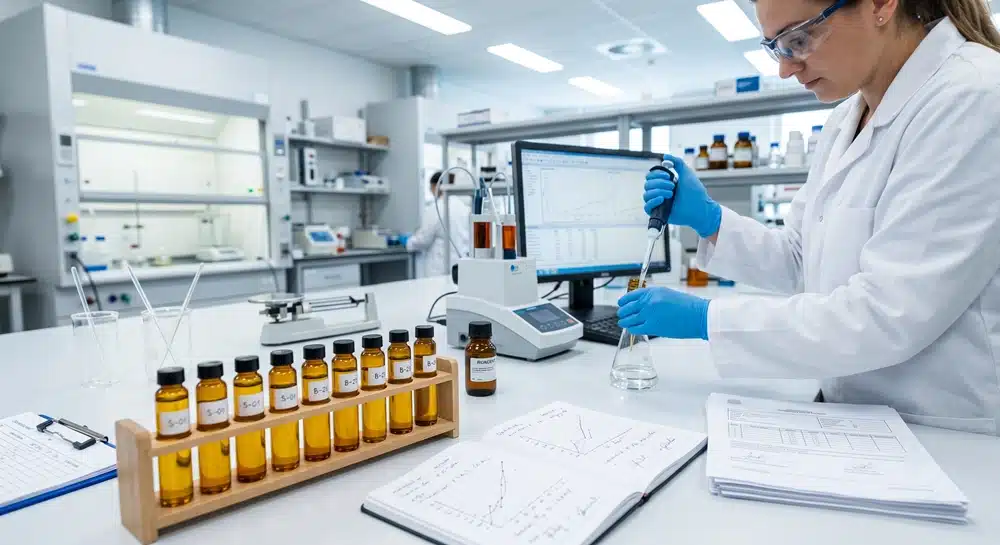
Đối với các thương hiệu thực phẩm chức năng, Giấy chứng nhận phân tích (COA) còn quan trọng hơn cả tên thành phần. Trước khi mua dầu hoa anh thảo hoặc dầu cá, hãy yêu cầu các tài liệu xác nhận nguồn gốc, hàm lượng hoạt chất, tình trạng oxy hóa, các chất gây ô nhiễm và yêu cầu bảo quản.
Đối với dầu hoa anh thảo, bài đánh giá:
– Tỷ lệ phần trăm GLA,
– hàm lượng axit linoleic,
– chỉ số peroxide,
– chỉ số axit,
– phương pháp chiết xuất,
– thông tin về chất gây dị ứng,
– quốc gia xuất xứ,
– kiểm tra thuốc trừ sâu và dung môi (nếu có),
– và điều kiện bảo quản.
Đối với dầu cá, hãy xem lại:
– Nội dung về EPA,
– Hàm lượng DHA,
– hàm lượng omega-3 tổng cộng,
– chỉ số peroxide,
– giá trị p-anisidine,
– Giá trị TOTOX,
– kim loại nặng,
– PCB,
– dioxin,
– khả năng truy xuất nguồn gốc loài cá và nguồn gốc,
– mức độ khử mùi,
– và kết quả kiểm tra của bên thứ ba (nếu có).
Dầu có giá thành thấp không phải lúc nào cũng rẻ hơn trong quá trình sản xuất. Chất lượng nguyên liệu kém có thể dẫn đến các khiếu nại về mùi, hiện tượng rò rỉ viên nang, không đạt yêu cầu trong các thử nghiệm độ ổn định, thời hạn sử dụng ngắn hơn và tỷ lệ trả hàng của khách hàng cao hơn.
Tác dụng phụ và những điều cần lưu ý
Cả dầu hoa anh thảo và dầu cá đều được coi là an toàn khi sử dụng với liều lượng phù hợp, nhưng chúng có thể gây ra tác dụng phụ ở một số người.
Dầu hoa anh thảo đôi khi có thể gây ra các triệu chứng rối loạn tiêu hóa nhẹ, đau đầu hoặc phản ứng da. Ngoài ra, còn có nguy cơ tương tác với các loại thuốc làm loãng máu, vì vậy bạn cần tham khảo ý kiến của bác sĩ trước khi sử dụng, đặc biệt nếu bạn đang dùng thuốc chống đông máu.
Dầu cá có thể gây ra vị tanh đọng lại trong miệng, ợ hơi hoặc rối loạn tiêu hóa, đặc biệt là khi dùng với liều lượng lớn. Một số người có thể gặp phản ứng dị ứng với các sản phẩm có nguồn gốc từ cá. Giống như EPO, dầu cá cũng có thể tương tác với các loại thuốc làm loãng máu, làm tăng nguy cơ chảy máu.
Khuyến nghị cuối cùng về các thương hiệu thực phẩm bổ sung
Dầu hoa anh thảo và dầu cá phục vụ cho các chiến lược bổ sung dinh dưỡng khác nhau. Dầu hoa anh thảo phù hợp hơn cho việc chăm sóc da, sức khỏe phụ nữ, làm đẹp từ bên trong và định vị sản phẩm dựa trên GLA. Dầu cá phù hợp hơn cho việc cung cấp EPA/DHA, bổ sung omega-3, duy trì sức khỏe khi về già, hỗ trợ khớp và định vị sản phẩm về sức khỏe tim mạch.
Đối với các thương hiệu, lựa chọn tối ưu phụ thuộc vào thông điệp quảng cáo mong muốn, chất lượng dầu, dạng bào chế, kết quả COA, tình trạng oxy hóa, câu chuyện về tính bền vững và đối tượng khách hàng mục tiêu.
Nếu bạn đang phát triển sản phẩm viên nang mềm, dầu lỏng hoặc sản phẩm chứa omega 3-6-9, đừng chỉ dựa vào mức độ phổ biến của thành phần để đưa ra quyết định. Hãy xem xét kỹ thành phần axit béo, các yêu cầu về độ ổn định, dạng đóng gói và khả năng sản xuất trước khi ra mắt sản phẩm.
Bạn cần hỗ trợ trong việc phát triển một loại thực phẩm bổ sung có thành phần dầu?
Gensei có thể cung cấp các sản phẩm như viên nang mềm dầu hoa anh thảo, viên nang mềm dầu cá, công thức hỗn hợp omega 3-6-9, sản phẩm dầu lỏng, thực phẩm chức năng mang nhãn hiệu riêng và các dự án phát triển công thức theo yêu cầu. Vui lòng gửi cho chúng tôi thông tin về thành phần axit béo mục tiêu, dạng bào chế, kích thước viên nang, kế hoạch đóng gói và định vị thị trường để chúng tôi đánh giá tính khả thi trước khi sản xuất.
Câu hỏi thường gặp
Dầu hoa anh thảo có giống dầu cá không?
Không. Dầu hoa anh thảo là loại dầu chiết xuất từ hạt thực vật, giàu axit béo omega-6, đặc biệt là GLA. Dầu cá là loại dầu có nguồn gốc từ biển, giàu axit béo omega-3, chủ yếu là EPA và DHA. Hai loại dầu này được sử dụng cho các mục đích bổ sung dinh dưỡng khác nhau.
Cái nào tốt hơn, omega-3 hay dầu hoa anh thảo?
Không có loại nào được coi là tốt hơn một cách tuyệt đối. Dầu cá Omega-3 phù hợp hơn cho các sản phẩm tập trung vào EPA/DHA, trong khi dầu hoa anh thảo buổi tối lại phù hợp hơn cho các sản phẩm tập trung vào GLA, hỗ trợ làn da và sức khỏe phụ nữ. Lựa chọn phù hợp phụ thuộc vào mục tiêu của sản phẩm.
Có thể dùng dầu hoa anh thảo và dầu cá cùng lúc được không?
Chúng có thể được đưa vào cùng một công thức bổ sung vì cung cấp các loại axit béo khác nhau. Đối với sản phẩm hoàn chỉnh, các thương hiệu nên đánh giá tổng liều lượng, độ ổn định chống oxy hóa, chất lượng COA và các yếu tố an toàn tiềm ẩn đối với người tiêu dùng trước khi kết hợp chúng.
Dầu hoa anh thảo có phải là omega-3 không?
Không. Dầu hoa anh thảo chủ yếu là một loại dầu chứa omega-6. Axit béo hoạt tính chính của nó là axit gamma-linolenic, hay còn gọi là GLA. Dầu cá là nguồn cung cấp omega-3 (EPA và DHA) được biết đến rộng rãi hơn.
Các thương hiệu nên kiểm tra những yếu tố nào trước khi mua dầu cá?
Các thương hiệu nên kiểm tra hàm lượng EPA, DHA, tổng hàm lượng omega-3, chỉ số peroxide, chỉ số p-anisidine, chỉ số TOTOX, kim loại nặng, PCB, dioxin, loài cá, mức độ khử mùi và các tài liệu về truy xuất nguồn gốc.
Các thương hiệu nên kiểm tra những yếu tố nào trước khi mua dầu hoa anh thảo?
Các thương hiệu nên rà soát hàm lượng GLA, chỉ số peroxide, chỉ số axit, phương pháp chiết xuất, kết quả kiểm tra thuốc trừ sâu hoặc dung môi (nếu có), thông tin về chất gây dị ứng, nguồn gốc và điều kiện bảo quản.
Dạng bào chế nào là tốt nhất cho EPO hoặc dầu cá?
Viên nang mềm thường là dạng đóng gói tiện lợi nhất vì chúng bảo vệ các thành phần dạng dầu, che đi mùi vị và cho phép định lượng chính xác. Dầu lỏng cũng có thể sử dụng được, nhưng việc đóng gói và kiểm soát quá trình oxy hóa trở nên quan trọng hơn sau khi mở nắp.
Các sản phẩm này có được phép đưa ra các tuyên bố về điều trị bệnh không?
Không. Nhãn mác của thực phẩm bổ sung nên tránh các tuyên bố có tính chất chẩn đoán, điều trị, chữa khỏi hoặc phòng ngừa bệnh tật. Các cách diễn đạt an toàn hơn về cấu trúc/chức năng bao gồm các thuật ngữ như “hỗ trợ sức khỏe làn da”, “hỗ trợ sức khỏe phụ nữ”, “hỗ trợ việc bổ sung omega-3” hoặc “hỗ trợ sức khỏe tim mạch”, miễn là phù hợp và có cơ sở khoa học.
Tài liệu tham khảo
- NCCIH. Dầu hoa anh thảo: Tác dụng và độ an toàn.
https://www.nccih.nih.gov/health/evening-primrose-oil - Văn phòng Phụ gia Dinh dưỡng thuộc Viện Y tế Quốc gia Hoa Kỳ (NIH). Axit béo Omega-3 – Tờ thông tin dành cho chuyên gia y tế.
https://ods.od.nih.gov/factsheets/Omega3FattyAcids-HealthProfessional/ - NCCIH. Thực phẩm bổ sung Omega-3: Những điều bạn cần biết.
https://www.nccih.nih.gov/health/omega3-supplements-what-you-need-to-know - GOED. Tài liệu tham khảo tự nguyện về các loại dầu Omega-3 EPA và DHA.
https://goedomega3.com/storage/app/media/Monograph/GOED%20Monograph%20-%202022%2001%2006%20-%20FINAL.pdf - Bannenberg và các cộng sự. Hàm lượng axit béo không bão hòa đa chuỗi dài omega-3 và trạng thái oxy hóa của các sản phẩm bổ sung dầu cá tại New Zealand. Scientific Reports.
https://www.nature.com/articles/s41598-017-01470-4 - FDA. Các tuyên bố về cấu trúc/chức năng.
https://www.fda.gov/food/nutrition-food-labeling-and-critical-foods/structurefunction-claims - FDA. Câu hỏi và câu trả lời về thực phẩm chức năng.
https://www.fda.gov/food/information-consumers-using-dietary-supplements/questions-and-answers-dietary-supplements

Warren Wan là một chuyên gia dày dạn với kinh nghiệm phong phú trong chuỗi cung ứng thực phẩm bổ sung, sở hữu kinh nghiệm thực tiễn sâu rộng trong nghiên cứu, phát triển, kiểm soát quy trình và tìm nguồn cung ứng toàn cầu các thành phần cốt lõi như peptit collagen, protein từ nước hầm xương và keratin. Với tư cách là tác giả của chuyên mục này, ông cam kết loại bỏ những lớp bao bọc tiếp thị, biến những kiến thức khoa học phức tạp về thành phần và các tiêu chuẩn kiểm soát chất lượng sản xuất thành những nội dung phổ biến khoa học dễ hiểu nhưng sâu sắc, giúp độc giả hiểu rõ sự thật đằng sau các nhãn mác và đưa ra những lựa chọn sức khỏe hợp lý hơn.


