

rice protein manufacturer
Rice protein is a valuable plant-based protein derived from brown rice, known for its hypoallergenic properties and complete amino acid profile. It is a popular choice for individuals seeking a dairy-free, soy-free, and gluten-free protein source. As a premier rice protein supplier, we specialize in providing high-quality bulk rice protein. Our advanced rice protein factory ensures superior product consistency and purity for wholesale rice protein orders. We are committed to delivering premium rice protein to meet the diverse needs of our global clientele.
Lưu ý: Chúng tôi là nhà cung cấp sỉ và có số lượng đơn hàng tối thiểu.
Có câu hỏi về sản phẩm này? Đội ngũ của chúng tôi luôn sẵn sàng hỗ trợ. Đối với các câu hỏi liên quan đến nhiều thành phần, vui lòng sử dụng Liên hệ với chúng tôi Vui lòng chọn tùy chọn và bao gồm danh sách thành phần trong tin nhắn của bạn.
- Rice Protein CAS No.: 94350-13-7
- Tên hóa học: Rice protein hydrolysate
- Từ đồng nghĩa: Brown rice protein; Rice protein isolate; Rice protein concentrate; Hydrolyzed rice protein
- Số CB: CB0448102
- Công thức phân tử: N/A (Rice protein is a complex mixture of proteins, not a single molecule with a defined formula)
- Khối lượng phân tử: N/A (Varies depending on the specific protein fractions)
- Số MDL: MFCD00216773 (This MDL number is shared with “Plant protein hydrolysate” which is a broader category, a specific one for rice protein might not be universally assigned or publicly available)
Rice Protein Manufacturing Process
1. Raw Material Sourcing & Cleaning
High-quality brown rice is selected and meticulously cleaned to remove impurities.
2. Grinding & Slurry Preparation
The cleaned brown rice is ground into fine flour, then mixed with water to form a slurry.
3. Enzyme Treatment (Hydrolysis)
Specific enzymes are added to the slurry to break down starch and separate protein components.
4. Protein Separation
The protein solution is separated from the remaining starch and fiber through decantation or centrifugation.
5. Filtration & Concentration
The protein solution is filtered to ensure purity and then concentrated to increase protein density.
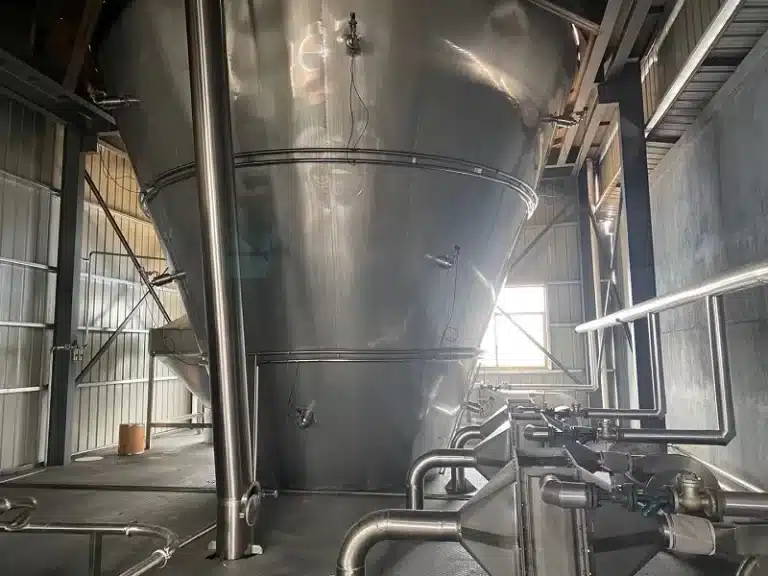
6. Drying (Spray Drying)
The concentrated protein liquid is spray-dried into a fine, stable rice protein powder.
7. Milling & Sieving
The dried rice protein is milled to achieve desired particle size and sieved for uniformity.
8. Quality Control & Testing
Rigorous quality control tests are conducted to verify protein content, purity, and safety.
9. Packaging & Storage
The finished rice bột protein is carefully packaged and stored in optimal conditions to maintain freshness.
Why Choose Gensei as Your Rice Protein Supplier?
Choosing Gensei as your rice protein supplier ensures access to premium, high-quality ingredients sourced directly from our advanced rice protein factory. We specialize in producing bulk rice protein and cater to wholesale rice protein demands with exceptional efficiency and consistency. Our commitment to rigorous quality control guarantees that every batch meets stringent international standards, making us a reliable partner for your formulation needs. With Gensei, you gain a transparent and dependable supplier dedicated to delivering superior rice protein products for your market.
Features of Rice Protein:
- Hypoallergenic: Naturally free from common allergens like dairy, soy, gluten, and eggs, making it suitable for sensitive individuals.
- Complete Amino Acid Profile (when combined/isolated): While often lower in Lysine, a good quality rice protein isolate provides a broad spectrum of essential amino acids.
- Highly Digestible: Gentle on the stomach and easily digested, reducing the likelihood of bloating or discomfort.
- Thực phẩm từ thực vật & Thuần chay: An excellent protein source for plant-based diets and vegan lifestyles.
- Neutral Flavor: Has a mild, slightly nutty flavor that blends well into various food and beverage applications without overpowering other tastes.
- Sustainable Sourcing: Rice is a widely cultivated crop, and its protein extraction can be an environmentally conscious process.
Application Scenarios for Rice Protein:
- Nutritional Supplements: Used in protein powders, meal replacements, and dietary supplements.
- Plant-Based Foods: Incorporated into dairy-free products (milks, yogurts), meat alternatives, and vegan baked goods.
- Sports Nutrition: Ideal for post-workout recovery shakes and muscle-building supplements due to its amino acid content.
- Functional Beverages: Added to smoothies, juices, and other drinks for a protein boost.
- Baby Food & Infant Formula: As an alternative protein source in specialized formulas for infants with allergies.
- Bakery & Confectionery: Enhances the protein content of bread, cookies, muffins, and snack bars.
- Clinical Nutrition: Used in specialized dietary products for individuals with specific nutritional needs or allergies.
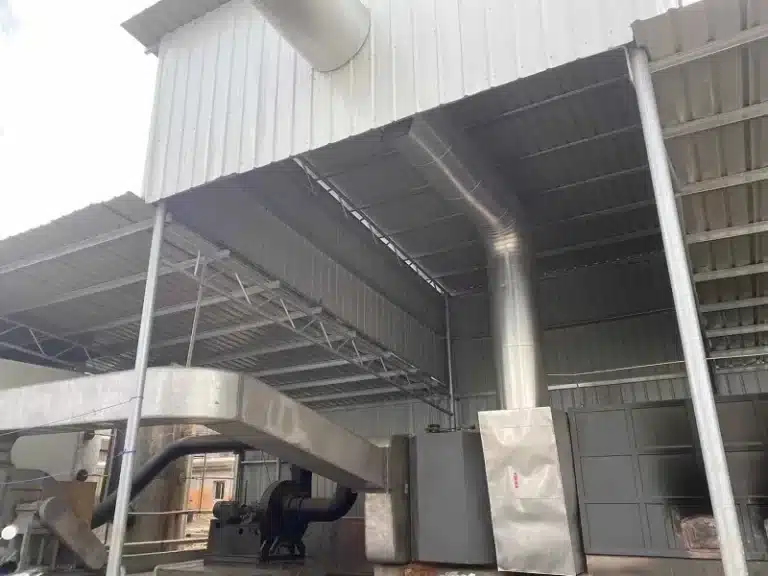
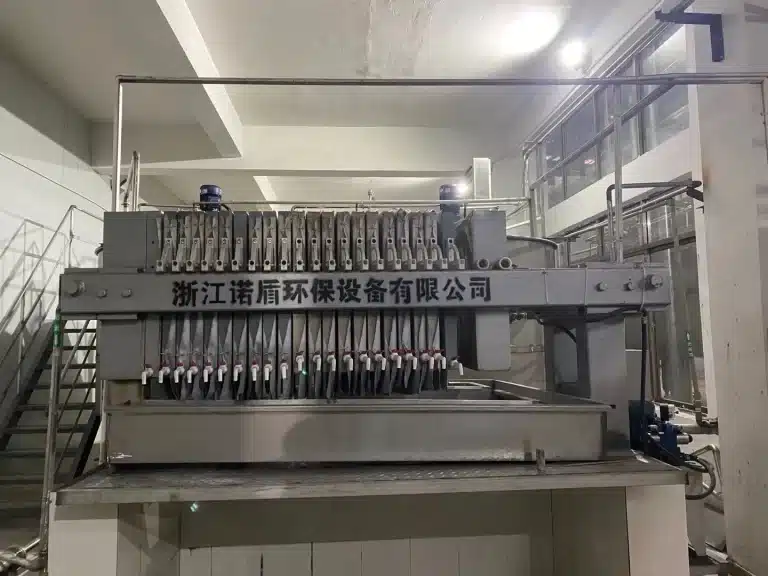
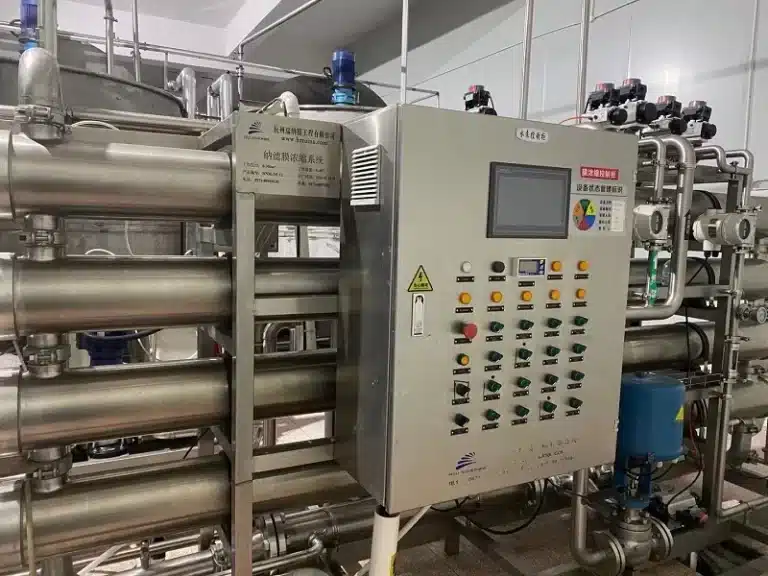
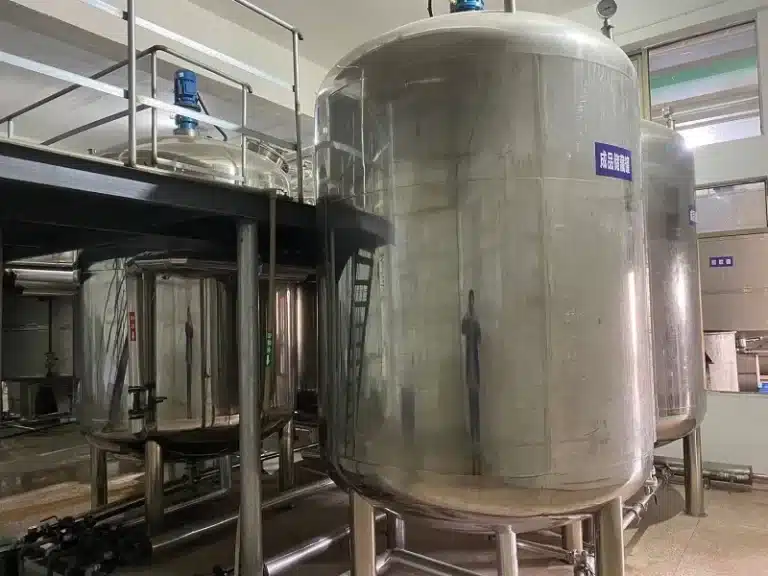
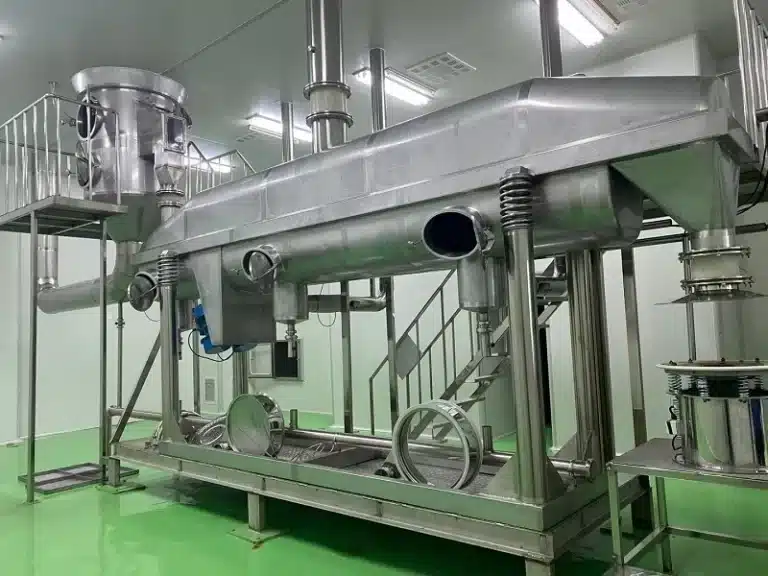
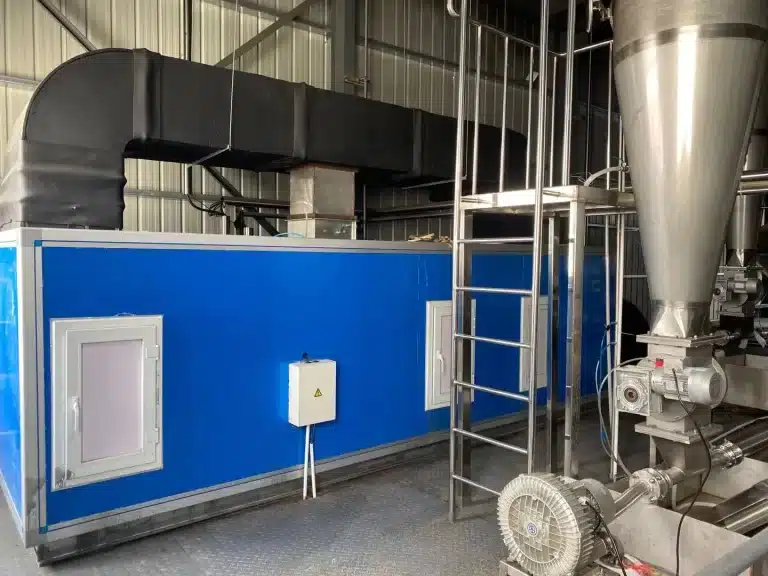
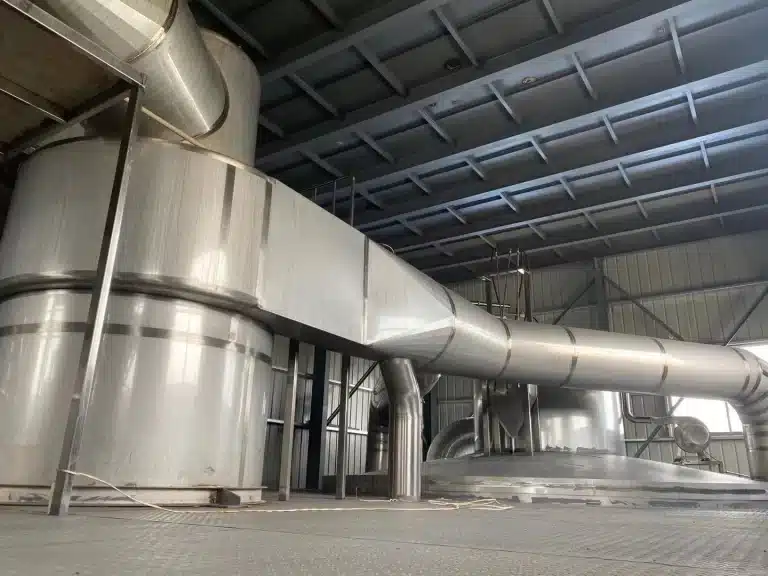
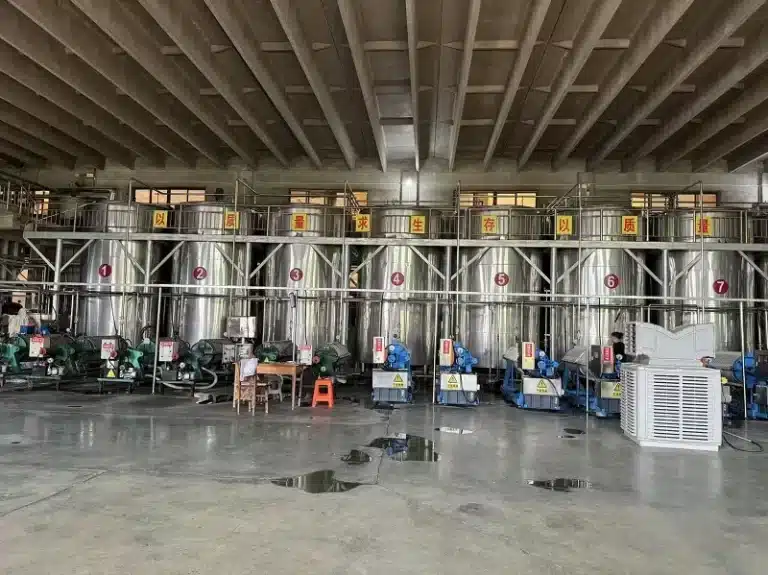
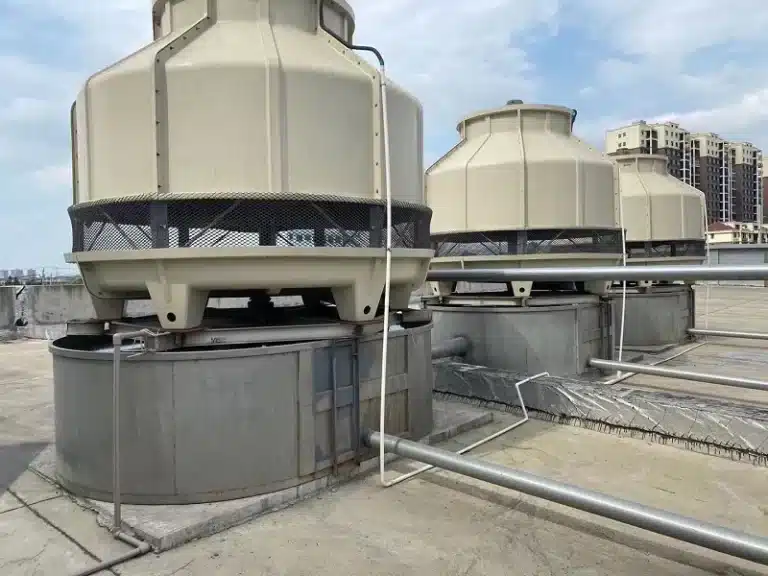
Các cơ sở sản xuất hiện đại nhất của chúng tôi
Khám phá cơ sở vật chất hiện đại của chúng tôi, được trang bị công nghệ tiên tiến để đảm bảo chất lượng cao nhất trong quá trình sản xuất vitamin, chiết xuất thảo dược, khoáng chất và axit amin của quý khách.

Câu hỏi thường gặp
Rice protein is a plant-based protein extracted from brown rice. It's known for being hypoallergenic and a good source of essential amino acids.
Rice protein, particularly rice protein isolate, contains all nine essential amino acids, though it is sometimes lower in lysine compared to other protein sources. Combining it with pea protein creates a more complete amino acid profile.
Yes, rice protein is derived entirely from plants, making it an excellent protein option for both vegan and vegetarian diets.
Yes, rice protein is naturally gluten-free, making it a safe choice for individuals with celiac disease or gluten sensitivity.
Yes, rice protein is naturally free from common allergens like dairy and soy, making it an ideal alternative for those with these intolerances.
Rice protein supports muscle growth and repair, aids in satiety for weight management, is easily digestible, and is a good source of plant-based iron.
Rice protein is extracted through a wet milling process involving grinding brown rice, treating it with enzymes to separate protein from carbohydrates, followed by filtration, concentration, and spray drying.
Rice protein concentrate usually contains 50-70% protein, while rice protein isolate can contain 80-90% protein or higher.
High-quality rice protein typically has a mild, neutral, or slightly nutty flavor, making it versatile for blending into various food and beverage formulations.
Yes, rice protein powder can be easily incorporated into baked goods, smoothies, shakes, soups, and other recipes to enhance their protein content.