
In the rapidly evolving world of wellness, “collagen” has become a household name, praised as the ultimate secret to glowing skin, resilient joints, and total body vitality. However, as you browse the supplement aisle, a confusing fork in the road often appears: Collagen Protein vs. Collagen Peptides. While these terms are frequently used interchangeably, the scientific difference between them determines whether your body actually absorbs the benefits or simply lets them go to waste.
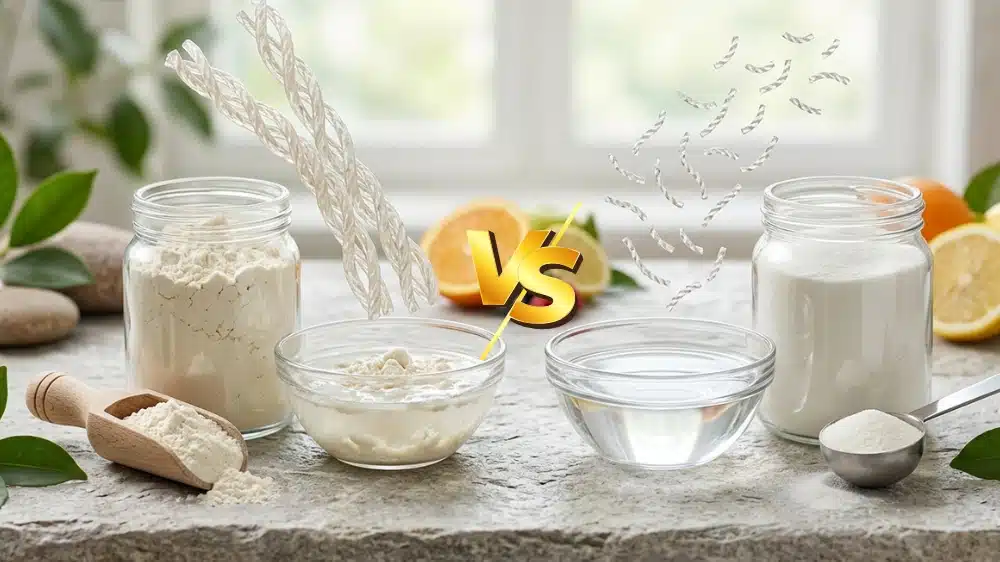
This article strips away the marketing jargon to reveal the critical distinction between these two forms. We will explore how molecular size dictates bioavailability, why solubility changes how you use them, and which form is truly the “gold standard” for those seeking visible results. If you’ve ever wondered if your supplement is actually working, understanding the shift from complex proteins to precision peptides is where your journey begins.
Understanding Collagen Protein: The Structural Powerhouse
To understand why “peptides” have taken over the market, we first need to look at the raw material: Collagen Protein.
In its native state, collagen is the most abundant protein in the human body, accounting for roughly 30% of our total protein mass. It acts as the biological “scaffolding” or “glue” that provides structure and strength to our skin, tendons, ligaments, and bones.
The “Triple Helix” Architecture
At a microscopic level, collagen protein is a marvel of biological engineering. It is composed of three long chains of amino acids—primarily glycine, proline, and hydroxyproline—that are tightly wound together into a triple helix structure.
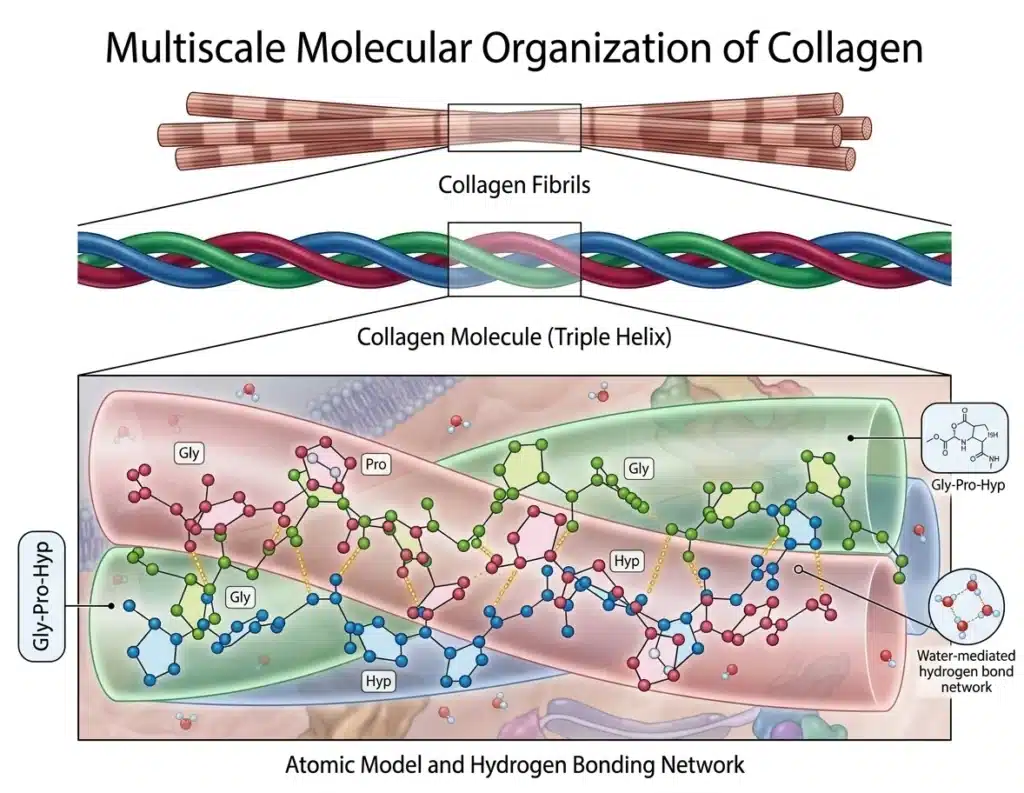
These helices then bundle together to form thick, tough fibers. This complex, large-scale structure is what gives our connective tissues their incredible tensile strength. However, from a nutritional standpoint, this complexity is also a hurdle:
- High Molecular Weight: Native collagen molecules are massive (approximately 300,000 Daltons).
- Low Solubility: Because the fibers are designed to be “tough,” they do not dissolve in water.
- Difficult Digestion: The body has to work incredibly hard to break these “braided cables” down into individual amino acids before they can be absorbed.
Common Forms: From Raw Protein to Gelatin
When we talk about “collagen protein” in a culinary or supplemental context, we are often referring to Gelatin. Gelatin is essentially collagen protein that has undergone partial hydrolysis (usually through heating).
| Feature | Raw Collagen Protein | Gelatin (Hydrolyzed) |
|---|---|---|
| Physical State | Tough, fibrous tissue architecture | Refined powder or translucent sheets |
| Solubility | Insoluble in aqueous solutions | Dissolves exclusively in hot water |
| Gelling Effect | None | Strong (transforms to jelly when cooled) |
| Best Use | Native structural support in the body | Thickening artisanal soups, stews, and gummies |
While gelatin is much easier to digest than a piece of raw tendon, it still retains a relatively high molecular weight. For the body to use it for skin repair or joint health, it still requires significant “processing” by your digestive enzymes. This is the primary reason why the industry shifted toward the even smaller, more refined version: Collagen Peptides.
The Science of Collagen Peptides: Small Molecules, Big Results
While “collagen protein” is the raw, structural foundation, collagen peptides (often labeled as hydrolyzed collagen) represent the refined, high-performance version of this nutrient. The difference between the two isn’t just a marketing distinction—it is a result of a sophisticated manufacturing process that fundamentally changes how the body interacts with the protein.
The Magic of Enzymatic Hydrolysis
The transformation from a massive collagen protein molecule to a nimble peptide occurs through a process called enzymatic hydrolysis.
Imagine a long, tightly braided cable (the collagen triple helix). In its native state, it is too thick to pass through your intestinal wall efficiently. During hydrolysis, specific enzymes act as “molecular scissors,” snipping the long amino acid chains into much smaller fragments. These resulting fragments are known as peptides.
This process is highly controlled to ensure that while the molecule is made smaller, the specific amino acid profile—rich in glycine, proline, and hydroxyproline—remains perfectly intact.
Why “Daltons” Matter for Your Results
In science, we measure the size of these molecules in Daltons (Da). This measurement is the single most important factor in determining the effectiveness of your supplement:
Because peptides are roughly 100 times smaller than native collagen, they possess unique physical and biological properties that make them the “gold standard” for supplementation.
The Three Pillars of Peptide Performance
- Superior Bioavailability: Because the molecules are so small, they are “pre-digested.” They can pass directly through the lining of the digestive tract and enter the bloodstream within an hour of ingestion. Research shows that over 90% of collagen peptides are absorbed and available to the body shortly after consumption.
- Instant Solubility: Unlike collagen protein or gelatin, peptides have zero gelling power. They dissolve instantly in both ice-cold and boiling hot liquids without changing the texture. This makes them incredibly versatile for everything from morning coffee to post-workout smoothies.
- Bioactive Signaling: Perhaps most importantly, collagen peptides don’t just provide “building blocks.” When these small peptides enter the bloodstream, they act as signaling molecules. They trick the body’s own fibroblasts (the cells responsible for collagen production) into thinking there is a breakdown of tissue, which triggers a natural “repair mode” to produce more collagen in the skin and joints.
Head-to-Head: Collagen Protein vs. Peptides
We have established the structural differences at a microscopic level. Now, let’s get practical. How do these differences translate to your daily wellness routine, your body’s response, and ultimately, your results?
The conflict between collagen protein vs. peptides is not about one being “good” and the other “bad.” Instead, it is about identifying usability and bioavailability. One is designed for structural density and slow absorption, while the other is engineered for maximum absorption and systemic signaling.
The Ultimate Comparison Table
To capture the definitive differences at a glance, we have created an SEO-rich breakdown of the critical factors you need to know.
| Feature | Native Collagen Protein (Gelatin) | Collagen Peptides (Hydrolyzed) |
|---|---|---|
| Molecular Weight | Massive (Approx. 300k+ Daltons) | Tiny (Approx. 2,000–5,000 Daltons) |
| Digestion Method | Requires complex breakdown by stomach acids and enzymes. | “Pre-digested” for instant absorption into the bloodstream. |
| Bioavailability Rate | Low to Moderate. Often too large for the gut to absorb efficiently. | Very High (90%+). Efficiently utilized by tissues within hours. |
| Solubility | Hard to mix; requires heat to dissolve. | Dissolves instantly in both hot and cold liquids. |
| Physical Reaction | Forms a solid gel when cooled (ideal gelling agent). | None. Remains completely liquid in all temperatures. |
| Best Used For | Culinary thickening (soups, stews, making gummies). | Smoothies, coffee, water; targeted skin, joint, and gut health. |
Key Practical Differences Explained
Expanding beyond the table, here is how the science of these two forms directly impacts your daily life:
1. The Gelling Effect and Culinary Use
This is the most visible difference. If you try to stir collagen protein (gelatin) into cold water, it will become a clumped, unappetizing mess. Gelatin must be dissolved in boiling water, and once it cools, it will solidify into “jelly.” This is excellent if you are making bone broth-based soups, stews, or healthy homemade gummies, as it adds texture and satiety.
Collagen Peptides do not change texture at all. They are entirely unflavored and odorless (if sourced correctly), and they dissolve seamlessly. You can put them in your morning cold brew, a post-workout shake, or even a glass of water, and they disappear. For modern supplementation, peptides win for pure convenience.
2. Cellular Targeting vs. Structural Support
While both provide necessary amino acids, their effects on the body are distinct:
- Collagen Protein excels at providing generalized protein building blocks and may offer structural support, but it acts slowly due to its massive molecule size.
- Collagen Peptides provide the exact same amino acid profile, but because they are “pre-digested” and bioactive (as seen in image_9.png), they act as signaling molecules. They bypass the slow digestion phase and hit the bloodstream quickly, instructing fibroblasts (collagen-producing cells) in the skin and joints to immediately activate repair and production.
If your goal is systemic support (thick soup for gut lining integrity), whole protein (gelatin) has a place. But if your goal is targeting fine lines, promoting skin elasticity, or accelerating joint repair, the precision of peptides is the undeniable gold standard.
Choosing the Right One for Your Goals
With the scientific differences established, the question remains: which one belongs in your pantry? Deciding between collagen protein vs. peptides depends entirely on your lifestyle, your health objectives, and how much time you have for preparation.
To make your decision easier, we have broken down the most common health goals and the “winner” for each category.
Goal 1: Radiant Skin, Stronger Hair, and Healthy Nails
- The Winner: Collagen Peptides
- Why: Research consistently shows that for beauty-driven results, bioavailability is king. Because peptides act as bioactive signals, they directly stimulate the production of Type I collagen in the skin’s dermis. This helps improve skin elasticity and hydration while reducing the appearance of fine lines. Since peptides are odorless and tasteless, they are easier to take consistently—and consistency is the #1 factor in seeing visible beauty results.
Goal 2: Joint Recovery and Athletic Performance
- The Winner: Collagen Peptides
- Why: For athletes or those dealing with joint discomfort, speed of absorption matters. Peptides reach the connective tissues much faster than whole proteins. Consuming 10–15g of collagen peptides approximately 30–60 minutes before a workout has been shown to increase collagen synthesis in the tendons and ligaments, helping to prevent injury and speed up recovery.
Goal 3: Culinary Versatility and “Whole Food” Cooking
- The Winner: Collagen Protein (Gelatin)
- Why: If you love spending time in the kitchen and want to use collagen as a functional ingredient, gelatin is your best friend. It provides a rich, silky mouthfeel to soups and stews and is the essential base for homemade protein gummies or “jello.” While it takes longer to digest, it provides a steady release of amino acids and is excellent for those who prefer getting their nutrients through traditional, slow-cooked meals.
Goal 4: Gut Health and Digestive Support
- The Tie: It Depends on Your Sensitivity
- The Case for Peptides: If you have a sensitive digestive system or issues like IBS, peptides are often easier to tolerate because they require almost zero digestive effort.
- The Case for Protein: Some practitioners prefer gelatin for “coating” the gut lining. Because gelatin moves more slowly through the digestive tract and holds onto water, it can be soothing for the intestinal wall.
Decision Guide: The Quick Checklist
| If you want… | Choose… |
|---|---|
| Visible anti-aging results | Collagen Peptides |
| A supplement for cold smoothies/coffee | Collagen Peptides |
| To thicken a hot soup or sauce | Collagen Protein (Gelatin) |
| Maximum absorption with zero bloat | Collagen Peptides |
| To make healthy snacks/desserts | Collagen Protein (Gelatin) |
Pro Tip: If you are serious about your health transformation, don’t just look for “collagen” on the label. Check for the words “Hydrolyzed” or “Peptides.” These terms guarantee that the product has been broken down into the smaller molecular weights required for the high-efficiency results we’ve discussed.
Top-Tier Recommendations: Best Brands for Every Lifestyle
Choosing the right supplement often feels like a balancing act between quality, sourcing, and price. While many brands offer collagen, the “gold standard” involves a focus on hydrolyzed peptides for maximum absorption.
Based on current 2026 market standards and consumer results, here are several reputable brands tailored to different wellness needs:
| Brand & Specialty | The Advantage | Why Choose It |
|---|---|---|
|
1. Vital Proteins
Best Overall & Daily Routine
|
Flagship peptides offering 20g of hydrolyzed bovine collagen. NSF Certified for Sport, ensuring every batch is tested for banned substances. | Perfect for a daily ritual; truly unflavored and dissolves seamlessly into coffee or cold brew without clumping. |
|
2. Sports Research
Best Marine & High Purity
|
Sourced from wild-caught, deep-sea fish. Provides low molecular weight Type I & III peptides. Clean and Non-GMO verified. | Ideal for pescatarians and those targeting skin hydration and anti-aging, utilizing the primary collagen form found in human skin. |
|
3. Ancient Nutrition
Best Multi-Source Broad Spectrum
|
Features 10 types of collagen sourced from beef, chicken, fish, and eggshell membrane. Includes Types I, II, III, V, and X. | The “all-in-one” solution for comprehensive support, ranging from skin elasticity to joint cartilage repair and gut health. |
|
4. NeoCell
Targeted Beauty & Affordability
|
Enzymatically treated to provide specific amino acids that activate the body’s natural collagen synthesis signaling. | A budget-friendly, high-quality specialist for those focusing on reversing fine lines and hair thinning without unnecessary fillers. |
Which Should You Buy?
When weighing collagen protein vs. peptides, the choice ultimately comes down to your personal health objectives. However, based on the current scientific consensus in 2026, there is a clear winner for those seeking maximum efficiency.
The “Gold Standard”: Collagen Peptides
If your primary goal is anti-aging, joint repair, or convenience, collagen peptides are the undeniable choice. Because they are “pre-digested” through hydrolysis, they offer:
- Highest Bioavailability: Over 90% of the peptides are absorbed into the bloodstream shortly after consumption.
- Bioactive Signaling: They don’t just provide raw materials; they actively “signal” your body to produce its own new collagen.
- Versatility: They are the only form that allows you to add a powerful protein boost to your morning cold brew or a post-workout water bottle without clumping.
The Specialized Tool: Collagen Protein (Gelatin)
Choose collagen protein (gelatin) if your focus is gut-specific soothing or culinary creativity. It is best for:
- Gut Health: Its gelling nature can help coat the digestive tract, which some practitioners prefer for managing “leaky gut” symptoms.
- Functional Cooking: Use it to make high-protein snacks, thickened sauces, or traditional bone-broth-style stews.
FAQs
Conclusion
The journey toward optimal health is rarely about finding a “magic pill,” but rather about selecting the precise tools that align with your biology and your lifestyle. As we have explored, the distinction between collagen protein (gelatin) and collagen peptides is a matter of molecular engineering and intended use.
While gelatin remains an indispensable staple for the culinary artist and those seeking traditional gut-soothing benefits, collagen peptides have emerged as the gold standard for modern, functional supplementation. Their unparalleled bioavailability, ease of use, and targeted bioactive signaling make them the superior choice for those prioritizing skin rejuvenation, joint longevity, and metabolic efficiency.
Whichever path you choose, remember that the most effective supplement is the one you take consistently. By prioritizing high-purity sources, third-party certifications, and the correct molecular weight, you are not just purchasing a product—you are investing in the long-term structural integrity of your body.
Gensei stands as a global leader in the collagen peptides manufacturing industry. As a premier collagen peptides manufacturer, Gensei leverages cutting-edge hydrolysis technology and stringent quality control to produce high-purity collagen peptides from premium bovine, marine, and poultry sources. Its commitment to sustainable sourcing and innovative processes ensures superior solubility and bioactivity, meeting the demands of the global nutrition and beauty markets. With robust R&D and a vast supply chain network, Gensei delivers reliable, high-quality collagen peptide solutions, solidifying its position as a trusted collagen peptides manufacturer worldwide.
references
- Harvard T.H. Chan School of Public Health The Nutrition Source: Collagen
- PubMed (NIH) Absorption of Oral Collagen Peptides
- Journal of Clinical and Aesthetic Dermatology Oral Collagen Supplementation on Skin Health
- Arthritis Foundation Supplements for Arthritis: Collagen
- Linus Pauling Institute (Oregon State University) Skin Health: Collagen and Vitamin C
- European Food Safety Authority (EFSA) Scientific Opinion on the Substantiation of Health Claims

Warren Wan is a seasoned expert with extensive experience in the dietary supplement supply chain, possessing rich practical experience in the research, development, process control, and global sourcing of core ingredients such as collagen peptides, bone broth protein, and keratin. As the author of this column, he is dedicated to stripping away the marketing packaging, transforming obscure ingredient science and production quality control standards into easy-to-understand, hardcore science popularization, helping readers understand the truth behind the labels and make more rational health choices.