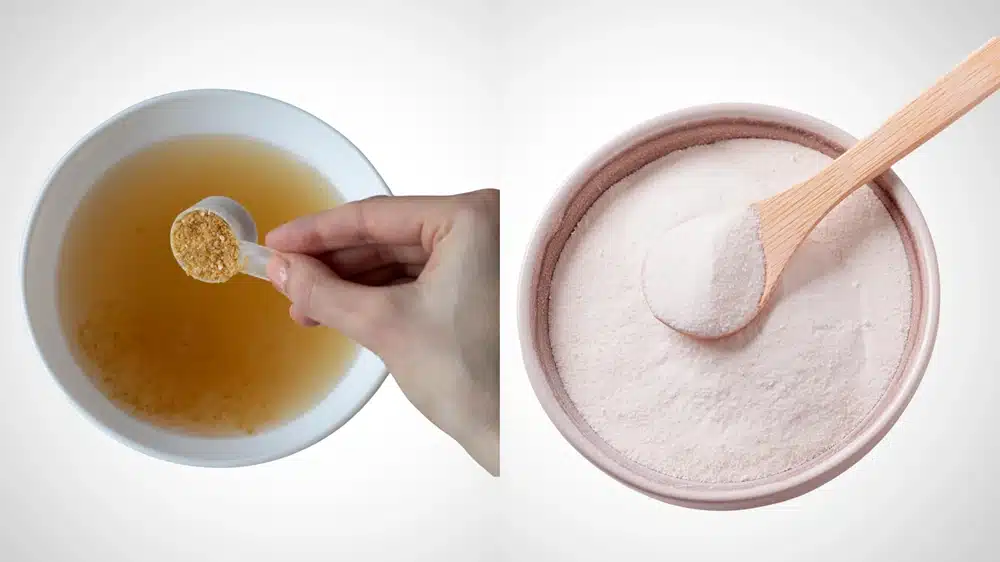
In the wellness landscape of 2026, “liquid gold” remains the undisputed heavyweight of functional nutrition. But for those committed to a plant-based lifestyle, a glaring question remains: Is bone broth vegan? The short, biological answer is no—traditional bone broth is an animal-derived superfood. However, as the demand for gut health, joint support, and radiant skin reaches an all-time high, the line between “traditional” and “innovative” has blurred. Whether you are looking for ethical plant-based “collagen builders” or seeking the most bioavailable way to support your connective tissues, this guide explores the science of bone broth, the rise of vegan alternatives, and why understanding the difference is the key to your 2026 health goals.

The Hard Truth: Is Bone Broth Vegan?
Nutrient Profile: Animal vs. Plant Broth
| Nutrient / Compound | Traditional Bone Broth | Plant-Based “Builder” Broth |
|---|---|---|
| Collagen Peptides (Type I/III) | ✔ Yes | ✘ No |
| Natural Gelatin | ✔ High | ✘ None (Uses Pectin/Gums) |
| Essential Amino Acids | Complete Profile | Requires complementary sources |
| Anti-Inflammatory Minerals | Phosphorus, Magnesium | Iodine, Potassium, Zinc |
To provide a definitive answer that clears the air for 2026 wellness enthusiasts: no, traditional bone broth is not vegan. By its very definition and historical preparation, bone broth is a liquid extract derived from the prolonged simmering of animal connective tissues and bones—typically from cattle, chickens, or fish. The goal of this intensive process is to break down collagen into gelatin and release a dense profile of amino acids and minerals into the water. Because the core, indispensable ingredient is an animal byproduct, it fundamentally conflicts with a vegan or plant-based diet.
The confusion often stems from the recent explosion of “Vegan Bone Broth” products lining the shelves of health food stores. In the world of SEO and modern marketing, these terms are frequently used to describe high-protein, mineral-rich vegetable broths. However, from a technical food science perspective, these are actually botanical infusions or “collagen-building” broths. They aim to mimic the savory depth and nutrient density of the original, but they do not contain the actual animal-derived gelatin that defines true bone broth.
For those adhering to a strict vegan lifestyle, the presence of the word “bone” is the ultimate red flag. While plant-based technology has advanced significantly, allowing for the creation of synthetic collagen through fermented yeast and bacteria, the traditional simmering method remains rooted in animal agriculture. Understanding this distinction is vital for consumers who prioritize ethical sourcing as much as they prioritize their gut or skin health.
The “Why” Behind the Trend: Gut, Joint, and Skin Health
The reason bone broth has transitioned from a traditional culinary staple to a modern wellness powerhouse lies in its unique structural composition. Unlike standard protein sources, bone broth is exceptionally rich in specific amino acids—primarily glycine, proline, and glutamine—which serve as the essential building blocks for our body’s connective tissues.
In 2026, as the “food as medicine” movement reaches its peak, understanding these biological mechanisms is key to why this “liquid gold” remains a top-tier functional food.
1. Gut Health: Strengthening the “Second Brain”
The most cited reason for the bone broth surge is its impact on the digestive system. The gelatin released during the simmering process acts as a natural humectant, binding to water in the digestive tract and supporting the healthy movement of food.
More importantly, the amino acid glutamine is a critical fuel source for the cells lining the small intestine. By supporting the “tight junctions” of the intestinal wall, bone broth helps maintain a strong barrier, which is essential for preventing systemic inflammation and ensuring optimal nutrient absorption.
2. Joint Support: Restoring Resilience
As we prioritize longevity and active lifestyles, joint health has become a non-negotiable. Bone broth provides a natural source of Type II collagen, alongside compounds like glucosamine and chondroitin.
These elements are the primary components of cartilage—the “cushion” that protects our joints. By providing the body with these bioavailable raw materials, bone broth supports joint elasticity and helps mitigate the natural wear and tear associated with aging or high-intensity athletic performance.
3. Skin Health: The Ultimate Internal Cosmetic
The “glow from within” is a physiological reality. Collagen makes up approximately 75% of our skin’s dry weight, providing the structure that keeps it firm and smooth. Since natural collagen production begins to decline in our mid-twenties, the proline and hydroxyproline found in bone broth are vital.
By delivering the precursors necessary for the body to synthesize its own collagen, high-quality broth supports skin hydration and elasticity, making it a foundational element of modern 2026 beauty-from-within protocols.
The convergence of these three benefits is why bone broth is no longer just a trend, but a staple in the toolkit of health-conscious individuals. The targeted amino acid profile offers a level of systemic support that is difficult to replicate with a standard, modern diet.
Vegan Alternatives: How to Get the Benefits Without the Bones
For those committed to a plant-based lifestyle in 2026, the question isn’t just “is bone broth vegan?”—it’s “how do I replicate its power?” While you cannot technically have “bone” broth without the bones, you can certainly craft a functional botanical broth that targets the same health markers: gut integrity, joint resilience, and skin elasticity.
The secret lies in shifting the focus from consuming pre-formed animal collagen to providing your body with the precursors and minerals it needs to build its own.
The “Functional Ingredient” Masterlist
| Vegan Superfood | The “Bone Broth” Mimic | Primary Benefit |
|---|---|---|
| Kombu (Seaweed) | Glutamic Acid & Minerals | Gut lining support and rich umami flavor base. |
| Tremella Mushroom | Hyaluronic Acid Mimic | Maximum skin hydration and internal “glow.” |
| Nutritional Yeast | Glycine & B-Vitamins | Provides the building blocks for tissue repair and energy. |
| Bamboo Extract | Organic Silica | Strengthens the collagen matrix in hair, nails, and skin. |
This table acts as a quick-reference guide for readers who want to build their own functional vegan broth.
1. The Umami Anchor: Medicinal Mushrooms
To replicate the deep, savory flavor and immune-supporting properties of traditional broth, mushrooms are the gold standard.
- Lion’s Mane & Shiitake: These are rich in polysaccharides and provide a meaty “umami” depth.
- Reishi: Often added to evening “sip” routines, Reishi supports the body’s stress response, mimicking the soothing effect many find in a warm mug of bone broth.
2. The Mineral Foundation: Sea Vegetables
Traditional broth is prized for its electrolytes and trace minerals. In the vegan world, we look to the ocean.
- Kelp and Kombu: These seaweeds are naturally high in iodine, magnesium, and calcium. Adding a strip of kombu to a simmering vegetable stock infuses the liquid with a silky texture and a mineral profile that rivals any animal-based extraction.
3. The “Collagen Builders”: Nutritional Precursors
Since plants do not contain collagen, a vegan “bone” broth must focus on the nutrients that trigger your body’s natural collagen synthesis (the “collagen builders”).
- Vitamin C (Camu Camu or Citrus): Vitamin C is the essential cofactor for collagen production. Without it, your body cannot link amino acids together to form new tissue.
- Silica (Bamboo Extract or Horsetail): Silica is a trace mineral that strengthens the “glue” between collagen fibers, supporting hair, nail, and skin thickness.
- Zinc & Copper: These minerals act as catalysts in the formation of the collagen matrix.
4. Amino Acid Enrichment: The Plant-Based “Glue”
To mimic the glycine and proline levels found in gelatin, 2026’s top vegan broths incorporate specific protein sources:
- Nutritional Yeast: Adds B-vitamins and a savory, “cheesy” depth.
- Soy or Pea Peptides: Some modern vegan broth powders now include fermented plant peptides that offer a more direct source of the amino acids necessary for gut and joint repair.
By combining these elements, you aren’t just drinking a vegetable soup; you are consuming a structured functional beverage designed to support your body’s structural integrity from the ground up.
The Bioavailability Debate: Animal vs. Plant Sources
In 2026, the conversation around collagen has shifted from “How much are you taking?” to “How much are you actually absorbing?” This is the core of the bioavailability debate. Bioavailability refers to the rate and extent to which a nutrient reaches the systemic circulation and becomes available at the site of action (like your skin or joints).
When comparing bone broth collagen to vegan alternatives, the biological mechanisms are fundamentally different.
The Bioavailability Blueprint
| Mechanism | Animal Bone Broth | Vegan “Builders” | 2026 Efficiency Rating |
|---|---|---|---|
| Primary Pathway | Direct Absorption Hydrolyzed peptides enter bloodstream via small intestine. |
Endogenous Synthesis Body assembles collagen from individual plant nutrients. |
High: Bypasses metabolic assembly. |
| Key “Signaling” Power | Contains bioactive peptides that stimulate fibroblast activity. | Relies on high-dose Vitamin C and Silica to trigger production. | Moderate: High dependency on cofactors. |
| Amino Acid Density | Naturally high in Hydroxyproline (rare in plants). | Requires fermentation or focused blends of Soy/Pea peptides. | Varies: Highly formula-dependent. |
This table helps readers visualize the metabolic differences between the two sources, reinforcing the “Direct vs. Precursor” concept.
Animal Collagen: The Direct Peptide Pathway
Traditional bone broth collagen is prized because it provides the body with pre-formed collagen peptides. Through a process called hydrolysis, these large protein molecules are broken down into tiny “bioactive peptides.”
- The “Lock and Key” Effect: Because animal collagen (especially bovine and marine) closely mirrors human Type I and Type III collagen, the body recognizes these peptides immediately.
- Rapid Absorption: Clinical data in 2026 shows that hydrolyzed collagen peptides can reach peak plasma concentrations within 1 to 2 hours of ingestion. These peptides act as signaling molecules, essentially “tricking” your fibroblasts into producing more of your own collagen.
Vegan Builders: The Precursor Pathway
Since plants do not contain collagen, vegan “collagen builders” work by providing the raw materials (amino acids like glycine and proline) and the cofactors (Vitamin C, Silica, and Zinc) required for your body to synthesize its own protein.
- The Synthesis Delay: Unlike animal peptides, which provide a “ready-to-use” structure, plant-based sources require the body to perform the assembly itself. This relies heavily on your current metabolic health and the presence of all necessary cofactors.
- The Biomimetic Innovation: In 2026, we’ve seen the rise of “biomimetic amino acid blends.” These are engineered plant-sourced amino acids designed to match the exact ratio found in human collagen. While they lack the “signaling” power of animal peptides, they ensure your body never hits a “supply bottleneck” when trying to repair tissue.
The 2026 Verdict: Efficiency vs. Ethics
From a pure efficiency standpoint, animal-derived bone broth collagen remains the “gold standard” for targeted therapeutic use in joint and gut repair because it bypasses several steps in the metabolic assembly line. However, for daily maintenance and skin health, high-quality plant-based builders have proven to be nearly as effective, provided they are formulated with high-potency cofactors like Vitamin C.
Ultimately, the choice comes down to your specific health goals: Are you looking for a direct replenishment (animal) or a systemic support (plant)?
Curated Recommendations: Top Brands for Every Lifestyle
In 2026, the marketplace for functional broths is more diverse than ever. Whether you are a strict vegan, a “flexitarian,” or a traditionalist looking for the most nutrient-dense recovery tool, choosing the right brand is about matching the product to your specific lifestyle goals. Here are the standout brands leading the industry this year:
| Brand & Philosophy | Dietary Alignment | Core Advantage | Ideal Use Case |
|---|---|---|---|
|
Kettle & Fire The Flavor Innovator |
Non-Vegan |
|
On-the-go lifestyle; perfect for travel or office lunches without sacrificing taste. |
|
Boon Broth The Plant-Based Pioneer |
Vegan Friendly |
|
Ethical wellness; ideal for vegans seeking gut and joint support without compromise. |
|
Bonafide Provisions The Whole-Food Purist |
Non-Vegan |
|
Therapeutic healing; best for those with autoimmune sensitivities or leaky gut. |
|
Brodo The Culinary Master |
Non-Vegan |
|
Gourmet recovery; for the connoisseur who wants a premium, slow-food experience. |
FAQs
Conclusion
As we navigate the wellness landscape of 2026, it is clear that the “bone broth” conversation has evolved into a sophisticated dialogue about personal ethics, metabolic efficiency, and functional nutrition. While the traditional answer to “Is bone broth vegan?” remains a definitive no, the innovation in plant-based “collagen builders” ensures that no one is left behind in the pursuit of optimal health.
Whether you choose the direct, peptide-rich path of animal-derived broth or the precursor-focused journey of botanical infusions, the goal remains the same: a resilient gut, mobile joints, and vibrant skin. By prioritizing bioavailability and clean sourcing, you can integrate these ancient traditions into your modern lifestyle in a way that respects both your body’s needs and your personal values.
The Gensei Difference: Precision Nutrition for 2026
While the market offers many paths to wellness, those seeking the absolute peak of structural support and immediate bioavailability often require a specialized, high-performance source.
Gensei stands as a premier provider of high-quality bone broth collagen, specifically engineered for those who demand the best for their gut, joint, and skin health. Derived from premium animal bones and refined into highly bioavailable peptides, Gensei’s bone broth collagen powder provides the concentrated amino acid profile your connective tissues and digestive system crave.
For brands looking to formulate the next generation of industry-leading supplements, or individuals seeking a stable, reliable supply of the finest collagen available, Gensei ensures your foundation is as strong as the science behind it. In a world of shifting trends, Gensei remains committed to the pure, proven power of traditional ingredients perfected by modern technology.
Ready to integrate the gold standard of bioavailable bone broth collagen into your brand’s lineup? Our team is standing by to provide the technical expertise and high-quality supply you need to thrive.
Partner with Gensei Todayreferences
- PubChem (National Library of Medicine): L-Glutamine Compound Summary — Authoritative data on the amino acid used for gut lining repair.
- The Vegan Society: Definition of Veganism— Confirms the “Hard Truth” section regarding animal-derived ingredients.
- Oregon State University: Linus Pauling Institute – Vitamin C and Skin Health— Educational resource on how Vitamin C functions as a collagen cofactor.
- American Botanical Council: Mushroom Science— Resource for the health benefits of Lion’s Mane and Shiitake.
- Nature Portfolio: Bioactive Peptides in Health— High-authority academic resource on peptide absorption.
- Food and Drug Administration (FDA): Dietary Supplements Guidance— Essential for maintaining regulatory context in the supplement industry.