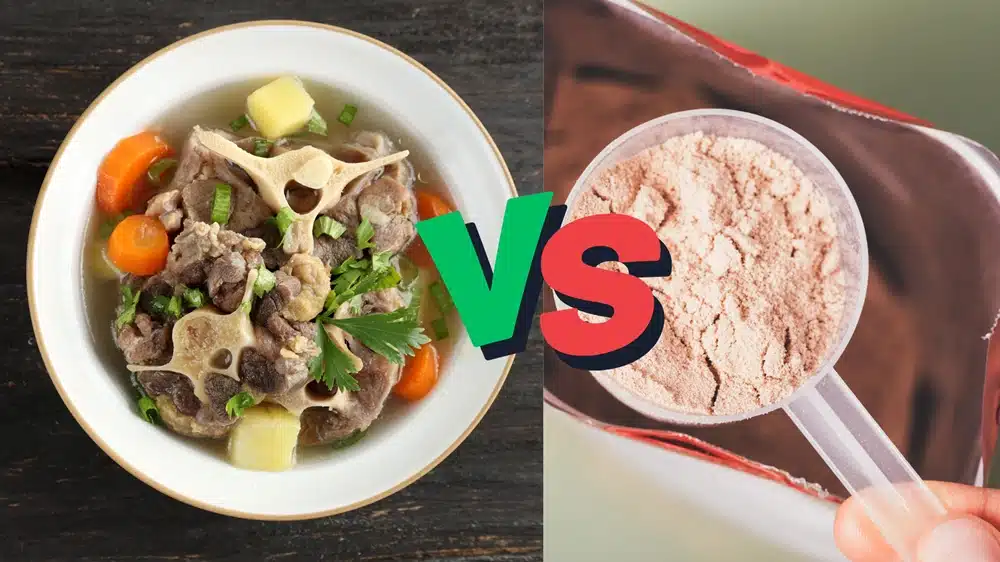
機能性栄養学と栄養補助食品の世界において、骨スープほど復活を遂げたトレンドはほとんどない。「液体黄金」と呼ばれるスーパーフードとして、パレオ愛好家、ケトダイエット実践者、ホリスティック医療従事者らから支持されている。最大の売りは?豊富なコラーゲン含有量により、関節の健康、肌の弾力性、腸の健全性をサポートする可能性だ。.
しかし、業界の専門家、製品開発者、健康志向の消費者にとって、ほとんどのレシピブログでは重要な疑問が未解決のまま残されている: 骨スープにはどれくらいのコラーゲンが含まれていますか, 、正確には?
自家製スープ一杯は、標準化されたコラーゲンパウダー一スクープに相当するのか?栄養原料の専門家として、私たちは生化学の層を剥がしながら、収量・一貫性・生体利用能に関する真実を明らかにします。.
【簡単回答】骨スープにはどれくらいのコラーゲンが含まれているのか?
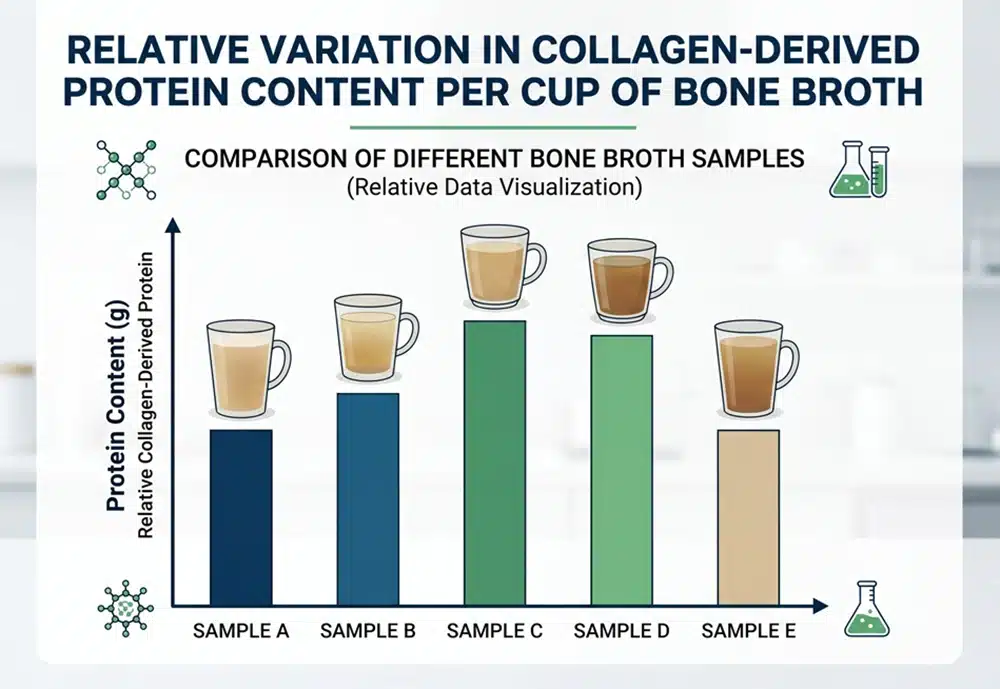
1カップの骨スープには、コラーゲン由来のゼラチンが含まれている場合がありますが、その正確な量は大きく異なります。実際には、市販の希釈スープでは1カップあたりごく少量のコラーゲン由来タンパク質しか含まれていないこともあれば、コラーゲンを豊富に含む骨、皮、関節、足、あるいは結合組織を使って作った濃縮の手作りスープでは、数グラム含まれていることもあります。.
重要な点はここです。メーカーがコラーゲンやタンパク質の含有量を検査・表示していない限り、骨スープから一定量のコラーゲンを摂取できるとは限りません。総タンパク質が9g含まれるスープ1カップが、必ずしも9gのコラーゲンペプチドに相当するとは限りません。.
健康維持全般において、骨スープはアミノ酸、ミネラル、風味、水分補給の貴重な自然食品源となります。一方、特定の目的を念頭に置いた製品開発や臨床的な投与を行う場合には、標準化された加水分解コラーゲンペプチドの方が信頼性が高くなります。これは、1回分の摂取量、分子量、アミノ酸組成、およびコラーゲンペプチド含有量を制御できるためです。.
1杯あたりの実用的な目安
| 製品タイプ | 一般的な消費者の期待 | 製剤の現実 |
| 希釈済み・常温保存可能な骨スープ | 低タンパクで風味豊かな栄養 | 1カップあたりのタンパク質含有量はわずか数グラムの場合があります。また、検査を行わない限り、コラーゲンの含有量は保証されません。. |
| 自家製骨スープの濃縮液 | ゼラチンが豊富で、コラーゲンが豊富 | 特に足、関節、皮、結合組織を使って作られる場合、ゼラチンの含有量が多くなる可能性があります。依然として基準は定まっていません。. |
| 骨スープの粉末 | より濃縮されており、ラベル貼りが容易です | 品質は、原材料、乾燥工程、タンパク質含有量、ナトリウム含有量、およびCOA試験によって決まります。. |
| 加水分解コラーゲンペプチド | 正確なコラーゲンペプチドの投与量 | ブランドが、2.5 g、5 g、または10 gのコラーゲンペプチドを1回分として一定量配合する必要がある場合に最適な選択肢です。. |
心安らぐ機能性食品を求めているなら、骨スープが適しています。一方、一定量のコラーゲンを摂取したい場合は、規格化されたコラーゲンペプチド原料を使用してください。.
骨スープに含まれる「コラーゲン」とは具体的に何のことでしょうか?
「骨スープにはどれくらいのコラーゲンが含まれているのか」と尋ねられるとき、その質問には通常、次の3つの意味のいずれかが込められています:
1. 調理前の生の骨、皮、軟骨、および結合組織に含まれる天然のコラーゲン。.
2. 弱火で煮込む際に、熱によって天然のコラーゲンが変性してゼラチンが生成される。.
3. ゼラチンを制御された酵素加水分解によってさらに分解した際に生成されるコラーゲンペプチド。.
骨スープには主にゼラチンやコラーゲン由来のアミノ酸が含まれており、標準化されたサプリメント粉末に使用されているような低分子量の加水分解コラーゲンペプチドとは異なります。.
この区別はサプリメントブランドにとって重要です。消費者は「コラーゲン」という言葉を広義に用いるかもしれませんが、メーカーは1回分に含まれる成分が実際に何であるかを明確にしなければなりません。それは、総タンパク質、ゼラチン、ヒドロキシプロリンを豊富に含むタンパク質、骨スープの固形分、あるいは加水分解コラーゲンペプチドのいずれかです。.
コラーゲンの形態比較
| フォーム | 掲載箇所 | 代表的な特性 | 「フォーミュレーション」の意味 |
| 天然コラーゲン | 生の皮、骨、軟骨、腱 | 大きな三重らせん構造 | 加工なしでは実用的なサプリメントの形態とは言えない。. |
| ゼラチン | 加熱した骨スープと加熱したコラーゲン | 冷却するとゲル化する;温水に溶ける | スープに「ぷるぷる感」を与えるが、添加量や分子サイズは一定ではない。. |
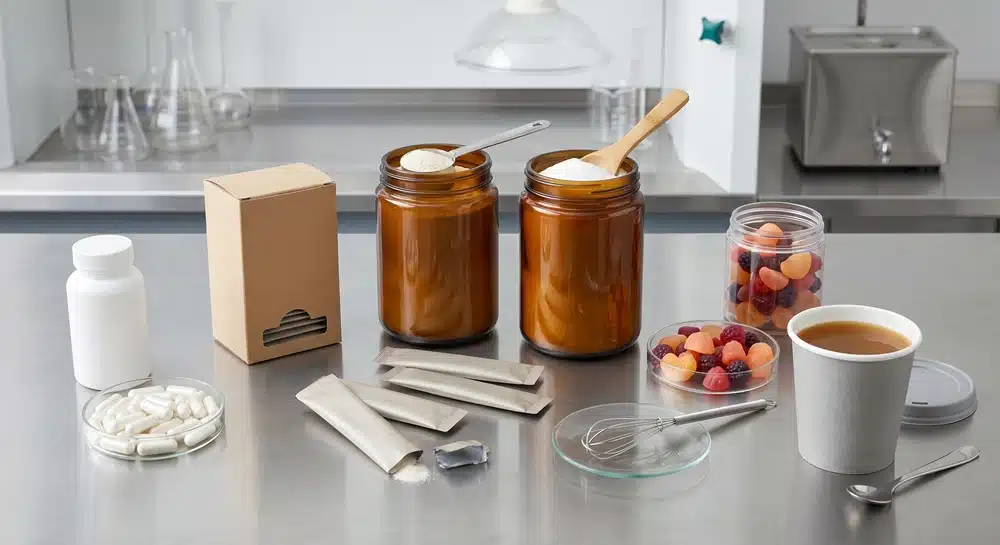
| 加水分解コラーゲンペプチド | 標準化されたコラーゲンペプチド粉末 | 低分子量;冷水に溶ける | 正確な分量の計量、粉末飲料、スティックパック、カプセル、グミなどに最適です。. |
フードブログであれば、「揺れテスト」は有用です。しかし、サプリメントブランドにとっては、それだけでは不十分です。ブランドには、COAデータ、ヒドロキシプロリンの分析結果、タンパク質含有量、分子量分布、およびロット間の均一性といった情報が求められます。.
化学:コラーゲン、ゼラチン、ペプチド
骨スープの価値を理解するには、まずコラーゲン分子の変化を理解しなければならない。.
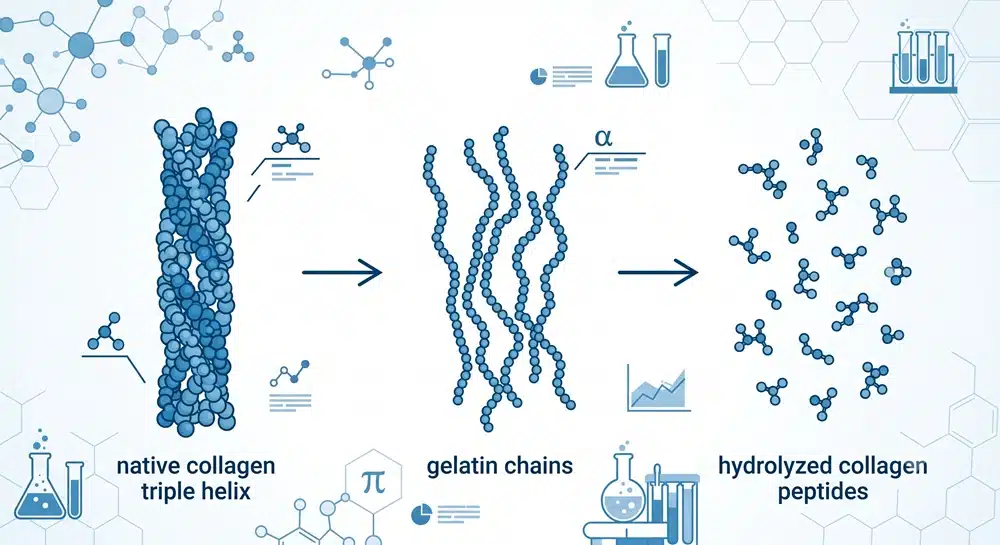
1. 骨中の天然コラーゲン: 動物の結合組織内では、コラーゲンは三重らせん構造を保った天然状態にある。非常に強靭で水に溶けにくい。骨を食べてコラーゲンを消化することはできない。分子量が大きすぎるためである(約30万ダルトン)。.
2. ゼラチン(スープの中): 骨を水中で長時間煮込むと、熱によってコラーゲンのらせん構造を結びつけている架橋が切断されます。この過程は「変性」と呼ばれます。コラーゲンはらせん構造がほどけ、ゼラチンになります。.
- 主な特徴: ゼラチンは冷却すると固まる。これが高品質な骨スープに見られる「ぷるぷる感」である。.
- 分子量: ゼラチンは天然コラーゲンよりも分子量が小さいが、それでもアミノ酸の長い鎖(約50,000~100,000ダルトン)で構成されている。.
3. 加水分解コラーゲンペプチド(サプリメント内): これは標準化された原料に含まれる形態である。酵素加水分解により、ゼラチンはさらにペプチドと呼ばれるアミノ酸の微小な鎖へと分解される。.
- 主な特徴: 冷水に完全に溶解する;ゲル化しない。.
- 分子量: 極めて低い(多くの場合2,000~5,000ダルトン)、吸収を最適化する。.
要点: 「骨スープにはコラーゲンがどれくらい含まれているのか」と問うとき、実際には「スープにはゼラチンがどれくらい含まれているのか」と尋ねているのです。両者は同じアミノ酸組成を持ちながらも、物理的特性と消化吸収性に違いがあります。.
変動要因:家庭で一貫性が保てない理由
原材料サプライヤーとして、当社は標準化を重視しています。コラーゲンペプチドのドラム缶を購入すれば、その中身が正確に把握できます。一方、骨スープの場合、最終的なタンパク質収量は4つの主要な要因によって決まります。.
1. 骨の源
すべての骨が同じように作られているわけではない。I型、II型、III型コラーゲンの密度は、動物や特定の解剖学的部位によって異なる。.
- 牛骨: 骨髄の入った骨は美味しくミネラル豊富ですが、実はコラーゲン含有量は低めです。最もコラーゲンを多く含むのは「関節の骨」や結合組織が密な関節部分です。.
- 鶏の足と手羽先: これらは業界の秘密兵器である。ほぼ完全に皮膚、軟骨、腱で構成されているため、ローストした鶏の骨格に比べて、はるかに高濃度のゼラチンが得られる。.
- 魚のフレーム: 魚コラーゲンは生体利用率が高いが、魚の骨は繊細である。タンパク質が分解する前にコラーゲンを抽出するには、はるかに短い調理時間が必要となる。.
2. 調理時間
コラーゲンの抽出は時間と温度の関数である。.
- 12時間未満: 8時間だけ煮込んだ牛肉のスープは風味を引き出すが、高密度の骨マトリックス内にコラーゲンが大量に閉じ込められたままとなる。.
- 24時間から48時間: これが牛肉の「最適な加熱温度」です。十分な熱エネルギーが加わることで、コラーゲンが完全に変性してゼラチンへと変化します。.
- 圧力調理: 現代の圧力鍋はこのプロセスを加速でき、スロークッカーが24時間かけて行うことを3時間で達成する。ただし、純粋主義者はアミノ酸プロファイルへの影響について議論している。.
3. 酸性培地
レシピでリンゴ酢(ACV)やワインが指定されるのをよく目にします。これは風味のためだけではありません。酸が骨の脱灰を助け、コラーゲンが放出されるための「扉を開く」効果があります。中性水(pH7)で骨を調理すると、弱酸性水で調理した場合と比べてタンパク質の収量が大幅に減少します。.
4. 水と骨の比率
これが最も明白でありながら見過ごされがちな要素だ。骨を詰め込み、かろうじて水を張った鍋からは、濃厚で高タンパクなゼリー状のものができる。骨2本に1ガロンの水を張った鍋からは、薄いスープができる。実験室での検査なしに、消費者が自分のスープ1杯に1gのタンパク質が含まれているのか、8g含まれているのかを知ることはできない。.
処方開発者の試験マトリックス:骨スープ原料に含まれるコラーゲンを検証する方法
消費者にとっては、味や食感が重要かもしれません。しかし、サプリメントブランドにとっては、骨スープの原材料を、測定可能な品質指標に基づいて評価する必要があります。.
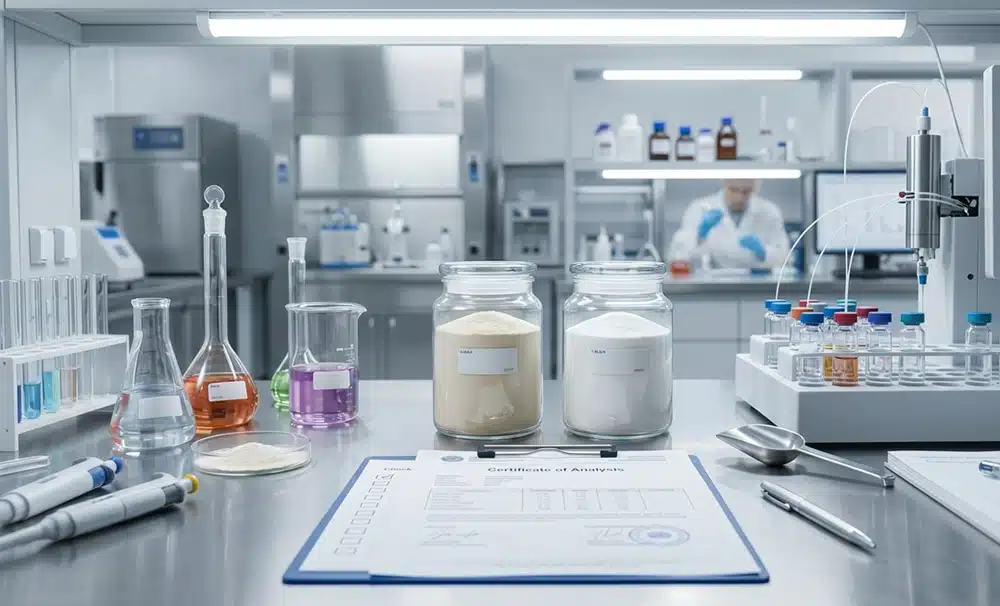
市販の調製粉乳に骨スープの粉末やコラーゲンを豊富に含むスープの原料を使用する前に、以下の情報を請求し、確認してください:
- 総タンパク質含有量
- ヒドロキシプロリン含有量
- アミノ酸組成
- 含水率
- ナトリウム含有量
- 灰分
- 重金属
- 微生物制限
- 原産種および使用部位
- 乾燥方法
- 溶解性と分散性
- 風味と香りの特徴
- ロット間の均一性
- アレルゲンおよび動物由来成分に関する文書
ヒドロキシプロリンは、コラーゲンを豊富に含む成分と密接に関連しているため、特に有用です。もしサプライヤーが、ある骨スープ粉末がコラーゲンを豊富に含んでいると主張しながらも、アミノ酸やヒドロキシプロリンに関するデータを提供できない場合、その原料は厳密なコラーゲン源というよりは、風味料やタンパク質原料として扱うべきです。.
アミノ酸プロファイル:隠された黄金
抽出方法にかかわらず、コラーゲンの真の価値——スープ由来であれサプリメントであれ——はその独自のアミノ酸組成にある。ホエイや大豆タンパク質とは異なり、コラーゲンは特に以下の3つのアミノ酸を豊富に含む:
- グリシンだ: 現代の筋肉肉中心の食事では不足しがち。抑制性神経伝達物質として作用し、睡眠、解毒、炎症軽減をサポートする。.
- プロライン タンパク質合成と構造に不可欠であり、心血管の健康に極めて重要である。.
- ヒドロキシプロリン このアミノ酸はコラーゲンに特有です。体内のコラーゲン三重らせんの安定性に不可欠です。.
骨スープにはこれらのアミノ酸が含まれているだけでなく、軟骨から溶け出したグルコサミン、コンドロイチン硫酸、ヒアルロン酸といったグリコサミノグリカン(GAG)も含まれています。この「フルスペクトル」のマトリックスこそが、単離されたペプチド粉末に比べて骨スープが持つ最大の利点です。.
生体利用率:ブロス対加水分解ペプチド
ここで、有効性を重視するメーカーや消費者にとって、この区別が極めて重要になってきます。.
吸収障壁 人間の消化器系は、タンパク質をアミノ酸または二ペプチド・三ペプチドに分解しなければ、それらを血流に吸収できない。.
- 骨スープ(ゼラチン): 長いゼラチン鎖を分解するには、多大な消化作用(ペプシンと胃酸)を必要とする。消化機能が低下している人(高齢者や腸の問題を抱える人に多い)では、吸収が不十分になる可能性がある。.
- 加水分解ペプチド: これらは「前消化済み」である。低分子量のため腸管バリアを素早く通過し血流に入り、摂取後1~2時間以内に血漿中でピークに達することが多い。.
「シグナル」効果 研究によると、特定のコラーゲンペプチド(Pro-HypやHyp-Glyなど)は、単なる構成要素としてだけでなく、シグナル伝達分子としても機能することが示唆されています。これらは、皮膚の線維芽細胞に働きかけて、 さらに コラーゲン。標準化された原料は、こうした特定の生物活性ペプチドを高濃度で含有するよう最適化されていることが多い。骨スープはランダムな加水分解を経るため、臨床的に意味のある量のシグナルペプチドを生成するかどうかは不明である。.
なぜ加水分解コラーゲンペプチドの方が表示内容に適しているのか
骨スープは、その組成が一定ではない食品です。加水分解コラーゲンペプチドは、規格化された原料です。.
ブランドが「1回分あたりコラーゲンペプチド10g」といった明確な表示を製品前面に掲げたい場合や、肌、関節、美容、可動性、あるいはアクティブ・エイジングといったポジショニングを軸に製品を展開したい場合には、その違いが重要になります。.
加水分解コラーゲンペプチドを使用することで、製品開発者は以下の点をより細かく調整できるようになります:
- 1回分の量
- タンパク質の寄与
- 分子量分布
- 冷たい液体または熱い液体への溶解度
- 味と香り
- パウダーフロー
- 臨床スタイルの投与量の整合
- スティックパック、チューブ、カプセル、錠剤、グミ、またはRTD形式の実現可能性
骨スープをコンセプトにした製品は、依然として非常に魅力的なものになり得ます。多くの場合、骨スープの消費者への訴求力と、標準化されたコラーゲンペプチドの精度を組み合わせることが最善のアプローチとなります。.
開発者のメモ:標準化された骨スープコンセプト製品の構築方法
サプリメントブランドにとって、最大のチャンスは、骨スープとコラーゲンペプチドのどちらを選ぶかということではありません。骨スープの市場的な魅力と、標準化されたコラーゲンペプチド原料の精度を組み合わせることにあるのです。.
オプション1:伝統的な骨スープの粉末
これは、風味豊かな栄養、腸の健康、自然食品としての位置づけ、および料理への活用に重点を置くブランドに最適です。配合上の主な課題は、ナトリウム、風味、香り、溶解性、およびタンパク質の均一性です。.
選択肢 2:加水分解コラーゲンペプチド粉末
これは、明確なコラーゲン含有量が求められる美容、関節、可動性、スポーツ後の回復、アクティブ・エイジング向けの製品に最適です。スティックパック、チューブ、カプセル、錠剤、グミなどに適しています。.
オプション3:骨スープ+コラーゲンペプチドのハイブリッド
これは多くの場合、最適な商品構成と言えます。骨スープの成分が、ストーリー、味わい、そして「自然食品」としてのアイデンティティをもたらします。加水分解コラーゲンペプチドの成分は、測定可能な量のコラーゲンを供給します。.
効果的なハイブリッドなポジショニングとしては、次のようなものが考えられます。「標準化されたコラーゲンペプチドを配合し、風味豊かな自然食品の味わいが特徴の、骨スープをヒントにしたコラーゲンペプチドパウダー」。“
これにより、変動しやすいブイヨンの固形分だけに頼ることを避けつつ、消費者に親しまれている「骨ブイヨン」というコンセプトを維持することができます。.
製品アーキテクチャの例
| フォーミュラ・タイプ | 主原料戦略 | 最適な形式 | ブランド・ポジショニング |
| 純粋な骨スープの粉末 | 骨スープの固形分 | 風味豊かなドリンクパウダー | 自然食品の栄養と安らぎ。. |
| コラーゲンペプチドパウダー | 加水分解コラーゲンペプチド | スティックパックまたはチューブ | 美容、関節、可動性、アクティブ・エイジング。. |
| 骨スープ・コラーゲンブレンド | 骨スープパウダー+標準化コラーゲンペプチド | 風味付け用の粉末またはカプセル | コラーゲンの含有量が正確に明記されたボーンブロスの話。. |
| 関節の健康をサポートするコラーゲン配合 | コラーゲンペプチド + ビタミンC + ジョイントサポート 食材 | 粉末、錠剤、カプセル | 運動機能と結合組織のサポート。. |
結論:サプリメントか、食品か、それとも両方か?
では、栄養療法の観点から骨スープをどのように捉えるべきでしょうか?
骨スープの効能: 骨スープはホリスティックな食品です。水分補給、電解質(カルシウム、マグネシウム、リン)、そして錠剤では得られない深い味わいの癒しを提供します。腸内環境の維持や一般的な食事の栄養強化に最適です。.
標準化されたサプリメントの必要性: 特定の治療効果を得るためには——例えばしわの深さの軽減、肌の弾力性の向上、または損傷回復の促進など——継続性が鍵となります。.
- 精度: サプリメントを使用すれば、毎日正確に10gのコラーゲンを摂取できます。.
- 利便性: 24時間の調理時間はありません。.
- 効率性: 高い生体利用率により、アミノ酸が標的組織に確実に到達します。.
結論:骨スープは価値があるが、正確とは言えない
骨スープは、栄養価の高い自然食品であると同時に、強力な商品ストーリーとなり得ます。ゼラチン、アミノ酸、ミネラル、風味に加え、多くの消費者に親しまれている安心感のある形態も兼ね備えています。.
しかし、安定した量のコラーゲンを摂取することが目的であれば、骨スープだけでは十分な精度が得られません。コラーゲンの含有量は、原材料の選定、調理時間、酸度、水の割合、濃度、乾燥方法、およびバッチごとの検査結果によって左右されるからです。.
消費者にとって、骨スープは健康的な食生活の一部となり得ます。サプリメントブランドにとっては、標準化された加水分解コラーゲンペプチドこそが、実証可能なコラーゲン効果の主張、一貫した配合、そして再現性のある製品性能を実現するための、より優れた基盤となります。.
商業的に最も有用な解決策は、多くの場合、ハイブリッド型です。つまり、ストーリーや感覚的なアイデンティティには骨スープを用い、実際のコラーゲン含有量については標準化されたコラーゲンペプチドを用いるというものです。.
骨スープ由来のコラーゲン製品の開発について、サポートが必要ですか?
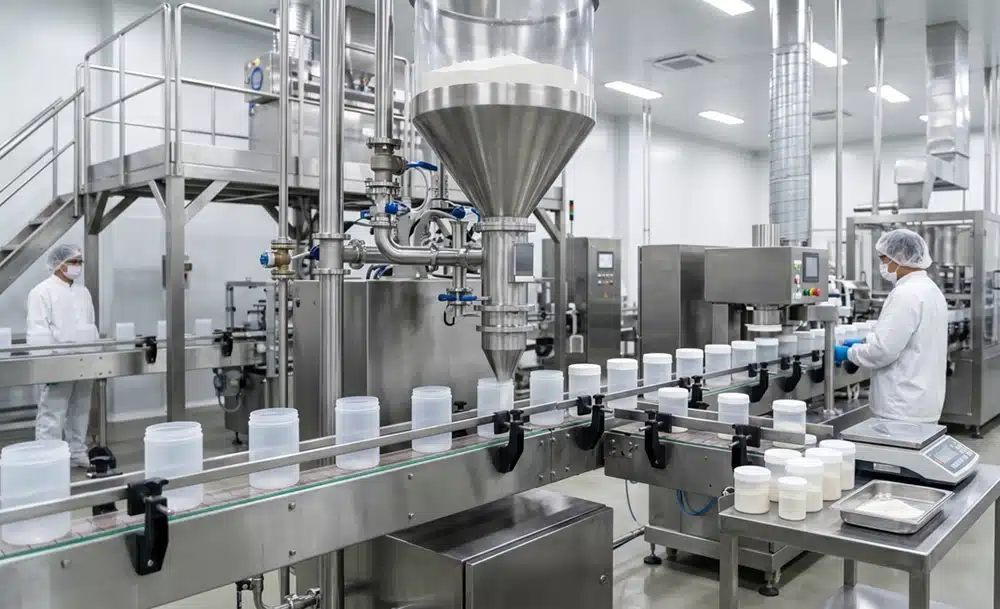
骨スープパウダー、コラーゲンペプチド配合製品、風味豊かなプロテインドリンク、カプセル、グミ、錠剤、またはプライベートブランドのコラーゲン製品を開発されている場合は、目標とする1回分の摂取量、タンパク質に関する表示内容、風味の方向性、および剤形についてお知らせください。当社の処方チームが、コラーゲンペプチドの選定、骨スープパウダーの実現可能性、ラベル表示戦略、および製造方法の検討をお手伝いいたします。.
骨スープに含まれるコラーゲンに関するよくある質問
骨スープ1カップには、どれくらいのコラーゲンが含まれていますか?
一概に言える数値はありません。骨スープ1カップには、希釈されている場合はコラーゲン由来のゼラチンがごく少量しか含まれていないこともあれば、濃縮されており、コラーゲンを豊富に含む骨や結合組織を使って作られている場合は数グラム含まれていることもあります。これを確実に知る唯一の方法は、分析済みのタンパク質およびアミノ酸のデータを確認することです。.
骨スープに含まれるタンパク質は、コラーゲンと同じものですか?
必ずしもそうとは限りません。骨スープに含まれるタンパク質は、ゼラチン、肉の残渣、結合組織、その他の可溶性タンパク質に由来する可能性があります。ゼラチンはコラーゲンから作られますが、総タンパク質量(グラム)を自動的にコラーゲンペプチドの量(グラム)と見なすべきではありません。.
骨スープはコラーゲンペプチドよりも優れているのでしょうか?
骨スープは、自然食品としての風味豊かな栄養源として適しています。一方、コラーゲンペプチドは、正確なコラーゲン含有量、溶解性、低分子量、そして一定量の摂取が求められる場合に適しています。.
サプリメントブランドは、骨スープの粉末についてコラーゲンに関する効能を謳うことができるのでしょうか?
ただし、原材料および完成品が、試験結果や文書によってその効能を裏付けている場合に限ります。ブランドは、コラーゲンに関する効能表示を行う前に、COAデータ、アミノ酸組成、タンパク質含有量、ヒドロキシプロリンのデータ、および表示の適合性に関する審査を依頼する必要があります。.
自家製の骨スープは、なぜ冷蔵庫でゼリー状になるのでしょうか?
このゲル状の質感は、コラーゲンを豊富に含む結合組織を加熱して変性させた際に生成されるゼラチンに由来しています。ゲルの強度は通常、ゼラチンの含有量が多いことを示しますが、それでもコラーゲンペプチドの正確な含有量はわかりません。.
どの骨から、コラーゲンが最も豊富な出汁が取れるのでしょうか?
骨や結合組織が豊富な部位は、通常、最も多くのゼラチンを生み出します。例としては、関節骨、オックステール、鶏の足、手羽先、首、魚の頭、魚の骨格などが挙げられます。骨髄入りの骨は風味と脂分を加えますが、必ずしもコラーゲンの最も豊富な供給源とは限りません。.
骨スープに含まれるコラーゲンは生体利用可能ですか?
骨スープには、消化可能なゼラチンやアミノ酸が含まれていますが、ゼラチンの鎖は一般的に加水分解コラーゲンペプチドに比べて分子量が大きく、構造も不均一です。加水分解コラーゲンペプチドは、溶解性を高め、吸収の予測可能性を高めるために、分子量が低い状態に加工されています。.
ブランドは、骨スープの粉末と加水分解コラーゲンペプチドのどちらを使うべきでしょうか?
風味、ホールフードとしての位置づけ、そして旨味のある栄養を主な目的とする場合は、骨スープパウダーを使用してください。測定可能なコラーゲンの1回分、美容、関節、可動性、あるいはアクティブ・エイジングを主な目的とする場合は、加水分解コラーゲンペプチドを使用してください。標準化されたコラーゲン含有量を備えた骨スープのストーリーを打ち出したい場合は、両方を併用してください。.
参考文献
- Alcock, R. D. ほか。「コラーゲン研究で使用されるコラーゲン補給源と比較して、骨スープからは信頼できる濃度のコラーゲン前駆体が得られない可能性が高い」。PubMed。.
https://pubmed.ncbi.nlm.nih.gov/29893587/ - Shaw, M. H. & Flynn, N. E. 「牛肉、鶏肉、七面鳥の骨から取ったスープのアミノ酸含有量」。『Journal of Undergraduate Chemistry Research』、2019年。.
https://www.westmont.edu/sites/default/files/users/user1231/V19No4/Nick%20Flynn_final.pdf - Khatri, M. ほか. コラーゲンペプチドの摂取が体組成、コラーゲン合成、および関節損傷や運動からの回復に及ぼす影響。『Amino Acids』、2021年。.
https://pmc.ncbi.nlm.nih.gov/articles/PMC8521576/ - Pu, S. Y. ほか. 肌のアンチエイジングに対する経口コラーゲンの効果:システマティック・レビューおよびメタ分析. Nutrients, 2023.
https://pmc.ncbi.nlm.nih.gov/articles/PMC10180699/ - Martínez-Puig, D. ほか. 関節の健康のためのコラーゲン補給:組成と科学的知見との関連性. Nutrients, 2023.
https://pmc.ncbi.nlm.nih.gov/articles/PMC10058045/ - 佐藤、K. コラーゲン由来のジペプチド、プロリルヒドロキシプロリン(Pro-Hyp):新たな低分子量増殖誘導因子。『International Journal of Molecular Sciences』、2020年。.
https://pmc.ncbi.nlm.nih.gov/articles/PMC7728856/ - Virgilio, N. ほか. コラーゲン加水分解物の摂取に伴う生物活性ペプチドの吸収:分子量および原料源の影響. 2024.
https://pmc.ncbi.nlm.nih.gov/articles/PMC11325589/ - ハーバード・ヘルス・パブリッシング。骨スープの効能を味わう:試してみる価値はある?
https://www.health.harvard.edu/diet-and-nutrition/savoring-the-benefits-of-bone-broth-worth-a-taste - FDA構造/機能クレーム。.
https://www.fda.gov/food/nutrition-food-labeling-and-critical-foods/structurefunction-claims - UCLA Health。コラーゲンサプリメントを摂取すべきでしょうか?
https://www.uclahealth.org/news/article/should-you-take-collagen-supplements

ウォーレン・ワン氏は、栄養補助食品のサプライチェーンにおいて豊富な経験を持つベテランの専門家であり、コラーゲンペプチド、骨スープ由来タンパク質、ケラチンといった主要成分の研究、開発、工程管理、およびグローバルな調達において、豊富な実務経験を有しています。 本コラムの執筆者として、彼はマーケティング的な装いを剥ぎ取り、難解な成分科学や製造品質管理基準を、分かりやすい本格的な科学普及記事へと変換することに尽力しています。これにより、読者がラベルの裏にある真実を理解し、より合理的な健康に関する選択を行えるよう支援しています。.