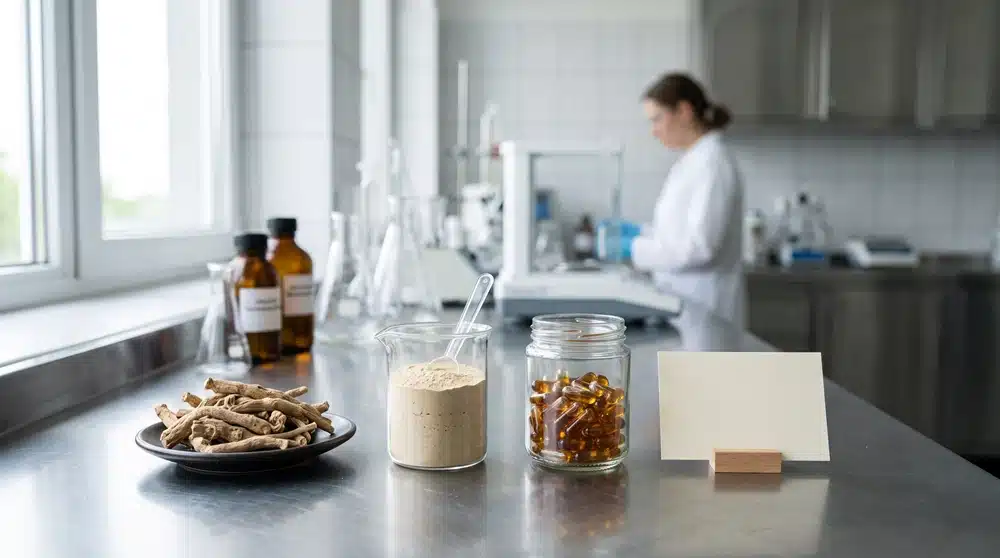
Câu trả lời ngắn gọn: Ashwagandha root powder and ashwagandha extract both come from Withania somnifera, but they are not the same product. Root powder is the dried, ground root and is usually chosen for whole-root positioning, traditional formulas and powder blends. Ashwagandha extract is processed and concentrated, then often standardized to a marker such as withanolides, making it easier to use in capsules, tablets, gummies and low-serving-size formulas.
For supplement brands, the better choice is not simply the “stronger” one. The right form depends on the product format, desired serving size, label positioning, withanolide specification, sensory profile, testing requirements and target market. If you are sourcing ingredients, compare the batch COA, active marker method, rootonly versus root-and-leaf source, carrier, solvent residue and contaminant testing before choosing a material.
Gensei cung cấp bulk ashwagandha extract powder và hỗ trợ custom formula supplement manufacturing for brands developing capsules, tablets, gummies, powders and private label products.
Quick Comparison: Ashwagandha Root Powder vs Extract
| Yếu tố | Bột rễ cây Ashwagandha | Chiết xuất Ashwagandha |
|---|---|---|
| Xử lý | Dried root ground into powder with minimal processing. | Extracted and concentrated, then often standardized to a defined marker. |
| Cách định vị thông thường | Whole-root, traditional, minimally processed, powder-friendly. | Standardized, concentrated, consistent active marker, lower serving size. |
| Withanolide control | Usually not standardized unless specified by the supplier. | Often specified by withanolide percentage and test method such as HPLC or UV. |
| Khối lượng mỗi phần | Typically larger because it is not concentrated. | Typically smaller because it is concentrated and standardized. |
| Các định dạng sản phẩm tốt nhất | Powder blends, stick packs, drink mixes, whole-food supplement positioning. | Capsules, tablets, gummies, functional blends and formulas with limited serving space. |
| Procurement focus | Identity, mesh size, microbial limits, heavy metals, pesticide residue and origin. | Active marker assay, extract ratio, root-only or root-and-leaf source, carrier, residual solvents, heavy metals and microbiology. |
| Phù hợp nhất | Brands that want a simple whole-root ingredient and can accept a larger serving size. | Brands that need a smaller dose, more consistent marker level and clear specification control. |
Is Ashwagandha Extract the Same as Ashwagandha?
No. In everyday search language, “ashwagandha” can refer to the plant, the whole root powder, or a supplement containing an extract. In formulation and sourcing, these terms should not be used interchangeably.
Ashwagandha root powder is the dried root in powder form. Ashwagandha extract is a concentrated ingredient made through an extraction process. The extract may be standardized to a specific withanolide level, such as 2.5%, 5% or 10%, but the actual specification must always be confirmed by the supplier’s COA and test method.
This distinction matters because two products can both say “ashwagandha” on the front label while delivering very different amounts of botanical material and active marker compounds per serving.
What Is Ashwagandha Root Powder?
Ashwagandha root powder is made by drying and milling the root of Withania somnifera. It is closer to a whole botanical powder than a concentrated extract. Because it is less processed, it may appeal to brands building a whole-root, traditional or simple-ingredient formula.
Root powder can work well in powder drink blends, smoothie mixes, stick packs and formulations where a larger serving size is acceptable. However, it can have a strong earthy taste, variable active marker levels and higher inclusion weight than extract. For finished products, the sensory impact and serving size need to be tested early in the R&D process.
If your product is a powder blend, review options through a Nhà sản xuất thực phẩm bổ sung dạng bột to check taste, dispersibility, serving size and packaging suitability.
What Is Standardized Ashwagandha Extract?
Ashwagandha extract is produced by extracting compounds from the botanical material and concentrating them into a powder, liquid or other usable ingredient form. In supplements, dry extract powder is common because it can be blended into capsules, tablets, gummies and powders.
The key advantage of extract is specification control. A standardized extract can be supplied with a defined active marker level, commonly withanolides. This helps brands create formulas with smaller serving sizes and more consistent batch-to-batch positioning.
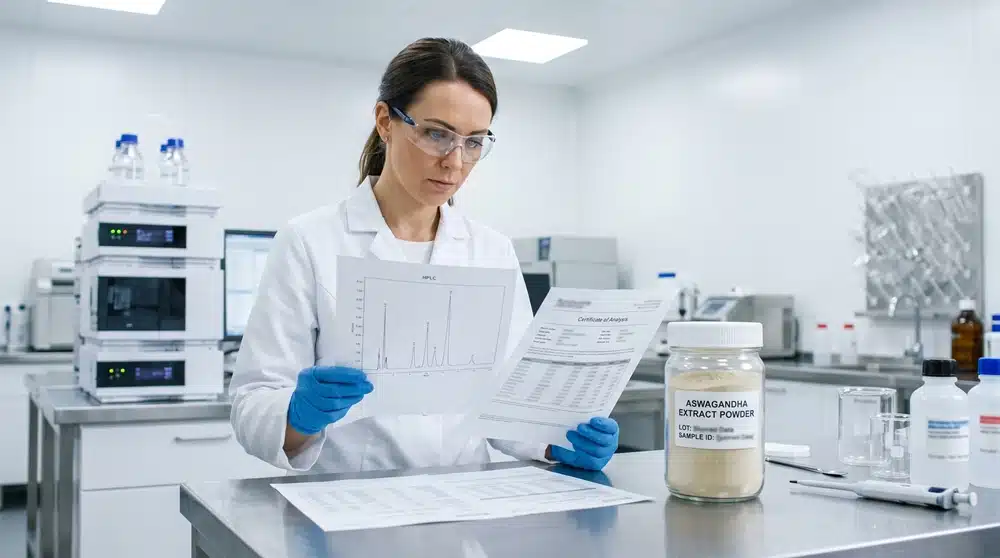
However, “extract” alone is not enough information. A procurement team should ask for the botanical part used, extract ratio, active marker percentage, test method, carrier, solvent residue, heavy metals, pesticide residue, microbiology and batch COA. A herbal extract powder supplier should be able to provide these documents for qualified buyers.
Ashwagandha Root Powder vs Extract Dosage Difference
Root powder and extract dosage should not be converted with a simple universal ratio. The apparent dose difference depends on concentration, withanolide specification, extraction method, root-only versus root-and-leaf source, and the specific clinical or product context.
For example, clinical studies summarized by NIH have used a wide range of ashwagandha preparations, including extracts and whole-root granules. This means a 300 mg extract is not automatically equal to 300 mg root powder. A better approach is to compare:
- the total ingredient amount per serving;
- the standardized marker amount per serving, if available;
- the botanical part used;
- the test method used for withanolides;
- the finished product format and label claim strategy.
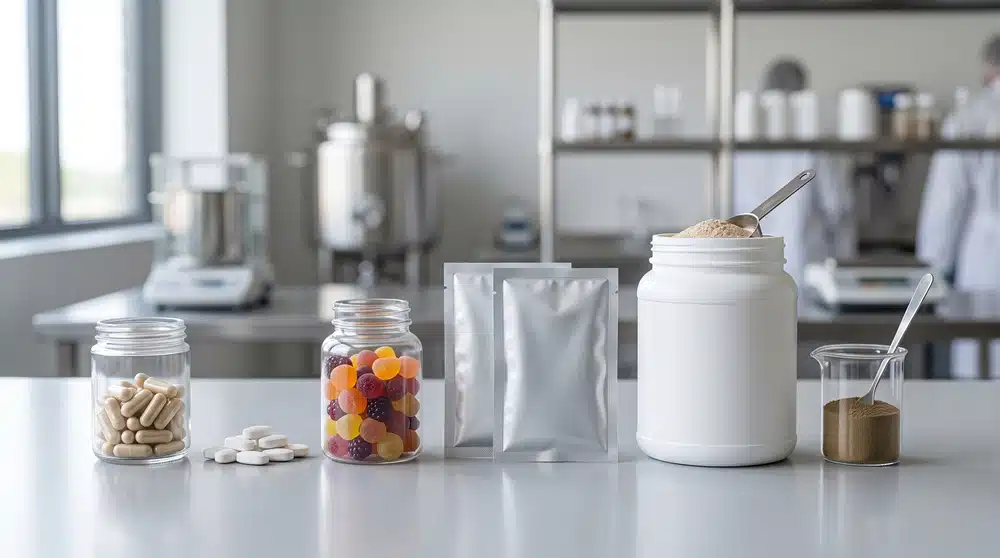
For brands, this is a formulation decision as much as a dosage decision. Capsules and tablets may favor extracts because space is limited. Powder blends may allow whole-root powder if taste and serving size are acceptable.
Which Is Better: Ashwagandha Root or Extract?
Ashwagandha extract is usually better when a brand needs a smaller serving size, consistent specification, and clear active marker control.This is why extract is commonly used in capsules, tablets, gummies and targeted stress or sleep support formulas.
Ashwagandha root powder may be better when a brand wants whole-root positioning, traditional botanical storytelling, or a powder blend where larger serving size is not a problem.It may also be useful for brands that want to avoid highly concentrated extract positioning.
For finished products, consider these use cases:
| Product goal | Recommended form | Lý do |
|---|---|---|
| Small capsule serving | Standardized extract | Concentrated material fits better in limited capsule space. |
| Tablet with clear active marker | Standardized extract | Supports specification control and active marker documentation. |
| Gummy formula | Extract, usually at carefully tested dose | Gummies have limited active load and taste constraints. |
| Powder drink or smoothie blend | Root powder or extract | Root powder supports whole-root positioning; extract reduces serving size. |
| Private label stress support formula | Often standardized extract | Supports consistent ingredient positioning and lower serving size. |
| Traditional botanical powder | Root powder | Better fit for whole-root and minimally processed positioning. |
For format-specific development, compare support from a Nhà sản xuất thực phẩm bổ sung dạng viên nang, Nhà sản xuất thực phẩm bổ sung dạng kẹo dẻo hoặc Sản xuất thực phẩm chức năng từ thảo dược partner.
How to Compare Ashwagandha Supplements Based on Extract Standardization
If you are comparing ashwagandha supplements or sourcing ingredients for a new formula, do not compare only the front-label serving size. A stronger-looking milligram amount may not represent a stronger active marker level.
Hãy sử dụng danh sách kiểm tra này:
- Botanical identity: Xác nhận Withania somnifera and the plant part used.
- Root-only or root-and-leaf: Clarify whether the extract is root only, root-and-leaf, or unspecified.
- Withanolide specification: Confirm the percentage and whether it is tested by HPLC, UV or another method.
- Extract ratio: Treat ratios such as 10:1 as supporting information, not as a replacement for active marker testing.
- Chất mang và tá dược: Confirm maltodextrin, starch or other carriers if present.
- Các chất gây ô nhiễm: Review heavy metals, pesticide residues, microbiology and residual solvents.
- Batch documents: Request COA, SDS, specification sheet and flow chart when needed.
Gensei’s kiểm soát chất lượng thực phẩm bổ sung process can be used as a supporting internal link when explaining identity testing, potency, purity and batch documentation.
Root-Only vs Root-and-Leaf Ashwagandha Extract
Another important difference is the plant part. Some extracts are made from root only, while others may use root and leaf. This can affect withanolide profile, positioning and customer expectations.
For conservative supplement positioning, many brands prefer root-only extract because the root is the most familiar traditional source in consumer education. Root and-leaf extract may still be commercially used, but the label, specification and marketing story should clearly match the actual ingredient.
The safest procurement rule is simple: do not assume. Ask the supplier to state the botanical part on the specification sheet and COA.
Các vấn đề cần lưu ý về an toàn và thông tin trên nhãn sản phẩm
Ashwagandha content should be written carefully because it sits in the health and supplement category. Avoid wording that suggests the product diagnoses, treats, cures or prevents disease. Instead of saying “treats anxiety” or “cures insomnia,” use compliant structure/function style language such as “supports a healthy stress response,” “supports relaxation,” or “supports sleep quality.”
People who are pregnant, breastfeeding, have liver conditions, have thyroid conditions, have autoimmune conditions, take sedatives or thyroid medication, or are preparing for surgery should consult a healthcare professional before using ashwagandha. Long-term safety is not well established, and rare liver-related adverse events have been reported.
For B2B pages, add a short compliance note: “This content is for ingredient and formulation education only. Finished product claims, labels and market compliance should be reviewed for the target country before launch.”
Câu hỏi thường gặp
Chiết xuất ashwagandha có giống với ashwagandha không?
Không. “Ashwagandha” có thể chỉ loài cây, bột rễ hoặc một loại thực phẩm chức năng có chứa
chiết xuất. Chiết xuất Ashwagandha là một thành phần cô đặc và có thể được chuẩn hóa
để chiết xuất withanolides. Bột rễ là rễ đã được sấy khô và xay mịn.
Sự khác biệt giữa ashwagandha và chiết xuất ashwagandha là gì?
Ashwagandha là nguồn gốc thực vật. Chiết xuất Ashwagandha là sản phẩm đã qua chế biến và
dạng cô đặc của loài thực vật đó. Chiết xuất này có thể cung cấp một hoạt chất ổn định hơn
mức độ chất chỉ thị, nhưng thông số kỹ thuật cụ thể phụ thuộc vào nhà cung cấp và chứng nhận phân tích (COA) của từng lô hàng.
Chiết xuất Ashwagandha so với bột Ashwagandha: loại nào mạnh hơn?
Chiết xuất thường có nồng độ cao hơn bột rễ, nhưng không nên dùng từ “mạnh hơn”
được xác nhận thông qua tiêu chuẩn và phương pháp thử nghiệm đối với withanolide, chứ không chỉ dựa trên đơn vị miligam
số lượng ghi trên nhãn.
Chiết xuất rễ là gì?
Root extract is an ingredient made by extracting compounds from the root of a plant. For ashwagandha, root extract means the botanical source is the root of Withania somnifera, but the active marker and concentration still need to be verified by specification and COA.
Is ashwagandha root powder or extract better for capsules?
Extract is often easier for capsules because it can deliver a standardized marker
level in a smaller fill weight. Root powder can be used, but it may require more
capsules or a larger serving size.
Is ashwagandha root powder or extract better for gummies?
Extract is usually more practical for gummies because gummies have limited space
for active ingredients and strong taste constraints. The final dose, flavor and
stability should be tested during formulation.
Is ashwagandha root or extract better for powder blends?
Both can work. Root powder supports whole-root positioning but may affect taste
and serving size. Extract can reduce serving size but needs careful blending, taste
testing and specification control.
Is ashwagandha FDA-approved?
Dietary supplements are not FDA-approved for safety and effectiveness before
marketing. Brands are responsible for using compliant ingredients, truthful claims,
proper labeling and adequate substantiation.
Những ai không nên dùng ashwagandha?
People who are pregnant, breastfeeding, have liver or thyroid conditions, have
autoimmune conditions, take sedatives or thyroid medication, or are preparing for
surgery should consult a healthcare professional before use.
Kết luận
Ashwagandha root powder and ashwagandha extract serve different formulation goals. Root powder is a better fit for whole-root and powder-friendly products, while standardized extract is often better for brands that need lower serving size, consistent withanolide specification and strong batch documentation.
If you are developing an ashwagandha supplement, compare ingredient specifications before choosing the form. Gensei can support botanical ingredient sourcing, custom formulas, capsules, tablets, gummies, powder blends and private label supplement manufacturing. Contact us to request COA, MOQ, samples and formulation support for your next ashwagandha product.
Tài liệu tham khảo
- NIH Office of Dietary Supplements. Ashwagandha: Is it helpful for stress, anxiety, or sleep? Health Professional Fact Sheet. https://ods.od.nih.gov/factsheets/Ashwagandha HealthProfessional/
- NCCIH. Ashwagandha: Usefulness and Safety. https://www.nccih.nih.gov/health/ashwagandha
- FDA. Câu hỏi và câu trả lời về thực phẩm chức năng. https://www.fda.gov/food/information-consumers-using-dietary supplements/questions-and-answers-dietary-supplements
- FDA. Các tuyên bố về cấu trúc/chức năng. https://www.fda.gov/food/nutrition-food-labeling-and-critical foods/structurefunction-claims
- FTC. Health Products Compliance Guidance. https://www.ftc.gov/system/files/ftc_gov/pdf/Health-Products Compliance-Guidance.pdf
- Cheah KL et al. Effect of Ashwagandha extract on sleep: A systematic review and meta-analysis. https://pmc.ncbi.nlm.nih.gov/articles/PMC8462692/
- Akhgarjand C et al. Does Ashwagandha supplementation have a beneficial effect on stress and anxiety? https://pubmed.ncbi.nlm.nih.gov/36017529/
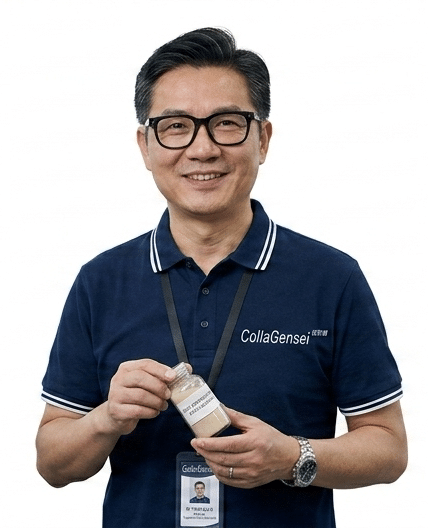
Warren Wan là một chuyên gia dày dạn với kinh nghiệm phong phú trong chuỗi cung ứng thực phẩm bổ sung, sở hữu kinh nghiệm thực tiễn sâu rộng trong nghiên cứu, phát triển, kiểm soát quy trình và tìm nguồn cung ứng toàn cầu các thành phần cốt lõi như peptit collagen, protein từ nước hầm xương và keratin. Với tư cách là tác giả của chuyên mục này, ông cam kết loại bỏ những lớp bao bọc tiếp thị, biến những kiến thức khoa học phức tạp về thành phần và các tiêu chuẩn kiểm soát chất lượng sản xuất thành những nội dung phổ biến khoa học dễ hiểu nhưng sâu sắc, giúp độc giả hiểu rõ sự thật đằng sau các nhãn mác và đưa ra những lựa chọn sức khỏe hợp lý hơn.