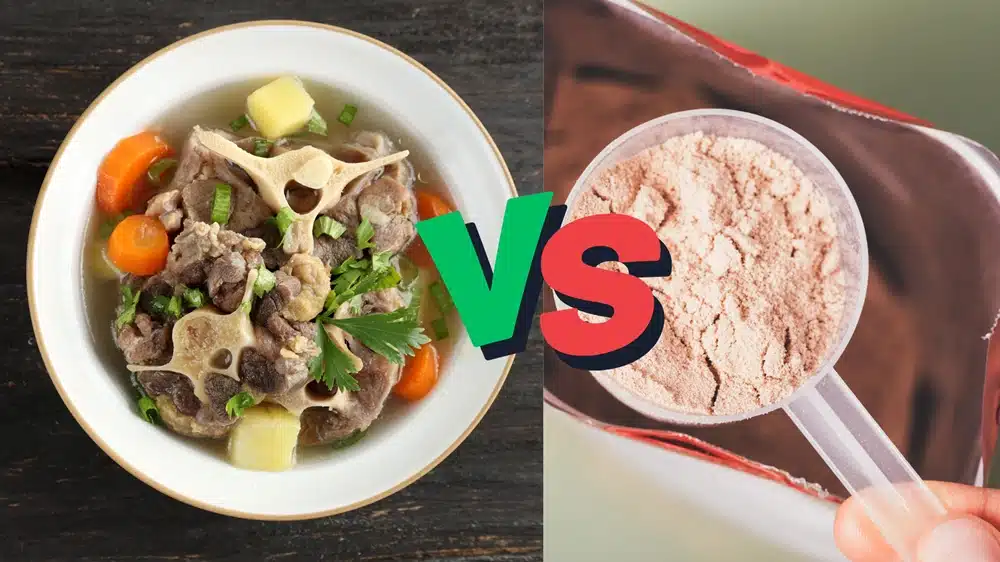
Trong lĩnh vực dinh dưỡng thể thao cao cấp, hiếm có thành phần nào lại có tầm quan trọng—hay gây ra nhiều bối rối—như Creatine và Collagen Peptides. Mặc dù cả hai đều đã khẳng định vị trí của mình trên kệ hàng của cả các vận động viên đỉnh cao lẫn những người đam mê sức khỏe, chúng lại phục vụ những mục đích hoàn toàn khác nhau trong cơ thể con người. Một bên là “vua” không thể tranh cãi của sức mạnh bùng nổ và năng lượng cơ bắp, trong khi bên kia đóng vai trò như chất “keo” thiết yếu giúp kết dính các khớp, gân và mô liên kết lại với nhau.

Nếu bạn đang muốn tối ưu hóa chế độ bổ sung dinh dưỡng của mình, câu hỏi không phải lúc nào cũng là sản phẩm nào “tốt hơn”, mà là sản phẩm nào phù hợp với mục tiêu sinh lý cụ thể của bạn. Bạn đang muốn phá vỡ kỷ lục cá nhân trong phòng tập tạ, hay bạn đang tập trung vào khả năng phục hồi và sự bền bỉ lâu dài của khớp?
Với tư cách là đơn vị dẫn đầu trong lĩnh vực Sản xuất gia công thực phẩm dinh dưỡng thể thao, Gensei hiểu rõ cơ sở khoa học đằng sau các hợp chất sinh học này. Trong hướng dẫn chi tiết này, chúng tôi sẽ phân tích cơ chế sinh học của creatine so với collagen, so sánh những lợi ích chính của chúng, và làm rõ lý do tại sao các chương trình tập luyện hiệu quả nhất thường tìm cách kết hợp cả hai.
Câu trả lời ngắn gọn: Creatine so với peptit collagen
Creatine và peptit collagen không phải là đối thủ cạnh tranh trực tiếp. Chúng hỗ trợ các khía cạnh khác nhau của thành tích thể thao và quá trình lão hóa lành mạnh.
Creatine là lựa chọn tốt hơn khi mục tiêu chính là tăng sức mạnh, sức bền, hiệu suất cơ bắp, tập luyện cường độ cao hoặc nâng cao hiệu quả tập luyện. Chất này hoạt động chủ yếu thông qua hệ thống phosphocreatine, giúp cơ thể tái tạo ATP trong các đợt hoạt động cường độ cao ngắn hạn.
Peptide collagen là lựa chọn tốt hơn khi mục tiêu chính là mang lại sự thoải mái cho khớp, hỗ trợ gân và dây chằng, tăng cường độ đàn hồi cho da, khả năng phục hồi của mô liên kết hoặc quá trình phục hồi lâu dài. Chúng cung cấp các peptide giàu glycine, proline và hydroxyproline, giúp hỗ trợ các protein cấu trúc có trong da, gân, dây chằng, sụn và xương.
Đối với các vận động viên hiện đại và các thương hiệu thực phẩm bổ sung, câu hỏi quan trọng hơn không phải là “Loại nào tốt hơn?” mà là “Làm thế nào để kết hợp creatine và peptit collagen trong một công thức giúp hỗ trợ cả hiệu suất thi đấu lẫn khả năng phục hồi cấu trúc?”
Đó là lý do tại sao hiện nay nhiều thương hiệu thực phẩm dinh dưỡng thể thao đang phát triển các loại bột hỗn hợp tăng cường hiệu suất, kết hợp creatine monohydrate với các peptit collagen thủy phân.
Creatine: Tiêu chuẩn vàng về sức mạnh và hiệu suất
Trong lĩnh vực khoa học thể thao, hiếm có loại thực phẩm bổ sung nào được nghiên cứu kỹ lưỡng và đánh giá nghiêm ngặt bởi các chuyên gia đồng nghiệp như Creatine Monohydrate. Thường được gọi là “tiêu chuẩn vàng”, đây là một hợp chất tự nhiên có trong tế bào cơ, giúp cơ bắp sản sinh năng lượng trong quá trình tập luyện với tạ nặng hoặc các bài tập cường độ cao.
Với tư cách là một nhà cung cấp axit amin số lượng lớn, Gensei có thể hỗ trợ tìm nguồn cung ứng creatine và các thành phần dinh dưỡng thể thao liên quan để phát triển các công thức tăng cường hiệu suất theo yêu cầu.Cơ chế: ATP và năng lượng tế bào
Yếu tố cốt lõi quyết định hiệu quả của creatine chính là ATP (Adenosine Triphosphate). ATP là nguồn năng lượng chính của các tế bào trong cơ thể bạn. Khi bạn tập luyện với cường độ cao, lượng ATP dự trữ trong cơ bắp sẽ cạn kiệt rất nhanh.
Creatine hoạt động bằng cách tăng lượng phosphocreatine dự trữ trong cơ thể. Hãy hình dung phosphocreatine như một “pin dự phòng” cho cơ bắp; nó giúp cơ thể nhanh chóng tái tạo ATP, đảm bảo bạn có thể hoàn thành lượt tập cuối cùng hoặc duy trì tốc độ chạy nước rút thêm vài giây nữa.
Những lợi ích chính đối với hiệu suất
Các nghiên cứu liên tục cho thấy việc bổ sung creatine có thể cải thiện đáng kể công suất tối đa và sức mạnh trong tập luyện sức bền.
Creatine giúp hút nước vào các tế bào cơ (quá trình hydrat hóa tế bào), không chỉ giúp các tế bào cơ trông căng mọng hơn mà còn đóng vai trò như một tín hiệu sinh học kích thích quá trình tổng hợp protein và sự phát triển cơ bắp.
Bằng cách đẩy nhanh quá trình phục hồi dự trữ năng lượng, creatine giúp rút ngắn thời gian cần thiết để phục hồi giữa các hiệp tập và các đợt tập cardio cường độ cao.
Các nghiên cứu gần đây cho thấy creatine có thể hỗ trợ sức khỏe não bộ bằng cách giảm mệt mỏi tinh thần và cải thiện chức năng nhận thức trong những giai đoạn thiếu ngủ.
Tại Gensei, chúng tôi luôn đặt lên hàng đầu creatine dạng vi hạt, nơi các hạt được nghiền mịn đến kích thước nhỏ hơn nhiều. Điều này đảm bảo độ hòa tan cao hơn — có nghĩa là sản phẩm sẽ không lắng xuống đáy bình lắc — và khả năng hấp thu tốt hơn.
Quy trình nghiền mịn chính xác của chúng tôi giúp cơ thể hấp thụ dưỡng chất hiệu quả hơn, gần như loại bỏ hoàn toàn cảm giác khó chịu ở dạ dày thường gặp khi sử dụng các loại bột thô, chất lượng thấp.
Peptide collagen: Khung xương bên trong cho tuổi thọ
Trong khi creatine là nguồn năng lượng cho “động cơ” cơ bắp của bạn, thì các peptit collagen lại đóng vai trò như “khung gầm” của chiếc xe. Collagen là loại protein phong phú nhất trong cơ thể con người, giúp duy trì cấu trúc vững chắc cho mọi bộ phận, từ da và niêm mạc ruột cho đến — điều quan trọng nhất đối với các vận động viên — các khớp, gân và dây chằng.
Đối với các thương hiệu đang tìm nguồn cung ứng collagen thủy phân, chúng tôi thành phần peptide collagen có thể được lựa chọn dựa trên nguồn gốc, trọng lượng phân tử, độ hòa tan, đặc tính hương vị và ứng dụng.Cơ chế: Ma trận ngoại bào
Không giống như protein whey hay creatine, collagen đặc biệt giàu ba loại axit amin cụ thể: Glycine, Proline và Hydroxyproline. Những chất này đóng vai trò là những khối xây dựng cơ bản cho “mạng lưới ngoại bào” — mạng lưới sinh học giúp duy trì độ đàn hồi cho các mô liên kết của bạn.
Khi chúng ta già đi, hoặc khi phải chịu áp lực từ việc tập luyện cường độ cao, quá trình sản sinh collagen tự nhiên của cơ thể bắt đầu suy giảm. Việc bổ sung peptide collagen cung cấp cho cơ thể các phân tử tín hiệu cụ thể cần thiết để kích thích “tế bào sợi”, loại tế bào chịu trách nhiệm sửa chữa và củng cố cấu trúc nền tảng bên trong cơ thể chúng ta.
Những lợi ích chính đối với tuổi thọ và khả năng phục hồi
Các peptit collagen giúp duy trì sự nguyên vẹn của sụn – loại mô có tính đàn hồi như cao su giúp bảo vệ khớp khỏi tác động của các bài tập cường độ cao.
Bằng cách cung cấp các axit amin cụ thể để phục hồi mô liên kết, collagen có thể giúp giảm đáng kể nguy cơ mắc các chấn thương thể thao thường gặp như căng cơ và rách cơ.
Các peptit collagen thủy phân được phân giải thành các phân tử nhỏ hơn, đảm bảo chúng được hấp thu nhanh chóng và đưa trực tiếp đến các mô cần chúng nhất.
Ngoài việc duy trì thể lực, collagen còn giúp duy trì độ đàn hồi của da và sự nguyên vẹn của niêm mạc ruột, đây là những yếu tố thiết yếu trong một phương pháp toàn diện nhằm kéo dài tuổi thọ và bảo vệ sức khỏe toàn diện.
Tại Gensei, chúng tôi chuyên về quá trình thủy phân enzym nâng cao. Quá trình này phân giải collagen thành các peptit chuỗi ngắn có độ hòa tan cao và không có mùi vị, khiến chúng trở thành thành phần lý tưởng cho các công thức dành cho thể thao chuyên nghiệp.
Chúng tôi đảm bảo collagen của chúng tôi được thu mua từ các nguồn nguyên liệu cao cấp và có thể truy xuất nguồn gốc, mang đến cho thương hiệu của quý vị một sản phẩm "clean-label" đáp ứng các tiêu chuẩn an toàn và độ tinh khiết cao nhất.
So sánh song song: Creatine và Collagen
Khi phải lựa chọn giữa creatine và peptide collagen, sẽ hữu ích nếu xem xét chúng dưới góc độ “Năng lượng” so với “Cấu trúc”. Creatine cung cấp nguồn năng lượng tức thì cho quá trình co cơ, trong khi collagen cung cấp khung cấu trúc giúp các cơ hoạt động an toàn và phục hồi hiệu quả.
Bảng dưới đây tóm tắt những điểm khác biệt chính mà mọi vận động viên và chủ thương hiệu cần nắm rõ:
| Tính năng chính | Creatine monohydrate | Peptide collagen |
|---|---|---|
| Mục tiêu chính | Sức mạnh và sức bền | Sức khỏe khớp và tuổi thọ |
| Cơ chế sinh học | Tái tạo ATP (Năng lượng) | Hỗ trợ ma trận ngoại bào |
| Các mô đích | Tế bào cơ xương & Não | Gân, dây chằng, da và ruột |
| Biểu đồ thời gian kết quả | 1–2 tuần (bao gồm thời gian nạp hàng) | 4–12 tuần (sử dụng đều đặn) |
| Phù hợp nhất để sử dụng cho | Phát triển cơ bắp & Hiệu suất | Phục hồi và phòng ngừa chấn thương |
Có thể dùng creatine và collagen cùng lúc không?
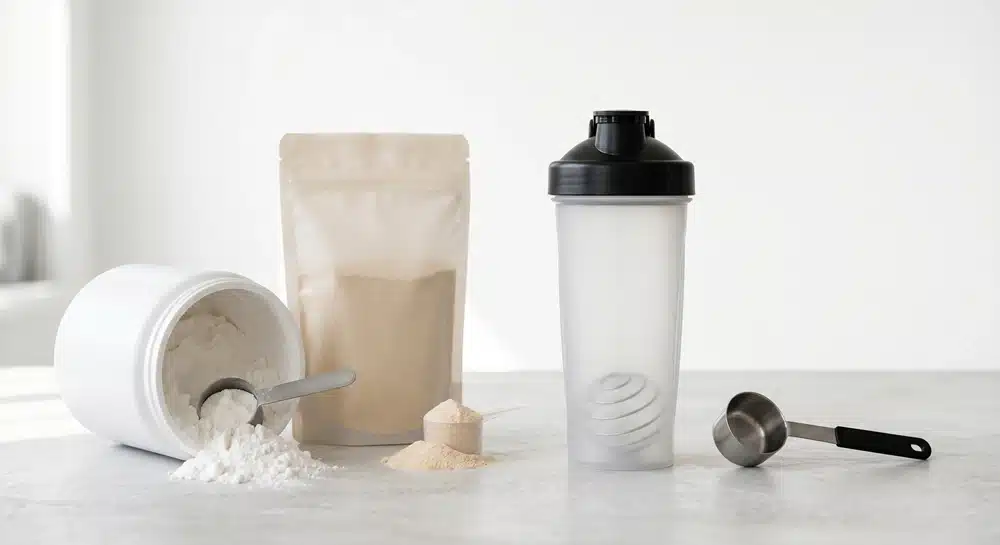
Đúng vậy. Creatine và peptit collagen có thể được sử dụng cùng nhau vì chúng hoạt động thông qua các cơ chế sinh học khác nhau. Creatine hỗ trợ quá trình sản sinh năng lượng nhanh chóng bên trong tế bào cơ, trong khi peptit collagen hỗ trợ cấu trúc của mô liên kết, bao gồm gân, dây chằng, sụn, da và xương.
Creatine giúp bổ sung lượng phosphocreatine dự trữ, từ đó giúp cơ thể tái tạo ATP trong quá trình tập luyện cường độ cao. Đây chính là lý do tại sao creatine thường được sử dụng trong các công thức dành cho tập luyện sức mạnh, chạy nước rút, tập luyện kháng lực và các bài tập tập trung vào sức mạnh.
Peptide collagen không hoạt động giống như creatine. Chúng không trực tiếp làm tăng sản xuất ATP hay sức mạnh bùng nổ. Thay vào đó, collagen thủy phân cung cấp một nguồn cô đặc các axit amin và peptide đặc trưng của collagen, đặc biệt là glycine, proline và hydroxyproline. Những chất dinh dưỡng này có liên quan đến ma trận ngoại bào — mạng lưới cấu trúc hỗ trợ các mô liên kết.
Vì hai thành phần này đóng vai trò khác nhau, nên chúng không thể thay thế lẫn nhau. Một công thức chỉ chứa creatine có thể hỗ trợ hiệu quả tập luyện, nhưng không cung cấp cấu trúc peptide tương tự như collagen. Một công thức chỉ chứa collagen có thể hỗ trợ độ đàn hồi của mô liên kết, nhưng không mang lại cơ chế hỗ trợ hiệu suất tương tự như creatine.
Tại sao sự kết hợp này lại hợp lý?
Tiến trình tập luyện không chỉ phụ thuộc vào năng lượng cơ bắp. Cơ bắp càng khỏe thì tải trọng cơ học tác động lên gân, dây chằng và khớp càng lớn. Nếu người tập tăng cường sức mạnh nhanh hơn khả năng thích ứng của các mô liên kết, họ có thể gặp phải nhiều cảm giác khó chịu, cứng khớp hoặc gặp hạn chế trong quá trình phục hồi hơn.
Sự kết hợp giữa creatine và collagen giúp giải quyết cả hai khía cạnh của quá trình tập luyện:
– Creatine hỗ trợ các chỉ số thể lực: sức mạnh, sức bùng nổ, hiệu suất ở cường độ cao và khả năng thực hiện các động tác lặp đi lặp lại.
– Các peptit collagen hỗ trợ hệ thống cấu trúc: giúp tăng cường độ đàn hồi của gân, dây chằng, sụn và mô liên kết.
Đó chính là lý do tại sao sự kết hợp này đã trở nên hấp dẫn trong các sản phẩm dinh dưỡng thể thao lai. Thay vì buộc người tiêu dùng phải lựa chọn giữa hiệu suất và phục hồi, một công thức được thiết kế tốt có thể tập trung vào việc nâng cao khả năng vận động, tăng cường tính nhất quán trong tập luyện và khả năng chịu đựng lâu dài.
Ví dụ thực tế về cách sắp xếp các thành phần hàng ngày
Một chế độ bổ sung đơn giản hàng ngày có thể bao gồm:
– Creatine monohydrate: 3–5 g mỗi khẩu phần
– Peptide collagen thủy phân: 5–15 g mỗi khẩu phần
– Vitamin C: được bổ sung khi công thức được thiết kế nhằm hỗ trợ quá trình tổng hợp collagen
– Chất điện giải hoặc hệ thống hương vị: tùy chọn, tùy thuộc vào dạng bột
Đối với các thương hiệu, thách thức thương mại phổ biến nhất không phải là tính tương thích của các thành phần. Đó là khẩu phần, hương vị, độ hòa tan, cảm giác trong miệng và chi phí. Creatine có thể tạo ra cặn nếu kích thước hạt quá thô. Peptide collagen có thể tạo ra vị đắng hoặc mùi đặc trưng từ nguồn động vật nếu chất lượng nguyên liệu không đồng đều. Một nhà sản xuất tốt cần tối ưu hóa cả thông số kỹ thuật của nguyên liệu lẫn đặc tính cảm quan trước khi mở rộng quy mô sản xuất.
Tóm lại
Creatine và peptit collagen có thể được sử dụng cùng nhau, và đối với những người tiêu dùng năng động, việc kết hợp hai thành phần này có thể mang lại giá trị cao hơn so với việc sử dụng riêng lẻ. Creatine hỗ trợ “động cơ”. Peptit collagen hỗ trợ “khung gầm”. Một công thức hiệu quả cần phải kết hợp cả hiệu suất và cấu trúc.
“Cặp đôi quyền lực”: Tại sao bạn không cần phải lựa chọn
Trước đây, các vận động viên thường cảm thấy họ phải lựa chọn giữa “hiệu suất” (Creatine) và “phục hồi” (Collagen). Tuy nhiên, khoa học thể thao hiện đại đã chuyển sang một quan điểm toàn diện hơn. Tại Gensei, chúng tôi ngày càng nhận thấy rằng các phác đồ bổ sung hiệu quả nhất là những phác đồ kết hợp hai thành phần này thành một “cặp đôi quyền lực” có tác dụng hiệp đồng.”
Sự tương tác trong cơ thể: Năng lượng kết hợp với khả năng phục hồi
Mối quan hệ giữa creatine và collagen mang tính bổ trợ chứ không phải cạnh tranh. Trong khi creatine cung cấp nguồn năng lượng bùng nổ cần thiết để nâng tạ nặng hơn hoặc chạy nước rút nhanh hơn, thì collagen đảm bảo rằng “khung xương” — tức là gân và dây chằng — đủ chắc khỏe để chịu đựng được tải trọng cơ học gia tăng đó.
Bằng cách kết hợp các bài tập này, bạn thực chất đang giúp tăng cường sức mạnh cho cả hệ cơ và khung xương của cơ thể cùng một lúc.
Bộ sản phẩm lý tưởng: Lợi ích của việc sử dụng kết hợp
Sự kết hợp giữa hai công cụ mạnh mẽ này mang lại một phương pháp toàn diện để tối ưu hóa về mặt vật lý:
- Phục hồi toàn diện cơ thể: Creatine có vai trò trong việc phục hồi năng lượng tế bào, trong khi collagen đảm nhiệm việc sửa chữa cấu trúc mô.
- Giảm thiểu chấn thương: Cơ bắp khỏe hơn (nhờ creatine) kết hợp với mô liên kết dẻo dai hơn (nhờ collagen) tạo nên một lớp bảo vệ hiệu quả chống lại các chấn thương thường gặp trong quá trình tập luyện.
- Hiệu quả: Việc kết hợp cả hai sẽ giúp bạn đảm bảo đáp ứng đầy đủ mọi nhu cầu — từ sự phát triển cơ bắp đến quá trình lão hóa lành mạnh — mà không để lại bất kỳ lỗ hổng nào trong chế độ dinh dưỡng của mình.
Creatine so với Collagen dành cho phụ nữ
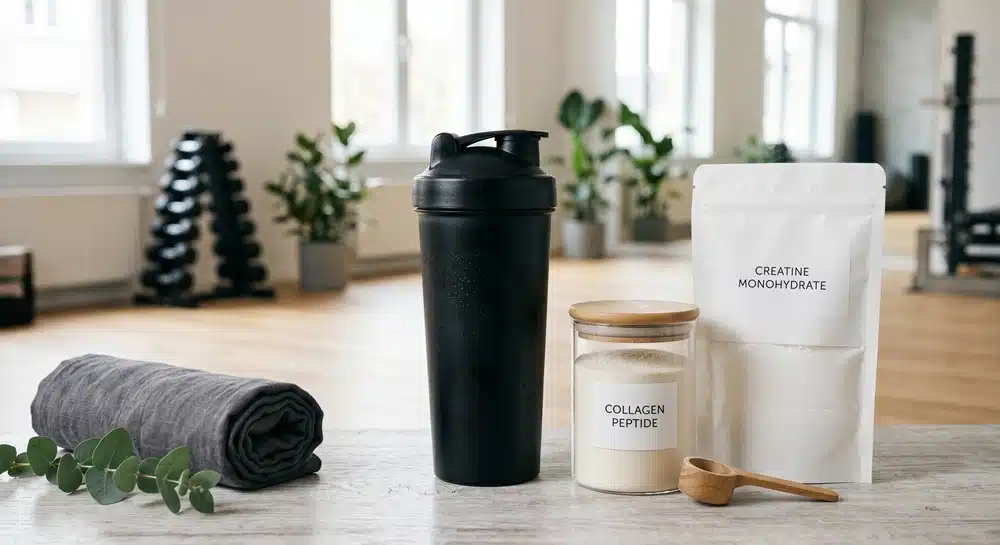
Đối với phụ nữ, creatine và peptide collagen không nên được coi là các loại thực phẩm bổ sung cạnh tranh với nhau. Chúng hỗ trợ các mục tiêu khác nhau, và lựa chọn phù hợp nhất phụ thuộc vào giai đoạn cuộc đời, chế độ tập luyện và kỳ vọng về sản phẩm của người tiêu dùng.
Creatine thường bị sử dụng chưa đúng mức trong dinh dưỡng thể thao dành cho phụ nữ vì từ trước đến nay, sản phẩm này chủ yếu được quảng bá hướng đến nam giới tập thể hình. Trên thực tế, creatine có thể mang lại nhiều lợi ích cho phụ nữ mong muốn tăng cường sức mạnh, sức bền, cơ nạc, khả năng tập luyện và duy trì sức khỏe khi về già. Chất này đặc biệt phù hợp với những phụ nữ tham gia các bài tập kháng lực, tập luyện cường độ cao, tập chạy nước rút hoặc các chương trình tập luyện tập trung vào sức mạnh.
Peptide collagen thường quen thuộc hơn với người tiêu dùng nữ vì chúng thường được liên kết với các sản phẩm chăm sóc da, tóc, móng, khớp và làm đẹp từ bên trong. Tuy nhiên, collagen không chỉ là một thành phần làm đẹp. Đối với những phụ nữ năng động, peptide collagen còn có thể hỗ trợ độ đàn hồi của mô liên kết, cấu trúc gân và dây chằng, sự thoải mái cho khớp, cũng như quá trình phục hồi.
Phụ nữ nên chọn loại nào?
Nếu mục tiêu chính là tăng sức mạnh, cải thiện hiệu suất cơ bắp và đạt được tiến bộ trong tập luyện tại phòng gym, creatine thường là lựa chọn hàng đầu hiệu quả hơn.
Nếu mục tiêu chính là tăng độ đàn hồi cho da, hỗ trợ khớp, tăng cường độ bền cho gân hoặc kết hợp giữa làm đẹp và phục hồi, thì các peptit collagen thường là lựa chọn hàng đầu hiệu quả hơn.
Nếu người tiêu dùng có lối sống năng động, tập luyện thường xuyên hoặc đang bước vào giai đoạn của cuộc đời mà việc duy trì cơ bắp và sự dẻo dai của khớp đều rất quan trọng, thì sự kết hợp này có thể là lựa chọn toàn diện nhất.
| Mục tiêu | Lựa chọn nguyên liệu tốt hơn |
| Sức mạnh và sức bền | Creatine |
| Hiệu suất cơ bắp | Creatine |
| Độ đàn hồi của da | Peptide collagen |
| Hỗ trợ khớp và gân | Peptide collagen |
| Lão hóa tích cực | Cả hai |
| Dinh dưỡng thể thao tập trung vào quá trình phục hồi | Cả hai |
| Công thức kết hợp giữa vẻ đẹp và hiệu quả | Cả hai |
Ghi chú về công thức dành cho các thương hiệu
Các sản phẩm dành cho phụ nữ nên tránh những thông điệp lỗi thời gợi ý rằng creatine chỉ dành cho việc “tăng cơ”. Một định vị hiện đại hơn nên tập trung vào sức mạnh cơ bắp săn chắc, sự kiên trì trong tập luyện, duy trì cơ bắp và lối sống năng động khi về già. Collagen có thể bổ sung cho điều này bằng cách hỗ trợ khía cạnh cấu trúc của các hoạt động vận động: da, khớp, gân, dây chằng và mô liên kết.
Đó chính là lý do tại sao các sản phẩm bột creatine-collagen dành cho phụ nữ đang ngày càng trở nên phổ biến. Những sản phẩm này giúp các thương hiệu kết hợp được ba yếu tố: nâng cao hiệu suất, phục hồi cơ thể và làm đẹp từ bên trong – tất cả trong một sản phẩm sử dụng hàng ngày.
Đổi mới công thức: Sự trỗi dậy của các loại bột “kết hợp”
Với tư cách là đối tác sản xuất gia công trong lĩnh vực dinh dưỡng thể thao, Gensei đã nhận thấy một xu hướng nổi bật: các thương hiệu đang dần chuyển hướng khỏi các sản phẩm chỉ chứa một thành phần duy nhất. Các doanh nghiệp tiên phong hiện nay đang yêu cầu các loại bột tăng cường hiệu suất “All-in-One”, kết hợp creatine siêu mịn với các peptit collagen thủy phân.
Khi nghiên cứu công thức cho khách hàng của Gensei, chúng tôi tối ưu hóa độ hòa tan và hương vị, đảm bảo rằng creatine và collagen có thể được sử dụng cùng nhau mà không bị vón cục hay có cảm giác sạn.
- Tăng cường sức bền trong quá trình tập luyện
- Tăng tốc quá trình phục hồi mô sau khi tập luyện
- Quy trình bổ sung dinh dưỡng hàng ngày đơn giản
Tại sao các thương hiệu dinh dưỡng thể thao lại kết hợp creatine và collagen?
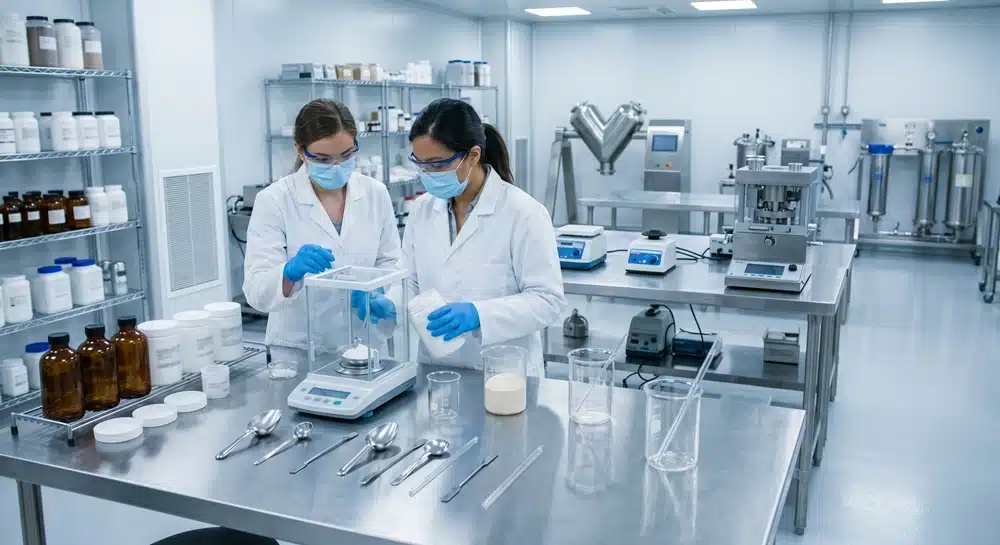
Thị trường dinh dưỡng thể thao đang vượt ra khỏi phạm vi các loại bột chỉ chứa một thành phần duy nhất. Người tiêu dùng ngày càng mong muốn các công thức có thể giải quyết nhiều vấn đề cùng một lúc. Họ không chỉ muốn tăng cường sức mạnh cơ bắp mà còn mong muốn phục hồi thể lực, cải thiện khả năng vận động, hỗ trợ khớp, đồng thời tìm kiếm một sản phẩm phù hợp với thói quen sinh hoạt hàng ngày đơn giản.
Sự thay đổi này đã tạo ra nhu cầu lớn đối với các sản phẩm kết hợp creatine và collagen.
Đối với chủ sở hữu thương hiệu, sức hấp dẫn của chúng là điều hiển nhiên. Creatine là một trong những thành phần tăng cường hiệu suất được biết đến rộng rãi nhất trong lĩnh vực dinh dưỡng thể thao. Peptide collagen là một trong những thành phần hỗ trợ cấu trúc mạnh mẽ nhất trong các phân khúc chăm sóc sức khỏe và lão hóa tích cực. Khi được kết hợp một cách hợp lý, chúng giúp sản phẩm trở thành sự kết hợp hoàn hảo giữa hiệu suất, phục hồi, sức khỏe khớp và vẻ đẹp từ bên trong.
Tại sao bột hỗn hợp lại có sức hấp dẫn về mặt thương mại
Các công thức kết hợp creatine và collagen có thể đáp ứng nhiều nhu cầu khác nhau của người tiêu dùng:
– Sức mạnh và sức bền
– Hiệu suất cơ bắp
– Hỗ trợ khớp và mô liên kết
– Tư thế hồi phục
– Lão hóa tích cực
– Dinh dưỡng thể thao dành cho phụ nữ
– Vẻ đẹp kết hợp với hiệu suất
– Sức khỏe hàng ngày dành cho những người tiêu dùng năng động
Việc định vị sản phẩm ở phạm vi rộng hơn như vậy có thể giúp sản phẩm dễ dàng tạo sự khác biệt so với một hộp creatine monohydrate cơ bản hay một loại bột peptide collagen cơ bản.
Ví dụ về hướng dẫn sử dụng công thức thương mại
Một khái niệm phổ biến về bột tăng cường hiệu suất lai có thể bao gồm:
– 5 g creatine monohydrate
– 10 g peptit collagen thủy phân
– Vitamin C hỗ trợ quá trình tổng hợp collagen
– Chất điện giải để duy trì sự cân bằng nước
– Hệ thống hương vị tự nhiên
– Có thể bổ sung magiê hoặc axit hyaluronic để hỗ trợ phục hồi và các công thức dành riêng cho khớp
Công thức cụ thể cần phải dựa trên thị trường, mức giá, hệ thống hương vị, chiến lược quảng bá, khẩu phần và các yêu cầu quy định của từng khu vực.
Những thách thức trong sản xuất mà các thương hiệu cần lường trước
Về mặt lý thuyết, việc kết hợp creatine và collagen không phải là điều khó, nhưng cần phải được thiết kế một cách hợp lý để đảm bảo trải nghiệm tốt cho người tiêu dùng. Những thách thức kỹ thuật phổ biến nhất bao gồm:
– Cặn creatine hoặc cảm giác sần sật trong miệng
– Vị đắng của collagen hoặc hương vị từ nguồn động vật
– Khả năng phân tán kém trong nước lạnh
– Phần ăn lớn
– Độ nhạy cảm với độ ẩm
– Che lấp hương vị
– Khả năng chảy của bột trong quá trình đóng gói
– Độ chính xác của muỗng múc
– Thời hạn sử dụng và nguy cơ vón cục
Đây chính là lúc một nhà sản xuất thực phẩm dinh dưỡng thể thao giàu kinh nghiệm có thể tạo ra giá trị thực sự. Mục tiêu không chỉ đơn thuần là trộn hai loại bột lại với nhau. Mục tiêu là tạo ra một sản phẩm hoàn chỉnh có hương vị tinh khiết, hòa tan tốt, có độ đặc nhất quán và duy trì tính ổn định trong suốt thời hạn sử dụng.
Chất lượng sản xuất
Khi đánh giá một nhà sản xuất creatine và collagen, có ba yếu tố quan trọng quyết định liệu sản phẩm đó có mang lại hiệu quả hay sẽ bị bỏ xó trên kệ do chất lượng kém.
Nguồn gốc của các thành phần là yếu tố quan trọng. Đối với collagen, điều này có nghĩa là cần phân biệt rõ nguồn gốc từ bò, động vật biển hay gia cầm, đồng thời đảm bảo chúng không chứa hormone và kháng sinh. Đối với creatine, điều này có nghĩa là phải đảm bảo không có các chất gây ô nhiễm như dicyandiamide hay dihydrotriazine.
Nguồn gốc có thể truy xuấtQuy trình sản xuất chất lượng cao giúp khắc phục hiện tượng “vón cục” hoặc “cảm giác sạn” nhờ công nghệ xử lý hạt. Bằng cách sử dụng creatine dạng vi hạt và peptide thủy phân, nhà sản xuất đảm bảo sản phẩm tan ngay lập tức trong nước, từ đó nâng cao trải nghiệm người dùng và khả năng hấp thu.
Công nghệ vi hạtNiềm tin được xây dựng dựa trên sự minh bạch. Các thương hiệu uy tín luôn tìm kiếm những nhà sản xuất tuân thủ nghiêm ngặt các tiêu chuẩn GMP (Thực hành sản xuất tốt) và cung cấp dịch vụ kiểm nghiệm bởi bên thứ ba đối với kim loại nặng, chất gây dị ứng và các chất bị cấm.
Được chứng nhận GMPCách Gensei nâng cao hiệu quả của bột creatine-collagen
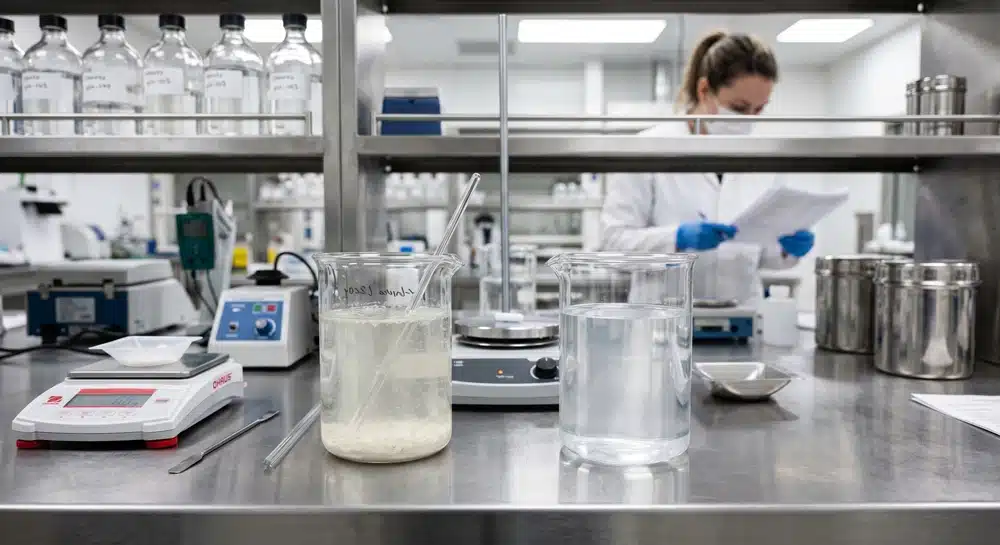
Sự thành công của một sản phẩm kết hợp creatine và collagen không chỉ phụ thuộc vào việc lựa chọn thành phần. Nó còn phụ thuộc vào cách các thành phần đó tương tác với nhau trong công thức thành phẩm.
Tại Gensei, mục tiêu trong quá trình bào chế là nâng cao trải nghiệm của người tiêu dùng đồng thời bảo toàn đặc tính chức năng của từng thành phần.
Creatine dạng vi hạt cho cảm giác dễ chịu hơn khi dùng
Creatine dạng thô có thể lắng xuống đáy bình lắc và tạo ra cảm giác sần sật khi uống. Đối với các loại bột cao cấp, creatine vi hạt có thể cải thiện khả năng hòa tan và cảm giác khi uống. Điều này không biến creatine thành một thành phần khác, nhưng có thể cải thiện cảm giác khi uống và khả năng hòa tan của sản phẩm thành phẩm.
Peptide collagen có trọng lượng phân tử thấp
Hiệu quả của peptit collagen bị ảnh hưởng bởi phân bố trọng lượng phân tử, mùi vị, mùi và độ hòa tan. Các peptit collagen thủy phân có trọng lượng phân tử thấp thường dễ dàng hơn trong việc chế tạo thành bột hòa tan ngay, hỗn hợp có hương vị và gói dạng que dùng hàng ngày.
Đối với các dự án B2B, các thương hiệu nên yêu cầu thông số kỹ thuật của peptide, nguồn gốc, tình trạng chất gây dị ứng, kết quả kiểm tra kim loại nặng và khả năng hòa tan trước khi lựa chọn một nhà cung cấp collagen.
Tối ưu hóa hương vị và mùi
Creatine thường có vị trung tính, nhưng các peptit collagen có thể mang lại những nốt hương phụ thuộc vào nguồn gốc. Collagen từ bò, từ biển và từ gia cầm đều có đặc tính khác nhau trong hệ thống hương vị. Khả năng che lấp hương vị đặc biệt quan trọng đối với các sản phẩm có hương vani, quả mọng, cam quýt và các sản phẩm không hương vị.
Khả năng chảy của bột và độ chính xác khi nạp
Creatine và collagen có mật độ và tính chất bột khác nhau. Một hỗn hợp ổn định phải có khả năng chảy tốt trong quá trình đóng gói và duy trì sự phân bố đồng đều. Khả năng chảy kém có thể dẫn đến sự chênh lệch khi múc, khẩu phần không đồng đều và khiếu nại từ người tiêu dùng.
Đánh giá tính ổn định trước khi mở rộng quy mô
Trước khi chuyển sang sản xuất hàng loạt, các thương hiệu cần rà soát hàm lượng độ ẩm, nguy cơ vón cục, tính chất rào cản của bao bì và dữ liệu ổn định trong điều kiện thử nghiệm gia tốc. Điều này đặc biệt quan trọng đối với các sản phẩm dạng gói que, hộp đựng và các sản phẩm được bán tại các thị trường có độ ẩm cao.
Nghiên cứu điển hình về nhà sản xuất thiết bị gốc (OEM): Phát triển sản phẩm bột phục hồi chứa creatine và collagen
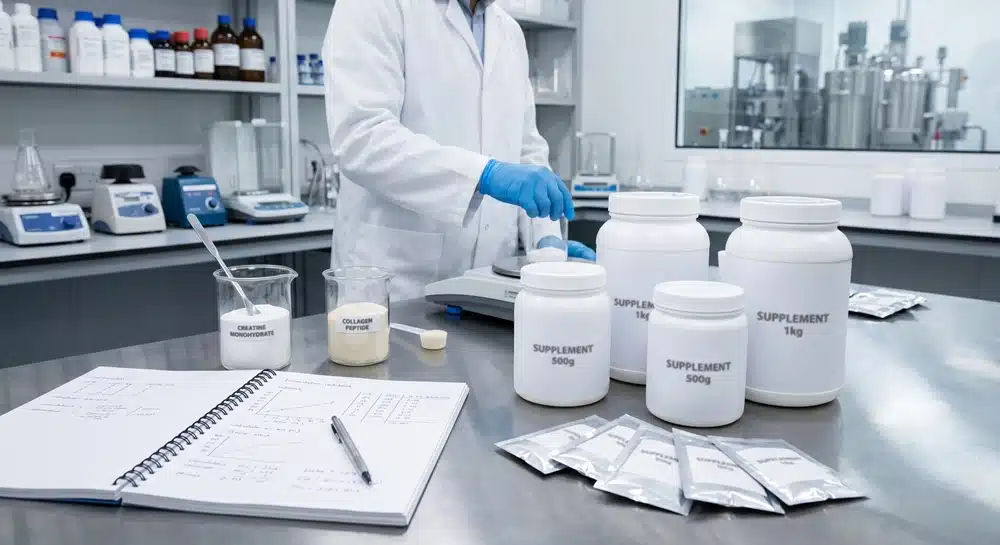
Một thương hiệu dinh dưỡng thể thao muốn phát triển một loại bột phục hồi hàng ngày kết hợp 5 g creatine monohydrate với 10 g peptide collagen thủy phân. Đối tượng mục tiêu của thương hiệu là những người tiêu dùng năng động, mong muốn tăng cường sức mạnh, cải thiện độ bền của khớp và có một thói quen hàng ngày đơn giản.
Mẫu thử nghiệm ban đầu có ba vấn đề:
– Creatine tạo ra một kết cấu sạn trong nước lạnh.
– Thành phần peptide collagen tạo ra một vị đắng nhẹ.
– Phần ăn khá lớn, khiến việc cân bằng hương vị trở nên khó khăn.
Phương pháp xây dựng công thức tập trung vào ba điểm cải tiến:
1. Chuyển sang sử dụng creatine có kích thước hạt mịn hơn để cải thiện cảm giác khi thưởng thức.
2. Lựa chọn loại peptide collagen có mùi nhẹ và khả năng phân tán tức thì tốt hơn.
3. Xây dựng lại hệ thống hương vị xoay quanh độ chua, độ ngọt và các nốt hương che lấp.
Ý tưởng cuối cùng đã được hiện thực hóa thành một loại bột hỗn hợp dành cho hiệu suất thể thao hàng ngày, tập trung vào sức mạnh, phục hồi và hỗ trợ mô liên kết. Thay vì cạnh tranh trực tiếp với các loại bột creatine cơ bản, sản phẩm này đã xây dựng một câu chuyện toàn diện hơn về hiệu suất và khả năng phục hồi.
Đối với các thương hiệu, bài học rút ra là rất rõ ràng: không nên phát triển công thức kết hợp creatine và collagen chỉ bằng cách trộn lẫn hai nguyên liệu thông thường. Công thức này cần được thiết kế dựa trên các yếu tố như độ hòa tan, hương vị, khẩu phần, thời hạn sử dụng và định vị thị trường.
Các câu hỏi thường gặp về Creatine so với Peptide Collagen
Có thể dùng creatine và peptide collagen cùng lúc không?
Đúng vậy. Creatine và peptit collagen có thể được sử dụng cùng nhau vì chúng hoạt động theo các cơ chế khác nhau. Creatine hỗ trợ quá trình tái tạo ATP và nâng cao hiệu suất trong các hoạt động cường độ cao, trong khi peptit collagen hỗ trợ cấu trúc của mô liên kết. Hai chất này bổ sung cho nhau chứ không phải cạnh tranh với nhau.
Cái nào tốt hơn, creatine hay peptide collagen?
Creatine có tác dụng tốt hơn trong việc tăng cường sức mạnh, sức bền và hiệu suất cơ bắp. Peptide collagen có tác dụng tốt hơn trong việc hỗ trợ khớp, gân, dây chằng, da và mô liên kết. Đối với những người tiêu dùng năng động, giải pháp tối ưu thường là kết hợp cả hai.
Creatine có chứa collagen không?
Không. Creatine không chứa collagen. Creatine là một hợp chất chứa nitơ tham gia vào quá trình chuyển hóa năng lượng, trong khi các peptit collagen là các đoạn protein đã được thủy phân, có nguồn gốc từ các nguồn động vật giàu collagen.
Collagen có thể thay thế creatine được không?
Không. Các peptit collagen không thể thay thế creatine vì chúng không hỗ trợ trực tiếp cho hệ thống năng lượng phosphocreatine. Collagen hỗ trợ các mô cấu trúc, trong khi creatine hỗ trợ quá trình sản sinh năng lượng cường độ cao.
Creatine có thể thay thế collagen không?
Không. Creatine không cung cấp thành phần peptit đặc trưng của collagen liên quan đến việc hỗ trợ mô liên kết. Chất này có thể giúp nâng cao hiệu quả tập luyện, nhưng không thể thay thế các peptit collagen trong các công thức dành cho khớp, gân hoặc làm đẹp từ bên trong.
Tỷ lệ creatine và collagen lý tưởng nhất là bao nhiêu?
Một liều lượng khởi điểm phổ biến trên thị trường là 3–5 g creatine monohydrate kết hợp với 5–15 g peptide collagen. Tỷ lệ cuối cùng phụ thuộc vào định vị sản phẩm, khẩu phần, hệ thống hương vị, mức giá và đối tượng khách hàng mục tiêu.
Đối với phụ nữ, creatine hay collagen tốt hơn?
Creatine thường phù hợp hơn với phụ nữ quan tâm đến việc tăng sức mạnh, phát triển cơ nạc, nâng cao hiệu suất tập luyện và duy trì lối sống năng động khi về già. Peptide collagen thường phù hợp hơn để cải thiện độ đàn hồi của da, giảm đau nhức khớp và hỗ trợ mô liên kết. Một công thức kết hợp có thể đáp ứng cả hai mục tiêu này.
Bột creatine-collagen có ổn định không?
Các sản phẩm này có thể duy trì tính ổn định nếu được pha chế đúng cách. Các thương hiệu cần đánh giá hàm lượng độ ẩm, nguy cơ vón cục, độ chảy của bột, độ ổn định hương vị, tính chất rào cản của bao bì và dữ liệu về thời hạn sử dụng trước khi đưa sản phẩm ra thị trường.
Các thương hiệu nên tiến hành những thử nghiệm nào trước khi ra mắt sản phẩm bột creatine-collagen?
Các thương hiệu nên tiến hành kiểm tra hàm lượng chất hoạt tính, kim loại nặng, giới hạn vi sinh vật, các chất bị cấm (nếu sản phẩm dành cho vận động viên), độ ẩm, kích thước hạt, mật độ khối, độ hòa tan, độ ổn định hương vị và tính tương thích của bao bì.
Số lượng đặt hàng tối thiểu (MOQ) cho các sản phẩm creatine-collagen là bao nhiêu?
Số lượng đặt hàng tối thiểu (MOQ) phụ thuộc vào dạng bào chế, độ phức tạp của công thức, hương vị, hình thức đóng gói và nguồn gốc nguyên liệu. Một loại bột đơn giản không có hương vị thường có số lượng đặt hàng tối thiểu khác so với gói dạng que có hương vị hoặc hỗn hợp dinh dưỡng thể thao chứa nhiều thành phần.
Kết luận
Việc lựa chọn giữa creatine và peptide collagen không nhất thiết phải là một quyết định “hoặc là… hoặc là…”. Như chúng ta đã tìm hiểu, hai loại thực phẩm bổ sung này hoạt động theo các cơ chế sinh học hoàn toàn khác nhau. Creatine là công cụ chính giúp tăng cường năng lượng tế bào và cải thiện hiệu suất cơ bắp, trong khi peptide collagen đóng vai trò là nền tảng cấu trúc thiết yếu cho khớp và mô liên kết của bạn.
Nếu mục tiêu của bạn là một sản phẩm hoàn thiện và sẵn sàng đưa ra thị trường, dịch vụ của chúng tôi Thực phẩm bổ sung dinh dưỡng thể thao mang thương hiệu riêng Dịch vụ này có thể hỗ trợ các công đoạn phát triển công thức, đóng gói, kiểm tra và sản xuất.Nếu mục tiêu của bạn là sức mạnh thuần túy, tốc độ bùng nổ và sự phát triển cơ bắp, Creatine monohydrate là thực phẩm bổ sung không thể thiếu của bạn.
Nếu bạn coi trọng sức khỏe khớp, khả năng phục hồi nhanh hơn sau khi bị căng cơ và mô liên kết, cũng như sự vững chắc về cấu trúc tổng thể, Peptide collagen là chìa khóa.
Đối với vận động viên hiện đại, xếp chồng cả hai cung cấp một hệ thống hỗ trợ toàn diện về năng lượng, góp phần mang lại sự phát triển bền vững và giảm thiểu nguy cơ chấn thương.
tài liệu tham khảo
- 1. Tuyên bố chính thức của Hiệp hội Dinh dưỡng Thể thao Quốc tế: Tính an toàn và hiệu quả của việc bổ sung creatine trong tập luyện, thể thao và y học
- https://pubmed.ncbi.nlm.nih.gov/28615996/
- 2. Toàn văn: Tuyên bố chính thức của Hiệp hội Dinh dưỡng Thể thao Quốc tế về creatine
- https://jissn.biomedcentral.com/articles/10.1186/s12970-017-0173-z
- 3. Văn phòng Phụ gia Dinh dưỡng thuộc Viện Y tế Quốc gia (NIH): Tập luyện và thành tích thể thao
- https://ods.od.nih.gov/factsheets/ExerciseAndAthleticPerformance-HealthProfessional/
- 4. Tổng quan về việc bổ sung peptide collagen và các chỉ số về thành phần cơ thể / tình trạng khớp
- https://pubmed.ncbi.nlm.nih.gov/34491424/
- 5. Tổng quan về việc bổ sung collagen để duy trì sức khỏe khớp
- https://pmc.ncbi.nlm.nih.gov/articles/PMC10058045/
- 6. Bổ sung gelatin giàu vitamin C trước khi thực hiện các hoạt động ngắt quãng và quá trình tổng hợp collagen
- https://pubmed.ncbi.nlm.nih.gov/27852613/
- 7. Chương trình Chứng nhận NSF dành cho Thể thao
- https://www.nsf.org/consumer-resources/articles/certified-for-sport-program
- 8. FDA: Các tuyên bố về cấu trúc/chức năng
- https://www.fda.gov/food/nutrition-food-labeling-and-critical-foods/structurefunction-claims

Warren Wan là một chuyên gia dày dạn với kinh nghiệm phong phú trong chuỗi cung ứng thực phẩm bổ sung, sở hữu kinh nghiệm thực tiễn sâu rộng trong nghiên cứu, phát triển, kiểm soát quy trình và tìm nguồn cung ứng toàn cầu các thành phần cốt lõi như peptit collagen, protein từ nước hầm xương và keratin. Với tư cách là tác giả của chuyên mục này, ông cam kết loại bỏ những lớp bao bọc tiếp thị, biến những kiến thức khoa học phức tạp về thành phần và các tiêu chuẩn kiểm soát chất lượng sản xuất thành những nội dung phổ biến khoa học dễ hiểu nhưng sâu sắc, giúp độc giả hiểu rõ sự thật đằng sau các nhãn mác và đưa ra những lựa chọn sức khỏe hợp lý hơn.