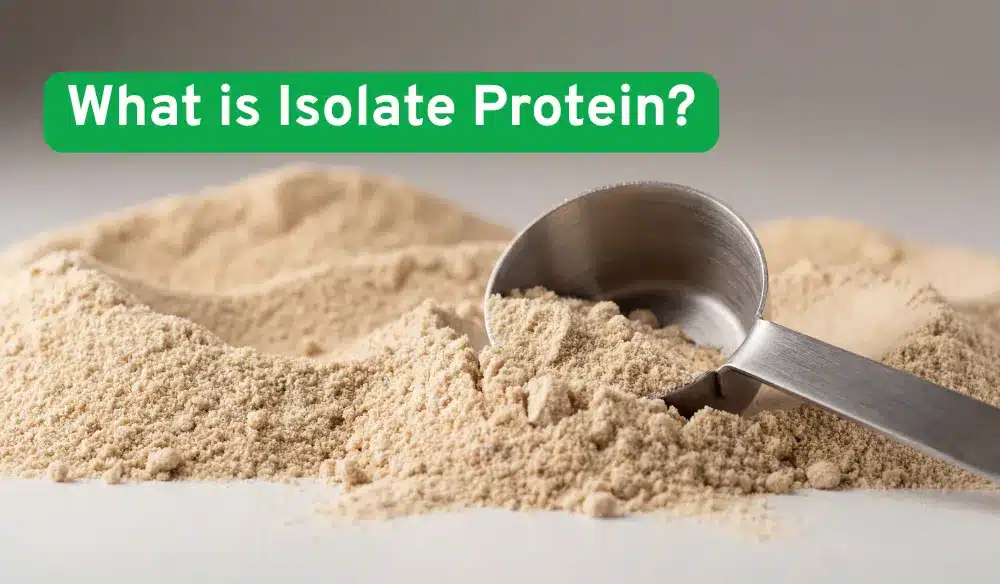
Isolate protein is a highly purified form of protein that has undergone rigorous processing to remove almost all non-protein components. This microfiltration or chemical extraction process strips away fats, carbohydrates, and lactose, resulting in a final product that typically contains 90% or more protein by weight. It is widely considered the cleanest, fastest-absorbing form of intact protein available.
While the definition sounds impressive, the reality of how it fits into your formulation—or your diet—is far more complex. To understand if isolate protein is a genuine necessity or an overpriced luxury, we need to strip away the marketing jargon and look at how it’s actually made, how it compares to its cheaper cousins, and what you’re secretly sacrificing in the pursuit of absolute “purity.”
How is Isolate Protein Actually Made?
TTo understand what you are buying, you need to understand how it is built. If extracting standard protein concentrate is like panning for gold in a river, creating isolate protein is like taking that panned gold to a high-tech chemical refinery to achieve 99.9% purity.
Getting from raw milk (or a plant slurry) to a tub of 90%+ pure isolate powder involves a strict, multi-stage industrial process. Here is exactly how it happens:
1. Sourcing the Raw Liquid (The Base) The process begins with the raw source material. For dairy, this is liquid whey—the liquid byproduct left over from the cheese-making process. For plant-based isolates (like soy or pea), manufacturers create a liquid slurry from mashed legumes to extract the soluble proteins.
2. Initial Concentration (The 80% Benchmark) The raw liquid is pushed through initial physical filters to remove bulk water, large fat globules, and larger carbohydrate molecules. At this stage, the liquid is spray-dried into what we know as Protein Concentrate, which typically yields about 70% to 80% protein by weight.
3. The “Isolation” Phase (The Crucial Purification) This is the defining step where concentrate is upgraded to isolate. Manufacturers take that concentrated protein and subject it to aggressive secondary purification to strip away the remaining fats, lactose, and carbs. In the B2B supply chain, this is done via one of two primary technologies:
- Cross-Flow Microfiltration (CFM): The “Cold & Clean” method. The protein is forced through microscopic ceramic filters in a cold environment. It relies purely on physical size separation, leaving the delicate protein structures intact.
- Ion Exchange: The “Harsh but Cheap” method. Chemicals (acids and bases) are added to the liquid to change the electrical charge of the molecules. The protein binds to specific resins, and impurities are washed away.
4. Spray Drying (The Final Powder) Once the liquid reaches that golden 90%+ protein ratio, it is fed into a massive spray dryer. Hot air instantly evaporates the remaining moisture, leaving behind the ultra-fine, highly purified isolate powder ready for packaging or custom formulation.
💡 The Industry Truth: “Purity” Does Not Equal “Holistic Value”
This strict 4-step process brings us to an uncomfortable truth that many supplement brands intentionally gloss over: Extreme purity comes at a nutritional cost.
When raw materials are subjected to the intense isolation phase (Step 3)—particularly through the cheaper Ion Exchange method—the process doesn’t just strip away the “bad” stuff (fat and lactose). It indiscriminately destroys the fragile, health-promoting micro-fractions that exist naturally in the whole food source.
In the pursuit of achieving that perfect “90% Protein” label claim, the manufacturing process often denatures powerful, immune-boosting compounds found abundantly in cheaper protein concentrates, such as Immunoglobulins (vital for immune support) and Lactoferrin (an antimicrobial powerhouse).
Sometimes, in the relentless pursuit of an absolutely “clean” macronutrient profile, you gain 2 extra grams of pure protein per scoop, but you sacrifice the natural, complex nutritional matrix of the original ingredient.
Concentrate vs. Isolate vs. Hydrolyzed
Walk down any supplement aisle or browse a B2B raw material catalog, and you will be confronted with three main tiers of protein. Understanding the hierarchy of these “Big Three” is crucial whether you are formulating a new pre-workout product or just trying to optimize your personal nutrition.
Here is the definitive breakdown of how they compare:
1. Protein Concentrate (The All-Rounder)
- The Profile: Typically yields 70% to 80% protein by weight. The remaining 20-30% consists of naturally occurring carbohydrates (lactose) and milk fats.
- The Pros: Because it undergoes less processing, concentrate retains the highest levels of beneficial health fractions (like immunoglobulins and lactoferrin). It also tastes better natively (thanks to the fat and sugar) and is the most cost-effective option.
- The Cons: Unsuitable for those with strict lactose intolerance or those on extreme low-carb/low-fat diets.
2. Protein Isolate (The Purist)
- The Profile: Refined to yield 90% or more protein by weight. Almost all fats and carbohydrates have been stripped away.
- The Pros: Extremely fast absorption. It is virtually lactose-free and fat-free, making it the go-to choice for individuals with sensitive stomachs or competitive bodybuilders heavily restricting their macros.
- The Cons: Significantly more expensive than concentrate. The harsh processing can strip away natural immune-boosting compounds. It often requires more artificial flavoring to mask the “thinner” taste profile.
3. Hydrolyzed Protein / Protein Peptides (The Pre-Digested Premium)
- The Profile: This is an isolate that has been taken one step further. Enzymes are added to break the long protein chains down into smaller fragments called peptides.
- The Pros: It is “pre-digested.” Hydrolyzed protein bypasses the stomach’s normal digestive process and is absorbed directly into the bloodstream and muscles faster than any other form. It is the absolute highest tier of protein technology.
- The Cons: It carries the highest price tag and can have a naturally bitter taste due to the exposed peptide bonds.
📊 At-a-Glance Comparison Matrix
(Note for SEO: This table is highly optimized for Google’s Featured Snippets for comparison queries).
| Feature | Protein Concentrate | Protein Isolate | Hydrolyzed Protein (Peptides) |
| Protein Content | 70% – 80% | 90%+ | 90%+ (Pre-digested) |
| Lactose & Fat | Low to Moderate | Near Zero | Near Zero |
| Absorption Rate | Moderate (1-2 hours) | Fast (30-60 mins) | Extremely Fast (<30 mins) |
| Price Point | $$(Most Affordable) | $$$ (Premium) | (Highest) |
| Best For | General health, budget, meal replacement | Strict diets, lactose intolerance | Elite athletes, clinical recovery |
💡 The B2B Truth: Beware of “Amino Spiking” in Isolates
Because isolate protein commands a premium price on the market, it has become the primary target for one of the supplement industry’s dirtiest secrets: Amino Spiking (also known as Nitrogen Spiking).
Standard laboratory tests don’t actually measure “protein” directly; they measure the nitrogen content to estimate the protein levels. Unethical manufacturers exploit this by taking a cheaper, lower-quality protein powder and dumping in large amounts of cheap, useless free-form amino acids (like Taurine or Glycine).
These cheap aminos trick the lab test into showing a “90% Protein” reading. A brand might proudly label their product as a “Premium Isolate,” but you are actually paying top dollar for cheap filler. The takeaway? Never just look at the total protein number. Always demand to see the full Amino Acid Profile to ensure the raw material is genuinely intact isolate, not a spiked illusion.
Plant vs. Dairy: Is All Isolate Created Equal?
When you see the word “Isolate,” it only describes the process, not the source. Today’s B2B landscape and consumer markets are heavily divided into two camps: Dairy-based (Whey/Casein) and Plant-based (Soy/Pea/Rice).
While both can achieve that 90% purity threshold, they behave entirely differently in a formulation and in the human body.
1. Whey Protein Isolate (WPI) – The Biological King
- The Profile: Derived from milk, WPI holds the highest Biological Value (BV) and contains a complete, highly bioavailable amino acid profile, particularly rich in Leucine (the key trigger for muscle protein synthesis).
- The Formulation Reality: WPI is a formulator’s dream. It dissolves effortlessly in water, has a very neutral taste, and is the essential backbone of the booming “Clear Whey” juice-like protein market.
2. Plant Protein Isolates (Soy, Pea, Brown Rice) – The Vegan Engine
- The Profile: Derived from legumes or grains. While isolated to 90% purity, single plant sources are often “incomplete” (lacking one or more essential amino acids). For example, pea isolate is notoriously low in methionine.
- The Formulation Reality: This is where the B2B magic (and struggle) happens. Plant isolates inherently possess earthy, beany, or bitter off-notes. They also tend to be grittier and thicker in liquid.
💡 The Formulator’s Truth: The “Plant Penalty”
There is a hidden cost to formulating with plant isolates. Because of the inferior texture and earthy taste, brands must compensate by adding expensive masking agents, artificial sweeteners, and thickeners (like xanthan gum) to make the product palatable. In the B2B world, we know that hitting 90% protein with peas is easy; making it taste good without destroying the “clean label” is the real challenge. Furthermore, to match the muscle-building power of Whey Isolate, plant isolates often must be blended (e.g., Pea + Rice) to complete the amino acid profile.
The Final Verdict: Who Actually NEEDS Isolate Protein?
After stripping away the marketing fluff and looking at the chemical reality, we arrive at the ultimate question: Who should actually be paying the premium for isolate protein?
For B2B Formulators & Brands, you NEED Isolate if:
- You are developing a “Clear” protein beverage (Concentrate cannot be made transparent).
- Your brand identity relies on strict “Zero Carb / Zero Fat” or “Keto-Friendly” label claims.
- You are specifically targeting the lactose-intolerant demographic.
For Consumers, you NEED Isolate if:
- You have a strict lactose intolerance or sensitive digestion.
- You are a competitive bodybuilder or athlete deep into contest prep, where every single gram of fat and carbohydrate is meticulously tracked.
- You are consuming protein immediately intra-workout and need the fastest possible gastric emptying.
💡 The Hard Truth: The “Isolate Tax” on the Average Consumer
If you are an everyday gym-goer whose goal is simply to build muscle, lose a bit of weight, and stay healthy—you do not need Isolate. The fitness industry has convinced millions of people to pay a 30% to 50% “Isolate Tax.” In reality, your body will not notice the difference between the 30-minute absorption of an Isolate and the 60-minute absorption of a Concentrate. You are paying double the price to avoid 3 grams of carbs and 2 grams of fat—amounts so trivial you could burn them off by walking to your car. Save your money, buy a high-quality Concentrate, and enjoy the retained immune-boosting benefits.
FAQs
References
Hoffman, J. R., & Falvo, M. J. (2004). Protein – Which is Best? Journal of Sports Science & Medicine, 3(3), 118–130.
- Why it matters: This foundational paper provides a comprehensive breakdown of the different protein processing methods (including microfiltration and ion exchange) and details how processing affects the retention of immune-boosting micro-fractions like lactoferrin and immunoglobulins.
Gorissen, S. H. M., Crombag, J. J. R., Senden, J. M. G., Waterval, W. A. H., Bierau, J., Verdijk, L. B., & van Loon, L. J. C. (2018). Protein content and amino acid composition of commercially available plant-based protein isolates. Amino Acids, 50(12), 1685–1695.
- Why it matters: This rigorous study directly analyzes the amino acid profiles of various plant-based isolates (pea, soy, brown rice). It provides the empirical data supporting the “Plant Penalty,” showing how most plant isolates lack sufficient levels of essential amino acids like methionine or leucine compared to dairy equivalents.
Jäger, R., Kerksick, C. M., Campbell, B. I., Cribb, P. J., Wells, S. D., Skwiat, T. M., … & Antonio, J. (2017). International Society of Sports Nutrition Position Stand: protein and exercise. Journal of the International Society of Sports Nutrition, 14(1), 20.
- Why it matters: As the definitive position stand from the ISSN, this document validates the realities of protein absorption rates (Hydrolyzed vs. Isolate vs. Concentrate) and confirms that for general muscle building, total daily protein intake is far more critical than extreme digestion speeds.
Tang, J. E., Moore, D. R., Kujbida, G. W., Tarnopolsky, M. A., & Phillips, S. M. (2009). Ingestion of whey hydrolysate, casein, or soy protein isolate: effects on mixed muscle protein synthesis at rest and following resistance exercise in young men. Journal of Applied Physiology, 107(3), 987-992.
- Why it matters: A landmark study comparing the biological response of different protein forms. It highlights the rapid gastric emptying and superior leucine-triggered muscle protein synthesis associated with high-purity whey derivatives compared to standard soy isolate.