
Introduction
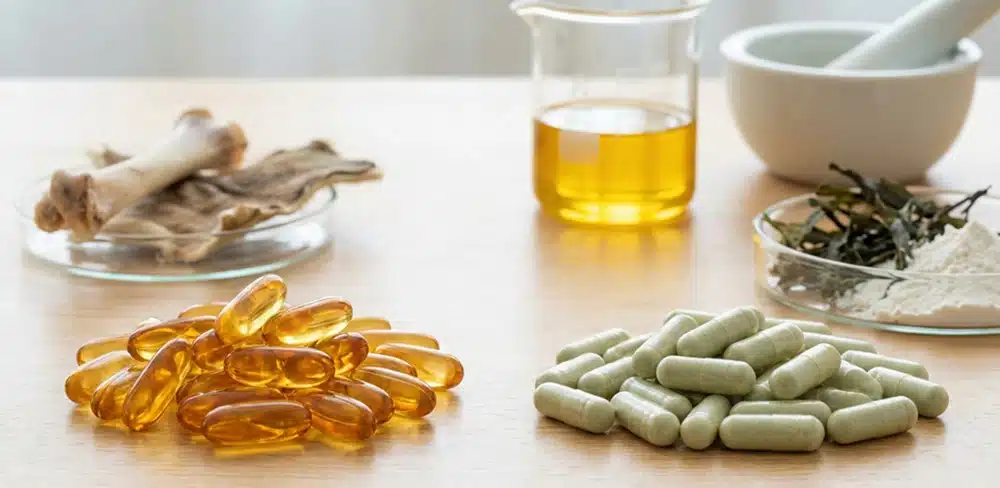
As more consumers shift toward plant-based lifestyles and “clean label” transparency, a common question has surfaced at the supplement aisle: Are softgel capsules vegetarian? While softgels are favored for their easy-to-swallow texture and superior nutrient absorption, the answer isn’t always straightforward. Traditionally, the majority of softgel capsules on the market are made using animal-derived gelatin, making them unsuitable for vegetarians and vegans. However, thanks to recent innovations in dietary supplement manufacturing, the industry has seen a surge in high-performance, plant-based alternatives.
In this comprehensive guide, we will break down exactly what goes into a standard softgel, explore the science behind new vegetarian shell technologies like seaweed and starch, and show you how to identify truly animal-free products. Whether you are a health-conscious consumer or a brand looking into custom supplement formulation, understanding these ingredients is essential for making informed, ethical choices in today’s evolving market.
What Are Traditional Softgel Capsules Made Of?

To understand whether softgels are vegetarian, we must first look at the “gold standard” of the supplement industry for the last several decades: Gelatin.
Traditional softgel capsules are composed of a thick, flexible outer shell that hermetically seals liquid or oil-based nutrients inside. While the active ingredients (like Vitamin D3 or Fish Oil) vary, the shell itself is almost always made from a protein called gelatin.
The Role of Gelatin
Gelatin is favored by dietary supplement OEM manufacturers because of its unique physical properties. It is highly elastic, easy to digest, and dissolves predictably at body temperature. From a production standpoint, it provides an airtight seal that protects sensitive ingredients from oxidation and light, extending the product’s shelf life.
Because the quality of the raw material directly impacts the stability of the final product, a manufacturer must partner with a reputable softgel gelatine supplier to ensure the protein meets strict pharmaceutical standards for bloom strength and viscosity.
Where Does Gelatin Come From?
Gelatin is a protein obtained by boiling the skin, tendons, ligaments, and bones of animals. In the world of custom supplement formulation, there are three primary sources:
Bovine Gelatin
Derived from cows. This is the primary industry standard and is often preferred for its exceptional structural stability and reliable release profile.
Porcine Gelatin
Derived from pigs. While widely utilized for its versatility, it is important to note that it is not suitable for Halal or Kosher-certified formulations.
Fish Gelatin
A specialized alternative for marine-based supplements. Although it fits certain niche markets, it remains an animal byproduct and is not vegetarian.
Other Ingredients in the Shell
Beyond the animal protein, a standard softgel shell typically contains:
Water
Essential for the hydration process, water is used to help form the initial gel mass, ensuring the shell reaches the perfect consistency for encapsulation.
Plasticizers
Typically Glycerin or Sorbitol. These vital agents keep the capsule soft and pliable, preventing the shell from becoming brittle or cracking over time.
Opacifiers & Colorants
These are added to protect sensitive inner ingredients from UV light degradation or to align the capsule aesthetics with your brand’s custom identity.
Industry Insight: While the shell ingredients are the primary concern for vegetarians, it is also important to check the “Active Ingredients” inside. For example, a vegetarian-friendly shell containing fish oil would still not be considered a vegetarian product.
The Rise of Vegetarian & Vegan Softgels
For years, the supplement industry struggled to find a plant-based alternative that could match the performance of gelatin. However, advancements in custom supplement formulation have led to the development of high-quality vegetarian shells that are not only ethical but often technologically superior to their animal-based counterparts.
Today, as a leading dietary supplement OEM, we utilize two primary plant-derived technologies to create stable, high-performance vegetarian softgels: Seaweed Extract (Carrageenan) and Modified Starches.
Modern Plant-Based Shell Technologies
Seaweed-Based Softgels (Carrageenan)
One of the most effective breakthroughs in vegan encapsulation is the use of carrageenan, a natural polysaccharide extracted from red edible seaweed.
- Thermal Stability: Seaweed-based shells have a higher melting point than gelatin. This makes them ideal for brands distributing in hot or humid climates, as the capsules are significantly less likely to clump or leak.
- The “Clean Label” Appeal: Carrageenan provides a clear, professional look that satisfies the “Clean Label” trend, meeting the needs of vegan, Halal, and Kosher consumers simultaneously.
Starch-Based Softgels (Tapioca & Corn)
In modern OEM manufacturing, modified starches—often derived from tapioca or non-GMO corn—are used to create a flexible and robust capsule wall.
- Reduced Cross-Linking: Traditional gelatin can sometimes undergo “cross-linking,” a chemical reaction that makes the shell hard and prevents it from dissolving in the stomach. Starch-based shells are chemically inert, meaning they maintain a consistent dissolution rate over time.
- Versatility: These starches are often combined with vegetable-sourced glycerin to ensure the capsule remains soft and easy to swallow, mirroring the “mouthfeel” of traditional softgels.
Why Brands are Choosing Vegetarian Alternatives
From a business perspective, switching to plant-based softgels is no longer just about catering to a niche group. It is a strategic move for custom supplement formulation:
- Global Market Reach: One single vegan formula can serve Vegetarian, Vegan, Halal, and Kosher markets, simplifying your inventory.
- Ingredient Compatibility: Certain active ingredients (like high-pH botanical oils) can interact negatively with animal gelatin. Plant-based shells offer a broader range of compatibility for complex formulas.
- Premium Positioning: Consumers are often willing to pay a higher price point for supplements that are certified plant-based and “non-GMO.”
Technical Insight: Manufacturing vegetarian softgels requires specialized equipment and precise temperature control. Our R&D team specializes in calibrating these variables to ensure that even complex, low-MOQ orders maintain the highest structural integrity
Gelatin vs. Vegan Softgels: At a Glance
| Feature | Traditional Gelatin Softgels | Vegan / Vegetarian Softgels |
| Primary Source | Animal Collagen (Bovine, Porcine, Fish) | Seaweed (Carrageenan) or Plant Starch |
| Dietary Suitability | Not suitable for Vegans/Vegetarians | 100% Plant-Based & Vegan-Friendly |
| Religious Compliance | Requires specific Halal/Kosher sourcing | Naturally Halal & Kosher compliant |
| Heat Stability | Lower (Can melt or clump at >60°C) | Higher (Stable in hot/humid climates) |
| Shelf Life Issues | Risk of “Cross-Linking” (hardening) | No cross-linking; consistent dissolution |
| Dissolution Speed | Rapid (Dissolves at body temperature) | Slightly slower (but very consistent) |
| Cost Influence | Generally lower raw material cost | Higher (due to specialized processing) |
| Market Positioning | Value-oriented & Mass market | Premium, Ethical, & Clean Label |
The Pros and Cons
Traditional Gelatin Softgels
- Pros: Highly cost-effective for large-scale production; exceptional oxygen barrier properties to protect sensitive oils; long history of proven safety and bioavailability.
- Cons: Not inclusive of vegan or certain religious diets; sensitive to high humidity and temperature; potential for the shell to harden over time (cross-linking), which can affect how the supplement is absorbed.
Vegan & Vegetarian Softgels
- Pros: Completely animal-free and non-GMO; superior stability in challenging climates; no risk of cross-linking; appeals to the fastest-growing segment of health-conscious consumers.
- Cons: Higher manufacturing costs; requires more complex R&D and custom formulation to ensure shell integrity; raw materials are more expensive than traditional options.
Quick Verdict: Which Should You Choose?
Choose Traditional Gelatin if:
- You are targeting a mass-market audience where low-cost manufacturing is the primary driver.
- Your formula is very sensitive to oxygen (e.g., standard fish oils).
- You do not require vegan or specific religious certifications.
Choose Vegan/Vegetarian if:
- You are building a Premium or “Clean Label” brand that values ethics and transparency.
- You plan to distribute in regions with high heat or humidity (e.g., SE Asia, Latin America).
- You want one single product that is inclusive of Vegan, Halal, and Kosher consumers to simplify your inventory.
Expert Insight: As a leading dietary supplement OEM, we recommend plant-based softgels for any brand looking to future-proof their product line. While the initial investment is higher, the market reach and product stability often provide a much higher return on investment (ROI).
How to Identify Vegetarian Softgels: A Consumer’s Checklist
Even with the rise of plant-based technology, navigating supplement labels can be tricky. Marketing terms like “natural” or “pure” don’t always guarantee a product is vegetarian. To ensure your supplements align with your dietary choices, follow this expert checklist derived from our experience in custom supplement formulation.
Look for Certified Seals
The fastest way to verify a product is to look for third-party certifications from organizations like The Vegan Society or Certified Vegan (Vegan Action). These logos guarantee a 100% plant-derived shell and fill.
Scan the “Other Ingredients” Section
Don’t stop at the active nutrients. Scroll to the bottom of the Supplement Facts panel to inspect the shell composition.
Check for Cross-Contamination
In dietary supplement manufacturing, plants often handle multiple sources. Look for warnings such as “Processed in a facility that also handles shellfish or bovine products” if you have strict ethical or allergy requirements.
Verify the Glycerin Source
Glycerin is a common plasticizer. If the label simply says “Glycerin,” it may be derived from animal fat. To ensure it’s vegetarian, look specifically for “Vegetable Glycerin” sourced from palm, coconut, or soy.
FAQs
Conclusion
So, are softgel capsules vegetarian? While the traditional answer was almost always “no” due to the industry’s reliance on animal-derived gelatin, modern innovation has changed the landscape. Today, health-conscious consumers and brands have access to high-performance, plant-based alternatives like seaweed and starch that offer the same—if not better—stability and nutrient protection.
For consumers, the secret lies in the “Other Ingredients” list. For brands, switching to a vegetarian shell is a strategic move to capture the growing “Clean Label” market and simplify global distribution through Halal and Kosher compliance.
To learn more about Softgel Supplements, please refer to the “Softgel Supplements Comprehensive Guide.”
Ready to Launch Your Own Line of Vegetarian Softgels?
Navigating the complexities of custom supplement formulation and plant-based manufacturing requires an expert partner. At our state-of-the-art facility, we specialize in helping brands bridge the gap between ethical sourcing and scientific excellence.
Expert R&D
Custom formulations tailored to your specific potency, bioavailability, and stability needs using our advanced laboratory capabilities.
Advanced Manufacturing
High-speed, precision encapsulation for both traditional bovine gelatin and premium plant-based vegan softgel shells.
Low MOQ Solutions
Flexible low MOQ supplement manufacturing designed to help startups and niche brands enter the market with minimal risk.
End-to-End Service
From initial formulation and raw ingredient sourcing to final custom packaging and rigorous quality control testing.
references
- Softgel Composition and Gelatin Protein.(source link: Shell Formulation in Soft Gelatin Capsules: Design and Characterization (PMC11468233)
- Opacifiers, Colorants, and UV Protection.(source link: Challenges of Dissolution Methods Development for Soft Gelatin Capsules (PMC7913951) (See Section 3: Safety Aspects) Titanium dioxide in our everyday life; is it safe? (PMC3423755)
- Structure of Carrageenan.(source link: Carrageenan as a Potential Factor of Inflammatory Bowel Diseases(PMC11085445)
- Cross-Linking.(source link: Enzymes in the Dissolution Testing of Gelatin Capsules.)