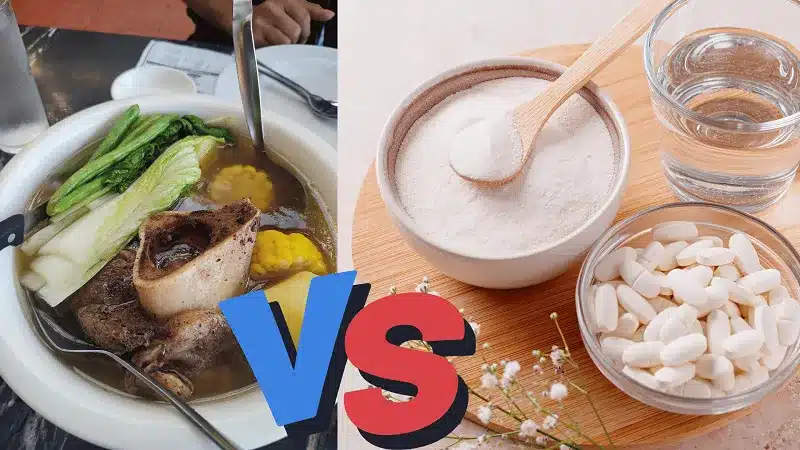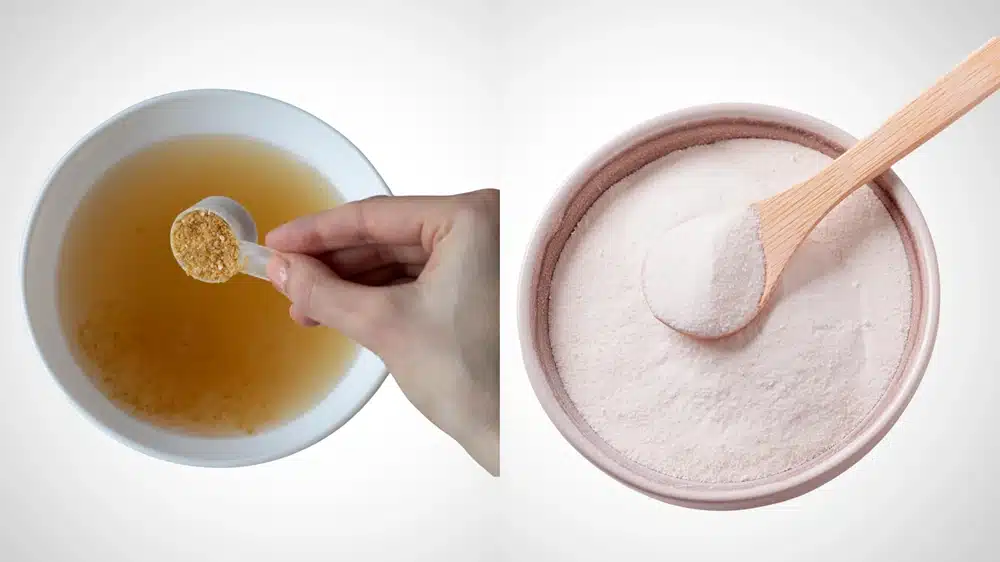
Bone broth has transcended its origins as a humble kitchen staple to become a cornerstone of modern high-performance nutrition. From professional athletes looking to support joint recovery to wellness enthusiasts seeking gut-healing collagen, the demand for this “liquid gold” has never been higher. However, as the market evolves, a major debate has emerged: Is bone broth powder as good as liquid?
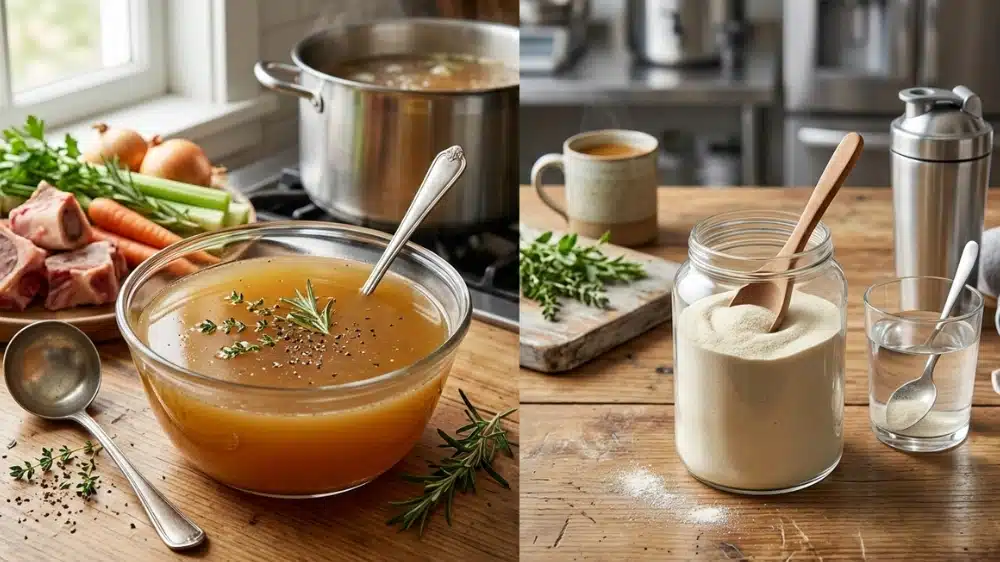
For many, the traditional slow-simmered liquid broth represents the gold standard of purity. For others, the convenience and shelf-stability of a concentrated powder are essential for a busy, active lifestyle. The truth is that while both forms offer incredible bioactive compounds like glycine, proline, and Type II collagen, they serve different purposes depending on your nutritional goals.
In this guide, we strip away the marketing jargon to compare these two formats head-to-head. We’ll examine the manufacturing science, the nutritional density, and the practical realities of each, helping you decide which version belongs in your daily recovery routine.
Understanding the Manufacturing Process: How They’re Made
To understand if bone broth powder is as good as the liquid version, we first have to look at how they end up in your kitchen. While they both start from the same humble beginnings—bones, water, and time—the paths they take to your shelf are vastly different.
The Traditional Liquid Simmer: Patience in a Pot
The liquid broth you find in jars or cartons is produced using the age-old method of slow-simmering. To create a high-performance broth, high-quality animal bones (ideally grass-fed or pasture-raised) are simmered for anywhere from 12 to over 24 hours.
This extended cook time is non-negotiable for “liquid gold” status because it’s the only way to break down the tough connective tissues and marrow, releasing:
Once the simmer is complete, the liquid is filtered, seasoned, and either flash-frozen or shelf-stabilized in airtight cartons.
The Engineering of Powder: Science Meets Convenience
Here is a common misconception: Bone broth powder is just “fake” broth. In reality, high-quality powders start their lives as real liquid broth.
To turn that liquid into a concentrated powder that fits in a gym bag, manufacturers use advanced dehydration techniques. There are two primary methods:
- Spray-Drying: The liquid broth is sprayed through a hot nozzle, instantly turning it into fine droplets that dry before they hit the ground. While efficient, excessive heat can sometimes degrade delicate proteins if not managed precisely.
- Refractance Window Drying or Freeze-Drying: These are the “VIP” methods of powder production. They use gentle, low-temperature evaporation to remove moisture. This preserves the bioactive amino acid profile and ensures that the nutritional integrity of the collagen remains intact.
Expert Insight: Think of powder as “dehydrated essence.” When you add water back to a high-quality powder, you are essentially “reconstituting” a professional-grade liquid broth that took 24 hours to make, but only 20 seconds to prep.
Nutritional Head-to-Head: Powder vs. Liquid
When we strip away the packaging and marketing, the real question is: Which one delivers the most nutritional “bang for your buck”? To answer if bone broth powder is as good as liquid, we have to look at the concentration of bioactive compounds. Here is the head-to-head breakdown of how they compare nutritionally.
1. Protein and Collagen Density
In the world of sports nutrition, protein density is king. Because bone broth powder is a concentrated version of the liquid, it often wins on sheer volume per serving.
- Liquid Broth: Typically contains 6g to 10g of protein per 8oz (1 cup) serving. Much of this weight is water.
- Powdered Broth: Often packs 15g to 20g of protein in a single scoop.
Since the primary goal of bone broth is to ingest Type II collagen for joint and gut health, powders allow you to consume a higher therapeutic dose without having to drink multiple liters of liquid.
2. Bioavailability: How Much Do You Actually Absorb?
A common myth is that “liquid is always absorbed faster.” While liquids are technically “pre-digested” in a sense, high-quality bone broth powders are designed to be highly soluble.
When you stir a premium powder into hot water, it reconstitutes into its original liquid state. As long as the powder was produced using low-heat dehydration (like freeze-drying), the amino acid profile—specifically the glycine, proline, and hydroxyproline—remains just as bioavailable as the liquid version.
3. The “Additive” Trap: Sodium and Preservatives
This is where you need to be a savvy label reader.
- Liquid Broths: Store-bought liquid cartons often rely on high sodium levels and “natural flavors” to maintain shelf life and taste. If it’s not frozen or fresh, check the salt content carefully.
- Powdered Broths: While they avoid the need for heavy liquid preservatives, some lower-quality powders use gums (like guar gum), sunflower lecithin, or anti-caking agents to improve texture.
Nutritional Comparison at a Glance
| Feature | Liquid Bone Broth | Powdered Bone Broth |
| Protein per Serving | 6g – 10g | 15g – 20g |
| Collagen Type | Mostly Type II (Joint/Gut) | Mostly Type II (Joint/Gut) |
| Sodium Content | Often Higher (for flavor/shelf-life) | Usually Lower (concentrated) |
| Shelf Life | 7–10 days (after opening) | 12–24 months |
| Bioavailability | Immediate | High (when reconstituted) |
The Practicality Factor: Lifestyle Matchmaking
While the nutritional debate is often a draw, the “truth” about which is better usually comes down to your calendar and your kitchen habits. Let’s look at how each format fits into a high-performance lifestyle.
When Liquid Wins: The Culinary Purist
If you view bone broth as an experience rather than just a supplement, liquid is your best friend.
- Culinary Depth: Liquid broth is the ultimate base for soups, stews, and grains. If you’re deglazing a pan or making a slow-cooker roast, the gelatinous texture of a high-quality liquid broth provides a “mouthfeel” that powders struggle to replicate.
- Immediate Gratification: There’s no mixing, whisking, or clumping. You simply pour it into a mug, heat it up, and you’re done.
- The “Whole Food” Ritual: For many, sipping a warm, savory liquid feels more like a nourishing meal and less like taking a supplement.
When Powder Wins: The High-Performance Hustle
For the athlete, the frequent traveler, or the busy professional, bone broth powder is often the more logical choice.
- Portability: You can’t exactly bring a 32oz carton of liquid broth through TSA or keep it in your gym bag for a post-workout recovery boost. Powder goes wherever you go—just add hot water.
- Infinite Shelf Life: We’ve all been there: you open a $10 carton of organic liquid broth, use half for a recipe, and find it fuzzy in the back of the fridge a week later. Powders stay fresh for months, meaning zero waste and better value.
- Customizable Concentration: If you need a massive hit of collagen but don’t want to feel “full” from drinking 20 ounces of fluid, you can simply add a double scoop of powder to a small mug of water.
- Cost-Efficiency: Because you aren’t paying for the shipping of heavy water weight, powders almost always offer a lower cost-per-serving than premium liquid options.
Which One Fits Your Lifestyle?
| Scenario | Better Choice | Why? |
| Post-Workout Recovery | Powder | High protein, easy to mix in a shaker or mug at the gym. |
| Sunday Meal Prep | Liquid | Enhances the flavor and texture of home-cooked meals. |
| Business Travel | Powder | TSA-friendly and fits easily in a carry-on or briefcase. |
| Daily Habit (Budget) | Powder | More servings for your dollar; no risk of spoilage. |
Recommended Brands: Finding Your Perfect Match
Choosing the right bone broth is like choosing the right training gear—you need the version that matches your specific performance goals. Based on my research into sourcing, nutrient density, and processing standards, here are the top-tier brands currently leading the market.
Key Factors to Look for on the Label
To ensure your bone broth powder is as good as liquid (or better), look for these “Green Flags” and avoid these “Red Flags”:
FAQs
Conclusion
So, is bone broth powder as good as liquid? The answer is a resounding yes—if you choose the right one.
While liquid broth offers an unmatched culinary experience and a nostalgic, “home-cooked” feel, bone broth powder provides a concentrated, high-performance alternative that fits the reality of a modern, active lifestyle. For athletes and professionals, the higher protein density, portability, and shelf-stability of powder often make it the superior daily choice.
Ultimately, the “truth” is that your body doesn’t care if the collagen was liquid or powder—it only cares about the quality of the amino acids and the integrity of the sourcing.
Ready to Launch Your High-Performance
Bone Broth Product Line?
At Gensi, we specialize in bridging the gap between traditional nutrition and modern engineering. Whether you need a premium liquid formulation or a highly soluble powder, we are your end-to-end manufacturing partner.
References
- National Institutes of Health (NIH) – Collagen Research Collagen peptide supplementation in combination with resistance training improves body composition and increases muscle strength in elderly sarcopenic men: a randomised controlled trial – PMC
- USDA FoodData Central – Bone Broth Nutritional Profile USDA FoodData Central
- Arthritis Foundation – Joint Support Nutrition Best Spices for Arthritis
- U.S. Food & Drug Administration (FDA) – Label Reading Guide How to Understand and Use the Nutrition Facts Label | FDA
- Pub Med – Bioavailability of Protein Powders Evaluating the Microstructures and Mechanical Properties of Dissimilar Metal Joints Between a New Cast Superalloy K4750 and Hastelloy X Alloy by Using Different Filler Materials – PubMed
- The American Gut Project – Microbiome & Collagen Home – The Microsetta Initiative
- World Health Organization (WHO) – Sodium Intake Standards Sodium reduction
- ScienceDirect – Dehydration Technology in Food Science Spray Drying – an overview | ScienceDirect Topics