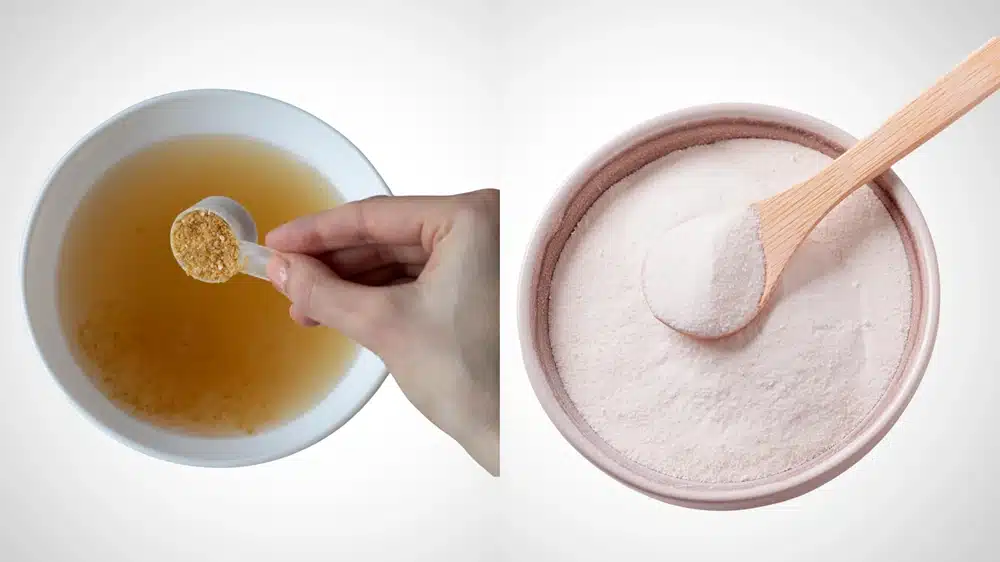
I.Introduction
Is bone broth protein powder a “one-stop shop” for muscle growth, or is there a missing piece to the puzzle? While this superfood has surged in popularity for its legendary benefits to joint health, gut integrity, and skin elasticity, its status as a “complete protein” is a subject of significant scientific debate.

In this guide, we break down the molecular reality of bone broth: why it technically lacks one essential amino acid, how that impacts your protein synthesis, and why—despite this—it remains one of the most powerful functional tools in a modern athlete’s recovery arsenal. Whether you are a biohacker, a competitive athlete, or a brand formulator, understanding the “Tryptophan Gap” is the key to unlocking the full potential of this ancient nutritional powerhouse.
II. The Science: Is It a Complete Protein?
To understand whether bone broth protein powder is “complete,” we have to look at its molecular architecture. In the world of nutrition, a complete protein is defined by its ability to provide all nine essential amino acids (EAAs) in sufficient amounts. These are the building blocks your body cannot produce on its own and must obtain through diet.
1. The Amino Acid Profile: Mapping the EAAs
Bone broth protein is derived from the connective tissues, bones, and cartilage of animals. Because it is a whole-food animal source, it does technically contain all nine essential amino acids. However, the ratios are what matter for the “complete” classification.
| Essential Amino Acid | Bone Broth Level | Role in the Body |
| Leucine | Moderate | Primary driver of Muscle Protein Synthesis (MPS). |
| Lysine | High | Critical for tissue repair and calcium absorption. |
| Methionine | Low | Essential for metabolism and detoxification. |
| Tryptophan | Very Low | The “Limiting Amino Acid” (Precursor to Serotonin). |
2. The “Tryptophan Gap”
The scientific consensus is that bone broth protein is an incomplete protein due to the Tryptophan Gap. In a standardized protein quality scale called the PDCAAS (Protein Digestibility Corrected Amino Acid Score), bone broth protein often scores near zero. This isn’t because it lacks protein, but because it has such a low concentration of tryptophan that it cannot support growth or tissue maintenance if used as a sole source of nutrition.
For athletes, this means that while bone broth is a powerhouse for specific types of recovery, it shouldn’t be your only post-workout protein if your goal is maximum muscle hypertrophy.
3. Bioavailability: Peptides vs. Whole Proteins
Where bone broth protein excels is in its bioavailability. Because the manufacturing process (long-term simmering followed by dehydration) breaks down large collagen molecules into smaller collagen peptides, the body can absorb them with minimal digestive effort.
- Absorption Speed: Bone broth peptides are absorbed rapidly, similar to whey isolate, but they are directed toward different tissues.
- Targeting: While whey protein is quickly shuttled to skeletal muscle, the amino acids in bone broth (Glycine and Proline) are preferential for extracellular matrix repair—meaning they go straight to your joints, tendons, and gut lining.
III. Why “Incomplete” Doesn’t Mean “Inferior”
In the world of high-performance nutrition, “incomplete” is often used as a dirty word. However, labeling bone broth protein as inferior simply because it isn’t a standalone muscle-builder is like calling a hammer inferior because it isn’t a screwdriver. It is a specialized tool designed for a specific biological job.
While it may not drive Muscle Protein Synthesis (MPS) the way whey or leucine-rich plant proteins do, it is the undisputed king of Connective Tissue Synthesis.
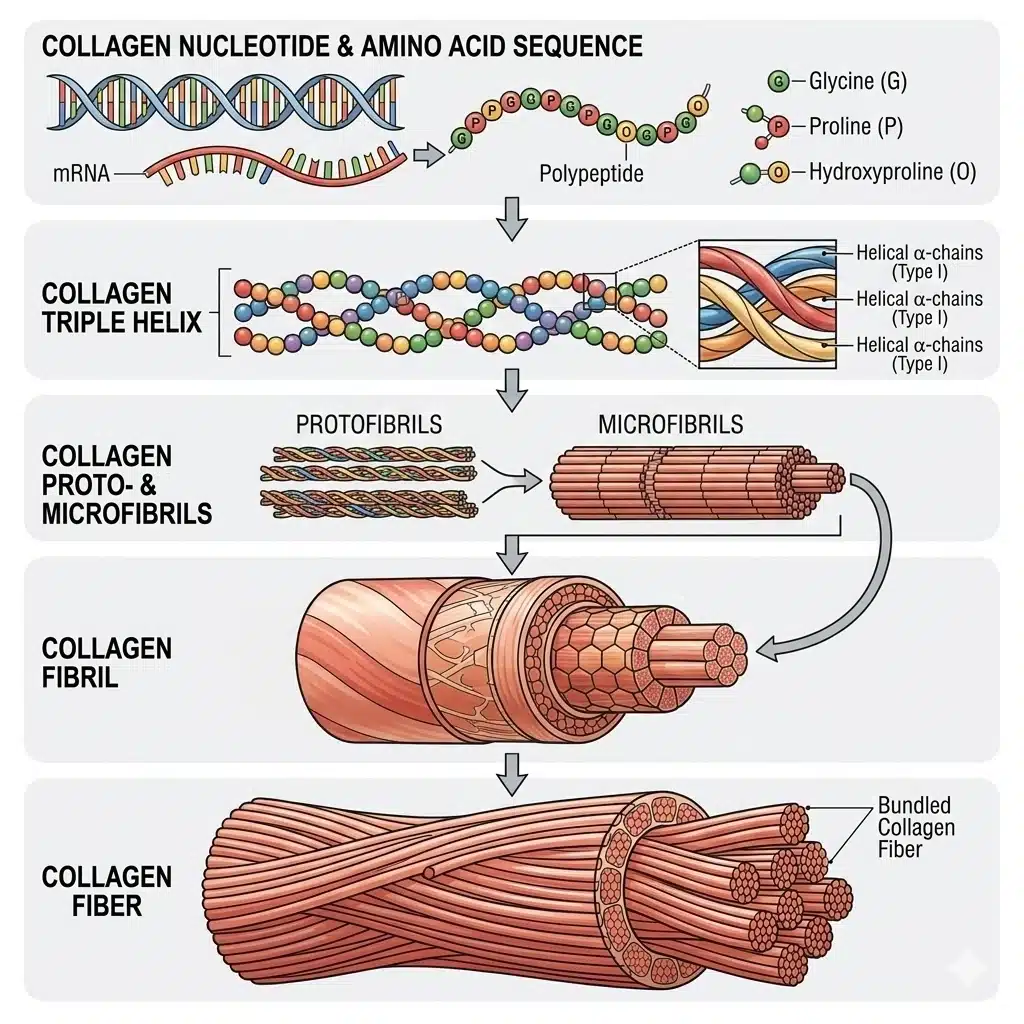
1. The Power of the “Big Three”: Proline, Glycine, and Hydroxyproline
Standard “complete” proteins are usually low in the three amino acids that make up roughly 30%–50% of the human body’s collagen. Bone broth protein is concentrated with these:
Often called the “anti-aging” amino acid, glycine is essential for the synthesis of glutathione (your body’s master antioxidant) and supports healthy sleep and metabolic function.
This amino acid is critical for the stability of the collagen triple helix. It helps “waterproof” your cartilage, allowing joints to withstand the repetitive impact of running or heavy lifting.
Unique to collagen, this amino acid is a key marker for bone and joint health and is rarely found in significant amounts in typical complete protein sources.
2. Muscle vs. Framework: A Different Recovery Focus
To understand the value of bone broth, we must distinguish between the “engine” (the muscle) and the “chassis” (the tendons, ligaments, and bones).
| Feature | Complete Proteins (Whey/Soy) | Bone Broth Protein |
| Primary Goal | Hypertrophy & Muscle Repair | Joint Integrity & Structural Elasticity |
| Key Aminos | BCAAs (Leucine, Isoleucine, Valine) | Glycine, Proline, Hydroxyproline |
| Digestion | Higher metabolic demand | Very low demand; soothing to gut lining |
| Benefit | Force production | Force absorption |
3. The Recovery Cycle and Anti-Inflammation
Athletes who use bone broth protein often report a reduction in systemic inflammation. This is largely due to its high concentration of glutamine and sulfated glycosaminoglycans (like chondroitin and glucosamine). By supporting the gut barrier—often referred to as “leaky gut” prevention—bone broth helps reduce the entry of inflammatory toxins into the bloodstream, allowing the body to focus its energy on recovery rather than immune defense.
IV. Strategic Formulation: How to Use Bone Broth Protein
Understanding that bone broth protein is technically “incomplete” is not a deterrent—it is a roadmap for smarter supplementation. For athletes and health-conscious consumers, the goal is nutritional synergy. By strategically pairing bone broth with other nutrient sources, you can “complete” the protein profile while reaping the specialized benefits of collagen peptides.
1. The “Protein Stacking” Method
The most effective way to use bone broth protein in a high-performance diet is to stack it with a leucine-rich source. This ensures you are hitting the “leucine threshold” required to trigger muscle growth while simultaneously providing the raw materials for joint repair.
- The Hybrid Shake: Mix one scoop of bone broth protein with one scoop of whey or pea protein. This creates a “full-spectrum” recovery drink that covers both the muscle (the engine) and the connective tissue (the chassis).
- Amino Acid Fortification: If using bone broth as a standalone post-workout, consider adding a BCAA (Branched-Chain Amino Acid) supplement or a small dose of tryptophan to bridge the nutritional gap.
2. Timing for Maximum Impact
Because bone broth protein is exceptionally easy on the digestive system, it offers unique advantages depending on when it is consumed:
| Timing | Primary Benefit | Why it Works |
| Pre-Workout | Joint Cushioning | Taking collagen-rich protein 30–60 minutes before mechanical stress (lifting/running) can increase the delivery of amino acids to targeted joints. |
| Post-Workout | Total Body Recovery | When paired with a complete protein, it helps repair micro-tears in both muscle and the surrounding fascia. |
| Before Bed | Gut & Sleep Support | The high glycine content has been shown to improve sleep quality and lower core body temperature, aiding deep recovery. |
3. Culinary Versatility: Beyond the Shaker Bottle
One of the biggest advantages of bone broth protein—especially for those in food science and product development—is its stability. Unlike whey, which can become denatured or rubbery when heated, bone broth protein maintains its structural integrity in high-heat applications.
- Functional Baking: It can be integrated into high-protein breads, muffins, or savory crackers without ruining the texture.
- Savory Bases: Because it is naturally derived from broth, the unflavored versions are perfect for enriching soups, stews, and sauces, providing a “clean label” protein boost to whole-food meals.
- Hot Beverages: It dissolves easily in coffee or tea, making it an ideal “bulletproof” addition for those following Keto or Paleo lifestyles.
By treating bone broth protein as a functional co-pilot rather than a solo flyer, users can create a more resilient body that is less prone to injury and more capable of rapid recovery.
V. Brand Recommendations: Choosing the Right Source
Selecting a bone broth protein isn’t just about the flavor—it’s about the sourcing, the processing, and the “cleanliness” of the final product. In 2026, the market has matured, moving beyond basic powders to highly specialized formulations.
Here are the top-tier recommendations categorized by their specific strengths:
| Brand & Specialist Type | The Competitive Edge & Performance | Ideal Use Case |
|---|---|---|
| Paleovalley The Purity Specialist |
100% Grass-Fed & Finished
Avoids stevia in favor of organic coconut milk and monk fruit for the “cleanest” taste without a chemical finish. |
Sensitive Guts Paleo / Carnivore |
| Ancient Nutrition The Flavor & Variety Leader |
10 Multi-Collagen Types
Pioneered the category with a formula that dissolves remarkably well in both hot and cold liquids. |
Smoothies “Protein Coffee” |
| Equip Foods The Performance Hybrid |
Complete Amino Profile
A Beef Protein Isolate providing all 9 essential aminos. Gold standard for heavy metal transparency in 2026. |
Post-Workout Dairy-Intolerant |
| NOW Foods The Value Leader |
29g Protein Per Serving
Highest protein-to-dollar ratio. Features a distinct savory profile ideal for non-sweet recipes. |
Budget-Conscious Culinary (Soups/Oats) |
| Naked Bone Broth The Minimalist |
Single-Ingredient Formula
Zero fillers, gums, or lecithin. The ultimate “blank canvas” for those who control every micro-nutrient. |
Supplement Purists Biohackers |
2026 Buying Checklist: The “Quick Scan”
| Feature | What to Look For | Red Flags |
| Sourcing | “100% Grass-Fed & Finished” | Just “Grass-Fed” (often grain-finished) |
| Testing | Third-party (NSF, Informed-Choice, or Clean Label Project) | “In-house lab tested only” |
| Additives | Natural thickeners like Acacia fiber or Guar gum | Maltodextrin, “Artificial Flavors,” or high sodium (>200mg/serving) |
Pro-Tip: If you are sensitive to heavy metals (a common concern with bone-derived products), check for the Clean Label Project seal of approval. Brands like Ancient Nutrition and Paleovalley have consistently passed these rigorous tests.
Culinary Mastery: Strategies for Integrating Bone broth Protein into Your Daily Diet
Integrating bone broth protein into a daily diet requires a different approach than using whey or plant-based isolates. Because bone broth protein is essentially a concentrated, dehydrated stock, it possesses unique functional properties—specifically heat stability and a savory flavor profile—that can either ruin a dish or enhance it depending on the technique.
Here is how to master the “invisible” integration of bone broth protein.
1. The Golden Rule: Temperature Control
While bone broth protein is heat-stable (unlike whey, which can “clump” or “cook” in boiling water), it can still seize if hit with direct, intense heat too quickly.
- The Slurry Method: Never drop a dry scoop into a boiling pot of soup. Instead, whisk the powder into a small amount of lukewarm water or broth to create a smooth “slurry” first.
- The Tempering Technique: For creamy sauces or stews, slowly add small amounts of your hot liquid to the protein slurry before stirring the whole mixture back into the main pot.
2. Savory vs. Sweet: Choosing Your Vehicle
Bone broth protein naturally carries a subtle “umami” or earthy undertone.
- Savory Applications (The Natural Fit): Unflavored bone broth protein is a “secret weapon” for boosting the nutritional value of savory dishes. It acts as a thickener and flavor enhancer.
- Rice & Grains: Add a scoop to the water when boiling quinoa, rice, or farro.
- Pan Gravies: Use it to thicken deglazed juices from roasted meats.
- Mashed Potatoes: Whisk it into the butter or milk before mashing.
- Sweet Applications (The Masking Strategy): If you are using a chocolate or vanilla flavored bone broth powder, you need strong “bridge flavors” to mask the base earthiness.
- Acid & Spice: Ingredients like cinnamon, ginger, or citrus neutralize the savory undertones of the collagen peptides.
- Nut Butters: The healthy fats in almond or peanut butter encapsulate the protein particles, smoothing out the texture and taste.
3. The “High-Protein Bread” Hack
For those interested in bakery technology and innovation, bone broth protein offers a structural advantage that other proteins lack.
- The Binding Effect: Because it is rich in gelatinous peptides, bone broth protein can improve the “crumb” of gluten-free or low-carb breads.
- The Ratio: Replace up to 10% of your flour weight with bone broth protein. This increases the protein density without making the bread rubbery—a common issue when using whey or soy.
Culinary Quick-Reference Table
| Application | Best Powder Type | Pro-Tip |
| Morning Coffee | Vanilla or Salted Caramel | Use a handheld frother; the gelatin creates a latte-like foam. |
| Soups & Stews | Unflavored / Pure Beef | Add during the last 5 minutes of simmering to preserve nutrients. |
| Oatmeal/Porridge | Chocolate or Vanilla | Stir in after cooking is finished for a creamier consistency. |
| Baking (Muffins/Bread) | Unflavored | Pairs exceptionally well with savory herb breads (Rosemary/Garlic). |
VI. Frequently Asked Questions (FAQ)
VII. Conclusion
As we look toward the shifting demands of the 2026 supplement market, the answer to “is bone broth protein powder a complete protein” serves as a vital guide for both consumers and formulators. While science confirms it lacks the tryptophan levels required for a “complete” classification, its value is found in its specialized role as the ultimate structural support system. It is not a replacement for traditional muscle-builders, but a necessary partner for total body longevity and connective tissue resilience.
The modern athlete no longer settles for simple macronutrients; they demand “Total Body Recovery” that addresses joint integrity, gut health, and inflammatory balance. This shift requires a sophisticated approach to product development that balances biochemical efficacy with clean-label transparency.
As a leading dietary supplement OEM/ODM manufacturer, Gensei provides the technical expertise to formulate high-performance bone broth products that meet the rigorous standards of the 2026 market. From peptide integrity to clean-label innovation, we are your end-to-end solutions partner.
Start Your Formulation TodayVIII. references
- National Institutes of Health (NIH) – Glycine: A technical overview of Glycine’s role in glutathione synthesis and metabolic health.https://pubmed.ncbi.nlm.nih.gov/24144457/
- National Center for Biotechnology Information (NCBI) – Proline & Collagen: Detailed research on how Proline and Hydroxyproline stabilize the collagen triple helix.https://www.ncbi.nlm.nih.gov/pmc/articles/PMC2846778/
- PubChem – Tryptophan Profile: Official chemical data on Tryptophan, the “limiting amino acid” discussed in Section II.https://pubchem.ncbi.nlm.nih.gov/compound/L-tryptophan
- EFSA (European Food Safety Authority) – Collagen Safety: Scientific opinion on the safety of collagen/gelatin used in food manufacturing.https://www.efsa.europa.eu/en/efsajournal/pub/3313
- USDA FoodData Central: A searchable database for comparing the amino acid profiles of whole-food animal sources.https://fdc.nal.usda.gov/
- International Society of Sports Nutrition (ISSN): Position stand on protein and exercise, validating the need for various protein types in athletic recovery.https://jissn.biomedcentral.com/articles/10.1186/s12970-017-0177-8
- Journal of the International Society of Sports Nutrition – Collagen for Athletes: Study on the effects of collagen peptides on joint pain in athletes.https://www.ncbi.nlm.nih.gov/pmc/articles/PMC6073484/