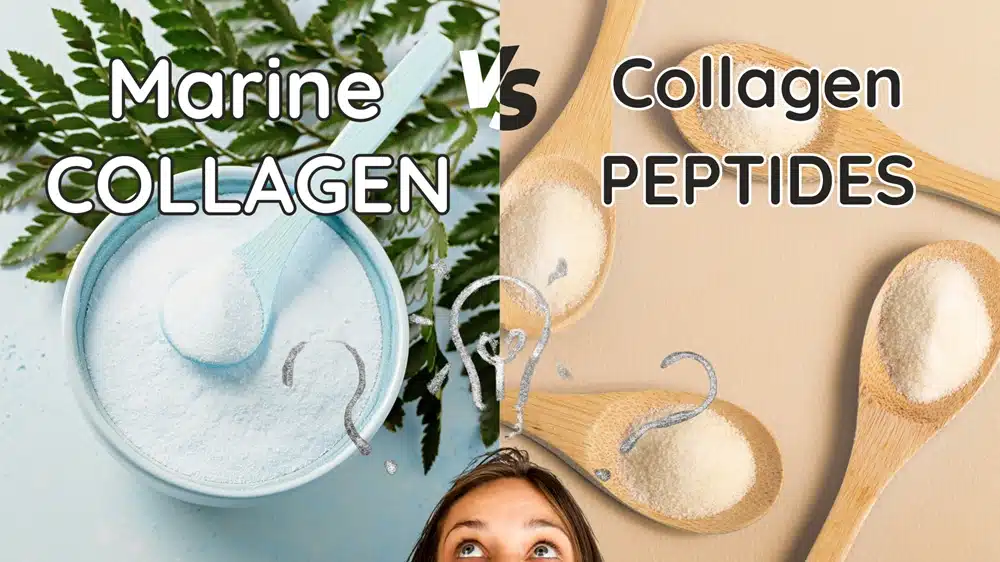

Peptides are one of the most talked-about ingredients in beauty, wellness, sports nutrition, and anti-aging right now. Search online and you will find plenty of “peptides before and after” photos showing smoother skin, stronger hair, improved recovery, leaner bodies, or younger-looking complexions.
But there is one important thing to understand first: “peptides” is not one single product.
Collagen peptides in a beauty powder are not the same as copper peptides in a skincare serum. They are also not the same as prescription peptide drugs or injectable peptide therapies. So before comparing before-and-after results, you need to know what kind of peptide is being used, how it is taken, and what result it is supposed to support.
This guide explains realistic peptide before and after results by goal, including skin, collagen, hair, muscle recovery, GHK-Cu, injections, and tanning peptides. It also explains how long results may take and how to judge online photos more carefully.
What Do “Peptides Before and After” Results Actually Mean?
Peptides are short chains of amino acids, the building blocks of proteins. In the body, different peptides may play different roles in skin structure, connective tissue, metabolism, muscle function, signaling, or repair.
That is why peptide results can look very different from person to person.
Someone taking collagen peptides may be looking for skin hydration, elasticity, joint comfort, or nail strength. Someone using a topical copper peptide serum may be looking for smoother-looking skin. Someone searching for peptide injections may be interested in body composition, recovery, or anti-aging treatments under medical supervision.
So the phrase “peptides before and after” usually covers several different search intents:
- Skin texture and fine lines
- Collagen support and beauty-from-within results
- Hair and nail support
- Muscle recovery or active lifestyle support
- Peptide therapy or injections
- GHK-Cu and copper peptides
- Tanning peptides such as melanotan
- Before-and-after photos or transformation timelines
The best way to understand the topic is not to ask, “Do peptides work?” A better question is: which peptide, for which goal, in which format, and over what timeline?
Peptides Before and After Timeline: When Can You See Results?
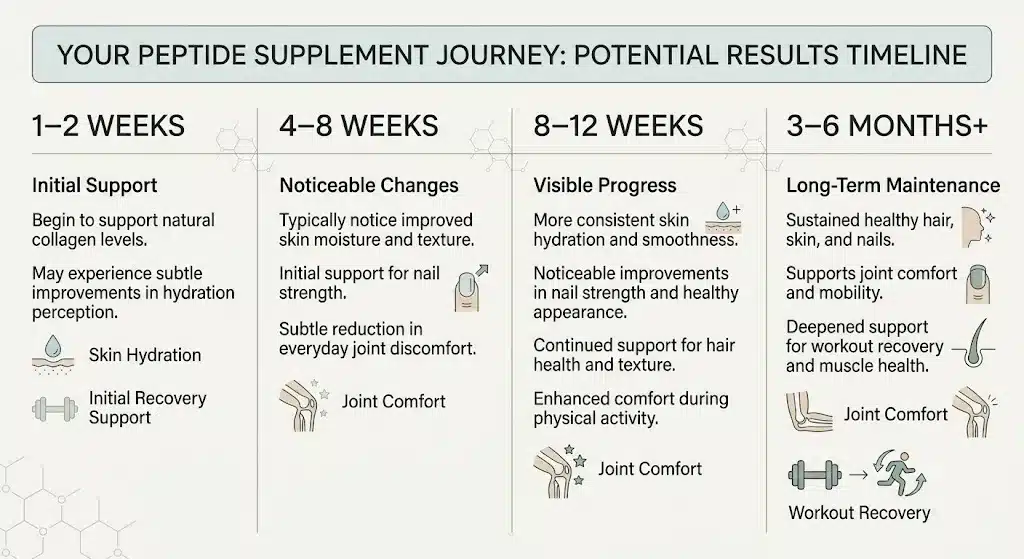
Most peptide results are gradual. The “after” photo is usually not meaningful after just a few days. Skin, hair, nails, tendões, and body composition all need time to change.
Here is a more realistic timeline.
1–2 Weeks
In the first couple of weeks, visible changes are usually limited. Some people may feel more consistent with their routine or notice changes in hydration, digestion, or recovery, but strong before-and-after claims at this stage should be treated carefully.
Lighting, sleep, water retention, posture, and camera angle can all make a big difference in early photos.
4-8 semanas
This is when some people may begin to notice subtle changes. Skin may feel more hydrated. Nails may feel a little stronger. Workout recovery may feel more consistent. Joint comfort may improve for some users, depending on the product and lifestyle.
For collagen peptides, this is often the beginning of a more meaningful evaluation period. Cleveland Clinic notes that some studies suggest collagen peptides may help skin hydration and elasticity, but they are not a miracle cure and results can vary.
8–12 Weeks
This is a better window for judging collagen peptides before and after results. A 2023 review of oral collagen supplements found improvements in skin hydration and elasticity, with beneficial effects becoming more significant after eight weeks or more.
If someone is using collagen peptides for skin, nails, joints, or active lifestyle support, 8–12 weeks is usually more realistic than expecting a dramatic change in the first month.
3–6 Months
Hair, body composition, skin structure, and connective tissue support usually require longer observation. If the goal is hair density, visible firmness, improved recovery, or more consistent joint support, a three-to-six-month window gives a much clearer picture.
This is also the point where lifestyle factors become impossible to ignore. Diet, protein intake, training, sleep, sun exposure, stress, age, and product quality all affect the final result.
Collagen Peptides Before and After

Collagen peptides are one of the most common peptide types used in supplements. They are made by breaking collagen into smaller peptide chains, which makes them easier to use in powders, capsules, gummies, tablets, sachets, and functional drinks.
People often take collagen peptides for:
- Skin hydration
- Skin elasticity
- Fine lines and wrinkle appearance
- Joint comfort
- Tendon and ligament support
- Nail strength
- Beauty-from-within formulas
- Active lifestyle recovery
A realistic collagen peptides before and after result is usually subtle, not dramatic. The “before” may include dry-looking skin, brittle nails, or discomfort after exercise. The “after” may look like skin that appears more hydrated, nails that feel stronger, or better recovery support with consistent use.
Collagen peptides should not be positioned as a quick fix. They do not erase wrinkles overnight, cure joint problems, or replace a balanced diet. They work best as part of a long-term routine that includes enough protein, vitamin C, sleep, hydration, movement, and sun protection.
For supplement brands or formulators, ingredient quality is especially important. Source, molecular weight, solubility, odor, taste, protein content, documentation, and batch testing all affect the final product experience. If you are comparing ingredient options, this guide to péptidos de colagénio por atacado is a useful starting point for understanding different collagen and protein peptide formats.
If you are unsure about terminology, it also helps to understand the difference between hydrolyzed collagen and collagen peptides. In most supplement contexts, these terms are used for the same type of ingredient: collagen that has been broken down into smaller peptide chains.
Skin Peptides Before and After
Skin is one of the biggest reasons people search for peptide results. Peptides are used in both topical skincare and oral beauty supplements, but they work in different ways.
Topical skin peptides are found in serums, creams, and cosmetic formulas. They are usually positioned for skin texture, firmness, barrier support, and the appearance of fine lines.
Oral collagen peptides are used in beauty-from-within supplements. They provide collagen-derived amino acids and peptides that support skin and connective tissue nutrition.
Before-and-after results for skin are usually gradual. A realistic “after” may show skin that looks more hydrated, smoother, less dull, or slightly firmer. It should not be compared to the results of Botox, fillers, lasers, surgery, or strong prescription skincare.
Skin results also depend on factors such as:
- Age
- UV exposure
- Smoking
- Dormir
- Protein intake
- Hormonal changes
- Skincare routine
- Stress
- Product quality
- Consistência
This is why two people can use the same peptide product and see different results.
Copper Peptides and GHK-Cu Before and After
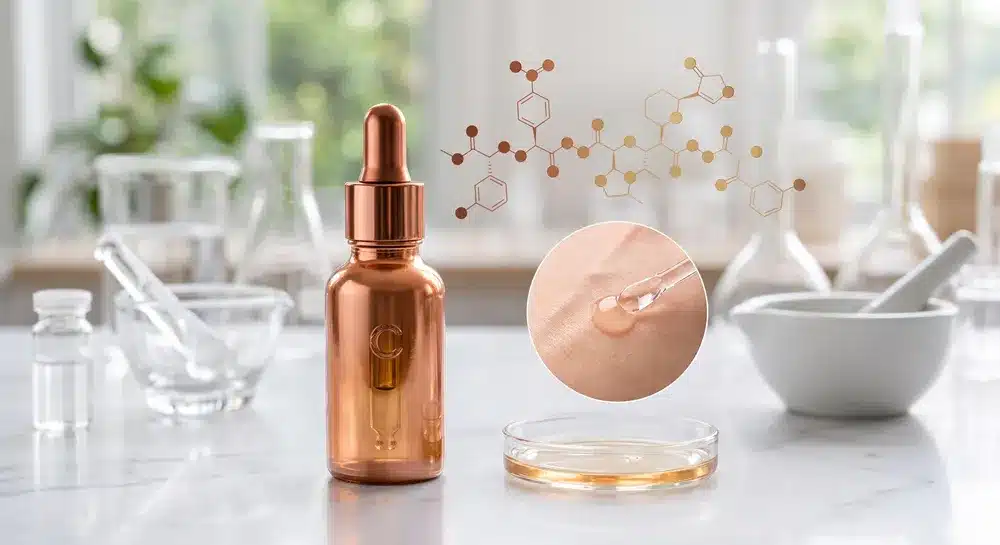
Copper peptides, especially GHK-Cu, are popular in anti-aging and skin-repair discussions. Many people search for “copper peptides before and after” or “GHK-Cu peptide before and after” because they want to see visible changes in skin texture, tone, elasticity, or hair appearance.
For topical use, copper peptides are commonly found in skincare products. Users may look for smoother-looking skin, a healthier glow, or improved texture over time.
However, it is important not to mix up topical copper peptides with injectable GHK-Cu. These are very different categories. A cosmetic serum is not the same as a compounded injectable product.
The FDA has specifically noted that compounded injectable drugs containing GHK-Cu may pose risks related to immunogenicity, aggregation, peptide-related impurities, and limited human safety data.
So if someone is considering GHK-Cu injections, that belongs in a medical conversation with a licensed healthcare professional. It should not be based on social media photos or online before-and-after posts.
For content and product positioning, it is safer to separate:
- Topical copper peptide skincare
- Oral collagen peptide supplements
- Injectable peptide therapy
Each has different evidence, regulations, risks, and realistic results.
Peptide Injections Before and After
Peptide injections receive a lot of attention online because they are often linked with dramatic transformation claims. These may include body recomposition, anti-aging, recovery, metabolism, libido, sleep, or skin benefits.
But injectable peptides are not ordinary supplements.
Some peptides are prescription medications. Some are compounded. Some are marketed online with poor quality control. Some are sold as “research use only” products and should not be used by consumers.
Before-and-after photos for peptide injections can also be misleading. A person may have changed their diet, started training, used other medications, received aesthetic treatments, lost weight, improved sleep, or edited the photo. Without full context, a transformation photo is not proof.
Anyone considering injectable peptide therapy should ask a licensed healthcare professional about:
- Whether the peptide is approved, compounded, or experimental
- Human safety data
- Product source and sterility
- Side effects
- Interações medicamentosas
- Medical history risks
- Monitoring requirements
- Whether the treatment is appropriate for their goal
For supplement brands, it is better not to blur the line between dietary peptides and injectable therapies. Collagen peptide powders, protein peptides, beauty drinks, and sports nutrition formulas are in a different category from injection-based treatments.
Peptides for Muscle Growth and Recovery Before and After
Many people search for peptides for muscle growth before and after. This topic needs careful wording because some searches refer to hormone-related or injectable peptides, while others refer to nutrition-based peptide products.
For dietary supplement positioning, collagen peptides are better discussed in relation to recovery, connective tissue, tendons, ligaments, and active lifestyle support—not dramatic muscle gain.
Collagen peptides are not the same as whey protein. Whey is rich in essential amino acids and leucine, so it is more directly linked with muscle protein synthesis. Collagen is rich in glycine, proline, and hydroxyproline, which are more relevant to connective tissue structure.
A realistic before-and-after result may not be “more muscle in 30 days.” It may be improved consistency in training, better joint comfort, stronger connective tissue support, or easier recovery when combined with resistance training, total protein intake, vitamin C, and rest.
For a deeper sports nutrition angle, see this guide on péptidos de colagénio para a recuperação muscular.
Competitive athletes also need to be cautious. The WADA 2026 Prohibited List includes peptide hormones, growth factors, related substances, and mimetics as prohibited categories.
Peptides for Hair Before and After
Hair-related peptide results take time. Hair grows slowly, and shedding cycles are affected by stress, hormones, genetics, nutrition, illness, scalp health, and medications.
That means a two-week hair before-and-after photo is usually not very useful.
For hair and nail support, oral collagen peptides or keratin-related peptide ingredients may be used in beauty supplements. The goal is usually not to “cure hair loss,” but to support healthy hair structure, nail strength, and beauty nutrition.
A realistic timeline for hair-focused results is usually three to six months. Early changes may show up as less breakage, stronger nails, or better hair feel. Visible changes in density or growth are harder to promise and should be discussed carefully.
For supplement formulas, hair-focused products often combine collagen peptides or keratin peptides with nutrients such as vitamin C, biotin, zinc, copper, or amino acids. The wording should stay responsible: “supports healthy hair and nails” is safer than making medical hair-growth claims.
Tanning Peptides Before and After
Some people search for melanotan or tanning peptide before and after results. These peptides are often discussed online for skin darkening or tanning effects.
This is a high-risk topic.
Tanning peptides such as melanotan II are not the same as collagen peptides or skincare peptides. They may be sold online without proper medical oversight, quality testing, or clear safety information. Because of the risks and regulatory concerns, they should not be used casually based on transformation photos.
For a responsible article, the best approach is to mention tanning peptides briefly, explain that they are outside normal supplement and skincare peptide categories, and encourage readers to speak with a qualified healthcare professional rather than buying unregulated products online.
How to Judge Peptide Before-and-After Photos
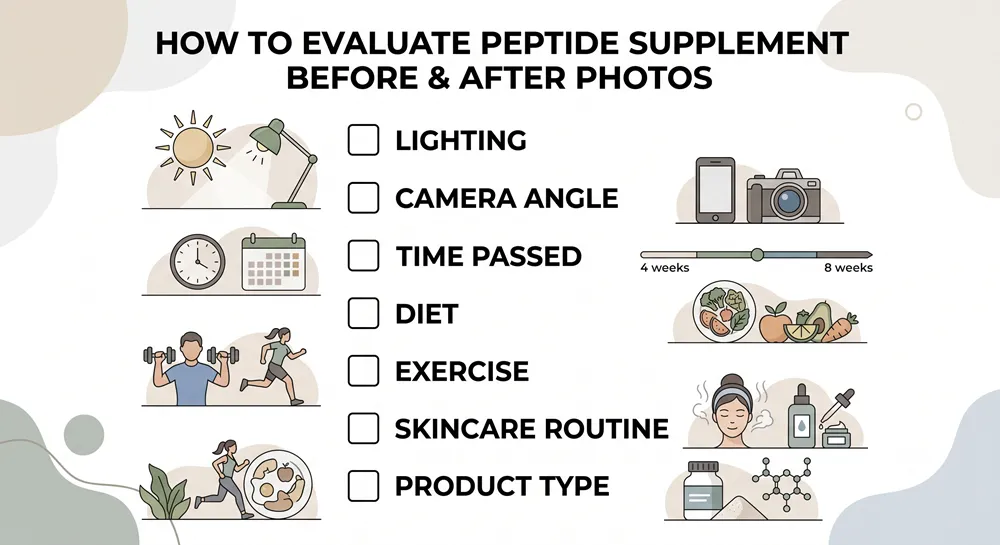
Before-and-after photos can be useful, but they can also be misleading. When looking at peptide results online, ask these questions.
Was the lighting the same?
Different lighting can make wrinkles, texture, muscle tone, and skin glow look completely different.
Was the angle the same?
A small change in camera angle, posture, or facial expression can create a false transformation.
How much time passed?
A two-week comparison is very different from a twelve-week or six-month comparison.
What else changed?
Diet, exercise, skincare, sleep, weight loss, medications, retinoids, fillers, lasers, and hormones can all affect the final result.
What peptide was used?
“Peptides” is too vague. The result depends on the exact ingredient, dosage, format, quality, and use case.
Is the photo connected to a product claim?
Marketing photos often show the best possible outcome. Realistic results are usually more gradual.
Are there objective details?
For skin, look for consistent lighting and timeframes. For body composition, look for training, diet, measurements, or professional assessment. For hair, look for a timeline of at least several months.
The more dramatic the photo, the more context you need.
Choosing the Right Peptide Ingredient for Supplement Products

If you are a consumer, the main takeaway is to keep expectations realistic. If you are a supplement brand, the bigger question is: which peptide ingredient actually fits your product concept?
Different peptide ingredients serve different formulation goals.
Collagen peptides are commonly used in beauty-from-within powders, joint support products, active lifestyle formulas, capsules, sachets, gummies, and functional drinks.
Marine collagen peptides are often selected for premium beauty and skin-positioned formulas. Bovine collagen peptides are widely used for skin, joint, and sports nutrition products. Chicken collagen type II is more closely associated with joint and cartilage positioning. Keratin peptides may fit hair and nail concepts. Elastin peptides may fit skin elasticity positioning.
If you are comparing collagen sources, this guide to comparar os péptidos de colagénio por fonte e tipo can help match the ingredient to the product goal.
Format also matters. Powders allow meaningful serving sizes. Capsules are convenient but may limit dosage. Gummies need careful texture and stability work. Liquid shots and sachets can work well for premium beauty or active lifestyle concepts.
For brands developing peptide-based supplements, it is not enough to choose a trendy ingredient name. The final product needs the right source, specification, solubility, flavor profile, documentation, manufacturing process, and claim strategy.
If your project involves collagen peptide powders, beauty-from-within formulas, sports recovery products, or custom protein peptide supplements, working with an experienced ingredient and manufacturing partner can make the development process much smoother. You can contact Gensei for bulk ingredients, samples, COA review, and custom manufacturing when you are ready to discuss a formula.
FAQ: Peptides Before and After
How long does it take to see peptides before and after results?
It depends on the type of peptide and the goal. Skin hydration or recovery support may be noticed within several weeks, while collagen, hair, joint, and body composition results are better judged over 8–12 weeks or longer.
Are collagen peptides before and after results real?
They can be, but they are usually gradual. Collagen peptides may support skin hydration, elasticity, nail strength, joint comfort, and active lifestyle recovery, especially when used consistently. Results vary based on age, diet, lifestyle, dosage, and product quality.
What are realistic skin peptide before and after results?
Realistic results may include skin that looks more hydrated, smoother, or slightly firmer. Peptides should not be expected to create the same results as cosmetic procedures, prescription treatments, or photo filters.
Are GHK-Cu peptide injections safe?
Injectable GHK-Cu should only be discussed with a licensed healthcare professional. The FDA has noted potential risks for compounded injectable GHK-Cu, including immunogenicity and limited human safety data. Topical copper peptide skincare is a different category from injections.
Can peptides help with muscle growth?
Nutrition-based peptides such as collagen peptides are better positioned for connective tissue and recovery support, not direct muscle-building claims. For muscle growth, resistance training, enough calories, adequate protein, and sleep remain the foundation.
Can peptides help with hair?
Hair results take time and are difficult to guarantee. Collagen or keratin-related peptide ingredients may support healthy hair and nail nutrition, but they should not be positioned as a cure for hair loss.
Why do peptide before-and-after photos look so dramatic online?
Many photos are affected by lighting, angle, posture, editing, weight changes, skincare, training, medications, or cosmetic treatments. A good before-and-after comparison should use the same lighting, angle, distance, and timeline.
Conclusão final
Peptides before and after results depend on the peptide type, product format, use goal, consistency, and overall lifestyle. Collagen peptides, skin peptides, copper peptides, injection therapies, hair formulas, and sports recovery products all belong to different categories.
For most supplement users, realistic results are gradual and are best judged over weeks or months. For brands, the opportunity is not just to use the word “peptides,” but to choose the right peptide ingredient, build a clean formula, and communicate benefits responsibly.
The best peptide product is not the one with the most dramatic before-and-after photo. It is the one built on the right ingredient, the right format, realistic claims, and a quality standard customers can trust.
Referências
- World Anti-Doping Agency. The 2026 Prohibited List: International Standard
- Clínica Cleveland. Collagen: What It Is, Types, Function & Benefits
- Pu, S. Y., Huang, Y. L., Pu, C. M., Kang, Y. N., Hoang, K. D., Chen, K. H., Chen, C., & Wang, W. P. (2023). Efeitos do colagénio oral no antienvelhecimento da pele: uma revisão sistemática e meta-análise
- U.S. Food and Drug Administration. Certain Bulk Drug Substances for Use in Compounding May Present Significant Safety Risks